Stainless sink manufacturers play a critical role in modern infrastructure, extending beyond the kitchen to encompass industrial, healthcare, and public spaces. Their products are foundational elements of sanitation and hygiene, impacting public health and operational efficiency across diverse sectors. The global demand for stainless steel sinks is consistently high, driven by factors like increasing construction activity, renovation trends, and the need for durable, corrosion-resistant materials in demanding environments. Understanding the landscape of these manufacturers – their capabilities, innovations, and supply chains – is therefore essential for professionals in architecture, construction, hospitality, and public health.
The stainless sink manufacturing industry is a substantial economic force, encompassing raw material sourcing, fabrication, finishing, and distribution. It’s characterized by both large-scale multinational corporations and smaller, specialized regional players. The industry’s success depends heavily on navigating fluctuating steel prices, maintaining consistent quality control, and adapting to evolving design preferences and environmental regulations. The competitive landscape is driven by factors such as price, product innovation, and the ability to deliver customized solutions to meet specific client needs.
In a world increasingly focused on sustainability and hygiene, stainless sink manufacturers are at the forefront of providing essential products. Their ability to deliver durable, easy-to-clean, and recyclable solutions positions them as key contributors to a more sustainable future. This industry’s continued growth is inextricably linked to global urbanization, increased investment in public infrastructure, and a heightened awareness of the importance of sanitation in preventing disease.
The Importance of Stainless Sink Manufacturers
Stainless sink manufacturers are foundational to maintaining hygiene and operational efficiency across numerous sectors. Their products aren't simply receptacles for water; they're critical components in controlling the spread of disease, ensuring food safety, and facilitating effective workflows in commercial and residential settings. The quality and design of these sinks directly impact user experience and overall sanitation standards.
Selecting a reputable manufacturer is crucial, as it influences material quality, weld integrity, finish durability, and adherence to industry standards. High-quality stainless steel sinks resist corrosion, staining, and harbor fewer bacteria compared to alternative materials, making them a preferred choice for health-conscious environments like hospitals, laboratories, and commercial kitchens.
Global Context and Industry Overview
The global stainless sink market is experiencing steady growth, fueled by construction booms in developing economies, increasing demand for hygienic products, and a shift towards modern kitchen and bathroom designs. According to market research reports, Asia-Pacific represents the largest consumer base, with China, India, and Southeast Asian nations driving significant demand. North America and Europe remain substantial markets with a focus on high-quality, innovative designs.
The industry is characterized by a complex supply chain, starting with the mining and processing of raw materials like iron ore, nickel, and chromium. Stainless steel production, fabrication, and finishing processes require specialized equipment and skilled labor. Competition is intense, with manufacturers constantly striving to reduce costs, improve product quality, and expand their market share.
A significant challenge facing stainless sink manufacturers is navigating fluctuations in raw material prices. Global economic events and geopolitical factors can drastically impact the cost of stainless steel, affecting profitability and pricing strategies. Moreover, stringent environmental regulations regarding waste management and energy consumption add to the operational complexities.
Defining Stainless Sink Manufacturers
Stainless sink manufacturers are companies specializing in the design, fabrication, and distribution of sinks constructed primarily from stainless steel alloys. These manufacturers typically source stainless steel sheets or coils, then employ various techniques like pressing, welding, polishing, and coating to create finished products. They cater to a broad range of clients, including wholesalers, retailers, construction companies, and directly to consumers in some cases.
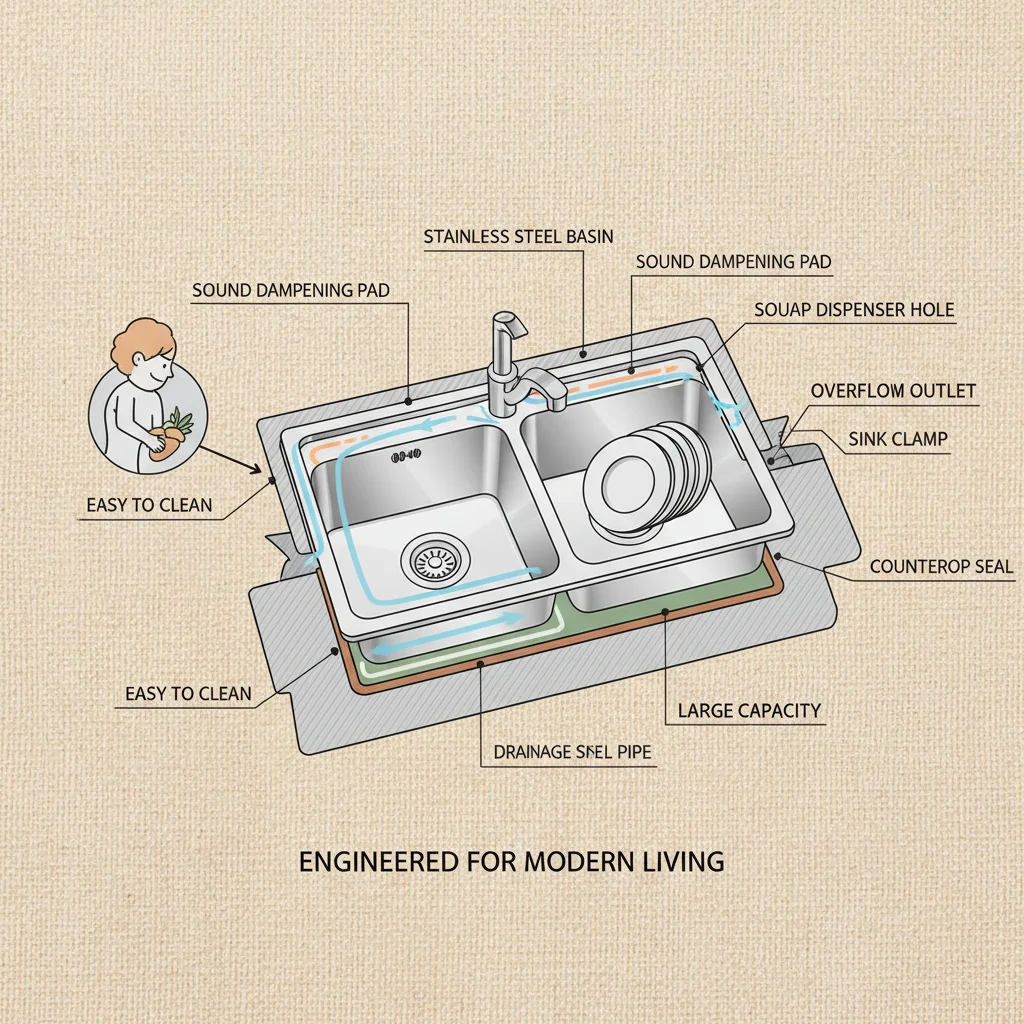
The scope of their operations can vary greatly. Some manufacturers focus on mass-producing standard sink models for residential applications, while others specialize in creating custom-designed sinks for commercial or industrial projects. Many also offer a variety of sink accessories, such as faucets, strainers, and cutting boards, to provide comprehensive solutions. A key distinction lies in the grades of stainless steel used, with 304 and 316 being the most common due to their corrosion resistance and durability.
Their connection to modern industry extends beyond simply providing a functional fixture. Stainless sinks contribute to overall hygiene standards in food processing, healthcare, and sanitation, preventing the spread of bacteria and maintaining public health. They represent a tangible example of how material science and manufacturing processes directly impact our daily lives.
Key Characteristics of Leading Manufacturers
Leading stainless sink manufacturers distinguish themselves through several core competencies. Firstly, Material Expertise is paramount; they demonstrate a deep understanding of different stainless steel grades, their properties, and appropriate applications. Secondly, Manufacturing Precision ensures consistent product quality, accurate dimensions, and flawless welding.
Design Innovation plays a crucial role in attracting customers, with manufacturers offering a range of styles, sizes, and features. Supply Chain Management is vital for sourcing high-quality materials at competitive prices and ensuring timely delivery. And finally, Quality Control is non-negotiable, with rigorous testing and inspection processes to guarantee product durability and performance.
Stainless Sink Manufacturer Performance Metrics
Applications Across Industries
Stainless sink manufacturers serve a diverse array of industries, each with unique requirements. In the healthcare sector, sinks are integral to surgical suites, laboratories, and patient care areas, demanding stringent hygiene standards and resistance to harsh cleaning agents. The food service industry, including restaurants, catering facilities, and food processing plants, relies on durable, easy-to-sanitize sinks for food preparation and cleanup.
Commercial kitchens in hotels, schools, and hospitals demand high-capacity, heavy-duty sinks that can withstand constant use. Residential applications encompass kitchen and bathroom sinks, with homeowners prioritizing aesthetics, durability, and ease of maintenance. Moreover, stainless sink manufacturers are increasingly supplying sinks for industrial facilities, such as chemical processing plants and automotive workshops, where resistance to corrosion is critical.
Advantages and Long-Term Value
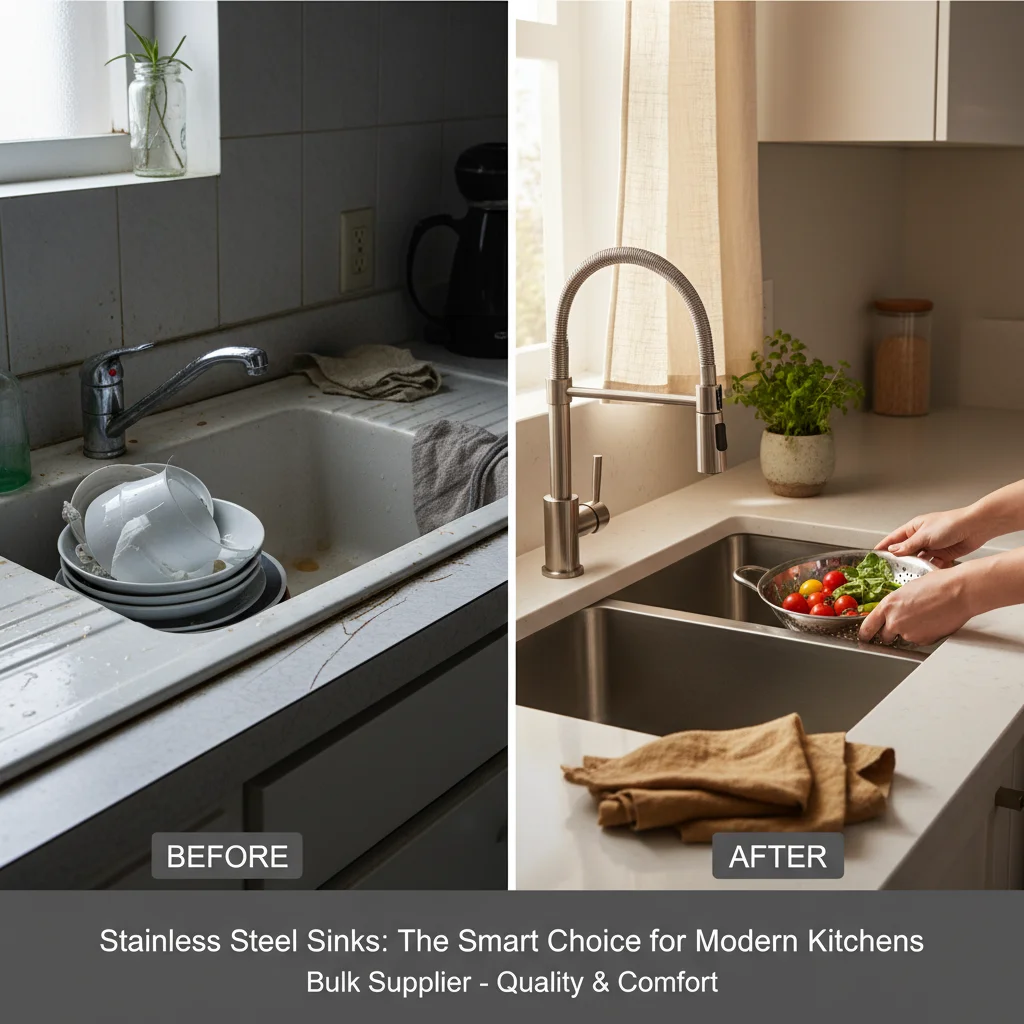
The advantages of choosing stainless steel sinks from reputable manufacturers are multifaceted. Durability is a key benefit; stainless steel resists corrosion, staining, and damage from impact, ensuring a long service life. Hygienic properties are crucial for health-sensitive environments, as stainless steel inhibits bacterial growth and is easy to clean and disinfect.
Aesthetic appeal is another advantage, with stainless steel offering a sleek, modern look that complements various design styles. The recyclability of stainless steel contributes to sustainability, minimizing environmental impact. Furthermore, a well-maintained stainless steel sink offers a strong return on investment due to its longevity and reduced replacement costs.
Future Trends and Innovation
The stainless sink manufacturing industry is witnessing several emerging trends. Smart sink technology, incorporating features like touchless operation, integrated sensors, and water-saving functionalities, is gaining traction. Advanced surface treatments, such as antimicrobial coatings and fingerprint-resistant finishes, are enhancing hygiene and convenience.
Sustainable manufacturing practices, including the use of recycled stainless steel and energy-efficient production processes, are becoming increasingly important. Customization options, allowing clients to specify unique sizes, shapes, and features, are driving product differentiation. And finally, automation and robotics are being implemented to improve efficiency and reduce labor costs in manufacturing facilities.
Key Factors Influencing Stainless Sink Manufacturing Decisions
| Material Grade |
Manufacturing Process |
Finish Quality |
Sustainability Practices |
| 304 Stainless Steel |
Deep Drawing & Welding |
Brushed Finish (7/10) |
Limited Recycled Content |
| 316 Stainless Steel |
CNC Machining & Polishing |
Mirror Finish (9/10) |
Moderate Recycled Content |
| 201 Stainless Steel |
Stamping & Assembly |
Satin Finish (6/10) |
Minimal Recycled Content |
| 430 Stainless Steel |
Roll Forming & Spot Welding |
Matte Finish (5/10) |
Low Recycled Content |
| Duplex Stainless Steel |
Forging & Precision Welding |
Polished Finish (8/10) |
High Recycled Content |
| Austenitic Stainless Steel |
Hydroforming & Robotic Welding |
Electro-Polished Finish (10/10) |
Very High Recycled Content |
FAQS
304 stainless steel is the most common grade, offering excellent corrosion resistance for general use. 316 stainless steel contains molybdenum, enhancing its resistance to chlorides and making it ideal for coastal environments or applications with exposure to de-icing salts. 316 is more expensive but provides superior durability in harsh conditions.
While stainless steel is rust-resistant, it isn't entirely rust-proof. Regular cleaning with a non-abrasive cleaner and avoiding prolonged exposure to harsh chemicals or saltwater is crucial. Immediately wipe up spills, especially those containing chlorides. Periodic polishing with a stainless steel polish can also help maintain its protective layer.
For stubborn stains, create a paste of baking soda and water, apply it to the stain, and gently scrub in the direction of the grain. For tougher stains, a specialized stainless steel cleaner may be necessary. Avoid using abrasive cleaners or steel wool, as they can scratch the surface.
Yes, stainless steel is 100% recyclable. Recycling stainless steel saves energy and resources compared to producing it from virgin materials. Many scrap metal recyclers will accept stainless steel sinks. Contact your local recycling facility for specific instructions.
Lower gauge numbers indicate thicker steel. For residential kitchen sinks, 16-18 gauge stainless steel is generally recommended for its balance of durability and affordability. For commercial applications or heavy-duty use, 14-gauge stainless steel offers superior strength and resistance to dents.
A well-maintained, quality stainless steel sink can last for 20 years or more. Proper cleaning, avoiding abrasive materials, and prompt attention to any minor scratches or damage will significantly extend its lifespan. The durability of the material makes it a long-term investment.
Conclusion
Stainless sink manufacturers are vital contributors to public health, hygiene, and functional efficiency across a wide spectrum of industries. Their commitment to durable materials, innovative designs, and sustainable practices positions them as essential players in a constantly evolving world. By understanding the key characteristics of leading manufacturers, the advantages of stainless steel, and the emerging trends in the industry, consumers and professionals can make informed decisions that support long-term value and sustainability.
Looking ahead, continued innovation in materials science, manufacturing techniques, and smart technologies will further enhance the performance and functionality of stainless steel sinks. The emphasis on sustainability and responsible sourcing will become increasingly important, driving the adoption of recycled materials and energy-efficient processes. Visit our website at stainless sink manufacturers to explore our comprehensive range of high-quality stainless steel sinks and learn more about our commitment to excellence.