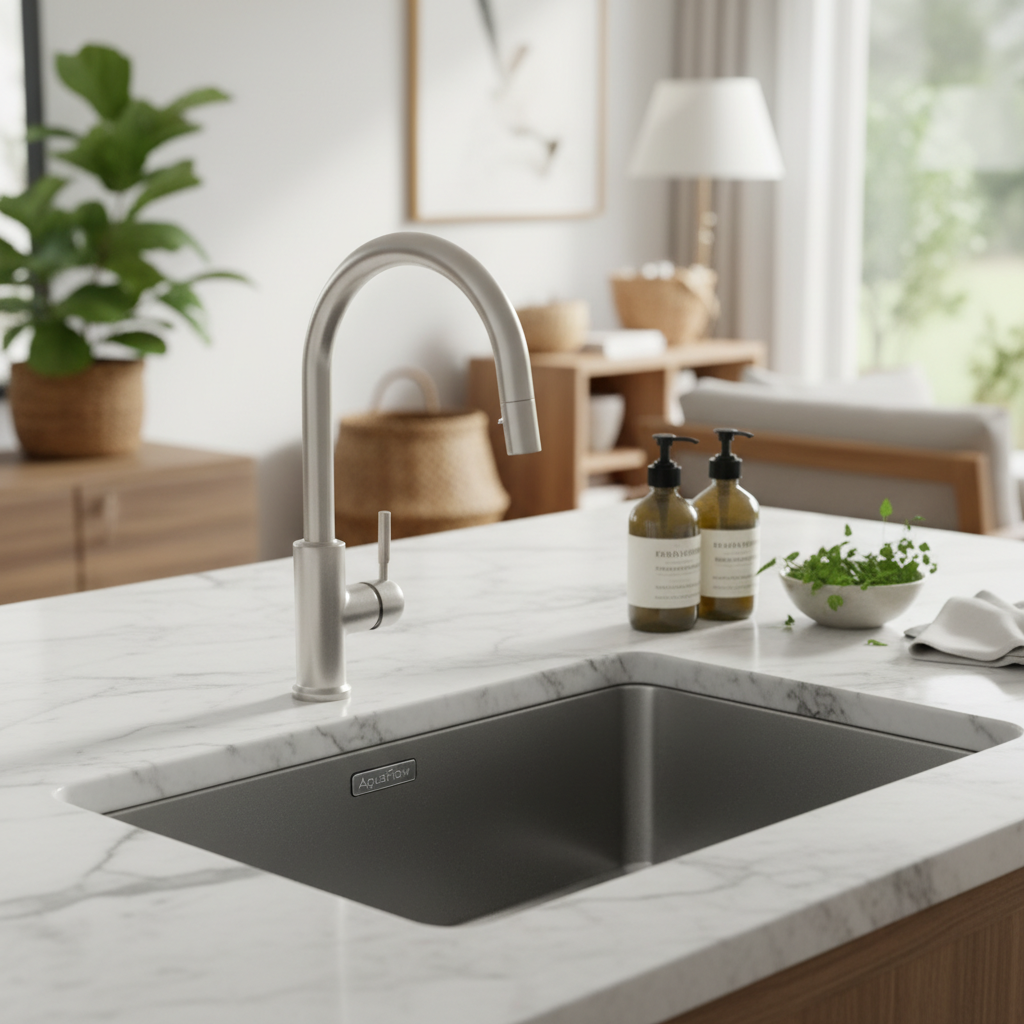
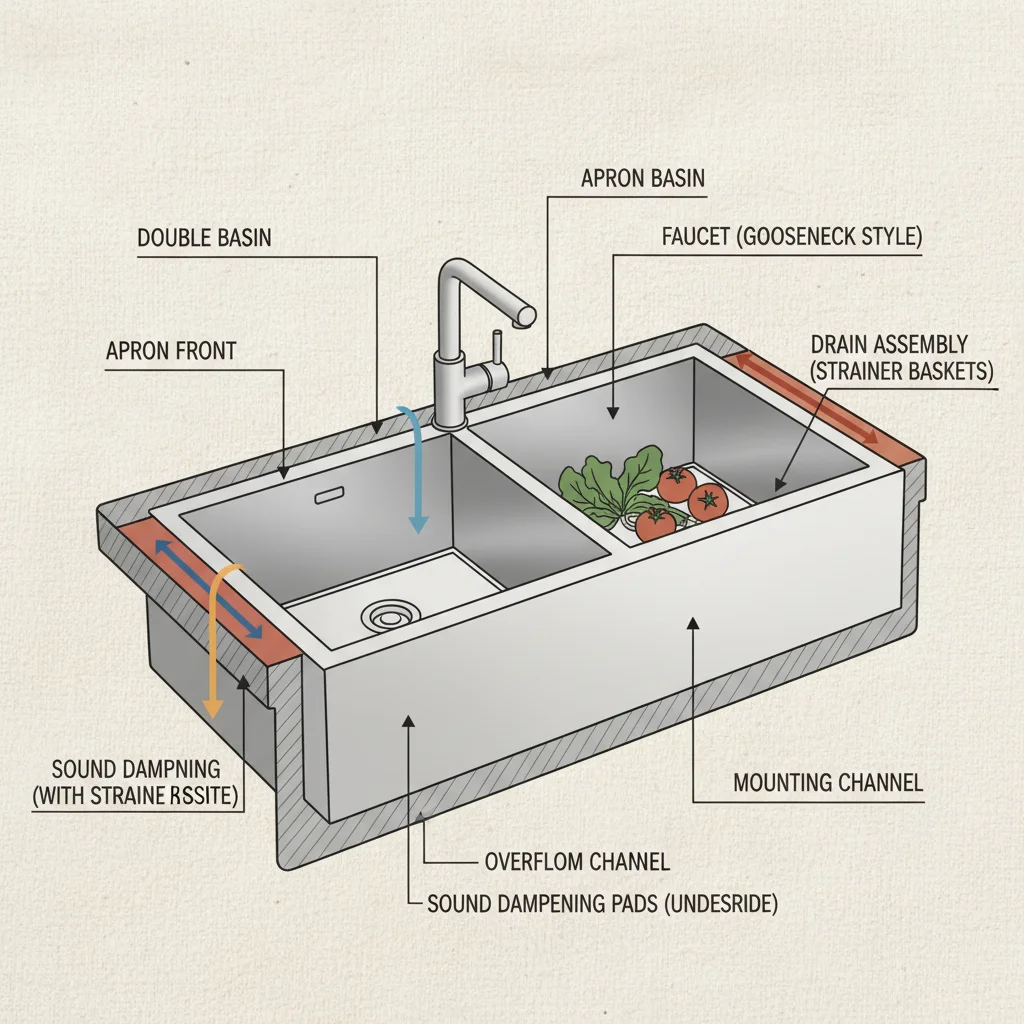
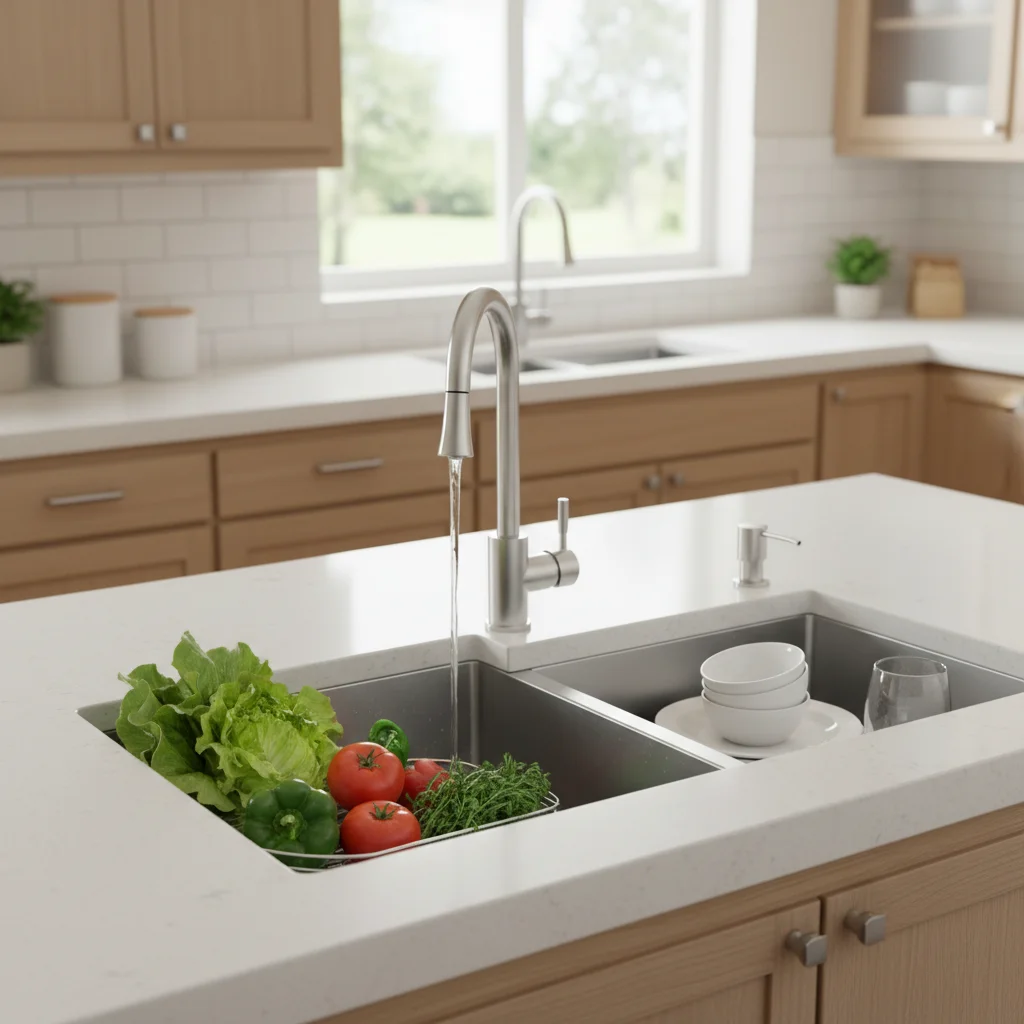
Commercial sink suppliers play a crucial role in a vast array of industries, from hospitality and healthcare to food service and manufacturing. These suppliers aren’t simply vendors; they are partners in ensuring hygiene, efficiency, and compliance with stringent regulations. The global market for commercial sinks is substantial and continually evolving, driven by factors such as increasing sanitation standards, growing urbanization, and a demand for durable, cost-effective solutions. Understanding the nuances of this sector is vital for businesses seeking reliable and high-quality sanitation infrastructure.
The significance of reliable commercial sink suppliers extends beyond mere functionality. In sectors like healthcare, the quality and design of sinks directly impact infection control and patient safety. In food service, they are fundamental to maintaining hygiene standards and preventing foodborne illnesses. A disruption in the supply chain for these essential components can have significant consequences, underscoring the need for robust and diversified sourcing strategies. This has become even more apparent in recent global events, highlighting vulnerabilities in supply chains worldwide.
Selecting the right commercial sink supplier offers benefits ranging from optimized workflow and reduced maintenance costs to improved hygiene and enhanced brand reputation. The emphasis is shifting towards sustainable materials, water-efficient designs, and intelligent features like touchless operation, impacting how commercial sink suppliers are innovating and meeting the demands of a changing marketplace. Investing in quality sinks translates directly to long-term operational savings and a safer, more productive environment.
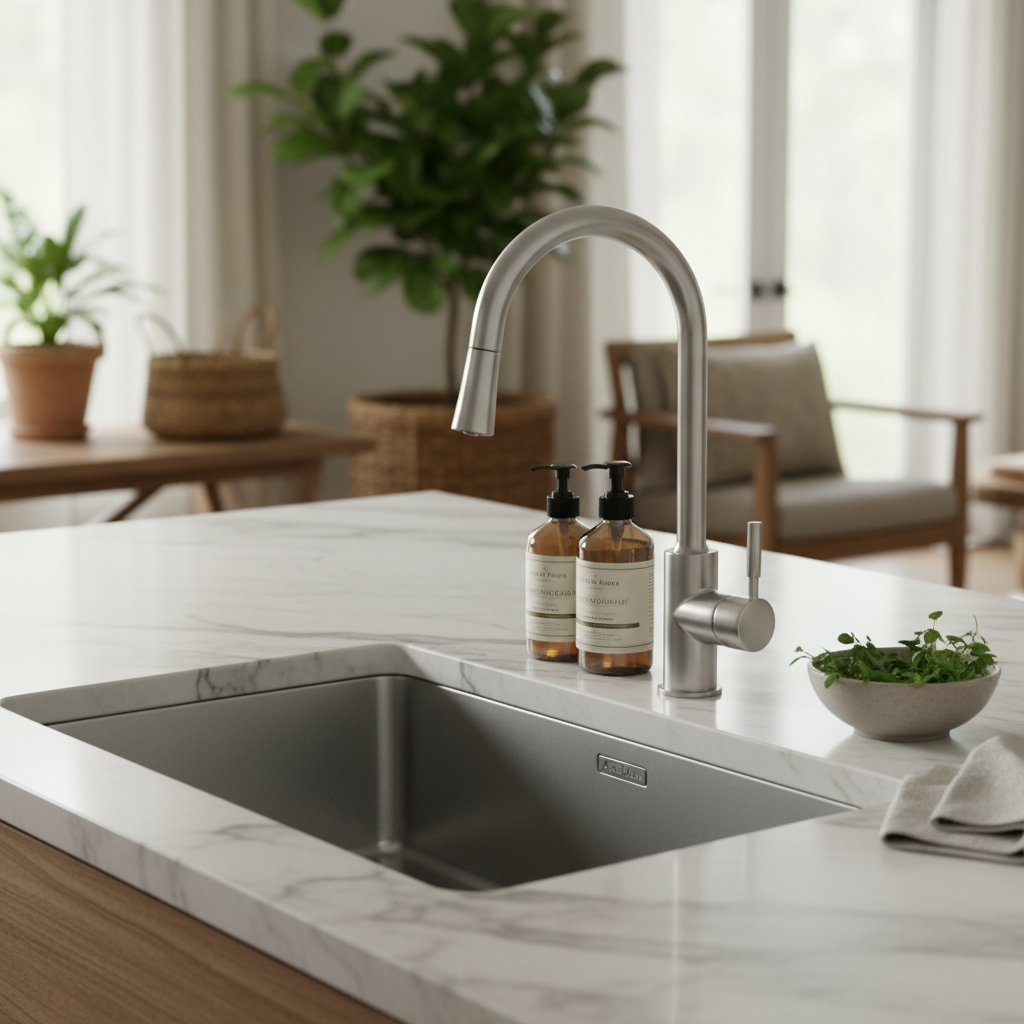
The Importance of Commercial Sink Suppliers
Commercial sink suppliers are the backbone of many businesses that rely on robust and sanitary washing facilities. Their role isn't limited to simply providing a product; it encompasses consultation, design support, installation guidance, and ongoing maintenance assistance. The best commercial sink suppliers act as strategic partners, understanding the unique needs of each client and tailoring solutions to meet those requirements.
A crucial element is ensuring compliance with industry-specific regulations, such as NSF standards in the food service industry or healthcare sanitation guidelines. Suppliers who possess a deep understanding of these standards can provide peace of mind and prevent costly non-compliance issues. The selection process should therefore prioritize not only the quality of the sinks themselves, but also the supplier’s expertise and commitment to regulatory adherence.
Defining Commercial Sink Suppliers
Commercial sink suppliers are businesses specializing in the distribution and often the fabrication of sinks designed for use in commercial settings. Unlike residential sinks, commercial sinks are engineered for heavy-duty use, requiring superior durability, resistance to corrosion, and ease of cleaning. These suppliers cater to a wide range of industries, including restaurants, hospitals, schools, factories, and laboratories.
The term "supplier" can encompass various business models, from manufacturers who sell directly to end-users to distributors who source products from multiple manufacturers. Some suppliers also offer value-added services such as custom fabrication, installation, and ongoing maintenance. The connection to modern industry is clear: ensuring hygiene, safety, and efficiency in commercial operations.
They bridge the gap between manufacturing and end-user needs, providing tailored solutions that address specific sanitation challenges. A quality commercial sink supplier doesn't just sell a product; they offer a complete sanitation solution, which is essential for maintaining public health and operational efficiency.
Key Factors in Choosing Suppliers
When evaluating potential commercial sink suppliers, several key factors must be considered. First and foremost is the quality of the products offered, assessed through material certifications, construction techniques, and adherence to industry standards. Second, a supplier's reputation for reliability and customer service is paramount, reflecting their commitment to long-term partnerships.
Third, pricing and payment terms should be transparent and competitive, factoring in not just the initial purchase cost but also long-term maintenance and replacement expenses. Fourth, lead times and delivery capabilities are critical, especially for time-sensitive projects. Fifth, the supplier’s capacity for customization and their ability to accommodate specific design requirements can be a significant advantage.
Finally, assess the supplier's warranty policies and after-sales support. A robust warranty demonstrates confidence in product quality, and readily available support ensures minimal downtime in case of issues. Thorough due diligence in these areas will lead to a more informed and successful supplier selection process.
Essential Aspects of Commercial Sink Quality
The quality of commercial sinks hinges on several critical aspects. Material selection is paramount; stainless steel, particularly 304 and 316 grades, is widely favored for its durability, corrosion resistance, and hygienic properties. The gauge of the stainless steel also matters, with lower gauges indicating thicker, more robust materials.
Construction techniques play a vital role. Welded seams should be smooth, polished, and free of cracks to prevent bacterial buildup. The design of the sink itself should facilitate efficient drainage and cleaning. Consider features like coved corners and integrated drainboards to minimize areas where contaminants can accumulate.
Commercial Sink Quality Assessment
Global Applications and Industry Impact
Commercial sinks are indispensable across numerous sectors globally. In the food service industry, they are fundamental to food preparation, dishwashing, and maintaining hygiene standards in restaurants, cafeterias, and catering facilities. Hospitals and healthcare facilities rely on specialized sinks for handwashing, surgical preparation, and specimen disposal, directly impacting patient safety.
Manufacturing plants utilize industrial sinks for cleaning parts, tools, and equipment. Laboratories require sinks designed for handling chemicals and conducting experiments. Even educational institutions, from schools to universities, depend on commercial sinks in cafeterias, kitchens, and science labs. In remote industrial zones, access to reliable and durable sinks is essential for maintaining worker health and productivity.
Advantages and Long-Term Value
Investing in high-quality commercial sinks from reputable commercial sink suppliers delivers substantial long-term benefits. Cost savings stem from reduced maintenance and repair needs, as well as extended product lifecycles. Durability translates to less frequent replacements, minimizing disruptions and associated expenses.
Sustainability is enhanced through water-efficient designs and the use of recyclable materials. Social impact is positive through improved hygiene and safety in workplaces and public spaces. The emotional benefit of knowing sanitation standards are high and the logical benefit of reducing operational downtime create a robust return on investment, fostering trust and brand credibility.
Future Trends and Innovations
The future of commercial sink design is focused on innovation and sustainability. Touchless operation, driven by sensor technology, is becoming increasingly prevalent to minimize contact and enhance hygiene. Smart sinks with integrated water management systems are being developed to optimize water usage and reduce waste.
The use of antimicrobial materials, such as copper alloys, is gaining traction to inhibit bacterial growth. Digital integration, allowing for remote monitoring of sink performance and automated maintenance alerts, is also on the horizon. These advancements will require suppliers to adapt and invest in research and development to remain competitive.
Furthermore, there's a growing trend towards modular and customizable sink systems, allowing businesses to tailor solutions to their specific needs. This trend, combined with a focus on eco-friendly materials and energy efficiency, indicates a significant shift in the industry’s priorities.
FAQS
When selecting a commercial sink supplier, prioritize certifications like NSF International, which validates sanitation standards. Look for suppliers with ISO 9001 certification, demonstrating commitment to quality management. Additionally, check for compliance with local plumbing codes and any industry-specific regulations relevant to your application. These certifications provide assurance of product safety, durability, and adherence to best practices.
Lead times can vary significantly depending on the supplier’s manufacturing capacity, inventory levels, and customization options. Standard sink models typically have shorter lead times (1-2 weeks) compared to custom-fabricated sinks (4-8 weeks or longer). It’s crucial to inquire about lead times upfront and factor them into your project schedule. Reliable suppliers provide transparent communication regarding order status and potential delays.
Stainless steel (grades 304 and 316) is the most common material due to its durability, corrosion resistance, and hygienic properties. Composite materials, like granite composite, offer a stylish alternative with excellent stain resistance. Epoxy resin coatings are often used to enhance durability and chemical resistance in laboratory settings. The best material choice depends on the specific application and exposure to harsh chemicals or abrasive substances.
Regular cleaning with non-abrasive cleaners is paramount. Avoid harsh chemicals that can damage the sink’s finish. Promptly address any scratches or dents to prevent corrosion. Inspect drain lines regularly for clogs and leaks. Properly maintain garbage disposal units, if equipped. Following the manufacturer’s maintenance guidelines will significantly extend the sink’s lifespan.
Touchless sinks significantly enhance hygiene by reducing the spread of germs. They promote water conservation by dispensing water only when needed. They are also more accessible for individuals with disabilities. While they often have a higher upfront cost, the long-term benefits of improved sanitation and reduced water consumption can outweigh the initial investment.
Consider the volume of items that will be washed, the available space, and the workflow requirements. Measure the available space accurately. Determine the appropriate number of compartments and the desired bowl depth. For food service applications, consider the size of pots, pans, and dishes. Collaborate with a reputable commercial sink suppliers for guidance on optimal sink configuration.
Conclusion
In conclusion, selecting the right commercial sink supplier is a critical decision impacting hygiene, efficiency, and long-term cost savings. A thorough evaluation of product quality, supplier reputation, and adherence to industry standards is essential. Investing in durable, well-designed sinks and partnering with a reliable supplier yields significant benefits across various industries.
Looking ahead, the commercial sink market will continue to evolve with innovations focused on sustainability, hygiene, and smart technology. Businesses should proactively explore these advancements and collaborate with forward-thinking suppliers to optimize their sanitation infrastructure and remain competitive. Visit our website at www.yashitesink.com to learn more about our comprehensive range of commercial sink solutions.