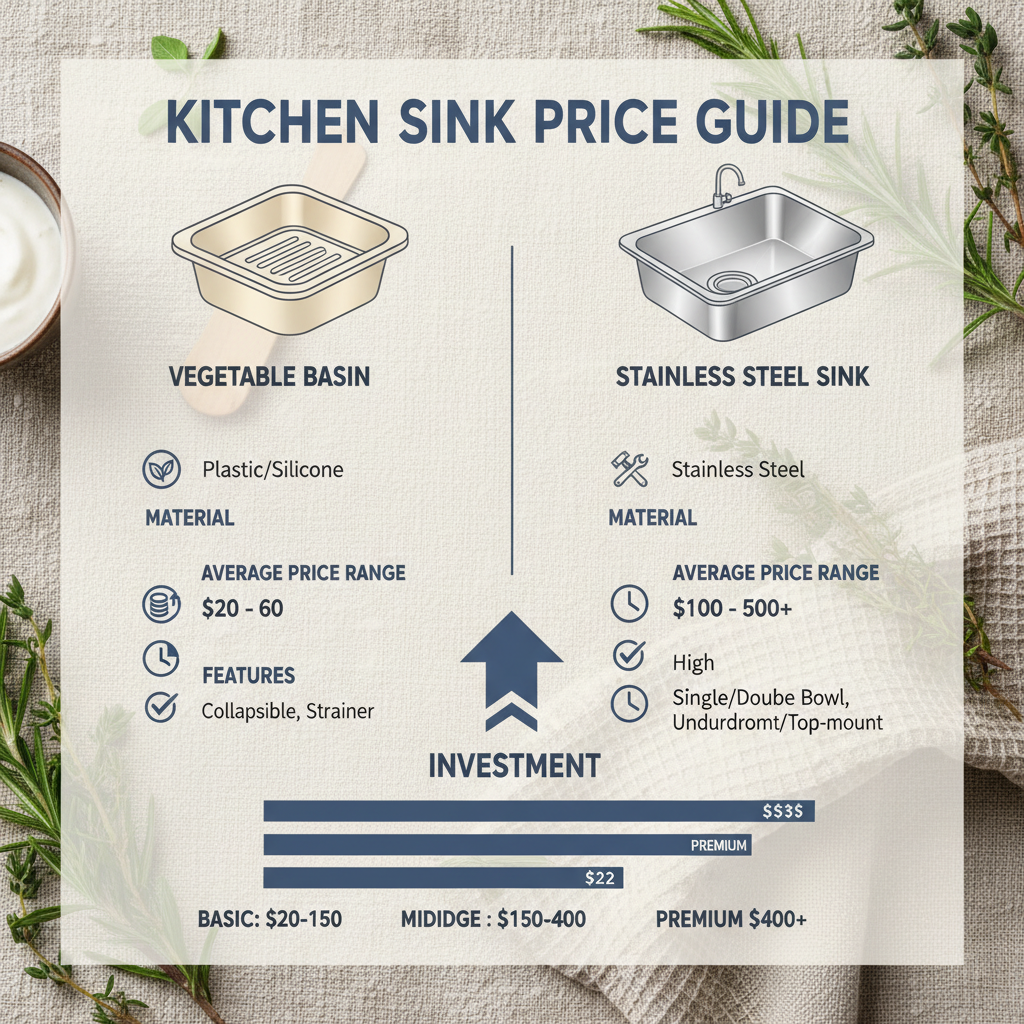
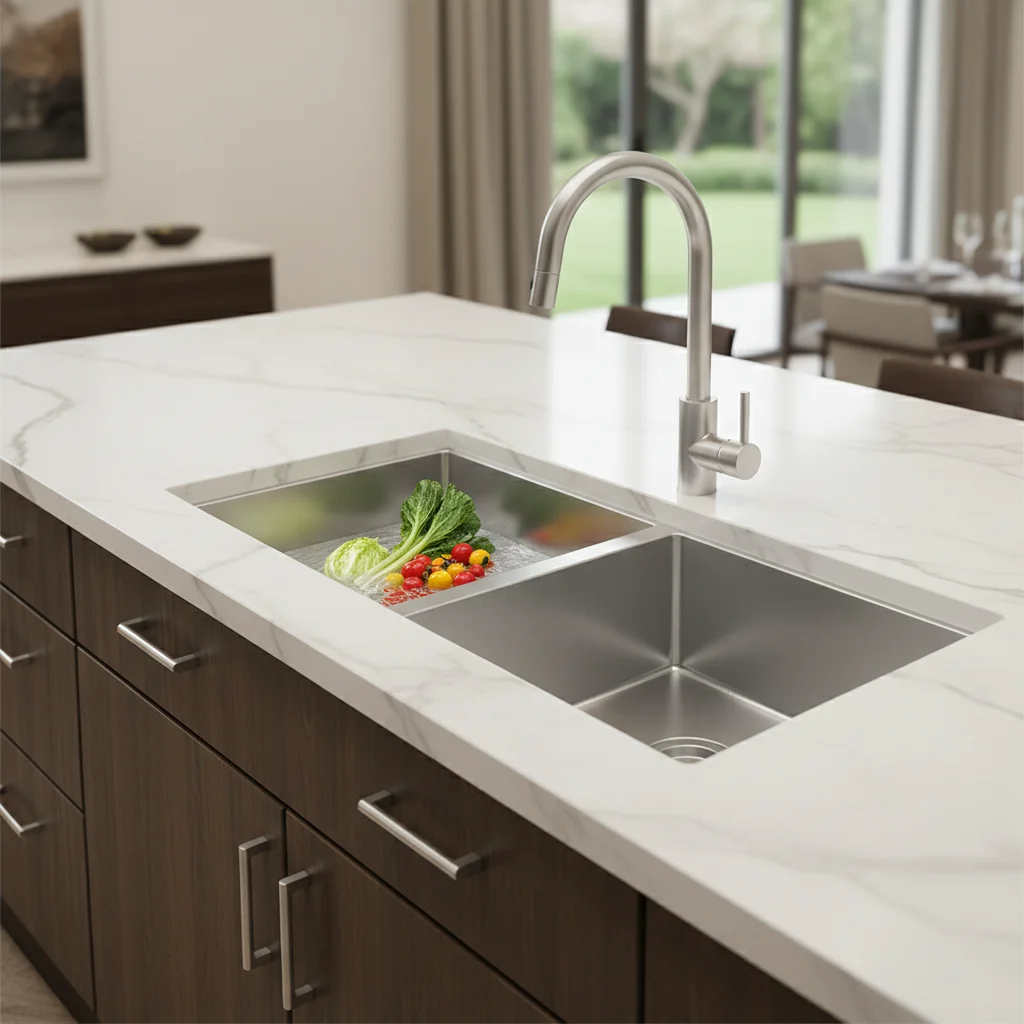
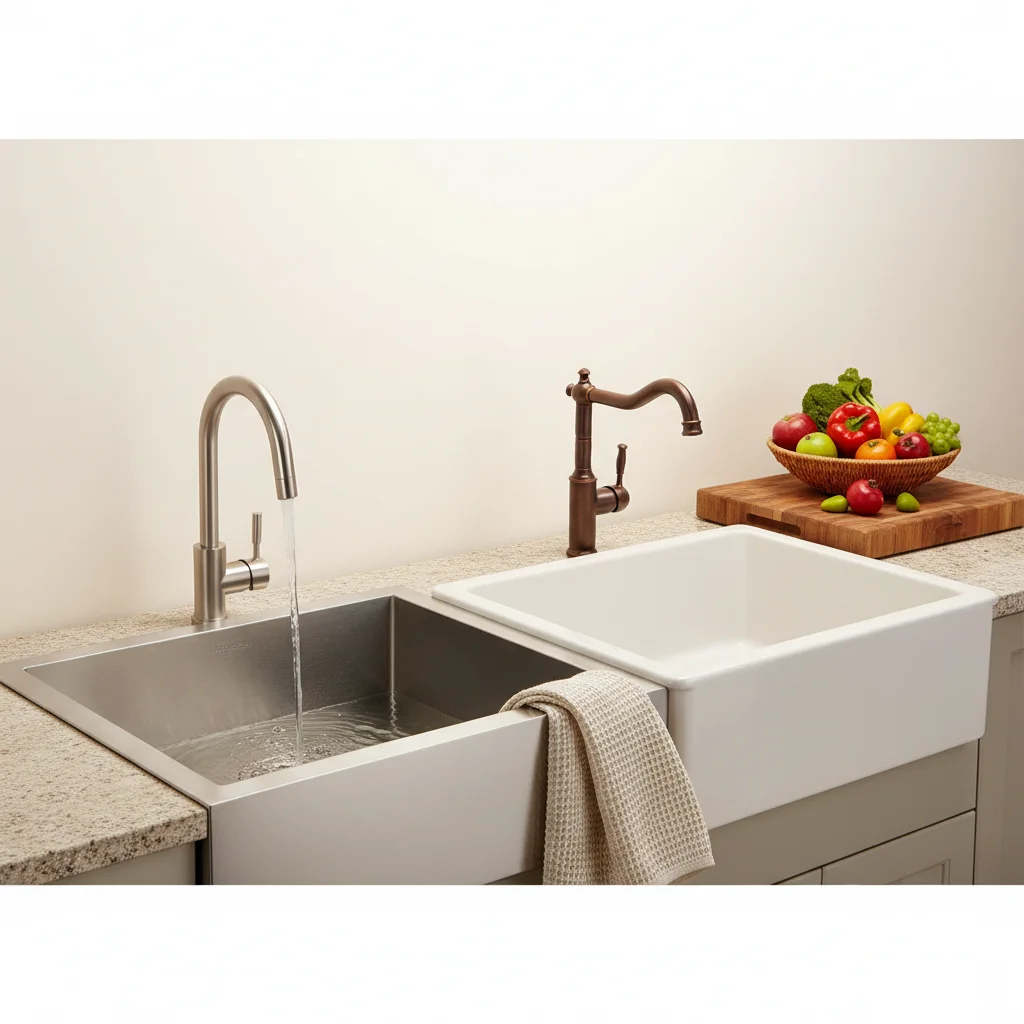
The global kitchen sink market is a significant component of the broader plumbing fixtures industry, with a consistent demand driven by new construction, renovation projects, and population growth. Understanding the nuances of sink for kitchen price is crucial for both consumers and industry professionals alike. Variations in materials, design, functionality, and manufacturing processes heavily influence pricing. A competitive landscape necessitates informed decision-making, focusing on value, durability, and aesthetic appeal when considering a sink for kitchen price.
The demand for kitchen sinks is closely tied to economic indicators, particularly housing market trends and disposable income levels. According to Statista, the global kitchen sink market was valued at approximately $12 billion in 2023 and is projected to reach $15 billion by 2028. Stainless steel remains the dominant material due to its cost-effectiveness and durability, but alternative materials like granite composite and fireclay are gaining traction. Addressing the challenge of identifying a reasonable sink for kitchen price requires navigating this complex market.
Choosing the right kitchen sink impacts kitchen functionality, hygiene, and the overall aesthetic. Manufacturers are increasingly focusing on features like noise reduction, integrated accessories, and easy cleaning, impacting the final sink for kitchen price. Sustainability is also becoming a key consideration, with consumers seeking eco-friendly materials and manufacturing processes. This convergence of factors makes understanding sink pricing essential for both consumers and businesses.
The Importance of sink for kitchen price
Understanding the sink for kitchen price is fundamental to smart kitchen renovation or new construction. A sink is a daily-use utility, so price isn’t the only factor; value, longevity, and suitability to the user’s needs are equally important. Disparities in sink for kitchen price can range drastically, from budget-friendly options to high-end, handcrafted models, influenced by material, features, and brand reputation.
Properly evaluating sink for kitchen price helps prevent costly replacements and ensures a functional and aesthetically pleasing kitchen space. Investing in a quality sink, even at a higher initial cost, can yield long-term savings and satisfaction.
Defining sink for kitchen price
“Sink for kitchen price” refers to the cost associated with purchasing a kitchen sink, encompassing various factors such as material, size, design, features (e.g., number of bowls, integrated accessories), brand, and place of purchase. It’s a dynamic price point, fluctuating based on market conditions, manufacturing costs, and retailer markups.
The price can vary significantly – a basic stainless-steel sink may cost under $100, while a handcrafted copper or fireclay sink could exceed $1,000. Furthermore, installation costs are generally separate and should be factored into the total expense.
In the context of modern industry, understanding sink for kitchen price requires considering not only the initial cost but also the total cost of ownership, including maintenance, repair, and potential replacement.
Key Factors Influencing sink for kitchen price
Several key factors influence the sink for kitchen price. Material is a primary driver, with stainless steel being the most affordable, followed by composite materials, and then premium options like copper, fireclay, and stone. The gauge of stainless steel also impacts cost, with lower gauges (thicker steel) being more expensive.
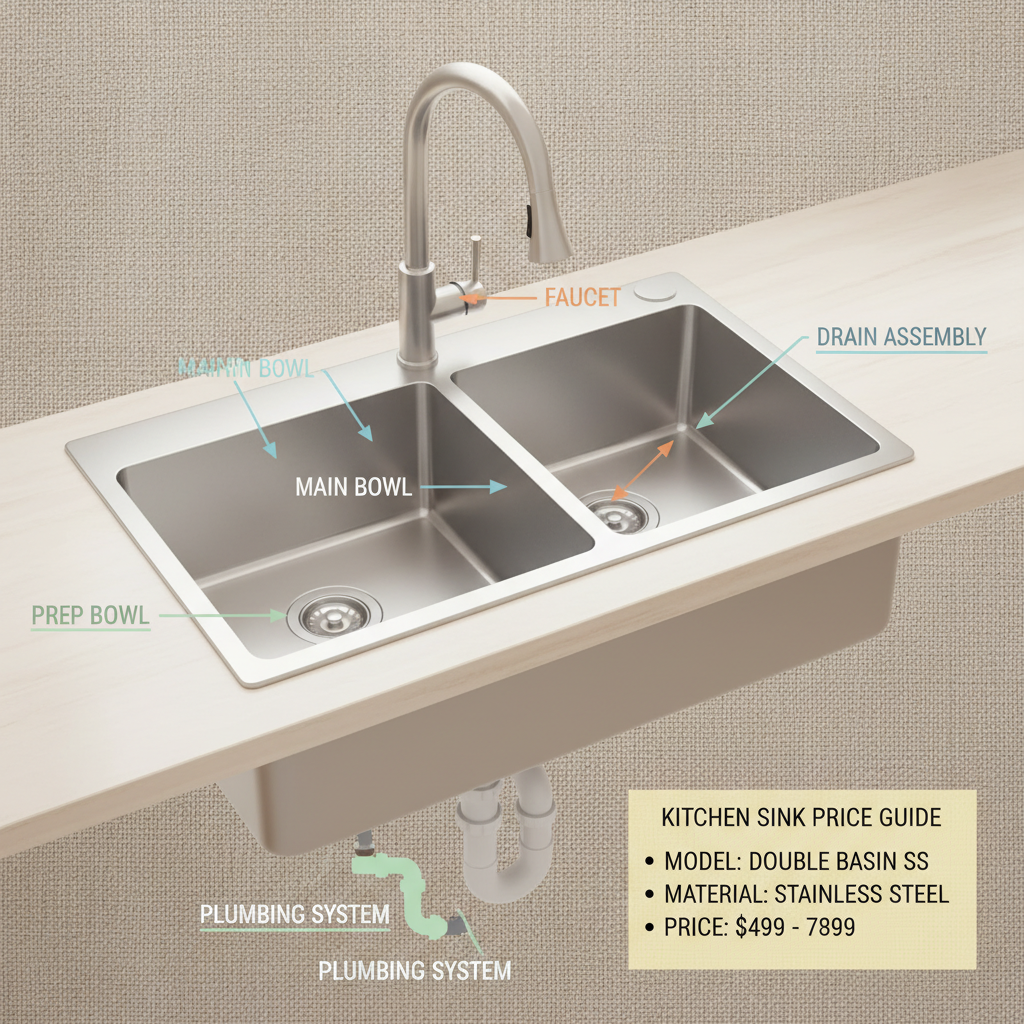
Sink configuration, including the number of bowls (single, double, triple), depth, and overall size, also plays a significant role. Larger, deeper sinks with multiple bowls generally command a higher sink for kitchen price. Features such as sound dampening, integrated strainers, and accessories (cutting boards, drying racks) add to the cost.
Brand reputation and manufacturing origin contribute to price variations. Established brands with a history of quality often charge a premium. Handcrafted sinks typically have higher sink for kitchen price due to the labor-intensive manufacturing process.
Global Market Trends in sink for kitchen price
The global market for kitchen sinks is experiencing several key trends impacting sink for kitchen price. Increasing demand for undermount sinks, offering a seamless look and easier cleaning, is pushing prices upwards. The rise of smart home technology is leading to the development of sinks with integrated features like touchless operation and water filtration, increasing the sink for kitchen price.
Sustainability is also a significant trend, with consumers increasingly seeking sinks made from recycled materials or manufactured using eco-friendly processes. This demand is driving up the sink for kitchen price for these environmentally conscious options.
Comparison of sink for kitchen price based on Material
Applications of Different sink for kitchen price Ranges
Entry-level sink for kitchen price ranges (under $200) are typically suited for rental properties, budget renovations, or secondary kitchens. Mid-range sinks ($200-$500) offer a balance of affordability and functionality, ideal for average households.
High-end sinks ($500+) are designed for luxury kitchens, featuring premium materials, unique designs, and advanced features. These are commonly found in high-end homes and commercial kitchens.
The Long-Term Value of Investing in a Quality sink for kitchen price
While a lower sink for kitchen price might seem appealing initially, investing in a higher-quality sink can offer significant long-term value. Durable materials like thick-gauge stainless steel or fireclay resist wear and tear, reducing the need for frequent replacements.
Better-quality sinks often come with extended warranties, providing peace of mind and protecting against defects. Furthermore, a well-made sink enhances the overall aesthetic of the kitchen, potentially increasing property value.
The peace of mind and convenience offered by a reliable, high-quality sink justify the higher initial investment, resulting in overall cost savings and greater satisfaction.
Future Innovations and Challenges in sink for kitchen price
The future of kitchen sink technology is poised for innovation, with features like integrated smart home connectivity, touchless controls, and enhanced sanitation systems becoming more prevalent. Nanotechnology coatings that resist stains and bacteria could also influence sink for kitchen price.
A key challenge lies in balancing innovation with affordability, ensuring that these advanced features are accessible to a wider range of consumers. Sustainability will continue to be a driving force, pushing manufacturers to develop sinks from recycled materials and implement more eco-friendly production processes.
Supply chain disruptions and fluctuating material costs pose ongoing challenges to maintaining stable sink for kitchen price.
Analysis of Factors Affecting sink for kitchen price
| Material Type |
Manufacturing Complexity |
Brand Reputation (Score 1-10) |
Average Impact on sink for kitchen price |
| Stainless Steel |
Low |
6 |
$100 - $300 |
| Granite Composite |
Medium |
7 |
$250 - $450 |
| Copper |
High (Handcrafted) |
8 |
$600 - $1200 |
| Fireclay |
High |
9 |
$700 - $1500 |
| Cast Iron (Enamel Coated) |
Medium |
7 |
$400 - $800 |
| Acrylic |
Low |
5 |
$80 - $200 |
FAQS
Copper sinks are typically expensive due to the cost of the raw material itself, the labor-intensive hand-hammering process often used in their creation, and the unique antimicrobial properties of copper which adds to its value. The aesthetic appeal and durability also contribute to the higher sink for kitchen price.
Not necessarily. While a higher sink for kitchen price often indicates better materials and construction, it doesn’t guarantee superior quality. Consider factors like material gauge, brand reputation, warranty, and user reviews before making a decision. A well-researched mid-range sink can sometimes offer comparable quality to a premium option.
Sink gauge refers to the thickness of the stainless steel. Lower gauge numbers (e.g., 16 gauge) indicate thicker steel, which is more durable, quieter, and less prone to dents. Thicker steel sinks generally have a higher sink for kitchen price compared to thinner gauge sinks (e.g., 20 or 22 gauge).
Professional sink installation costs can vary depending on the complexity of the job, plumbing requirements, and location. Generally, you can expect to pay between $150 and $500 for standard installation. Undermount sink installation typically costs more due to the additional labor required. Always factor installation costs into your total sink for kitchen price budget.
Yes, granite composite sinks are an excellent alternative to fireclay, offering similar aesthetics and durability at a lower sink for kitchen price point. High-quality stainless steel sinks are also a durable and cost-effective option.
Look for sales during major holidays (e.g., Black Friday, Memorial Day), check online retailers for promotions, and consider purchasing during end-of-season clearances. Comparing prices from multiple retailers can also help you find the best deal on a sink for kitchen price.
Conclusion
Understanding the multifaceted nature of sink for kitchen price is crucial for making informed decisions. From material selection and manufacturing processes to brand reputation and installation costs, numerous factors influence the overall expense. By carefully considering these elements, consumers and professionals can optimize their investment, selecting a sink that balances functionality, durability, and aesthetic appeal.
As kitchen technology continues to evolve, we can expect further innovations in sink design and features, potentially impacting sink for kitchen price. Staying informed about market trends and sustainable options will be key to making environmentally responsible and cost-effective choices. Visit our website at www.yashitesink.com to explore our full range of kitchen sinks and find the perfect solution for your needs.