The global demand for high-quality kitchen fixtures drives a significant need for reliable stainless steel sink factory china. These factories play a crucial role in supplying both domestic and international markets with durable, hygienic, and aesthetically pleasing sinks. Understanding the intricacies of this industry—from manufacturing processes to quality control—is vital for businesses, consumers, and policymakers alike. The efficient and cost-effective production facilitated by these factories impacts kitchen design, public health standards, and global trade.
China has emerged as a dominant force in the global stainless steel sink manufacturing landscape. This position is attributable to factors like competitive labor costs, established supply chains, and advanced manufacturing capabilities. The industry’s growth is closely tied to the burgeoning construction and renovation sectors worldwide. A reliable stainless steel sink factory china can significantly contribute to the efficiency and affordability of these projects.
The proliferation of stainless steel sink factory china has transformed the availability and affordability of kitchen and bathroom fixtures. This impacts not only large-scale building projects but also individual consumers seeking durable and hygienic options. The ongoing evolution of this sector necessitates a thorough understanding of its operations, challenges, and future prospects.
The Significance of stainless steel sink factory china
The prominence of stainless steel sink factory china isn’t just about manufacturing; it’s about catering to a global need for sanitary and durable kitchen and bathroom solutions. These factories are key players in the supply chain for construction, renovation, and hospitality industries worldwide. Their ability to produce high volumes at competitive prices is crucial for meeting growing consumer demand.
A thriving stainless steel sink factory china sector contributes significantly to economic growth, both domestically within China and internationally through exports. This industry supports numerous related businesses, creating a ripple effect throughout the manufacturing ecosystem.
Global Market Dynamics of stainless steel sink factory china
The stainless steel sink market is influenced by several key factors including raw material prices (nickel, chromium), exchange rates, global economic conditions, and evolving consumer preferences. China’s stainless steel sink factory china benefit from a well-developed infrastructure and access to a skilled workforce, allowing them to navigate these challenges effectively.
Competition within the sector is intense, with numerous factories vying for market share. Successful companies prioritize quality control, innovation in design, and efficient supply chain management. The increasing demand for sustainable manufacturing practices is also reshaping the industry.
The global market shows a strong preference for double-bowl sinks, undermount sinks, and integrated sinks with features like sound dampening and antimicrobial coatings. Stainless steel sink factory china are responding to these trends by offering a diverse range of products tailored to different regional preferences and consumer needs.
Defining stainless steel sink factory china
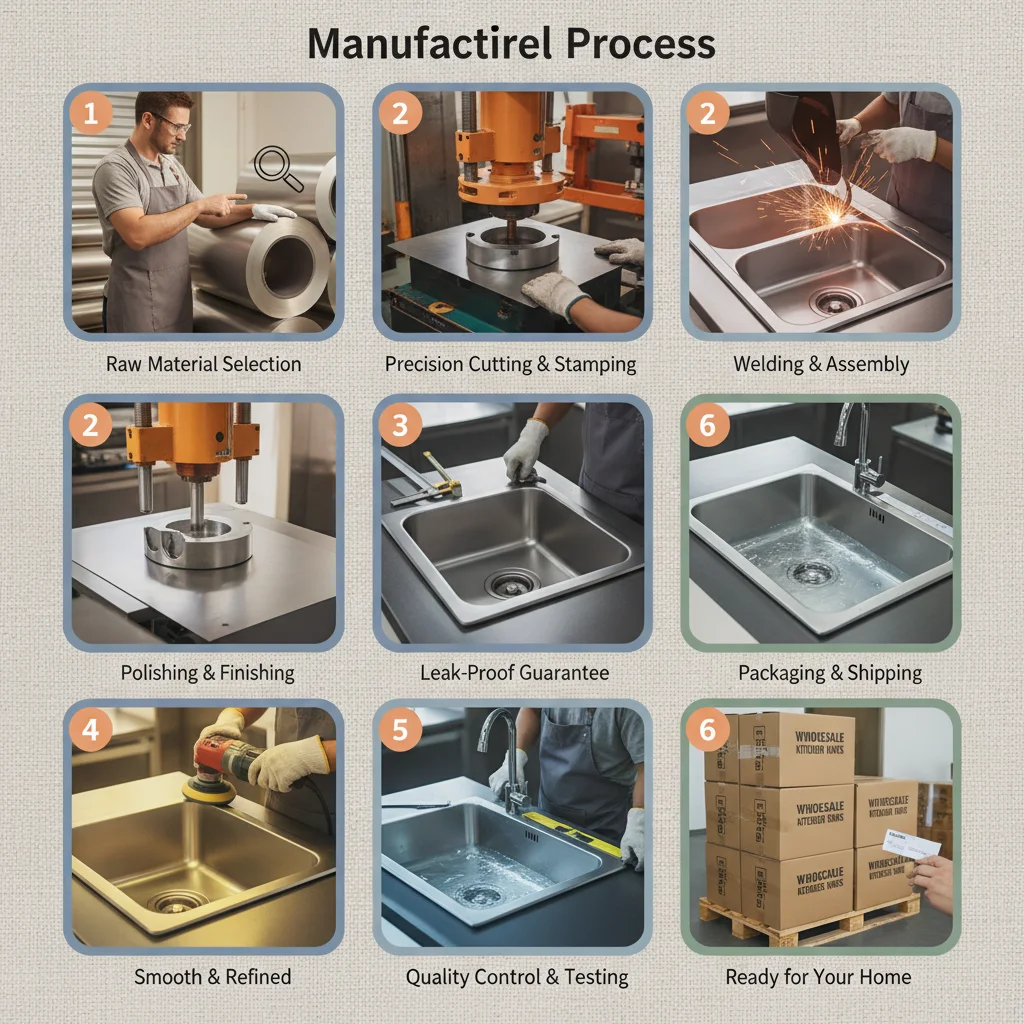
A stainless steel sink factory china refers to a manufacturing facility located in China specializing in the production of sinks made primarily from stainless steel alloys. These factories handle the entire process, from raw material sourcing and cutting to forming, welding, polishing, and quality control.
These facilities range from large-scale, highly automated operations to smaller, more artisanal workshops. The common thread is a focus on producing durable, corrosion-resistant, and hygienic sinks for both residential and commercial applications. The industry’s growth is inextricably linked to the broader development of China’s manufacturing sector.
The term stainless steel sink factory china embodies more than just production; it represents a cluster of expertise in metallurgy, design, and manufacturing techniques honed over decades, establishing China as a global leader in this particular sector.
Key Production Factors in stainless steel sink factory china
Several critical factors contribute to the success of stainless steel sink factory china. Firstly, access to high-quality stainless steel is paramount. Secondly, skilled labor capable of operating advanced machinery and performing precision welding is essential.
Efficient supply chain management, including sourcing raw materials and distributing finished products, is also crucial. Furthermore, stringent quality control measures—from material inspection to final product testing—are vital for maintaining customer satisfaction and adhering to international standards.
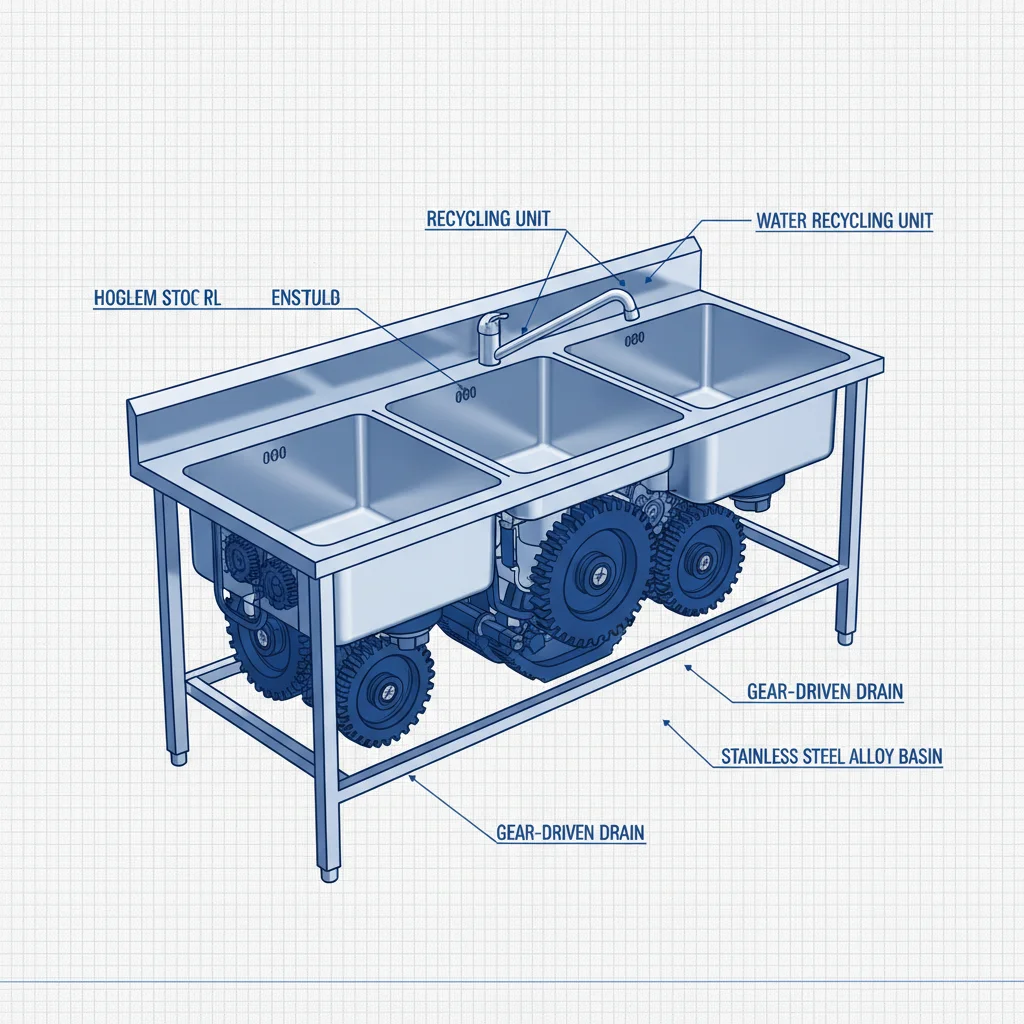
Stainless Steel Sink Production Methods in China
Applications Across Industries
Stainless steel sinks manufactured in China find widespread applications across diverse industries. Residential kitchens and bathrooms represent a significant market, but their use extends to commercial kitchens in restaurants and hotels, healthcare facilities, and laboratories.
The durability and hygienic properties of stainless steel make it ideal for environments demanding high sanitation standards. Stainless steel sink factory china cater to these specialized needs by producing sinks with specific features such as antimicrobial coatings and reinforced construction.
Advantages and Long-Term Value
The primary advantage of sourcing from a stainless steel sink factory china lies in its cost-effectiveness, combined with reliable quality. Stainless steel is a durable material, resulting in a long product lifespan and reduced replacement costs. This offers significant long-term value for consumers and businesses.
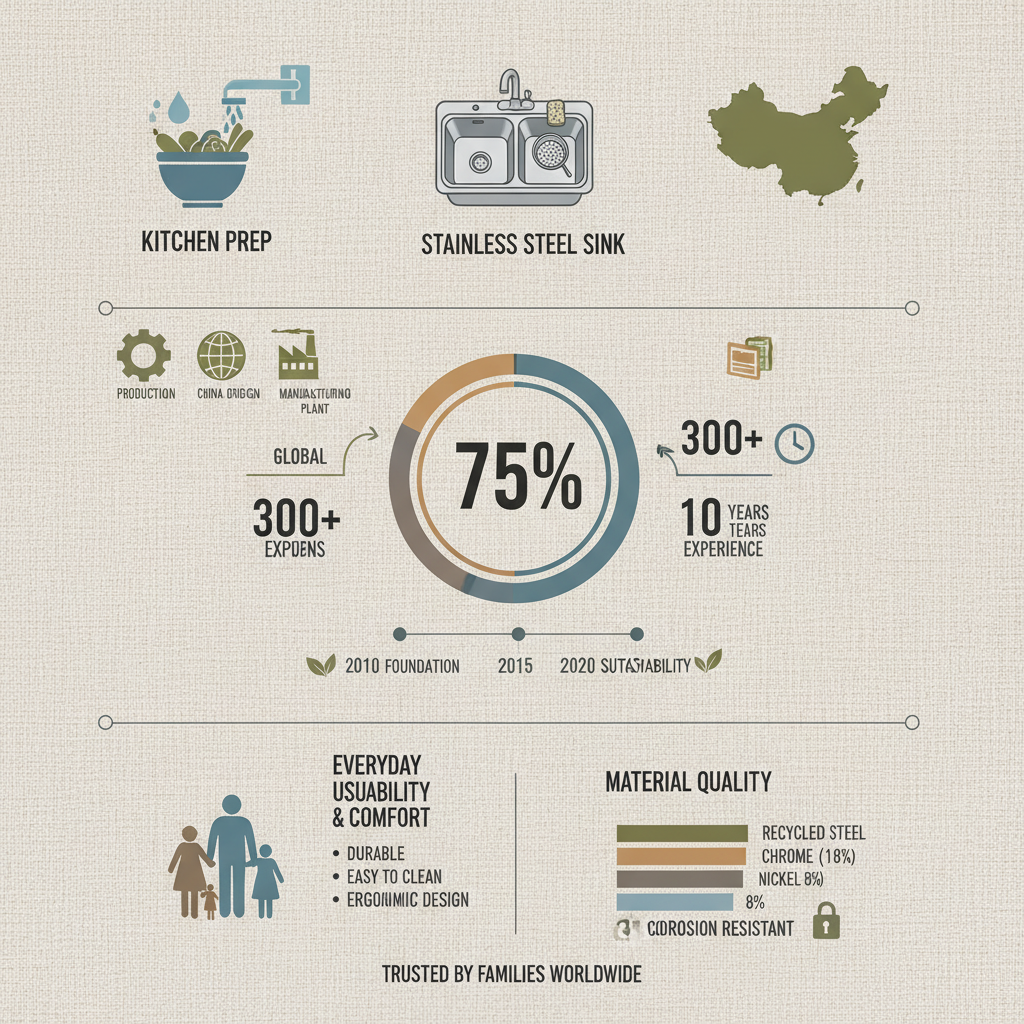
Beyond the economic benefits, stainless steel is a sustainable material. It's recyclable, reducing environmental impact, and requires minimal maintenance, further contributing to its long-term value. These factories are increasingly adopting greener manufacturing processes, enhancing sustainability.
Moreover, the inherent hygienic properties of stainless steel promote health and safety, building trust and confidence in the product. This combination of factors – durability, sustainability, and hygiene – creates a compelling value proposition.
Future Trends and Innovations
The stainless steel sink factory china sector is poised for further innovation. We anticipate increased automation in manufacturing processes, leading to higher efficiency and reduced production costs. The integration of smart technologies – such as touchless faucets and integrated sensors – is also gaining traction.
Sustainability will continue to be a driving force, with factories investing in energy-efficient equipment and exploring the use of recycled materials. Design trends are leaning towards minimalist aesthetics, integrated sinks, and customizable options.
The development of new stainless steel alloys with enhanced corrosion resistance and antibacterial properties is also expected. These innovations will solidify China’s position as a leader in stainless steel sink manufacturing.
Analysis of Challenges and Solutions in stainless steel sink factory china
| Challenge |
Impact on stainless steel sink factory china |
Potential Solutions |
Implementation Timeline |
| Raw Material Price Fluctuations |
Increased production costs, reduced profit margins |
Long-term supply contracts, hedging strategies |
6-12 months |
| Environmental Regulations |
Increased compliance costs, potential production disruptions |
Investment in cleaner production technologies, waste management systems |
12-24 months |
| Labor Costs |
Reduced competitiveness, increased production costs |
Automation of manufacturing processes, skills training |
24-36 months |
| Quality Control Issues |
Product recalls, damage to brand reputation |
Implementation of robust quality management systems, employee training |
3-6 months |
| Supply Chain Disruptions |
Production delays, increased costs |
Diversification of suppliers, building strategic reserves |
6-12 months |
| Intense Competition |
Price wars, reduced profitability |
Product differentiation, focus on niche markets |
Ongoing |
FAQS
Reputable factories will generally hold ISO 9001 (Quality Management System), ISO 14001 (Environmental Management System), and potentially certifications specific to product safety and materials like NSF International. These certifications demonstrate a commitment to consistent quality, environmental responsibility, and adherence to international standards. Look for evidence of third-party auditing and ongoing compliance to ensure the validity of these claims. Having these certifications streamlines export processes and instills confidence in buyers.
Verifying manufacturing capacity requires due diligence. Request detailed production reports, including monthly output figures. A factory tour (or a virtual tour with live video feed) is ideal to assess the scale of operations and equipment. Check for evidence of multiple production lines and a substantial workforce. Cross-reference claims with independent industry reports or through a reputable sourcing agent. A reliable factory should be transparent about their capabilities.
Typical lead times vary based on order volume, sink complexity, and current production schedules. Generally, expect a lead time of 30-60 days for a substantial order. It’s crucial to confirm lead times with the factory upfront and to factor in potential delays due to raw material availability or shipping constraints. Clear communication and a well-defined production schedule are key to mitigating delays.
The most common grades are 304 and 316 stainless steel. 304 is the most widely used due to its good corrosion resistance and affordability. 316 contains molybdenum, providing superior corrosion resistance, especially in saltwater environments. Other grades, like 430, are less expensive but offer lower corrosion resistance. Understanding the application and environmental factors is crucial when selecting the appropriate grade.
Common payment terms include a 30% deposit upon order confirmation, followed by a 70% balance payment before shipment. Some factories may offer Letter of Credit (L/C) as a payment option for larger orders. Negotiating favorable payment terms is important, but always prioritize working with a reputable factory that demonstrates financial stability.
Increasingly, factories are adopting sustainable practices like water recycling, energy-efficient equipment, and waste reduction programs. Look for factories with ISO 14001 certification. Inquire about their raw material sourcing practices and their efforts to minimize their carbon footprint. Responsible manufacturing is becoming a key differentiator in the industry.
Conclusion
In conclusion, stainless steel sink factory china play a pivotal role in the global supply chain, providing essential products to a wide range of industries. Their ability to deliver quality, durability, and affordability is a key driver of their success. Understanding the dynamics of this sector—from manufacturing processes to quality control—is critical for businesses and consumers alike.
Looking ahead, continued innovation in materials, manufacturing techniques, and sustainability practices will be crucial for maintaining competitiveness. By embracing automation, adopting eco-friendly processes, and prioritizing customer satisfaction, stainless steel sink factory china can solidify their position as global leaders. Visit our website today to explore our full range of stainless steel sink solutions: www.yashitesink.com