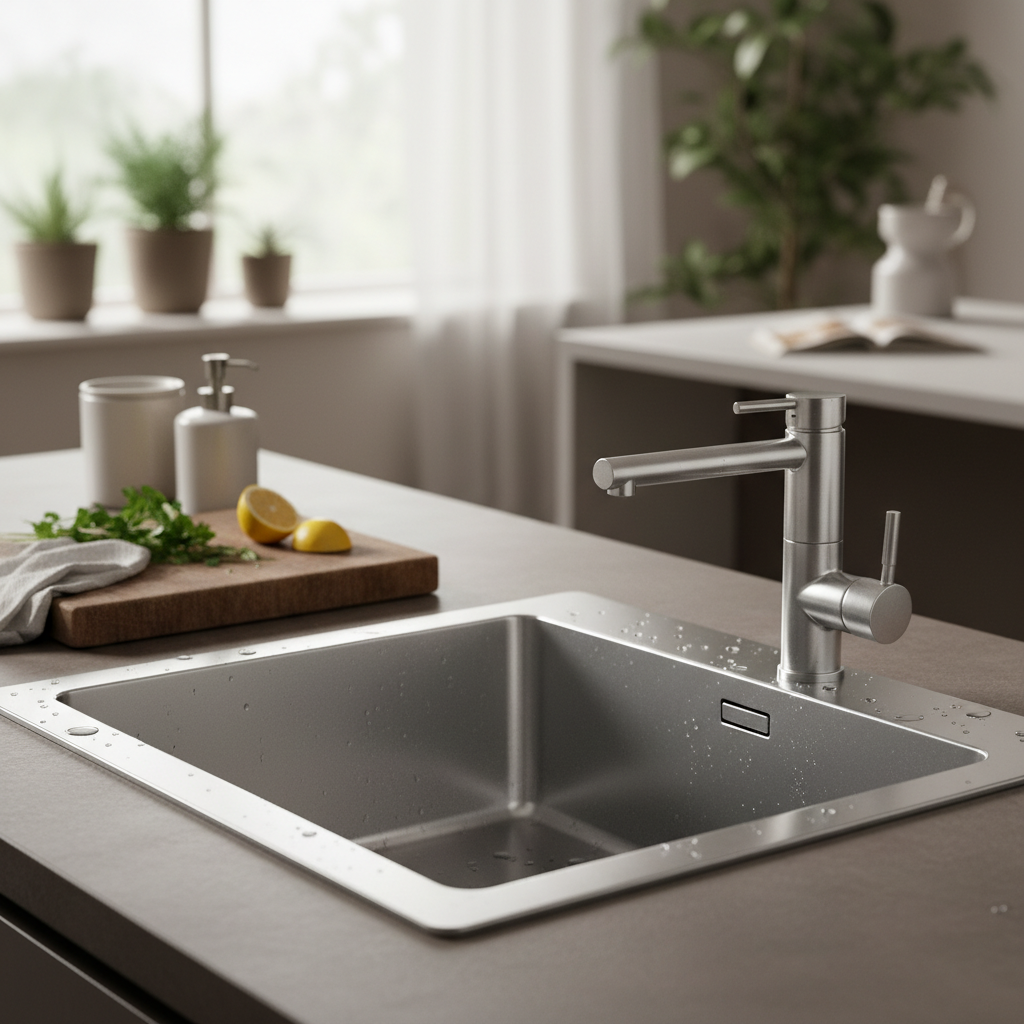
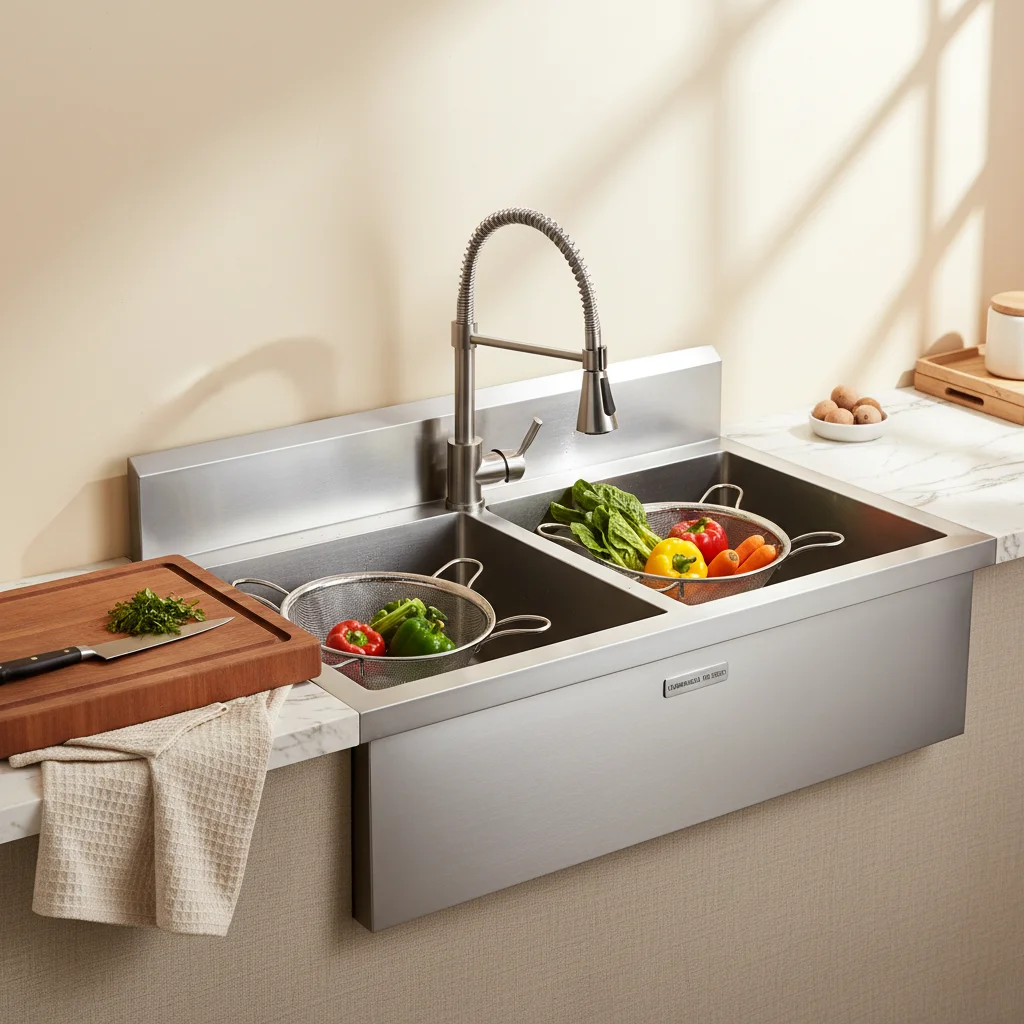
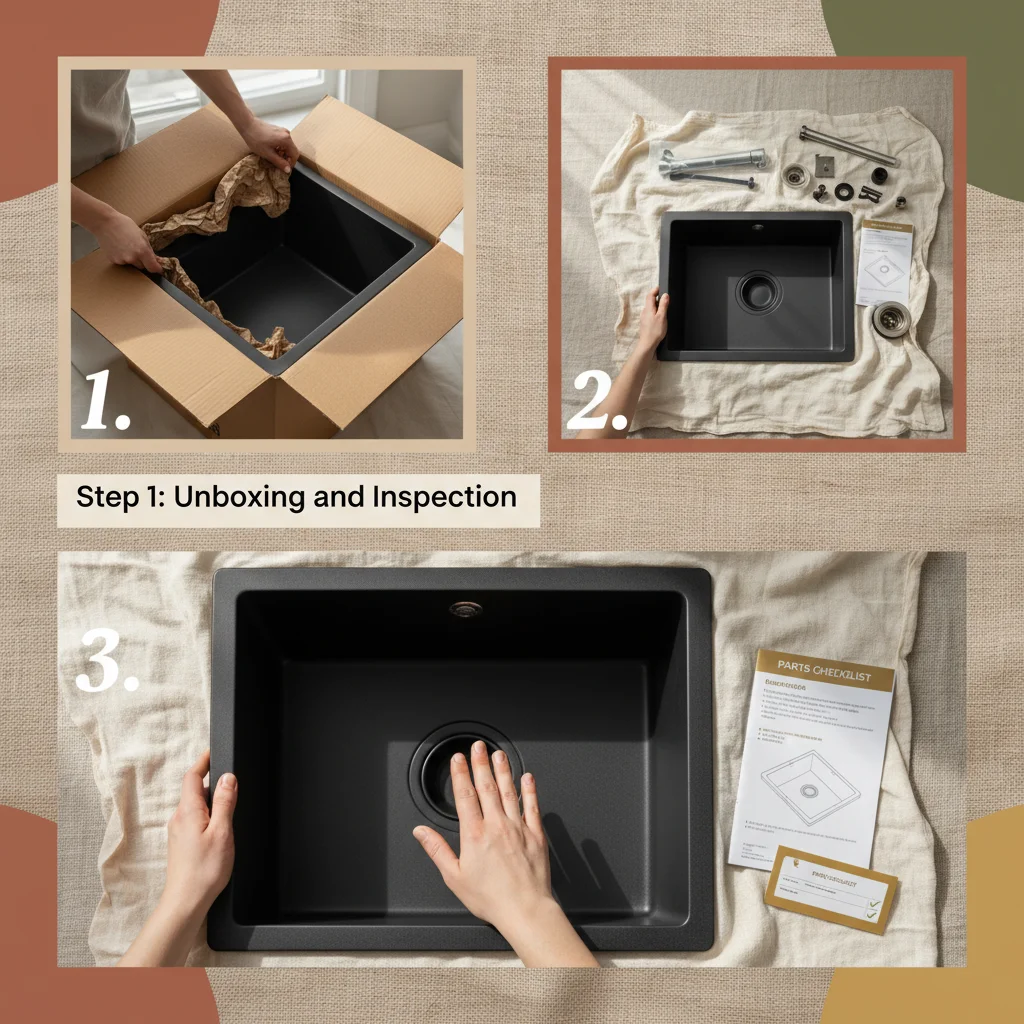
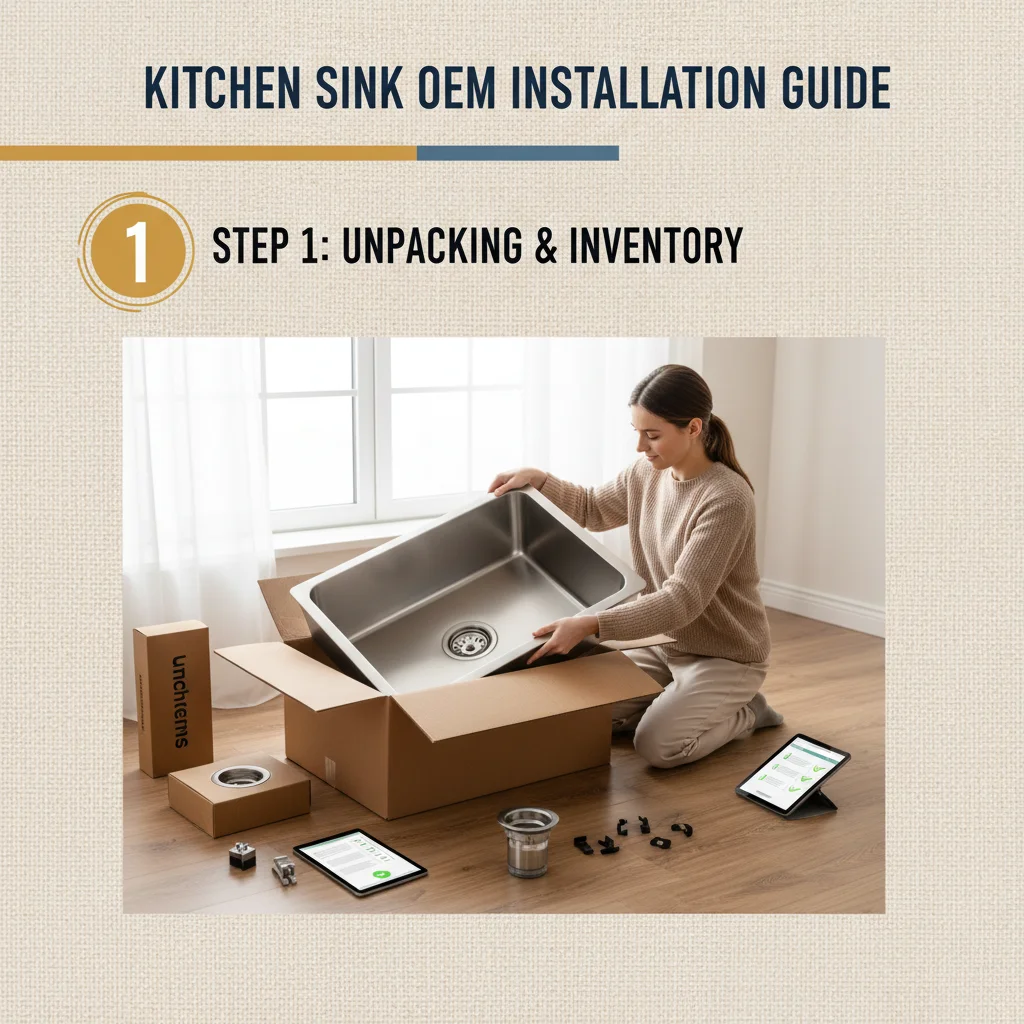
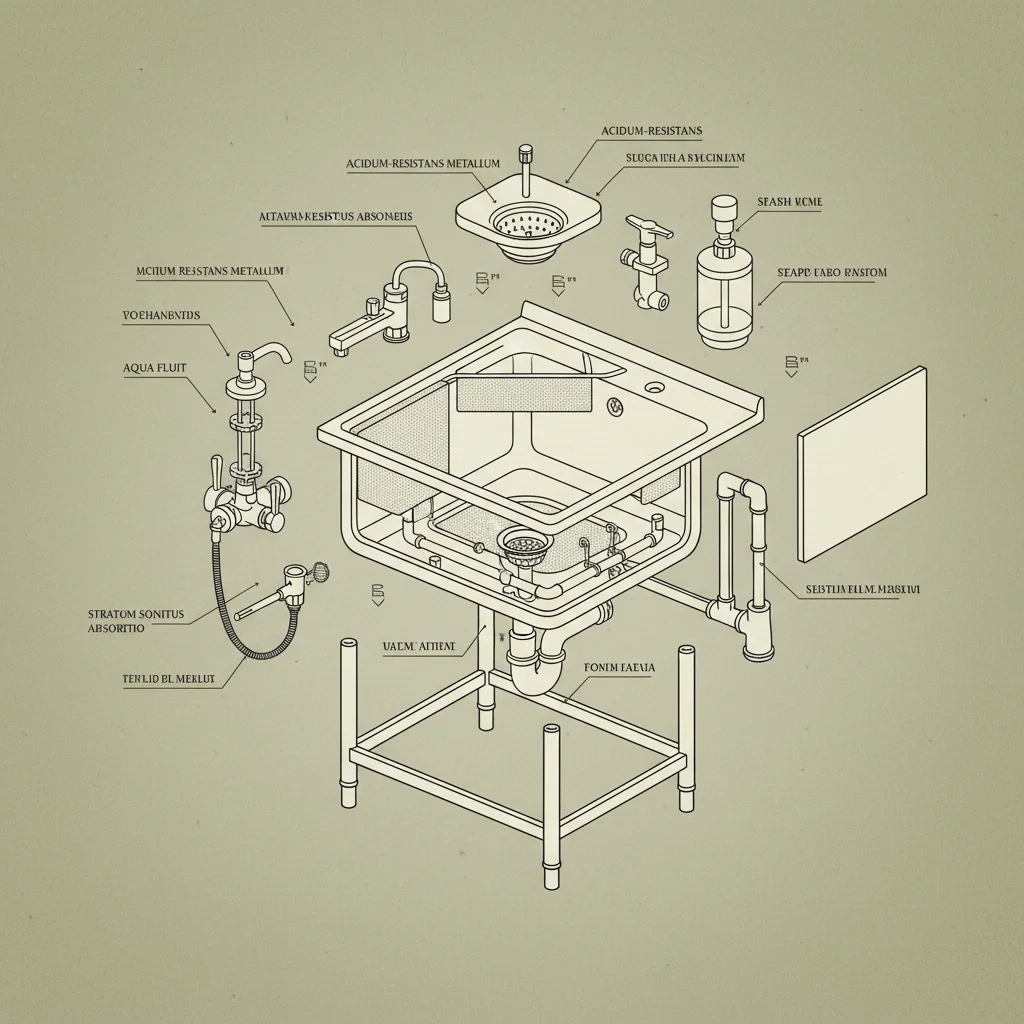
The global demand for high-quality kitchen fixtures is steadily increasing, driven by factors like rising disposable incomes and a growing emphasis on modern home aesthetics. At the heart of this demand lies the stainless steel kitchen sink, a staple in both residential and commercial kitchens worldwide. A robust stainless steel kitchen sink factory is crucial for meeting this demand, providing efficient production, quality control, and innovation in sink design and manufacturing. Understanding the intricacies of these factories is therefore vital for both industry professionals and consumers seeking durable, hygienic, and aesthetically pleasing kitchen solutions.
The stainless steel kitchen sink industry plays a significant role in global manufacturing. According to data from the World Steel Association, stainless steel production continues to grow, with a substantial portion dedicated to consumer goods, including kitchen sinks. These factories are not just about production volume; they represent innovation in material science, forming techniques, and surface treatments. A well-managed stainless steel kitchen sink factory is capable of responding to dynamic market trends, offering customized solutions, and ensuring adherence to stringent international quality standards.
The importance of a reliable stainless steel kitchen sink factory extends beyond mere supply. It's about contributing to public health by providing hygienic surfaces resistant to bacteria and corrosion. It’s about sustainable practices in material sourcing and waste management. And it's about economic growth by creating employment opportunities and fostering technological advancements within the manufacturing sector.
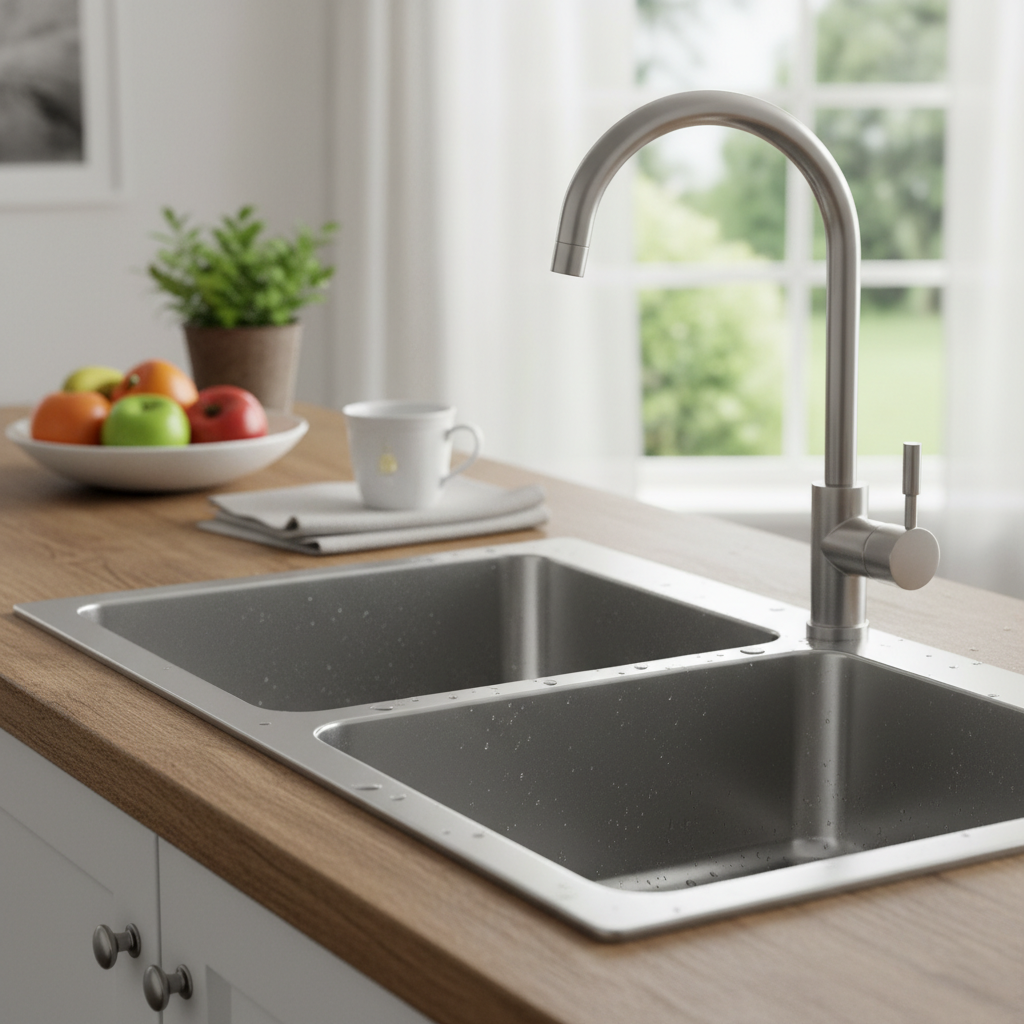
The Role of a Stainless Steel Kitchen Sink Factory
A modern stainless steel kitchen sink factory is more than just a production facility; it's a complex ecosystem integrating design, engineering, manufacturing, and quality control. These factories are responsible for transforming raw stainless steel into the sinks found in millions of kitchens worldwide. The efficiency and technological sophistication of these factories directly impact the availability, cost, and quality of stainless steel sinks in the global market.
The role extends to material sourcing, ensuring ethical and sustainable practices. Leading factories prioritize responsible steel procurement and employ methods to minimize waste and environmental impact. This focus on sustainability is becoming increasingly important to consumers and regulatory bodies, driving innovation in manufacturing processes.
Defining Stainless Steel Kitchen Sink Manufacturing
Stainless steel kitchen sink manufacturing encompasses a series of intricate processes, beginning with the selection of appropriate stainless steel grades – typically 304 or 316 for their corrosion resistance and durability. These grades are chosen based on the intended application and desired level of quality. A key aspect of a stainless steel kitchen sink factory is its ability to consistently deliver products meeting these material specifications.
The manufacturing process itself usually involves cutting, forming, welding, polishing, and finishing. Advanced techniques like deep drawing and hydroforming are employed to shape the stainless steel into various sink configurations. Welding is crucial for creating seamless joints, ensuring watertight integrity. The final steps involve meticulous polishing to achieve a desired finish and rigorous quality checks to guarantee the product meets industry standards.
Furthermore, modern manufacturing increasingly utilizes automation and robotics to enhance efficiency, precision, and repeatability. This allows stainless steel kitchen sink factory to meet high volume demands while maintaining consistent quality.
Core Components of Modern Factories
Several core components define a successful stainless steel kitchen sink factory. First, advanced tooling and machinery are critical for precise forming and cutting. Secondly, a robust quality control system, including material testing, dimensional checks, and finish inspections, is essential.
Thirdly, skilled labor – including engineers, technicians, and quality control specialists – forms the backbone of the operation. Fourth, efficient supply chain management ensures a steady flow of raw materials and timely delivery of finished products. Lastly, adherence to international standards (such as ISO 9001) demonstrates a commitment to quality and customer satisfaction.
These components work in synergy to create a streamlined and efficient manufacturing process, enabling the factory to consistently produce high-quality stainless steel kitchen sinks that meet the diverse needs of the global market.
Global Applications and Market Reach
Stainless steel kitchen sinks manufactured by factories like stainless steel kitchen sink factory are ubiquitous in both residential and commercial settings across the globe. In residential kitchens, they are favored for their durability, hygiene, and aesthetic appeal. From modern minimalist designs to traditional farmhouse styles, stainless steel sinks complement a wide range of kitchen decors.
Commercially, they are essential in restaurants, catering facilities, hospitals, and laboratories, where hygiene and sanitation are paramount. The corrosion resistance of stainless steel makes it an ideal material for withstanding the harsh conditions of these environments. North America and Europe represent significant markets, but demand is rapidly growing in Asia-Pacific and Latin America.
Stainless Steel Kitchen Sink Factory Performance Metrics
Advantages of Sourcing from Established Factories
Partnering with an established stainless steel kitchen sink factory offers numerous advantages. These include consistent product quality, competitive pricing, and reliable delivery times. Experienced factories have optimized their processes and developed strong relationships with suppliers, allowing them to offer favorable terms.
Furthermore, established factories are more likely to invest in research and development, offering innovative designs and features. They also provide better customer support and are more responsive to specific requirements and customization requests.
Future Trends in Stainless Steel Sink Production
The future of stainless steel kitchen sink factory production is likely to be shaped by several key trends. These include the increasing adoption of sustainable manufacturing practices, such as reducing water consumption and minimizing waste generation.
Automation and robotics will continue to play a larger role, further enhancing efficiency and precision. There’s also a growing demand for smart sinks with integrated features like touchless faucets, built-in dispensers, and connectivity to smart home systems.
Finally, material innovations, such as the development of more durable and corrosion-resistant stainless steel alloys, will lead to longer-lasting and higher-performing sinks.
Challenges and Solutions in Sink Manufacturing
Despite advancements, stainless steel kitchen sink factory face several challenges. These include fluctuating raw material prices, increasing labor costs, and the need to comply with increasingly stringent environmental regulations.
Solutions involve diversifying sourcing strategies, investing in automation to reduce labor dependency, and implementing robust waste management and recycling programs. Collaborating with research institutions to develop more sustainable materials and manufacturing processes is also crucial.
Another challenge is maintaining quality control throughout the entire production process. Implementing advanced inspection technologies and rigorous testing protocols can help mitigate this risk.
Summary of Challenges and Solutions in Stainless Steel Kitchen Sink Manufacturing
| Challenge |
Impact on Factory |
Proposed Solution |
Implementation Cost (1-10) |
| Raw Material Price Volatility |
Reduced Profit Margins |
Diversify Suppliers, Long-Term Contracts |
6 |
| Rising Labor Costs |
Increased Production Expenses |
Automation, Robotics Integration |
8 |
| Environmental Regulations |
Compliance Costs, Potential Fines |
Waste Management Programs, Recycling Initiatives |
5 |
| Quality Control Issues |
Product Returns, Damage to Reputation |
Advanced Inspection Technologies, Staff Training |
7 |
| Supply Chain Disruptions |
Production Delays, Inventory Shortages |
Strengthen Supplier Relationships, Local Sourcing |
4 |
| Competition from Low-Cost Producers |
Price Pressure, Reduced Market Share |
Focus on Quality, Innovation, and Customer Service |
3 |
FAQS
A reputable stainless steel kitchen sink factory should ideally hold certifications like ISO 9001 (Quality Management System), ISO 14001 (Environmental Management System), and potentially NSF International certification for products intended for food contact. These certifications demonstrate a commitment to quality, environmental responsibility, and product safety, assuring customers of the factory's adherence to industry best practices and international standards. Compliance with relevant health and safety regulations is also crucial.
Verifying the stainless steel grade requires requesting material test reports (MTRs) from the stainless steel kitchen sink factory. These reports detail the chemical composition of the steel, confirming it meets the specified grade (e.g., 304 or 316). Independent laboratory testing can also be conducted to verify the MTRs. A reputable factory should readily provide these reports upon request and be transparent about their sourcing practices.
Lead times for bulk orders from a stainless steel kitchen sink factory can vary depending on the order volume, customization requirements, and current production schedule. Generally, expect a lead time of 4-8 weeks for standard products. Customized orders may require longer lead times, typically 8-12 weeks. Clear communication with the factory regarding your specific needs and timeline is crucial to ensure timely delivery.
Common surface finish options for stainless steel kitchen sinks include brushed, polished, satin, and mirror finishes. Brushed finishes offer a subtle, modern look, while polished finishes provide a more reflective, elegant appearance. Satin finishes fall between brushed and polished, offering a balanced aesthetic. Stainless steel kitchen sink factory often offer customization of surface finishes to meet specific design preferences. The choice of finish also impacts cleaning ease and scratch resistance.
A quality stainless steel kitchen sink factory implements a multi-stage quality control process, including material inspection, in-process checks during manufacturing, and final product inspection before shipping. Defect rates should be minimal, typically below 1%. The factory should have a clear policy for handling defects, offering replacements or refunds as appropriate. Requesting information on their quality control procedures and defect rates is a good practice.
Many stainless steel kitchen sink factory offer custom design and sizing options. The level of customization possible depends on the factory's capabilities and tooling. Providing detailed specifications, drawings, and sample units will facilitate the customization process. Be prepared for longer lead times and potentially higher costs for custom orders compared to standard products. Ensure a clear understanding of the minimum order quantities for customized sinks.
Conclusion
In conclusion, a reliable stainless steel kitchen sink factory is the cornerstone of a thriving kitchenware industry. By prioritizing quality materials, advanced manufacturing processes, and sustainable practices, these factories deliver essential products that enhance both residential and commercial spaces globally. Understanding the core components, future trends, and potential challenges within this sector is crucial for industry stakeholders and consumers alike.
Looking ahead, continued innovation in materials, automation, and design will drive further improvements in the efficiency and sustainability of stainless steel kitchen sink factory. By embracing these advancements, manufacturers can meet the evolving demands of the market and contribute to a more sustainable future. Visit our website at www.yashitesink.com to learn more about our commitment to quality and innovation.