You know, these days everyone’s talking about prefabrication. It's all the rage, especially with labor getting harder and harder to find. Honestly, it feels like we're going back to the future. Back in the day, a lot of things were made off-site, then shipped in. Now it's just… fancier. More CAD, more robots, less guys with welding masks. But it’s still just putting pieces together, right? Though the tolerances are getting tighter. Much tighter. And that, my friends, is where the headaches begin.
It’s funny, you design something on a computer, it looks perfect. But then you get out to a real job site, with dirt and rain and guys who are, shall we say,… resourceful, and suddenly those perfect angles don't matter so much. I’ve seen more than one perfectly engineered joint fail because someone decided to use it as a step ladder. You gotta design for the idiot, you know? And the weather. Always the weather.
We’ve been pushing hard for more stainless steel, mostly 304 and 316. It smells…clean. You can tell it’s good stuff, doesn't have that oily residue some of the cheaper grades do. Feels different too, heavier, more substantial. The Chinese stuff is getting better, but you still get variations. Sometimes the weld prep is terrible. I encountered this at a factory in Ningbo last time, spent a whole afternoon just arguing with them about bevel angles. Later… forget it, I won't mention it.
Industry Trends and Design Pitfalls
Have you noticed everyone's obsessed with "smart" everything? Even sinks now. Sensors, automatic water shut-offs, digital temperature displays. It’s…a lot. Honestly, I think half the time people just want something that drains and doesn’t leak. The biggest pitfall I see is over-engineering. Making things needlessly complex. More parts mean more things to break, more things to service. Strangel,y simple is almost always better.
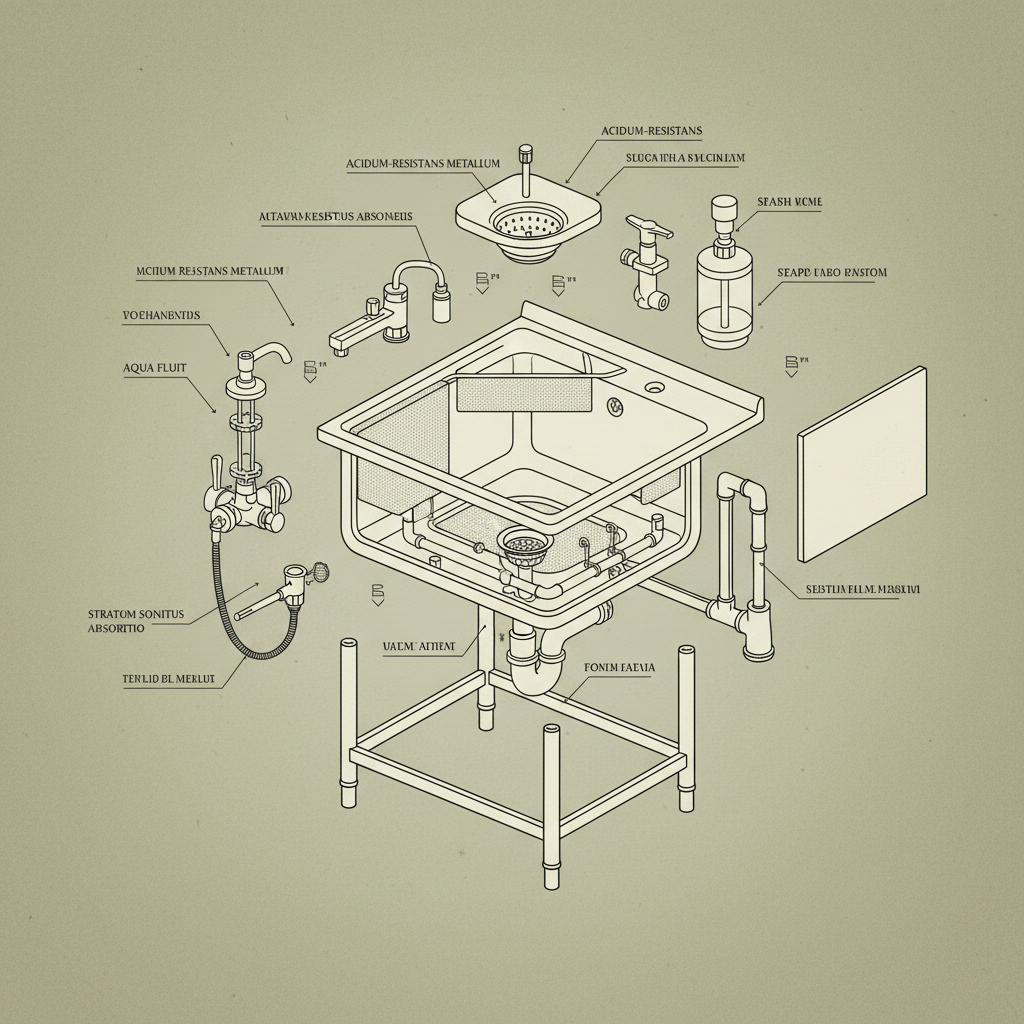
Another thing – integration with existing plumbing. People rarely think about that until it’s too late. You design a beautiful sink, then find out the drain opening doesn’t line up with anything available. It’s a pain. You need to really consider how it’s going to fit into a real kitchen or washroom, not just how it looks in a rendering.
Material Selection: Beyond the Spec Sheet
We've moved away from a lot of the coated steel stuff. It just doesn’t hold up. Especially in high-traffic environments. It scratches, the coating chips, and then you’ve got rust underneath. Stainless is the way to go, but even that has nuances. The finish is critical. You want a good, consistent polish. And the gauge – don't skimp on the gauge! I've seen too many sinks flex and deform when someone leans on them. It's embarrassing.
Composite materials are getting popular too. Quartz, granite, those sorts of things. They look good, but they’re heavy. Really heavy. And the installation can be tricky. You need a solid sub-structure, or they’ll crack. Plus, you can’t weld them, so repairs are a pain. It's a trade-off, really.
And don't underestimate the importance of the rubber seals. Sounds silly, but a bad seal will ruin your day. We've been testing different silicone compounds, looking for something that can handle both high temperatures and harsh chemicals. It’s tougher than you think.
Real-World Testing and User Behavior
Forget the lab tests. They're useful for basic stuff, but they don’t tell you what happens when a cook drops a cast iron skillet into a sink, or a janitor scrubs it with abrasive cleaner. I always insist on field testing. We install sinks in real restaurants, schools, hospitals – places that get heavy use.
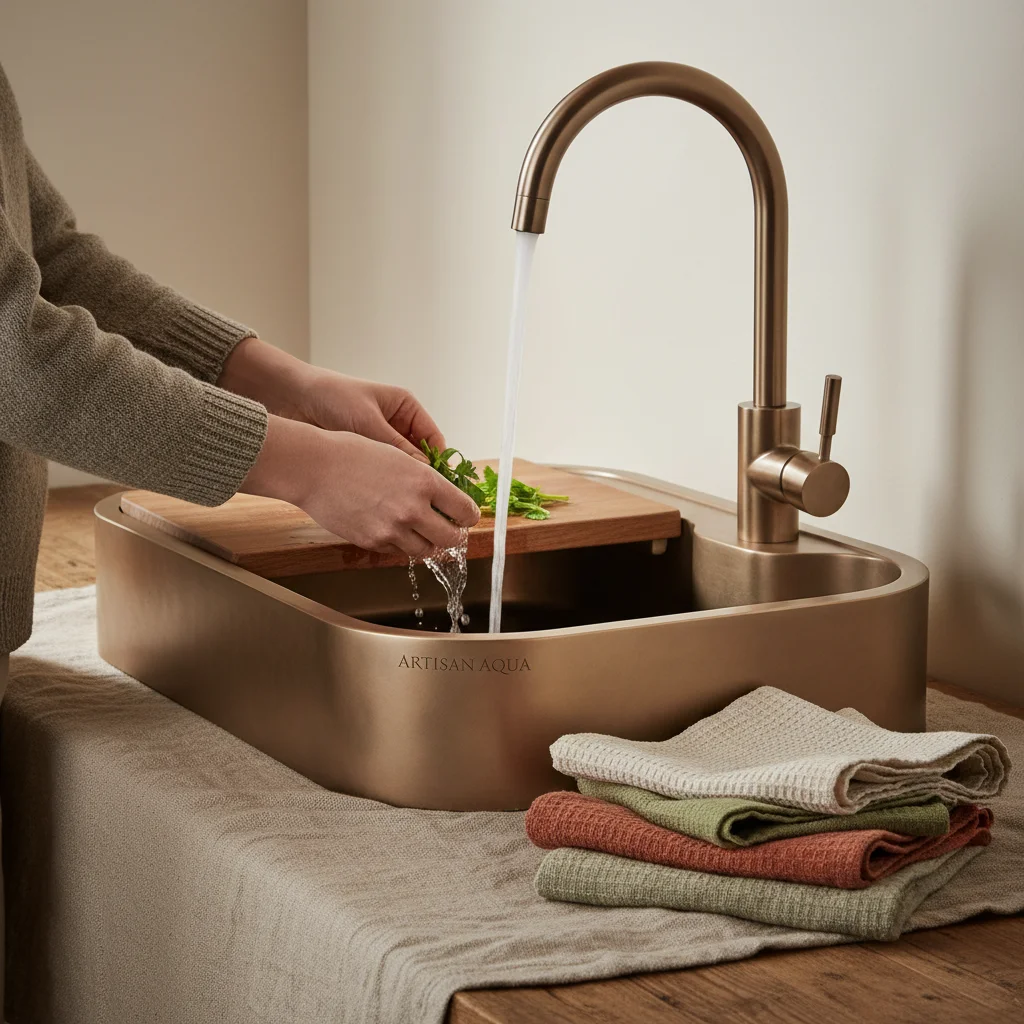
And you’d be surprised how people use things. We designed a sink with a built-in cutting board, thinking it would be a huge hit. Turns out, people mostly used it to store dirty dishes. It was always full of grime. Go figure. You think you know what people want, but they always find a way to surprise you.
We also do drop tests, impact tests, corrosion tests. But the most valuable test is just watching how people work around the sink. What do they lean on? What do they spill? What do they try to stuff down the drain? That’s where you learn the real lessons.
Advantages, Disadvantages, and Customization
The advantage of a well-designed commercial sink is simple: it lasts. It takes a beating and keeps on ticking. That saves money in the long run. No constant repairs, no replacements. Anyway, I think that's a big deal.
But they're not perfect. They can be expensive upfront. And the lead times can be long, especially for custom orders. Plus, you’ve got to factor in installation costs. Those things are heavy, and you need skilled plumbers to hook them up properly.
Commercial Sink Performance Metrics
A Customer Story: The Debacle
Last month, that small boss in Shenzhen who makes smart home devices – Mr. Chen, a real firecracker – insisted on changing the interface to for a custom sink we were building for him. Said it was “the future.” I tried to explain that most commercial kitchens still use standard drains, and a adapter would be… problematic.
He wouldn't listen. He wanted sleek, he wanted modern, he wanted . So we built it. Delivered it. A week later, I get a call. Turns out, his kitchen staff couldn’t find an adapter that would fit, and they were constantly clogging the drain. He ended up paying to have it ripped out and replaced with a standard sink. Cost him a fortune. He still sends me WeChat messages about it.
Performance Metrics and Comparison
We track a bunch of stuff, naturally. Corrosion resistance, impact strength, tensile strength, you name it. But the two metrics that really matter are cycle time – how long it takes to clean and sanitize – and mean time between failures. We aim for at least five years of trouble-free operation.
We also look at water usage. Some sinks are designed to minimize water waste, which is becoming increasingly important. Especially in areas with water restrictions. You’d be surprised how much water can be saved with a well-designed faucet and spray nozzle.
And, of course, we’re always looking for ways to reduce weight. Lighter sinks are easier to install and less stressful on the building structure. But you can’t sacrifice durability. It's a tricky balance.
Summary of Material Performance Characteristics
| Material Type |
Corrosion Resistance (1-10) |
Impact Strength (1-10) |
Cost (Low/Medium/High) |
| Stainless Steel 304 |
8 |
7 |
Medium |
| Stainless Steel 316 |
9 |
7 |
High |
| Composite Quartz |
7 |
6 |
Medium |
| Polypropylene |
6 |
5 |
Low |
| Cast Iron (with enamel coating) |
7 |
8 |
Medium |
| Acrylic |
5 |
4 |
Low |
FAQS
For a busy restaurant, durability is paramount. You need a sink that can withstand constant use and abuse. Stainless steel, particularly 304 or 316 grade, is the best option. Consider the size and configuration – do you need multiple bowls, a built-in cutting board, or a spray nozzle? Also, think about drainage capacity and ease of cleaning. A good sink will save you time and money in the long run, and prevent major headaches during peak service hours.
High chlorine levels can corrode even stainless steel. It’s essential to choose a sink made from a high-quality, corrosion-resistant alloy like 316 stainless steel. Regular cleaning and maintenance are also crucial. Rinse the sink thoroughly after each use to remove chlorine residue. Avoid abrasive cleaners, as they can damage the protective layer. Consider applying a protective coating specifically designed for stainless steel in harsh environments.
Single-bowl sinks are great for smaller spaces or tasks that require a large, uninterrupted surface. Double-bowl sinks offer more versatility, allowing you to wash and rinse simultaneously. Triple-bowl sinks are ideal for high-volume operations, providing dedicated areas for washing, rinsing, and sanitizing. The choice depends on your workflow and the amount of space available.
Absolutely. Customization is common. We can adjust dimensions, add features like custom drainboards, modify faucet configurations, and even incorporate branding elements. Just be prepared for a longer lead time and a higher cost. It's usually worth it if you have a unique layout or specific needs that can’t be met with standard options.
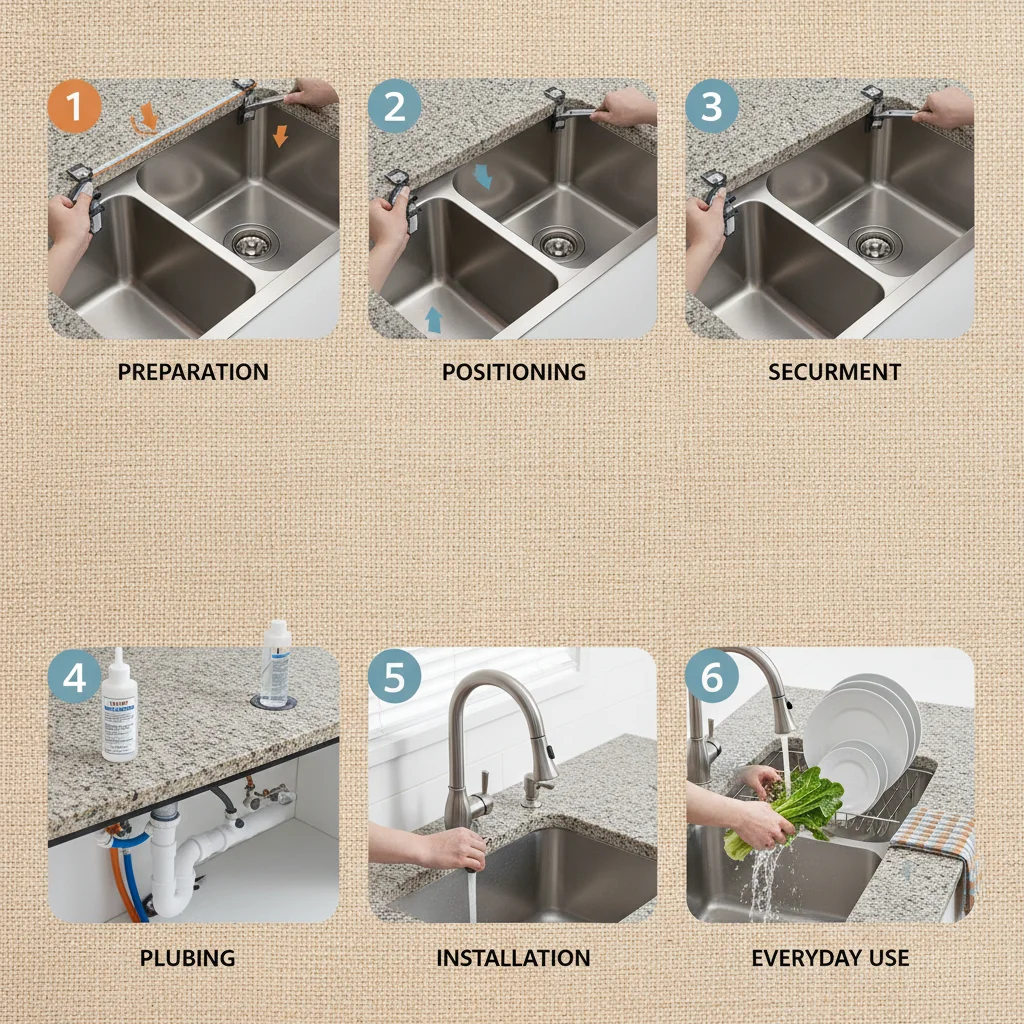
Incorrect plumbing connections are a big one. Make sure the drain lines are properly sized and sloped to prevent backups. Also, ensure the sink is adequately supported to prevent sagging or cracking. Using the wrong sealant can also cause problems. And don't forget to level the sink before securing it to the countertop!
Regular cleaning with mild soap and water is key. Avoid abrasive cleaners and steel wool, as they can scratch the surface. Rinse thoroughly and dry completely after each use. For stubborn stains, you can use a stainless steel cleaner and polish. Periodically inspect the sink for any signs of corrosion and address them promptly.
Conclusion
So, there you have it. Commercial sinks aren’t glamorous, but they're essential. They're the workhorses of any professional kitchen or washroom. Choosing the right one – the right materials, the right design, the right size – can make a huge difference in efficiency, hygiene, and longevity. It's a lot more complicated than most people realize.
Ultimately, whether this thing works or not, the worker will know the moment he tightens the screw. It's about the details, it's about the real world, and it’s about building something that lasts. If you're looking for commercial sink manufacturers that understand this, you know where to find us.