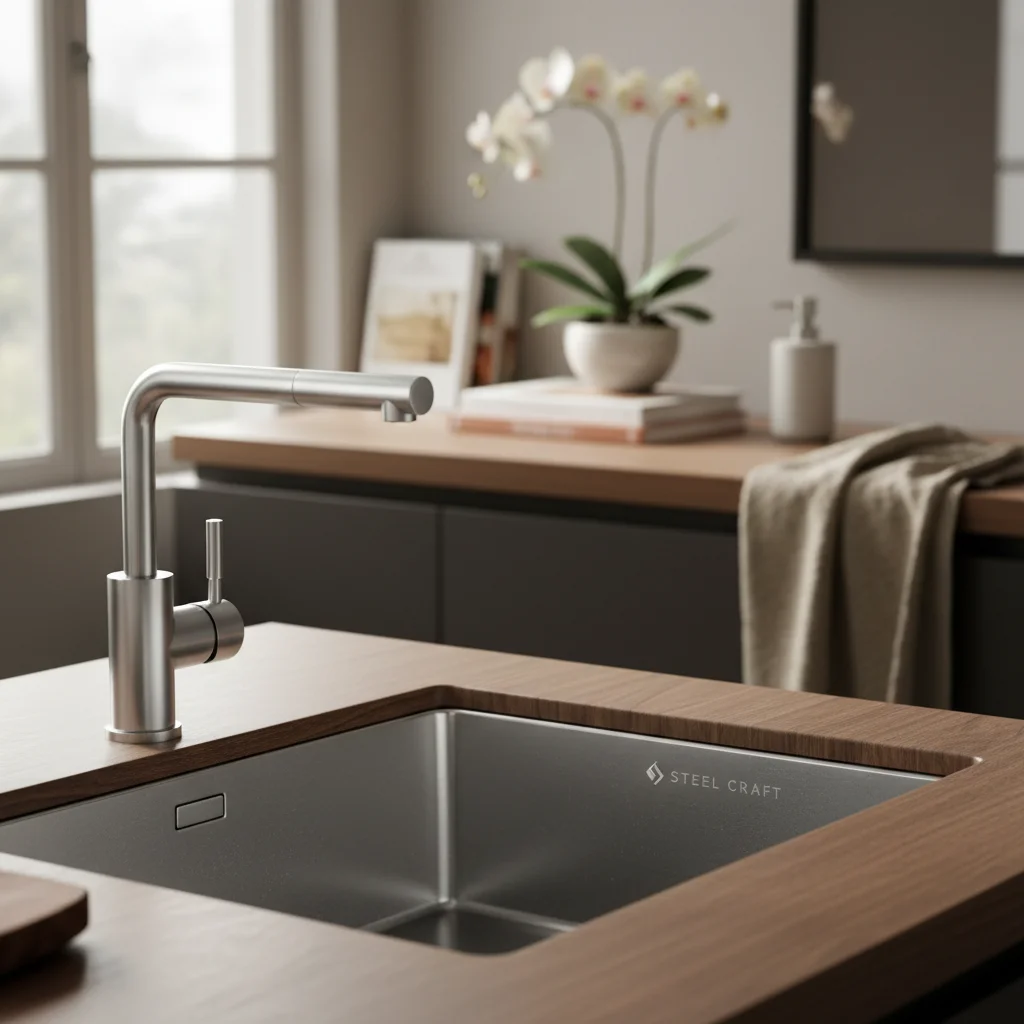
Look, I’ve spent the last fifteen years on construction sites – everything from schools to hospitals, and let me tell you, the workhorse of any commercial kitchen isn't the fancy ovens or the automated dishwashers, it's the sink. A good stainless steel sink isn’t just a place to wash dishes; it's where efficiency starts and food safety is maintained. A flimsy, poorly designed sink? That’s a recipe for bottlenecks, damage, and potential health code violations. Finding the best stainless steel sink for commercial kitchen operations isn’t about aesthetics – it’s about durability, functionality, and long-term cost savings.
We’re talking about environments that see constant, heavy use, corrosive chemicals, and a relentless demand for hygiene. Restaurants, cafeterias, catering companies… they all rely on a sink that can handle it. I've seen too many kitchens crippled by sinks that dent easily, rust prematurely, or simply can’t handle the volume. Investing in the best stainless steel sink for commercial kitchen isn't an expense, it's an investment in your operation’s ability to deliver consistently and safely.
Too often, owners focus on the upfront cost, but overlook the total cost of ownership. A cheap sink might save you money initially, but the constant repairs, replacements, and potential downtime will quickly outweigh those savings. I’ve seen it happen time and time again. That’s why understanding the key features – the gauge of the steel, the construction method, the drain configuration – is crucial. It's not about just buying a sink; it's about buying peace of mind.
Key Factors for Choosing the Best Stainless Steel Sink
When I’m advising a kitchen build-out, there are a few things I look at right off the bat. First, the steel gauge – you want 16-gauge or lower for serious durability. Thinner gauges will dent and warp under heavy use. Second, the construction. Look for fully welded sinks, not ones that are simply assembled. Welded sinks are much more robust and hygienic. Finally, consider the drain configuration – a proper drain system is critical for preventing backups and ensuring quick water evacuation. Choosing the best stainless steel sink for commercial kitchen boils down to these core components.
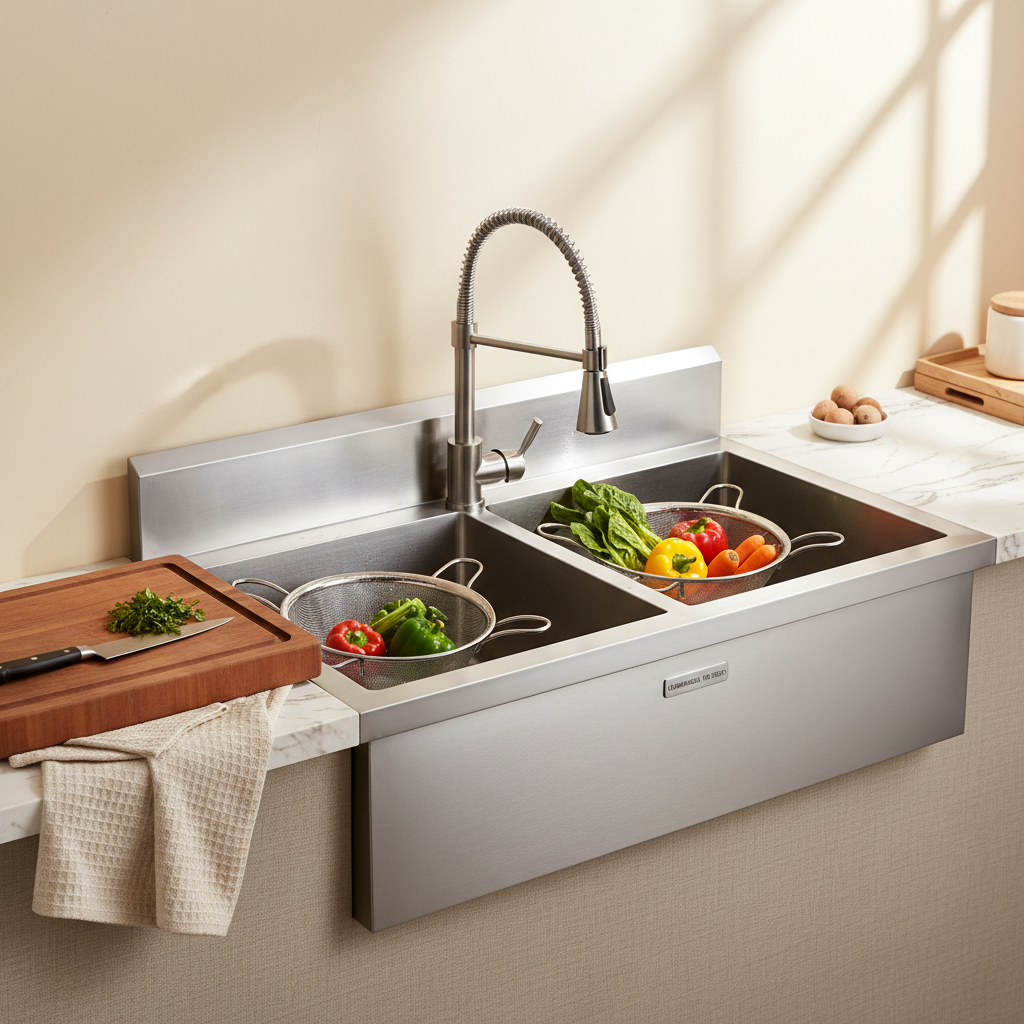
Beyond that, think about the needs of the kitchen. Do you need multiple basins? A splash guard? Integrated cutting boards? The best sink isn't necessarily the most expensive, but it is the one that’s best suited to the specific demands of the operation. Don't skimp here, because a poorly chosen sink will cost you far more in the long run.
Defining Best Stainless Steel Sinks for Commercial Use
"Best" doesn’t mean flashy. It means a sink that can withstand constant abuse and maintain its integrity. In a commercial setting, these sinks endure everything: scouring pads, harsh detergents, boiling water, dropped pots, and a relentless cycle of filling, draining, and cleaning. The best stainless steel sink for commercial kitchen needs to resist corrosion, staining, and deformation.
It's also about hygiene. Commercial kitchens are breeding grounds for bacteria, so the sink surface needs to be non-porous and easy to sanitize. A seamless, welded construction is key here. Any cracks or crevices can harbor bacteria and make thorough cleaning impossible.
Ultimately, the “best” sink is the one that minimizes downtime, reduces maintenance costs, and ensures food safety. It’s about reliability and efficiency – allowing the kitchen staff to focus on what they do best: preparing food.
Durability and Gauge: The Foundation of a Commercial Sink
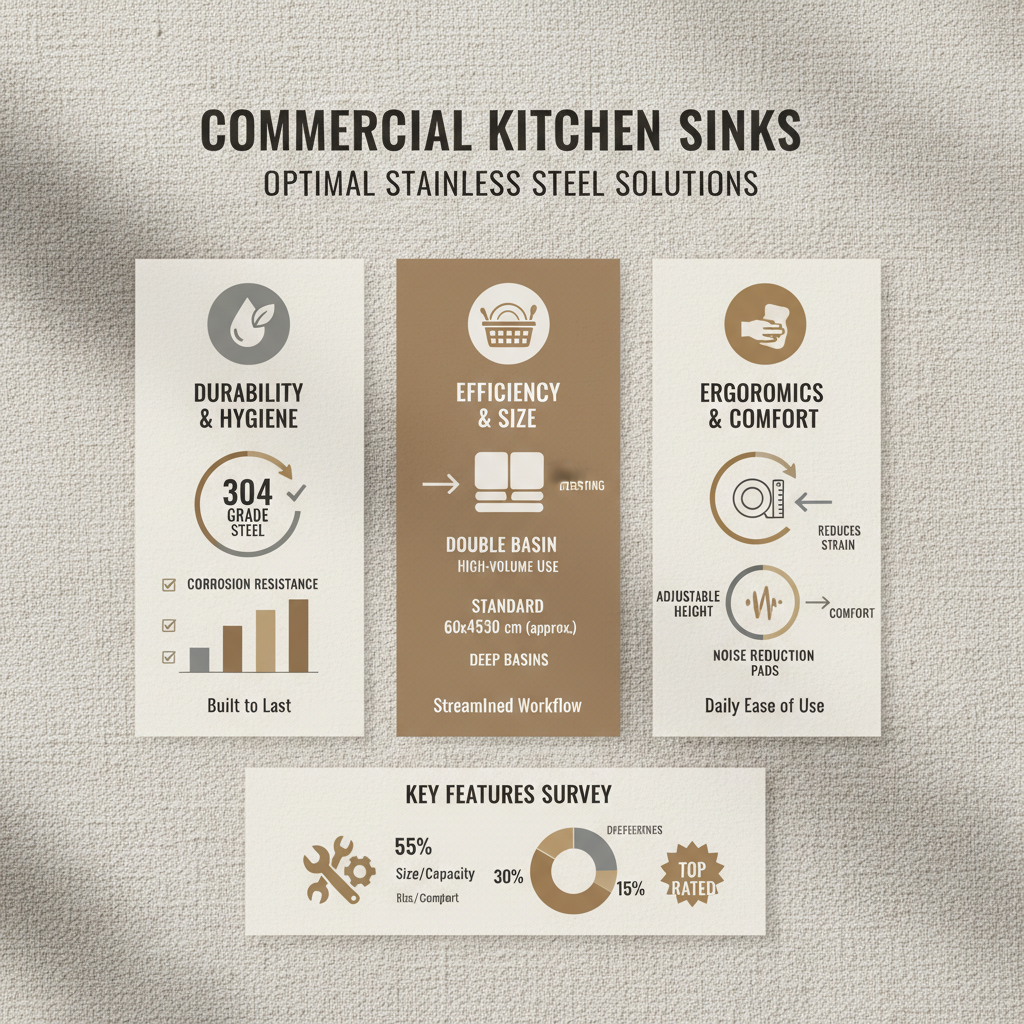
Let me tell you, gauge matters. It’s the thickness of the steel, and it directly correlates to durability. We’re talking about 16-gauge being the sweet spot for most high-volume kitchens. That’s thick enough to resist dents and withstand heavy impact. 14-gauge is even tougher, but you're paying a premium, and for many applications, it’s overkill. Anything above 16-gauge, and you're starting to compromise on longevity. Remember, the best stainless steel sink for commercial kitchen must stand up to daily challenges.
Now, the type of stainless steel also plays a role. 304 stainless steel is the industry standard – it’s corrosion-resistant and easy to clean. However, 316 stainless steel offers even greater corrosion resistance, especially in environments with high chloride exposure (like near saltwater). This isn't usually necessary for most commercial kitchens, but it's worth considering for coastal locations or facilities that use a lot of salt.
Construction method is crucial too. Fully welded sinks, where all seams are seamlessly joined, are far superior to sinks that are simply bolted or riveted together. Welded sinks are more hygienic, more durable, and less prone to leaks. You pay a little more upfront, but it’s worth it in the long run.
Global Applications and Industry Standards
You see the demand for high-quality stainless steel sinks everywhere, from bustling restaurant kitchens in New York City to large-scale catering facilities in Europe. The standards are pretty universal – NSF International certification is a must-have. It ensures the sink meets strict sanitary standards for food service equipment.
In hospitals and healthcare facilities, stringent hygiene requirements mean that the best stainless steel sink for commercial kitchen (or, in this case, for hospital kitchens) must be exceptionally easy to clean and sanitize. We’re talking about sinks with rounded corners and seamless construction to eliminate any potential bacteria traps.
Even in developing countries, where resources may be limited, the need for durable and hygienic sinks is critical. They're used in schools, community kitchens, and food processing facilities to help ensure food safety and prevent the spread of disease.
Sink Material Comparison: Performance Ratings
Long-Term Value and Cost Analysis
Look, initial cost is only part of the equation. I always tell clients to factor in the total cost of ownership. A cheaper sink might save you a few bucks upfront, but what about the repairs, the replacements, and the downtime? Those costs can add up quickly. The best stainless steel sink for commercial kitchen is the one that offers the lowest total cost over its lifespan.
Consider the potential savings from reduced maintenance. A high-quality stainless steel sink requires minimal upkeep – just regular cleaning. Compare that to cheaper materials that may require frequent repairs or replacements.
Future Trends in Commercial Sink Design
We’re seeing a move toward more integrated sink systems, with features like built-in cutting boards, sprayers, and even waste disposals. Touchless faucets are also becoming increasingly popular, improving hygiene and reducing water waste.
Sustainability is another key trend. Manufacturers are using recycled materials and designing sinks that are more water-efficient. We're also seeing more sinks with antimicrobial coatings to further enhance hygiene. I anticipate that smart sinks – equipped with sensors to monitor water usage and temperature – will become more common in the future.
Ultimately, the goal is to create sinks that are not only durable and hygienic but also more efficient and environmentally friendly.
Common Challenges and Practical Solutions
One of the biggest challenges I see is clients underestimating the volume of use. They’ll opt for a sink that’s too small or not robust enough for their needs. My advice? Always overestimate. It’s better to have a sink that’s slightly too large than one that’s constantly overloaded.
Another common issue is improper installation. A poorly installed sink can leak, drain slowly, and even damage surrounding structures. Make sure you hire a qualified plumber who has experience installing commercial sinks.
Finally, regular maintenance is essential. Cleaning the sink thoroughly after each use and addressing any minor repairs promptly can significantly extend its lifespan. It's a simple investment that pays off big time.
Summary of Commercial Sink Challenges & Solutions
| Challenge |
Impact on Kitchen Operations |
Solution |
Estimated Cost of Solution |
| Insufficient Sink Capacity |
Bottlenecks, Delayed Dishwashing, Reduced Efficiency |
Install a larger sink or multiple sinks |
$500 - $2000 |
| Poor Sink Construction (Thin Gauge) |
Dents, Warping, Corrosion, Frequent Replacements |
Replace with a heavier gauge (16 gauge or lower) sink |
$800 - $3000 |
| Inadequate Drainage System |
Slow Drainage, Backups, Sanitary Issues |
Upgrade to a larger drain or install a garbage disposal |
$200 - $800 |
| Improper Sink Installation |
Leaks, Structural Damage, Reduced Lifespan |
Re-install by a qualified plumber |
$300 - $1000 |
| Lack of Regular Cleaning |
Bacteria Growth, Staining, Reduced Hygiene |
Implement a daily cleaning schedule |
$5 - $20 (cleaning supplies) |
| Corrosion from Harsh Chemicals |
Damage to Sink Material, Reduced Lifespan |
Use pH-neutral cleaning products |
$10 - $50 (alternative cleaning supplies) |
FAQS
16-gauge steel is thicker and significantly more durable than 18-gauge. It’s better at resisting dents, warping, and corrosion, making it ideal for high-volume kitchens. While 18-gauge is more affordable, it’s not a good long-term investment for demanding commercial environments. The slight upfront savings isn't worth the cost of more frequent replacements. You want that 16-gauge for peace of mind.
Critically important. A fully welded sink is far more hygienic and durable. Bolted or riveted sinks have seams where bacteria can accumulate and the sink is more prone to leaks. Welded sinks are seamless, easier to clean, and can withstand much more abuse. It’s a small price to pay for a significant improvement in hygiene and longevity.
Stainless steel isn't completely rust-proof. Chlorides (like from salt) can cause pitting corrosion. Regular cleaning is key. Avoid leaving salty or acidic foods on the surface for extended periods. Use a stainless steel cleaner periodically to create a protective barrier. And, crucially, rinse and dry the sink thoroughly after each use.
A large-diameter drain with a strainer basket is essential. You need to be able to handle a high volume of food waste and prevent clogs. A strainer basket catches larger particles, preventing them from going down the drain and causing issues. Consider a drain with a garbage disposal if your kitchen generates a lot of food waste.
They can be, particularly in healthcare or high-risk food environments. Antimicrobial coatings can help inhibit the growth of bacteria on the sink surface, providing an extra layer of protection. However, they don’t replace regular cleaning and sanitizing. They’re more of a supplementary measure.
NSF International certification is the most important. It ensures the sink meets strict standards for food safety and sanitation. Look for sinks that are also certified to meet relevant local plumbing codes. This shows the sink has been tested and approved for use in your area.
Conclusion
Choosing the best stainless steel sink for commercial kitchen isn’t just about picking a pretty fixture; it's a critical decision that impacts efficiency, hygiene, and the long-term profitability of your operation. Focus on durability, construction quality, and the specific needs of your kitchen. Invest in a sink that can withstand the rigors of commercial use and provide years of reliable service.
Don't cut corners when it comes to this essential piece of equipment. A well-chosen sink will pay for itself many times over in reduced maintenance costs, improved hygiene, and increased efficiency. If you're unsure where to start, reach out to a knowledgeable supplier who can help you find the perfect sink for your needs. Visit our website at best stainless steel sink for commercial kitchen to explore our full range of commercial sinks and find the perfect fit for your kitchen.