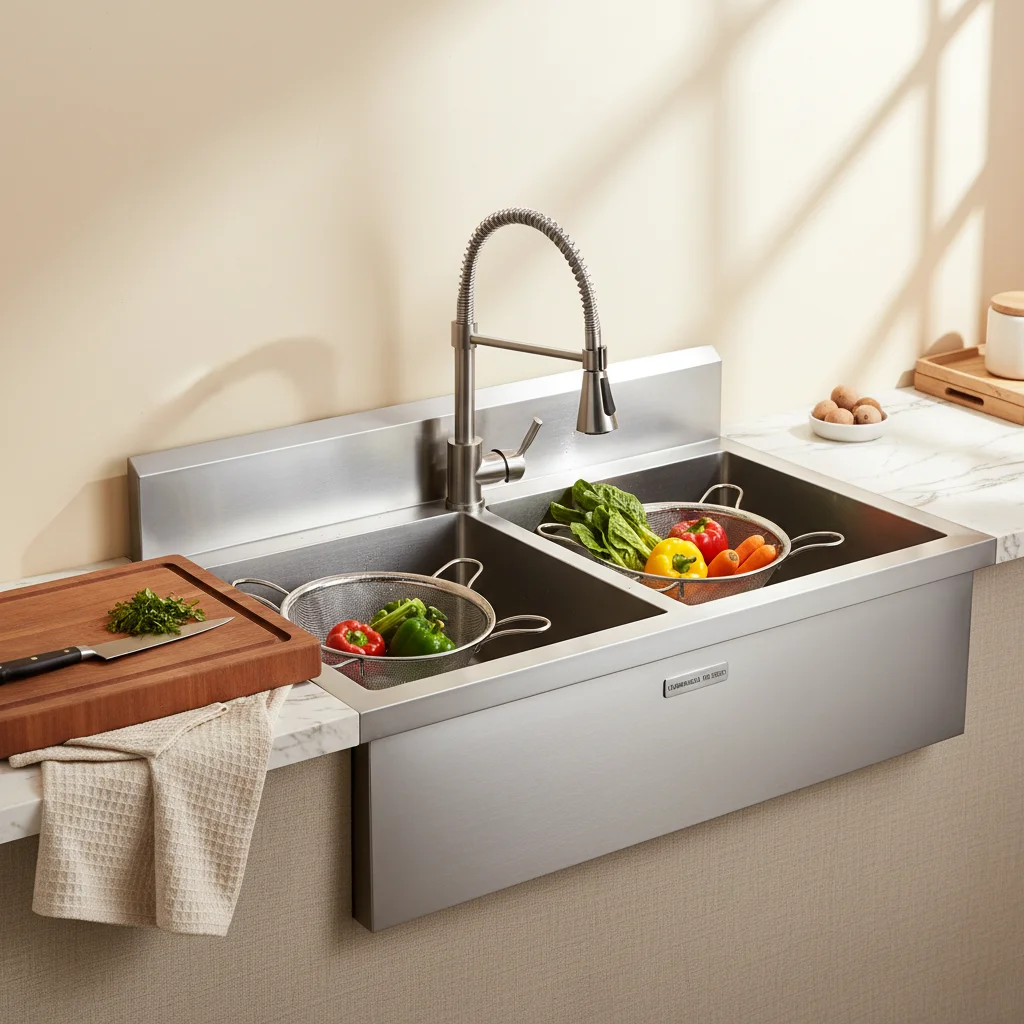
Stainless steel kitchen sink suppliers play a crucial role in both residential and commercial sectors globally. These suppliers provide a vital component for hygiene, food preparation, and overall kitchen functionality. The demand for high-quality, durable, and aesthetically pleasing sinks is consistently high, driven by factors like increasing construction activity, renovation projects, and a growing emphasis on kitchen design. Understanding the landscape of stainless steel kitchen sink suppliers is essential for businesses and consumers alike, as it impacts cost, quality, and availability.
The global stainless steel kitchen sink market is substantial, with significant production concentrated in regions like China, Italy, and Germany. According to industry reports, the market is projected to continue growing, fueled by urbanization and rising disposable incomes in emerging economies. The selection of the right supplier is paramount; considerations include material grade (304 and 316 are common), gauge (thickness), finish, and manufacturing certifications. Sourcing from reliable stainless steel kitchen sink suppliers ensures adherence to quality standards and long-term performance.
Navigating the complexities of this supply chain requires understanding factors such as lead times, minimum order quantities, and logistical capabilities. The impact of global events, like fluctuations in raw material prices and geopolitical instability, also affects the operations of stainless steel kitchen sink suppliers. A robust supplier network is therefore vital for mitigating risks and maintaining a consistent supply of essential kitchen components.
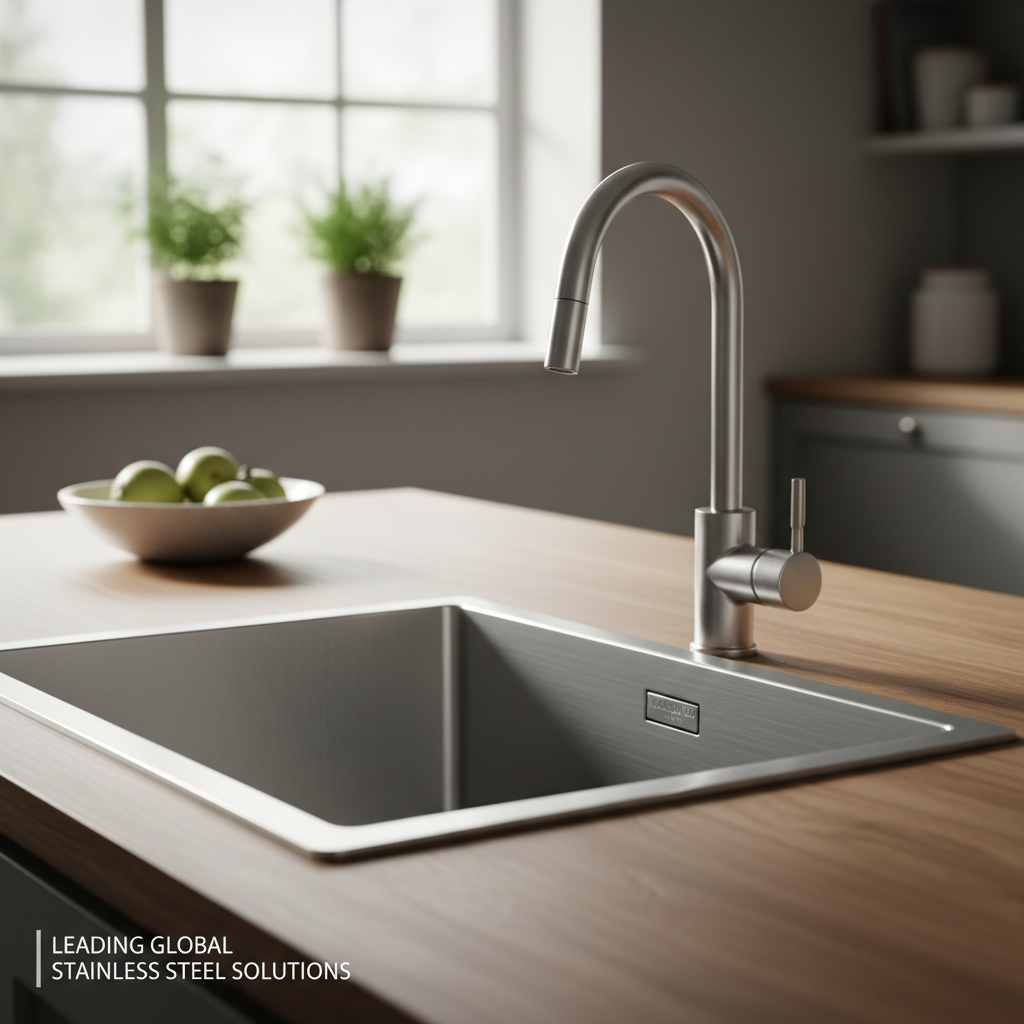
The Significance of Stainless Steel Kitchen Sink Suppliers
The importance of reliable stainless steel kitchen sink suppliers extends beyond simply providing a product. They are integral to maintaining the quality and functionality of kitchens in residential, commercial, and industrial settings. A consistent supply of high-grade sinks impacts food safety, hygiene standards, and the overall user experience. Selecting the appropriate stainless steel kitchen sink suppliers directly impacts project timelines and budgets.
Moreover, effective suppliers prioritize sustainability and ethical sourcing. This includes responsible material procurement, minimizing waste in the manufacturing process, and adhering to fair labor practices. Increasingly, end-users and businesses are demanding transparency in the supply chain, making it crucial for suppliers to demonstrate their commitment to these principles.
Defining Stainless Steel Kitchen Sink Suppliers
Stainless steel kitchen sink suppliers are entities involved in the manufacturing, distribution, and wholesale of stainless steel sinks specifically designed for kitchen applications. These suppliers can range from large-scale manufacturers with extensive product lines to smaller, specialized companies focusing on niche markets or custom designs. They often work directly with fabricators, kitchen designers, contractors, and distributors.
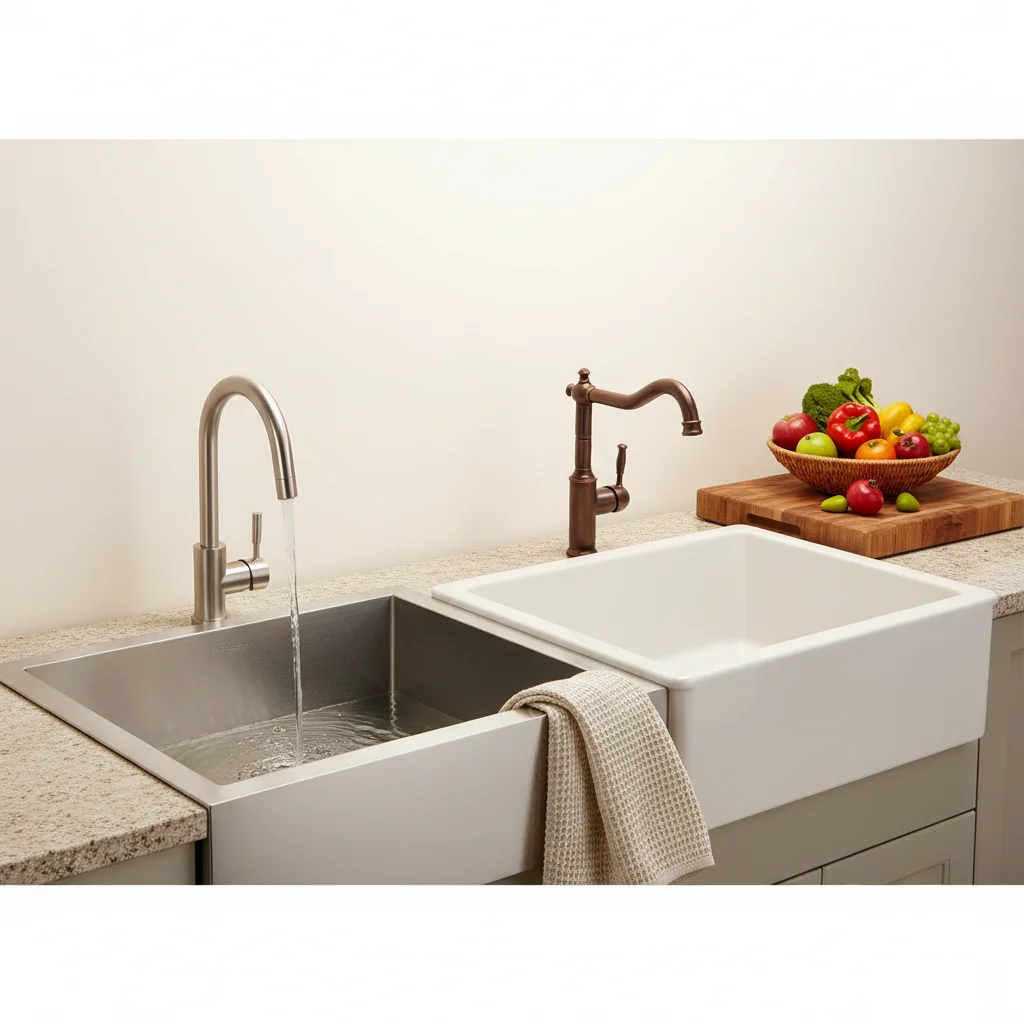
Their offerings typically include a variety of sink configurations – single bowl, double bowl, farmhouse, undermount, and drop-in – along with different finishes such as brushed, satin, and polished. A reputable supplier will also provide technical specifications, installation guidelines, and warranty information. The ability to meet specific customer requirements, such as customized sizes or configurations, is a key differentiator.
The connection to modern industry is clear: stainless steel kitchen sinks are a ubiquitous component of modern kitchens, driven by the demand for hygienic, durable, and aesthetically pleasing solutions. Their presence contributes to efficient food preparation, sanitation, and overall kitchen functionality, directly supporting both consumer convenience and public health standards.
Core Factors Influencing Supplier Selection
When choosing stainless steel kitchen sink suppliers, several core factors are critical. Durability is paramount – the grade of stainless steel (304 being standard, 316 for superior corrosion resistance) and its gauge (thickness) determine the sink’s resistance to dents, scratches, and corrosion. Price is naturally a consideration, but should be balanced against quality and long-term value. Manufacturing Capabilities and capacity impact lead times and the ability to fulfill large orders.
Certification & Compliance with industry standards (such as ISO 9001) and relevant safety regulations is non-negotiable. Warranty & Support demonstrate a supplier’s confidence in their product and their commitment to customer satisfaction. Finally, Logistics & Delivery capabilities, including efficient shipping and handling, are crucial for ensuring timely project completion. Choosing the right stainless steel kitchen sink suppliers means carefully evaluating these aspects.
Ignoring these factors can result in inferior products, project delays, and increased costs. Thorough due diligence, including requesting samples, checking references, and visiting manufacturing facilities (when possible), is highly recommended.
Global Applications of Stainless Steel Kitchen Sinks
Stainless steel kitchen sinks are found in a vast array of applications across the globe. In residential construction, they are a standard feature in new homes and kitchen renovations, catering to the demand for modern, hygienic kitchens. Commercial kitchens, including those in restaurants, hotels, and hospitals, rely heavily on stainless steel sinks for their durability and ease of cleaning.
The hospitality sector, specifically hotels and resorts, utilizes stainless steel kitchen sinks in both guest kitchens and staff facilities. Moreover, they are integral to institutional kitchens, such as those found in schools, universities, and correctional facilities, where hygiene and sanitation are critical.
In remote industrial zones and even in post-disaster relief operations, the resilience and ease of sanitation offered by stainless steel kitchen sinks are invaluable. Suppliers catering to these diverse needs must be able to adapt their products to specific requirements and logistical challenges.
Stainless Steel Kitchen Sink Supplier Performance
Advantages and Long-Term Value Proposition
The advantages of sourcing from reputable stainless steel kitchen sink suppliers are numerous and extend beyond immediate cost savings. Stainless steel’s inherent durability translates into a longer lifespan, reducing replacement costs over time. Its resistance to corrosion and staining minimizes maintenance requirements, resulting in lower operational expenses.
From a sustainability perspective, stainless steel is a highly recyclable material, reducing environmental impact. Investing in quality sinks from reliable suppliers enhances a brand’s reputation for quality and reliability. These factors collectively contribute to a strong long-term value proposition, fostering trust and customer loyalty.
Future Trends in the Industry
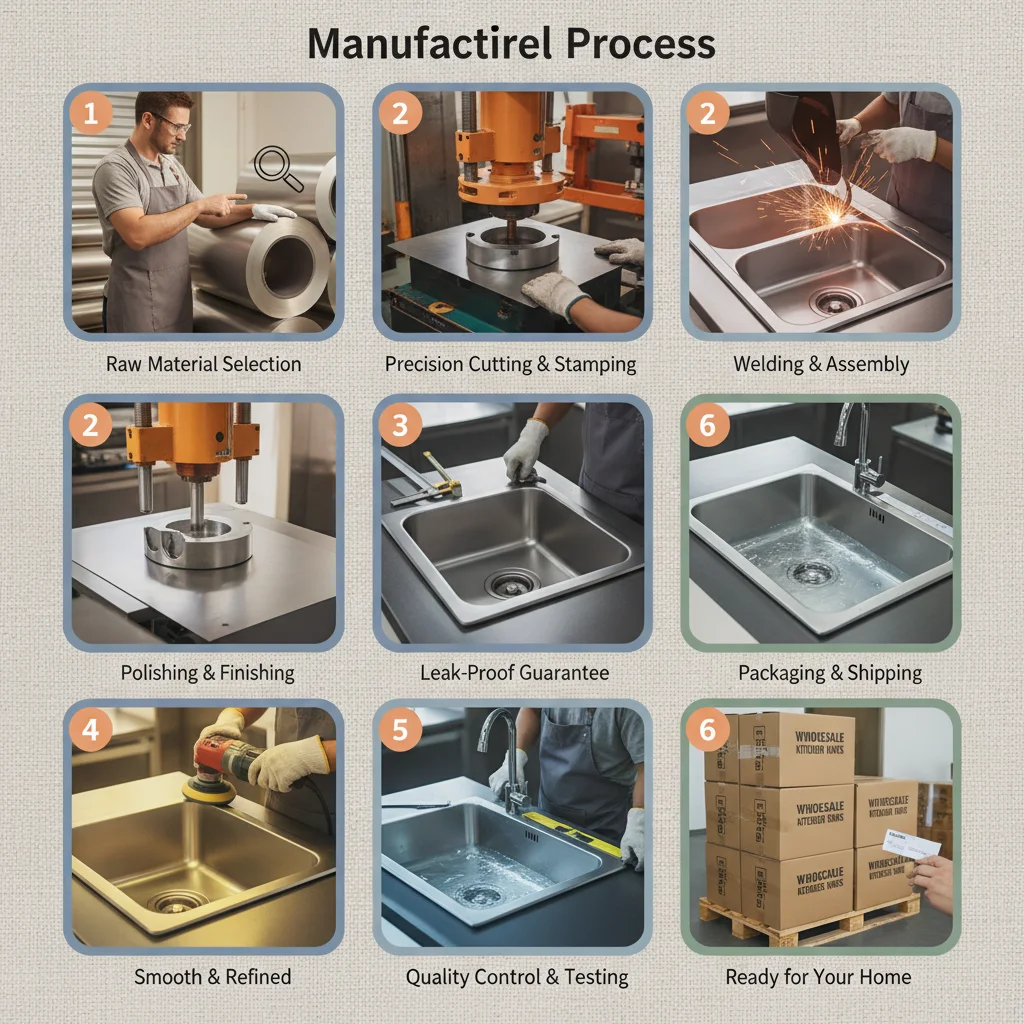
Several key trends are shaping the future of the stainless steel kitchen sink industry. The increasing adoption of digital fabrication technologies, such as laser cutting and waterjet cutting, enables the creation of more complex and customized sink designs. There's also growing demand for antimicrobial stainless steel coatings to further enhance hygiene, particularly in healthcare settings.
Sustainability remains a key driver, with suppliers actively exploring the use of recycled stainless steel and implementing more environmentally friendly manufacturing processes. Furthermore, smart sink technologies, incorporating features like touchless faucets and integrated waste disposal systems, are gaining traction. Selecting forward-thinking stainless steel kitchen sink suppliers is essential to staying ahead of these evolving trends.
Challenges and Innovative Solutions
One of the primary challenges faced by stainless steel kitchen sink suppliers is fluctuating raw material prices, particularly nickel, a key component of stainless steel. This can impact production costs and profit margins. Supply chain disruptions, exacerbated by global events, also pose a significant challenge.
Innovative solutions include diversifying sourcing strategies to mitigate price volatility and building stronger relationships with key suppliers. Investing in advanced inventory management systems can help optimize stock levels and minimize the impact of supply chain disruptions. Adopting lean manufacturing principles can reduce waste and improve efficiency, lowering production costs.
Furthermore, utilizing digital platforms for communication and collaboration with suppliers can streamline processes and enhance transparency.
Analysis of Key Performance Indicators for Stainless Steel Kitchen Sink Suppliers
| Supplier Reputation |
Product Quality Consistency |
Delivery Reliability |
Cost Effectiveness |
| Excellent - Long-standing industry presence |
9/10 - Minimal defect rates reported |
95% on-time delivery rate |
Competitive pricing with volume discounts |
| Good - Established supplier with positive reviews |
8/10 - Minor quality variations occasionally |
90% on-time delivery rate |
Moderate pricing, suitable for mid-range projects |
| Average - Relatively new entrant to the market |
7/10 - Quality control requires improvement |
85% on-time delivery rate |
Lower pricing, but may compromise on quality |
| Below Average – Limited industry recognition |
6/10 – Frequent quality complaints reported |
75% on-time delivery rate |
Lowest pricing, but significant risks associated |
| Good - Specializes in custom designs |
8/10 - High-quality craftsmanship for bespoke sinks |
80% on-time delivery (longer lead times for customization) |
Premium pricing reflecting customization services |
| Excellent - Certified sustainable practices |
9/10 - Consistently meets stringent quality standards |
98% on-time delivery rate |
Slightly higher pricing due to sustainable sourcing |
FAQS
Lead times for bulk orders of stainless steel kitchen sinks vary depending on the supplier, the complexity of the order, and current production capacity. Generally, you can expect lead times to range from 4 to 8 weeks. Larger, more complex orders, or those requiring custom specifications, may take longer. It’s crucial to confirm lead times with the stainless steel kitchen sink suppliers before placing your order to ensure timely project completion.
The two most prevalent stainless steel grades used for kitchen sinks are 304 and 316. 304 stainless steel is the standard, offering excellent corrosion resistance, durability, and affordability. 316 stainless steel contains molybdenum, enhancing its resistance to chloride corrosion, making it ideal for coastal environments or applications with high salt exposure. While more expensive, 316 offers superior longevity in harsh conditions.
Most reputable stainless steel kitchen sink suppliers offer warranties ranging from 1 to 5 years, covering defects in materials and workmanship. The warranty typically doesn't cover damage caused by improper installation, misuse, or normal wear and tear. Carefully review the warranty terms and conditions before purchasing to understand the coverage provided and any limitations.
Many stainless steel kitchen sink suppliers offer customization options, allowing you to request specific sink sizes, depths, or configurations. However, custom orders typically involve longer lead times and higher costs. It’s essential to discuss your requirements with the supplier during the initial consultation to determine feasibility and obtain a detailed quote. Suppliers specializing in custom fabrication are generally best equipped to handle such requests.
Look for suppliers who hold relevant certifications, such as ISO 9001 (Quality Management System) and NSF/ANSI 51 (Food Equipment Standards). These certifications demonstrate a commitment to quality, safety, and hygiene. Additional certifications may relate to environmental sustainability or ethical sourcing practices. Verifying certifications provides assurance that the supplier adheres to industry best practices.
Shipping and logistics arrangements vary depending on the supplier and the destination. Most suppliers offer various shipping options, including freight, parcel, and air cargo. It’s important to clarify shipping costs, insurance coverage, and delivery timelines before finalizing your order. Some suppliers may also handle customs clearance and import documentation for international shipments.
Conclusion
In conclusion, selecting the right stainless steel kitchen sink suppliers is crucial for ensuring quality, durability, and cost-effectiveness. Understanding the core factors influencing supplier selection – from material grade and manufacturing capabilities to certifications and logistics – empowers informed decision-making. A robust supply chain, built on trust and reliability, is essential for maintaining project timelines and meeting customer expectations.
Looking ahead, the industry will continue to evolve with advancements in technology, a growing emphasis on sustainability, and increasing demand for customized solutions. By partnering with forward-thinking stainless steel kitchen sink suppliers and staying abreast of industry trends, businesses can ensure they remain competitive and deliver exceptional value to their clients.