Understanding the variables that influence the steel sink price is essential for homeowners, developers, and commercial kitchen designers who aim to balance aesthetic appeal with long-term durability. In the modern architectural landscape, the kitchen sink is no longer just a functional basin but a centerpiece of utility and style, where the cost reflects a complex intersection of material grade, manufacturing technique, and engineering precision.
Globally, the demand for high-quality stainless steel fixtures has surged as urban modernization accelerates in emerging economies. The fluctuation in steel sink price is often tied to the global nickel and chromium markets, as these elements define the corrosion resistance of the AISI 304 or 316 grades commonly used in premium kitchenware. For those investing in a home renovation, knowing how to decode these costs ensures they receive a product that offers the best value-to-performance ratio.
Whether you are comparing a budget-friendly stamped sink or a luxury handcrafted piece, the ultimate goal is to find a solution that withstands the rigors of daily use without breaking the budget. By analyzing the core components that drive the steel sink price, buyers can make informed decisions that prioritize structural integrity, hygiene, and timeless design over superficial marketing claims.
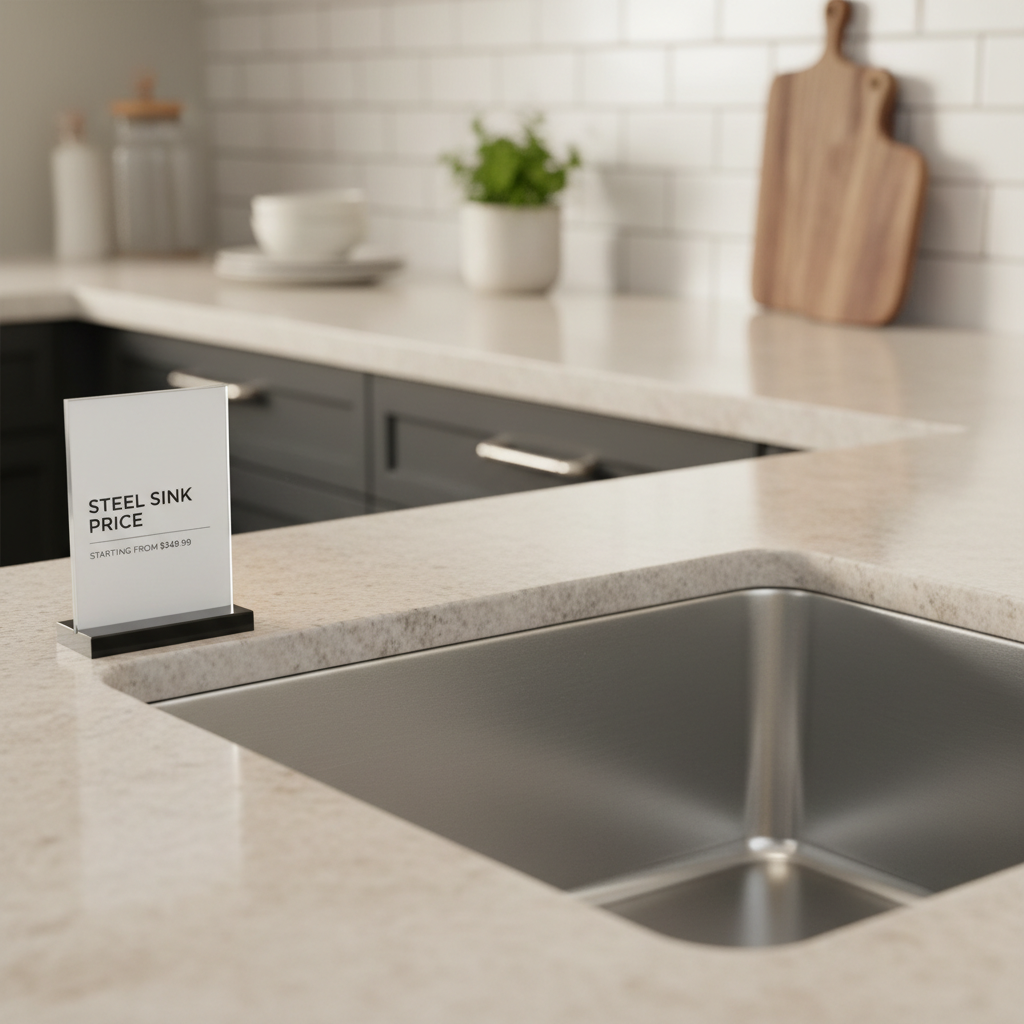
Material Grade and Its Impact on Steel Sink Price
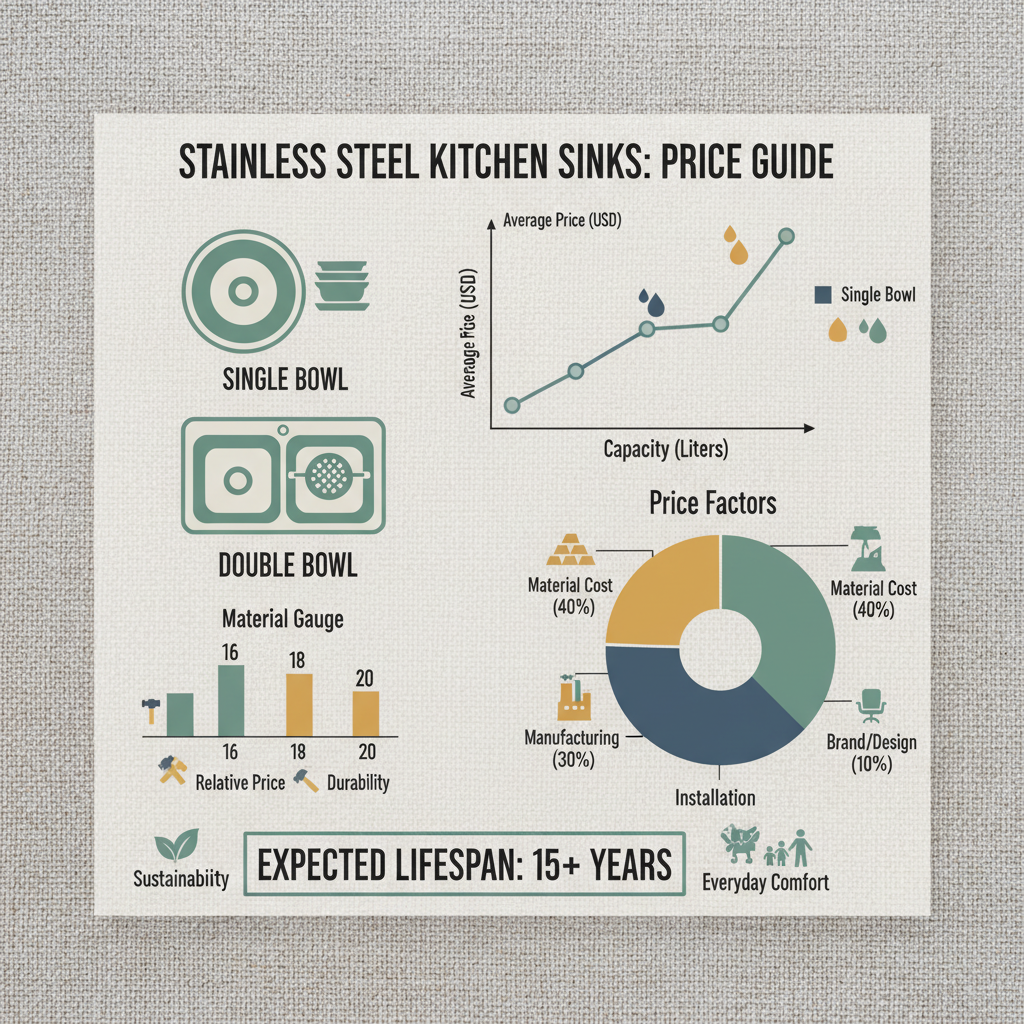
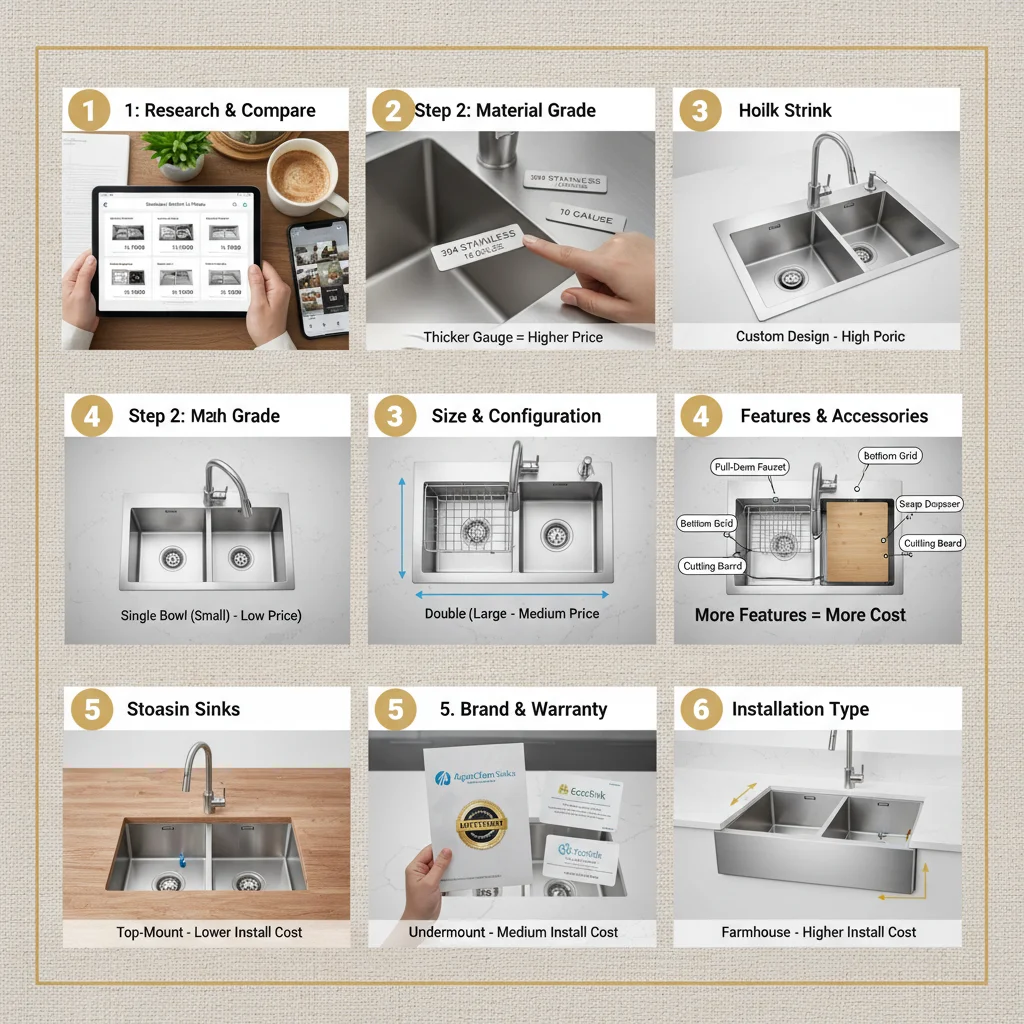
The primary driver of the steel sink price is the chemical composition of the stainless steel used. Most high-end sinks utilize Grade 304 stainless steel, which contains high levels of chromium and nickel to prevent oxidation and rust. In contrast, lower-priced options may use Grade 201, which replaces some nickel with manganese; while this lowers the initial cost, it significantly reduces the sink's resistance to pitting in salty or acidic environments.
Furthermore, the "gauge" or thickness of the steel plays a pivotal role in determining the final cost. A 16-gauge sink is thicker than an 18-gauge one, resulting in a more robust structure that is less prone to denting and produces a quieter sound when water hits the surface. This increased material volume naturally elevates the steel sink price, but it offers a substantial increase in the lifespan of the product.
Manufacturing Methods: Handcrafted vs. Stamped
Manufacturing techniques create a wide spectrum in the steel sink price. Stamped sinks are produced by pressing a sheet of steel into a mold using a high-pressure hydraulic press. This process is incredibly efficient and fast, making it the go-to choice for budget-conscious projects and large-scale residential developments where affordability is the primary concern.
Handcrafted sinks, however, are meticulously shaped by skilled artisans who hammer the steel into form. This labor-intensive process allows for tighter corner radii, deeper basins, and a more luxurious, custom feel. Because of the sheer number of man-hours required for each unit, the steel sink price for handcrafted models is significantly higher, reflecting the artistry and precision involved.
Choosing between these two often comes down to the intended use of the kitchen. For a high-traffic commercial setting or a luxury home, the investment in a handcrafted sink is justified by its superior durability and aesthetic weight. For a rental property or a guest suite, a stamped sink provides the necessary utility without inflating the project's overall expenditure.
Functional Features and Integration Costs
Beyond the basic shell, the addition of multifunctional components can drastically alter the steel sink price. Modern consumers are increasingly opting for "workstation" sinks that include integrated cutting boards, colanders, and drying racks. These accessories transform the sink from a simple basin into a comprehensive food preparation center.
The integration of advanced technology, such as built-in Kitchen Waste Disposers or specialized drainage systems, further contributes to a higher steel sink price. These features are designed to enhance hygiene and efficiency, reducing the manual effort required for kitchen cleanup and improving the overall workflow of the culinary space.
Additionally, acoustic treatments like sound-deadening pads and under-coating are often factored into the price. A sink without these treatments can act like a bell, amplifying the noise of running water. When you see a premium steel sink price, you are often paying for this "silence engineering" that ensures a peaceful kitchen environment.
Comparative Analysis of Sink Types by Value
To truly understand the steel sink price, one must look at the value proposition across different product categories. A Multifunctional Sink offers the highest utility per square inch, whereas a standard Stamped Sink offers the lowest entry cost. Handcrafted Sinks provide the highest prestige and durability, which often offsets their higher initial price tag over a 20-year horizon.
When analyzing these options, it becomes clear that the "cheapest" option is not always the most economical. A low-cost sink that rusts or dents within three years will eventually cost more in replacements and labor than a mid-range sink with a lifetime warranty. Therefore, the steel sink price should be viewed as a long-term investment in home equity.
Comparative Value Rating by Steel Sink Price Category
Global Market Trends and Pricing Volatility
The steel sink price is not static; it fluctuates based on global commodities trading. Nickel, a key ingredient in stainless steel, is traded on the London Metal Exchange (LME), and any geopolitical instability in mining regions can cause an immediate spike in raw material costs. Manufacturers often pass these costs to the consumer, meaning the price you see today may differ from the price next quarter.
Additionally, shipping and logistics costs have become a significant factor in the final landed steel sink price. As global supply chains optimize, we are seeing a shift toward localized manufacturing and "Just-in-Time" delivery, which helps stabilize costs for large-scale construction projects while reducing the carbon footprint associated with transporting heavy metal products.
Sustainability and Long-Term Value Proposition
From an environmental perspective, the steel sink price includes an implicit value in sustainability. Stainless steel is 100% recyclable, and most new sinks are produced from a high percentage of recycled scrap. This circular economy approach means that investing in a high-quality sink reduces the need for frequent replacements, thereby lowering the lifetime environmental impact of the kitchen.
Logic dictates that a higher initial steel sink price for a durable, high-gauge sink is actually a sustainable choice. By choosing a product that lasts 30 years instead of 10, the consumer prevents two entire cycles of manufacturing and waste. This shift in mindset—from "lowest cost" to "lowest cost per year of use"—is central to modern green building standards.
Moreover, the emotional value of trust and reliability cannot be ignored. A sink that doesn't leak, rust, or rattle provides a sense of permanence and quality in a home. When a buyer pays a premium steel sink price, they are often buying peace of mind and the assurance that their kitchen will remain functional and beautiful for decades.
Maintenance Strategies to Protect Your Investment
Once you have invested in a product based on a specific steel sink price, proper maintenance is the only way to ensure that value is preserved. Many users make the mistake of using abrasive steel wool or harsh bleach, which can strip the protective chromium oxide layer of the steel, leading to premature corrosion and a loss of that "showroom" shine.
The secret to maintaining a high-value sink is the use of pH-neutral cleaners and regular drying. By preventing water spots and mineral buildup, you ensure that the sink continues to look as if it were just installed, regardless of whether you paid a budget or premium steel sink price.
Professional insights suggest that a quarterly "deep polish" using a specialized stainless steel cream can rejuvenate the surface and fill in micro-scratches. This proactive approach transforms the sink from a depreciating asset into a durable fixture that maintains the home's overall market value.
Analysis of Cost vs. Performance across Steel Sink Categories
| Sink Category |
Typical Price Range |
Durability Score (1-10) |
ROI Potential |
| Stamped Sink |
Low ($) |
5 |
Low |
| Handcrafted Sink |
High ($$$) |
10 |
Very High |
| Multifunctional Sink |
Medium-High ($$) |
8 |
High |
| Commercial Grade Sink |
Medium ($$) |
9 |
Medium |
| Under-mount Luxury |
High ($$$) |
9 |
High |
| Budget Utility Sink |
Very Low ($) |
6 |
Low |
FAQS
The price variance is primarily due to the grade of stainless steel (e.g., 304 vs 201), the thickness of the steel (gauge), and the manufacturing method. A handcrafted sink requires far more labor than a machine-stamped one, and premium brands often include superior sound-dampening technology and rigorous quality control, which justifies a higher price point.
Generally, yes, provided the price increase is tied to material quality (like 16-gauge 304 steel). However, a higher price can sometimes be attributed to "brand prestige" or aesthetic features that don't necessarily add to the structural lifespan. Always check the steel grade and gauge to ensure you are paying for durability.
For most home cooks, yes. The ability to integrate cutting boards and colanders directly into the sink optimizes counter space and streamlines meal prep. While they cost more upfront, the increase in kitchen efficiency and the professional-grade experience typically offer a high return on investment.
Look for specific indicators of craftsmanship: sharp, clean lines, a consistent finish, and a heavy weight. Compare the gauge of the steel and check for certifications (like AISI). If the sink is truly handcrafted and uses high-grade 304 steel, a premium price is standard in the industry.
Yes, integrating a waste disposer usually adds to the total cost, not only for the unit itself but for the specialized plumbing and the reinforced sink bottom required to support the vibration and weight of the motor. It is often more cost-effective to purchase a sink specifically designed for disposer integration.
Standard brushed finishes are typically the most affordable. Specialized finishes, such as PVD coatings or nano-coatings, increase the price because they involve additional chemical processing steps. However, these coatings can improve scratch resistance and ease of cleaning.
Conclusion
Navigating the complexities of the steel sink price requires a balanced understanding of metallurgy, manufacturing, and functional needs. From the raw cost of nickel-rich 304 steel to the meticulous labor of handcrafted basins and the convenience of multifunctional workstations, every dollar spent reflects a specific trade-off between initial expenditure and lifelong value. By prioritizing gauge thickness and material grade over mere brand names, consumers can secure a kitchen fixture that serves as a durable, hygienic, and beautiful asset for decades.
Looking forward, the industry is moving toward smarter, more sustainable materials that maintain high performance while reducing the volatility of the steel sink price. We recommend that buyers view their sink not as a disposable commodity but as a long-term architectural investment. For those seeking the perfect blend of artisan quality and industrial strength, exploring a variety of configurations is the best path toward a kitchen that truly reflects their lifestyle and values. Visit our website for more professional guidance: www.yashitesink.com