Understanding the Total Kitchen Sink Cost for LongTerm Value
  • home
  • Top Blog
  • Understanding the Total Kitchen Sink Cost for LongTerm Value
0%

Table of Contents

Look, I’ve spent the last fifteen years breathing dust on construction sites, getting to know every wrench and rivet. And let me tell you, when it comes to a kitchen sink, the kitchen sink cost isn’t just about the upfront price tag. It's about the total lifecycle, the headaches avoided, and getting the job done right the first time. We’re not just slapping stainless steel into a countertop anymore; it's a critical component of a functional, lasting kitchen.

What I’ve seen too often is contractors pinching pennies on the sink, thinking it's a small detail. Then six months later, they’re back fixing leaks, dealing with rust, or replacing a unit that just couldn’t handle the wear and tear. That’s where the real kitchen sink cost hits – in the lost time, the callbacks, and the damaged reputation.

And it's not just residential. I’ve worked on commercial projects, institutional kitchens, even mobile food units. The demands are different, sure, but the principle remains the same: invest in quality, and you'll save money – and a lot of stress – down the road. Understanding that initial investment versus long-term value is vital, especially given material price fluctuations we're seeing these days.

kitchen sink cost

Defining the Real Kitchen Sink Cost

kitchen sink cost

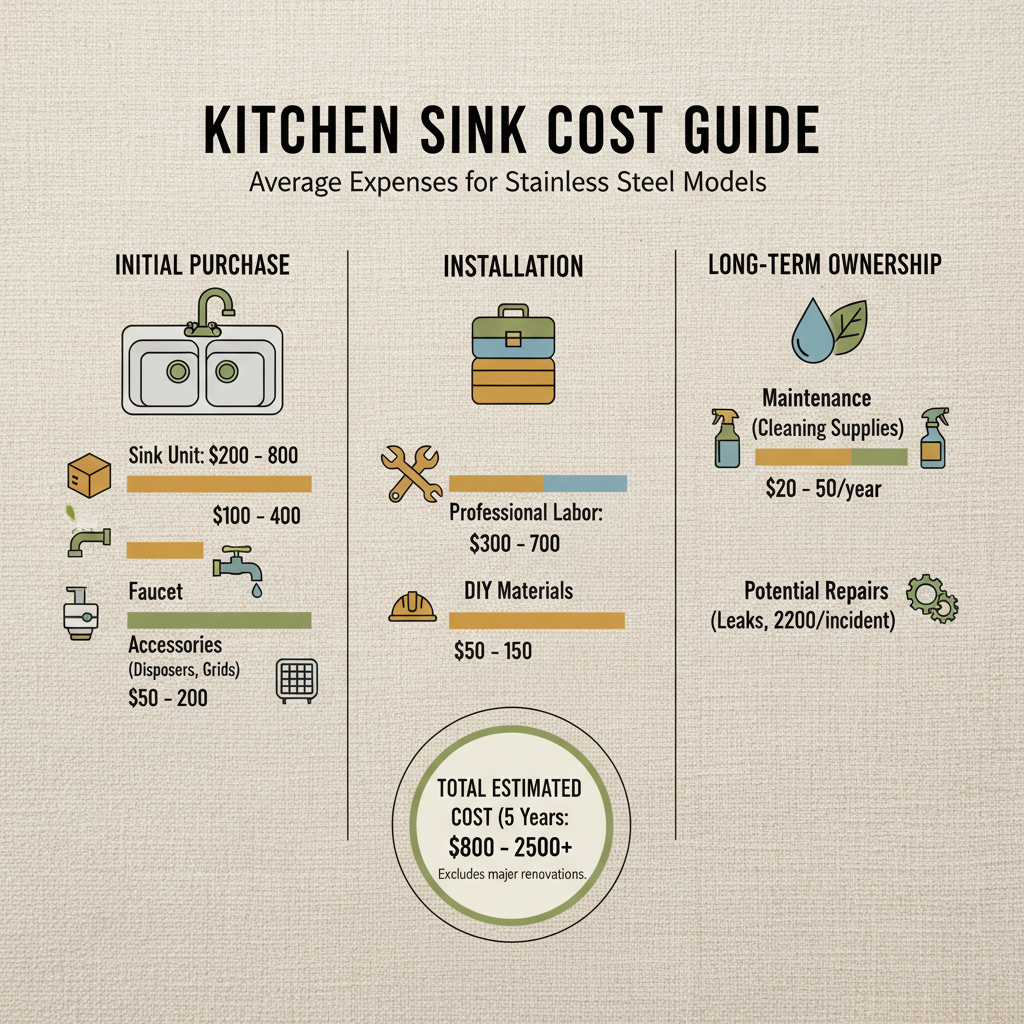
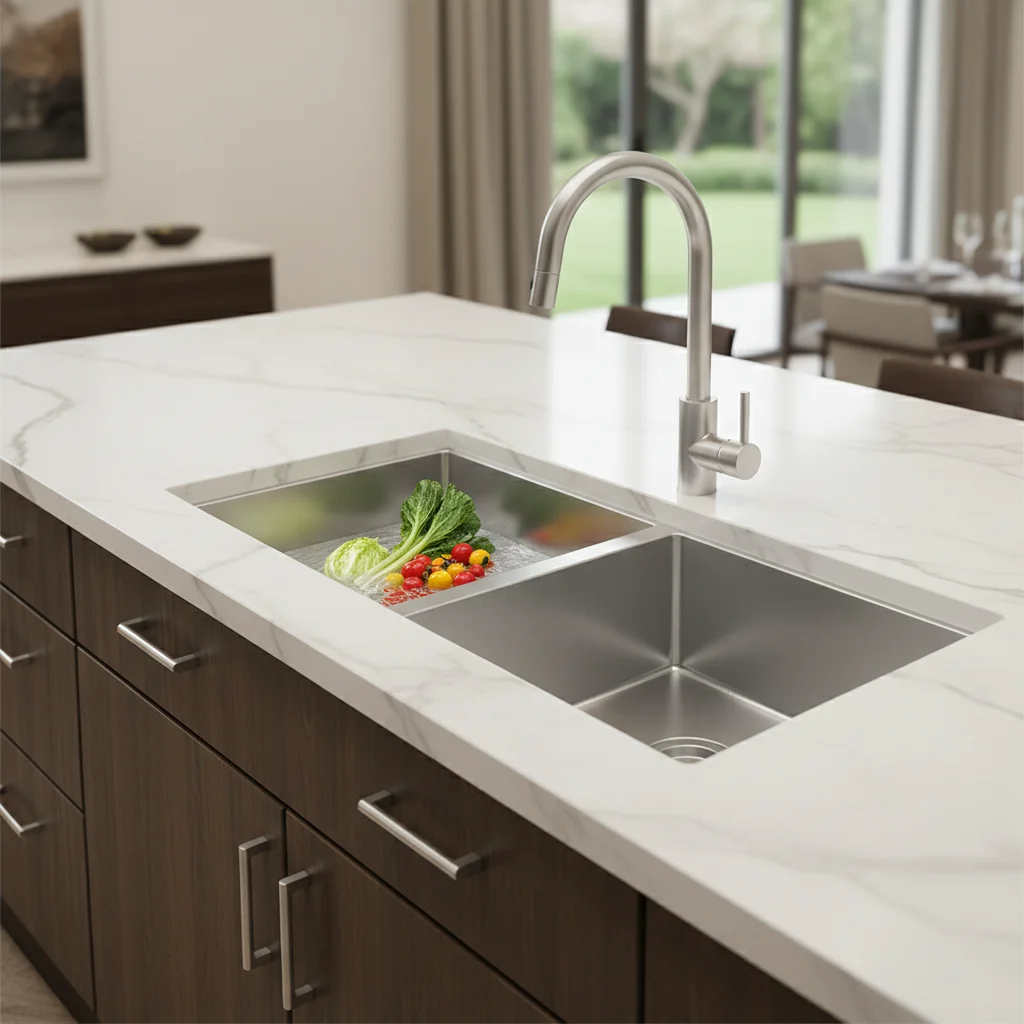
When people talk about kitchen sink cost, they usually just mean the price on the sticker. But that's a dangerously narrow view. You’ve got to factor in the installation, the potential for repairs, the lifespan of the unit, and even the water efficiency. A cheap sink might seem appealing upfront, but if it’s constantly leaking or needs replacing within a few years, you’re throwing money away.

I’ve seen sinks that claim to be “stainless steel” that are practically paper thin. They dent with a bump, rust almost immediately, and generally create more headaches than they’re worth. A thicker gauge steel, properly coated, is a far better investment, even if it costs a bit more initially. It's about thinking long-term and preventing bigger problems down the line.

Materials and Their Impact on Cost

The material is a huge driver of kitchen sink cost. Stainless steel is the most common, and within stainless steel, you’ve got different grades. Thicker gauges (lower numbers, like 16 or 18) are more durable, quieter, and resistant to dents. Composite granite sinks are another option – they’re tough, heat-resistant, and come in a variety of colors, but can be pricier. Then you have cast iron, which is incredibly durable but heavy and can chip if you’re not careful.

Don’t overlook the undercoating on stainless steel sinks. A good undercoating deadens sound and provides additional insulation, reducing condensation and minimizing noise. It's a small detail that makes a big difference in overall satisfaction. And let's be real – no one wants to hear every clatter of a dish while they're trying to enjoy breakfast.

I've also started seeing more porcelain enamel over steel, which is tough but can be prone to chipping. It really comes down to understanding the demands of the specific project and choosing a material that can handle it.

Installation: A Significant Cost Factor

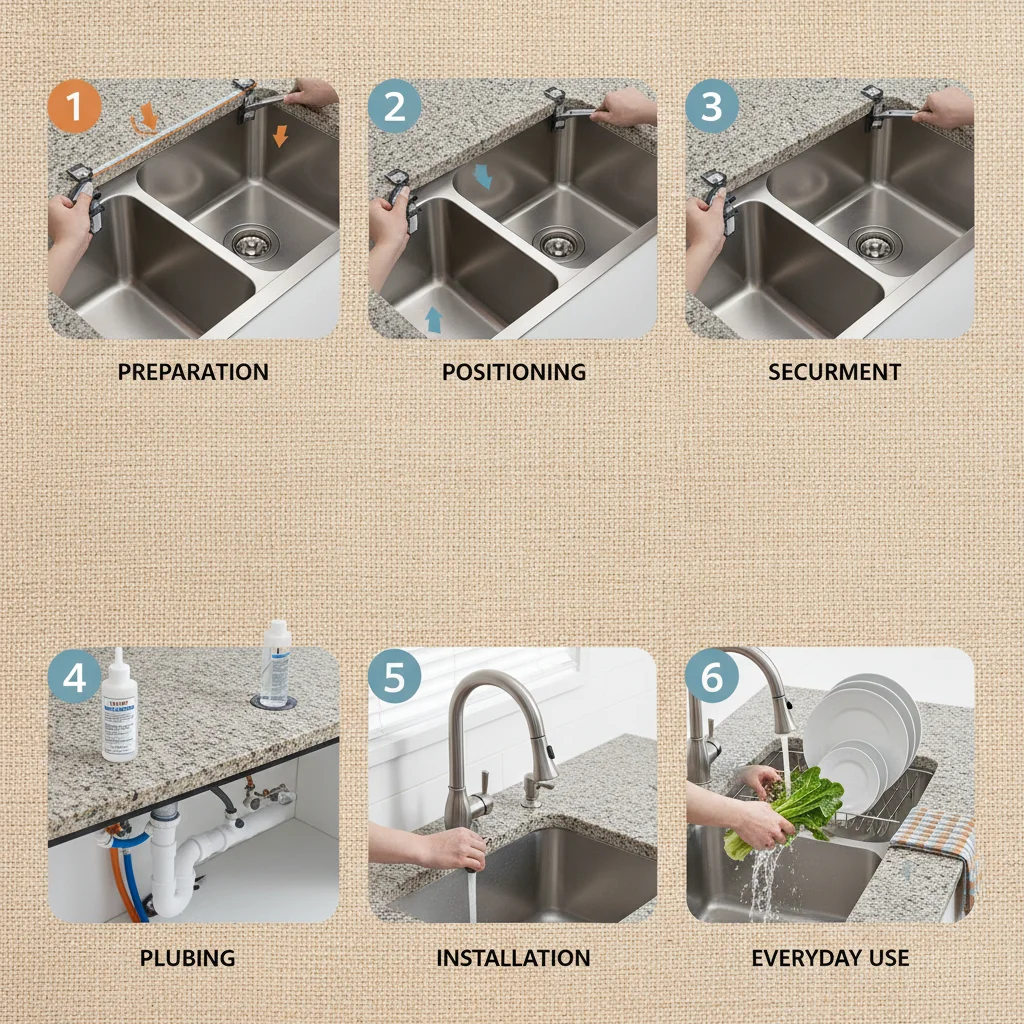
People often forget about installation when budgeting for a kitchen sink cost. A complex installation – undermount sinks, for instance – requires a skilled plumber and can add a significant amount to the overall expense. Cutouts for faucets and drains, plumbing connections, and ensuring a watertight seal all take time and expertise.

I’ve seen installations botched because someone tried to save a few bucks on labor. Leaky connections, improperly supported sinks, and damaged countertops are all common results. It's always better to pay a qualified professional to do the job right. A bad install will always cost more to fix in the long run.

Don’t underestimate the prep work, either. Sometimes the countertop needs to be modified, or additional support structures need to be built. These unforeseen costs can quickly add up, so it’s important to have a contingency plan in place.

Durability and Long-Term Cost Savings

This is where the true kitchen sink cost reveals itself. A sink that lasts 20 years with minimal maintenance is far cheaper than replacing a flimsy sink every 5 years. Durability isn’t just about the material; it’s about the quality of construction, the finish, and the attention to detail.

Look for sinks with reinforced corners, robust mounting systems, and a finish that’s resistant to scratches and stains. A good sink should be able to withstand the daily abuse of a busy kitchen without showing its age.

Comparative Durability Ratings of Kitchen Sink Materials

Application Across Project Types

The ideal sink for a high-volume restaurant kitchen is very different from what you’d choose for a cozy home kitchen. Commercial kitchens need heavy-duty stainless steel, multiple compartments, and features like sprayers and grease traps. Residential kitchens allow for more aesthetic choices – farm sinks, apron-front sinks, even colored sinks.

I’ve done projects ranging from equipping entire hospital kitchens to renovating single-family homes. Understanding the specific needs of the application is crucial for minimizing the total kitchen sink cost.

Advantages of Investing in Quality

Look, a quality sink isn’t just about avoiding repairs. It’s about creating a kitchen that functions efficiently and looks great for years to come. A well-made sink adds value to a home or business, improves workflow, and enhances the overall user experience.

Investing in a quality sink is also a statement. It says you care about the details, you value durability, and you’re not willing to compromise on quality. That can make a big difference in building trust with clients and customers.

And let’s not forget the peace of mind. Knowing you’ve installed a sink that’s built to last is worth a lot, especially when you’re juggling a hundred other details on a construction project.

Future Trends and Cost Considerations

We’re seeing a growing demand for sustainable materials and water-efficient sinks. Manufacturers are exploring new materials like recycled stainless steel and bio-based composites. WaterSense-certified faucets and sinks are also becoming more popular, helping to reduce water consumption and lower utility bills.

Technology is also playing a role. Some sinks now feature integrated sensors, touchless operation, and even built-in disposal systems. These features add to the upfront cost, but can offer long-term benefits in terms of convenience and efficiency.

The volatile supply chain situation is still affecting prices, so it’s important to factor in potential delays and price increases when budgeting for a kitchen sink cost.

Summary of Factors Influencing Long-Term Kitchen Sink Cost

Material Quality Installation Expertise Maintenance Requirements Lifespan & Replacement
Higher grade materials (16/18 gauge stainless steel) generally cost more initially but offer significantly better durability. Professional installation ensures proper sealing and support, minimizing future leaks and structural issues. Low-maintenance materials like stainless steel require minimal cleaning and upkeep, reducing long-term costs. A durable sink can last 15-20 years, while cheaper models may need replacement every 5-7 years.
Composite materials offer good durability but can be more expensive than standard stainless steel. Incorrect installation can lead to costly repairs and potential damage to surrounding structures. Materials prone to staining or corrosion require frequent cleaning and may necessitate specialized products. Frequent replacements result in increased labor and material costs over time.
Thin gauge stainless steel is the most affordable but susceptible to dents and rust. DIY installation can save money initially but often lacks the precision and expertise of a professional. Regular sealing and maintenance are essential for preventing leaks and protecting against water damage. Short lifespan necessitates more frequent replacements, leading to a higher overall cost.
Cast iron is extremely durable but heavy and prone to chipping. Ensuring proper support and leveling is critical for preventing stress on the sink and surrounding structures. Prompt repair of chips or cracks is essential to prevent further damage and maintain structural integrity. Long-term durability can offset the higher initial cost.
Porcelain enamel is aesthetically pleasing but vulnerable to chipping and staining. Proper plumbing connections are essential for preventing leaks and water damage. Gentle cleaning and avoiding abrasive materials are necessary to preserve the finish. Susceptibility to damage can lead to earlier replacement.
Recycled materials contribute to sustainability but may have varying levels of durability. Compliance with local building codes and regulations is crucial for ensuring a safe and functional installation. Following manufacturer’s recommendations for cleaning and maintenance is essential. Responsible disposal of old sinks minimizes environmental impact.

FAQS

What factors most significantly impact the total kitchen sink cost?

Beyond the sticker price, the biggest cost factors are installation complexity (undermount vs. drop-in), material quality (gauge of stainless steel, type of composite), and potential for future repairs. Don't skimp on installation; a bad install will cost you more in the long run. Consider the lifespan of the sink too - a durable sink avoids frequent replacements.

Is stainless steel always the best option for kitchen sink cost?

Not necessarily. While stainless steel is a popular choice, composite granite offers excellent durability and heat resistance. Cast iron is incredibly tough but heavy. The "best" option depends on your budget, aesthetic preferences, and the demands of your kitchen. Consider the long-term value, not just the initial price.

How can I minimize installation costs without sacrificing quality?

The best approach is to choose a sink that fits standard countertop cutouts to avoid custom work. Also, prepare the area properly before the plumber arrives – clear the space, have all necessary tools readily available. Don't try to DIY complex installations unless you have significant plumbing experience.

What is the lifespan of a high-quality stainless steel kitchen sink?

A well-maintained, high-quality stainless steel sink (16-18 gauge) can easily last 15-20 years, or even longer. Regular cleaning and occasional polishing will help preserve its appearance and prevent corrosion. Avoiding abrasive cleaners is key.

Are there any hidden costs I should be aware of when replacing a kitchen sink?

Yes! Potential hidden costs include countertop modifications, plumbing adjustments, disposal installation or replacement, faucet replacement, and dealing with unforeseen damage during removal of the old sink. Always get a detailed quote that includes all potential expenses.

How do water efficiency features affect the overall kitchen sink cost?

WaterSense-certified faucets and sinks may have a slightly higher initial cost, but they can save you money on your water bill over time. These fixtures use less water without sacrificing performance. Some sinks also have integrated features like sprayers that help reduce water waste.

Conclusion

Ultimately, understanding the true kitchen sink cost requires looking beyond the initial price tag. It’s about considering materials, installation, durability, and long-term maintenance. Investing in a quality sink is an investment in peace of mind, efficiency, and a kitchen that will stand the test of time. Don't fall for the trap of cheaping out on a critical component – it will always cost you more in the end.

As the industry evolves, with a focus on sustainability and smart technology, we’ll likely see even more innovative and cost-effective sink solutions emerge. Staying informed about these trends and prioritizing quality will be key to making the right choice for your project. Visit our website at www.yashitesink.com to explore our range of high-quality kitchen sinks and get expert advice.

Daniel Richter

Daniel Richter

Daniel Richter is Yashite’s North American Sales Director, overseeing market growth in Canada and the United States. Based out of Yashite’s Canadian trading company, he specializes in developing relationships with key distributors and retailers. Daniel brings over 15 years of experience in the kitchen and bath industry, with a strong track record of increasing sales revenue and expanding market share. He is deeply involved in identifying and responding to emerging market trends and ensuring Yashite's products align with customer needs. He frequently attends industry trade shows and conferences.
Previous Find the Best Stainless Steel Sink for Commercial Kitchen Operations Now
Next Investing in a Quality Kitchen Sink for Long Lasting Durability

JOIN OUR NEWSLETTER

If you are interested in our products, you can choose to leave your information here, and we will be in touch with you shortly.