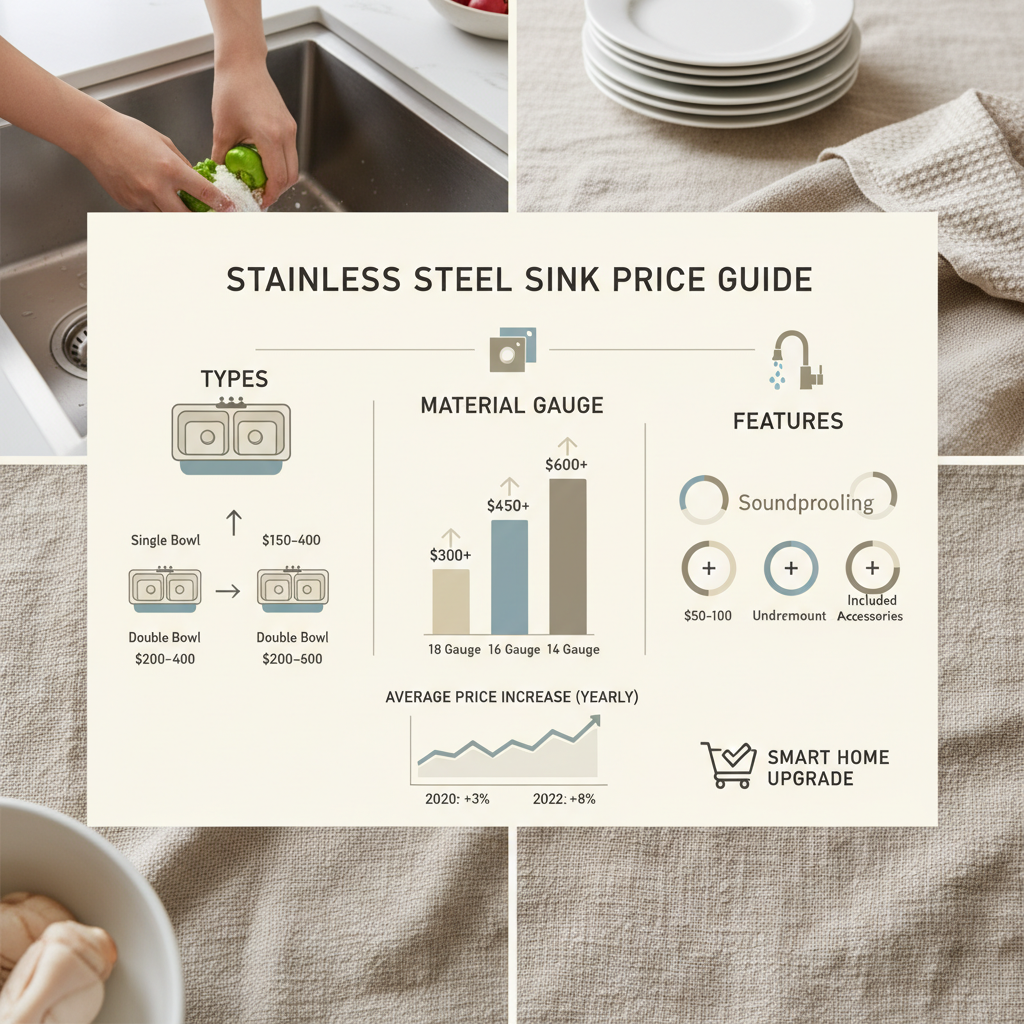
When planning a kitchen renovation or upgrading commercial food preparation areas, understanding the stainless steel sink price is crucial for balancing budget constraints with long-term durability. Stainless steel remains the gold standard for sanitation and resilience, but the cost can vary wildly based on the gauge of the metal and the manufacturing process. Whether you are looking for a sleek residential model or a heavy-duty industrial basin, the price reflects the material's ability to resist corrosion and withstand daily wear.
Globally, the market for stainless steel sinks has evolved from simple utility basins to sophisticated design elements. Today, the stainless steel sink price is influenced by global nickel and chromium market fluctuations, as well as the shift toward "smart" kitchens. With the rise of multifunctional sinks and integrated waste disposers, homeowners are now investing in value-added features that justify a higher initial expenditure through increased efficiency and property value.
Ultimately, navigating the complexities of the stainless steel sink price requires an understanding of the trade-off between upfront cost and lifecycle value. Choosing a cheaper, thinner gauge might save money today, but the risk of denting and noise pollution often leads to premature replacement. By analyzing the core drivers of cost—from handcrafted precision to stamped mass production—buyers can make an informed decision that ensures their kitchen remains functional and aesthetic for decades.
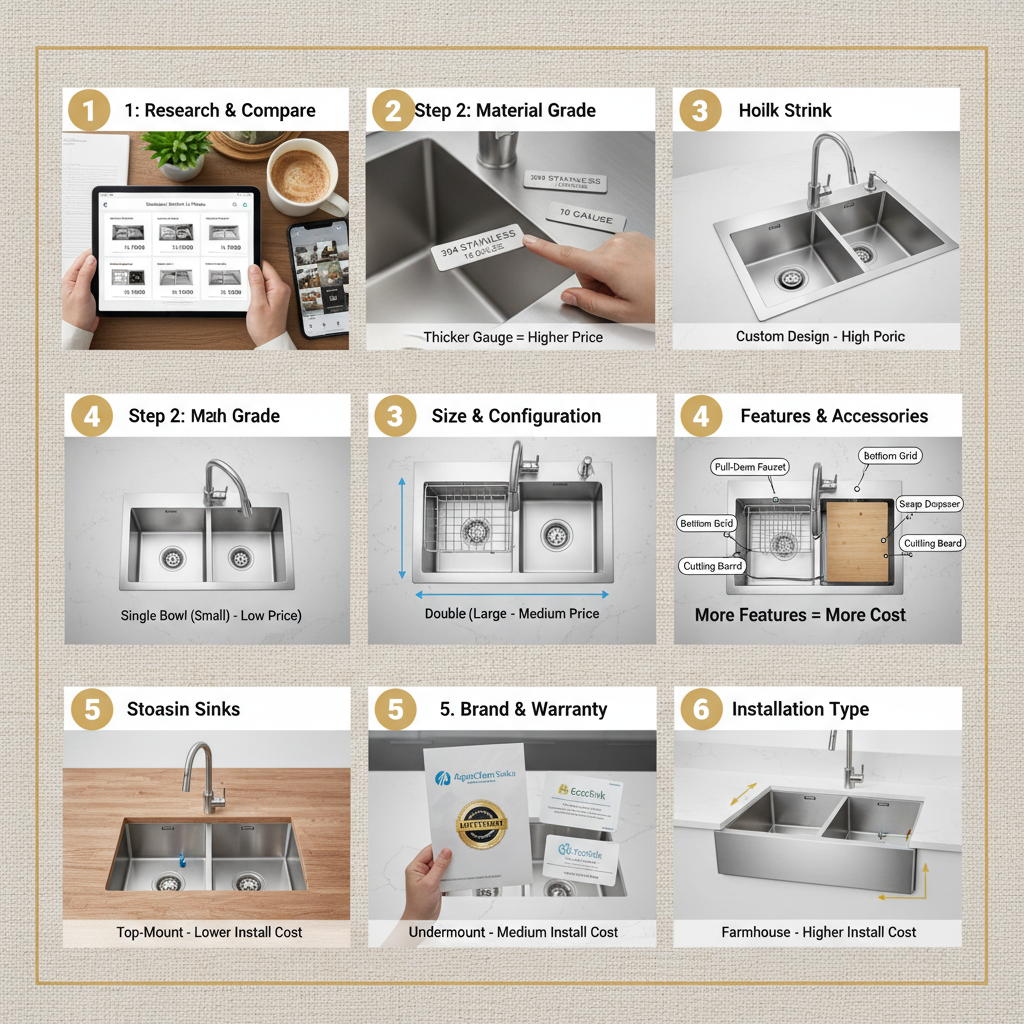
Material Grade and its Impact on stainless steel sink price
The most significant driver of the stainless steel sink price is the grade of steel used, typically ranging from 200 series to 300 series. Grade 304 is the industry standard for high-quality kitchens due to its high chromium and nickel content, which provides superior rust resistance. Because these raw materials are traded on global commodities markets, any spike in nickel prices directly translates to a higher retail cost for the consumer.
In contrast, budget-friendly options often utilize the 200 series, where nickel is partially replaced by manganese. While this reduces the stainless steel sink price, it also lowers the threshold for corrosion, making them less suitable for coastal areas or heavy commercial use. Understanding these metallurgical differences allows buyers to determine if a lower price point represents a genuine bargain or a potential liability in terms of longevity.
Manufacturing Techniques and Cost Variations
The method of construction plays a pivotal role in determining the final stainless steel sink price. Stamped sinks are produced using high-pressure molds that press a sheet of steel into shape quickly. This mass-production approach significantly lowers the unit cost, making stamped sinks the most accessible option for rental properties and entry-level homes, though they often feature thinner walls and higher noise levels.
Handcrafted sinks, however, represent the premium end of the spectrum. These are meticulously shaped by skilled artisans, resulting in tighter radii in the corners and a heavier overall gauge. The labor-intensive nature of this process naturally increases the stainless steel sink price, but the result is a product with superior structural integrity and a professional, architectural aesthetic that is highly prized in luxury renovations.
Beyond the primary shaping, additive processes like sound-deadening pads and undercoating also influence the cost. A sink with advanced acoustic technology will have a slightly higher price tag than a basic shell, but it eliminates the "ringing" sound common in cheaper models. When evaluating the stainless steel sink price, it is essential to consider these hidden manufacturing details that dictate the daily user experience.
Functional Features Affecting Investment Value
Modern kitchen demands have led to the creation of multifunctional sinks, which integrate cutting boards, colanders, and rinse basins. These additions necessarily raise the stainless steel sink price because they require more material and more complex assembly. However, the utility gained from a workstation sink often offsets the cost by reducing the need for separate countertop accessories.
The integration of a Kitchen Waste Disposer also impacts the overall installation and stainless steel sink price calculations. Sinks specifically engineered with reinforced flanges and optimized drainage for disposers provide better stability and leak prevention. Investing in a sink that is compatible with high-end disposal systems prevents costly modifications or replacements down the road.
Lastly, the finish of the steel—whether it be brushed, satin, or polished—can subtly shift the stainless steel sink price. PVD (Physical Vapor Deposition) coatings, which allow for gold or black stainless steel finishes, are the most expensive due to the vacuum technology involved. While primarily an aesthetic choice, these finishes provide an added layer of scratch resistance and a modern look that elevates the kitchen's overall design.
Comparing Price Points Across Sink Categories
To truly understand the stainless steel sink price, one must compare the different categories available in the market. Stamped sinks offer the lowest entry point, while Handcrafted and Multifunctional models sit at the higher end of the spectrum. The difference isn't just in the brand name, but in the actual volume of steel used and the complexity of the engineering.
For those balancing performance and cost, the "mid-range" usually consists of high-gauge stamped sinks with added soundproofing. This provides a compromise where the stainless steel sink price remains reasonable without sacrificing the basic durability required for a busy family kitchen.
Analysis of Value vs. Stainless Steel Sink Price
Global Market Trends and Pricing Dynamics
The global stainless steel sink price is subject to the volatility of the raw metal market. As emerging economies increase their infrastructure development, the demand for high-grade steel rises, which can push prices upward for residential consumers. Furthermore, logistics and shipping costs for these heavy items play a significant role in the final landed cost, especially for imported premium brands.
Recent trends show a move toward "Direct-to-Consumer" (DTC) models, where manufacturers sell directly to the homeowner. This eliminates the middleman markup, effectively lowering the stainless steel sink price while maintaining high quality. This shift is enabling more homeowners to afford handcrafted or multifunctional sinks that were previously reserved for high-end luxury builds.
Sustainability and the Long-term Cost of Ownership
When discussing the stainless steel sink price, it is vital to look beyond the initial purchase. Stainless steel is 100% recyclable, making it a sustainable choice compared to composite or plastic alternatives. A higher initial investment in a 304-grade sink often means the product will never need to be replaced, resulting in a lower "cost per year" over a 20-year horizon.
Sustainability also manifests in the energy used during production. Modern factories are implementing "green manufacturing" processes to reduce carbon footprints. While these eco-friendly certifications might slightly increase the short-term stainless steel sink price, they appeal to the environmentally conscious consumer who values ethically sourced materials.
Furthermore, the ease of maintenance associated with high-quality stainless steel reduces the need for harsh chemical cleaners. This not only protects the health of the inhabitants but also prevents the degradation of the sink's surface, ensuring that the value of the investment is preserved. Thus, the stainless steel sink price should be viewed as a contribution to a sustainable, long-term home ecosystem.
Strategic Selection Guide for Optimal Value
Selecting the right product requires a strategic approach to the stainless steel sink price. For a high-traffic family kitchen, the priority should be a 16-gauge Handcrafted sink; the higher price is justified by the resistance to dents and noise. For a guest bathroom or a secondary laundry room, a Stamped sink provides the necessary functionality without unnecessary expenditure.
It is also important to consider the "accessory ecosystem." A multifunctional sink might have a higher base stainless steel sink price, but if it includes a built-in disposer mount and a custom-fit cutting board, it may actually be cheaper than buying these components separately.
Ultimately, the goal is to find the "sweet spot" where the material quality meets the specific needs of the space. By focusing on gauge, grade, and construction method, you can ensure that you aren't overpaying for brand prestige, but rather investing in tangible quality.
Comparison of Sink Types and their Influence on Price and Performance
| Sink Category |
Typical Price Range |
Durability Score (1-10) |
Recommended Use |
| Stamped Sink |
Low |
5 |
Rental Properties |
| Handcrafted Sink |
High |
10 |
Luxury Homes |
| Multifunctional Sink |
Medium-High |
8 |
Modern Workstations |
| Industrial Sink |
Medium |
9 |
Commercial Kitchens |
| 304 Standard Sink |
Medium |
8 |
General Residential |
| PVD Coated Sink |
Very High |
7 |
Designer Kitchens |
FAQS
The price gap is primarily due to the steel grade (e.g., 304 vs 200), the thickness of the metal (gauge), and the manufacturing method. A handcrafted sink requires significantly more manual labor and thicker steel than a mass-produced stamped sink, which drives the cost up but increases durability and noise reduction.
Generally, yes, provided the price is linked to material grade and gauge. A 304-grade, 16-gauge sink is far less likely to rust or dent than a cheaper 201-grade, 20-gauge model. However, always verify the specifications rather than relying on the price tag alone to ensure you are paying for quality materials.
For users who utilize their sink as a primary prep area, the added value of integrated cutting boards and colanders often justifies the higher stainless steel sink price. These features save counter space and improve workflow, effectively turning the sink into a workstation.
Nickel is a key component of 300-series stainless steel. When global nickel prices rise, the cost of producing high-grade steel increases. Manufacturers pass these costs down the supply chain, leading to a temporary increase in the retail stainless steel sink price.
Not necessarily. Stamped sinks are highly functional and cost-effective. While they may be noisier and more prone to small dents, they are perfectly adequate for many households. The "best" investment depends on your budget and how intensely the sink will be used.
Always check for three things: the steel grade (look for 304), the gauge (lower number means thicker steel), and the sound-dampening features. Comparing these three metrics across different brands will tell you if a price is fair based on the actual material value.
Conclusion
Understanding the stainless steel sink price involves looking beyond the sticker price to analyze the synergy between material grade, manufacturing precision, and functional utility. From the budget-friendly efficiency of stamped sinks to the luxurious resilience of handcrafted models, the cost is a direct reflection of the product's ability to withstand the rigors of a modern kitchen. By focusing on the long-term value—specifically the durability of 304-grade steel and the efficiency of multifunctional designs—homeowners can make a purchase that enhances both the utility and the resale value of their property.
As we move toward a future of sustainable and smart kitchens, the emphasis will shift from mere cost-saving to "value-optimizing." We recommend investing in a higher-gauge sink today to avoid the environmental and financial costs of premature replacement. Whether you are equipping a professional culinary space or a cozy home kitchen, prioritizing quality over the lowest initial price is the most strategic move for any property owner. Visit our website to find the perfect balance of quality and value: www.yashitesink.com.