The global need for efficient and reliable sanitation solutions is paramount, with access to clean water and hygienic facilities being fundamental human rights. sinks for sale play a critical role in achieving this, serving as essential components in homes, healthcare facilities, schools, and public spaces worldwide. The market for these essential products is significant, driven by population growth, urbanization, and increasing awareness of public health issues.
Globally, approximately 2.2 billion people lack access to safely managed drinking water services, and 4.2 billion people lack safely managed sanitation services (WHO/UNICEF, 2019). This alarming statistic underscores the urgent need for affordable and accessible sanitation infrastructure. The demand for high-quality sinks for sale isn't just about convenience; it’s directly linked to preventing disease transmission and improving overall quality of life.
Understanding the nuances of sinks for sale – from materials and designs to installation and maintenance – is crucial for stakeholders across various sectors, including public health organizations, construction companies, and individual consumers. Investing in durable and hygienic sink solutions translates to long-term cost savings, reduced healthcare burdens, and enhanced community well-being.
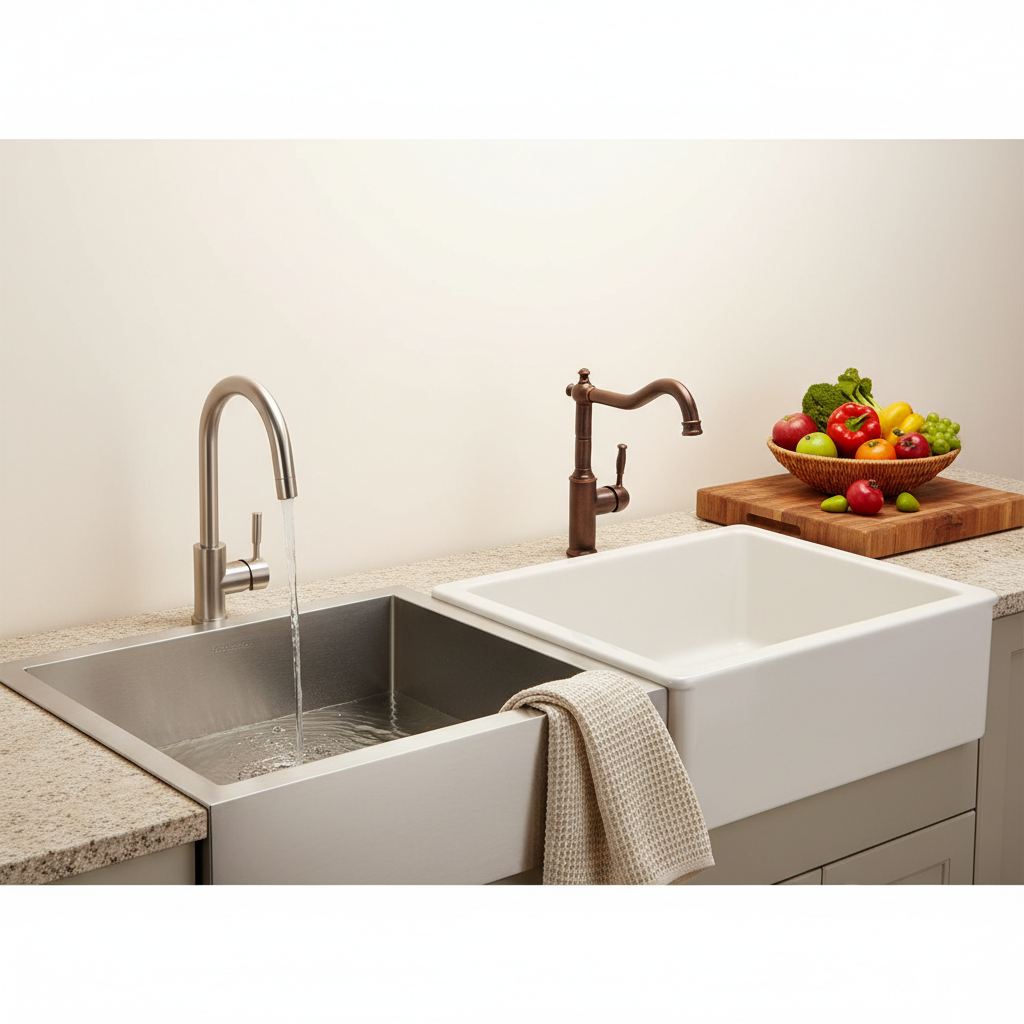
Introduction to sinks for sale
The term "sinks for sale" encompasses a broad range of plumbing fixtures designed for washing, sanitation, and various other uses. These aren't merely functional items; they are integral to maintaining hygiene, preventing the spread of disease, and promoting overall public health. The accessibility and affordability of sinks for sale significantly impact communities globally.
The industry surrounding sinks for sale is a multi-billion dollar market, with constant innovation in materials, designs, and water-saving technologies. From simple, utilitarian washbasins to sophisticated, high-end kitchen sinks, the options available cater to diverse needs and budgets. Understanding the various types, materials, and functionalities of sinks for sale is essential for making informed purchasing decisions.
Defining sinks for sale
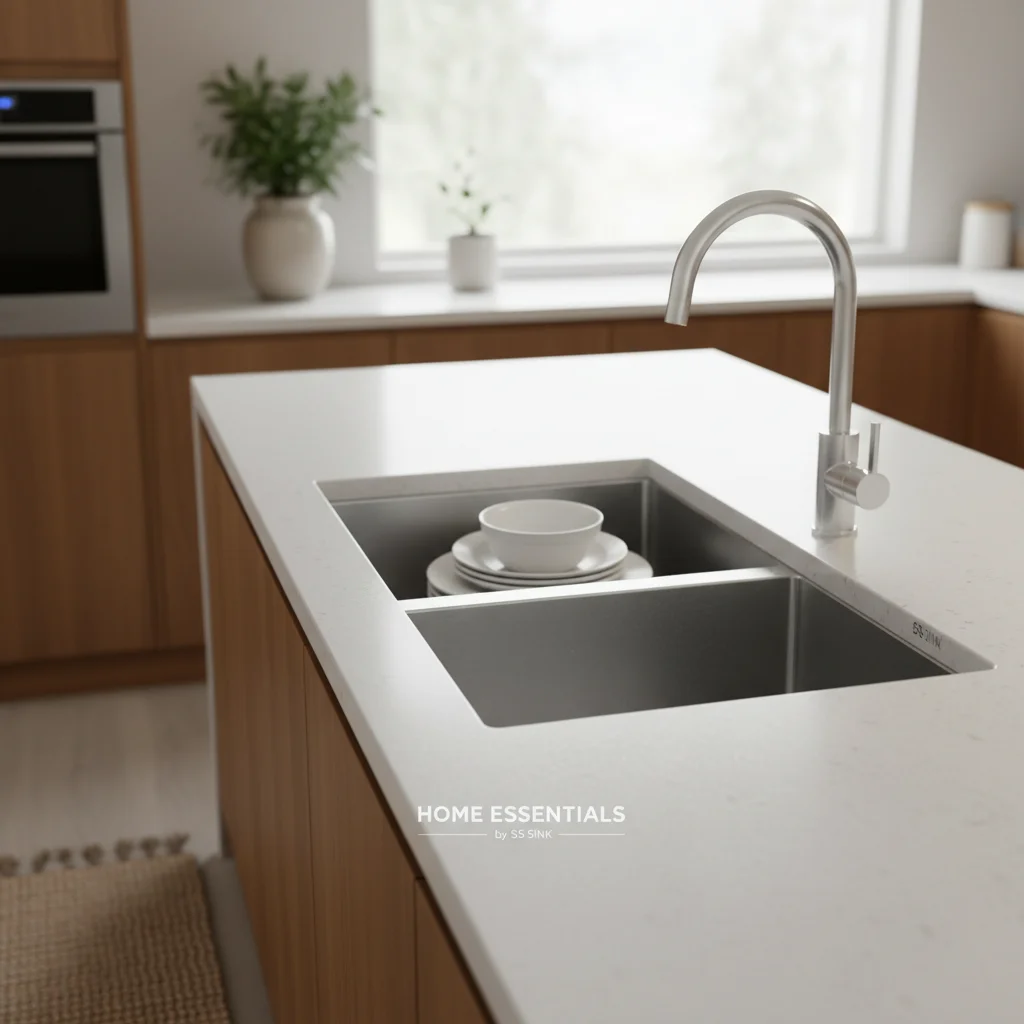
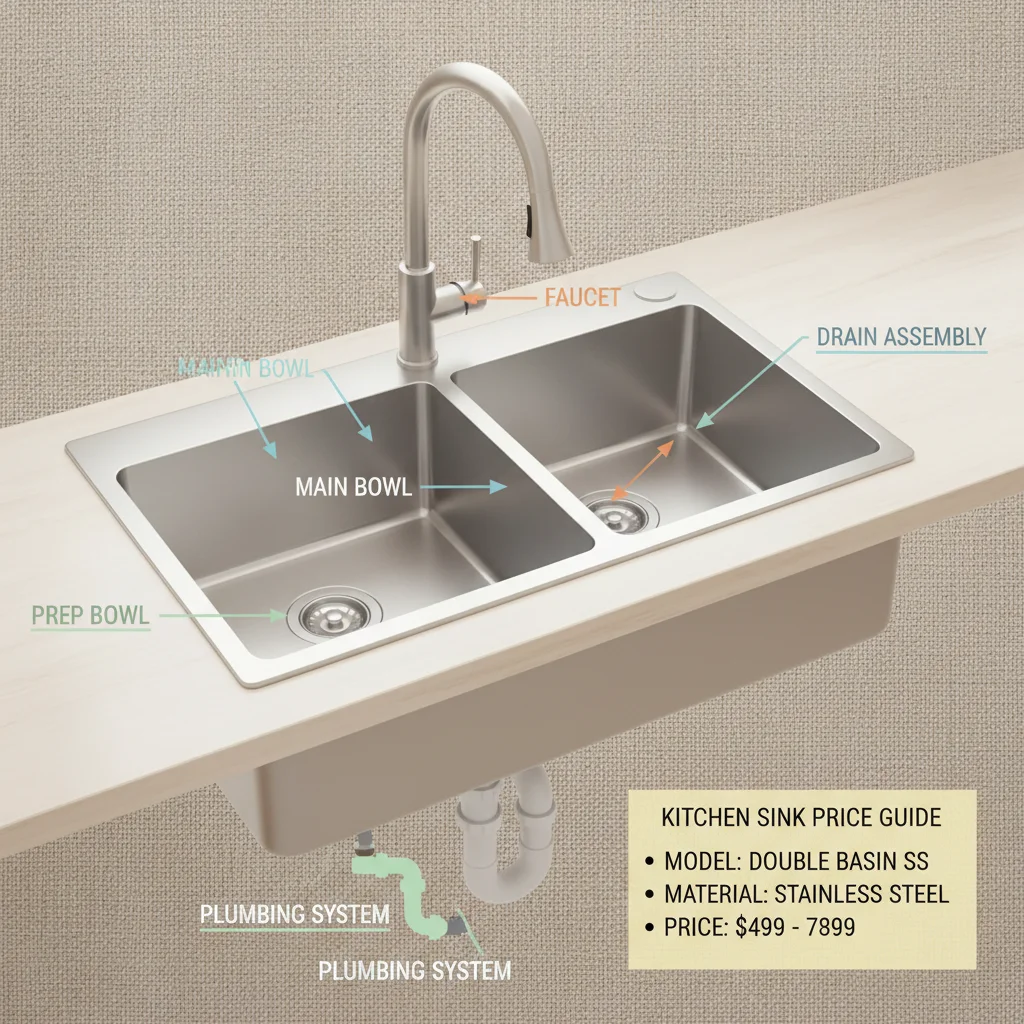
In its simplest form, "sinks for sale" refers to the commercial offering of plumbing fixtures specifically designed to contain water and facilitate washing. These fixtures are typically connected to a water supply and a drainage system. However, the term extends beyond just the basin itself; it often includes faucets, drains, and associated plumbing components.
The relevance of readily available sinks for sale to modern industry extends far beyond residential applications. Hospitals, laboratories, food processing plants, and educational institutions all rely heavily on sanitary wash stations. The quality and hygiene of these facilities directly impact public health and safety, making the consistent availability of sinks for sale critical.
Furthermore, in humanitarian contexts, access to sinks for sale and accompanying hygiene products is vital for preventing disease outbreaks in emergency situations like natural disasters or refugee crises. Therefore, the definition of sinks for sale is intertwined with basic human needs and global well-being.
Core Components of sinks for sale
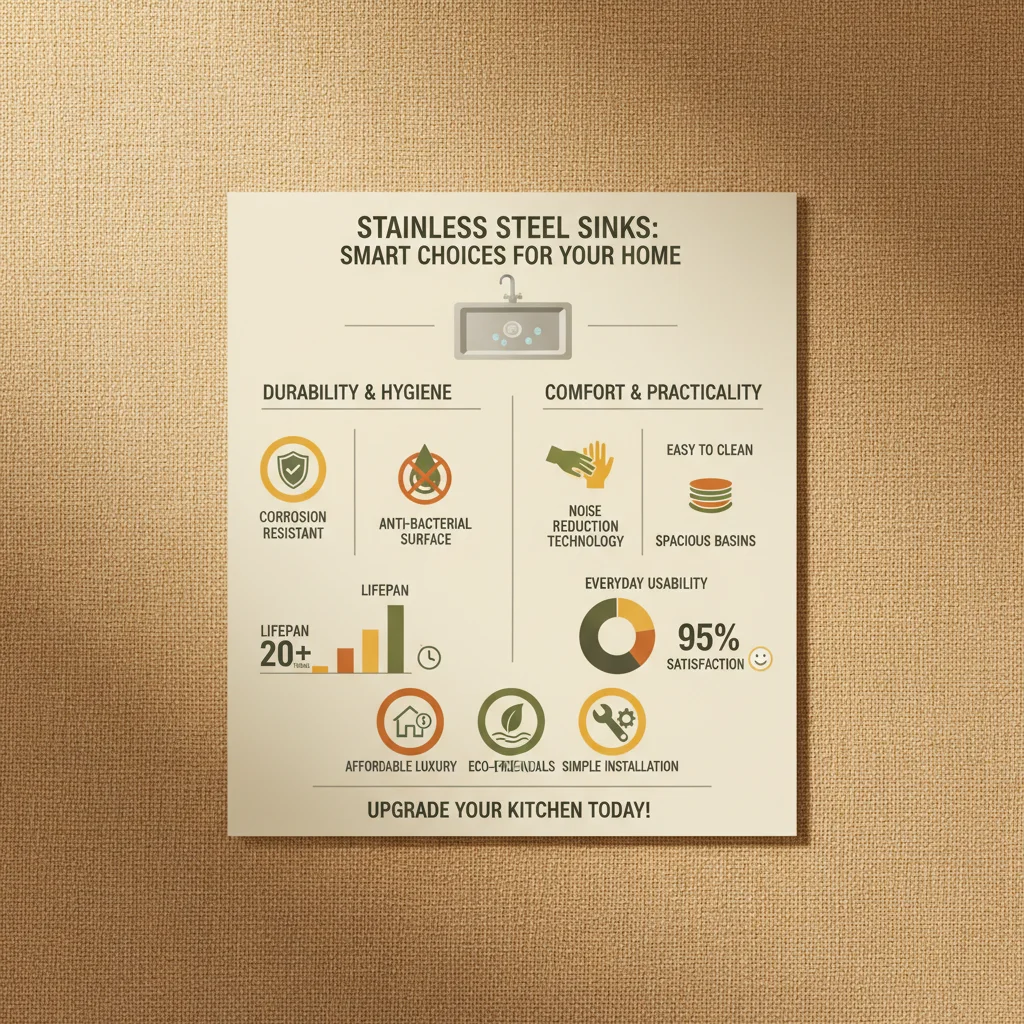
Several key factors define the quality and suitability of sinks for sale. Durability is paramount; sinks must withstand daily use and resist corrosion, chipping, and staining. Materials like stainless steel, porcelain, and composite materials are chosen for their longevity.
Hygiene is another critical aspect. Sinks should be designed with smooth surfaces and minimal crevices to prevent bacteria buildup. Antimicrobial coatings are increasingly being incorporated into sink materials to further enhance hygiene. Water Efficiency is increasingly important, with low-flow faucets and sink designs contributing to water conservation.
Aesthetics also play a role, particularly in residential and commercial settings where design is a consideration. A wide variety of styles, finishes, and configurations are available to match different décor schemes. Finally, Installation and Maintenance requirements are important—easy installation and simple cleaning processes are highly desirable.
Global Applications of sinks for sale
Sinks for sale find application in a vast array of settings globally. In developed countries, they are commonplace in residential homes, schools, hospitals, restaurants, and industrial facilities. The focus here is often on design, functionality, and water efficiency.
In developing nations, the availability of affordable and durable sinks for sale is a crucial component of public health initiatives. They are frequently deployed in rural communities, schools, and healthcare centers to promote sanitation and prevent disease. In post-disaster relief operations, portable sinks for sale provide essential hygiene facilities for displaced populations.
Furthermore, in remote industrial zones, such as mining camps or construction sites, readily available sinks for sale and accompanying handwashing stations are vital for maintaining worker health and productivity. The specific requirements vary depending on the application, but the underlying principle remains the same: providing access to safe and hygienic washing facilities.
Advantages of sinks for sale
Investing in quality sinks for sale provides tangible benefits, starting with cost savings. Durable sinks require less frequent replacement, reducing long-term expenses. Sustainability is another advantage, particularly with water-efficient models that minimize water waste.
From a social impact perspective, providing access to sanitary washing facilities improves public health, reduces disease transmission, and promotes dignity. The reliability of a well-maintained sink system also ensures continuity of essential hygiene practices. These advantages translate to both economic and societal well-being.
Future Trends in sinks for sale
The future of sinks for sale is poised for significant innovation. We’re seeing a growing trend towards “touchless” technology, incorporating sensors for automatic water dispensing, improving hygiene and reducing water waste. Materials science is also playing a key role, with the development of self-cleaning and antimicrobial surfaces.
Furthermore, the integration of smart technology – connecting sinks to building management systems for monitoring water usage and detecting leaks – is becoming increasingly common. These advancements are aligned with the broader trends of digital transformation and sustainability, contributing to more efficient and environmentally responsible sanitation solutions.
Challenges and Solutions for sinks for sale
Despite the advancements, several challenges remain. The initial cost of high-quality sinks for sale can be prohibitive for some communities, particularly in developing nations. Furthermore, ensuring proper installation and maintenance, especially in remote areas, can be logistically complex.
Innovative solutions include developing affordable, locally sourced materials and providing training programs for local technicians. Exploring modular and pre-fabricated sink systems can also simplify installation and reduce costs. Collaboration between governments, NGOs, and private sector companies is essential to overcome these challenges and ensure equitable access to sanitary washing facilities.
Another challenge involves ensuring the responsible disposal of obsolete sinks to minimize environmental impact. Promoting recycling initiatives and adopting circular economy principles can help mitigate this issue.
Summary of Factors Influencing sinks for sale Implementation
| Geographic Location |
Material Cost |
Installation Complexity |
Maintenance Requirements |
| Urban, Developed Countries |
High (7-10) |
Low (1-3) |
Moderate (4-6) |
| Rural, Developing Countries |
Low (1-3) |
High (7-9) |
High (7-9) |
| Remote Industrial Sites |
Moderate (5-7) |
Moderate (4-6) |
High (7-9) |
| Disaster Relief Zones |
Low (1-3) |
Very High (9-10) |
Low (1-3) |
| Hospitals/Healthcare Facilities |
High (7-10) |
Moderate (4-6) |
Very High (9-10) |
| Schools/Educational Institutions |
Moderate (5-7) |
Low (1-3) |
Moderate (4-6) |
FAQS
Common materials include stainless steel, known for its durability and hygiene; porcelain, prized for its aesthetic appeal and ease of cleaning; and composite materials, which offer a blend of strength, flexibility, and affordability. Increasingly, manufacturers are exploring eco-friendly materials like recycled glass or bio-based plastics to reduce the environmental impact of sinks for sale. The best material depends on the specific application and budget.
Choosing the right size sink involves considering your kitchen’s available space, your typical washing needs, and your personal preferences. Measure the space carefully before purchasing. For smaller kitchens, a single-bowl sink may be sufficient, while larger kitchens can accommodate double-bowl or even triple-bowl sinks for greater versatility. Consider the depth of the sink as well, as deeper sinks are better for washing large pots and pans.
Touchless sinks offer significant hygiene benefits by eliminating the need to physically touch the faucet, reducing the spread of germs. They also promote water conservation by allowing for precise control of water flow and preventing water waste. These sinks are particularly valuable in public restrooms and healthcare facilities where hygiene is paramount. They are becoming more popular in residential kitchens as well, offering convenience and a modern aesthetic.
Regular cleaning is essential for maintaining the cleanliness of your sink. Use a mild detergent and a soft sponge or cloth to wipe down the surface after each use. Avoid abrasive cleaners or scouring pads, as these can scratch the finish. For stubborn stains, a specialized sink cleaner may be necessary. Regular disinfection with a sanitizing solution can further enhance hygiene.
Yes, there’s a growing range of eco-friendly options. These include sinks made from recycled materials like glass or stainless steel, and sinks with low-flow faucets to conserve water. Look for sinks certified by environmental organizations like WaterSense. Choosing durable sinks that last longer also reduces environmental impact by minimizing the need for frequent replacements.
The lifespan of a sink for sale varies depending on the material and the level of care it receives. Stainless steel sinks can last for 20 years or more with proper maintenance. Porcelain sinks typically have a lifespan of 15-20 years. Composite sinks generally last for 10-15 years. Regular cleaning, prompt repair of any damage, and avoiding harsh chemicals will significantly extend the lifespan of your sink.
Conclusion
In conclusion, sinks for sale are far more than just plumbing fixtures; they are essential components of public health, hygiene, and sustainable living. Understanding their core components, diverse applications, and future trends is vital for informed decision-making, whether you're a homeowner, a healthcare professional, or a policy maker. Investing in quality sinks for sale yields tangible benefits—from cost savings and water conservation to improved health and societal well-being.
As technology continues to evolve, we can expect to see even more innovative solutions in the realm of sinks for sale, with a greater emphasis on sustainability, hygiene, and user convenience. By embracing these advancements and addressing the remaining challenges, we can ensure that access to clean and sanitary washing facilities becomes a reality for everyone, everywhere. Visit our website today to explore our wide selection of sinks for sale: www.yashitesink.com