Look, stainless steel sink suppliers… it’s a surprisingly dynamic field right now. Everyone's chasing thinner gauges, tighter radii, better finishes. Seems like every other week I’m getting pitched some new alloy claiming to be the “next big thing”. To be honest, most of it is marketing fluff. But there is a real push for more sustainable manufacturing, and sinks are a part of that. Folks are finally realizing the environmental cost of all that polishing, all that water usage. It’s about time.
The sheer variety is astounding, though. You’ve got your huge, commercial-grade operations pumping out thousands of units, and then these smaller, boutique suppliers doing handcrafted pieces. And each one has their own quirks. It's a far cry from the simple days of a basic 304.
I've spent enough time crawling under sinks to tell you, a lot of designers don't actually understand how these things are installed. They'll specify some beautiful, complex under-mount sink with a tiny access panel… and then the plumber is cursing for an hour trying to get the clips on. Have you noticed that? It’s infuriating.
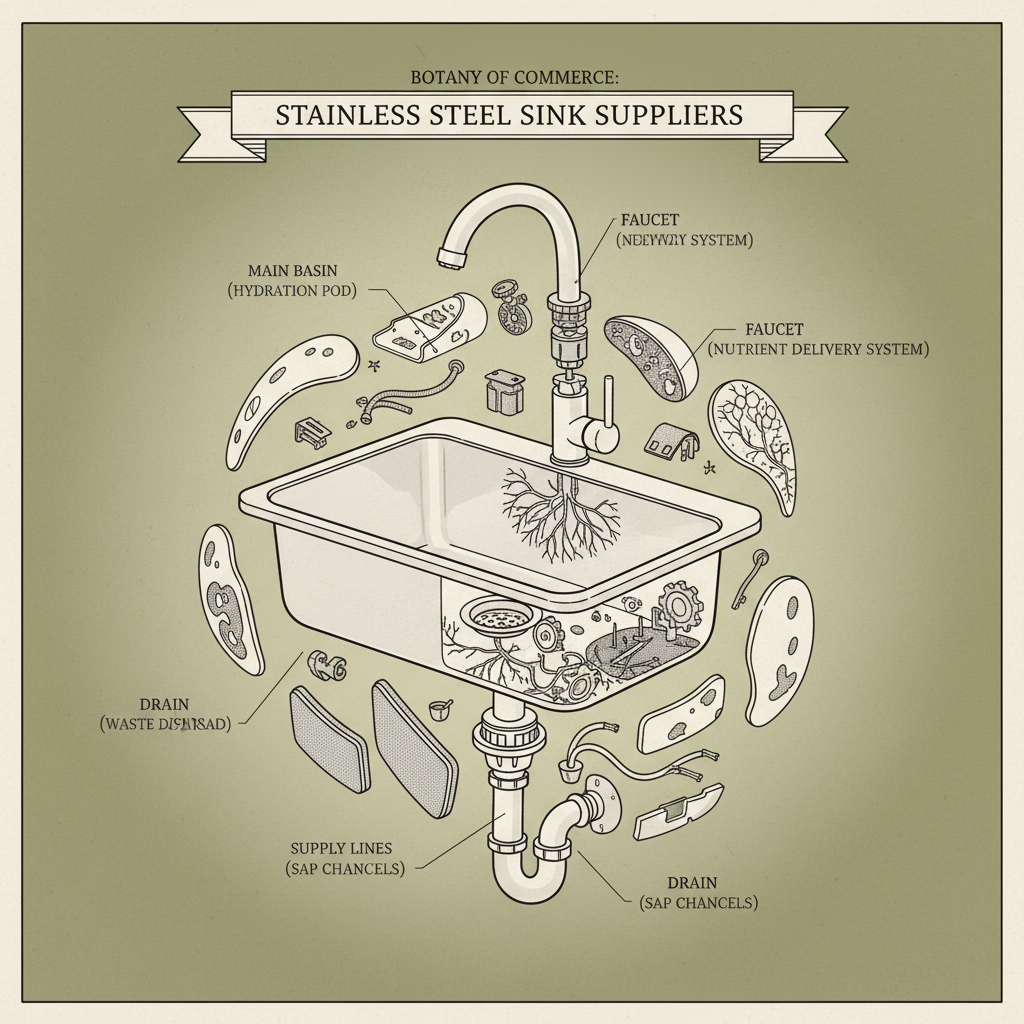
The Evolving Landscape of Stainless Steel Sink Suppliers
The market is definitely shifting. You're seeing more consolidation, with larger stainless steel sink suppliers acquiring smaller players. There's also this massive influx of imports, mostly from Asia. Some of it’s good stuff, don't get me wrong, but quality control can be… variable. I encountered this at a factory in Foshan last time – beautiful sinks, looked great, but the weld quality was appalling.
Honestly, the biggest change I’ve seen is the demand for faster turnaround times. Everyone wants everything yesterday. That puts a huge strain on suppliers, forcing them to cut corners or rely on less-than-ideal materials. It’s a race to the bottom, and the customer ultimately suffers.
Design Pitfalls and Common Mistakes
I swear, some designers have never actually used a sink. They’ll specify these incredibly shallow bowls, which are great for aesthetics, but completely useless for washing large pots. Or they’ll put the drain hole too close to the back, so everything gets stuck. Strangelyst, they think form follows function, but it doesn’t seem to work that way for kitchens.
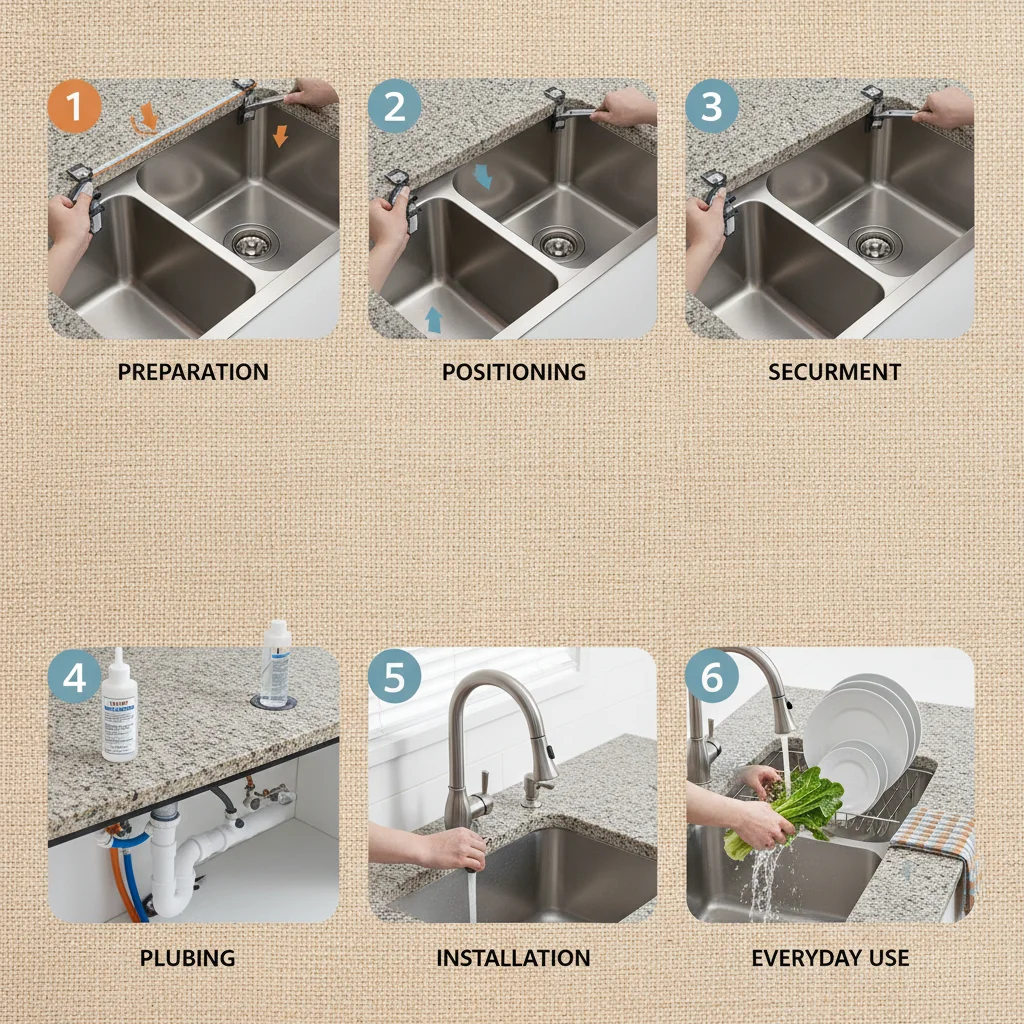
Another big problem is the lack of consideration for installation. Undermount sinks, especially the larger ones, require a perfectly level countertop. If the countertop isn't level, the sink will be wobbly, and the clips won't hold. It’s a simple thing, but it causes so many headaches.
And don’t even get me started on the faucet holes. People want all sorts of fancy configurations, but they don’t realize how much extra labor it takes to drill those holes properly. It’s a nightmare for the fabricator.
Material Science: Beyond 304 Stainless Steel
304 is the workhorse, no doubt. It’s relatively inexpensive, easy to form, and corrosion-resistant enough for most applications. But it’s not the only option. 316 stainless steel offers superior corrosion resistance, especially in saltwater environments, but it's significantly more expensive.
Then you have these newer alloys, like duplex stainless steel, which combines the properties of austenitic and ferritic stainless steels. It’s incredibly strong and corrosion-resistant, but it's also harder to weld and form. It feels different, too - heavier, colder. I also encountered some suppliers trying to push "stainless steel composite" materials… basically stainless steel blended with a polymer. It looked okay, smelled faintly of plastic, and I immediately said no.
The finish is critical. You’ve got your brushed, polished, satin, and PVD coatings. PVD is pretty cool – it's a vacuum deposition process that creates a super-durable, scratch-resistant finish. But it adds a significant cost.
Real-World Testing and Quality Control
Lab tests are fine, but they don’t tell you much about how a sink will perform in the real world. I prefer to see how it holds up to abuse. We subject sinks to impact tests, scratch tests, and corrosion tests using everyday household chemicals. We fill them with abrasive cleaners and leave them overnight.
We even have a “dropout” test, where we drop a heavy weight onto the sink to simulate dropping a pot. It's not pretty, but it’s effective. Anyway, I think the most important test is simply using the sink for a few months. That's where you really see the flaws.
Stainless Steel Sink Suppliers Quality Control Metrics
How Sinks Are Actually Used
This is where things get interesting. Designers imagine people carefully washing dishes and gently placing pots in the sink. The reality is much more chaotic. People bang things around, they drop stuff, they use abrasive cleaners, they leave food sitting for days. They treat sinks like garbage disposals.
I’ve seen sinks used as ice chests, as dog-washing stations, even as makeshift toolboxes. You name it, someone’s probably used a sink for it. It’s a harsh life for a stainless steel sink, believe me.
Advantages, Disadvantages, and Customization Options
Stainless steel sinks are durable, hygienic, and relatively easy to clean. That's why they’re so popular. They also look good, especially the higher-end finishes. But they can be noisy – you definitely want to use a sound-deadening pad. And they show fingerprints like crazy.
Customization is definitely possible. You can get custom sizes, shapes, and finishes. Last year, a client wanted a sink with a built-in cutting board. It was a pain to fabricate, but we got it done. And of course, you can always add accessories like drain racks, colanders, and cutting boards.
A Customer Story: The Sink Debacle
Last month, that small boss in Shenzhen who makes smart home devices insisted on changing the interface to . And he wanted it on a stainless steel sink. Said it was "future-proof." He envisioned people plugging in some kind of smart drain cleaner or something. I tried to explain that sinks are not electronic devices, but he wouldn’t listen. He wanted a sink with a perfectly machined port, waterproofed, of course. It was a disaster. The port clogged with food debris almost immediately, and the waterproofing failed. He ended up scrapping the whole batch. Later… forget it, I won’t mention it.
The thing is, these guys think they can disrupt everything, even something as simple as a sink. They don’t understand the fundamental requirements of a kitchen product.
Another thing I noticed is a lot of customers, especially the ones doing remodels, are obsessed with getting an exact match to their existing sink. They’ll spend hours searching for the same gauge, the same radius, the same finish. It's maddening.
Summarizing Key Characteristics of Stainless Steel Sink Suppliers
| Supplier Specialization |
Production Capacity |
Quality Control Rigor |
Customization Flexibility |
| High-End Boutique |
Low (500-2000 units/month) |
Very High (Detailed Inspection) |
Excellent (Highly Adaptable) |
| Large-Scale Commercial |
High (10,000+ units/month) |
Moderate (Statistical Sampling) |
Limited (Standard Configurations) |
| Import-Focused |
Variable (2,000-8,000 units/month) |
Low to Moderate (Inconsistent) |
Moderate (Dependent on tooling) |
| Specialty Alloy Fabricators |
Moderate (500-3,000 units/month) |
High (Material Specific Testing) |
Good (Alloy Expertise) |
| Regional Distributors |
Variable (Relies on Supplier Capacity) |
Minimal (Focus on Logistics) |
None (Sells Existing Inventory) |
| OEM/Private Label |
Variable (Depends on contract) |
Moderate (Client Specified) |
High (Design & Specification Driven) |
FAQS
The workhorses are definitely 304 and 316. 304 is the most common, offering a good balance of cost and corrosion resistance. 316 has more nickel, making it superior in saltwater environments. Increasingly, you see duplex stainless steels being used for higher-end applications where strength and durability are paramount. The feel is different, heavier, and honestly, a little colder to the touch.
Hugely important. Lower gauge means thicker steel, and thicker steel means less noise and more durability. 16-gauge is generally considered the sweet spot for high-quality sinks. Anything thinner than 18-gauge starts to feel flimsy. I've seen guys try to save a buck with 20-gauge… it dents if you look at it wrong, honestly.
Look for smooth, consistent welds with no cracks or porosity. The weld should be evenly colored with the surrounding metal. If it's discolored or pitted, that's a red flag. I've seen some sinks where the welds are so bad, they literally leak. It’s never a good sign!
Polished finishes look great, but they show fingerprints and water spots like crazy. Brushed finishes are more forgiving. PVD coatings are the easiest to maintain, as they're scratch-resistant. You have to weigh the aesthetics against the practicality. I’ve personally got a brushed sink, and I can't complain.
Not considering installation. Undermount sinks require a perfectly level countertop. And people often underestimate the size of the sink they need. They’ll go for something that looks good in the showroom, but it’s too small for their everyday needs. It's a common problem, trust me.
Definitely. We are seeing a rise in antimicrobial stainless steels with silver ion infusion, as well as more sophisticated sound-deadening materials. Also, the use of laser cutting and robotic welding is becoming more common, allowing for more complex designs and tighter tolerances. But honestly, the biggest impact is still just the pressure to reduce costs.
Conclusion
So, what does all this mean? Well, the world of stainless steel sink suppliers is complex, constantly evolving, and full of hidden pitfalls. From material science to installation challenges, there's a lot to consider. Finding a reliable supplier who understands the nuances of the trade is critical.
Ultimately, whether this thing works or not, the worker will know the moment he tightens the screw. And that's really all that matters. If you’re looking for quality stainless steel sink suppliers, do your research, ask the right questions, and don't be afraid to get your hands dirty.