Different types of kitchen sinks are an essential component of modern kitchens, evolving significantly over time to meet changing needs and aesthetic preferences. From traditional stainless steel options to innovative composite materials, the market offers a diverse range of choices for homeowners and designers. Understanding these different types is crucial for selecting a sink that aligns with functionality, budget, and style. The global kitchen sink market is substantial, driven by new construction, renovation projects, and increasing consumer demand for upgraded kitchen features.
The relevance of different types of kitchen sinks extends beyond aesthetics and convenience. Material choices impact sustainability, durability, and even hygiene. For example, the increasing popularity of quartz composite sinks reflects a desire for materials that are both visually appealing and environmentally responsible. This is linked to broader industry trends focusing on resource efficiency and reduced environmental impact. The choice of sink also influences water usage patterns and overall kitchen efficiency.
Furthermore, the availability and affordability of various sink types can differ significantly across regions, impacting access to hygienic and functional kitchen facilities. This underlines the importance of considering not just the technical specifications but also the socio-economic context when evaluating different types of kitchen sinks. The proper selection of a kitchen sink contributes to a healthier, more efficient, and more enjoyable cooking experience.

The Evolution and Significance of different types of kitchen sinks
Historically, kitchen sinks were primarily made of fireclay or cast iron, often coated with enamel. These materials, while durable, were heavy and prone to chipping. The introduction of stainless steel in the 20th century revolutionized the market, offering a lighter, more hygienic, and more affordable alternative. Today, we see a growing diversification, including composite granite, quartz, copper, and even concrete sinks, each offering unique advantages in terms of aesthetics, functionality, and sustainability.
The evolution of different types of kitchen sinks reflects broader societal changes and advancements in material science. The increasing emphasis on kitchen design as a central element of the home has driven demand for more stylish and innovative sink options. The focus on hygiene and sanitation, particularly in the wake of global health concerns, has also influenced material choices and sink configurations.
Defining different types of kitchen sinks
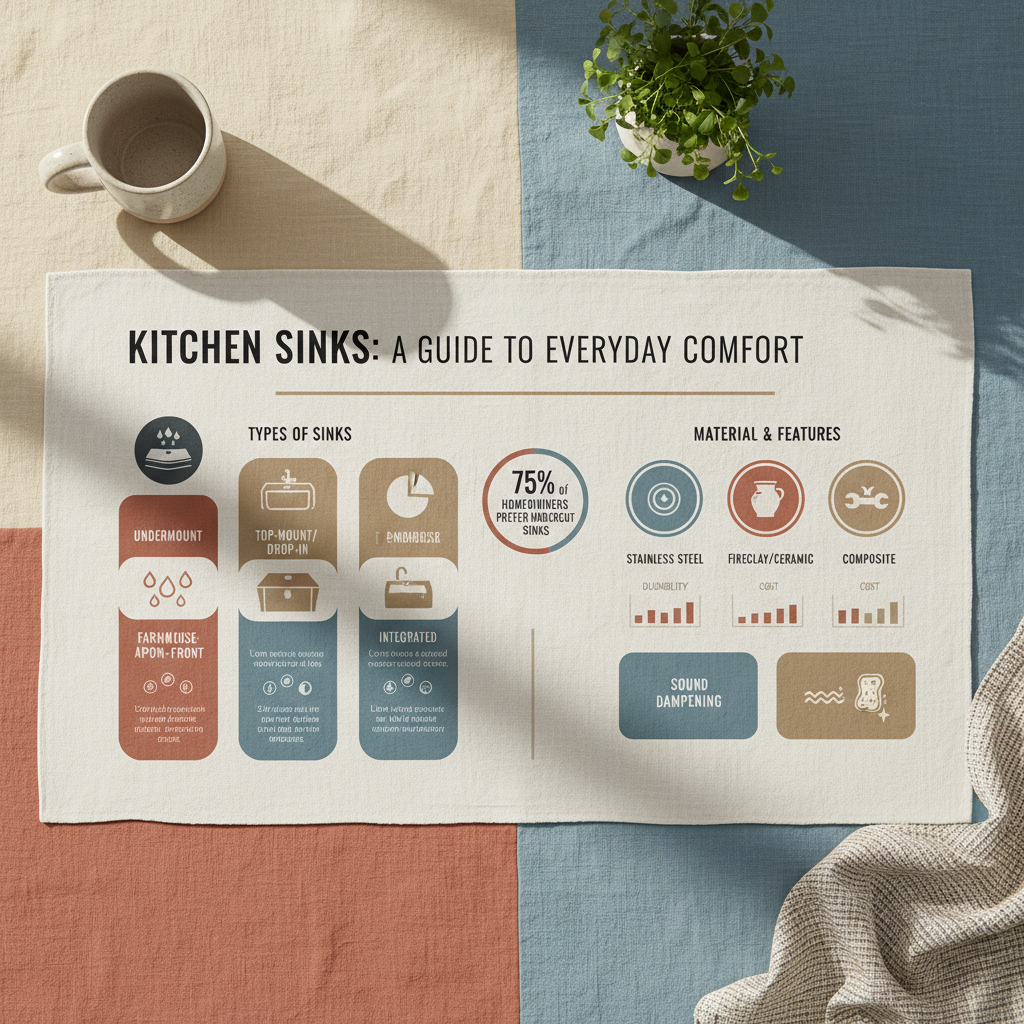
Different types of kitchen sinks are broadly categorized by material, mounting style, and number of bowls. Materials include stainless steel, composite granite (quartz), fireclay, cast iron, copper, and acrylic. Mounting styles encompass undermount, top-mount (drop-in), farmhouse (apron-front), and integrated sinks. The number of bowls can range from single-bowl to double-bowl, triple-bowl, or even more complex configurations with accessories like drying racks or cutting boards.
A key distinction lies between the inherent properties of each material. Stainless steel offers excellent corrosion resistance and is relatively easy to clean. Composite granite is highly durable and resistant to scratches and stains. Fireclay and cast iron provide a classic aesthetic but are heavier and more susceptible to damage. Copper offers antibacterial properties and a unique, warm aesthetic, but requires more maintenance.
Understanding these classifications is essential for making an informed decision. The ideal sink for a given kitchen will depend on a variety of factors, including the user's lifestyle, cooking habits, aesthetic preferences, and budget. Choosing the right type of sink can significantly enhance the functionality and enjoyment of the kitchen space.
Key Material Characteristics and Durability
Durability is a critical factor when choosing between different types of kitchen sinks. Stainless steel, generally graded by its chromium content (18/8 being a common standard), offers excellent resistance to corrosion and impact. Composite granite sinks, typically around 80% granite and 20% acrylic resin, are exceptionally resistant to scratches, stains, and heat.
However, durability isn’t solely about the material itself. Manufacturing quality plays a significant role. Thicker gauge stainless steel is more resistant to denting. Properly formulated and manufactured composite granite is less prone to cracking. Fireclay and cast iron, while durable, can chip or crack under extreme impact. Copper, while naturally antibacterial, can develop a patina over time, which some consider desirable but requires regular polishing to maintain a bright finish.
Considering the long-term lifespan of the sink and the intended usage patterns is vital. A family that frequently uses heavy cookware or undertakes extensive food preparation will likely benefit from a highly durable material like composite granite or a thicker gauge stainless steel.
Cost Analysis of different types of kitchen sinks
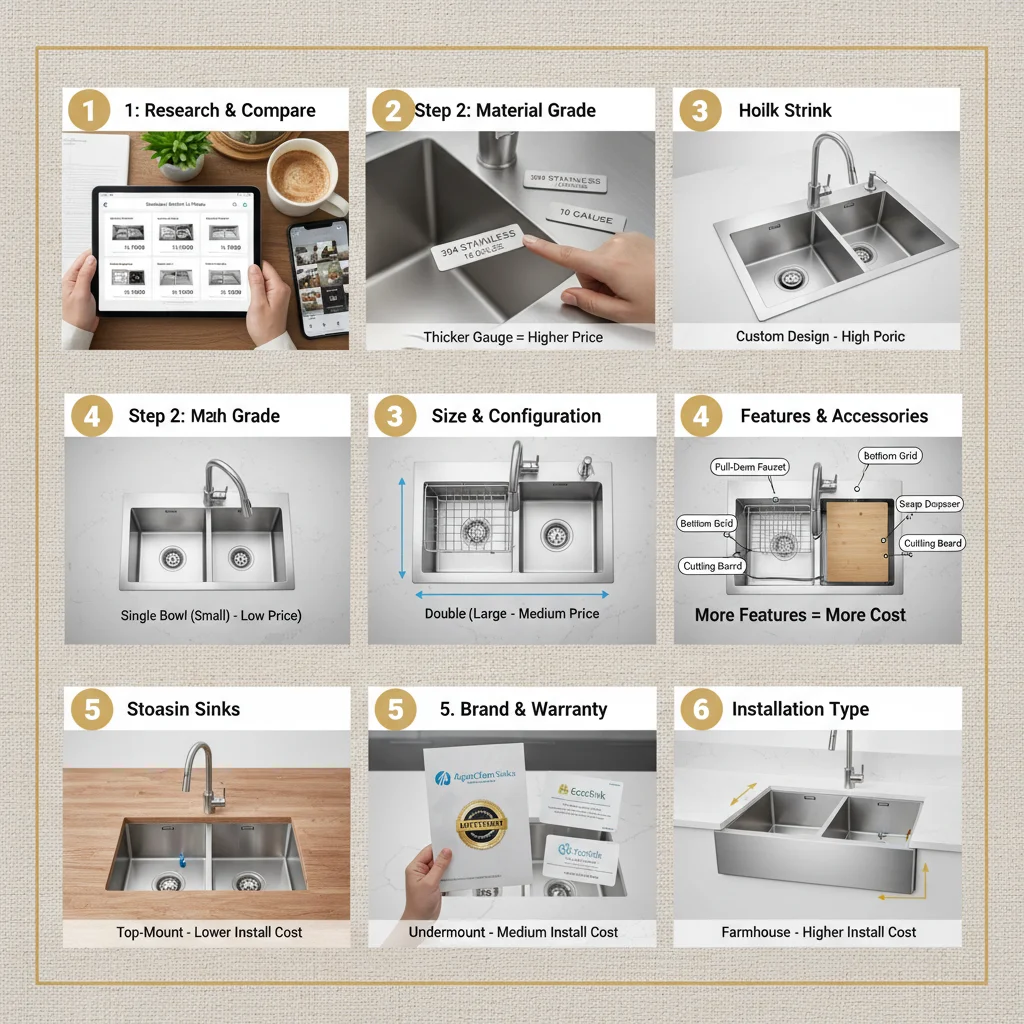
The cost of different types of kitchen sinks varies widely, influenced by material, brand, size, and features. Stainless steel sinks are generally the most affordable option, with prices ranging from $100 to $500 for standard models. Composite granite sinks typically fall in the $300 to $800 range, while fireclay and cast iron sinks can range from $400 to $1000 or more. Copper sinks are often the most expensive, with prices starting around $700 and exceeding $2000 for larger or custom designs.
Cost Comparison of different types of kitchen sinks
Global Adoption and Regional Preferences
Stainless steel remains the most widely adopted sink material globally, due to its affordability and versatility. However, regional preferences vary considerably. In North America and Europe, composite granite sinks are gaining significant popularity, driven by their durability and aesthetic appeal. Copper sinks are particularly favored in regions with a strong emphasis on traditional craftsmanship, such as parts of Mexico and the American Southwest.
Advantages and Long-Term Value Proposition
Selecting the appropriate type of kitchen sink offers several long-term benefits. Durable materials like composite granite and high-quality stainless steel reduce the need for frequent replacements, resulting in cost savings over time. Hygienic materials, such as stainless steel and copper, contribute to a healthier kitchen environment. Aesthetically pleasing sinks enhance the overall value and appeal of the home.
The long-term value extends beyond mere functionality. A well-chosen sink can improve the efficiency of kitchen tasks, enhance the cooking experience, and contribute to a more enjoyable and inviting living space. Investing in a quality sink is, therefore, a worthwhile investment in the long-term comfort and value of the home.
Future Trends and Sustainable Innovations
The future of different types of kitchen sinks is likely to be shaped by sustainability concerns and technological advancements. There's growing interest in sinks made from recycled materials, such as recycled glass or plastic. Manufacturers are also exploring the use of bio-based polymers and other eco-friendly materials. Smart sink technologies, incorporating features like touchless faucets and integrated water filtration systems, are also emerging.
Another trend is the development of antimicrobial coatings for sink surfaces, further enhancing hygiene and reducing the risk of bacterial contamination. Furthermore, advancements in manufacturing processes are enabling more complex and customizable sink designs, catering to individual consumer preferences.
Table Summarizing Key Characteristics of different types of kitchen sinks
| Material Type |
Durability Rating (1-10) |
Maintenance Level (Low-High) |
Average Cost (USD) |
| Stainless Steel |
7 |
Low |
$100 - $500 |
| Composite Granite |
9 |
Medium |
$300 - $800 |
| Fireclay |
6 |
Medium |
$400 - $1000 |
| Cast Iron |
7 |
Medium |
$400 - $1000 |
| Copper |
8 |
High |
$700 - $2000+ |
| Acrylic |
5 |
Low |
$80 - $300 |
FAQS
Composite granite is widely considered the most durable material for kitchen sinks, scoring highly in resistance to scratches, stains, heat, and impact. Its composition, typically 80% granite and 20% acrylic resin, provides exceptional strength and longevity. While stainless steel is also very durable, it is more susceptible to denting and scratching compared to composite granite.
Preventing scratches on a stainless steel sink involves a few key practices. Avoid using abrasive cleaners or scouring pads. Always use a sink grid or mat to protect the bottom surface from pots and pans. Wipe up spills immediately, especially acidic substances like lemon juice or vinegar, to prevent staining. Regularly polishing the sink with a stainless steel cleaner can help maintain its appearance and minimize scratches.
Copper sinks require more maintenance than other materials. They naturally develop a patina over time, which some people appreciate. However, if you prefer a bright, shiny finish, you’ll need to polish the sink regularly with a copper cleaner. Avoid harsh chemicals or abrasive cleaners, as these can damage the copper. It's also important to protect the sink from acidic foods and liquids.
Top-mount (drop-in) sinks are installed from above the countertop, creating a visible rim around the edge. Undermount sinks are installed underneath the countertop, creating a seamless look. Undermount sinks are easier to clean, as there's no rim to trap dirt and debris. Top-mount sinks are generally easier and less expensive to install.
Choosing the right sink size depends on your kitchen’s dimensions, your cooking habits, and your preferences. Consider the available countertop space and the size of your cookware. If you frequently wash large pots and pans, a larger single-bowl sink or a deep double-bowl sink may be ideal. Measure your existing sink or the planned countertop opening to ensure a proper fit.
Yes, composite granite sinks are highly resistant to heat. You can safely place hot pots and pans directly into the sink without causing damage. However, it's still a good practice to avoid extreme temperature shocks, such as pouring boiling water into a very cold sink. This precaution helps prevent potential cracking or discoloration over time.
Conclusion
In conclusion, the selection of different types of kitchen sinks is a multifaceted decision influenced by material properties, cost considerations, aesthetic preferences, and long-term value. From the durability of composite granite to the classic appeal of fireclay, each option presents unique advantages and disadvantages. Understanding these distinctions is paramount to creating a kitchen space that is both functional and visually harmonious.
Looking ahead, continued innovation in materials and design will undoubtedly expand the range of choices available. Embracing sustainable practices and exploring smart technologies will further enhance the role of the kitchen sink in modern living. For more information and to explore our diverse collection of kitchen sinks, visit our website at different types of kitchen sinks.