Wholesale kitchen sink manufacturers play a critical role in the global construction and renovation industries. Their importance extends beyond simply supplying a functional household item; they are integral to public health, hygiene, and modern living standards. The demand for high-quality, durable, and aesthetically pleasing kitchen sinks is consistently high, driving a significant international market. Understanding the nuances of this manufacturing landscape—from material sourcing to logistical complexities—is essential for businesses and consumers alike.
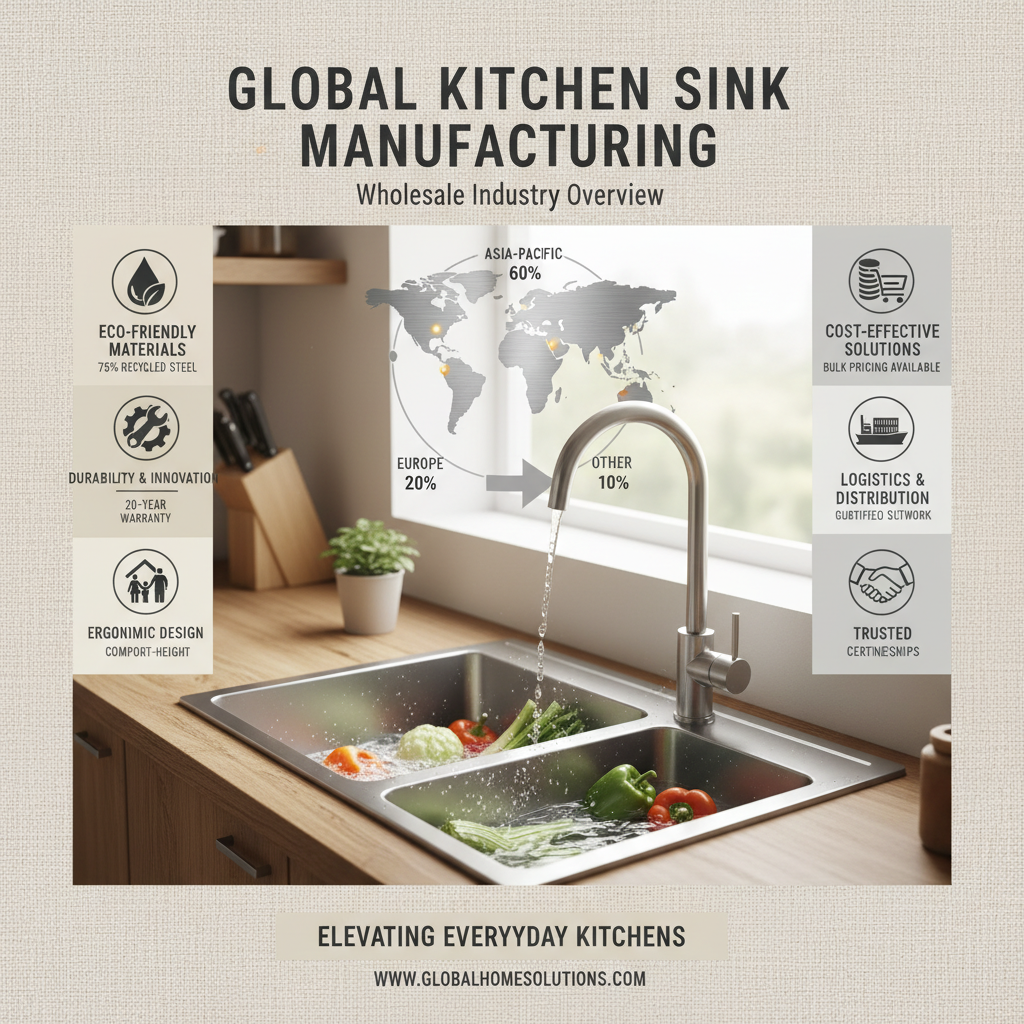
The global kitchen sink market is experiencing steady growth, fuelled by urbanization, rising disposable incomes, and increasing awareness of kitchen design trends. According to industry reports, the market is projected to reach substantial figures in the coming years, with Asia-Pacific representing a major growth engine. This expansion presents both opportunities and challenges for wholesale kitchen sink manufacturers, demanding innovation, efficiency, and a commitment to sustainability.
Successfully navigating this dynamic market requires a deep understanding of various factors, including raw material costs, manufacturing capabilities, quality control standards, and international trade regulations. wholesale kitchen sink manufacturers are continually evolving to meet these demands, embracing new technologies and materials to provide customers with a diverse range of options.

The Global Significance of Wholesale Kitchen Sink Manufacturers
The role of wholesale kitchen sink manufacturers transcends geographical boundaries, impacting economies and livelihoods worldwide. These manufacturers supply not only residential building projects but also commercial establishments like restaurants, hotels, and healthcare facilities. The United Nations Sustainable Development Goals (SDGs), particularly those related to clean water and sanitation (SDG 6) and sustainable cities and communities (SDG 11), directly correlate with the quality and availability of essential sanitation products like kitchen sinks.
The industry faces challenges related to supply chain disruptions, fluctuating raw material costs (stainless steel, granite, composites), and the need for environmentally responsible manufacturing practices. Meeting these challenges requires a collaborative approach, involving manufacturers, suppliers, governments, and consumers. wholesale kitchen sink manufacturers are under increasing pressure to demonstrate commitment to ethical sourcing, waste reduction, and energy efficiency.
Defining Wholesale Kitchen Sink Manufacturers
Wholesale kitchen sink manufacturers are businesses specializing in the large-scale production of kitchen sinks for distribution to retailers, builders, plumbing suppliers, and other businesses, rather than directly to end consumers. They operate differently from retail outlets; they focus on volume sales and often offer customized solutions based on client specifications. This often involves maintaining substantial inventory levels and efficient logistics networks.
The industry encompasses a wide range of sink materials, including stainless steel, granite composite, ceramic, fireclay, and acrylic. Manufacturers must adhere to stringent quality control standards – often dictated by ISO certifications – to ensure product durability, hygiene, and compliance with plumbing codes. The evolution of kitchen design significantly influences the types of sinks produced, from traditional undermount sinks to modern farmhouse styles.
Essentially, wholesale kitchen sink manufacturers act as the critical link between raw material suppliers and the final installation in kitchens around the world. They are at the forefront of innovation, continually adapting to consumer preferences and technological advancements in materials and manufacturing processes.
Core Components of Successful Manufacturing
Successful wholesale kitchen sink manufacturing relies on several core components working in synergy. Material Sourcing is paramount; securing high-quality raw materials at competitive prices is crucial for profitability. This includes stainless steel, granite, acrylic, and other composites. Effective supply chain management and long-term relationships with suppliers are essential.
Manufacturing Process Control is equally vital. This encompasses everything from precision cutting and forming to welding, polishing, and quality inspection. Implementing lean manufacturing principles, automating key processes, and employing skilled labor contribute to efficiency and minimize defects. Strict adherence to industry standards and certifications is non-negotiable.
Logistics and Distribution form the third critical component. Efficiently managing inventory, packaging, and shipping to meet customer demands is essential. This often involves collaborating with freight forwarders, utilizing warehousing facilities, and optimizing transportation routes. Timely delivery and damage prevention are key performance indicators.
Key Factors Influencing Manufacturing Quality
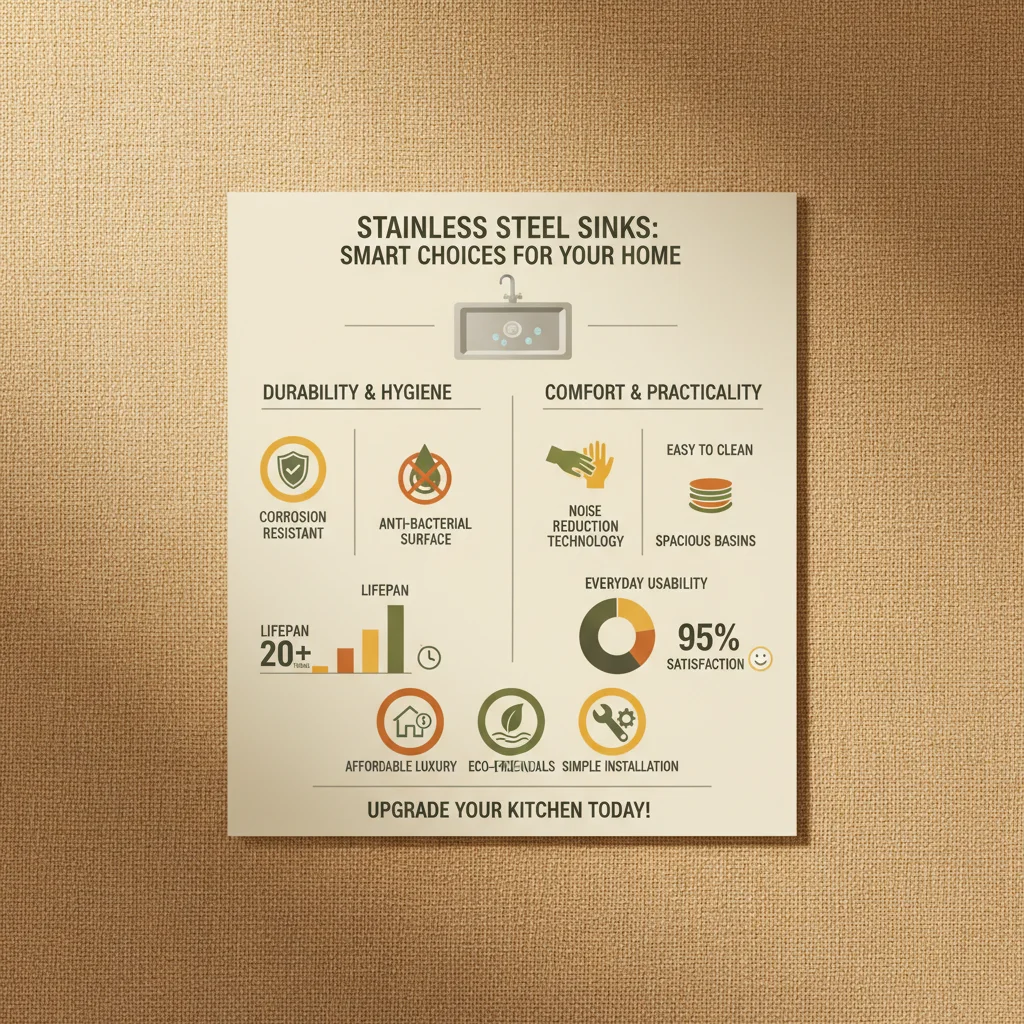
The quality of kitchen sinks produced by wholesale manufacturers is influenced by several key factors. Material Grade directly impacts durability and resistance to corrosion. Higher grades of stainless steel, for example, offer superior performance and longevity. Welding Technique is crucial for stainless steel sinks, ensuring strong, leak-proof seams. Poor welding can lead to rust and structural failure.
Surface Finish affects both aesthetics and hygiene. A smooth, polished surface is easier to clean and less prone to harboring bacteria. Drainage System Design is another critical factor. Efficient drainage prevents water buildup and potential clogs. Manufacturers must also prioritize Dimensional Accuracy to ensure proper fit and installation in standard kitchen countertops.
Quality Control Metrics for Wholesale Kitchen Sink Manufacturers
Global Applications and Market Sectors
Wholesale kitchen sink manufacturers serve a diverse range of global applications and market sectors. The Residential Construction sector represents a significant portion of demand, driven by new home builds and kitchen renovations. Commercial Kitchens – including restaurants, cafeterias, and catering facilities – require durable, high-capacity sinks to meet stringent hygiene standards.
The Hospitality Industry (hotels, resorts) also relies heavily on wholesale kitchen sink suppliers, demanding both functional and aesthetically pleasing products. In post-disaster relief operations, providing sanitation solutions like sinks is crucial for preventing the spread of disease and maintaining public health. wholesale kitchen sink manufacturers play an important role in supplying these necessary items.
Advantages and Long-Term Value Proposition
Partnering with reputable wholesale kitchen sink manufacturers offers significant advantages. Cost Efficiency is a primary benefit, as bulk purchasing and direct sourcing reduce intermediary costs. Product Variety allows businesses to offer a wider selection of sink styles, materials, and sizes to meet diverse customer needs.
Reliable Supply ensures consistent availability of products, minimizing disruptions to projects. Furthermore, choosing manufacturers committed to sustainability demonstrates social responsibility and appeals to environmentally conscious consumers. This long-term value proposition builds trust and strengthens brand reputation.
Future Trends and Innovations in Manufacturing
The future of wholesale kitchen sink manufacturing is poised for significant innovation. Smart Sinks with integrated sensors and touchless faucets are gaining traction, enhancing hygiene and convenience. Sustainable Materials – such as recycled stainless steel and bio-based composites – are becoming increasingly popular.
Automation and Robotics are revolutionizing manufacturing processes, increasing efficiency and reducing labor costs. Digitalization—including the use of 3D printing for prototyping and customized designs—will play a crucial role in tailoring products to specific client requirements. These trends are driving a shift towards more sustainable, efficient, and technologically advanced manufacturing practices.
Summary of Key Challenges and Potential Solutions for Wholesale Kitchen Sink Manufacturers
| Challenge |
Impact on Manufacturing |
Potential Solution |
Implementation Difficulty (1-10) |
| Fluctuating Raw Material Costs |
Reduced Profit Margins |
Long-Term Contracts with Suppliers |
6 |
| Supply Chain Disruptions |
Production Delays |
Diversification of Supply Sources |
7 |
| Increasing Environmental Regulations |
Higher Compliance Costs |
Investment in Sustainable Manufacturing Processes |
8 |
| Labor Shortages |
Reduced Production Capacity |
Automation and Robotics Implementation |
9 |
| Maintaining Quality Control |
Increased Defect Rates |
Advanced Quality Inspection Systems |
5 |
| Changing Customer Preferences |
Inventory Obsolescence |
Flexible Manufacturing and Customization |
7 |
FAQS
Reputable wholesale kitchen sink manufacturers should hold certifications demonstrating their commitment to quality, safety, and environmental responsibility. These often include ISO 9001 (Quality Management System), NSF/ANSI 61 (for drinking water system components), and potentially ISO 14001 (Environmental Management System). Compliance with local plumbing codes and standards is also vital. These certifications provide assurance to buyers that the products meet rigorous performance criteria.
Typical lead times for large orders vary based on the manufacturer's production capacity, order volume, and material availability. Generally, expect lead times ranging from 4 to 12 weeks for substantial orders. It's crucial to confirm lead times with the manufacturer during the quoting process and factor them into project timelines. Customized orders or those requiring specific finishes may necessitate longer lead times.
Stainless steel sinks are known for their durability, resistance to rust, and affordability. They offer a sleek, modern aesthetic. Granite composite sinks, conversely, are more resistant to scratches and dents, and come in a wider range of colors. They offer excellent sound dampening but can be more expensive than stainless steel. The best choice depends on budget, aesthetic preferences, and usage patterns.
Requesting samples is the best way to assess the quality of sinks before committing to a bulk order. Thoroughly inspect the samples for finish quality, welding integrity (if applicable), and dimensional accuracy. Ask for a copy of the manufacturer's quality control procedures and certification documents. Consider a factory audit to verify their manufacturing processes firsthand.
Common shipping methods include sea freight (for large volumes), air freight (for smaller, urgent orders), and land transport (for regional deliveries). The choice depends on cost, speed, and destination. Manufacturers typically offer both EXW (Ex Works) and FOB (Free on Board) shipping terms. Secure and proper packaging is essential to prevent damage during transit.
Most reputable manufacturers offer warranties ranging from 1 to 5 years against defects in materials and workmanship. The warranty coverage may vary depending on the sink material and price point. Carefully review the warranty terms and conditions before making a purchase. A solid warranty demonstrates the manufacturer's confidence in the quality of their products.
Conclusion
In conclusion, wholesale kitchen sink manufacturers are foundational to the global plumbing and construction industries. Their role extends beyond simply supplying products; they contribute to public health, sustainable development, and the evolution of kitchen design. The ability to navigate supply chain complexities, embrace technological advancements, and prioritize quality and sustainability will be crucial for success in the years to come.
Looking ahead, fostering collaboration between manufacturers, suppliers, and industry stakeholders will be essential for driving innovation and addressing emerging challenges. Investing in research and development, promoting ethical sourcing practices, and prioritizing customer satisfaction will solidify the long-term value proposition of wholesale kitchen sink manufacturers. Visit our website: www.yashitesink.com