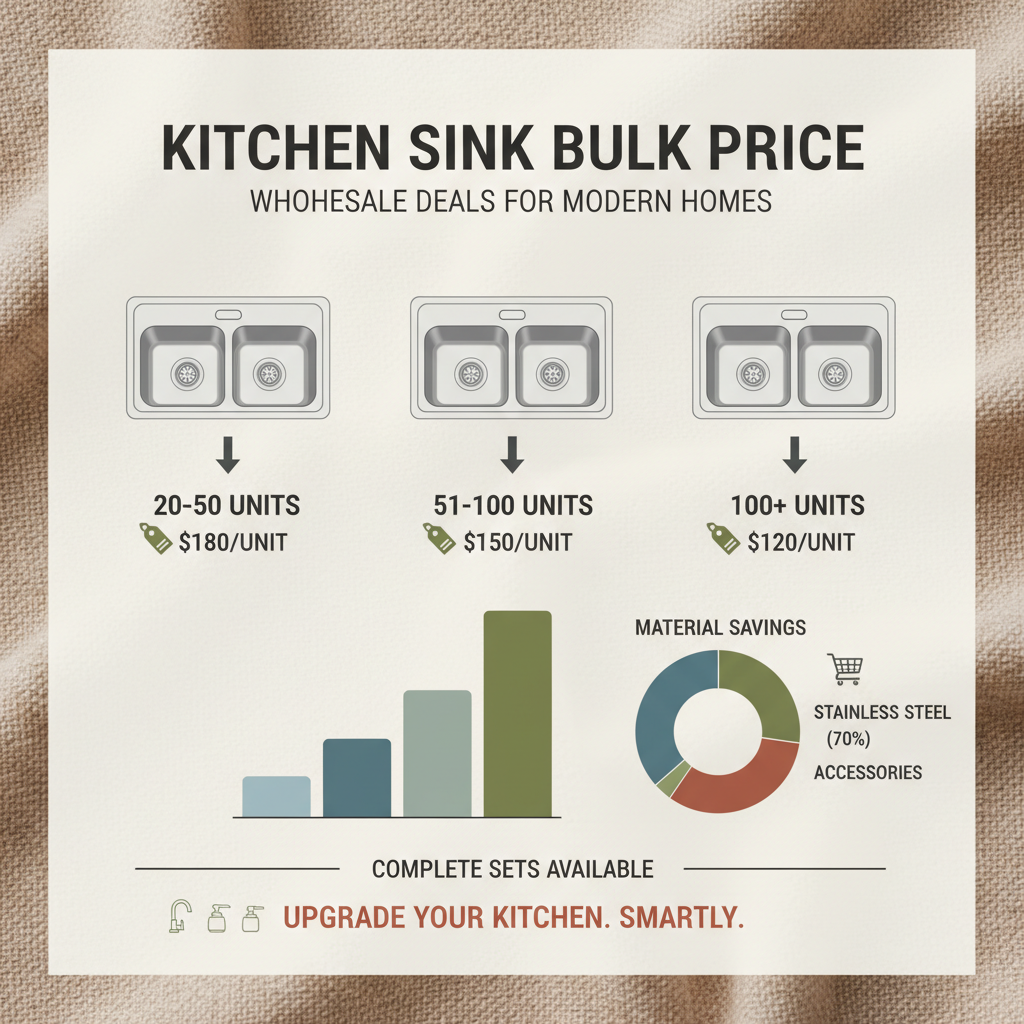
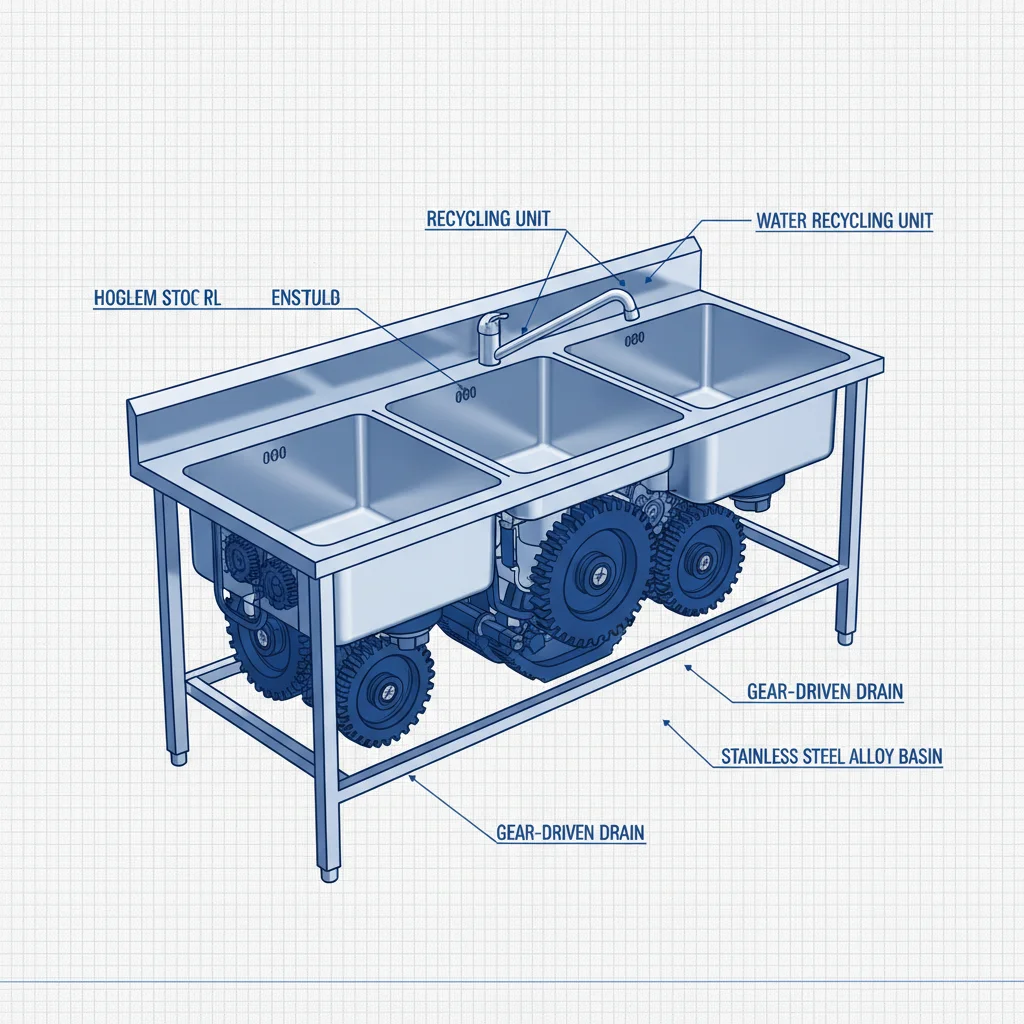
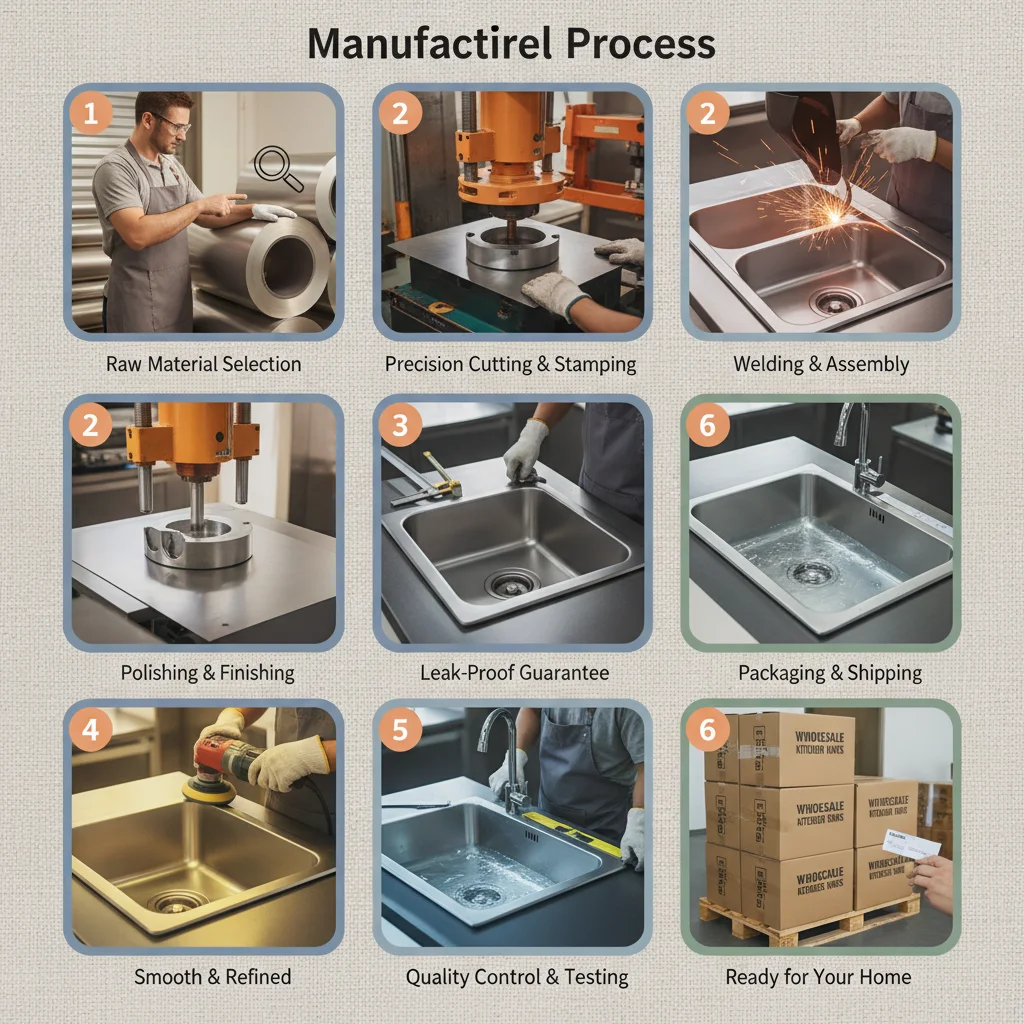
The global demand for sanitary and functional kitchen sinks is consistently high, making the sourcing of kitchen sink bulk price a crucial consideration for businesses worldwide. Understanding the factors that influence this price – from material composition to shipping costs – is vital for retailers, contractors, and manufacturers alike. This impacts industries ranging from construction and renovation to hospitality and healthcare, driving a need for efficient and cost-effective solutions for procuring these essential fixtures.
Fluctuations in raw material costs, especially stainless steel and ceramics, significantly impact kitchen sink bulk price. Global economic conditions, trade tariffs, and even geopolitical events can all contribute to price volatility. Businesses need to stay informed about these trends to secure favorable pricing and maintain profitability. Furthermore, the rise of online marketplaces and direct-from-manufacturer sourcing has introduced new dynamics to the kitchen sink bulk price landscape.
Successfully navigating the complexities of kitchen sink bulk price requires a strategic approach. This involves careful supplier selection, volume purchasing, and a thorough understanding of the total cost of ownership, including shipping, handling, and potential warranty claims. Understanding these dynamics allows businesses to optimize their procurement process and deliver value to their customers. Accessing competitive kitchen sink bulk price is a key component of success in today's competitive market.
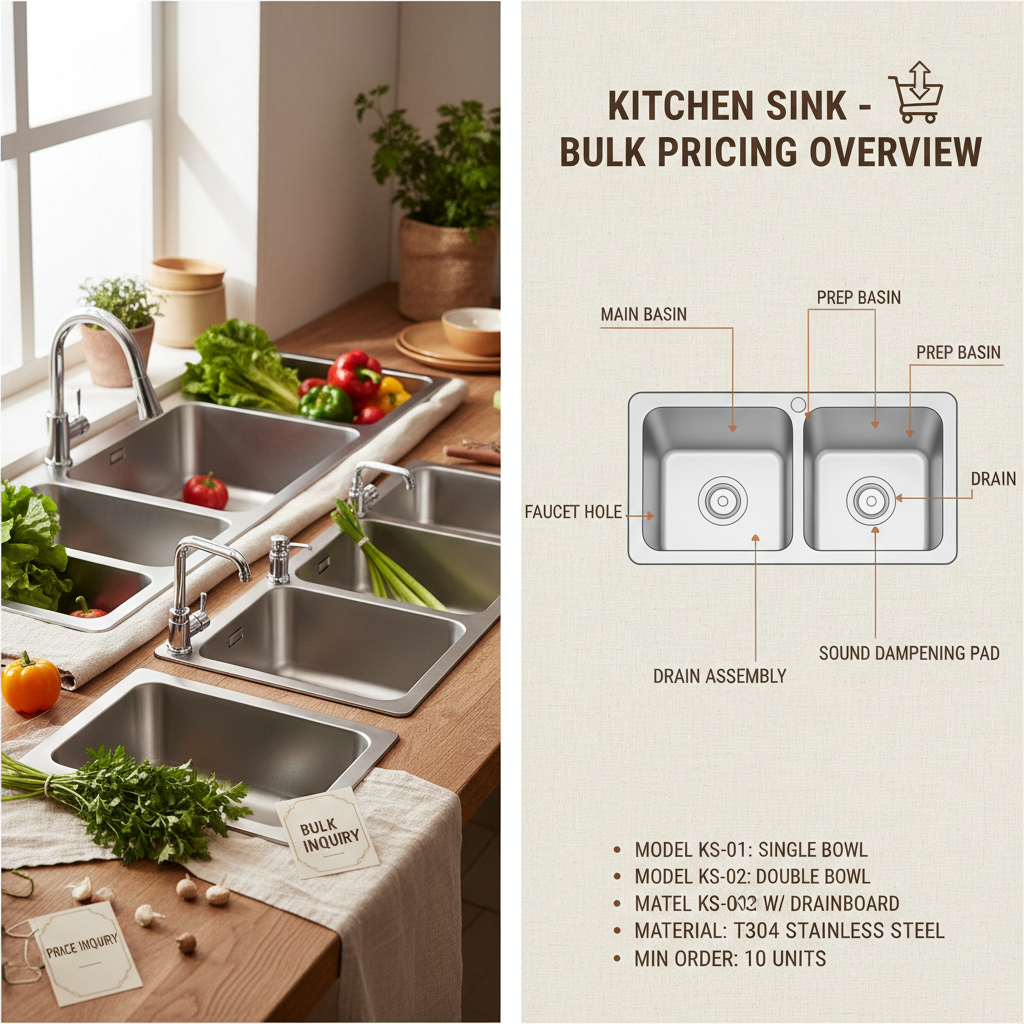
The Importance of Kitchen Sink Bulk Price
Securing favorable kitchen sink bulk price is paramount for businesses operating in various sectors. From large-scale residential construction projects to commercial kitchen renovations, the cost of sinks represents a significant portion of overall project budgets. Efficient procurement directly impacts profitability and competitiveness. Businesses actively seeking lower prices can free up capital for other essential investments.
Furthermore, consistent access to affordable kitchen sink bulk price allows businesses to maintain stable pricing for their customers, fostering trust and long-term relationships. Strategic sourcing ensures that project timelines aren’t disrupted by unexpected cost increases, ultimately contributing to smooth and efficient operations. It’s a cornerstone of financial planning and sustainable growth.
Defining Kitchen Sink Bulk Price
Kitchen sink bulk price refers to the cost per unit when purchasing a significant quantity of kitchen sinks directly from a manufacturer, wholesaler, or large distributor. This price is typically lower than the retail price offered for individual sink purchases. The “bulk” quantity varies significantly depending on the supplier and the type of sink, but it generally starts at several dozen units.
This pricing structure is designed to incentivize larger orders, offering economies of scale for both the supplier and the buyer. Suppliers benefit from reduced handling and administrative costs, while buyers enjoy substantial cost savings. Factors influencing this price include the sink’s material, size, style, features (e.g., number of bowls, drainboard), and the geographic location of the supplier and buyer.
Understanding the breakdown of costs that contribute to kitchen sink bulk price – including raw materials, manufacturing, labor, packaging, and transportation – is essential for effective negotiation. It's not simply about the lowest headline price; it’s about optimizing the overall value proposition, considering quality, durability, and supplier reliability.
Key Factors Influencing Kitchen Sink Bulk Price
Several key factors significantly influence kitchen sink bulk price. Raw material costs, particularly stainless steel and ceramic, are primary drivers. Global supply chain dynamics and fluctuations in commodity prices directly impact these costs. Manufacturing processes, including automation and labor costs, also play a role.
Transportation costs, including shipping rates and fuel surcharges, are a substantial component of the overall price, especially for international shipments. Order volume is also critical; larger orders typically qualify for greater discounts. Finally, the supplier’s pricing strategy, profit margins, and competitive landscape all contribute to the final kitchen sink bulk price.
Furthermore, the complexity of the sink’s design and features also impacts the price. Sinks with specialized coatings, soundproofing, or integrated accessories will generally be more expensive than simpler models. It's essential to consider these factors when comparing quotes from different suppliers and evaluating the overall value proposition.
Material Composition and Kitchen Sink Bulk Price
The material used to construct a kitchen sink is a major determinant of its cost. Stainless steel is the most common material, offering a balance of durability, affordability, and aesthetic appeal. However, the grade of stainless steel (e.g., 304, 316) significantly impacts the kitchen sink bulk price, with higher grades being more corrosion-resistant and expensive.
Other materials, such as cast iron, fireclay, granite composite, and quartz composite, also contribute to varying price points. Cast iron sinks are known for their durability and heat retention but are heavier and more expensive than stainless steel. Granite composite and quartz composite sinks offer a modern aesthetic and are highly resistant to scratches and stains, but their kitchen sink bulk price is generally higher.
Comparison of Kitchen Sink Bulk Price by Material
Global Applications of Bulk Kitchen Sink Procurement
Bulk kitchen sink procurement is a common practice across a wide range of industries and geographic regions. Large-scale construction projects, such as residential developments, hotels, and hospitals, routinely purchase sinks in bulk to reduce costs and ensure consistency. Developers in rapidly growing urban areas, like those in Southeast Asia and Latin America, are particularly reliant on efficient bulk sourcing.
Furthermore, government agencies and non-profit organizations involved in disaster relief and humanitarian aid frequently procure kitchen sinks in bulk to provide essential sanitation facilities to affected populations. In post-disaster relief operations, access to clean water and hygienic kitchen environments is crucial for preventing the spread of disease, making affordable kitchen sinks a vital resource.
Advantages of Strategic Kitchen Sink Bulk Price Negotiation
Effective negotiation strategies can unlock significant savings when procuring kitchen sinks in bulk. Establishing strong relationships with multiple suppliers creates a competitive environment, encouraging them to offer their best pricing. Thoroughly researching market rates and understanding the supplier’s cost structure empowers buyers to negotiate effectively.
Leveraging volume purchasing power and committing to long-term contracts can also secure substantial discounts. Bundling sink purchases with other related plumbing supplies can create further opportunities for cost optimization. Careful consideration of shipping terms (e.g., FOB, CIF) and payment options can also impact the overall cost.
Future Trends in Kitchen Sink Bulk Price and Procurement
The future of kitchen sink bulk price and procurement will be shaped by several emerging trends. Increased adoption of sustainable materials, such as recycled stainless steel and bio-based composites, will influence pricing and demand. The rise of e-commerce platforms and direct-to-consumer models will continue to disrupt traditional supply chains.
Digitalization and data analytics will play a greater role in optimizing procurement processes, enabling businesses to identify cost-saving opportunities and improve supply chain visibility. Automation in manufacturing and logistics will further drive down production costs and improve efficiency.
Furthermore, a growing emphasis on circular economy principles, promoting product reuse and recycling, will likely impact the long-term kitchen sink bulk price landscape.
Summary of Key Considerations for Future Kitchen Sink Bulk Price Trends
| Trend Category |
Impact on Kitchen Sink Bulk Price |
Adoption Timeline |
Mitigation/Opportunity |
| Sustainable Materials |
Potential for increased initial cost, but long-term savings due to durability and eco-credentials. |
Short-term (1-3 years) |
Prioritize suppliers offering eco-friendly options; market sustainable features. |
| E-commerce Disruption |
Increased price transparency, potentially lower costs, but requires careful vetting of suppliers. |
Ongoing |
Utilize online platforms for price comparison; verify supplier credentials. |
| Digital Procurement |
Reduced administrative costs, improved efficiency, better price negotiation. |
Medium-term (3-5 years) |
Invest in procurement software; integrate data analytics. |
| Automation in Manufacturing |
Lower production costs, increased capacity, potential for lower kitchen sink bulk price. |
Medium-term (3-5 years) |
Seek suppliers investing in automation; prioritize efficiency. |
| Circular Economy |
Potential for lower material costs through recycling, but requires new supply chain models. |
Long-term (5+ years) |
Explore suppliers offering recycled materials; design for disassembly. |
| Supply Chain Resilience |
Mitigation of price volatility through diversified sourcing and localized production. |
Ongoing |
Develop relationships with multiple suppliers in different regions. |
FAQS
Several factors drive kitchen sink bulk price, with raw material costs (stainless steel, ceramics) being primary. Manufacturing processes, transportation expenses, order volume, and the supplier's geographic location also play substantial roles. Global economic conditions and trade policies can create additional fluctuations.
Effective negotiation involves researching market rates, establishing relationships with multiple suppliers, leveraging volume purchasing power, and committing to long-term contracts. Understanding the supplier’s cost structure and carefully considering shipping terms and payment options can also lead to favorable pricing.
The minimum order quantity (MOQ) varies significantly by supplier and sink type. It generally starts around several dozen units, but can be higher for specialized or custom sinks. It’s essential to confirm the MOQ with each supplier before requesting a quote.
Yes, beyond the unit price, consider shipping costs, import duties (if applicable), insurance, handling fees, and potential warranty claims. Factor these into your total cost of ownership to get an accurate picture of the overall expense.
Higher grades of stainless steel, like 316, offer superior corrosion resistance and durability compared to lower grades like 304. This increased quality translates into a higher kitchen sink bulk price. While 304 is generally sufficient for most applications, 316 is preferred for environments with high salt content or harsh chemicals.
Sourcing directly from the manufacturer often yields the lowest kitchen sink bulk price, as it eliminates intermediary markups. It also allows for greater customization options and potentially faster lead times. However, it may require larger order quantities and more direct management of the logistics process.
Conclusion
In conclusion, effectively navigating the landscape of kitchen sink bulk price requires a comprehensive understanding of the factors influencing cost, strategic negotiation skills, and a forward-looking perspective on emerging trends. From raw material fluctuations and manufacturing efficiencies to evolving sustainability practices and digital procurement solutions, a proactive approach is essential for securing competitive pricing and maximizing value.
Looking ahead, businesses that prioritize supplier relationships, embrace data-driven decision-making, and adapt to the changing dynamics of the global supply chain will be best positioned to optimize their kitchen sink bulk price procurement strategies. We encourage you to explore our comprehensive range of kitchen sinks and competitive bulk pricing options by visiting our website: kitchen sink bulk price.