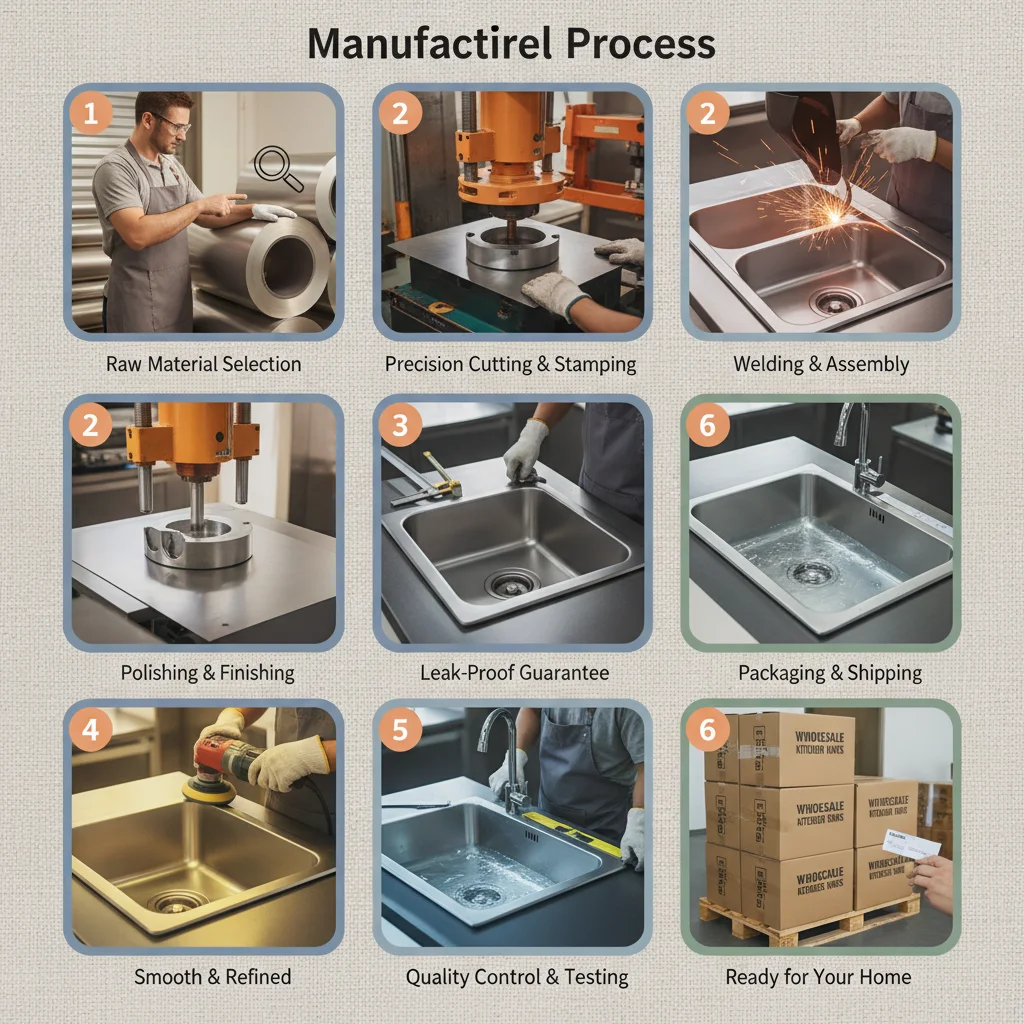
Look, I've spent the last fifteen years getting my hands dirty on construction sites, dealing with everything from plumbing emergencies to full-scale kitchen renovations. And let me tell you, a reliable sink isn't just some afterthought—it's the backbone of any functional space. Whether you're talking about a bustling commercial kitchen, a busy hospital ward, or a family home, the ability to have a clean, durable, and efficient sink is absolutely critical. We need to buy sink solutions that work in the real world, not just look good in a showroom.
I’ve seen too many projects delayed and budgets blown because of subpar sink choices. Leaks, corrosion, inadequate drainage, flimsy materials—they all add up. The goal isn't just to buy sink something cheap; it’s about investing in quality that saves you headaches down the line. A properly chosen sink impacts workflow, hygiene, and the overall longevity of the space.
I’ve witnessed first-hand the difference a well-designed and constructed sink can make to a team’s productivity and the satisfaction of end users. Choosing the right sink is a fundamental decision, and one that shouldn’t be taken lightly. It’s an integral part of the whole system, and we need to treat it as such.
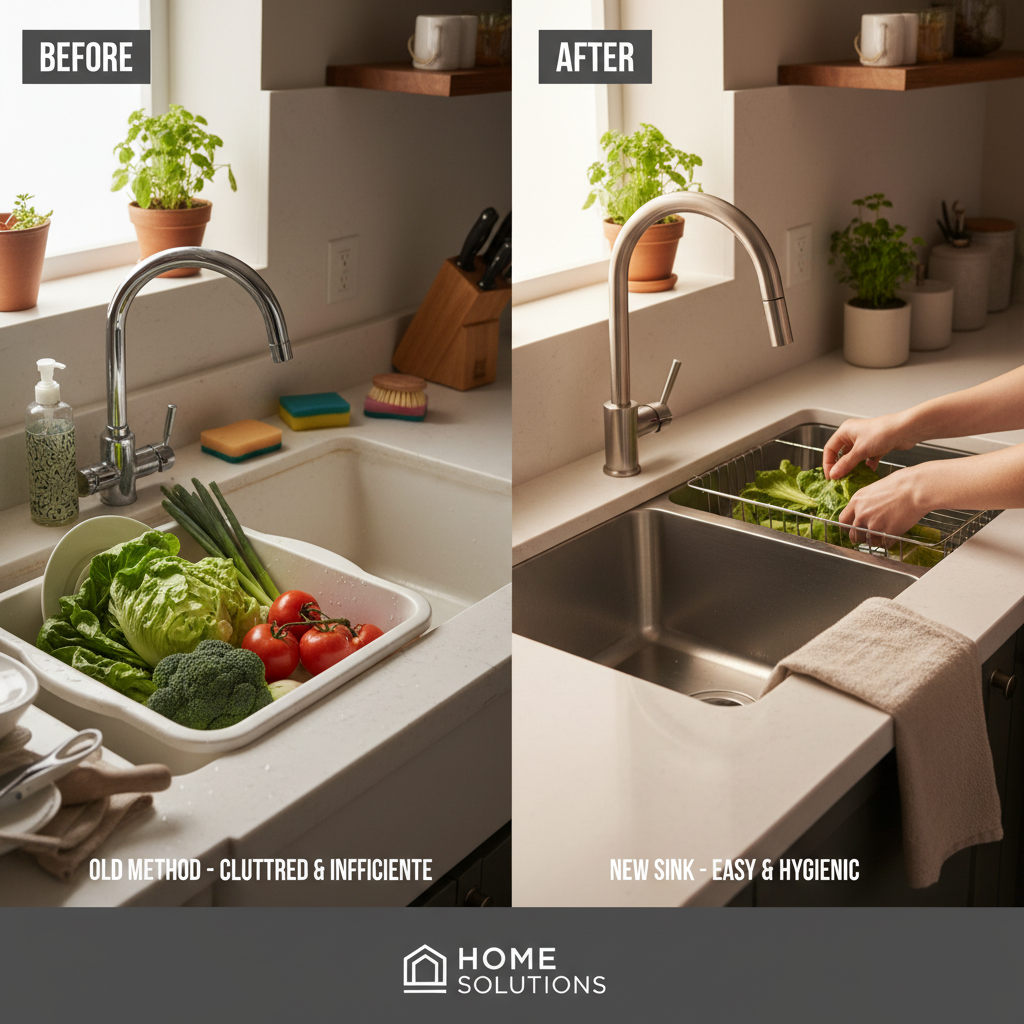
The Importance of Choosing the Right buy sink
Honestly, when I first started out, I didn’t pay enough attention to the details of a sink. I figured they all did basically the same thing. Boy, was I wrong. A poorly chosen sink can lead to constant maintenance, unhappy clients, and a real dent in your project budget. The upfront cost of a quality sink is quickly offset by the savings on repairs and replacements.
We’re not just talking about aesthetics, although that matters too. It’s about functionality, durability, and the impact it has on the people using the space. A well-designed sink, chosen with the specific needs of the environment in mind, improves workflow, boosts hygiene, and ultimately, contributes to a more successful project. Don't skimp when you buy sink.
Defining buy sink in a Practical Context
When I say “buy sink,” I'm talking about more than just a hole with a drain. I’m talking about a carefully engineered component that’s designed to withstand heavy use, resist corrosion, and facilitate efficient water management. It's the central point for sanitation, food preparation, or whatever task it's intended for. It must be compliant with all relevant safety and hygiene standards.
It needs to integrate seamlessly into the overall plumbing system, and the materials have to be compatible with the chemicals and substances it’ll be exposed to. For example, a stainless steel sink in a commercial kitchen needs to handle constant cleaning with harsh detergents. A hospital sink needs to withstand frequent sterilization.
Ultimately, to buy sink is to invest in a critical piece of infrastructure for any building or facility. It's a decision that should be based on more than just price; it's about long-term performance and reliability.
Core Factors to Consider When You buy sink
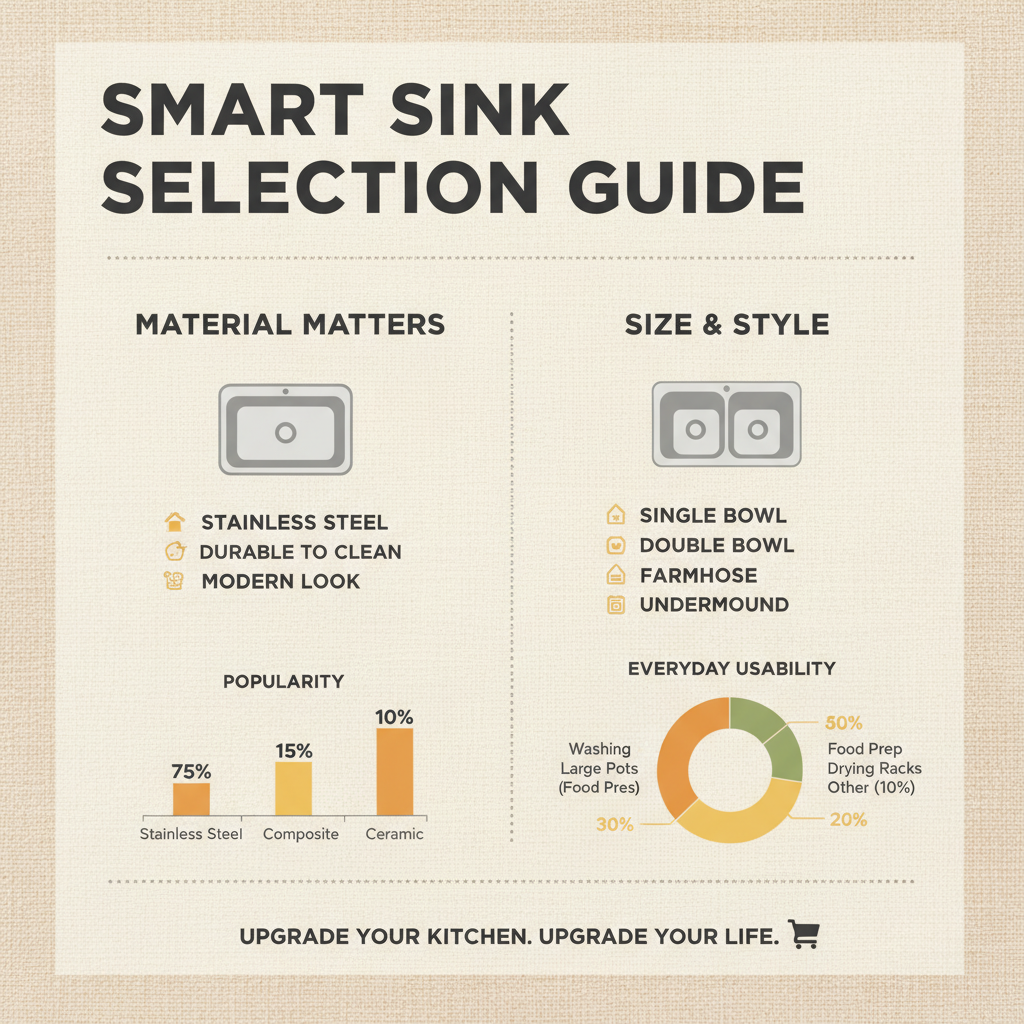
First, material is huge. Stainless steel is the workhorse for a reason—it’s durable, corrosion-resistant, and relatively easy to clean. But there are different grades of stainless steel, and some hold up better than others. Cast iron is another option, offering excellent durability and heat retention, but it’s heavy. Composite materials are becoming more popular, offering a blend of durability and aesthetics.
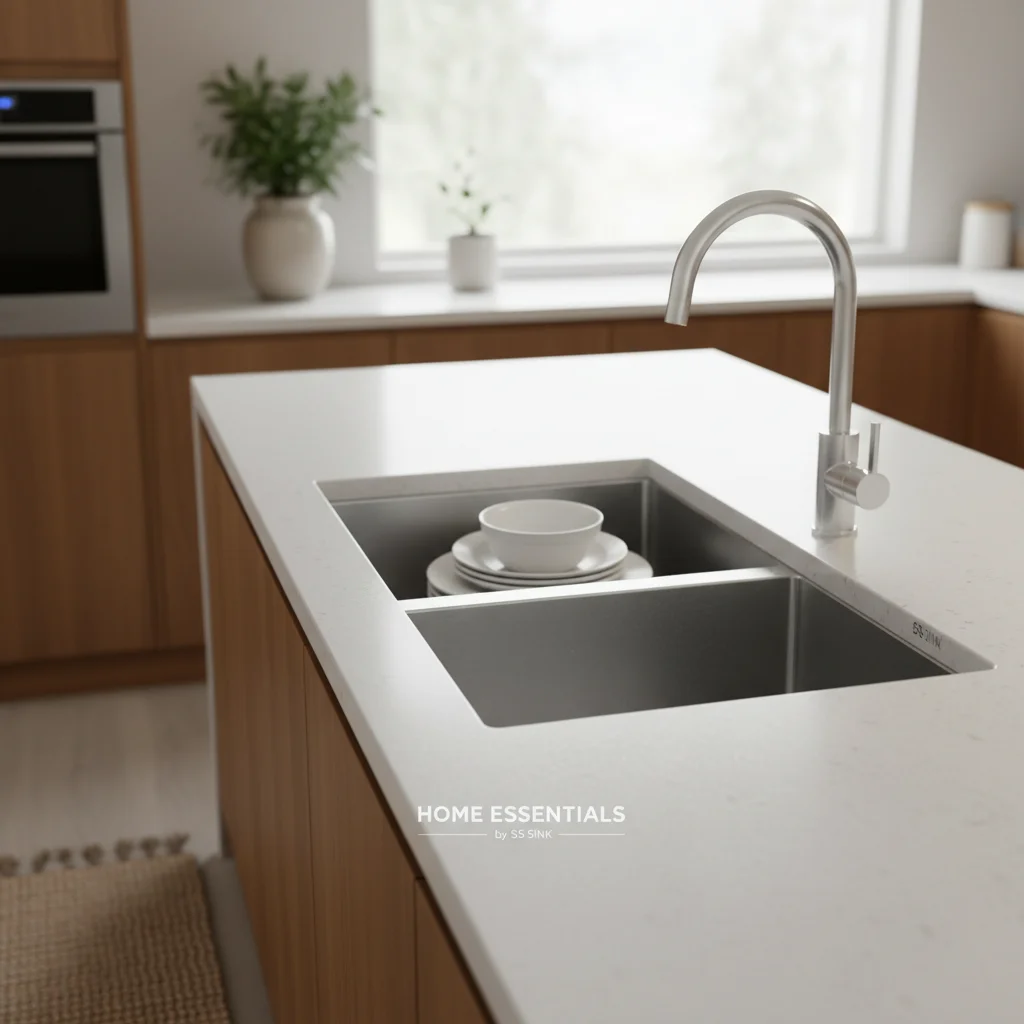
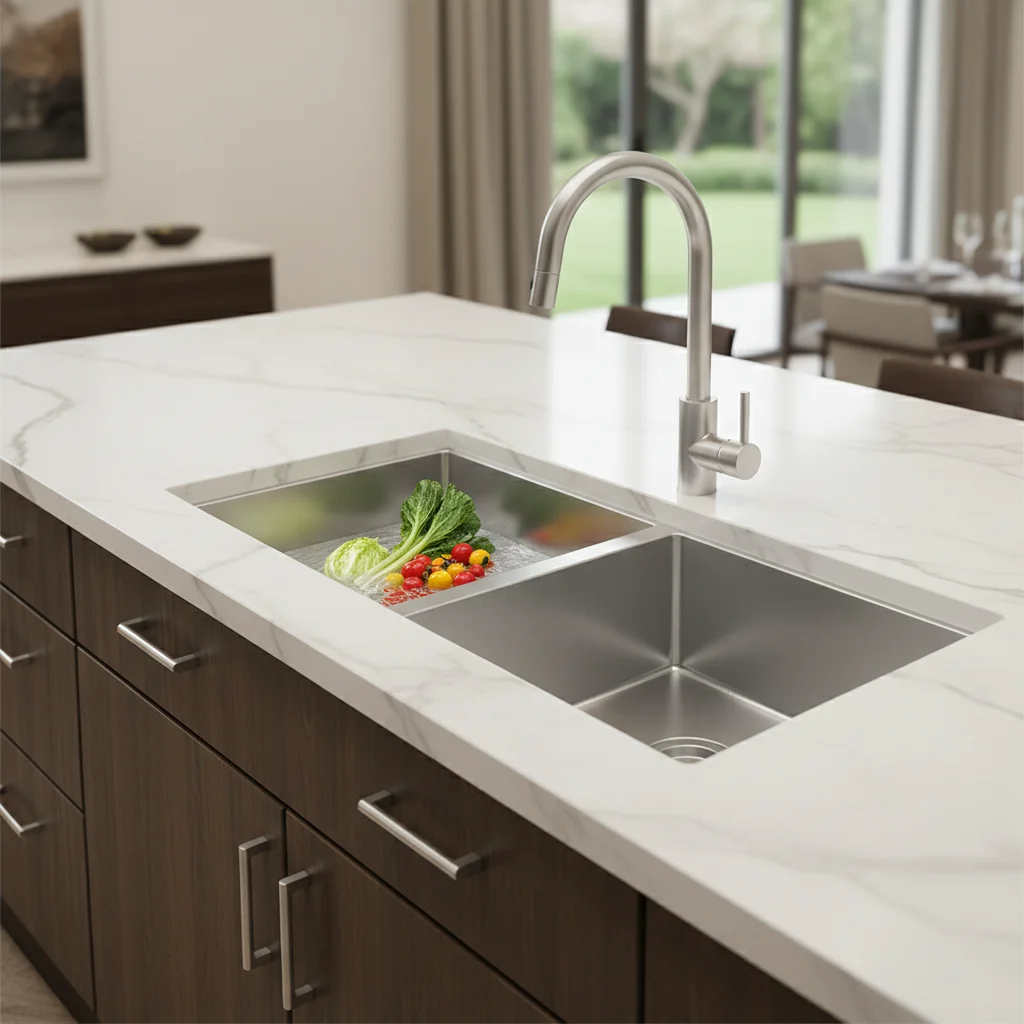
Next, you’ve got configuration. Single bowl, double bowl, with or without a drainboard—it all depends on the intended use. A busy restaurant kitchen needs a double bowl sink with a high-capacity drain. A residential kitchen might benefit from a single bowl with a drainboard for washing dishes. Don’t overlook details like faucet mounting options and overflow protection.
Then, think about gauge. The gauge refers to the thickness of the steel. Lower gauge numbers mean thicker steel, which equals more durability and sound dampening. A thicker gauge sink will withstand more abuse and reduce noise from running water and dishes. When you buy sink, remember the gauge.
Real-World Applications of Quality buy sink
I’ve seen high-quality sinks performing flawlessly in demanding environments. In hospitals, they’re essential for maintaining strict hygiene standards. In commercial kitchens, they withstand constant use and abuse. Even in residential projects, a well-chosen sink can significantly improve the functionality and value of a home.
For example, in a recent school renovation, we installed stainless steel sinks in the science labs. The sinks were specifically chosen for their chemical resistance and durability. They’ve held up remarkably well, even with daily exposure to harsh chemicals. In post-disaster relief operations, lightweight and easily cleanable sinks are critical for providing sanitation and preventing the spread of disease.
Sink Material Preference - Project Types
The Long-Term Value of Investing in a Good buy sink
Look, I've seen it time and again: cheap sinks fail, and they fail quickly. Replacing a sink is not just the cost of the sink itself; it’s the labor, the disruption, and the potential damage to surrounding areas. A higher-quality sink might cost more upfront, but it pays for itself in the long run.
It’s a matter of sustainability and responsible building practices. Choosing durable, long-lasting materials reduces waste and minimizes the environmental impact of your project. Plus, a well-maintained sink adds to the overall value of the property. When you buy sink, think long-term.
Emerging Trends in buy sink Technology
We're seeing a lot of innovation in sink materials and design. Antimicrobial coatings are becoming increasingly popular, especially in healthcare settings. Touchless faucets are also gaining traction, promoting hygiene and conserving water.
Smart sinks with built-in sensors and automated functions are on the horizon, offering features like temperature control and water usage monitoring. Manufacturers are also focusing on creating more sustainable sinks using recycled materials and eco-friendly manufacturing processes.
I’m also seeing more interest in integrated sink systems—sinks that are designed to work seamlessly with surrounding countertops and cabinetry, creating a more cohesive and functional space.
Common Challenges and Innovative Solutions for buy sink
One of the biggest challenges is finding sinks that can withstand the rigors of constant use without corroding or leaking. Another issue is noise—some sinks are just plain loud. A good solution is to invest in a thicker gauge sink with sound dampening features.
Proper installation is crucial. A poorly installed sink will inevitably lead to problems. Make sure you hire a qualified plumber who has experience with the type of sink you’re installing. Look for sinks with integrated drain strainers and overflow protection to prevent clogs and spills.
Ultimately, to overcome these challenges, it comes down to doing your research, choosing quality materials, and working with experienced professionals. The right sink can be a real asset, but only if you make the right choices when you buy sink.
Summary of Sink Selection Factors
| Material Type |
Durability Rating (1-10) |
Cost Factor (Low/Medium/High) |
Typical Application |
| Stainless Steel |
8 |
Medium |
Commercial Kitchens, Residential Homes |
| Cast Iron |
9 |
High |
Farmhouse Sinks, High-End Homes |
| Composite Granite |
7 |
Medium |
Residential Bathrooms, Utility Sinks |
| Copper |
6 |
High |
Luxury Homes, Accent Sinks |
| Acrylic |
5 |
Low |
Budget-Friendly Projects, Temporary Installations |
| Fireclay |
9 |
High |
Luxury Bathrooms, Classic Designs |
FAQS
For a kitchen sink seeing a lot of action, I always recommend stainless steel. Specifically, look for a lower gauge number (16 or 18) for thicker steel and better durability. It's resistant to corrosion, relatively easy to clean, and won’t break the bank. Avoid the thin stuff – it dents too easily. The key is a solid build and good drainage.
Noise is a big issue. First, ensure the sink is properly mounted with adequate sound-dampening pads underneath. Many quality sinks come with these pre-installed. Second, look for a sink with a thicker gauge. Thicker steel naturally dampens sound. Finally, a good quality faucet with a sprayer can also help reduce noise. Don't underestimate the power of a little sound deadening!
Single bowl sinks are great for large pots and pans, and they provide a lot of uninterrupted space. Double bowl sinks offer more versatility – you can wash in one bowl and rinse in the other, or use one for food prep and the other for cleanup. It really depends on your workflow and preferences. For a busy cook, a double bowl is often the way to go.
Composite sinks are definitely a viable option. They're typically made from a mix of materials like quartz and acrylic, making them very durable and resistant to scratches and stains. They also come in a wider range of colors than stainless steel. However, they can be more expensive, and some may be prone to chipping if impacted hard.
The gauge is crucial. Lower gauge numbers mean thicker steel. A 16-gauge sink is considered very high quality and is ideal for heavy use. An 18-gauge sink is still good, but more prone to dents. Avoid sinks with a gauge of 20 or higher, as they're usually too thin and won’t hold up well over time. It’s an investment in longevity!
Consider the sink's configuration and your needs. A high-arc faucet provides plenty of clearance for filling large pots. A pull-down sprayer adds versatility. Look for a faucet with a durable finish that won't corrode. Also, check the flow rate to ensure it meets your requirements. And make sure it's compatible with the number of faucet holes in your sink.
Conclusion
Choosing the right sink isn’t just about aesthetics; it's about investing in a core component of any functional space. From material selection to configuration and gauge, every detail matters. A well-chosen sink enhances workflow, promotes hygiene, and ultimately contributes to the long-term value of the project.
Don’t skimp on this essential element. Take the time to research your options, consider your specific needs, and invest in quality. You can find a fantastic selection of durable and reliable sinks at YashiteSink. A little extra effort upfront will save you headaches—and money—down the road.