You know, I've been running around construction sites all year, dealing with dust and the smell of cement. Honestly, the biggest trend I'm seeing right now is everyone wanting more modular stuff. Prefabricated everything. It’s not just about speed, either. Labor costs are going through the roof, so anything that cuts down on on-site assembly is gold. It used to be, you'd show up and there’d be guys welding for days. Now? They want it bolted, slotted, done. Makes life a little easier, though sourcing the right components…that’s another story.
And have you noticed? Everyone's chasing lighter materials. They say it’s for efficiency, but I think a lot of it is just the guys' backs screaming for mercy.
I swear, the amount of times I’ve seen a seemingly brilliant design fall apart because someone didn’t think about how a guy with gloves and a hard hat is actually going to use it. Details, man. It’s always the details.
The Current Landscape of Stainless Steel Sink Manufacturing
To be honest, the stainless steel sink market isn't exactly flashy, but it’s massive. You've got the big players in China churning out volume, then smaller guys in Italy and Germany focusing on high-end designs. And a ton of mid-range manufacturers in India, really stepping up their game. Demand is pretty stable – people always need sinks! – but there's a push for better corrosion resistance, quieter operation, and, like I said, thinner gauges of steel without sacrificing durability. Strangely, there's been a recent uptick in demand for colored stainless steel, through PVD coating or similar. I saw a bright orange one at a hotel in Dubai last month…wild.
I encountered something at a factory in Foshan last time. They've moved towards automated polishing lines, which cut down on labor and ensures a consistent finish. Makes a big difference.
Common Design Pitfalls in Sink Production
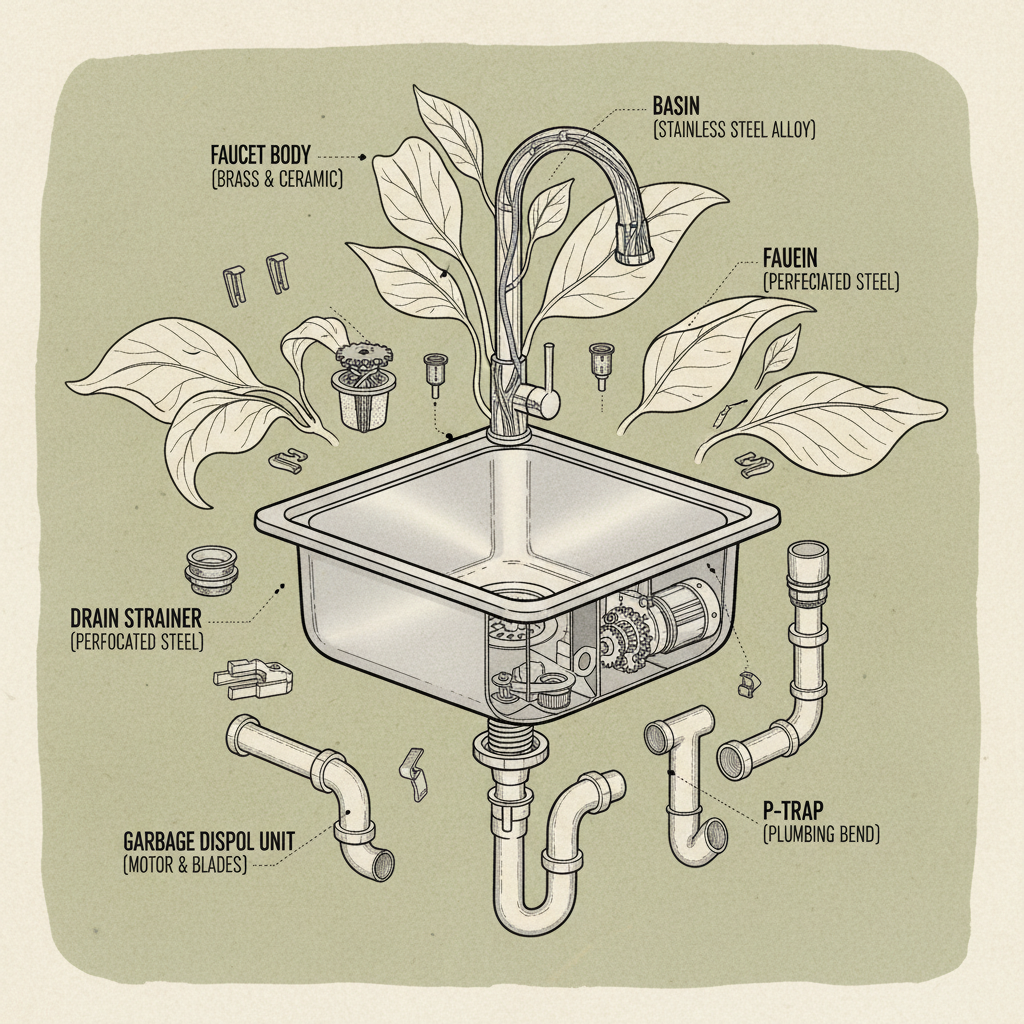
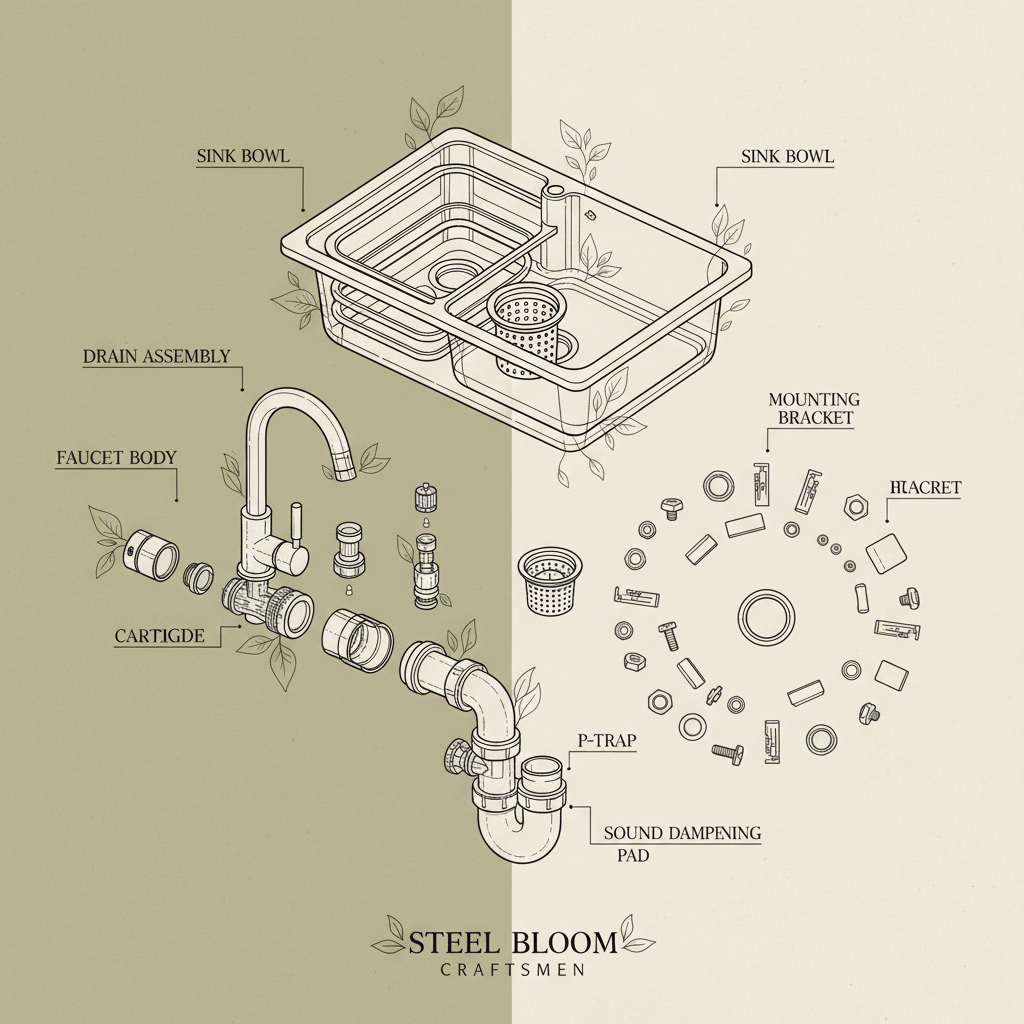
So many people mess up the drain placement. Seriously. They design it based on CAD drawings and forget that plumbers actually have to wrench things in tight spaces. You want enough clearance, but not too much, or you get vibration and noise. Another thing? Corner radii. Too tight, and grime builds up. Too wide, and it looks clunky. It’s a delicate balance. And don’t even get me started on the sound deadening pads... cheap ones fall apart after six months. It’s always a compromise, isn’t it?
And I’ve seen it happen where the gauge of the steel is specified without considering the bending radius. You specify too small a radius for the steel thickness, it buckles. Simple stuff, really. But easily overlooked.
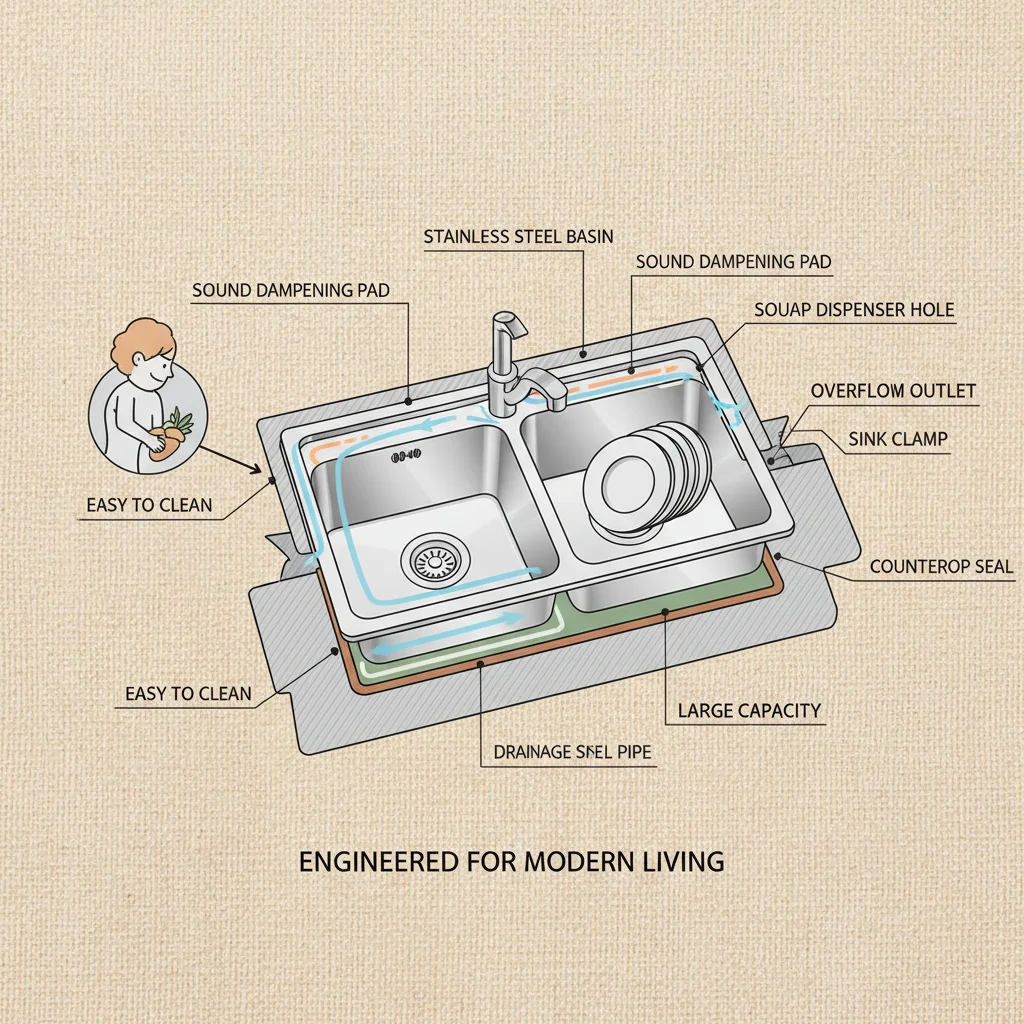
The sound baffling, that’s a big one. People think a thin layer of foam will do. Nope. You need a proper undercoating, something that will actually absorb the vibrations.
Material Selection: Beyond Just 304
Everyone thinks 304 stainless steel is the answer, and it is good. But it’s not always the best. 316 has better corrosion resistance, especially around saltwater. You’ll pay more, of course. I’ve also seen some manufacturers experimenting with duplex stainless steels - they're stronger and lighter, but harder to work with. The feel of the steel is important too. A good 304 will have a certain weight to it, a solidity. Cheap stuff feels…tinny. You can smell the difference sometimes, too. Lower grade steel often has a slightly metallic odor during welding.
Speaking of welding, the weld quality is critical. Poor welds are where corrosion starts. You want a smooth, even bead, with no porosity. It needs to be properly passivated, too. That’s the process of forming a protective oxide layer on the surface.
Honestly, I think people underestimate the importance of the finish. A brushed finish hides scratches better than a polished one. It’s a small thing, but it makes a big difference in how the sink looks after a few years of use.
Real-World Sink Testing: What We Actually Do
Lab tests are okay, but they don’t tell the whole story. We beat the heck out of these sinks. We drop cast iron weights on them. We pour all sorts of nasty stuff down the drain – coffee grounds, grease, red wine…you name it. We even simulate years of use by cycling hot and cold water repeatedly. And, yeah, sometimes we just…use them. I’ve got a test sink in my workshop that’s been through hell and back.
We also do a "scratch resistance" test. It’s pretty low-tech - we just drag different materials across the surface to see how easily they scratch. Keys, coins, steel wool…the usual suspects.
Stainless Steel Sink Performance Metrics
How Sinks Are Really Used: User Behavior Insights
People don't treat their sinks with respect, let me tell you. They throw everything down there. Bones, coffee grounds, whole lemons… I've seen it all. They use them as makeshift ice chests. They let dishes pile up for days. It’s brutal. That’s why a good drain strainer is essential. And the fact that people routinely put hot pans directly into the sink? Forget about it.
Anyway, I think most people aren't thinking about the long term when they buy a sink. They want something that looks good now. They don’t necessarily think about how it’s going to hold up after five years of abuse.
Advantages and Drawbacks: A Practical Perspective
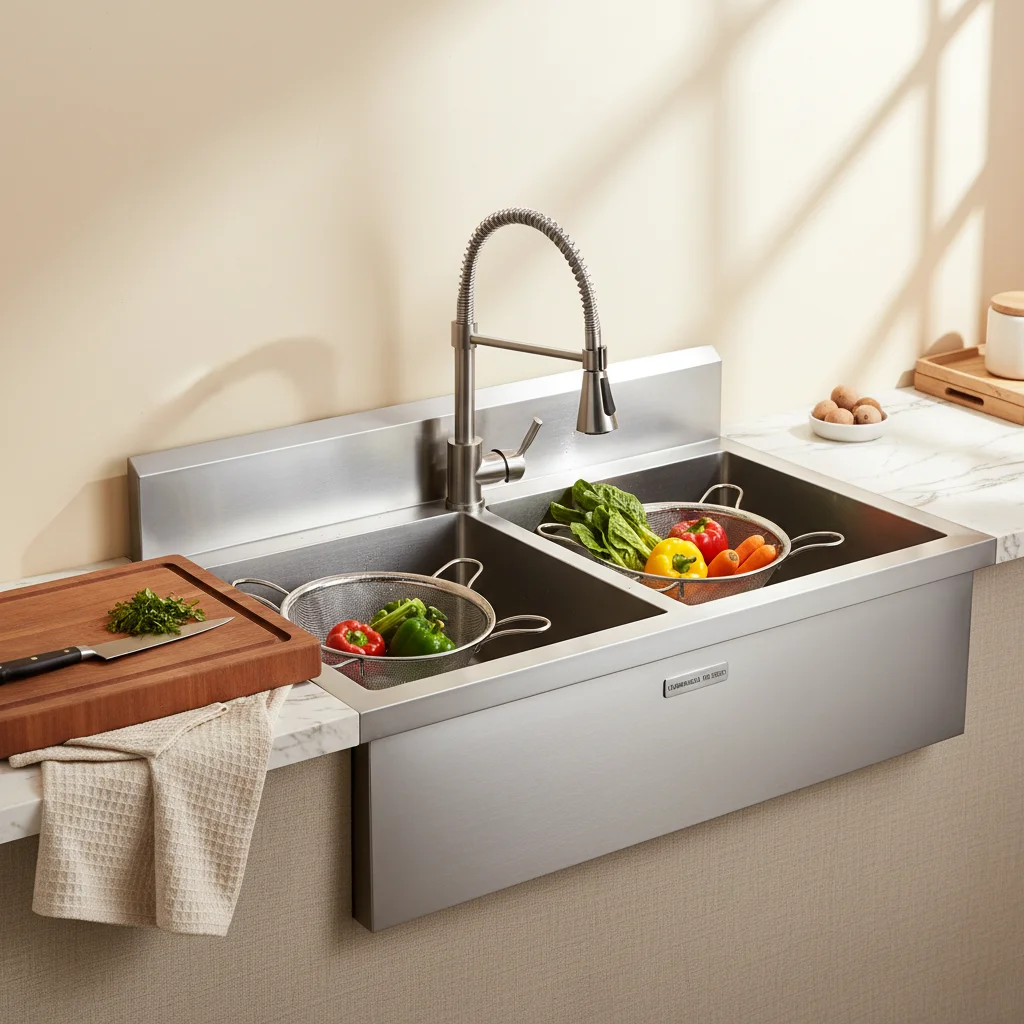
Stainless steel is durable, corrosion-resistant, and relatively easy to clean. That’s why it’s the industry standard. But it’s also noisy. And it scratches. And it shows fingerprints. There’s always a trade-off. Composite sinks are quieter, but they're prone to staining. Cast iron looks good, but it’s heavy as heck and can chip.
The biggest advantage, I think, is the lifespan. A good stainless steel sink will last for decades. That’s a pretty good return on investment, if you ask me.
But the initial cost can be higher, especially if you’re going for a higher gauge steel or a more complex design. It’s a balancing act.
Customization Capabilities & Case Study
We can do a lot of customization, within reason. Different sizes, depths, corner radii, drain placements... we can even add custom logos or engravings. Last month, that small boss in Shenzhen who makes smart home devices insisted on changing the interface to for the water filter connection on the sink. And the result was a total nightmare. The seal kept failing, and they ended up going back to the standard quick-connect fitting. A classic case of over-engineering.
We also did a run of sinks for a high-end hotel chain that needed a specific brushed finish to match their bathroom fixtures. It was a pain to get right, but we pulled it off. They wanted it darker, more consistent.
Honestly, though, the more you customize, the more expensive it gets. It's just simple economics.
Summary of Key Customization Aspects
| Customization Category |
Complexity Level |
Cost Impact |
Lead Time Extension |
| Sink Dimensions |
Low |
Minimal |
1-2 weeks |
| Drain Placement |
Medium |
Moderate |
2-3 weeks |
| Surface Finish |
Medium-High |
Significant |
3-4 weeks |
| Custom Gauge Steel |
High |
Very High |
4-6 weeks |
| Logo Engraving |
Low |
Low-Moderate |
1-2 weeks |
| Unique Connection Interfaces |
Very High |
Extremely High |
6+ weeks |
FAQS
Regular cleaning is key. Rinse the sink after each use and wipe it down with a soft cloth. Avoid leaving acidic foods or liquids sitting in the sink for extended periods. Occasionally, use a stainless steel cleaner to help maintain the protective layer. Don't use abrasive cleaners, they can scratch the surface and make it more susceptible to corrosion.
Lower gauge numbers indicate thicker steel. 16-gauge is considered premium, offering excellent durability and sound deadening. 18-gauge is a good balance between cost and performance. 20-gauge is thinner and more affordable, but more prone to dents and noise. Consider your usage habits - if you frequently drop heavy items, a lower gauge is recommended.
Brushed stainless steel has a textured finish created by sanding the surface, which helps to hide scratches and water spots. Polished stainless steel has a smooth, reflective surface. While polished looks more elegant initially, it shows scratches and fingerprints more easily and requires more frequent cleaning.
Yes, undermount sinks generally require more skill to install. They need to be securely mounted to the countertop using adhesive and mechanical fasteners. Drop-in sinks are easier because they simply rest on the countertop and are secured with clips. Incorrect installation of an undermount sink can lead to it becoming loose over time.
Very important! Stainless steel can be noisy, especially when water is running or dishes are being washed. Sound deadening pads or undercoating are applied to the underside of the sink to absorb vibrations and reduce noise. Cheaper sinks often have minimal sound deadening, which can be quite irritating.
PVD (Physical Vapor Deposition) is a coating process that creates a durable, colored finish on stainless steel. It can offer increased scratch resistance and unique aesthetics. It’s worth considering if you want a non-traditional sink color, but it is more expensive and, over time, may not be as durable as the steel itself.
Conclusion
So, yeah. Stainless steel sinks. It’s not glamorous work, but someone’s gotta make sure those things don’t leak and hold up to years of abuse. We’ve talked about materials, designs, testing… it all boils down to finding the right balance between cost, performance, and usability. And frankly, there’s no substitute for real-world experience.
Ultimately, whether this thing works or not, the worker will know the moment he tightens the screw. And if it doesn't? Well, we go back to the drawing board. You can visit our website at stainless steel sink manufacturers to learn more about our products and customization options.