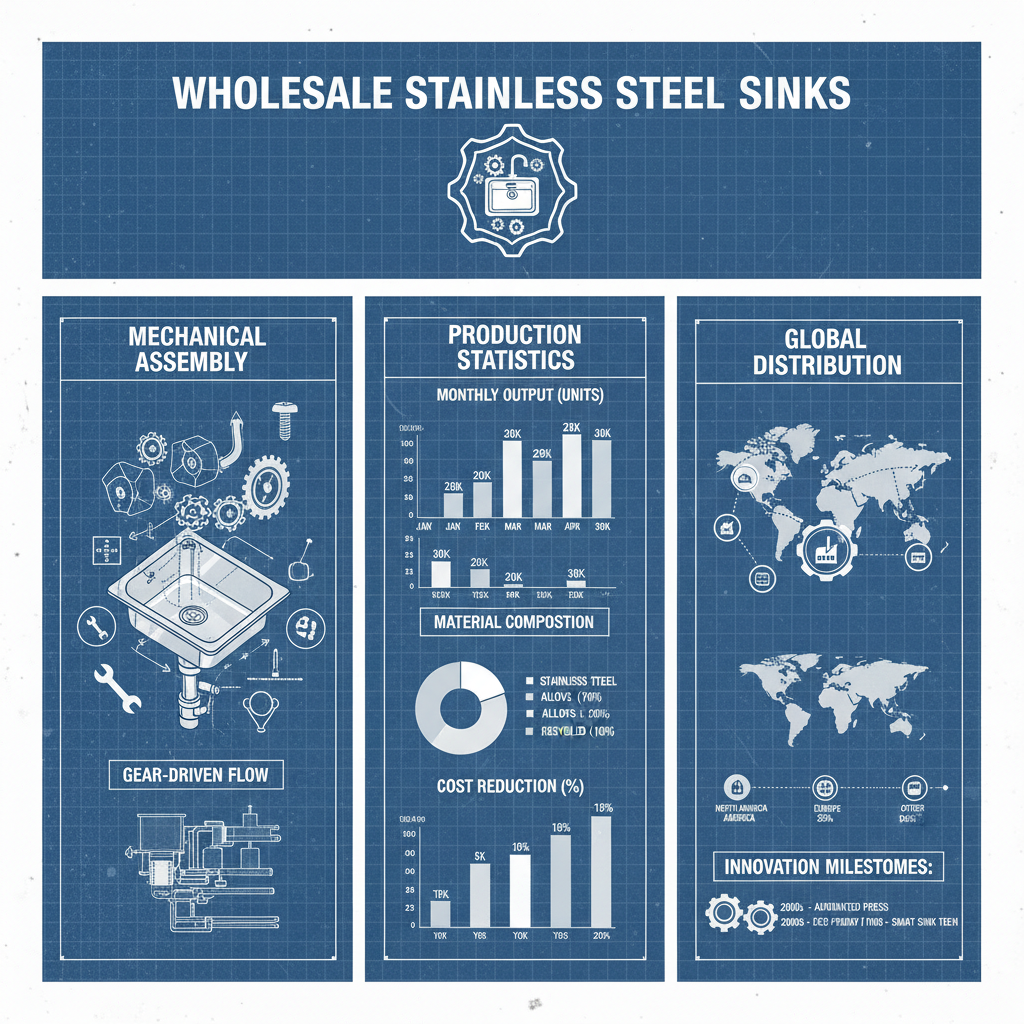
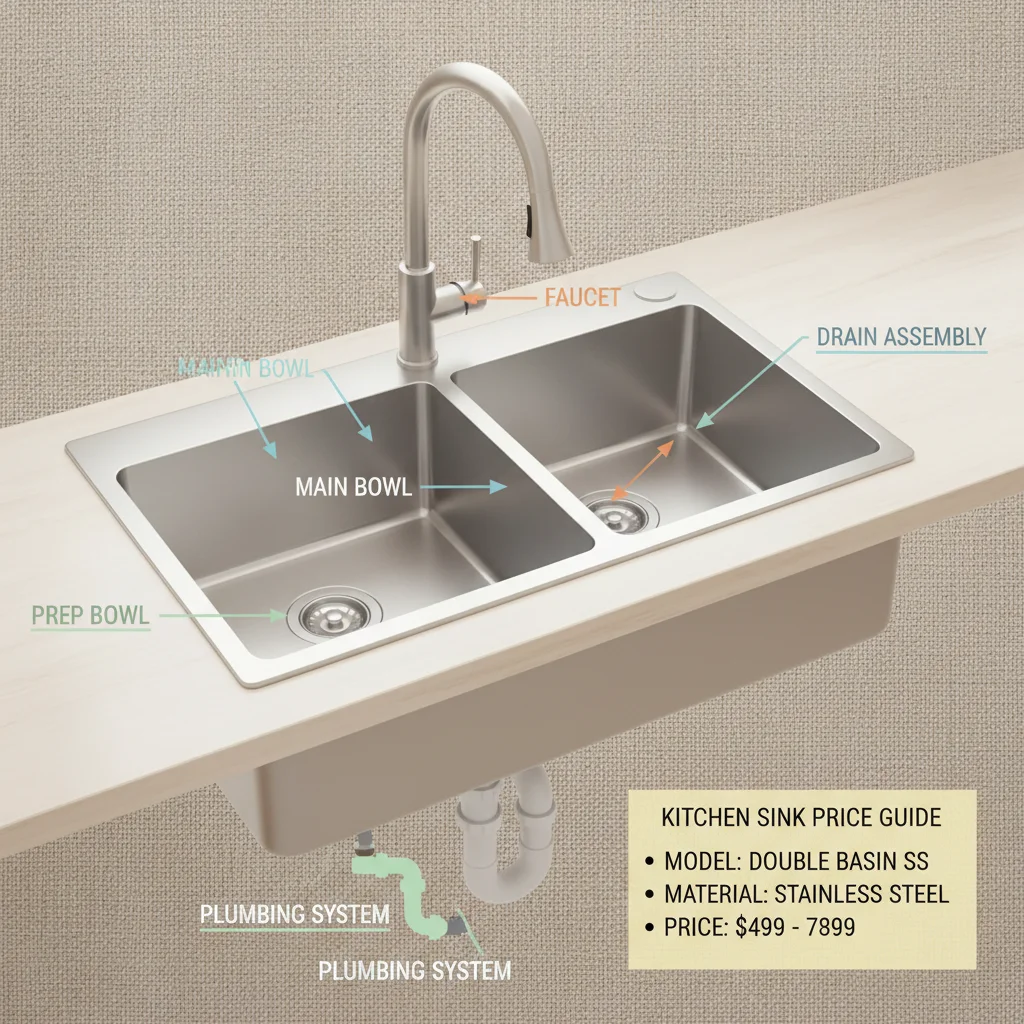
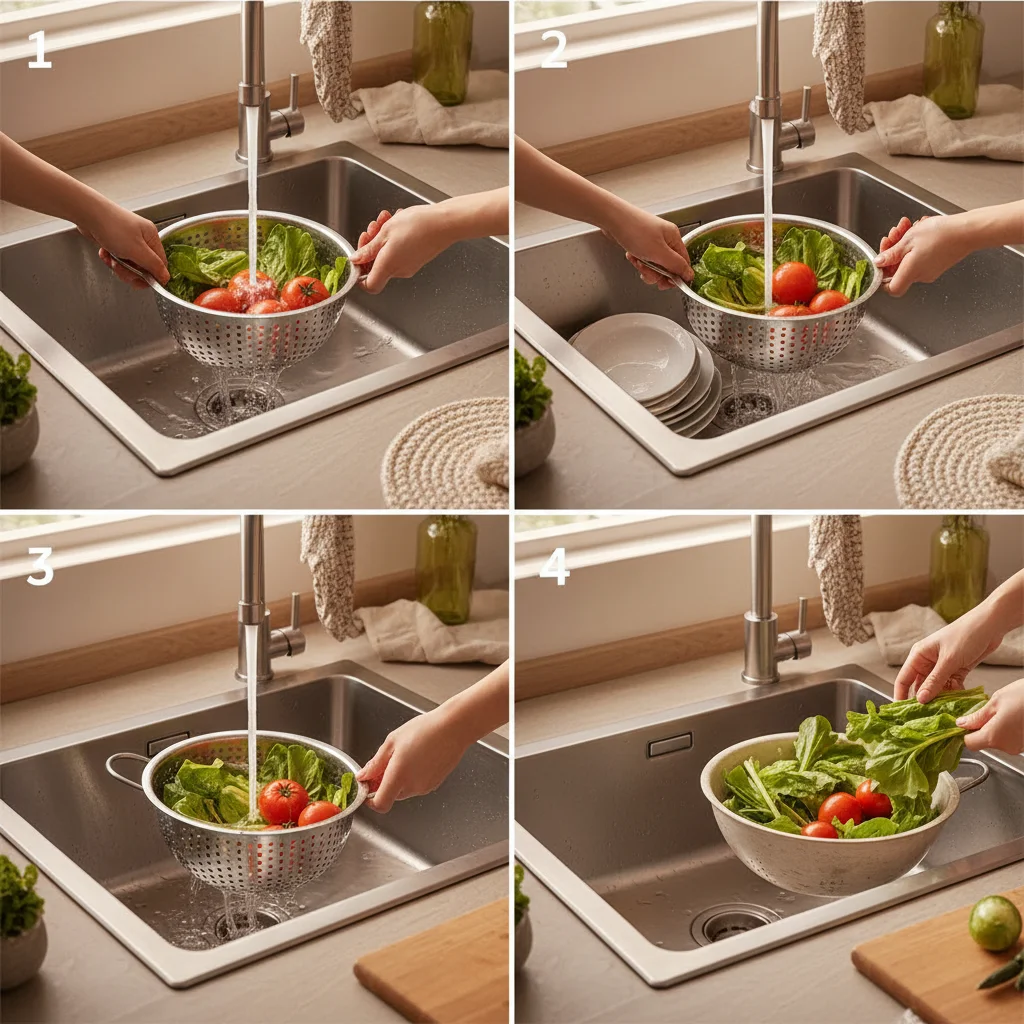
Wholesale stainless steel sinks are a critical component in both residential and commercial settings globally. Their demand is driven by increasing construction activities, urbanization, and a rising awareness of hygiene standards. From large-scale hotel projects to individual household renovations, the versatility and durability of stainless steel make it a preferred choice for kitchen and bathroom fixtures. Understanding the dynamics of the wholesale market for these sinks is crucial for businesses aiming to efficiently source high-quality products at competitive prices.
The global stainless steel sink market is experiencing steady growth, fueled by factors such as a growing middle class in emerging economies and a preference for modern kitchen designs. The United Nations projects continued urbanization, particularly in developing countries, which will invariably increase the demand for residential and commercial kitchen fixtures. Manufacturers and distributors are increasingly focused on optimizing supply chains and implementing innovative production techniques to meet this demand.
Navigating the complexities of sourcing wholesale stainless steel sinks requires a deep understanding of material grades, manufacturing processes, and logistical considerations. This knowledge empowers businesses to make informed decisions, ensuring they acquire products that meet their specific needs and quality expectations. The availability of various finishes and designs further contributes to the adaptability of stainless steel sinks across diverse applications.
The Global Significance of Wholesale Stainless Steel Sinks
The wholesale stainless steel sink market is a global industry, intrinsically linked to broader economic trends such as construction, infrastructure development, and consumer spending. According to a recent report by the World Bank, global construction output is projected to reach $18 trillion by 2030, significantly increasing the demand for plumbing fixtures, including stainless steel sinks. This growth is particularly pronounced in developing nations undergoing rapid urbanization.
The importance of access to sanitary washing facilities is also highlighted by international organizations like the World Health Organization (WHO), which emphasizes the role of hygiene in preventing the spread of diseases. Stainless steel’s inherent hygienic properties make it a material of choice for sinks used in hospitals, schools, and food processing facilities, driving demand in both developed and developing economies. Furthermore, the growing focus on sustainability and durability favors stainless steel as a long-lasting and recyclable material.
Defining Wholesale Stainless Steel Sinks
Wholesale stainless steel sinks refer to the bulk sale of sinks manufactured primarily from stainless steel alloys to businesses, retailers, and contractors. Unlike retail sales, wholesale transactions typically involve larger quantities and lower per-unit prices. These sinks come in a wide array of sizes, configurations (single bowl, double bowl, undermount, top mount, etc.), and finishes to cater to diverse consumer and commercial needs.
The core of a wholesale stainless steel sink operation revolves around sourcing high-quality materials, efficient manufacturing processes, and robust supply chain management. Wholesalers often work directly with manufacturers or import from overseas to secure competitive pricing. The ability to offer a broad selection of products and reliable delivery services is crucial for success in this market.
Stainless steel sinks have become a cornerstone of modern sanitation and hygiene, directly impacting public health and well-being. The availability of affordable and durable wholesale options ensures that these essential fixtures are accessible to a wider range of projects, from large-scale housing developments to individual home renovations.
Key Characteristics of Wholesale Stainless Steel Sinks
Stainless steel sinks possess a unique combination of properties that make them highly desirable. Chief among these is their exceptional resistance to corrosion, staining, and rust. This durability translates to a longer lifespan and reduced maintenance costs compared to sinks made from other materials. The inherent hygienic properties of stainless steel also make them ideal for applications where sanitation is paramount.
Beyond durability, stainless steel sinks offer remarkable versatility in design and finishing. They can be seamlessly integrated into various kitchen styles, from contemporary minimalist to traditional farmhouse. A wide range of finishes, including brushed, polished, and satin, allows for customization to match specific aesthetic preferences. Moreover, stainless steel is 100% recyclable, aligning with growing environmental concerns.
The relative ease of fabrication also contributes to the popularity of stainless steel sinks. It can be easily formed into complex shapes and seamlessly welded, enabling manufacturers to create a diverse range of sink designs. This flexibility, combined with its robust performance characteristics, makes wholesale stainless steel sinks a compelling choice for both residential and commercial applications.
Core Components: Material Grades & Manufacturing
The quality of wholesale stainless steel sinks hinges on the grade of stainless steel used in their construction. The most common grades are 304 and 316. 304 stainless steel offers excellent corrosion resistance and is suitable for most household applications. 316 stainless steel, with its added molybdenum content, provides superior resistance to chloride corrosion, making it ideal for marine environments or commercial kitchens where exposure to salt is common.
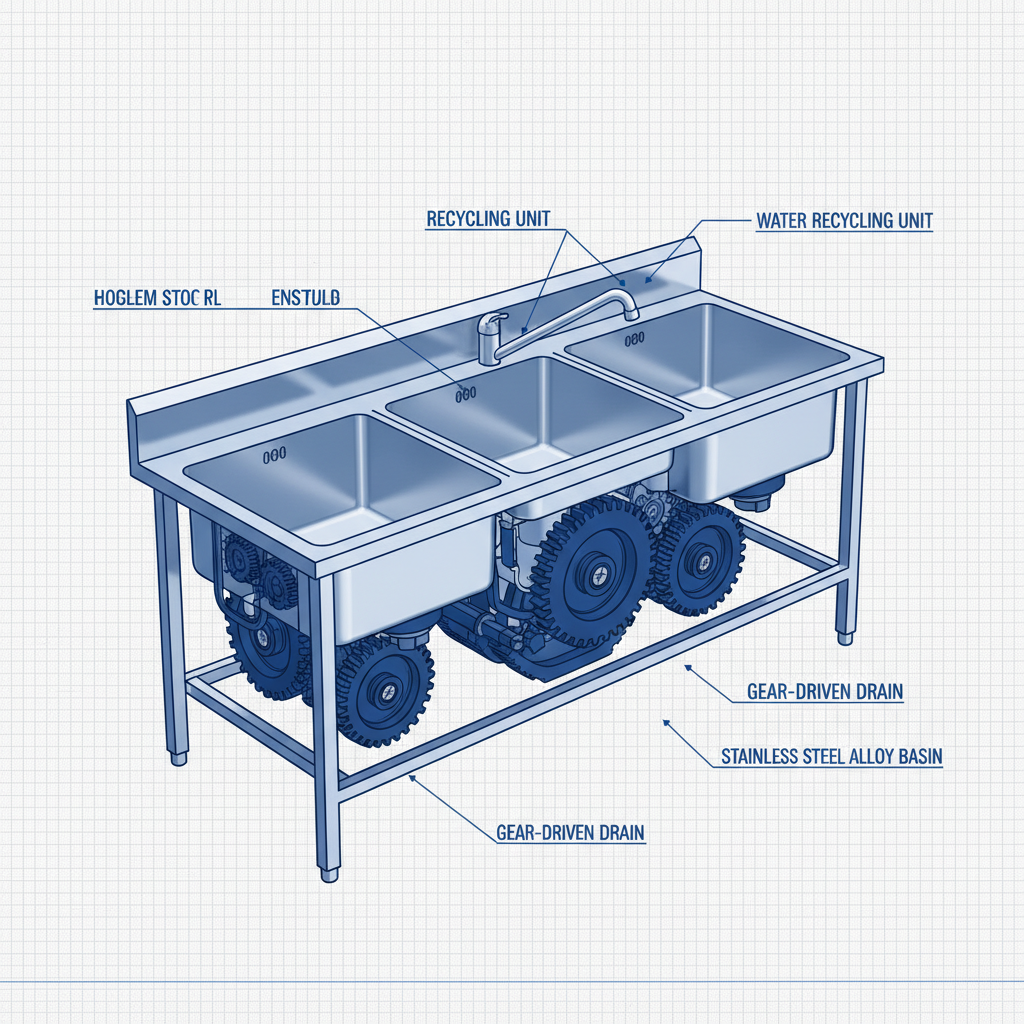
The manufacturing process typically involves several stages: sheet metal cutting, deep drawing (forming the sink shape), welding, polishing, and finishing. Deep drawing is a critical step, requiring precise tooling and expertise to achieve the desired sink geometry. Welding is used to join various components, and the quality of the welds significantly impacts the sink’s durability and resistance to leaks.
Manufacturing Process Quality Assessment
Global Applications and Industries Served
Wholesale stainless steel sinks find widespread applications across a diverse range of industries. In the residential construction sector, they are standard fixtures in kitchens and bathrooms of new homes and renovation projects. The hospitality industry, including hotels and restaurants, relies heavily on stainless steel sinks for their durability and hygienic properties in both guest areas and commercial kitchens.
Healthcare facilities, such as hospitals and clinics, prioritize stainless steel sinks due to their resistance to bacteria and ease of sterilization. Food processing plants utilize stainless steel sinks extensively for washing and preparing food products, adhering to strict sanitation regulations. Even in specialized environments like laboratories and industrial workshops, stainless steel sinks provide a robust and reliable solution for washing and cleaning.
Advantages and Long-Term Value Proposition
Investing in wholesale stainless steel sinks offers a compelling long-term value proposition. Their exceptional durability reduces the need for frequent replacements, resulting in significant cost savings over time. The inherent resistance to corrosion and staining minimizes maintenance requirements, further lowering the total cost of ownership.
Beyond economic benefits, stainless steel sinks contribute to a more sustainable future. Their recyclability aligns with environmentally conscious practices, and their long lifespan reduces waste. The hygienic properties of stainless steel promote a healthier environment, enhancing safety and well-being in homes, businesses, and public spaces. The aesthetic appeal also adds value, improving the overall look and feel of any space.
Future Trends and Innovations in Stainless Steel Sinks
The stainless steel sink market is evolving with several emerging trends. Manufacturers are increasingly incorporating smart technologies, such as touchless faucets and integrated waste disposal systems, to enhance convenience and hygiene. Advancements in surface coatings are providing enhanced resistance to fingerprints and water spots, simplifying cleaning and maintenance.
Sustainable manufacturing practices are gaining prominence, with a focus on reducing energy consumption and minimizing waste. The development of new stainless steel alloys with improved corrosion resistance and formability is also driving innovation. Furthermore, the rise of e-commerce platforms is expanding access to wholesale stainless steel sinks for businesses of all sizes.
Digital transformation is playing a crucial role, with companies leveraging data analytics to optimize production processes and improve supply chain efficiency. Automation is also being implemented in manufacturing facilities to increase output and reduce labor costs, further solidifying the position of stainless steel sinks as a leading choice for modern plumbing fixtures.
FAQS
304 stainless steel is the most common grade, offering excellent corrosion resistance for everyday use. 316 contains molybdenum, providing superior resistance to chloride corrosion, making it ideal for coastal environments or commercial kitchens with frequent salt exposure. While 316 is more expensive, its enhanced durability justifies the cost in specific applications.
The gauge refers to the thickness of the steel. Lower gauge numbers indicate thicker steel. For residential sinks, 18-gauge is a good balance of durability and affordability. For commercial applications or heavy-duty use, 16-gauge or even 14-gauge is recommended for increased resistance to dents and damage. A thicker gauge generally means a more robust and longer-lasting sink.
Common finishes include brushed, polished, and satin. Brushed finishes offer a subtle, textured look that helps hide fingerprints and water spots. Polished finishes provide a high-gloss, modern aesthetic. Satin finishes fall somewhere in between, offering a smooth, understated look. The choice of finish depends on personal preference and the overall design style.
Regular cleaning with mild soap and water is essential. Wipe down the sink after each use to prevent water spots. For stubborn spots, use a stainless steel cleaner specifically designed for sink surfaces. Avoid abrasive cleaners, as they can scratch the finish. Drying the sink with a soft cloth after cleaning will also help prevent water spots.
Undermount sinks are installed below the countertop, creating a seamless and modern look. They are easier to clean, as crumbs and debris can be swept directly into the sink. Top mount sinks are installed on top of the countertop and are generally easier to install. The choice depends on the desired aesthetic and installation complexity.
Look for a supplier with a proven track record of quality and reliability. Check their certifications and ensure they offer a wide range of products to meet your needs. Competitive pricing, efficient shipping, and excellent customer support are also crucial factors to consider. Yashite Sink is dedicated to offering this.
Conclusion
Wholesale stainless steel sinks represent a cornerstone of modern plumbing, offering a compelling combination of durability, hygiene, and aesthetic versatility. Their widespread applications across residential, commercial, and industrial sectors demonstrate their enduring relevance. Understanding the nuances of material grades, manufacturing processes, and emerging trends is crucial for businesses seeking to thrive in this competitive market.
Looking ahead, innovations in smart technology, sustainable manufacturing, and digital transformation will continue to shape the future of stainless steel sinks. Embracing these advancements and prioritizing quality, reliability, and customer satisfaction will be key to long-term success. Explore the wide range of wholesale stainless steel sinks available at Yashite Sink and elevate your projects with superior quality and value.