You know, after running around construction sites all year, breathing in dust and dealing with all sorts of characters, you start to see patterns. Lately, everyone’s talking about prefabrication, right? Modular stuff, quick assembly… It’s all the rage. But honestly, it’s not just slapping things together. It’s the details that’ll get you.
It's easy to think you can just design something fancy on a computer, then send it off to the factory, and everything will be smooth sailing. But have you noticed, most designers have never actually touched the materials? They don’t know what it feels like to wrestle a sheet of aluminum on a windy day, or how a certain type of sealant reacts to humidity.
And that’s where the real problems start.
The Current Landscape of Handmade Sink Manufacturing
To be honest, the demand for truly handmade sinks is…surprisingly resilient. Everyone's chasing efficiency, mass production, robots doing everything. But there’s a niche for things made with a little more soul, a little more care. It's a lot of small workshops, often family-run, competing with the big guys. And strangely, a lot of that demand is coming from the US and Europe. They're tired of everything looking the same.
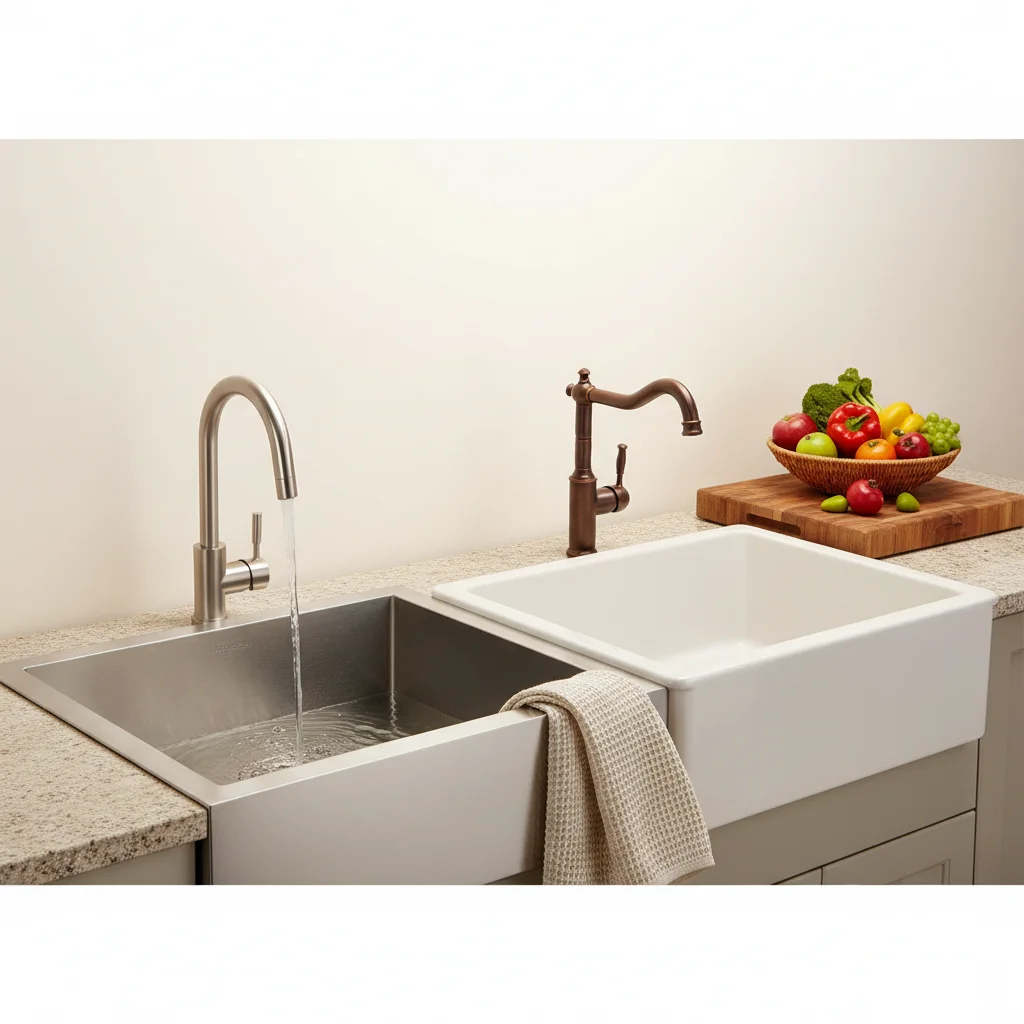
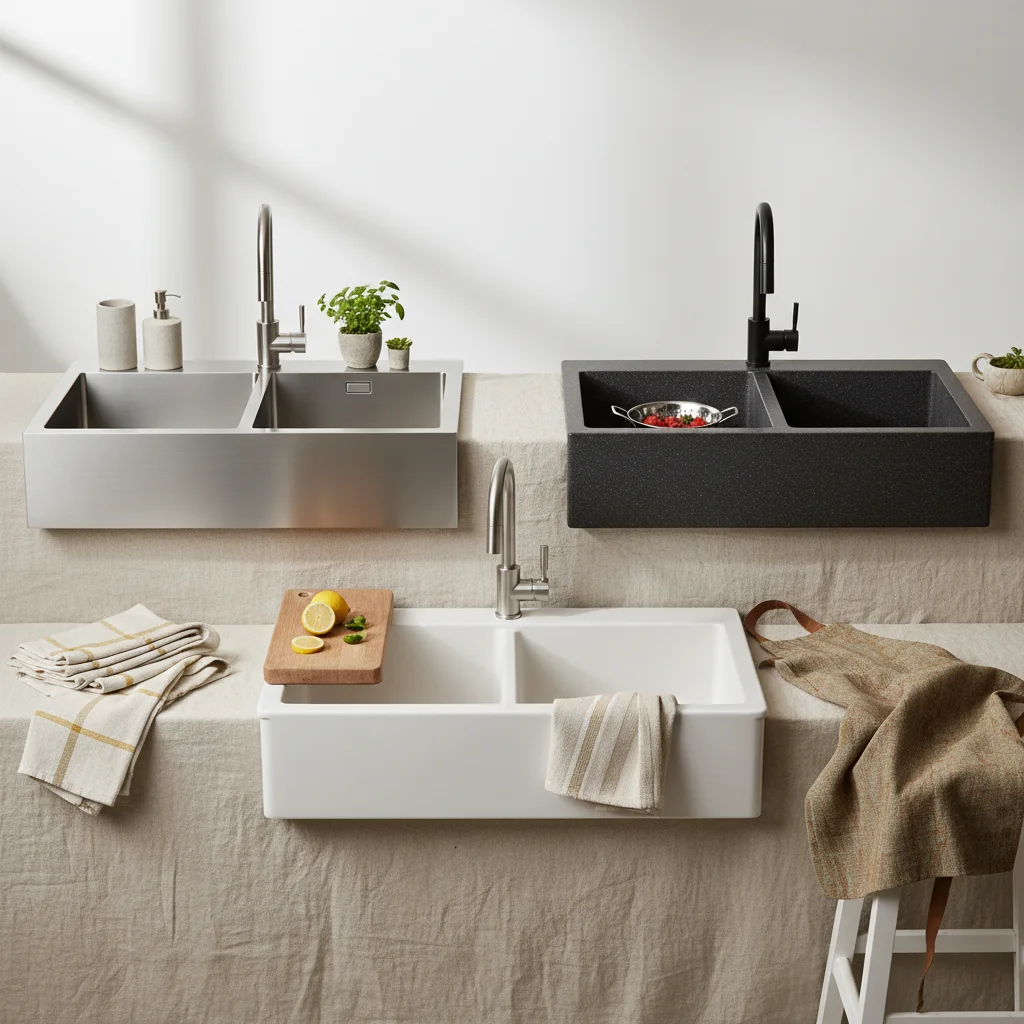
These aren't your grandma's porcelain sinks anymore, though. We're seeing a lot of copper, stainless steel, even fireclay. And people want unique finishes, custom sizes. It's not easy work, but there's definitely a market.
Design Pitfalls and Common Mistakes
I encountered this at a factory in Foshan last time. They were trying to make a seamless copper sink, really ambitious. But the design didn’t account for the thermal expansion of the copper. The thing cracked within a month! See, a lot of designers, they're brilliant with software, but they don't think about the physics of the material.
Another common one? Underestimating the weight. These sinks, especially the fireclay ones, are heavy. You need to make sure the countertop can actually support it. And the drain placement...it always seems to be an afterthought. People forget about the plumbing.
Simple things, really. But they can turn into massive headaches.
Material Selection: A Hands-On Approach
Now, materials. Stainless steel, you’ve got your 304 and your 316. 316 is more corrosion-resistant, especially near saltwater. You can smell the difference, almost a slightly metallic tang to the 316. Copper, you can feel the weight, the warmth. It smells… earthy, almost. And it patinas beautifully. But you gotta treat it right, or it'll go green overnight.
Fireclay, that’s a different beast altogether. It’s heavy, brittle, and unforgiving. But it's got that classic, smooth look. You gotta handle it with care, though. One wrong move, and it’s shattered. The smell is kinda like… burnt clay, obviously. I've seen guys wrap 'em in layers of bubble wrap just to move them a few feet.
The grade of the material matters. You can get cheap stainless steel that'll rust in a year, or high-quality stuff that'll last a lifetime. Anyway, I think it all comes down to knowing your materials, understanding their limitations, and being realistic about what you're trying to achieve.
Rigorous Testing in Real-World Conditions
Forget your lab tests. They’re useful for a baseline, sure, but the real test is how the sink holds up to everyday abuse. We're talking dropping cast iron pans, spilling tomato sauce, accidentally letting bleach sit for too long.
We built a whole testing rig – basically a glorified kitchen sink with a bunch of sensors and cameras – and just beat the heck out of the sinks. We measure impact resistance, stain resistance, corrosion resistance. And we actually use the sinks for a few weeks, cooking, cleaning, living with them. It’s messy, but it’s the only way to truly know what’ll happen.
Handmade Sink Manufacturers Testing Parameters
User Behavior: Beyond the Design Brief
Here’s something designers often miss. People don't use things the way you think they will. I saw a guy use a copper sink as a beer cooler once! Seriously. He just filled it with ice and bottles. It worked, surprisingly.
They pile dishes in there, they drop knives, they leave sponges sitting in the bottom. They’re not gentle. You gotta design for that. You gotta anticipate the chaos.
Advantages, Disadvantages, and Customization
The advantage of handmade is the uniqueness, the quality. You're getting something that’s been touched by human hands. It's not mass-produced perfection, it's… character. But it’s also more expensive. And it takes longer. You’re not gonna get overnight shipping.
The disadvantage? Price. And lead times. And sometimes, inconsistency. Even with the best craftsmen, there will be slight variations. But we can customize just about anything. Last month, that small boss in Shenzhen who makes smart home devices insisted on changing the interface to on all the sinks – said it matched his brand aesthetic. It was a pain, honestly. Extra tooling, extra time. But hey, the customer is always right, right?
Or at least, that's what my boss says.
A Customer Story & Material Performance
So, we had this one customer, a boutique hotel in Napa Valley. They wanted copper sinks, but they were worried about the patina. They wanted them to stay shiny. We spent weeks experimenting with different coatings, different polishes. Finally, we landed on a sealant that worked – but it required regular reapplication.
Turns out, they didn’t want to bother with the maintenance. They wanted that weathered, rustic look after all. They just didn't realize it until they saw the sinks in their space. It was a classic case of getting lost in the details.
The point is, you gotta listen to your customers. But you also gotta guide them, educate them, and manage their expectations.
Material Performance Comparison
| Material Type |
Durability Score (1-10) |
Maintenance Level |
Estimated Lifespan (Years) |
| Stainless Steel 304 |
8 |
Low |
20+ |
| Stainless Steel 316 |
9 |
Low |
25+ |
| Copper |
6 |
Medium |
15-20 |
| Fireclay |
7 |
Medium |
10-15 |
| Cast Iron (Enameled) |
7 |
Medium |
20+ |
| Acrylic Composite |
5 |
Low |
5-10 |
FAQS
Honestly? Consistency. Finding suppliers who can consistently deliver materials that meet our standards is a constant battle. It's not just about the price, it's about the quality, the finish, the tolerances. We've had shipments of stainless steel that were off-gauge, copper that was too brittle, fireclay that cracked during shipping. It requires a lot of vetting and building relationships, and even then, you get surprises.
Commercial kitchens are brutal. We go beyond standard testing. We simulate real-world scenarios – dropping heavy pots, prolonged exposure to harsh chemicals, constant scrubbing. We also work closely with restaurant owners and chefs to get their feedback. The stainless steel has to be thick gauge, the drains have to be robust, and the finish has to be durable enough to withstand constant cleaning.
Lead times vary, but generally, expect at least 8-12 weeks for a fully customized sink. It depends on the complexity of the design, the material, and the current workload at the workshop. We need time for design approvals, material sourcing, fabrication, finishing, and quality control. Rushing the process usually leads to mistakes, and nobody wants that.
Not necessarily. A well-made handmade sink shouldn’t be more prone to leaks than a mass-produced one. The key is skilled craftsmanship and meticulous attention to detail during assembly and sealing. We do pressure testing on every sink before it leaves the workshop to ensure there are no leaks. The issue is if the plumbing installation isn't done correctly, that's where you'll find leaks.
Copper needs a little love. Avoid abrasive cleaners – they'll scratch the surface. Use a mild soap and warm water. You can use a copper polish to maintain the shine, but don't overdo it. And embrace the patina! That's what gives copper its character. Regularly wiping it down with a soft cloth will help prevent excessive tarnishing.
Expect to pay significantly more for a handmade sink. A basic stainless steel sink might cost a few hundred dollars, whereas a handmade copper or fireclay sink can easily run into the thousands. You're paying for the craftsmanship, the unique design, and the higher-quality materials. It's an investment, but one that can add value and character to your kitchen or bathroom.
Conclusion
So, after all that dust and sweat and dealing with stubborn factory owners, what’s the takeaway? Handmade sinks aren’t just about aesthetics. They’re about quality, craftsmanship, and a connection to something real in a world of mass production. They’re not for everyone, but for those who appreciate the finer things, they’re worth the investment.
Ultimately, whether this thing works or not, the worker will know the moment he tightens the screw. And if he’s tightening that screw on a sink we’ve made, well, we’ve done our job. Check out our full range of handmade sinks at yashitesink.com.