You know, I’ve been running around construction sites all year, smelling cement and dust, and honestly, the biggest thing I’m seeing right now is everyone wanting “smart” everything. Smart sinks, smart faucets…it’s a bit much, but the demand is there. People want convenience, and they're willing to pay for it. But, believe me, getting “smart” to actually work on a job site is a whole different ball game. It’s not like testing in a lab with perfect conditions. It’s mud, it’s vibrations, it’s guys dropping tools…
What gets me is how many designers overlook the simple stuff. Like, they’ll spend weeks perfecting the internal electronics for a touchless faucet, but then use a cheap plastic housing that cracks the first time someone leans on it. Have you noticed that? It’s always the little things. And another thing, the drain! People treat it like an afterthought. A blocked drain can ruin a whole kitchen, no matter how fancy the faucet.
We’re mostly working with 304 stainless steel these days – it’s the standard, good balance of cost and durability. It smells…well, like steel. A bit metallic, but you get used to it. We also use some composites, especially for undermount sinks. They’re lighter, which makes installation easier, but they don't have that solid, reassuring feel of steel. Handling it on site, you can tell the difference immediately. The composites need to be treated carefully - a dropped corner, and you’re looking at a replacement.
Industry Trends & Design Pitfalls
The trend right now is definitely towards integrated systems. Sinks with built-in cutting boards, drying racks, even soap dispensers. Sounds good on paper, but it adds a lot of complexity. Strangel,y, I encountered this at a factory in Foshan last time; they had a sink with a built-in food waste disposer, and it clogged after one use. One! The disposal was too small for the sink opening. It's a common issue – engineers focusing on the cool factor without thinking about practical usage.
Another trap? Overly complex plumbing connections. Make it simple! A plumber doesn’t want to spend an hour figuring out how to connect a sink. They just want it to work. And believe me, if it doesn't work, you're the one getting the call.
Material Selection & Handling
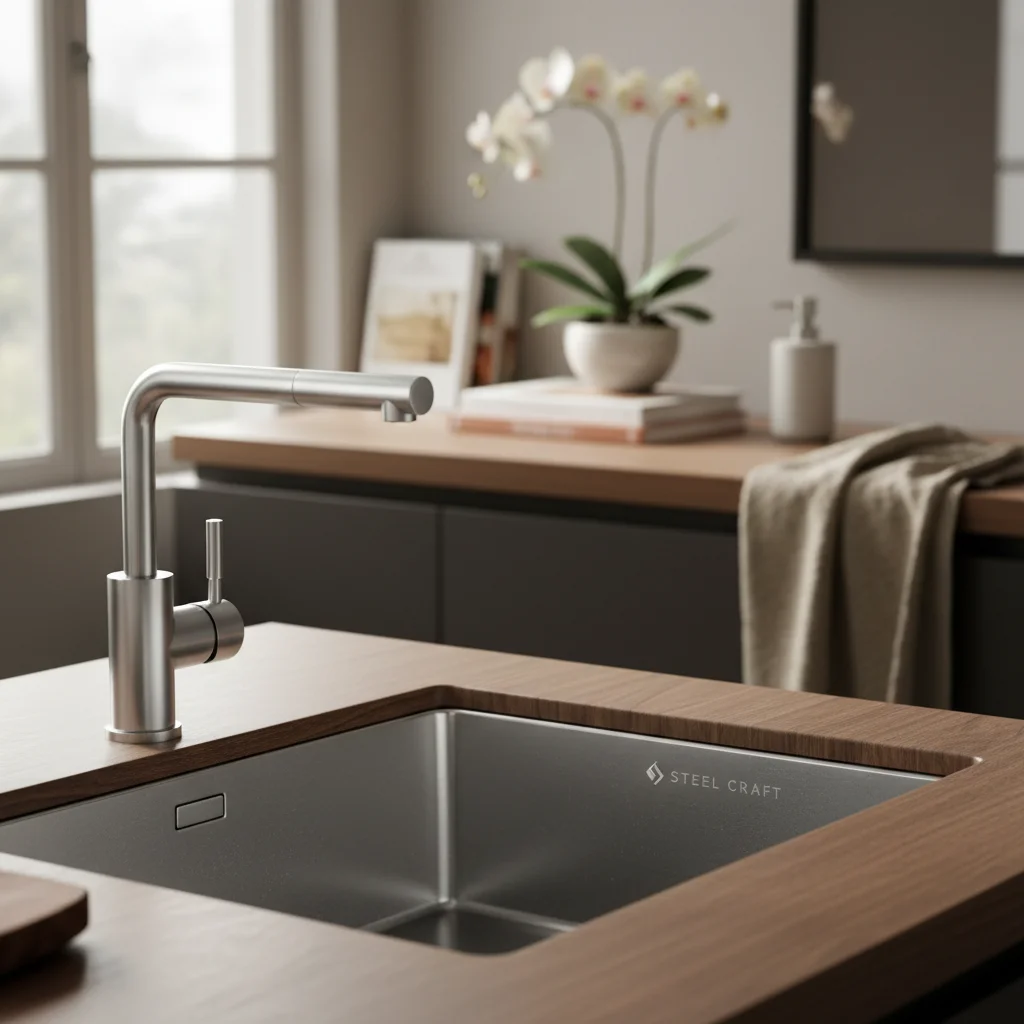
Stainless steel is king, hands down. It’s tough, it’s hygienic, and it looks good. But even within stainless steel, there are grades. We use 304 mostly, sometimes 316 for coastal areas where you get more salt corrosion. It’s more expensive, but it lasts. I’ve seen sinks made with cheap steel rust through in a year. It’s a nightmare.
For composites, granite composites are popular. They’re relatively durable, but they're prone to chipping if you’re not careful. Handling them on site is a pain. You need to protect the edges, and you can’t just toss them around like you can with steel.
And let's talk about copper. Beautiful, yes. But high maintenance. Requires regular polishing to prevent tarnishing, and it's soft. You scratch it just by looking at it wrong. It's a luxury item, definitely not for a busy family kitchen.
Real-World Testing & Usage
Lab tests are fine, but they don’t tell the whole story. We do our own testing – drop tests (yes, we drop sinks!), scratch tests, and what we call “abuse tests.” Basically, we let the guys on the construction site use them for a week. That’s when you really find out what’s what.
I learned a long time ago that users don't use things the way you think they will. For example, we designed a sink with a built-in knife block, thinking people would love it. Turns out, most people just use magnetic knife strips on the wall. They said the knife block took up too much space. Go figure.
Another thing: people wash everything in the kitchen sink. Pots, pans, boots, even the dog! You have to design for that. It's not just about washing dishes.
Advantages, Disadvantages & Customization
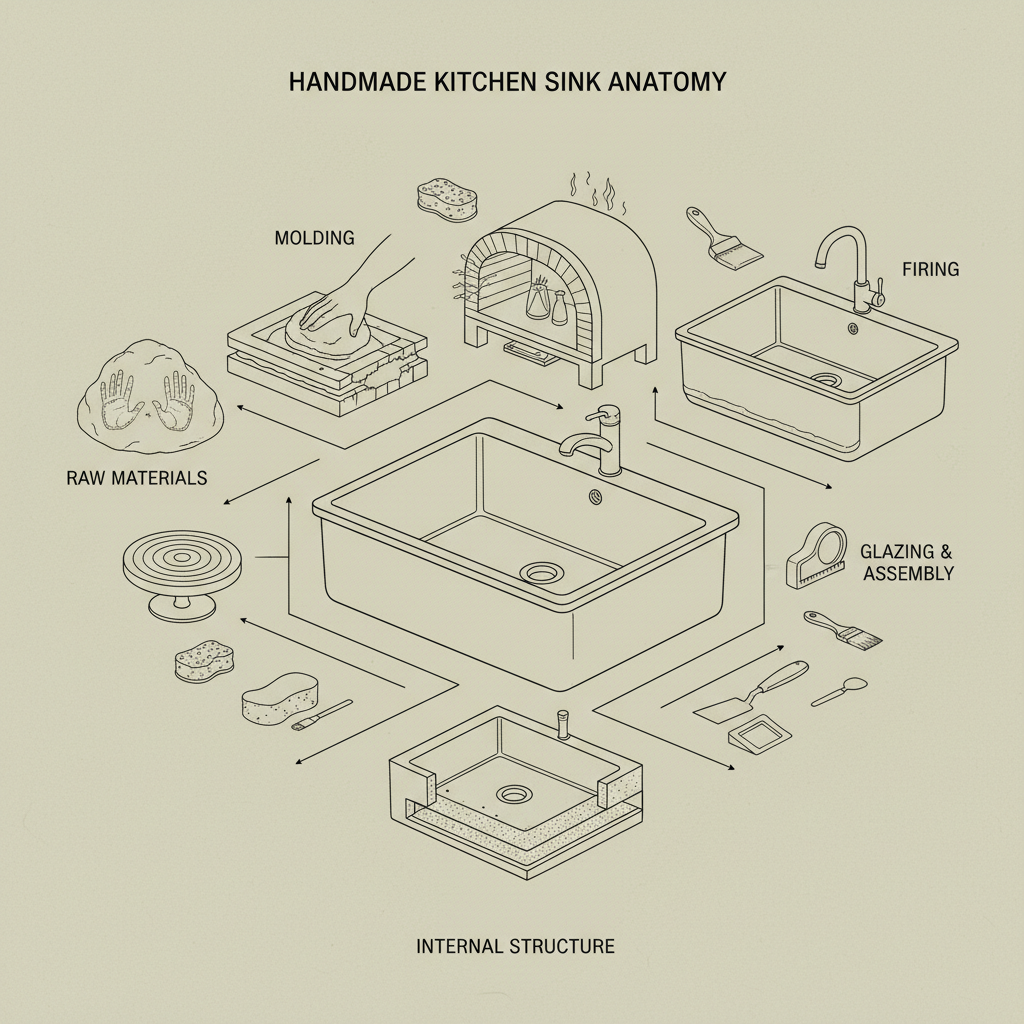
The biggest advantage of handmade sinks – and why people are willing to pay more – is the quality. You get thicker gauge steel, better welds, and more attention to detail. It’s simply a better-built product. But they are more expensive, and the lead time can be longer.
Disadvantages? Well, you’re relying on skilled labor. If your welders aren’t good, it shows. And customization can be tricky. We can do custom sizes, shapes, and finishes, but it adds to the cost and complexity. For instance, last month a customer in Shenzhen, a small smart home device manufacturer, insisted on using a port for the drain control, because, and I quote, “it’s more futuristic.” It looked cool, but the port kept getting clogged with gunk. They ended up switching back to a standard drain.
handmade kitchen sink manufacturers Performance Comparison
Customer Stories & Practical Insights
You know, last year I was working with a restaurant owner in Brooklyn. He wanted a huge, custom stainless steel sink for his dishwashing area. He specifically wanted a very deep basin so he could submerge large pots. The challenge was getting it delivered to his basement – it was a tight squeeze. We ended up having to remove a window just to get it in! It was a headache, but he was thrilled with the result.
That's the thing with custom work – it’s rarely straightforward. But when it's done right, the customer is incredibly happy. They appreciate the extra effort.
Durability & Performance Metrics
We don't rely on fancy numbers. We look at real-world performance. How long does the sink last before it shows signs of wear and tear? How well does it resist stains and scratches? How does the finish hold up over time? These are the questions that matter.
We also pay attention to the welds. A bad weld is a weak point. We use TIG welding, which is more expensive than MIG welding, but it produces a much stronger and more durable weld.
And the gauge of the steel matters. 16-gauge steel is the sweet spot – thick enough to be durable, but not so thick that it's unnecessarily heavy and expensive.
Key Performance Indicators for Handmade Kitchen Sinks
| Material |
Gauge (Thickness) |
Weld Quality |
Scratch Resistance (1-10) |
| 304 Stainless Steel |
16-Gauge |
TIG Welding |
8 |
| 316 Stainless Steel |
16-Gauge |
TIG Welding |
8 |
| Granite Composite |
Variable |
Adhesive Bonding |
6 |
| Copper |
14-Gauge |
Soldering |
3 |
| Fireclay |
Variable |
Glazing |
7 |
| Cast Iron |
Variable |
Enamel Coating |
5 |
FAQs
Lead times vary depending on the complexity of the design and our current workload, but generally, you can expect 4-6 weeks for a custom sink. This includes design, fabrication, and finishing. Sometimes, sourcing specific materials can add to this timeframe. It's always best to check with us directly for a precise estimate, especially for complex projects. I tell folks to plan ahead - don't wait until the kitchen is half-installed to order the sink!
Handmade sinks are definitely more expensive upfront. You're paying for the skilled labor, the higher-quality materials, and the attention to detail. However, they often last much longer than mass-produced sinks, meaning you won't have to replace them as often. Over the long run, they can actually be more cost-effective. To be honest, you get what you pay for. A cheap sink will look cheap and won’t hold up.
We offer a variety of finishes, including brushed, polished, and satin. Brushed is the most popular – it hides fingerprints and scratches well. Polished is very shiny but requires more maintenance. Satin is somewhere in between. We can also do custom finishes, like a dark bronze or oil-rubbed bronze, but those are more expensive and take longer. It's all about the look you're going for, really.
Absolutely! Custom drain placement is something we do frequently. It’s important to consider your plumbing setup when designing your kitchen. We need detailed measurements and a clear understanding of your requirements to ensure the drain is positioned correctly. We've had customers request drains offset to accommodate specific garbage disposals or plumbing configurations. Don't be afraid to ask!
Simple is best. Warm water and mild dish soap are usually all you need. Avoid abrasive cleaners like steel wool or scouring pads, as they can scratch the surface. For stubborn stains, a stainless steel cleaner specifically designed for kitchen sinks can be used, but always follow the manufacturer's instructions. I've seen too many beautiful sinks ruined by harsh chemicals.
We offer a limited lifetime warranty on all our handmade sinks. This covers defects in materials and workmanship. It doesn't cover damage caused by misuse, abuse, or improper installation. But we stand behind our work and will do our best to resolve any issues that arise. We've been in this business for a long time and take pride in our reputation.
Conclusion
So, what does it all boil down to? Handmade kitchen sinks are about quality, durability, and customization. They’re not the cheapest option, but they offer a level of craftsmanship and attention to detail that you just don’t get with mass-produced sinks. They are an investment, but one that will pay off in the long run, both in terms of longevity and aesthetic appeal.
Ultimately, whether this thing works or not, the worker will know the moment he tightens the screw. You can talk specs and materials all day, but it comes down to how it feels in the field, how it holds up to real-world use. And that’s what we focus on – building sinks that last, sinks that people are proud to have in their kitchens. Visit our website: www.yashitesink.com