Stainless steel kitchen sink manufacturers play a pivotal role in modern infrastructure and daily life, extending far beyond simply providing a place to wash dishes. The global market for these sinks is substantial, driven by increasing urbanization, rising disposable incomes, and a growing emphasis on hygiene and modern kitchen design. Understanding the intricacies of these manufacturers – their materials, processes, and quality control – is crucial for architects, builders, homeowners, and distributors alike. This knowledge ensures selection of durable, hygienic, and aesthetically pleasing products.
The stainless steel kitchen sink manufacturing industry is a complex network spanning raw material sourcing, fabrication, finishing, and distribution. It's a highly competitive landscape, with manufacturers constantly innovating to meet evolving consumer demands for features like soundproofing, deeper basins, and integrated accessories. The industry's growth is also tied to advancements in stainless steel production techniques and a globalized supply chain.
Choosing the right stainless steel kitchen sink manufacturer isn’t merely about price; it’s about investing in longevity, reliability, and ultimately, the functionality of a kitchen space. Reputable manufacturers prioritize quality materials, stringent quality control, and sustainable practices, providing consumers with confidence and peace of mind. stainless steel kitchen sink manufacturers are pivotal in this process.
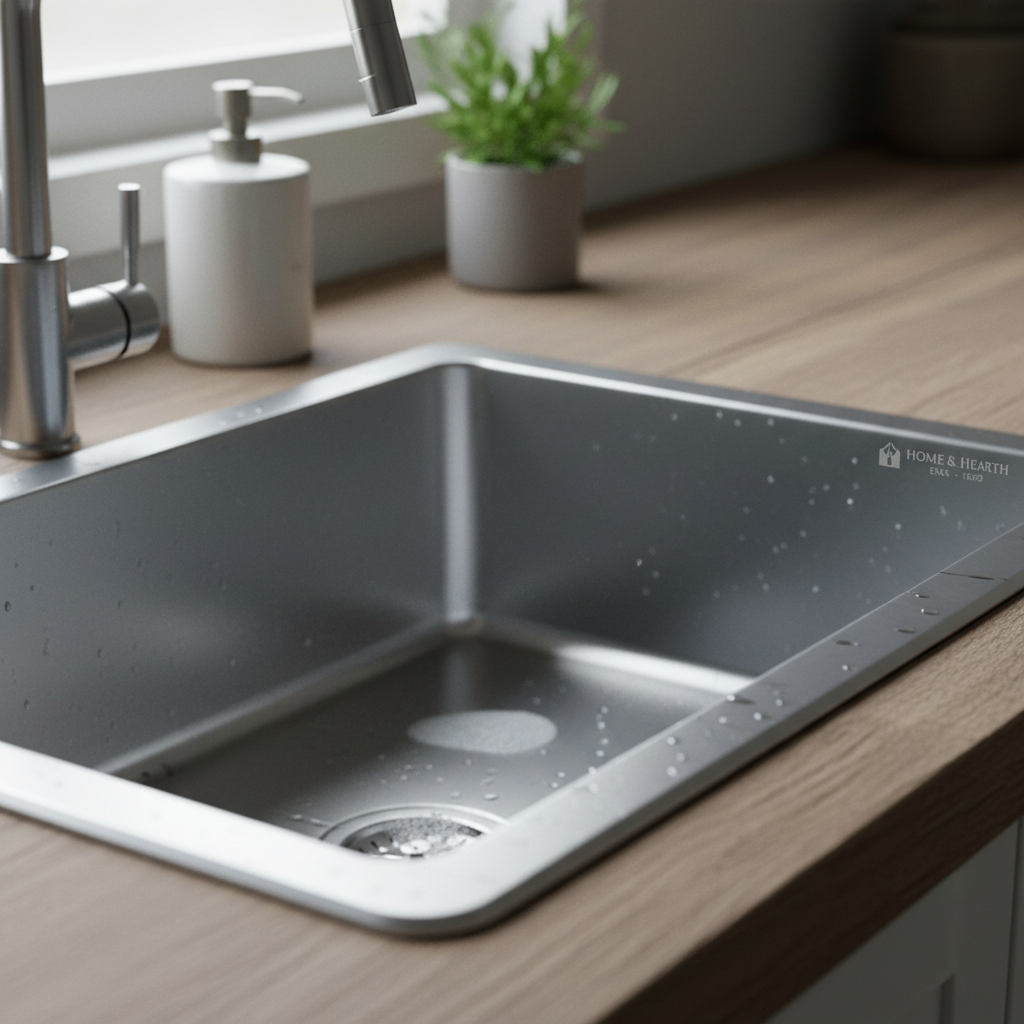
The Significance of Stainless Steel Kitchen Sink Manufacturers
The importance of selecting a reputable stainless steel kitchen sink manufacturer cannot be overstated. These manufacturers are responsible for producing a product that is not only aesthetically pleasing but also highly durable, hygienic, and resistant to corrosion. This impacts everything from daily kitchen routines to the long-term value of a home.
Furthermore, the practices of these manufacturers influence the sustainability of the industry. Companies that prioritize responsible sourcing of materials, efficient manufacturing processes, and waste reduction contribute to a more environmentally friendly supply chain, ultimately benefitting both consumers and the planet. stainless steel kitchen sink manufacturers are instrumental in driving these improvements.
Defining Stainless Steel Kitchen Sink Manufacturers
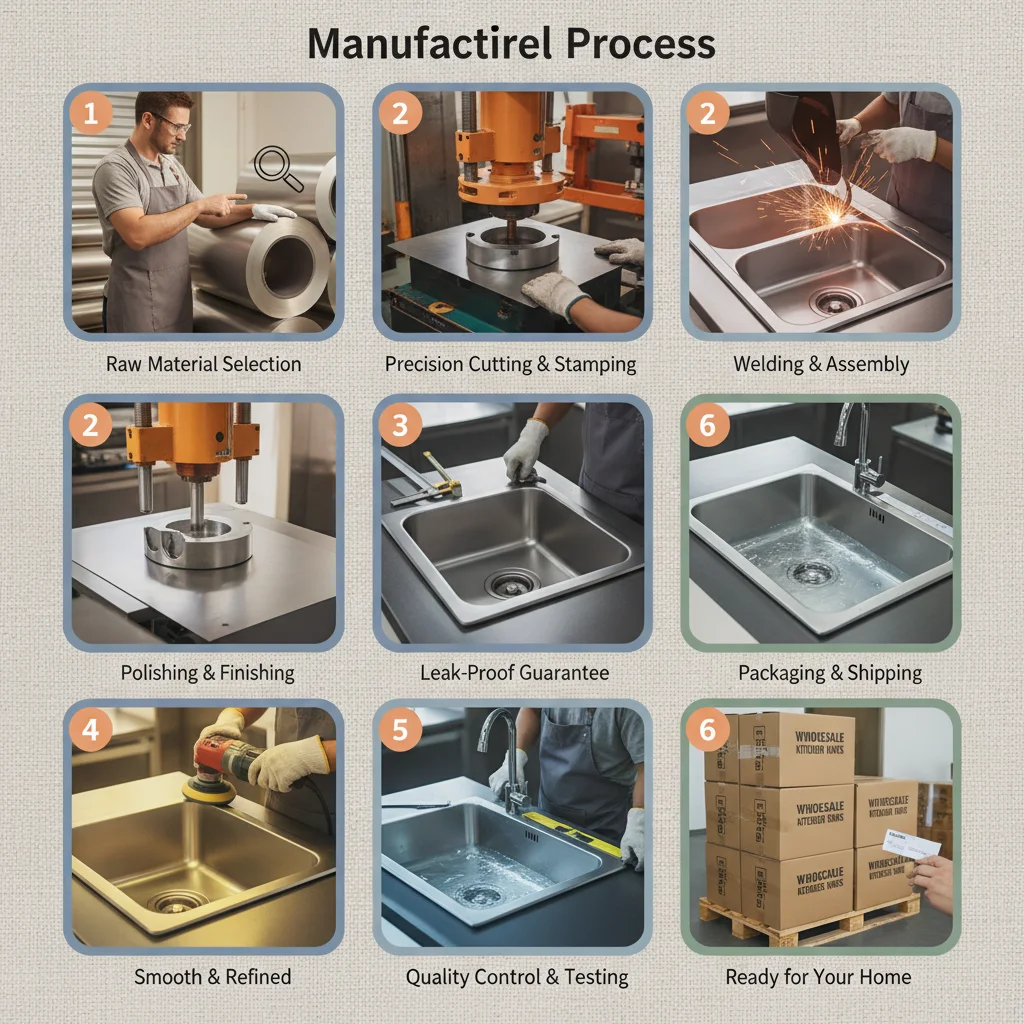
Stainless steel kitchen sink manufacturers are companies specializing in the fabrication of sinks primarily from various grades of stainless steel alloys. They oversee the entire production process, from sourcing raw materials like stainless steel sheets and rods to cutting, forming, welding, polishing, and finishing the final product.
These manufacturers range in size from small, specialized workshops to large-scale industrial facilities. The complexity of their operations can vary significantly, depending on the types of sinks they produce (e.g., single-bowl, double-bowl, farmhouse, undermount) and the level of customization they offer.
In essence, they translate raw materials into essential kitchen components, playing a crucial role in the broader plumbing and home improvement industries. A commitment to quality and innovation distinguishes top stainless steel kitchen sink manufacturers in a competitive market.
Core Characteristics of Leading Manufacturers
Leading stainless steel kitchen sink manufacturers consistently demonstrate a commitment to several key characteristics. These include meticulous quality control throughout the entire manufacturing process, ensuring that sinks meet or exceed industry standards for durability, corrosion resistance, and hygiene.
Another crucial trait is a dedication to innovation. This manifests in the development of new finishes, improved sound dampening technologies, and designs that cater to evolving consumer preferences. Proactive companies also invest in research and development to explore new materials and manufacturing techniques.
Finally, successful manufacturers prioritize customer satisfaction. This involves providing excellent customer service, offering competitive pricing, and maintaining a reliable supply chain. They understand that building long-term relationships with distributors and end-users is essential for sustained growth.
Key Factors Influencing Manufacturing Processes
Several core factors directly impact the manufacturing processes employed by stainless steel kitchen sink manufacturers. The grade of stainless steel selected – typically 304 or 316 – significantly influences corrosion resistance and durability. Thicker gauges of steel result in heavier, more robust sinks.
The forming method also plays a critical role. Techniques like deep drawing, pressing, and hand-hammering each produce sinks with unique characteristics and aesthetics. Welding quality is paramount, ensuring strong, leak-proof seams. stainless steel kitchen sink manufacturers utilize varied techniques.
Comparison of Stainless Steel Kitchen Sink Manufacturing Methods
Global Reach and Industry Applications
The market for stainless steel kitchen sinks manufactured globally is vast and diverse. Major producing regions include China, Italy, Germany, and the United States, each with its own strengths and specialties. The demand is driven by residential construction, kitchen renovations, and commercial applications.
These sinks find use in a wide range of settings, from high-end residential kitchens to restaurants, hotels, and institutional facilities. The healthcare sector also relies heavily on stainless steel sinks for their hygienic properties. Increasingly, stainless steel kitchen sink manufacturers are exporting to emerging markets with rapidly growing economies.
Advantages of Partnering with Established Manufacturers
Choosing an established stainless steel kitchen sink manufacturer provides numerous advantages. These companies typically have robust quality control systems in place, ensuring consistent product quality and minimizing defects. Their economies of scale allow them to offer competitive pricing.
Furthermore, established manufacturers often have extensive distribution networks, enabling them to deliver products efficiently and reliably. They also provide better customer support and warranty services. This ultimately translates into greater peace of mind for both distributors and end-users.
Investing in quality from a reputable stainless steel kitchen sink manufacturers proves a valuable long-term asset.
Future Trends in Stainless Steel Kitchen Sink Manufacturing
The stainless steel kitchen sink manufacturing industry is evolving rapidly, driven by advancements in technology and changing consumer preferences. One key trend is the increasing adoption of automation and robotics to improve efficiency and reduce costs.
Another trend is the development of more sustainable manufacturing practices, including the use of recycled stainless steel and water conservation measures. Design innovations, such as integrated features like cutting boards and drying racks, are also gaining popularity.
Finally, the integration of smart technologies, such as touchless faucets and integrated waste disposal systems, is poised to revolutionize the kitchen sink experience, with leading stainless steel kitchen sink manufacturers at the forefront of these developments.
Summary of Future Trends in Stainless Steel Kitchen Sink Manufacturing
| Trend Category |
Description |
Impact on Manufacturers |
Adoption Rate (1-10) |
| Automation & Robotics |
Increased use of robots for welding, polishing, and assembly. |
Reduced labor costs, improved precision, and increased production capacity. |
7 |
| Sustainable Materials |
Greater use of recycled stainless steel and eco-friendly finishes. |
Enhanced brand reputation and reduced environmental impact. |
6 |
| Integrated Features |
Sinks with built-in cutting boards, drying racks, and waste disposal systems. |
Increased functionality and convenience for consumers. |
8 |
| Smart Technology |
Touchless faucets, voice-activated controls, and integrated sensors. |
Enhanced hygiene, water conservation, and user experience. |
5 |
| Advanced Finishes |
Development of scratch-resistant, fingerprint-proof, and antimicrobial finishes. |
Improved durability, aesthetics, and hygiene. |
9 |
| Customization Options |
Offering a wider range of sink sizes, shapes, and configurations to meet specific customer needs. |
Increased customer satisfaction and market differentiation. |
7 |
FAQS
Several factors contribute to sink quality. Stainless steel grade (304 is common, 316 is higher quality), gauge (thickness of the steel - lower numbers mean thicker steel), welding quality, and the finish applied all play a role. Reputable stainless steel kitchen sink manufacturers prioritize these elements, ensuring durability and corrosion resistance. Sound dampening, basin depth, and drain placement also impact usability.
304 stainless steel is the most common grade, offering excellent corrosion resistance and affordability. 316 stainless steel contains molybdenum, making it even more resistant to corrosion, particularly from chlorides like salt water. While more expensive, 316 is ideal for coastal environments or areas with hard water. Manufacturers often specify the grade, allowing informed selection based on usage conditions.
The gauge of a stainless steel sink refers to its thickness. Lower gauge numbers indicate thicker steel, leading to greater durability, sound dampening, and resistance to dents. 16-gauge sinks are considered premium, while 18-gauge are standard. Avoid sinks with gauges higher than 20, as they may be prone to flexing and noise.
A well-welded sink will have smooth, consistent welds with no visible gaps or porosity. The welds should be evenly blended with the surrounding steel, and there shouldn't be any rough edges. Reputable stainless steel kitchen sink manufacturers employ skilled welders and rigorous quality control measures to ensure strong, leak-proof seams.
Undermount sinks are installed beneath the countertop, creating a seamless and modern look. They simplify cleaning as crumbs and debris can be easily swept directly into the sink. They also maximize counter space. However, they typically require a solid surface countertop material like granite or quartz for proper installation.
Stainless steel can be noisy, so sound dampening is crucial. Look for sinks with a thick rubber undercoating applied to the underside, or sinks constructed with a heavier gauge steel. Some manufacturers also use specialized coatings or designs to absorb vibrations and minimize noise during use.
Conclusion
In conclusion, the selection of a stainless steel kitchen sink, and critically, the manufacturer behind it, represents a significant investment in both functionality and longevity. Understanding the key factors – material grade, gauge, welding quality, and innovative features – empowers consumers and professionals alike to make informed decisions. Reputable stainless steel kitchen sink manufacturers prioritize quality, sustainability, and customer satisfaction.
Looking forward, the industry will continue to evolve with advancements in automation, materials science, and smart technology. By staying abreast of these trends and partnering with forward-thinking manufacturers, we can ensure that kitchens remain at the heart of the home, equipped with durable, hygienic, and aesthetically pleasing sinks that meet the demands of modern life.