The kitchen sink price is a crucial factor for both homeowners and businesses seeking to upgrade or outfit their kitchens. Understanding the variables that influence this price – from material and manufacturing techniques to brand reputation and design complexity – is paramount for making informed decisions. Globally, the demand for quality kitchen sinks remains consistently high, driven by increasing homeownership, renovation trends, and a growing emphasis on functional and aesthetically pleasing kitchen spaces. The ability to secure a favorable kitchen sink price directly impacts project budgets and overall customer satisfaction.
In the manufacturing sector, particularly within the stainless steel kitchen sink industry, effective cost management and value engineering are key to maintaining competitiveness. Fluctuations in raw material costs (stainless steel being primary), labor expenses, and shipping rates all contribute to changes in kitchen sink price. Businesses must navigate these challenges while ensuring product quality and durability. Consumers, in turn, are increasingly discerning, seeking a balance between price, performance, and longevity.
Ultimately, understanding the dynamics of kitchen sink price empowers both buyers and sellers. For consumers, it allows for smarter purchasing; for manufacturers, it necessitates strategic planning and efficient operations.

The Global Significance of Kitchen Sink Price
The kitchen sink price isn’t merely a local market concern; it's a globally influenced metric. Data from the United Nations indicates a consistent rise in urban populations, driving increased demand for housing and, consequently, kitchen fixtures. As ISO standards for stainless steel manufacturing become more stringent, production costs – and thus the kitchen sink price – are directly impacted. Supply chain disruptions, as witnessed during recent global events, have highlighted the fragility of pricing stability.
The challenge lies in balancing affordability with quality. Developing nations often require cost-effective solutions, while developed nations prioritize durability and design. This duality creates a complex pricing landscape that manufacturers must navigate. The kitchen sink price, therefore, reflects not only production costs but also geopolitical factors, economic trends, and consumer preferences across diverse markets.
Defining Kitchen Sink Price: A Comprehensive View
At its core, kitchen sink price represents the total cost associated with acquiring a kitchen sink, encompassing the manufacturer’s base cost, distribution expenses, retail markup, and any applicable taxes or fees. It’s a dynamic figure, susceptible to fluctuations based on the factors previously mentioned. However, understanding this price extends beyond a simple monetary value. It includes the lifetime cost of ownership, factoring in maintenance, repairs, and potential replacement.
In the modern industry, 'price' often represents a value proposition. A lower initial kitchen sink price might be offset by lower durability, requiring frequent replacements. Conversely, a higher price can signify superior materials, construction, and longevity, offering better long-term value. This aligns with a growing global awareness of sustainability and the reduction of waste.
The concept of kitchen sink price is intertwined with humanitarian needs in disaster relief efforts. Rapidly deployable, affordable, and hygienic kitchen solutions, including sinks, are essential for providing safe sanitation and cooking facilities in emergency situations. The cost-effectiveness of these solutions is often paramount.
Core Factors Influencing Kitchen Sink Price
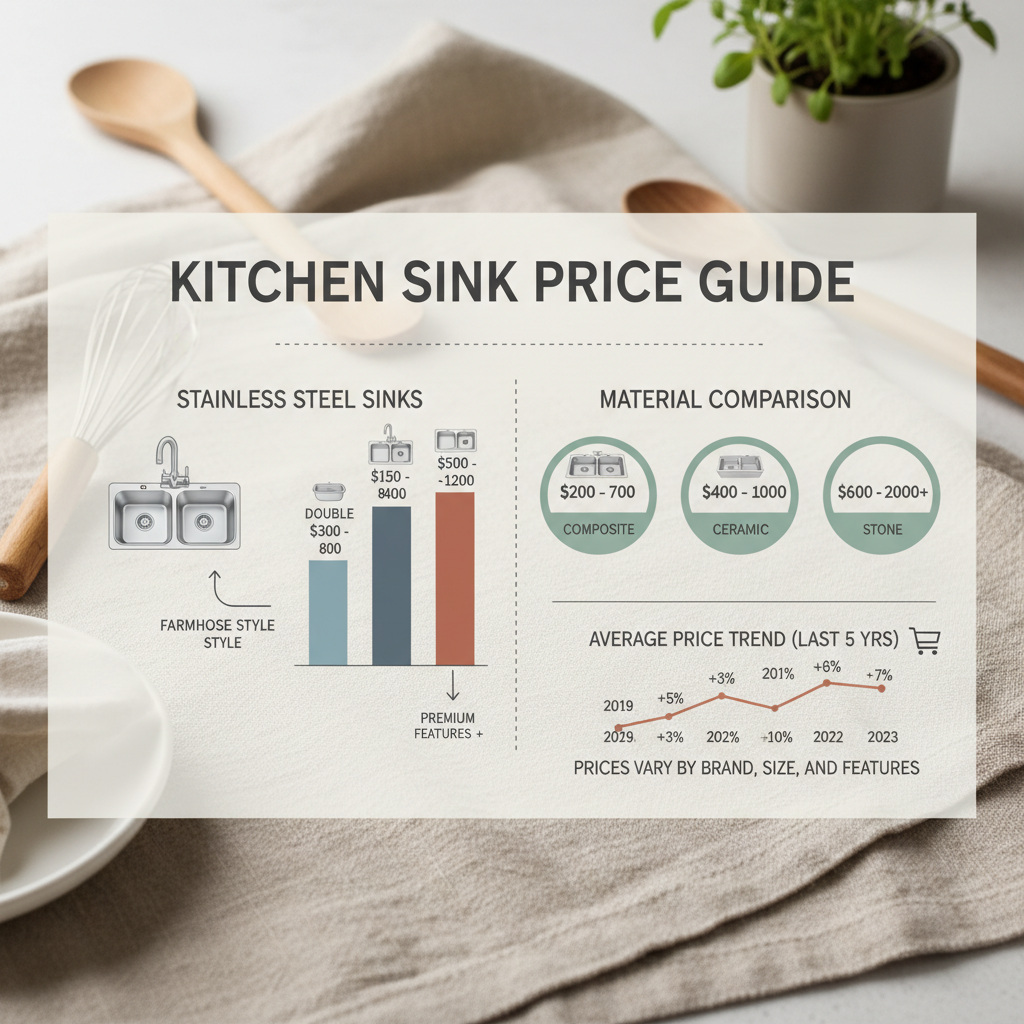
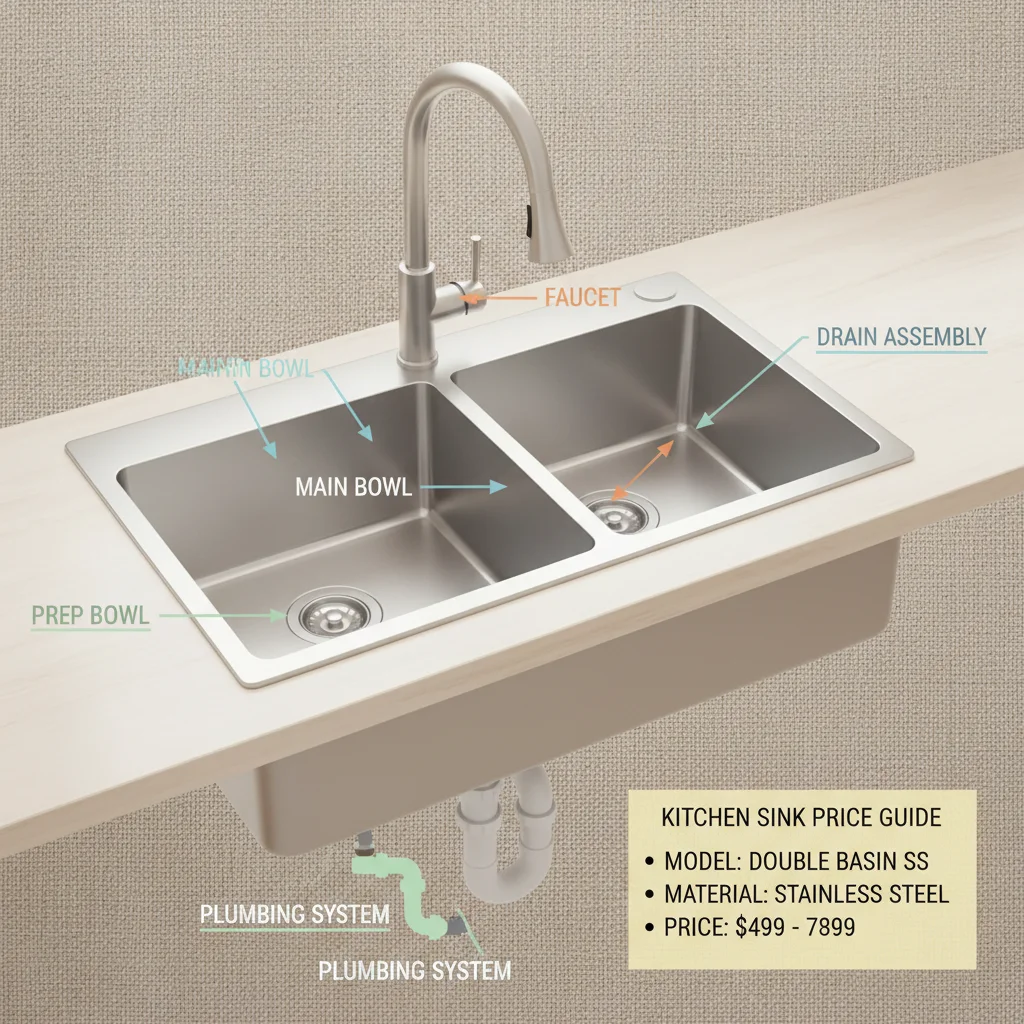
Several key factors converge to determine the final kitchen sink price. Material Quality is paramount – stainless steel grade (304, 316), thickness, and finish significantly impact cost. Higher-grade stainless steel is more corrosion-resistant and durable, but also more expensive. The use of composite materials, like granite or quartz, also influences the price.
Manufacturing Processes play a crucial role. Handcrafted sinks, utilizing skilled labor and intricate designs, command a higher kitchen sink price than mass-produced, stamped sinks. The complexity of the design, including features like soundproofing and overflow mechanisms, also adds to the cost. Innovative manufacturing techniques, like robotic welding, can potentially reduce production costs.
Brand Reputation and Design Complexity are also significant contributors. Established brands with a proven track record of quality often charge a premium. Unique or custom designs, particularly those incorporating advanced features or aesthetic elements, will invariably increase the kitchen sink price. Finally, Market Demand and Geographical Location influence prices based on local economic conditions and consumer preferences.
Applications of Kitchen Sink Price Analysis
Kitchen sink price analysis isn’t limited to direct purchasing decisions. It’s a vital tool for architects and interior designers planning kitchen renovations or new constructions. Accurate cost estimation allows for effective budgeting and project management. For property developers, understanding kitchen sink price trends helps in determining the overall value and marketability of their properties.
In retail, analyzing kitchen sink price data is critical for competitive pricing strategies. Retailers must carefully consider their target market, inventory costs, and competitor pricing to optimize profit margins. This analysis also extends to online marketplaces, where transparency and price comparison are readily available.
Comparative Kitchen Sink Price Based on Manufacturing Method
The Advantages of Understanding Kitchen Sink Price
A thorough understanding of kitchen sink price benefits both consumers and businesses. For consumers, it enables informed purchasing decisions, preventing overspending and ensuring value for money. It fosters a more discerning approach to selecting sinks based on quality, features, and long-term cost of ownership.
For businesses, a clear grasp of kitchen sink price dynamics drives competitive advantage. It facilitates effective cost management, optimized pricing strategies, and improved profitability. Moreover, it encourages innovation and the development of products that offer superior value to customers.
Future Trends in Kitchen Sink Price
The future of kitchen sink price will be shaped by several emerging trends. Advancements in materials science, such as the development of new alloys and composite materials, will likely introduce both higher-priced and more affordable options. The rise of smart kitchen technology, incorporating features like touchless operation and integrated water filtration, will also impact pricing.
Sustainability is another key driver. Consumers are increasingly seeking eco-friendly products, and manufacturers are responding by adopting sustainable manufacturing practices and using recycled materials. This may lead to a slight increase in kitchen sink price in the short term, but the long-term benefits for the environment are significant.
Digital transformation will also play a role, enabling more transparent pricing and direct-to-consumer sales channels, potentially reducing intermediary costs and offering competitive kitchen sink prices.
Challenges and Solutions in Kitchen Sink Price Management
Managing kitchen sink price isn’t without its challenges. Fluctuating raw material costs, particularly stainless steel, pose a constant threat to profitability. Supply chain disruptions, as experienced globally, can lead to delays and increased expenses. Intense competition from low-cost manufacturers also puts pressure on prices.
Solutions involve strategic sourcing of materials, diversification of suppliers, and investment in efficient manufacturing processes. Implementing robust inventory management systems and leveraging data analytics to forecast demand can help mitigate risks. Collaboration with logistics providers to optimize transportation costs is also crucial.
Furthermore, focusing on product differentiation through innovative design, superior quality, and enhanced features can justify a higher kitchen sink price and create a competitive advantage.
Key Factors in Optimized Kitchen Sink Price Strategies
| Material Composition |
Manufacturing Efficiency |
Distribution Network |
Market Positioning |
| Stainless Steel Grade (304 vs. 316) |
Automation Level in Production |
Direct Sales vs. Retailer Markup |
Luxury vs. Budget Brand |
| Composite Material Incorporation |
Waste Reduction Initiatives |
Geographical Coverage |
Focus on Specific Customer Segments |
| Thickness and Gauge of Steel |
Energy Consumption in Manufacturing |
Transportation Costs |
Emphasis on Design and Innovation |
| Surface Finish and Coating |
Labor Costs and Efficiency |
Inventory Management Practices |
Brand Awareness and Loyalty |
| Recycled Content Percentage |
Quality Control Processes |
Order Fulfillment Speed |
Price Sensitivity of Target Market |
| Corrosion Resistance Properties |
Scalability of Production |
Customer Service and Support |
Perceived Value and Brand Image |
FAQS
The kitchen sink price is primarily influenced by material quality (stainless steel grade, thickness), manufacturing processes (handcrafted vs. stamped), brand reputation, and design complexity. Shipping costs, tariffs, and retailer markups also contribute significantly. Understanding these factors empowers you to assess the true value of a sink and make an informed purchasing decision.
Handcrafted sinks, requiring skilled labor and intricate work, generally command a higher kitchen sink price. Stamped sinks, produced in mass quantities, are more affordable. Machine-pressed sinks offer a balance between cost and quality. Modern methods like robotic welding can increase efficiency and potentially lower costs, but investment in these technologies is reflected in the initial price.
Not necessarily. While a higher kitchen sink price often implies superior materials or craftsmanship, it can also reflect brand prestige or marketing costs. It’s crucial to evaluate the sink’s specifications – stainless steel grade, thickness, gauge – and read reviews to assess its actual quality and durability before making a decision. Focusing on value, not just price, is key.
Compare prices from multiple retailers, both online and in-store. Look for sales, promotions, and discounts. Consider outlet stores or refurbished options. Negotiate with retailers, especially for bulk purchases. Don’t forget to factor in shipping costs and warranty coverage when comparing kitchen sink prices.
Higher-grade stainless steel, such as 316, is more resistant to corrosion, pitting, and staining than lower grades like 304. Consequently, sinks made from 316 stainless steel typically have a higher kitchen sink price. However, 304 stainless steel is still a durable and reliable option for many households.
Sinks with longer warranties, such as lifetime warranties, often come with a higher initial kitchen sink price. However, a comprehensive warranty can provide peace of mind and protect your investment against defects or malfunctions. Factor the warranty coverage into your overall cost assessment when comparing different sinks.
Conclusion
Understanding the intricacies of kitchen sink price is essential for making informed decisions. From material selection and manufacturing processes to market trends and warranty coverage, a multitude of factors converge to determine the final cost. By carefully considering these elements, consumers can secure a sink that offers the best value for their needs, while businesses can optimize their pricing strategies and enhance their competitiveness.
Looking ahead, the kitchen sink market will continue to evolve, driven by technological advancements, sustainability concerns, and changing consumer preferences. Staying informed about these trends and adopting a proactive approach to price management will be crucial for success. For more information and to explore our range of handcrafted sinks, visit our website: kitchen sink price.