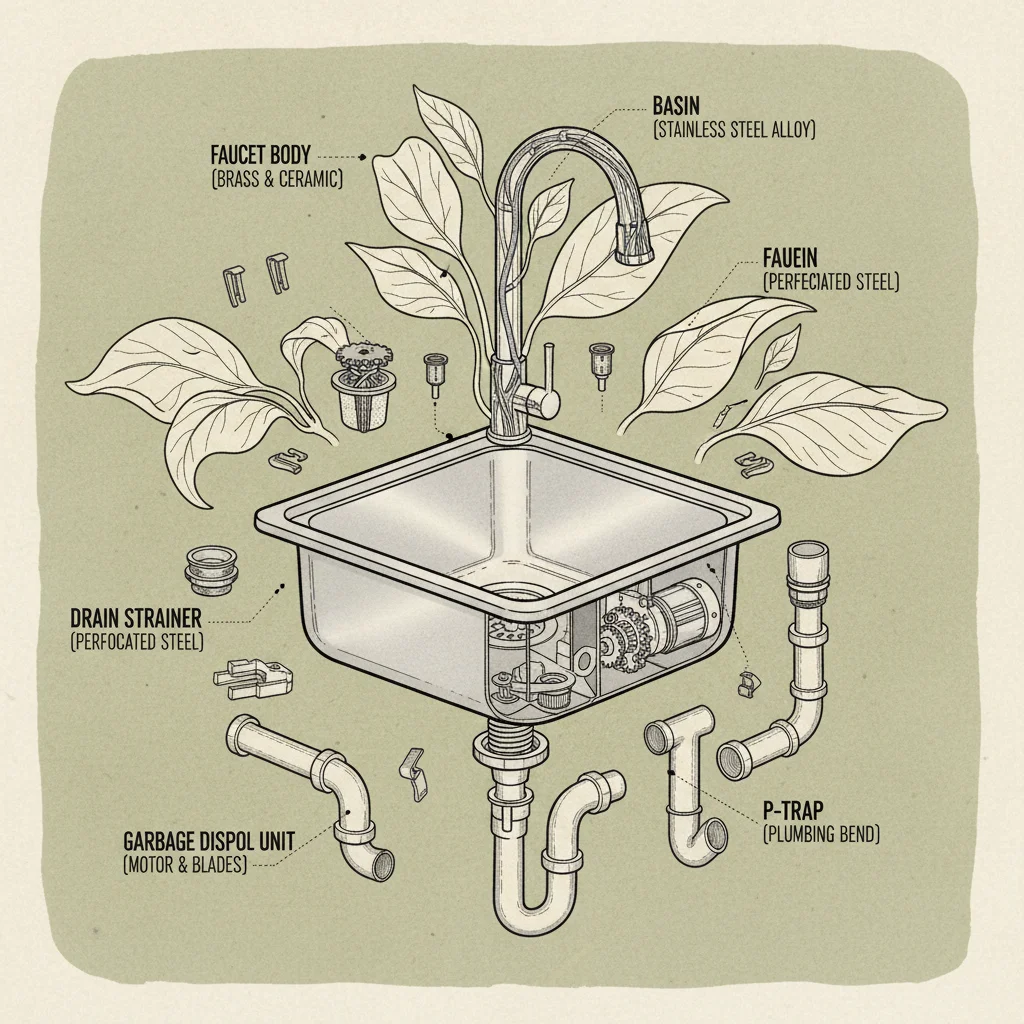
Look, after running around construction sites all year, you start to see things. Trends come and go, but the basics… they stay the same. Lately, everyone's obsessed with 'smart' everything, right? Smart sinks, smart faucets… Honestly, it feels like adding a computer to something that just needs to hold water. But the demand is there, so we're adapting. It’s mostly brushed stainless, these days. The polished stuff looks good in the showroom, but gets fingerprints all over on site. And don't even get me started on trying to keep it clean during a remodel.
The real headache is design. You wouldn’t believe how many engineers design a beautiful sink, then forget about the plumber actually having to install it. I encountered this at a factory in Foshan last time – gorgeous deep bowl sink, but the drain connection was impossible to reach without contorting yourself into a pretzel. They thought it looked sleek. Sleek doesn’t pay the bills when you're spending an extra hour on install. And then there’s the gauge of the steel… cheap stuff dents like paper.
We mostly work with 304 stainless, sometimes 316 for coastal projects. 304’s good, you can feel the weight, it's got a good ring to it when you tap it. Smells like… well, stainless steel. Metallic, a little oily if it's been machined. You need to wipe it down after handling, though, leaves marks. 316's pricier, more corrosion resistant, good for those seaside restaurants. Feels slightly heavier, smoother. The finish is everything.
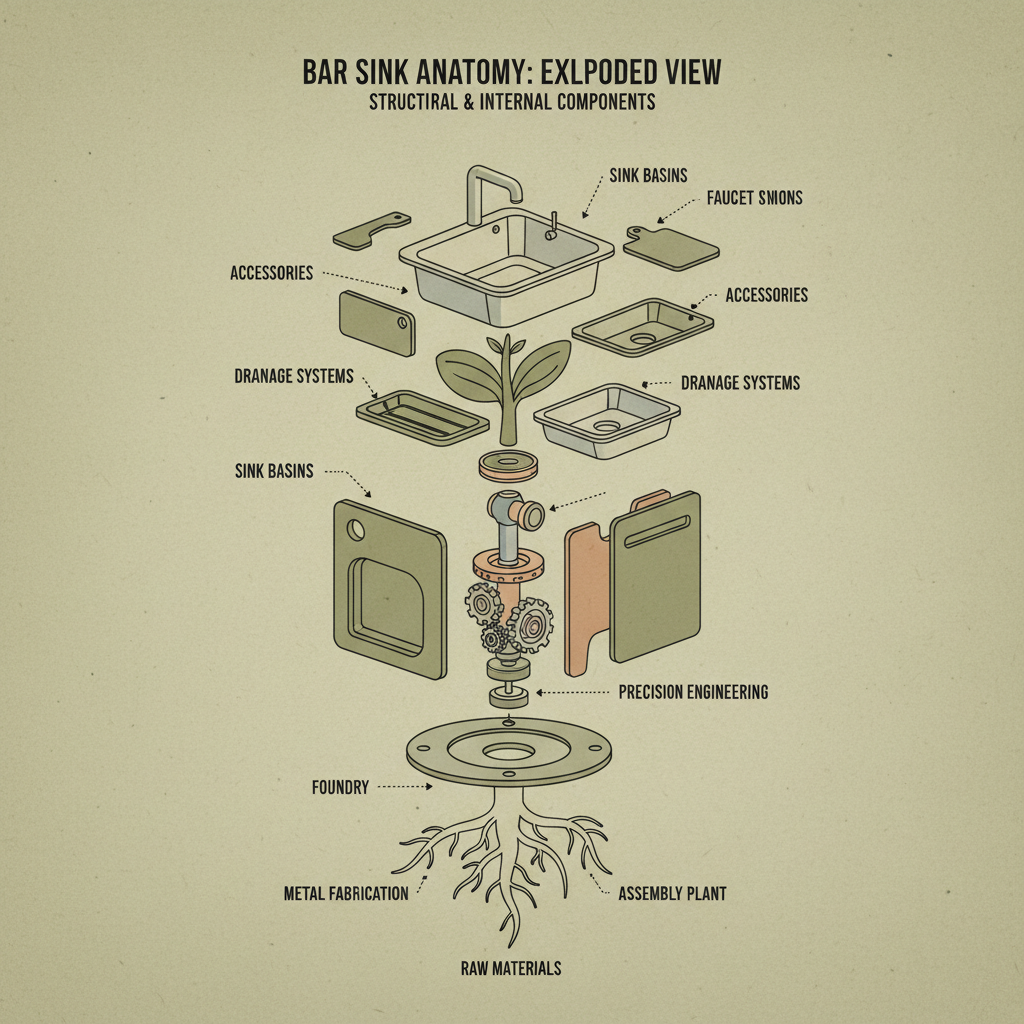
Industry Trends & Design Pitfalls
To be honest, everyone's chasing this ‘minimalist’ look. Thin edges, clean lines… looks great in a catalog, but in a busy bar? It'll be dented and scratched in a week. Have you noticed that? I've seen sinks with edges so thin, they buckle when you lean on them. It’s like they’re designed by people who've never actually used a sink. The other big thing is integrated drainboards. They seem handy, but they're a pain to clean properly. Food gets trapped, mildew grows... it’s a nightmare for hygiene.
Strangely enough, we’re also seeing a resurgence in fireclay sinks. People want that farmhouse look, but they’re heavy! Moving those things around is a workout, and if you drop one… well, let's just say it's not a pretty sight. And don’t even get me started on the pricing.
Materials and Handling
We use a lot of different coatings, too. PVD coatings are popular for black sinks – they're pretty durable, but you gotta be careful with abrasive cleaners. They can scratch. Powder coating is cheaper, but doesn’t last as long. And then there’s the undercoating… that’s key for sound dampening. Nobody wants a sink that rings like a bell every time you drop a glass. The rubberized undercoating makes a huge difference. It's all about details, you know? Anyway, I think proper handling during shipping is the biggest factor.
I saw a shipment come in last week that was clearly tossed around. Boxes were crushed, sinks were dented. It's frustrating because it adds extra work for our guys, having to deal with damaged goods. We're pretty strict about quality control, so we reject anything that doesn't meet our standards.
We also test the weld quality rigorously. A bad weld on the drain flange is a disaster waiting to happen. You’ll get a leak, and then… well, you can imagine.
Real-World Testing Protocols
Forget the lab tests. Those are fine for basic specs, but they don't tell the whole story. We test things on site. We fill sinks with ice and beer, we drop heavy glasses into them (carefully, of course), we pour in coffee, red wine, everything you can imagine. We have a guy, old Man Hemlock, whose sole job is to abuse our sinks. He’s brutal, but honest.
We also have a ‘scratch test’ where we drag different materials across the surface – steel wool, sandpaper, even keys. It sounds crazy, but it gives us a good indication of how the finish will hold up to everyday wear and tear. We measure the scratch width with calipers. It's not precise, but it’s practical.
We've started doing ‘impact resistance’ tests using a weighted pendulum. Simulates dropping something heavy into the sink. I learned that from watching a plumber nearly break his foot when he dropped a cast iron skillet. Later… Forget it, I won’t mention it.
Actual Usage vs. Intended Use
This is where things get interesting. We design these sinks for bars and restaurants, but people use them in all sorts of ways. I've seen them used as ice buckets, as makeshift dishwashers (don’t ask), even as temporary storage for tools. It’s always something unexpected.
One thing I’ve noticed is that bartenders are brutal on sinks. They're constantly banging glasses, pouring drinks, rinsing fruit. They don’t baby these things. It’s a tough environment. And the cleaning chemicals they use… they’ll eat through anything.
Advantages, Disadvantages, and Customization
Stainless steel is durable, hygienic, and relatively affordable. Those are the big wins. It’s also recyclable, which is a plus. The downside? It scratches easily, shows fingerprints, and can be noisy. The thin-gauge stuff dents too easily, and the thick stuff is expensive.
We do a lot of customization. Last week, a brewery wanted a sink with an integrated bottle filler. We had to modify the drain flange and add a special valve. It wasn’t a huge job, but it required some custom fabrication. We can also do different finishes – brushed, polished, satin – and add logos or other graphics with laser etching.
Comparative Performance of Bar Sink Manufacturers Finishes
A Customer Story from Shenzhen
Last month, that small boss in Shenzhen who makes smart home devices insisted on changing the interface to . He claimed it was “future-proof.” We warned him it wasn't necessary for a sink drain, but he wouldn’t listen. He wanted it to match his phone, apparently. The result? He spent three times as much on custom tooling, and the drain assembly was more prone to clogging. He ended up switching back to the standard connection after a week. A total waste of time and money. I swear, some people just want to be different, even if it makes no sense.
Material Performance Comparison
Let's be real – stainless steel grades make a huge difference. Here’s a quick and dirty breakdown, scrawled like I'd do on a napkin after a long day. Don’t quote me on the exact numbers, this is just based on what I’ve seen.
Corrosion resistance is important, especially in coastal areas, and the nickel content in the steel really determines that. 316 is the king there, but it’s also the most expensive. The weldability is important too – a poor weld is a guaranteed leak.
The price dictates a lot of things. You can go cheap, but you’ll get what you pay for – thinner gauge steel, poorer finish, and a shorter lifespan. I always tell customers to spend a little more upfront. It’ll save them money in the long run.
Core Material Performance Characteristics
| Steel Grade |
Corrosion Resistance (1-10) |
Weldability (1-10) |
Price (relative) |
| 304 |
7 |
8 |
Moderate |
| 316 |
9 |
7 |
High |
| 201 |
5 |
6 |
Low |
| 430 |
6 |
7 |
Moderate |
| 304L |
7 |
9 |
Slightly High |
| Duplex 2205 |
10 |
5 |
Very High |
FAQS
Honestly, it’s skimping on the gauge of the steel. They see a shiny sink, but they don’t think about how much abuse it’s going to take. Thin steel dents easily, and then you're replacing it in a year. Spend a little more upfront, and you’ll save yourself a lot of headaches. It’s a simple as that. We’ve seen too many bars end up with dented, wobbly sinks because they tried to save a few bucks. And don’t even get me started on flimsy drain assemblies.
The finish matters a lot, especially in a busy bar. Brushed stainless is the most practical – it hides fingerprints and scratches better than polished. PVD coatings look great, but they can scratch if you're not careful. You want something that can stand up to daily use and cleaning. And make sure the finish is evenly applied – a patchy finish looks cheap and won’t last. I’ve seen some imports where the finish was just… terrible.
Absolutely. Nobody wants a sink that rings like a bell every time someone drops a glass. Sound dampening makes a huge difference, especially during peak hours. The rubberized undercoating is the best option, but some manufacturers also use thicker steel or internal baffles. It’s a small detail, but it can make a big difference in the overall atmosphere of the bar.
Yes, to a certain extent. We can usually modify the dimensions or add custom features like integrated bottle fillers or extra drainboards. But it's not always cost-effective, especially for small orders. The tooling costs can be significant. We need to assess each request on a case-by-case basis. But if you have a unique space or specific requirements, customization is definitely an option. It requires a longer lead time, though.
Simple: warm water, mild soap, and a soft cloth. Avoid abrasive cleaners, steel wool, or anything that could scratch the finish. Rinse thoroughly and dry with a clean cloth. For stubborn stains, you can use a stainless steel cleaner, but follow the instructions carefully. And don’t forget to clean the drain regularly to prevent clogs. Honestly, regular cleaning is the best way to keep your sink looking its best.
A good quality stainless steel bar sink, properly maintained, should last for years, even in a high-volume bar. We’ve seen sinks that are over 10 years old and still going strong. The key is to choose a durable material, a solid construction, and a reputable manufacturer. It’s an investment, but it’s one that will pay off in the long run. It's worth paying more upfront for something that will stand the test of time.
Conclusion
So, there you have it. Choosing a bar sink isn’t just about picking a shiny object. It’s about considering the materials, the construction, the intended use, and the long-term durability. There's a lot of cheap stuff out there, and it might look good at first, but it won’t last. You need something that can handle the daily grind of a busy bar. We’ve seen the trends come and go, the design fads, the attempts to cut corners... and we always come back to the basics: quality materials and solid construction.
Ultimately, whether this thing works or not, the worker will know the moment he tightens the screw. If it feels solid, if the drain fits right, if it doesn’t wobble… then you’ve got a good sink. And that’s all that really matters in the end. If you're looking for a bar sink that will last, check out our selection at bar sink manufacturers.