The kitchen sink, a seemingly simple fixture, plays a pivotal role in the functionality and aesthetic of any kitchen. But have you ever considered the sheer variety of types of kitchen sinks available? From classic stainless steel to modern composite materials, and diverse mounting styles, understanding these options is crucial for homeowners, designers, and builders alike. Choosing the right sink significantly impacts workflow, durability, maintenance, and overall kitchen value. A well-informed decision ensures a harmonious blend of form and function, contributing to a more efficient and enjoyable culinary experience.
Globally, the demand for kitchen sinks is closely tied to construction and renovation activities, with a significant impact from urbanization and increasing disposable incomes. According to industry reports, the global kitchen sink market is projected to reach \$15.8 billion by 2027, exhibiting a CAGR of 3.5% from 2020. This growth is particularly evident in emerging economies in Asia-Pacific, where housing development is rapidly increasing. However, this growth also presents challenges – namely, ensuring sustainable manufacturing practices and responsible material sourcing.
The increasing emphasis on hygiene, ease of cleaning, and aesthetic appeal further drives the evolution of types of kitchen sinks. Consumers are no longer simply looking for a functional basin; they’re seeking a statement piece that complements their kitchen design and reflects their lifestyle. This has led to innovation in materials, shapes, and features, offering a wider range of choices than ever before.
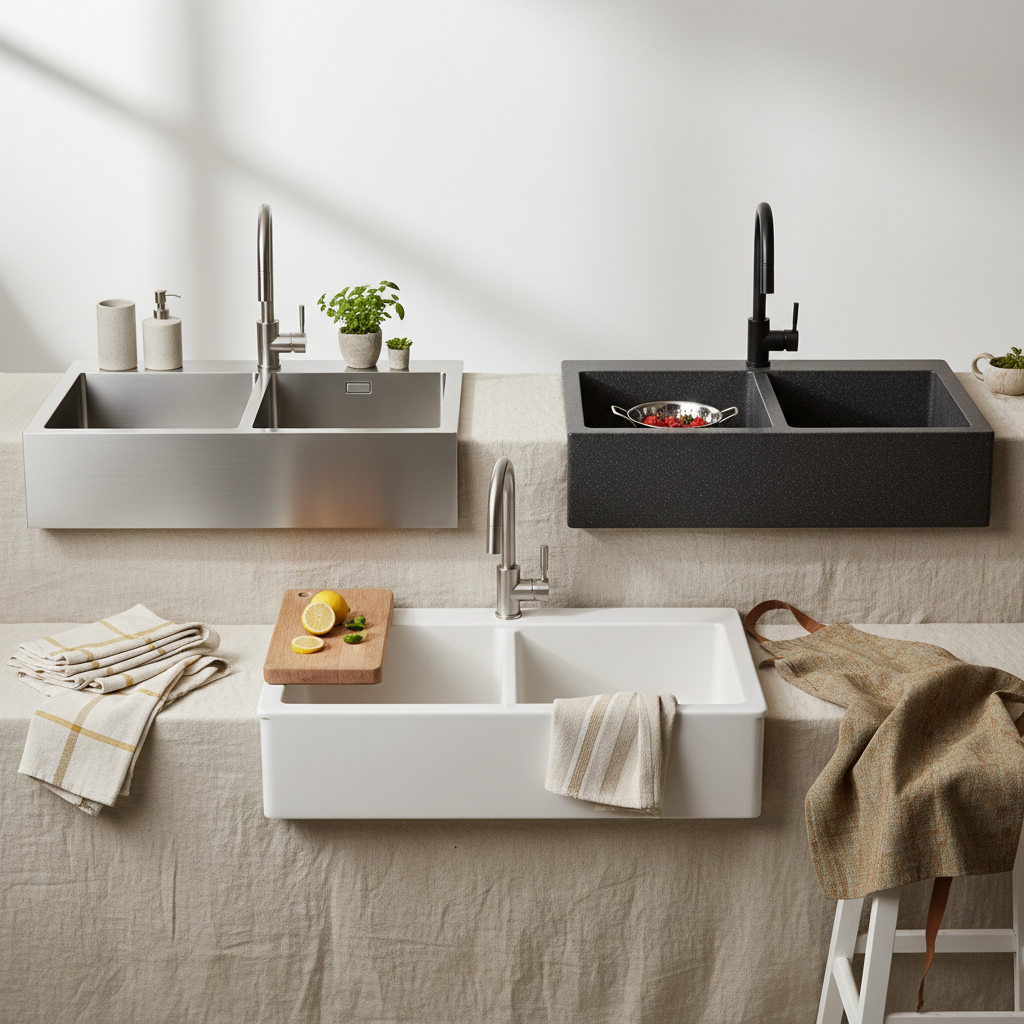
The Evolution and Significance of Types of Kitchen Sinks
Historically, kitchen sinks were largely utilitarian, crafted from simple materials like wood or stone. As plumbing technology advanced, materials like cast iron and then stainless steel became dominant. The 20th and 21st centuries witnessed a dramatic diversification in types of kitchen sinks, driven by design trends and material science advancements. Today, we see a wide spectrum ranging from farmhouse sinks to undermount sinks, each serving specific needs and aesthetic preferences.
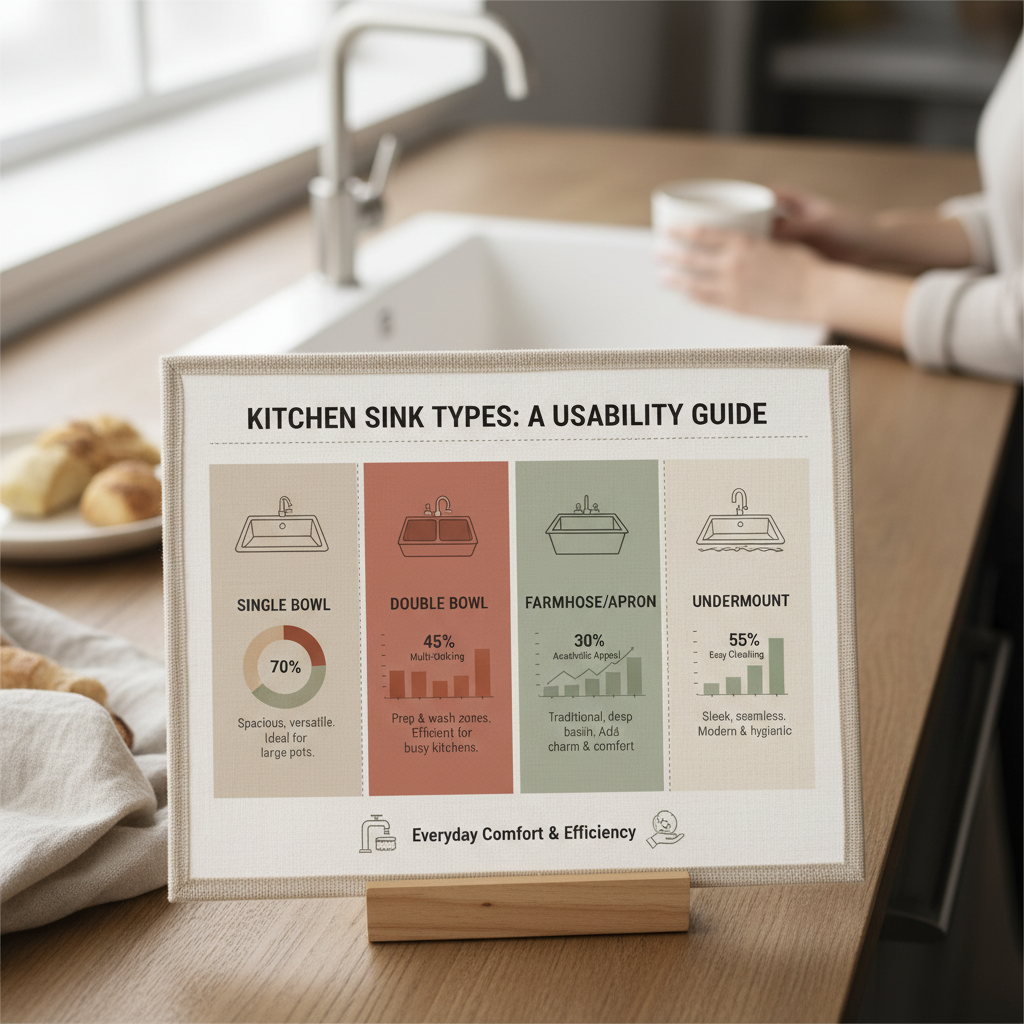
Understanding the evolution of kitchen sink designs allows us to appreciate the functionalities they offer. From single-bowl sinks prioritizing large cookware washing, to double-bowl configurations promoting efficient workflow, each type reflects a response to evolving culinary practices and modern kitchen layouts. The significance lies not just in washing dishes, but in facilitating a seamless and enjoyable kitchen experience.
Defining Types of Kitchen Sinks
Types of kitchen sinks encompass a broad categorization based on material, mounting style, bowl configuration, and features. Essentially, a kitchen sink is a plumbing fixture designed to collect wastewater from washing dishes, food preparation, and other kitchen tasks. However, the sheer variety available is astounding. Materials can include stainless steel, granite composite, fireclay, cast iron, and even copper. Mounting styles determine how the sink integrates with the countertop – undermount, top-mount (drop-in), farmhouse, and integrated are common examples.
These features are directly related to the increasing demand for efficient kitchen spaces in modern homes. The design directly impacts the user experience, affecting ease of cleaning, noise levels, and overall kitchen aesthetics. Defining the specific “type” of sink involves considering all these factors, leading to a highly personalized selection process.
Understanding these distinctions isn't merely about semantics. It’s about selecting a fixture that optimally aligns with a homeowner's needs, budget, and design sensibilities, ensuring years of reliable performance and aesthetic satisfaction.
Core Characteristics of Kitchen Sink Varieties
Several core characteristics differentiate the various types of kitchen sinks. These include material composition, which dictates durability, resistance to stains and heat, and aesthetic appeal. Mounting style, as mentioned, influences installation complexity and the visual integration with the countertop. Bowl configuration (single, double, triple) impacts workflow efficiency, and features like sound dampening, drain placement, and integrated accessories enhance usability and convenience.
These characteristics aren't independent; they interact and influence each other. For example, a deep single-bowl farmhouse sink made of fireclay is known for its spaciousness and rustic charm but may require specific countertop support due to its weight. Similarly, a stainless steel undermount sink offers a sleek, modern look and easy cleaning but can be prone to noise without adequate soundproofing.
Considering these core characteristics holistically is vital for making informed decisions. Evaluating how these attributes align with your specific needs and kitchen environment will significantly contribute to a long-lasting and satisfying result.
Material Durability and Longevity in Types of Kitchen Sinks
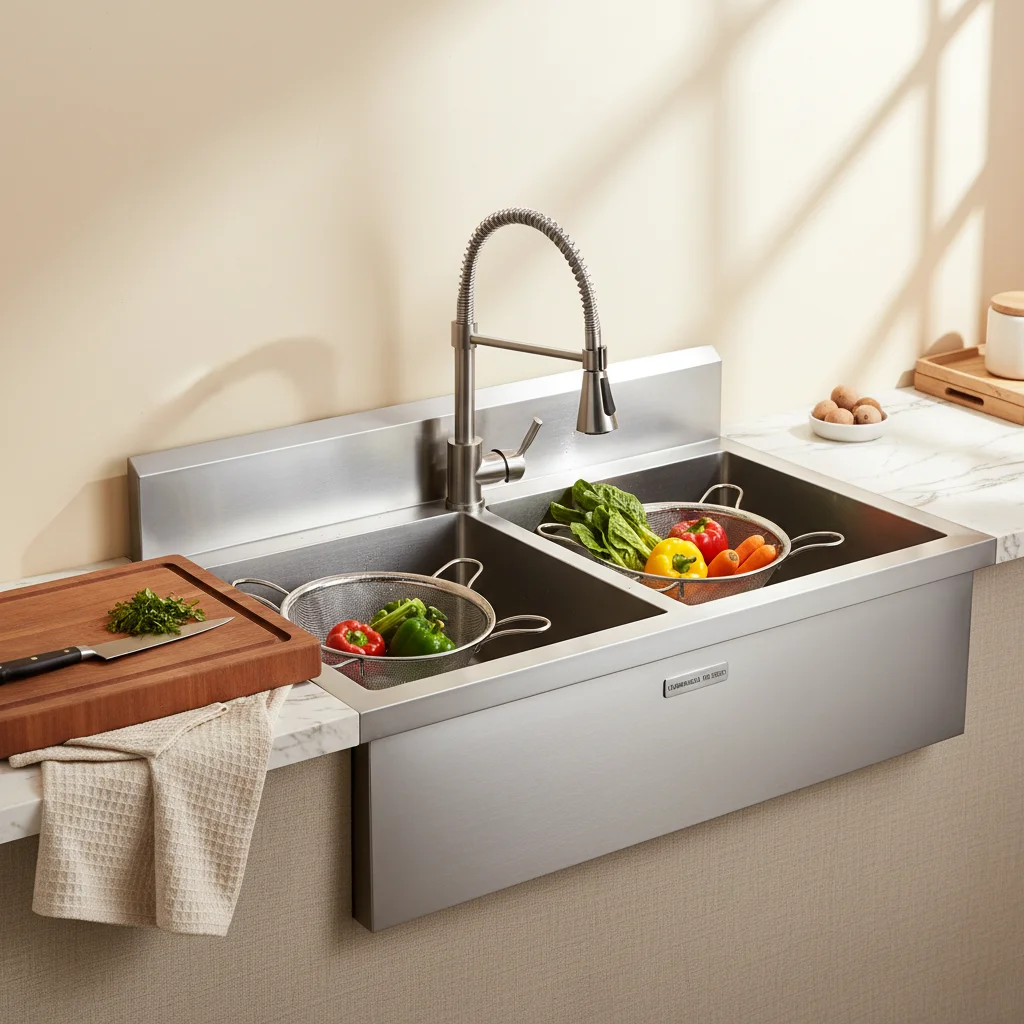
The material of a kitchen sink profoundly impacts its durability and longevity. Stainless steel is renowned for its corrosion resistance and affordability, but different gauges (thicknesses) affect its resistance to dents and scratches. Granite composite sinks offer exceptional resistance to heat, stains, and impact, but their darker colors can sometimes show water spots.
Fireclay sinks, known for their classic farmhouse aesthetic, are incredibly durable but can chip if subjected to heavy impact. Cast iron sinks, often coated with enamel, offer excellent heat retention but are quite heavy and require sturdy countertop support. Copper sinks are naturally antibacterial and develop a beautiful patina over time, but they require regular maintenance to prevent tarnishing.
Durability Ratings for Common Kitchen Sink Materials
Global Adoption and Application of Different Sink Types
The popularity of different types of kitchen sinks varies significantly across regions. Farmhouse sinks, with their rustic appeal, are particularly popular in North America and Europe, often featured in farmhouse-style or country kitchens. Stainless steel undermount sinks are widely favored globally for their versatility, ease of cleaning, and modern aesthetic, prevalent in both residential and commercial settings.
In Asia, where space is often at a premium, compact single-bowl sinks are common, prioritizing functionality over size. Granite composite sinks are gaining traction in many regions due to their durability and aesthetic appeal, offering a premium alternative to traditional materials. The adoption of specific sink types is also influenced by cultural preferences, cooking habits, and local design trends.
The Enduring Value Proposition of Quality Kitchen Sinks
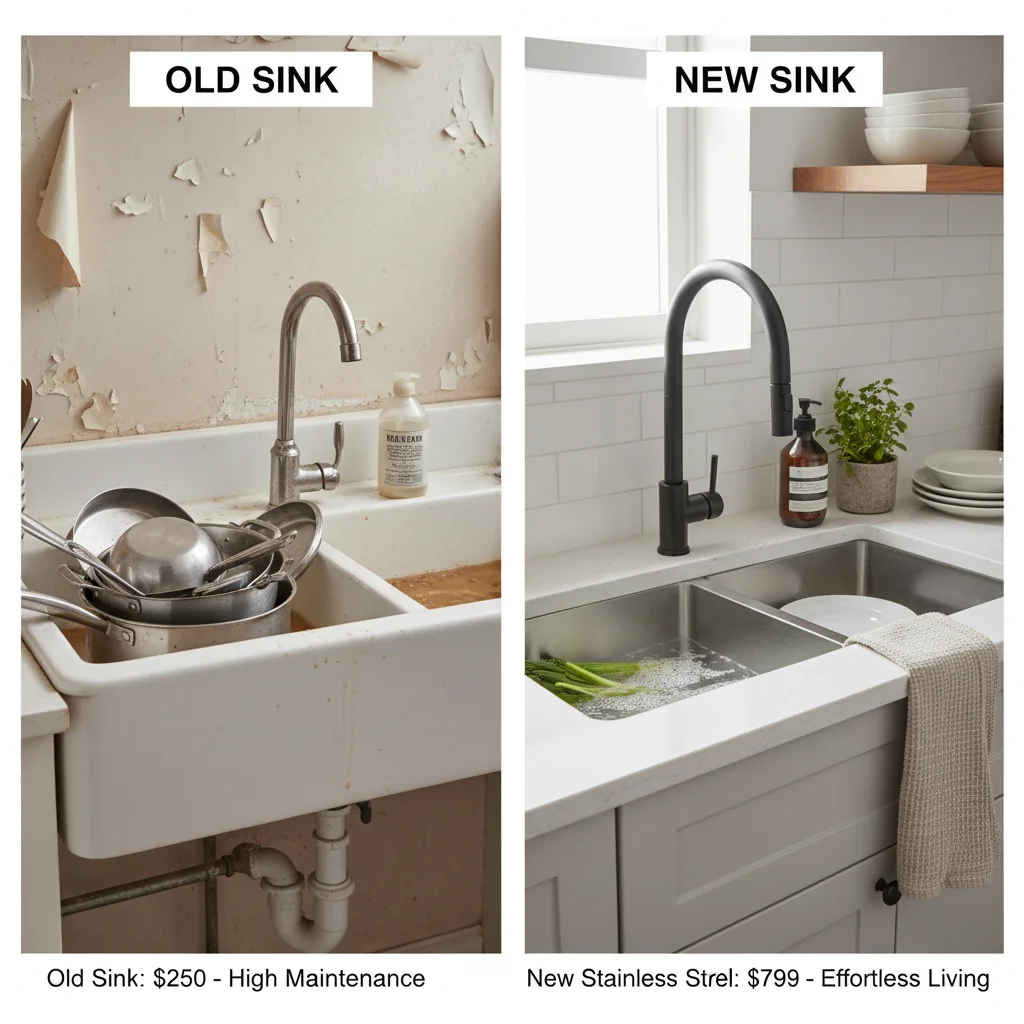
Investing in a high-quality kitchen sink delivers significant long-term value. Durability ensures a longer lifespan, reducing the need for frequent replacements. Superior materials resist stains, scratches, and corrosion, maintaining aesthetic appeal over time. Enhanced features, such as sound dampening and ergonomic designs, contribute to a more enjoyable user experience.
Beyond the practical benefits, a quality sink elevates the overall kitchen aesthetic, adding value to the home. Choosing a sink from a reputable manufacturer offers peace of mind, backed by warranties and customer support. Ultimately, a well-chosen sink isn’t just a plumbing fixture; it's an investment in functionality, durability, and the overall quality of life.
Future Trends and Innovations in Kitchen Sink Technology
The future of types of kitchen sinks is poised for innovation. Smart sinks with integrated touchless faucets, built-in food disposers, and even digital displays are emerging. Sustainable materials, such as recycled composites and bio-based polymers, are gaining popularity, aligning with growing environmental consciousness.
Antimicrobial coatings are being developed to enhance hygiene, and self-cleaning technologies are being explored to simplify maintenance. Customization is also becoming increasingly important, with manufacturers offering bespoke sink designs and finishes to cater to individual preferences.
These advancements aim to enhance functionality, sustainability, and convenience, transforming the kitchen sink from a utilitarian fixture into a smart, integrated element of the modern kitchen.
Core Factors influencing the Future of Kitchen Sink Design
| Material Innovation |
Smart Features |
Sustainability Impact |
Customization Potential |
| Development of new composite materials with enhanced durability and aesthetics. |
Integration of touchless faucets, digital displays, and voice control. |
Increased use of recycled materials and bio-based polymers. |
Bespoke sink designs and finishes to meet individual customer needs. |
| Exploration of self-healing materials for scratch resistance. |
Incorporation of built-in food disposers and water filtration systems. |
Reduction of manufacturing waste and carbon footprint. |
Online configurators allowing users to design their ideal sink. |
| Advancements in antimicrobial coatings for enhanced hygiene. |
Connectivity to smart home ecosystems for automated tasks. |
Promotion of water conservation through efficient sink designs. |
Modular sink systems offering flexible configurations. |
| Enhanced color and texture options for aesthetic variety. |
Integration of sensors for water usage monitoring and leak detection. |
Development of circular economy models for sink recycling. |
Collaboration between designers and manufacturers to create unique styles. |
| Improved resistance to chemicals and harsh cleaning agents. |
Integration of automatic soap dispensers and hand dryers. |
Sourcing of materials from sustainable and ethical suppliers. |
3D printing technologies enabling complex and customized sink shapes. |
| Development of lightweight materials for easier installation. |
Remote control functionality via smartphone apps. |
Implementation of eco-friendly packaging and shipping practices. |
Virtual reality (VR) tools for visualizing sinks in kitchen designs. |
FAQS
Stainless steel sinks are known for their affordability, durability, and resistance to corrosion. They’re a versatile choice for many kitchens. However, they can be noisy and prone to scratching. Granite composite sinks, on the other hand, offer superior sound dampening, stain resistance, and heat resistance, but they are generally more expensive and can be susceptible to chipping. Selecting between the two depends on your budget, priorities, and kitchen style.
Sink depth is crucial for comfort and functionality. Deeper sinks (9-10 inches) are ideal for washing large pots and pans and minimizing splashing. Shallower sinks (6-8 inches) are easier for individuals with back problems or limited mobility to reach into. Consider your typical dishwashing habits and physical needs when deciding on the appropriate sink depth.
An undermount sink is installed beneath the countertop, creating a seamless and clean look. The benefits include easier countertop cleaning (no lip to wipe around), a more modern aesthetic, and increased workspace. However, undermount sink installation is typically more complex and requires a solid surface countertop like granite or quartz.
To minimize scratches, avoid using abrasive cleaners or scouring pads. Use a soft sponge or cloth with mild dish soap. Rinse thoroughly and dry the sink after each use. You can also use a stainless steel polish occasionally to help maintain its shine. Be careful not to drag heavy pots and pans across the sink surface.
Farmhouse sinks, also known as apron-front sinks, offer a unique aesthetic and ergonomic benefits. The extended front apron allows you to stand closer to the sink, reducing strain on your back. They often have deep basins, making them ideal for washing large items. However, they typically require specialized cabinetry and installation.
Granite composite sinks are generally stain-resistant, but occasional stains may occur. Use a mild dish soap and warm water to clean the sink regularly. For stubborn stains, you can try a granite composite cleaner or a paste of baking soda and water. Avoid using harsh chemicals or abrasive cleaners, as these can damage the surface.
Conclusion
In conclusion, understanding the diverse types of kitchen sinks is paramount for creating a functional, aesthetically pleasing, and long-lasting kitchen space. From material selection to mounting styles and bowl configurations, each factor plays a crucial role in determining the sink's suitability for specific needs and preferences. Investing in a quality sink is an investment in the heart of the home, enhancing both daily routines and overall home value.
As technology and design continue to evolve, we can anticipate further innovations in the kitchen sink market. Exploring these advancements, prioritizing sustainability, and selecting products from reputable manufacturers will ensure a kitchen sink that not only meets current needs but also stands the test of time. Visit our website at www.yashitesink.com to explore our comprehensive collection of kitchen sinks and find the perfect fit for your home.