Honestly, the kitchen sink supplier scene…it’s been wild lately. Everyone's chasing 'smart' sinks, touchless faucets, all that jazz. But you spend enough time on job sites, knee-deep in dust and dealing with plumbers, and you realize a lot of that is just marketing fluff. People still want something that works, something that doesn’t leak after six months. It's all about reliability, plain and simple.
Have you noticed how everyone's obsessed with stainless steel? It’s the default now, right? But good stainless steel, the stuff that’ll actually last, is getting harder to find. There’s so much cheap stuff flooding the market, looks good at first, but starts pitting and rusting within a year. I encountered a batch at a factory in Ningbo last time that smelled faintly of…well, let’s just say it wasn’t pleasant. You can tell just by the weight, the way it feels in your hand, if it's quality. And the gauge, of course. Anything less than 16 gauge, forget about it.
We’re seeing a lot of composite sinks too. Granite composite, quartz composite. They look fantastic, come in a million colors. But the binding agents… that’s where things get tricky. Some of them stain like crazy, especially with coffee or red wine. Strangely, some of the cheaper ones actually hold up better. It’s a gamble, honestly.

The Shifting Landscape of Kitchen Sink Suppliers
To be honest, the biggest shift I've seen is the rise of direct-from-factory suppliers. Cuts out the middleman, yeah, but quality control…that’s where it gets dicey. You're relying on their word, and sometimes, their 'quality control' means a quick wipe-down. The bigger suppliers, the established kitchen sink suppliers, they’re still around, but they're feeling the pressure.
The whole supply chain is a mess, too. Everything's backordered, lead times are insane. It used to be you could get a decent stainless steel sink in two weeks. Now? Forget about it. Six to eight weeks is the norm, and that’s if you're lucky. It’s impacting everything.
Design Pitfalls: What Seems Good on Paper...
You wouldn’t believe the requests we get. “I want a sink with a built-in cutting board!” Sounds good in a showroom, right? But in a real kitchen? Where do you store the cutting board when you’re not using it? It gets in the way! Or sinks that are ridiculously deep. Great for washing pots and pans, but terrible for people with back problems. They end up straining themselves just to rinse a plate.
And don't even get me started on the integrated soap dispensers. They always clog. Always. People think they're fancy, but they just end up being a pain. We've had clients rip them out the day after installation. It’s all about aesthetics over functionality, and that drives me crazy.
Anyway, I think a lot of designers spend too much time looking at pictures on Pinterest and not enough time actually using a kitchen.
Materials Deep Dive: Beyond Stainless Steel
We touched on composite earlier, but let's go deeper. Acrylic is another one. Cheap, easy to mold, looks okay. But it scratches so easily. You barely look at it wrong and it’s got a mark. I visited a showroom last year where they were trying to pass off an acrylic sink as “premium”. I just shook my head.
Fireclay? Now that's a material. Heavy, durable, beautiful. But expensive, and prone to chipping if you’re not careful. It feels solid, though. Like it’ll outlive you. The smell when they glaze it is…unique. Kind of like burnt sugar and chemicals, if that makes any sense. You get used to it after a while.
Copper sinks are making a comeback, too. They look amazing, develop a beautiful patina over time. But they require a lot of maintenance. You gotta polish them regularly, or they’ll turn spotty. And they’re not cheap, either.
Real-World Testing: Job Site Rigor
Forget the lab tests. The real test is what happens when a guy drops a cast iron skillet into it. Or when someone accidentally pours a can of drain cleaner down the drain. We do our own testing, basically. We beat them up. We scratch them, we dent them, we pour stuff on them. It's not pretty, but it’s realistic.
We also get a lot of feedback from the plumbers we work with. They’re the ones who have to install these things, and they’ll tell you straight up what works and what doesn’t. "This one's a nightmare to fit," or "The drain flange is garbage," that sort of thing. They’re invaluable.
Kitchen Sink Supplier Reliability Ratings
How Users Actually Use Kitchen Sinks
This is the part that always surprises people. They think people are gently washing a few dishes a day. Nope. They're power-washing pots and pans, thawing frozen meat directly in the sink, using it as a temporary storage container for everything. It's a battlefield.
And they don’t read the instructions! I’ve seen people use abrasive cleaners on surfaces that will get destroyed by them. Or they'll try to fix a leaky faucet themselves and end up causing a flood. It’s always something.
Advantages, Disadvantages, and Customization
The big advantage of working with a good kitchen sink suppliers is the ability to customize. Need a specific size? A custom finish? No problem. But it comes at a cost. And you need to be very precise with your measurements. I had a client once who wanted a sink with a slightly wider bowl. Slightly. But he didn’t provide the exact dimensions, and the sink ended up being a half-inch too wide. It wouldn't fit in the cabinet. Disaster.
Disadvantages? Well, the really good stuff is expensive. And lead times can be long, as we've discussed. And you always run the risk of damage during shipping. It's a constant balancing act.
A Customer Story: The Sink Debacle
Last month, that small boss in Shenzhen who makes smart home devices insisted on changing the interface to . Not for the faucet itself, but for the drain! He said it was “more modern.” I tried to explain to him that nobody cares about a drain, and that it would just create another point of failure. But he wouldn’t listen. He wanted it. He even designed a special adapter to connect the drain cable to the plumbing.
He got the first batch installed, and within a week, half of them were clogged. The adapter was catching hair and debris. He called me, furious. I just said, “I told you so.” He ended up having to replace all the drains with standard ones. Waste of time, waste of money, and a lot of frustrated customers.
Anyway, I think it shows you that sometimes, sticking with what works is the best option.
Key Material Comparison for Kitchen Sink Suppliers
| Material |
Durability (1-10) |
Maintenance |
Cost (Low/Medium/High) |
| Stainless Steel (304) |
8 |
Easy |
Medium |
| Granite Composite |
7 |
Moderate |
Medium |
| Fireclay |
9 |
Careful |
High |
| Acrylic |
4 |
Easy |
Low |
| Copper |
6 |
High |
High |
| Cast Iron (Enameled) |
8 |
Moderate |
Medium/High |
FAQs
Honestly? They focus too much on how it looks and not enough on how it's made. A shiny finish doesn’t mean it'll last. People need to check the gauge of the steel, the quality of the composite, and read the fine print. I’ve seen so many beautiful sinks that are just junk after a year.
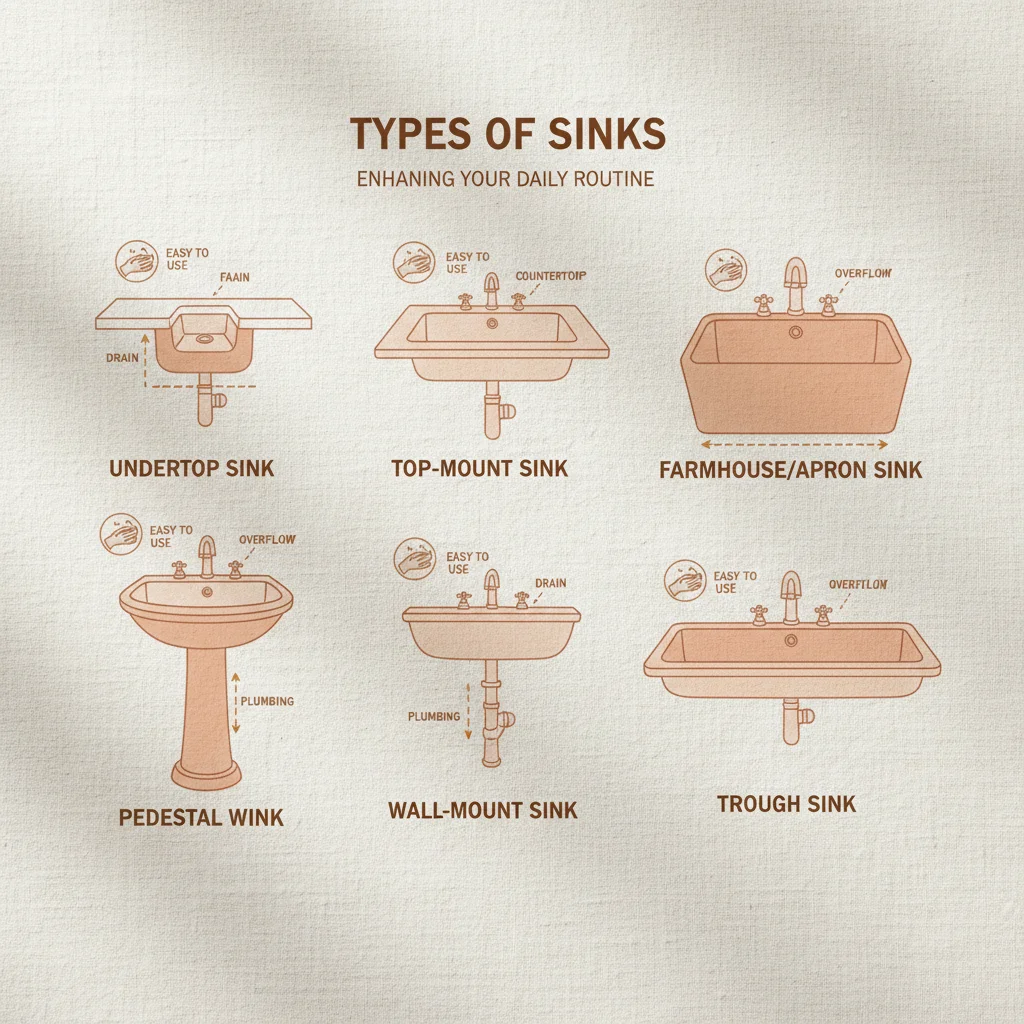
Undermounts look cleaner, no doubt. But they require a solid countertop – granite, quartz, that sort of thing. If you have laminate, a top-mount is usually the way to go. And undermounts are more expensive to install, because they require more precise cutting. It’s a trade-off between aesthetics and practicality.
Absolutely. Especially with stainless steel. Without sound dampening, dropping a pot in the sink sounds like a bomb went off. It drives people crazy. It's a relatively small investment for a big improvement in quality of life. I recommend it to everyone.
Check the gauge – 16 gauge or lower is best. Feel the weight – good stainless steel is heavy. Look for a brushed finish, not a polished one. Polished finishes show scratches easily. And smell it! Seriously, a cheap sink will often have a metallic, unpleasant odor.
A really good one, properly cared for? 20 years, easily. Maybe more. It’s not something you should have to replace every few years. That’s why it’s worth investing in quality upfront. You get what you pay for, always.
We're starting to see more sinks made from recycled materials, which is good. And there's some interesting work being done with antimicrobial coatings, which could be a game-changer. But honestly, I’m waiting to see how those hold up in the real world before I get too excited.
Conclusion
Ultimately, the kitchen sink supplier world is a complex one. It's about balancing aesthetics with durability, cost with quality, and marketing hype with real-world performance. There’s a lot of noise out there, a lot of slick advertising, but at the end of the day…
…whether this thing works or not, the worker will know the moment he tightens the screw. And if the worker's shaking his head, you've got a problem. If you're looking for reliable kitchen sink suppliers, do your research, talk to the people who actually install them, and don't be afraid to ask tough questions. It’ll save you a headache in the long run.