The world of kitchen and bathroom fixtures is surprisingly diverse, and understanding the different types of sinks available is crucial for homeowners, designers, and contractors alike. From the humble farmhouse sink to the sleek, modern undermount, the choice of a sink significantly impacts both the functionality and aesthetic appeal of a space. This understanding extends beyond mere aesthetics; selecting the right sink influences workflow efficiency, durability, and even water conservation.
Globally, the sink market is a multi-billion dollar industry, driven by factors like increasing construction activity, rising disposable incomes, and a growing focus on kitchen and bathroom renovations. According to Statista, the global sanitary ware market was valued at approximately $160 billion in 2023 and is projected to grow significantly in the coming years. The demand for innovative and sustainable sink solutions is particularly strong in emerging economies.
Choosing the correct sink isn't always straightforward. Factors such as material, mounting style, bowl configuration, and drain location all contribute to a sink's suitability for a specific application. Addressing these considerations effectively can prevent costly mistakes and ensure long-term satisfaction. Understanding these types of sinks is therefore paramount.
Introduction to Types of Sinks
The term "types of sinks" encompasses a wide range of designs, materials, and installation methods. A comprehensive understanding of these different varieties allows for informed decision-making, ensuring the chosen sink complements the overall design of the space and fulfills its intended purpose. There are countless choices when it comes to types of sinks.
Beyond the visual appeal, selecting the appropriate sink type affects practicality and workflow. For example, a deep, single-basin sink is ideal for washing large pots and pans, while a double-basin sink offers greater flexibility for multitasking. Considering these nuances is crucial for creating a functional and efficient kitchen or bathroom.
Defining Types of Sinks
Simply put, types of sinks refer to the varied configurations of basins used for washing and draining water. They are essential components of kitchens, bathrooms, laundry rooms, and even industrial settings. The core function remains the same – to contain and dispose of water – but the designs are remarkably diverse.
In modern industry, sink design is increasingly focused on sustainability and efficiency. Manufacturers are exploring materials like recycled stainless steel and innovative coatings to reduce environmental impact. The integration of smart technology, such as touchless faucets and built-in filtration systems, is also becoming more common.
Considering the humanitarian needs, providing accessible and sanitary washing facilities is critical. Different types of sinks can be employed in various settings, ranging from basic washbasins in refugee camps to more advanced sinks in healthcare facilities. The appropriate selection depends on the specific needs and available resources.
Key Characteristics of Sink Types
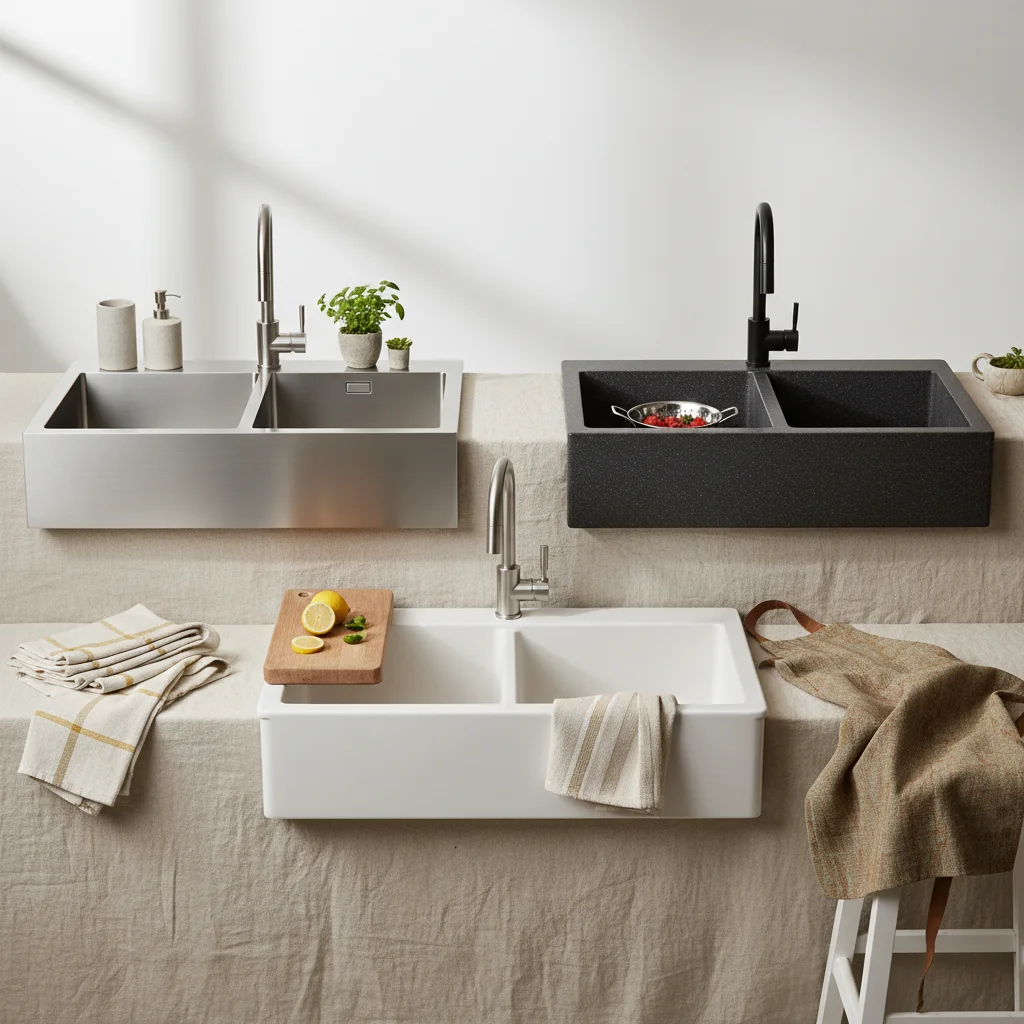
Durability is a paramount consideration when choosing between different types of sinks. Materials like stainless steel, cast iron, and granite composites are known for their resistance to wear and tear, making them suitable for high-use environments. The gauge of the steel and the quality of the composite material directly impact the longevity of the sink.
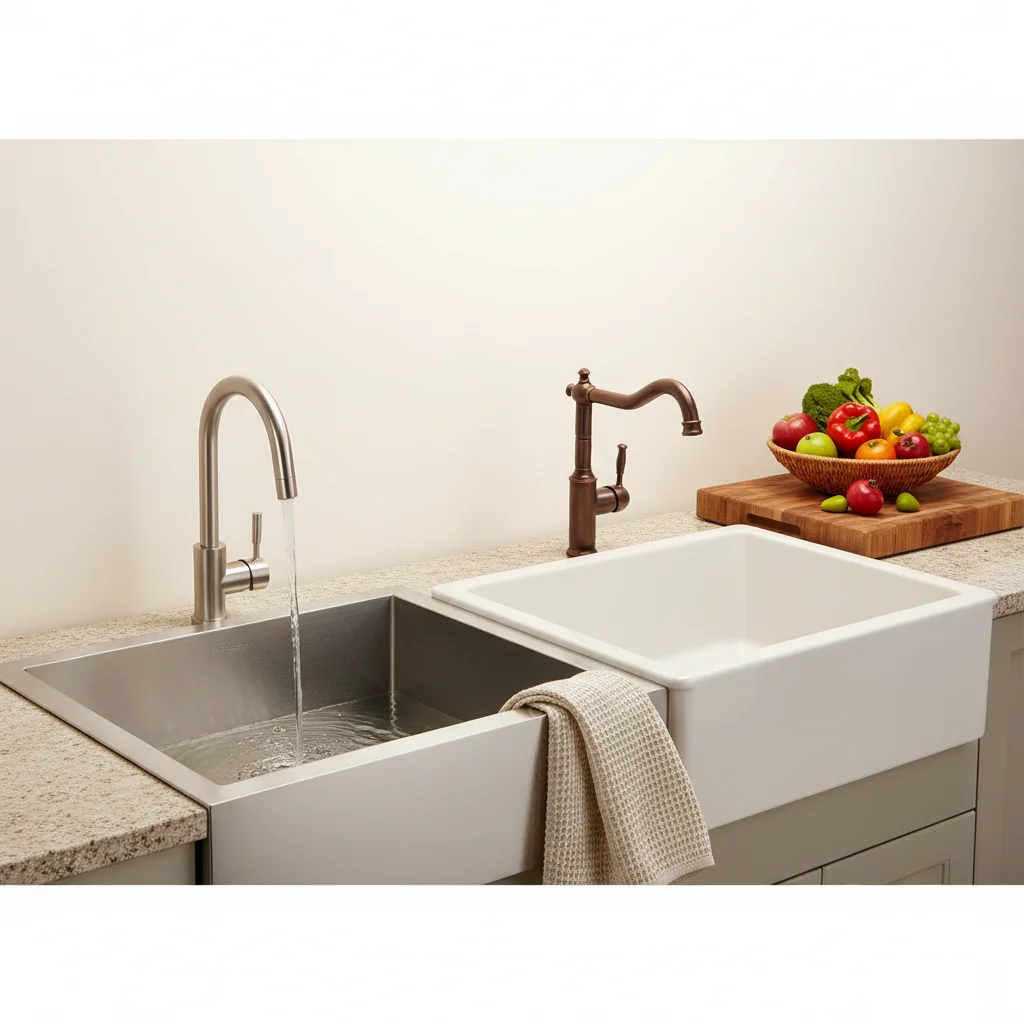
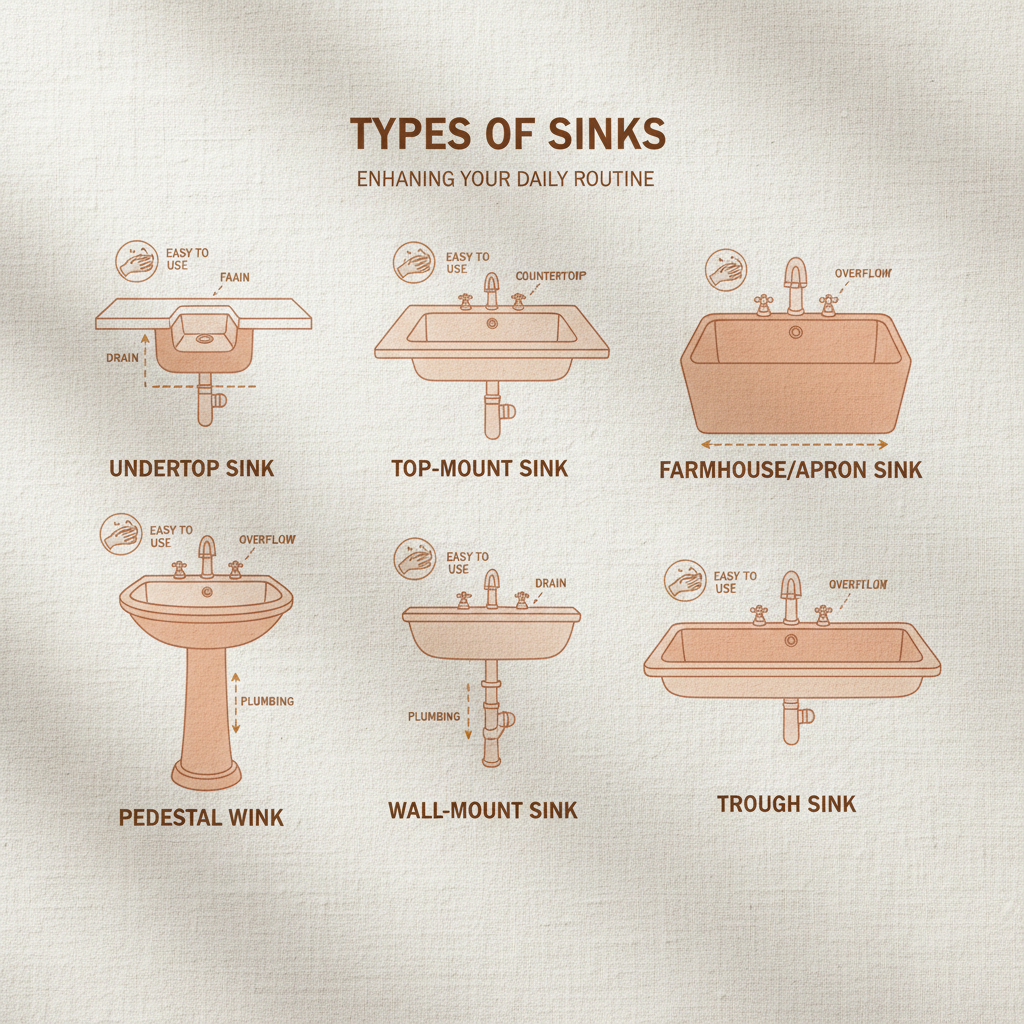
Mounting style significantly influences both the appearance and functionality of a sink. Options include undermount, overmount (drop-in), farmhouse (apron-front), and integrated. Each mounting style offers distinct advantages in terms of ease of installation, cleaning, and aesthetic integration.
Bowl configuration, whether single, double, or even triple, impacts workflow efficiency. A single-basin sink provides ample space for large items, while a double-basin sink allows for separate tasks like washing and rinsing. Material costs vary significantly, from relatively affordable stainless steel to more premium options like fireclay and copper.
Global Applications of Various Sink Types
In residential kitchens worldwide, stainless steel sinks remain the most popular choice due to their durability, affordability, and ease of cleaning. However, farmhouse sinks are gaining traction, particularly in rural areas and among those seeking a more rustic aesthetic.
Commercial kitchens, such as those found in restaurants and catering facilities, often utilize large, multi-basin stainless steel sinks designed for heavy-duty use. These sinks are typically equipped with features like sprayers and garbage disposals to streamline workflow.
In healthcare settings, antimicrobial copper sinks are increasingly being adopted due to their ability to inhibit the growth of bacteria and viruses. These sinks are particularly beneficial in hospitals and clinics where maintaining a sanitary environment is critical.
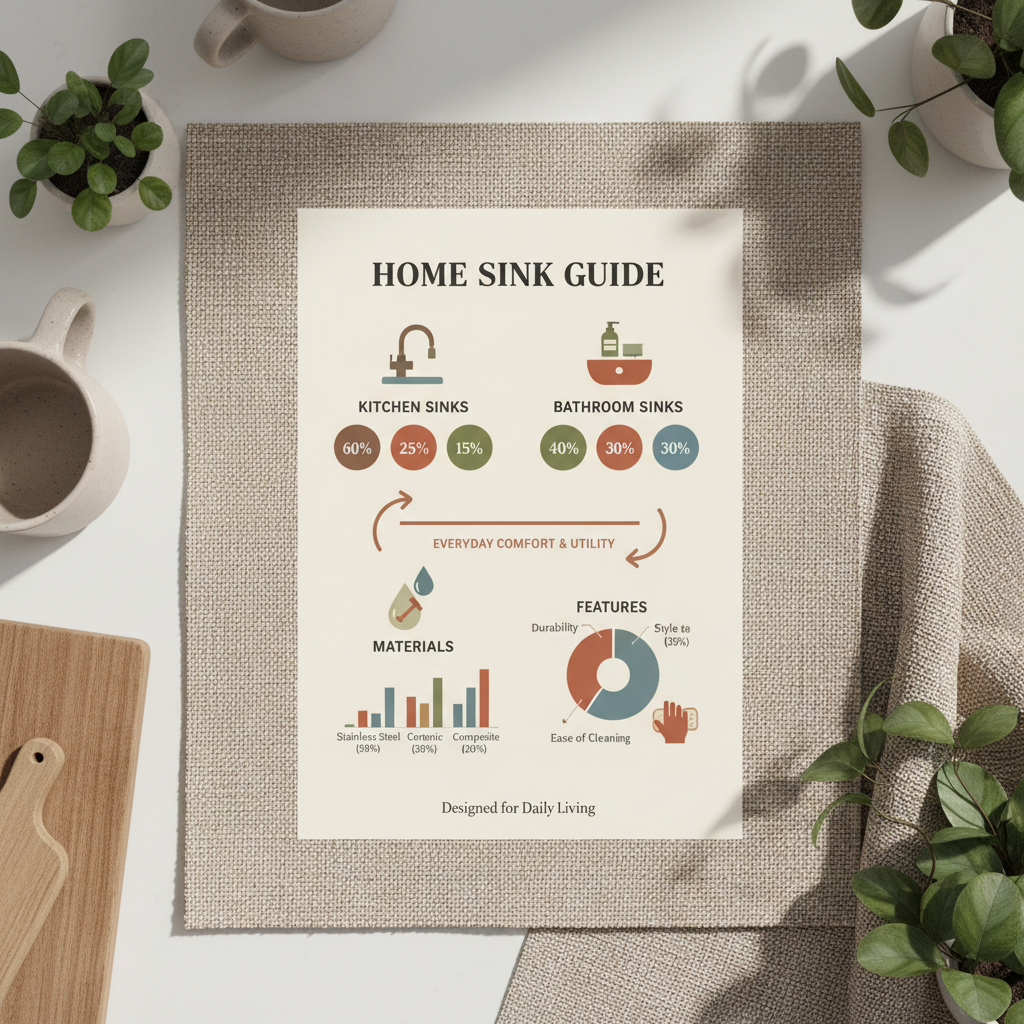
Sink Type Popularity Ratings
Advantages and Long-Term Value of Different Sink Types
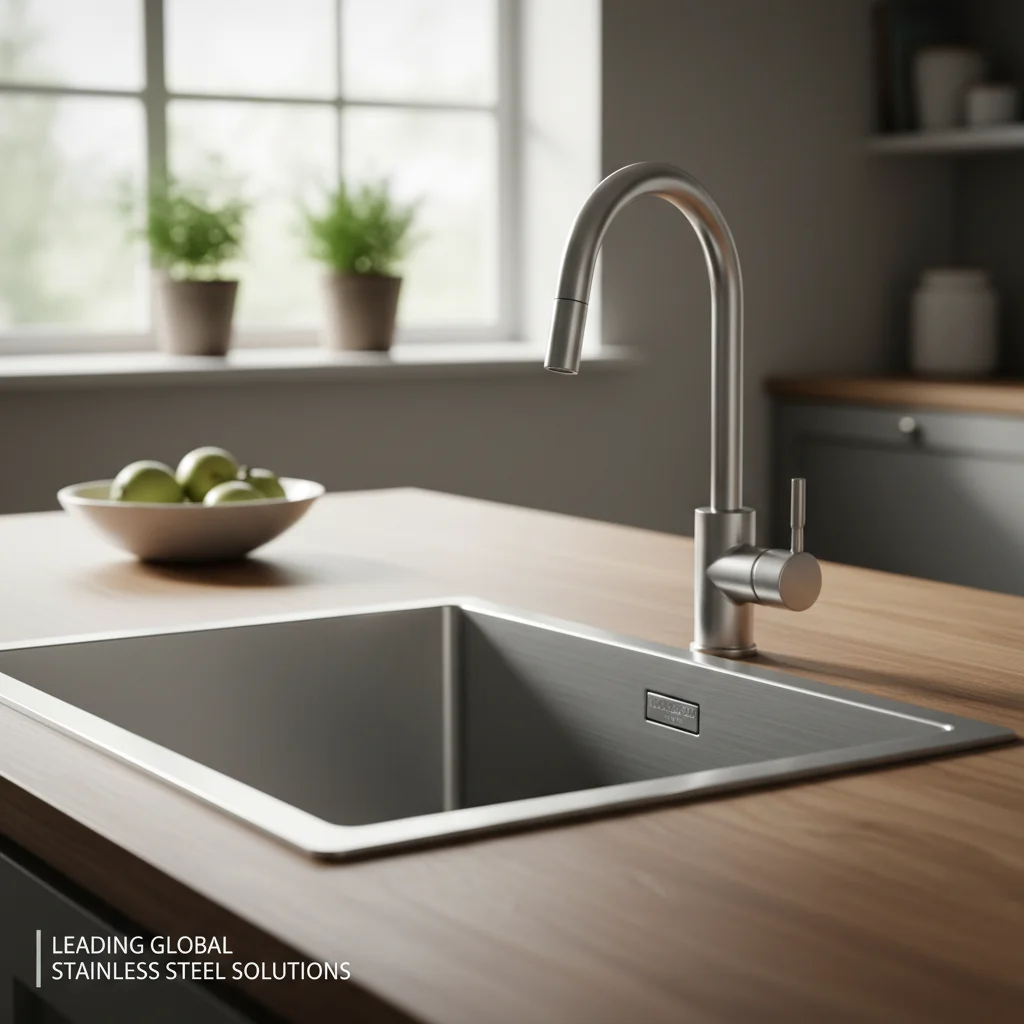
Stainless steel sinks offer excellent value due to their affordability, durability, and resistance to corrosion. They are relatively easy to maintain and are available in a wide range of styles and sizes. However, they can be prone to scratches and dents.
Farmhouse sinks, while more expensive, provide a timeless aesthetic and offer ample space for washing large items. Their deep basins and apron-front design make them a popular choice for those seeking a traditional look. The initial investment is higher, but their longevity contributes to long-term value.
Future Trends in Sink Design
Smart sink technology is a rapidly evolving trend, with manufacturers incorporating features like touchless faucets, built-in water filtration systems, and voice control capabilities. These innovations enhance convenience, hygiene, and water conservation.
Sustainable materials are also gaining prominence, with manufacturers exploring alternatives like recycled stainless steel, bamboo composites, and bio-based plastics. These materials reduce environmental impact and appeal to environmentally conscious consumers.
The integration of antimicrobial coatings is another key trend, particularly in healthcare settings and kitchens. These coatings inhibit the growth of bacteria and viruses, contributing to a more sanitary environment.
Challenges and Solutions in Sink Selection
One common challenge is selecting the right sink size and configuration for a specific space. Careful measurement and consideration of workflow needs are essential to avoid costly mistakes. Utilizing online planning tools and consulting with a professional designer can help overcome this challenge.
Another challenge is balancing cost with quality. While affordable options may be tempting, investing in a higher-quality sink often results in greater durability and long-term value. Researching different materials and brands can help make an informed decision.
Ensuring proper installation is also crucial. Incorrect installation can lead to leaks, damage, and reduced sink performance. Hiring a qualified plumber is highly recommended to ensure a professional and reliable installation.
Summary of Challenges and Solutions for Sink Selection
| Challenge |
Impact |
Solution |
Cost Estimate |
| Incorrect Sink Size |
Reduced Functionality, Poor Aesthetics |
Detailed Measurement & Planning |
$0 - $100 |
| Low-Quality Materials |
Short Lifespan, Frequent Repairs |
Invest in Durable Materials |
$100 - $500 |
| Improper Installation |
Leaks, Damage, Reduced Performance |
Hire a Qualified Plumber |
$150 - $400 |
| Unsuitable Mounting Style |
Difficult Cleaning, Aesthetic Issues |
Consider Countertop & Workflow |
$0 - $200 |
| Lack of Water Conservation Features |
Increased Water Usage, Higher Bills |
Choose Low-Flow Faucets & Sinks |
$50 - $300 |
| Ignoring Aesthetic Compatibility |
Disharmonious Kitchen/Bathroom Design |
Coordinate Sink Style with Overall Decor |
$0 - $100 |
FAQS
Stainless steel, particularly 16-gauge or lower, is widely considered the most durable sink material. It’s resistant to corrosion, staining, and impact. While cast iron with enamel coating is also very durable, it's susceptible to chipping if struck hard. Granite composite sinks are also a strong contender, offering good resistance to scratches and heat, but can be pricier.
Undermount sinks offer a sleek, seamless look as they are installed below the countertop. Pros include easy cleaning, a modern aesthetic, and maximizing countertop space. Cons include a more complex and often expensive installation, requiring a solid surface countertop (like granite or quartz), and potentially limited access for repairs.
Farmhouse sinks are aesthetically appealing and offer a large basin ideal for washing oversized items. However, they are generally more expensive than standard sinks and require a specific cabinet structure to support their weight. Whether it’s "worth it" depends on your budget, kitchen style preferences, and the level of functionality you desire.
While stainless steel is durable, it's prone to scratches. Use a sink grid to protect the bottom from pots and pans. Avoid abrasive cleaners and scrub pads. Regularly wipe down the sink with a mild detergent and a soft cloth. Occasional polishing with a stainless steel cleaner can help maintain its shine and minimize the appearance of scratches.
For a small kitchen, a single-basin sink is often the most practical choice as it maximizes usable space. An undermount sink can also create a more streamlined look, freeing up countertop area. Consider a smaller sink overall to avoid overwhelming the space. A corner sink can also be a good option to make best use of available space.
High-quality composite granite sinks are generally stain-resistant, but they can be susceptible to staining from dark-colored liquids like coffee or red wine if left for extended periods. Regular cleaning with mild soap and water is usually sufficient. For stubborn stains, a specialized granite cleaner may be necessary.
Conclusion
Understanding the diverse types of sinks available is essential for making informed decisions that enhance both the functionality and aesthetic appeal of any kitchen or bathroom. From material durability and mounting styles to bowl configurations and future trends, a careful assessment of these factors ensures a long-lasting and satisfying investment.
As technology advances and sustainability becomes increasingly important, we can expect to see further innovation in sink design and materials. By staying informed about these developments and considering your specific needs, you can choose a sink that not only meets your immediate requirements but also contributes to a more efficient and environmentally responsible home. Visit our website at www.yashitesink.com to explore our wide selection of sinks.