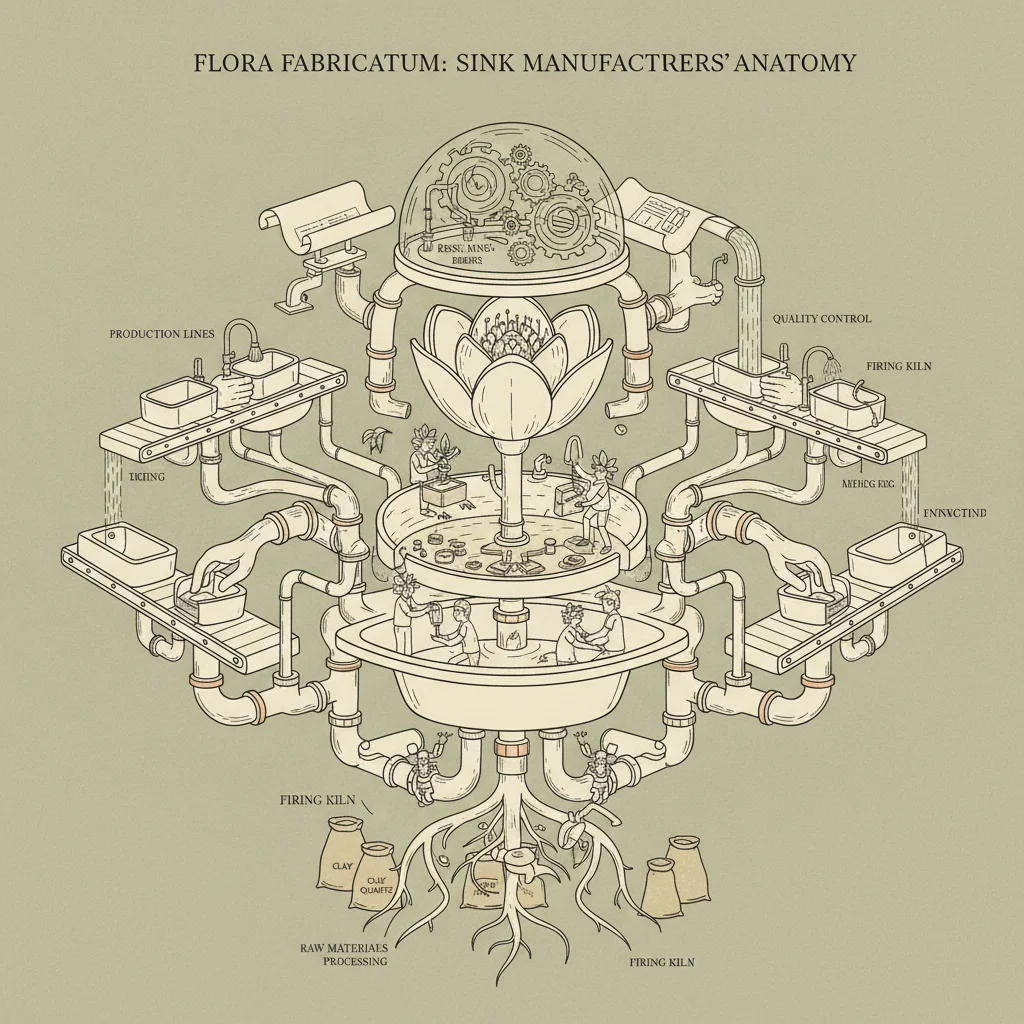
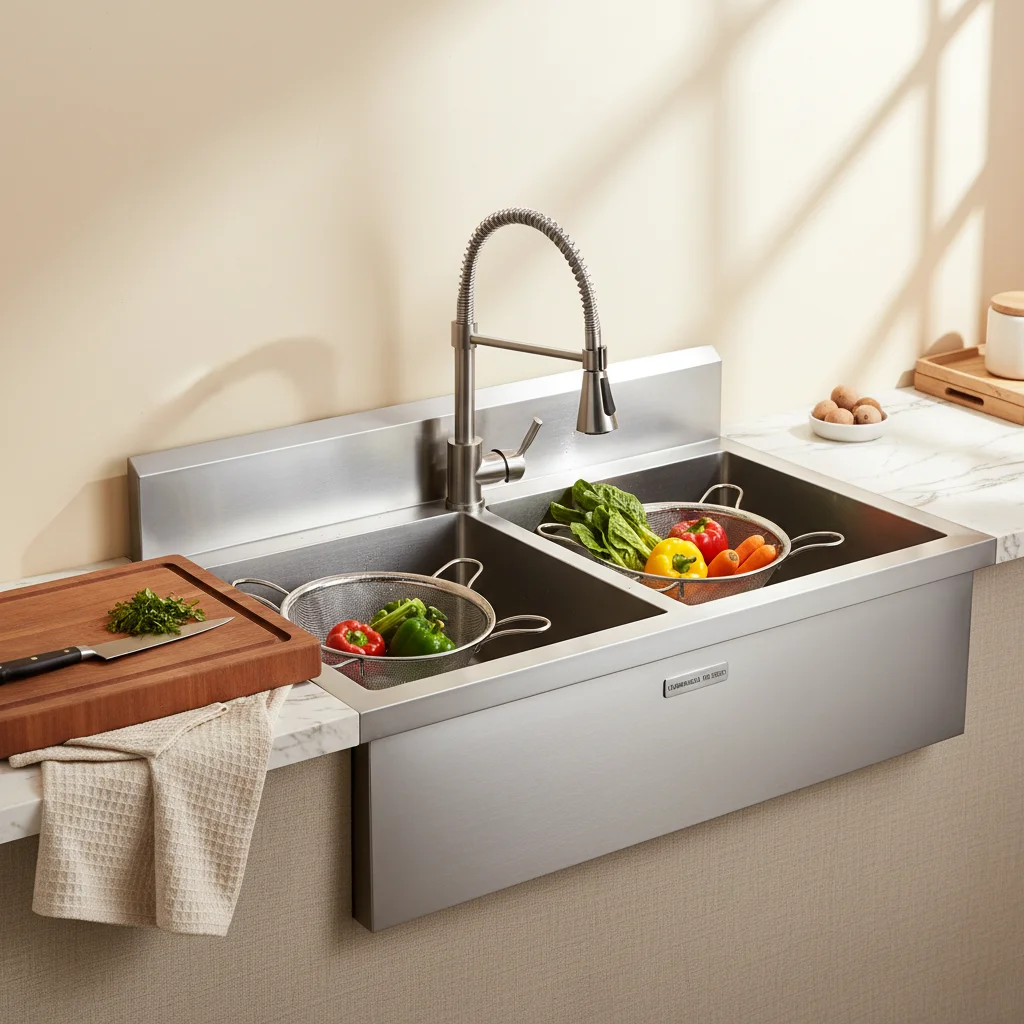
You know, after running around construction sites all year, breathing in dust and dealing with all sorts of things, you start to see patterns. The kitchen sink world, it's… evolving. A lot of it’s moving towards these composite materials, these fancy coatings. Seems like everyone’s chasing “seamless” these days. Frankly, it’s a bit of a headache.
Honestly, the biggest thing I’ve noticed is this push for larger single-bowl sinks. People want space, apparently. But have you *tried* maneuvering one of those behemoths into a tight apartment kitchen? It’s a nightmare. And the weight… Forget about it.
Anyway, I think we’re also seeing a lot more demand for smart features. Sinks with integrated touchless faucets, garbage disposals with bluetooth… Honestly, I question how much of that people actually use. It’s a bit much, isn’t it?
The Evolving Landscape of Kitchen Sink Manufacturing
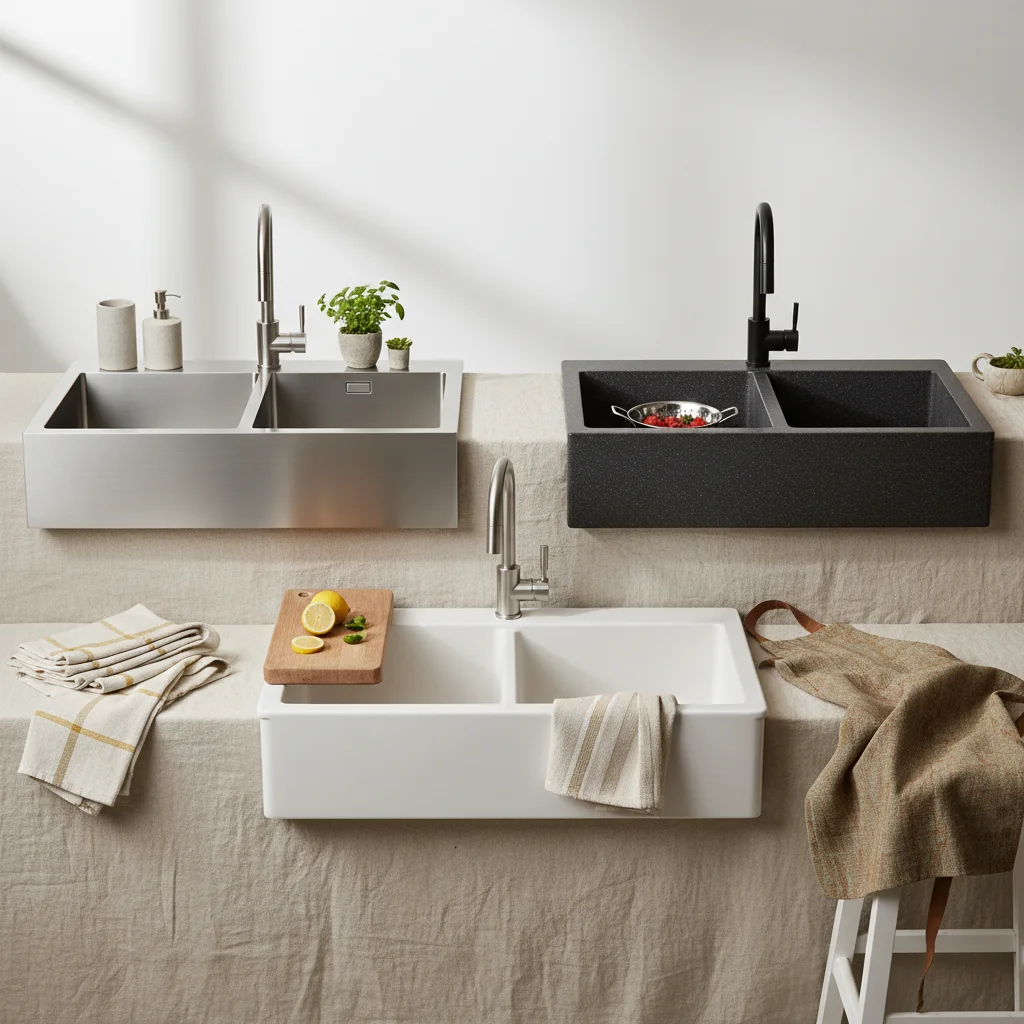
Strangely enough, stainless steel is still king, you know? It just *works*. But these new quartz composites… they're trying to mimic the look of granite, the durability of steel. It’s getting there, but the price point is still pretty high. And the weight… oh, the weight. You try carrying one of those up three flights of stairs.
The move to more sustainable manufacturing is also a big deal, or at least everyone *says* it is. Less chrome plating, more recycled content. It’s good to see, honestly, but it adds cost. It always adds cost.
Design Pitfalls: What Seems Good on Paper…
To be honest, the biggest design flaw I see is overcomplication. These sinks with all these little nooks and crannies? They’re a pain to clean. People don’t want to spend their lives scrubbing corners. They want something that's functional and easy to maintain.
And these incredibly thin-walled sinks… they look sleek, sure, but they dent easier than a politician's promises. I encountered this at a factory in Foshan last time, beautiful sink, but put a little pressure on it during installation and… ping!
Another one? Integrated drainboards that aren't properly sloped. Water pools, bacteria grows. It’s basic physics, people!
Materials: The Feel, The Smell, The Real Deal
Stainless steel, of course, has that cold, solid feel. You can smell the metal, almost. Different grades, too. 304 is the workhorse, 316 is more corrosion-resistant, and costs a fortune. You can tell a good 304 by the weight and the finish. It’s got a certain heft to it.
Quartz composite… now that’s a different beast. It's granular, you can feel the tiny particles. Some of the cheaper ones have a dusty smell, almost like concrete. The good stuff, though, feels smooth and cool. They bind it with acrylic resins, and that’s where the differences really show up. Too much resin, it’s brittle. Too little, it crumbles.
And don't even get me started on fireclay. Heavy, brittle, but looks fantastic. It smells like… well, fired clay. It reminds me of my grandmother's kitchen.
Testing: Beyond the Lab, Into the Field
Look, lab tests are fine. Drop tests, corrosion tests… but they don’t tell the whole story. You need to see how these things hold up in a real kitchen, with real people using them.
We do a lot of on-site testing. We'll install a sink in a busy restaurant, let the dishwashers beat on it for a month, then go back and see what happened. That's where you really find out what's weak. We once left a sink in a rental property for a year. The things people did to it… I don't even want to talk about it.
Kitchen Sink Manufacturing Performance Metrics
User Behavior: What People Actually Do
People don’t use sinks the way we think they do. They pile dishes in them, they use them as makeshift cutting boards, they drop pots and pans… it’s chaos. I swear, some people treat their sinks like garbage disposals for everything but garbage.
And the cleaning habits… don't even ask. People let food sit for days, then wonder why it smells. They use abrasive cleaners that ruin the finish. It’s a constant battle.
Advantages & Disadvantages: The Honest Truth
Stainless steel: Durable, affordable, easy to clean. Disadvantage? Scratches easily, and can be noisy. Quartz composite: Looks great, quieter than steel, resistant to staining. But it’s expensive, heavy, and can chip.
Fireclay: Classic look, durable, but brittle. Acrylic: Lightweight, cheap, but… well, you get what you pay for. It looks nice for about five minutes. Cast Iron: Super durable, retains heat well, but *extremely* heavy.
Honestly, there's no perfect material. It always comes down to a trade-off.
Customization: Beyond the Catalog
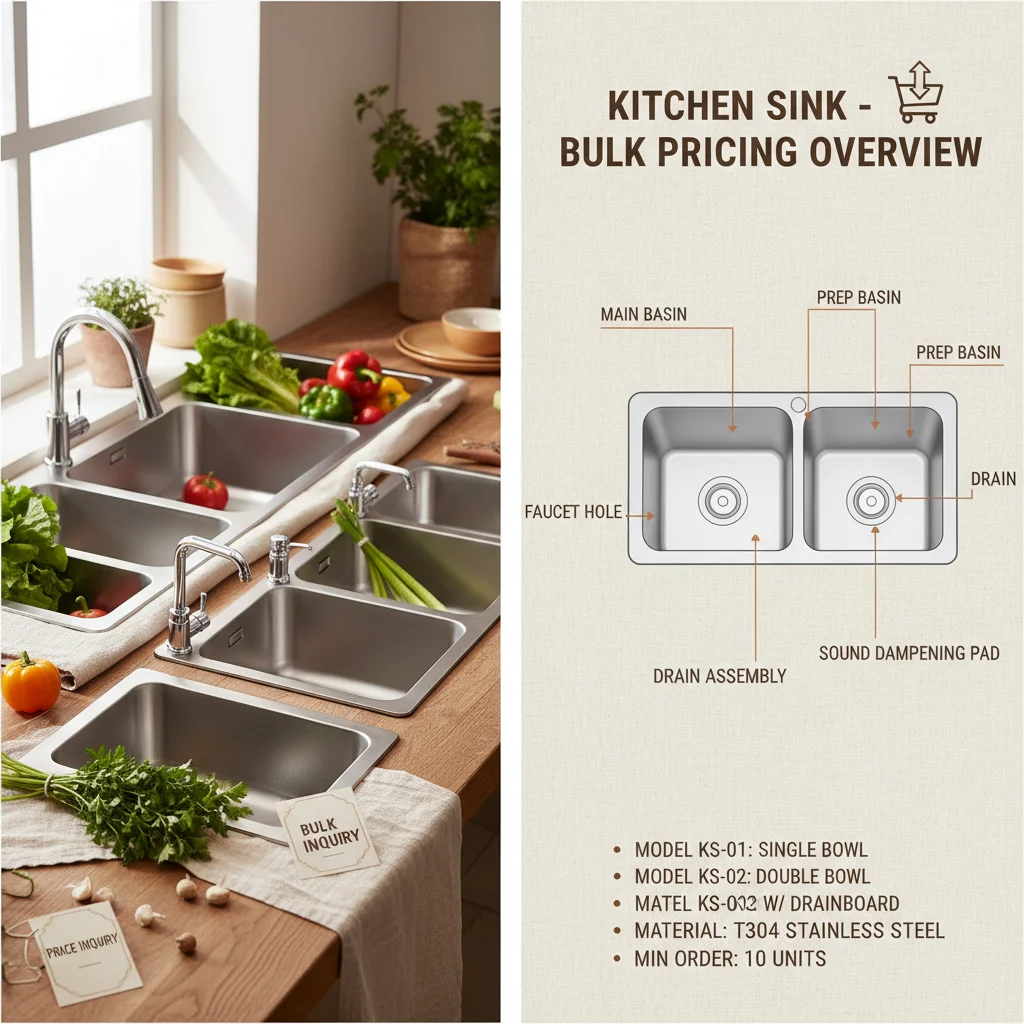
We can do a lot of customization. Different sizes, different depths, different finishes. Last month, that small boss in Shenzhen who makes smart home devices insisted on changing the interface to for the faucet connection – said it was for future-proofing. The result? A massive headache for installers. It worked, but it was a pain.
We can also do custom drain placements, add extra sound dampening, even engrave logos. Anything’s possible… for a price.
We had one customer who wanted a sink with a built-in ice bucket. An ice bucket! I’m not even sure why, but we built it.
Material Properties & Performance Analysis
| Material |
Durability (1-10) |
Cost (1-10) |
Maintenance Effort (1-10) |
| Stainless Steel (304) |
8 |
4 |
3 |
| Quartz Composite |
7 |
7 |
5 |
| Fireclay |
6 |
6 |
6 |
| Acrylic Composite |
3 |
2 |
2 |
| Cast Iron (Enamel Coated) |
9 |
8 |
4 |
| Copper |
7 |
9 |
7 |
FAQS
Honestly, for a workhorse kitchen, you can’t beat a good quality 304 stainless steel. It's durable, relatively affordable, and can handle a beating. Sure, it scratches, but those scratches are just proof of a life well-lived. Don’t bother with anything fancy if it's going to be abused. Just get a solid, thick gauge steel.
Rinse it! Seriously. Rinse it after every use. Don't let acidic foods like lemon juice or tomato sauce sit in the sink for extended periods. And use a mild detergent. No abrasive cleaners! They'll scratch the finish. A little baking soda paste can work wonders for stubborn stains, though.
It depends. If you prioritize aesthetics and noise reduction, then yes, it can be worth it. It looks great and is much quieter than stainless steel. However, if you're on a tight budget or are prone to dropping heavy objects, stainless steel is a safer bet. Plus, repairs on quartz composite can be tricky.
That depends on your needs. Deeper sinks are great for washing large pots and pans, but can be harder on your back. Shallower sinks are easier to reach into, but you might splash more. Most people find a 9-10 inch depth to be a good compromise. Consider what you typically wash in your sink.
Under-mount sinks look sleek, but yeah, they’re a bit more involved to install. You need a solid countertop material, and you have to make sure the sink is properly sealed. It’s not something you want to DIY unless you’re really confident in your skills. A slight miscalculation and you're looking at a leaky mess.
More and more manufacturers are using recycled materials in their sinks, which is good. Stainless steel is itself highly recyclable. Look for sinks with low-VOC finishes and water-efficient faucets. Even something as simple as choosing a durable sink that will last longer is a sustainable choice – less waste in the long run.
Conclusion
So, there you have it. Kitchen sinks aren't glamorous, but they're essential. The industry is constantly evolving, new materials are emerging, and designs are getting more complex. But at the end of the day, the most important thing is to choose a sink that's durable, functional, and meets your needs.
Ultimately, whether this thing works or not, the worker will know the moment he tightens the screw. If it feels solid, if it fits right, then you've got a good sink. Don't overthink it. And for the love of all that is holy, don't let anyone talk you into an ice bucket.