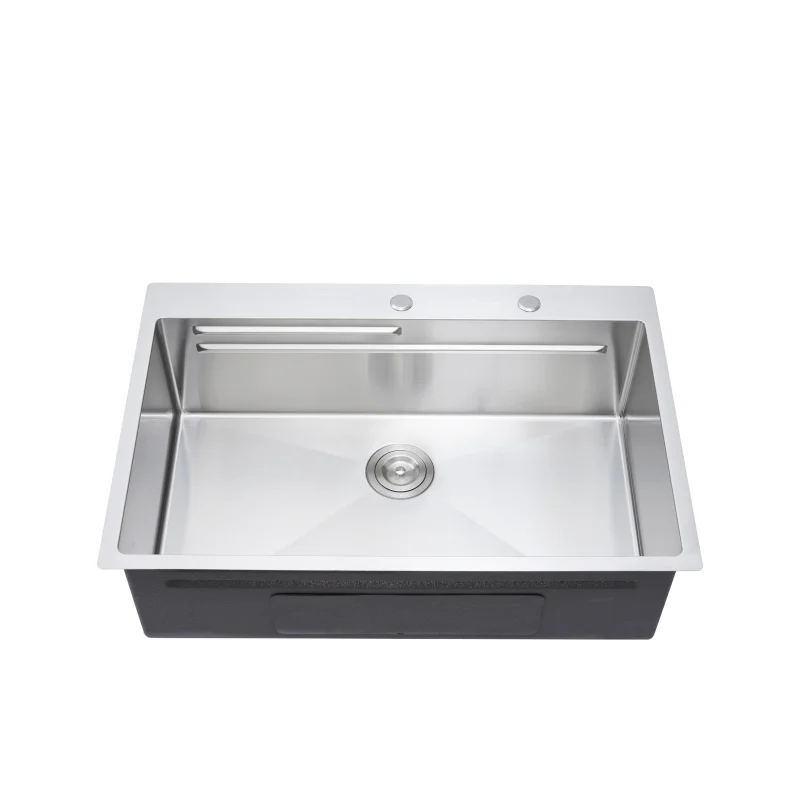
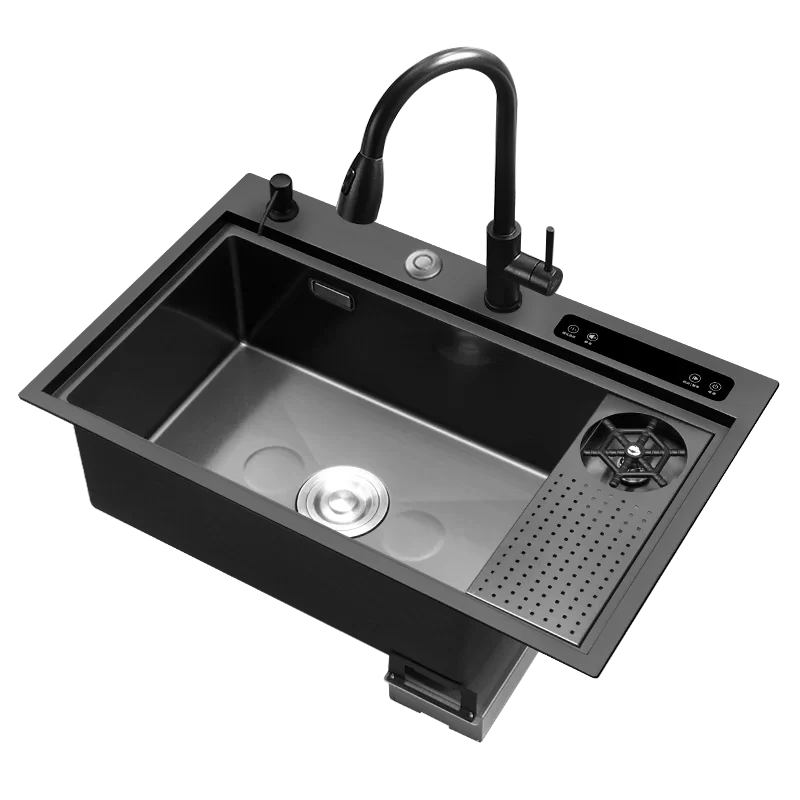
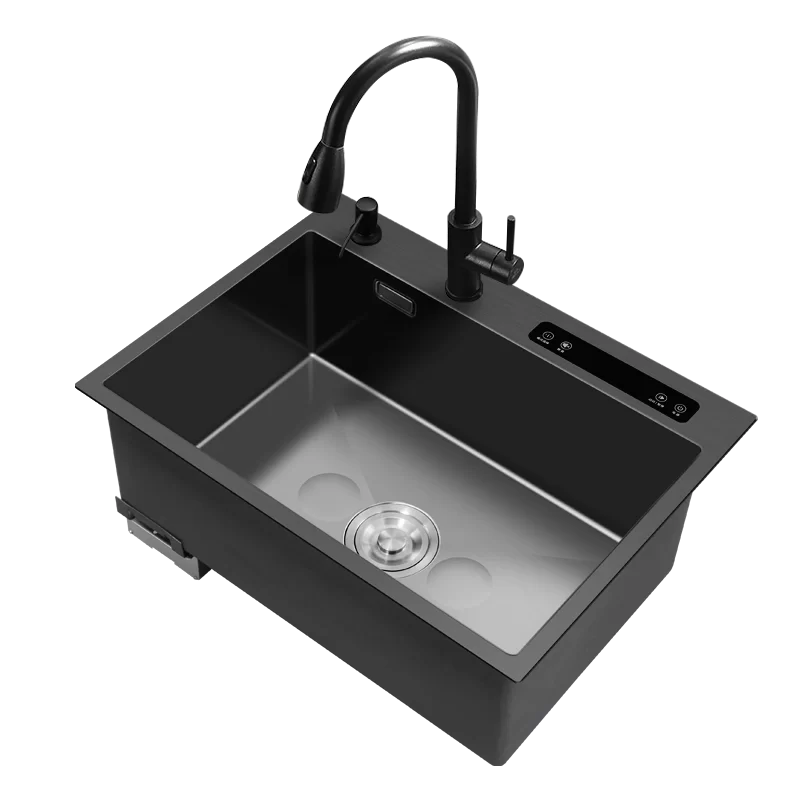
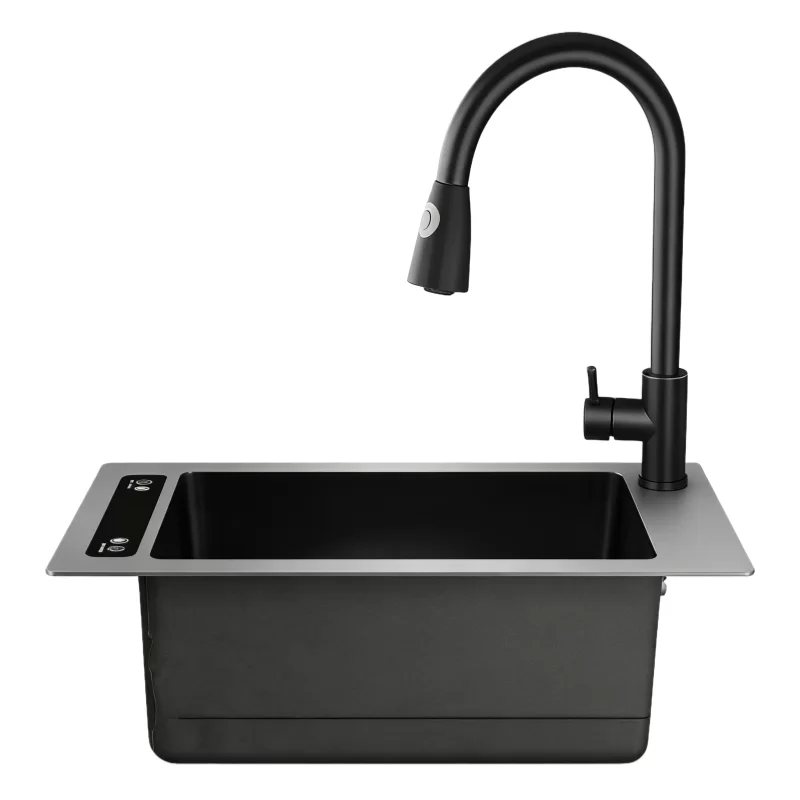
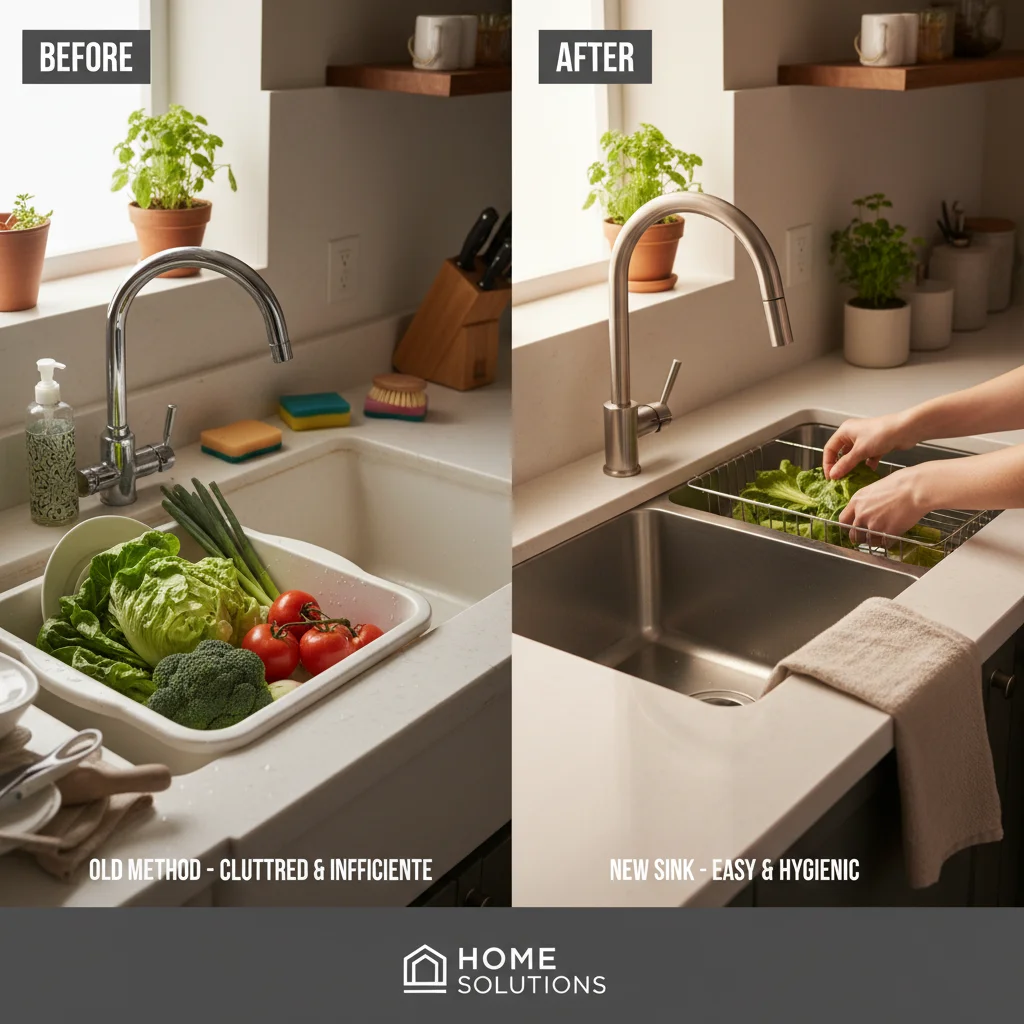
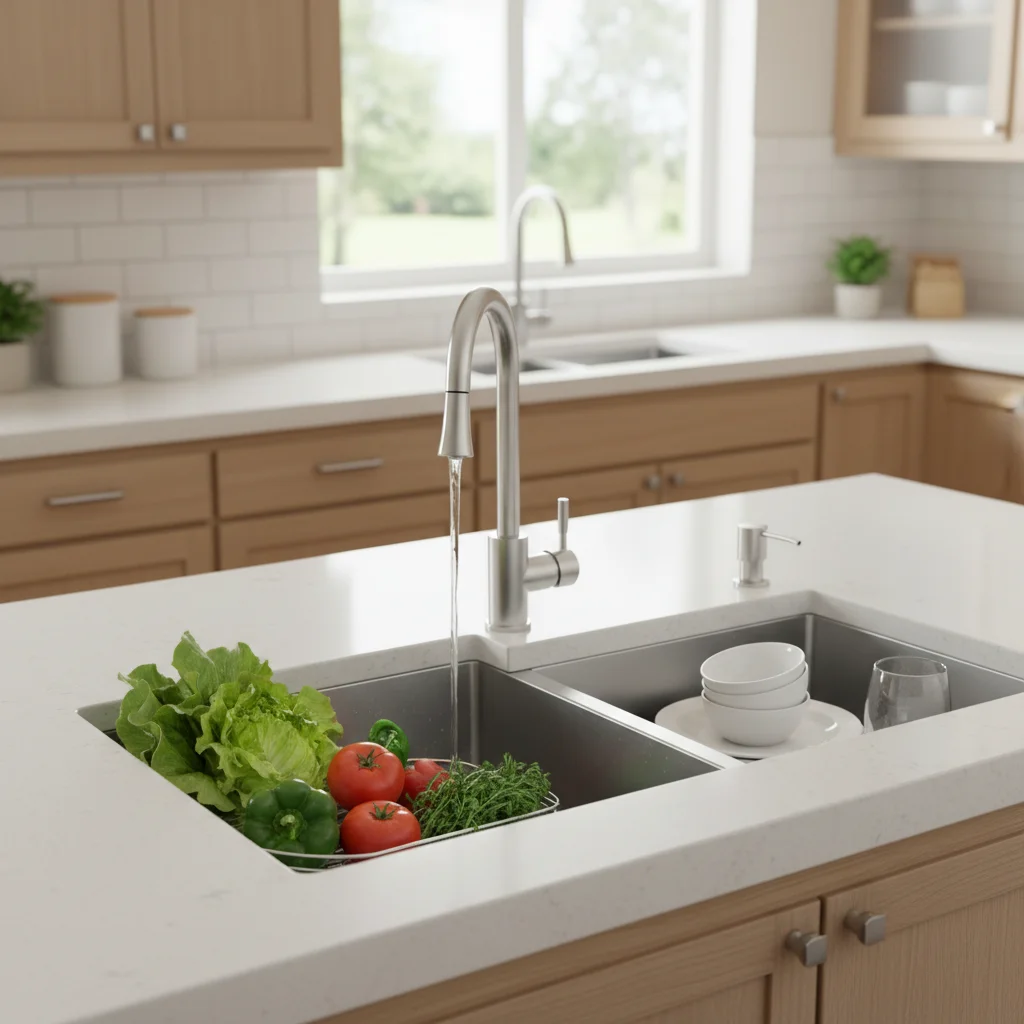
In the contemporary kitchen landscape, the choice of a sink transcends mere utility; it is a declaration of style, a testament to functionality, and a cornerstone of culinary efficiency. Among the myriad options available, the undermount double sink stainless steel stands as a paragon of modern kitchen design, seamlessly blending aesthetic sophistication with robust performance. This particular configuration has ascended to prominence for its inherent ability to transform a mundane task into a streamlined process, while simultaneously enhancing the visual flow and perceived value of a countertop. Unlike top-mount alternatives that interrupt the smooth expanse of granite, quartz, or solid surface, the undermount installation creates a flush, uninterrupted surface, making cleanup effortless and contributing to a sleek, minimalist aesthetic. The dual-bowl design further augments its practicality, allowing for multitasking—such as soaking dishes in one basin while rinsing produce in the other—without compromise. Stainless steel, revered for its resilience and timeless appeal, perfectly complements this design, offering a hygienic, durable, and corrosion-resistant solution that withstands the rigors of daily kitchen activity. This deep dive will unravel the multifaceted advantages, technical intricacies, and strategic considerations that solidify the undermount double sink stainless steel as the quintessential choice for discerning homeowners and professional designers alike, guiding you through an informed decision-making process for an investment that truly elevates the heart of your home.
The Engineering Marvel: Unpacking Technical Advantages
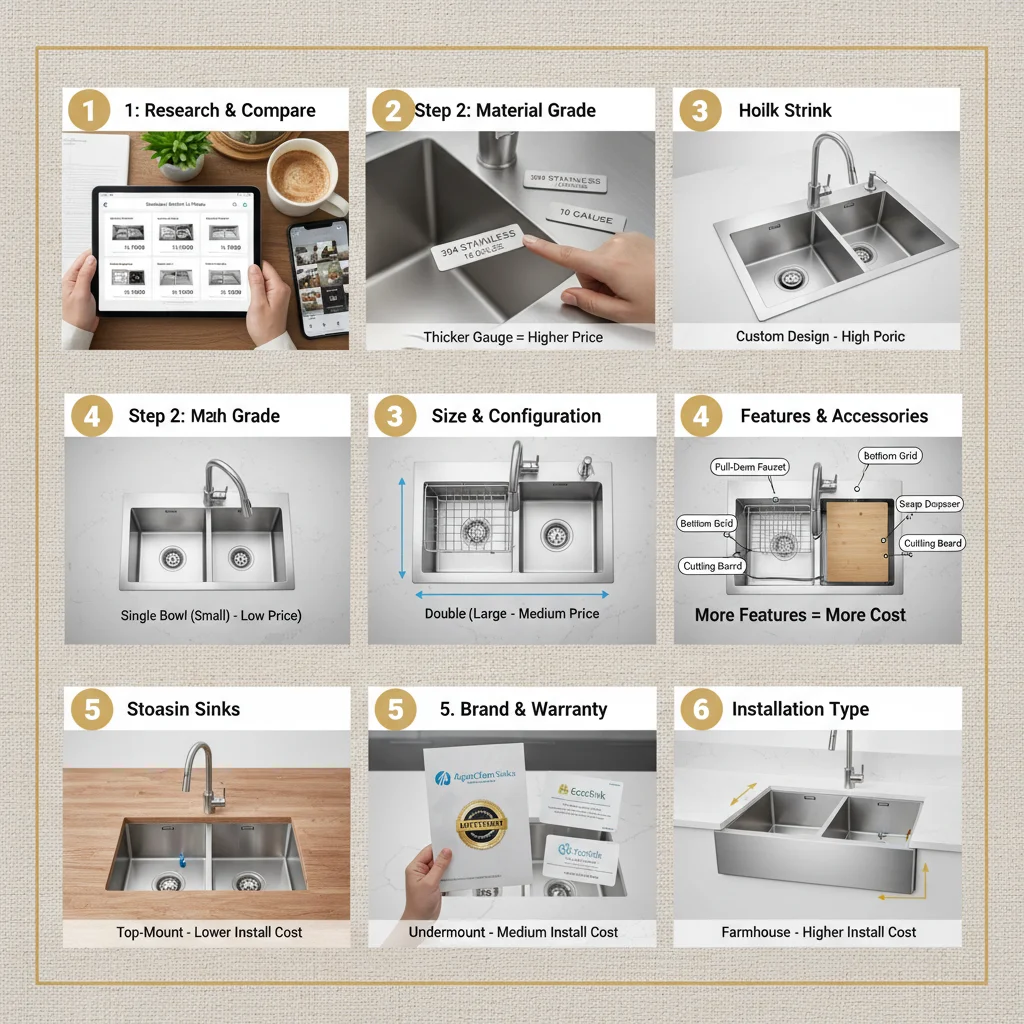
Beyond its striking appearance, the inherent value of an undermount double sink crafted from stainless steel lies deeply rooted in its sophisticated engineering and material science. The foundation of its durability and performance begins with the grade of stainless steel. The industry standard, and indeed the benchmark for quality, is 304-grade stainless steel, often referred to as 18/8 or 18/10 due to its composition of 18% chromium and 8-10% nickel. This specific alloy provides exceptional resistance to corrosion, rust, and oxidation, crucial for an environment constantly exposed to water, food acids, and cleaning agents. For applications demanding even greater resilience, particularly in coastal regions or highly corrosive environments, 316-grade stainless steel, with its added molybdenum content, offers enhanced pitting and crevice corrosion resistance. A critical factor in assessing the quality and longevity of a stainless steel sink is its gauge. Gauge refers to the thickness of the steel, with lower numbers indicating thicker material. Premium sinks typically feature 16-gauge or 18-gauge stainless steel, providing superior dent resistance, reduced noise, and a more substantial feel compared to thinner 20- or 22-gauge alternatives. The robust construction ensures the sink can withstand heavy pots and pans without deforming, contributing significantly to its lifespan.
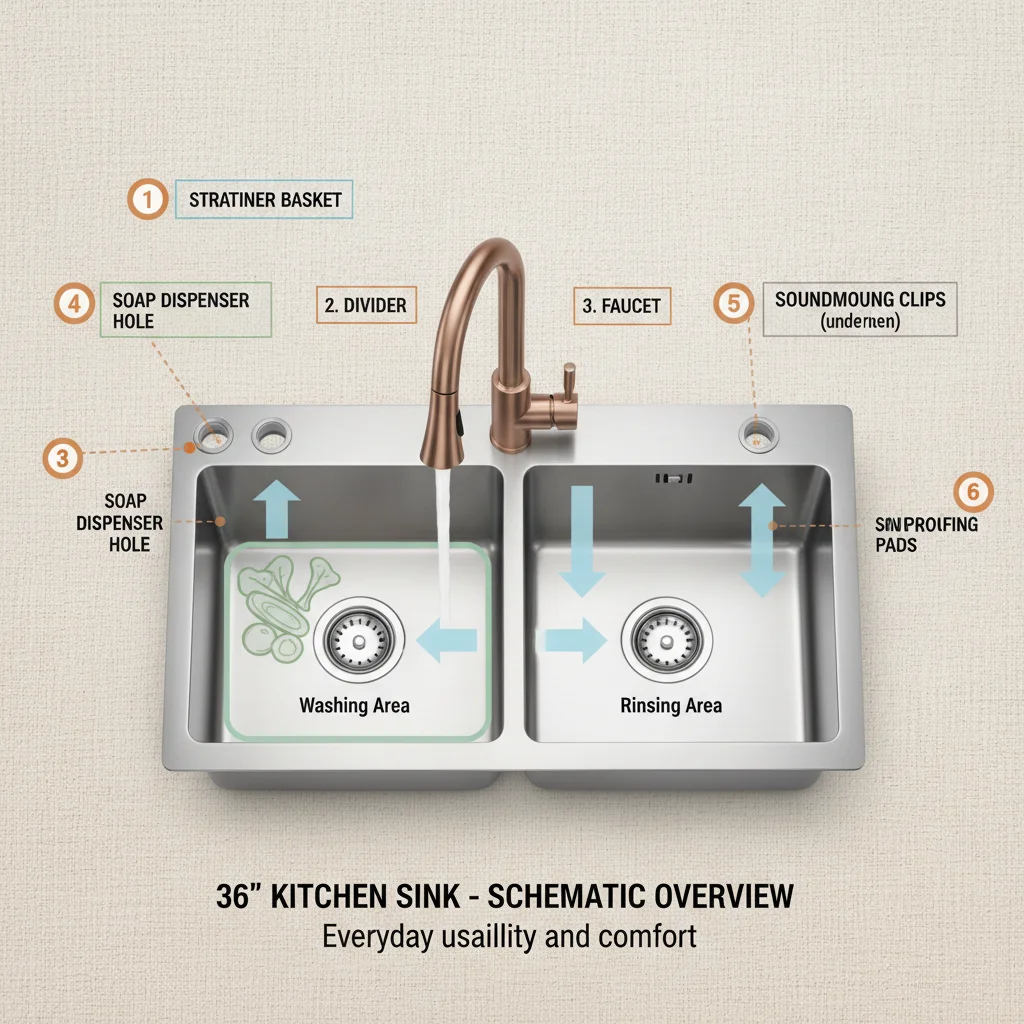
Furthermore, modern stainless steel sinks incorporate advanced sound dampening technology, a subtle yet profound enhancement that transforms the kitchen experience. High-quality sinks utilize dense rubber pads strategically adhered to the exterior of the sink bowls, often supplemented by a non-toxic undercoating. This composite barrier effectively absorbs vibrations and minimizes the clang of dishes or the roar of running water, creating a quieter, more pleasant kitchen environment. This attention to acoustic detail is a hallmark of superior craftsmanship. Efficient drainage is another engineering triumph. Contemporary designs feature subtly sloped bottoms and precisely engineered channel grooves that direct water swiftly towards the drain, preventing pooling and facilitating rapid cleanup. The corners of the sink bowls also play a role, with tighter radius corners maximizing usable basin space while still allowing for easy cleaning, balancing aesthetics with practicality. The non-porous surface of stainless steel inherently deters bacterial growth, offering a hygienic solution that is easy to clean and maintain, requiring only basic detergents and routine wiping to retain its pristine condition. These cumulative technical advantages underscore why an undermount double sink in stainless steel represents a pinnacle of kitchen utility and lasting value.
Data-Driven Performance: The Impact of a Superior Kitchen Investment
The decision to invest in a high-quality kitchen fixture like an undermount double stainless steel sink is not merely an aesthetic choice; it’s a strategic investment with tangible, measurable impacts on home value, daily efficiency, and long-term cost savings. Consider the statistics: according to a 2023 Houzz Kitchen Trends Study, kitchen renovations continue to be among the most popular home improvement projects, with homeowners prioritizing durability and ease of maintenance. A premium stainless steel sink directly addresses these priorities, boasting an average lifespan of 15-20 years, significantly outperforming many composite or ceramic alternatives that may show wear and tear or staining within a decade. This longevity translates into substantial cost savings by deferring replacement expenses for years, if not decades.
From a resale perspective, a well-appointed kitchen is a primary driver for potential buyers. Real estate analytics consistently show that kitchens featuring modern, high-grade fixtures like an undermount stainless steel sink can increase a home's perceived value by 5-10%. A recent survey of real estate agents indicated that 85% believe a modern, functional kitchen significantly influences a buyer's decision, with stainless steel appliances and fixtures being top contributors to a "move-in ready" appeal. Beyond monetary value, the operational efficiency gained is invaluable. Research suggests that a well-designed dual-bowl sink can reduce kitchen prep and cleanup time by up to 20% due to the ability to simultaneously perform multiple tasks. This translates to hours saved each week for busy families, allowing more time for other activities. Moreover, the inherent hygiene of stainless steel contributes to a healthier home environment. Studies from food safety organizations highlight that non-porous surfaces like stainless steel are significantly easier to sanitize, reducing bacterial counts by up to 99% compared to certain porous materials, thereby minimizing the risk of cross-contamination during food preparation. These compelling data points underscore that choosing a superior undermount double stainless steel sink is not an expense, but an astute investment in efficiency, health, and enduring home value.
Navigating the Market: A Manufacturer Comparison
The burgeoning market for kitchen fixtures means an array of manufacturers offer undermount double stainless steel sinks, each with their own unique selling propositions. Making an informed choice requires looking beyond surface aesthetics and delving into the specifics of material quality, manufacturing processes, warranty, and customer support. While many brands might appear similar, subtle differences in their offerings can significantly impact long-term satisfaction and value. Discerning homeowners should consider a holistic view that balances initial cost with durability, features, and after-sales service. To illustrate these nuances, let's consider a comparative overview of typical manufacturer profiles, focusing on key attributes that differentiate their products:
Feature | Manufacturer A (Premium) | Manufacturer B (Mid-Range) | Manufacturer C (Value-Oriented) |
Material Gauge | 16-Gauge 304 SS (or 316 SS for specific models) | 18-Gauge 304 SS | 20-Gauge 304 SS |
Sound Dampening | Extensive thick rubber pads + proprietary undercoating | Standard rubber pads + light spray coating | Minimal rubber pads only |
Finish Options | Brushed Satin, Polished, Custom PVD options | Brushed Satin, Semi-Gloss | Brushed Finish only |
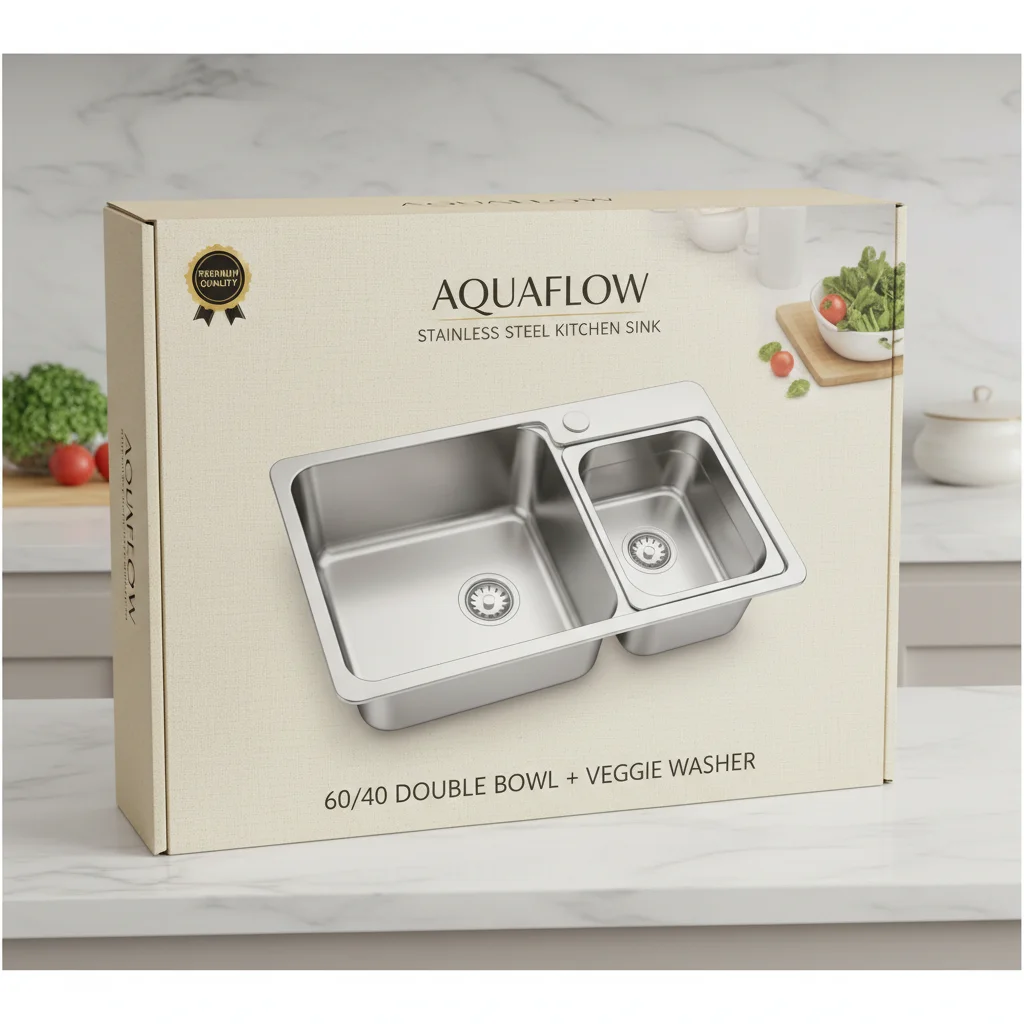
Bowl Configuration | Wide range (50/50, 60/40, low-divide, custom) | Standard (50/50, 60/40) | Limited (mostly 50/50) |
Warranty | Limited Lifetime Warranty | 10-Year Limited Warranty | 5-Year Limited Warranty |
Included Accessories | Bottom grids, strainers, cutting board, roll-up rack | Bottom grids, strainers | Basic strainers |
Customer Support | Dedicated support, readily available parts | Online support, standard response times | Limited online resources |
When evaluating these options, consider not just the initial price tag but the total cost of ownership. A sink from Manufacturer A, while potentially higher in upfront cost, offers superior longevity, performance, and a comprehensive warranty, minimizing future expenses and hassle. Manufacturer B provides a solid balance of quality and affordability for many homeowners. Manufacturer C, while budget-friendly, may compromise on noise reduction and long-term durability, leading to earlier replacement or less satisfaction. Look for certifications (like IAPMO R&T for plumbing standards), positive customer reviews, and a transparent warranty policy. Your choice should align with your budget, aesthetic preferences, and the anticipated demands of your kitchen, ensuring that your investment provides lasting satisfaction.
Tailoring Your Culinary Workspace: Customization Solutions
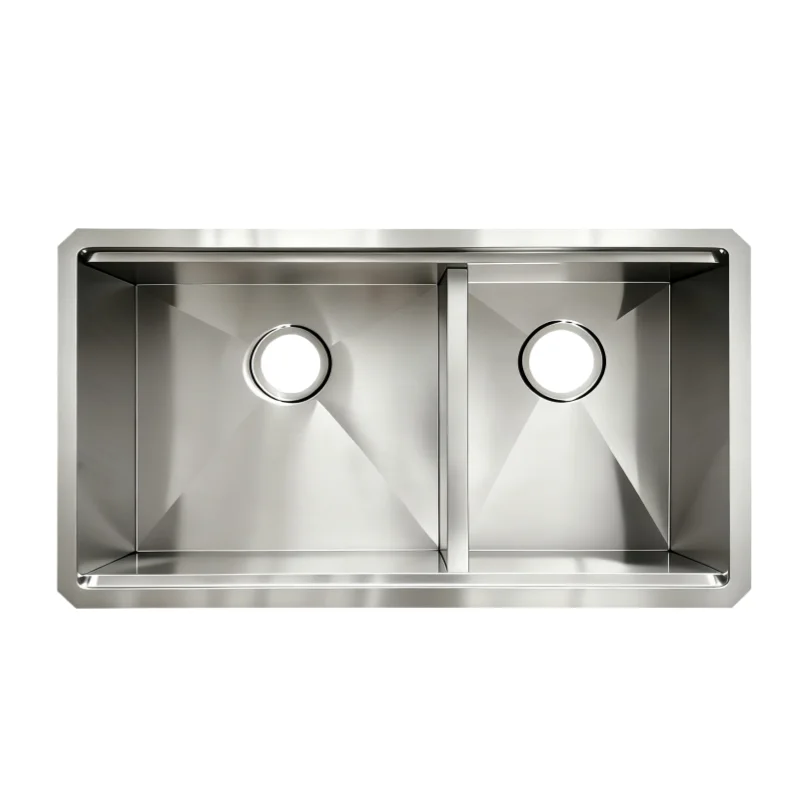
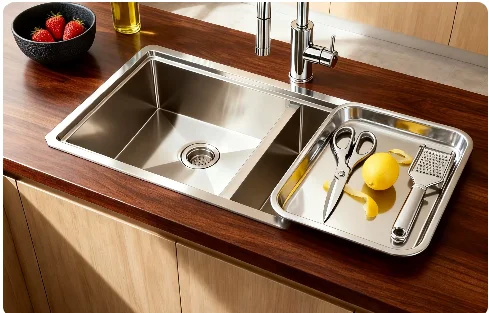
One of the most compelling aspects of modern kitchen design, particularly when it comes to the undermount double stainless steel sink, is the extensive array of customization options available. This allows homeowners to truly tailor their culinary workspace to their specific needs, cooking habits, and aesthetic preferences, transforming a standard fixture into a personalized hub of efficiency. The first significant area of customization lies in the bowl configuration. While the classic 50/50 split offers equal utility for both basins, a 60/40 split (larger bowl for pots, smaller for prep/disposal) or even a 70/30 configuration provides asymmetrical advantages for specific workflows. A rising trend is the "low-divide" sink, where the partition between the two bowls is lowered by several inches. This innovative design offers the best of both worlds: the ability to manage two tasks simultaneously while also accommodating oversized baking sheets or large pots that might not fit comfortably in a traditional divided sink. This subtle yet impactful modification greatly enhances versatility.
Beyond the fundamental layout, the physical attributes of the bowls can be fine-tuned. Bowl depth is a critical consideration; deeper bowls (often 9-10 inches) can hold more dishes, reducing visual clutter on countertops, but may require a bit more bending. Conversely, shallower bowls are easier on the back for taller individuals. The corner radius also contributes significantly to both aesthetics and maintenance. Tight, zero-radius corners offer a sleek, modern, almost industrial look but can be slightly more challenging to clean than sinks with a more generous, rounded radius. Most manufacturers offer a compromise with a gentle, easy-to-clean radius that retains a contemporary feel. The finish of the stainless steel itself presents another opportunity for personalization. While brushed satin is the most popular due to its ability to subtly hide water spots and minor scratches, other options include a more reflective polished finish for a brighter look, or even matte finishes for a distinctly modern touch. Some premium manufacturers offer PVD (Physical Vapor Deposition) coatings, which can impart unique colors like gunmetal, gold, or copper while enhancing scratch resistance and durability.
Finally, a host of integrated accessories can elevate the sink's functionality. Custom-fit grids protect the sink bottom from scratches and dings, doubling as drying racks. Cutting boards specifically designed to fit over one bowl create additional counter space and allow for direct food prep into a discard bowl. Roll-up drying racks, colanders, soap dispensers, and even integrated touchless faucets further enhance the sink's utility, making it a truly multi-functional workstation. For those embracing smart home technology, some advanced sinks can be integrated with smart kitchen systems for features like controlled water temperature or automated drainage. By meticulously considering these customization avenues, homeowners can ensure their undermount double stainless steel sink is not just a fixture, but a perfectly engineered extension of their culinary vision, seamlessly blending into their lifestyle and amplifying the joy of cooking and entertaining.
Real-World Transformation: Application Case Studies
The versatility and performance of an undermount double stainless steel sink truly shine in diverse real-world applications, proving its value not just in theory, but in daily practice across various settings. From the bustling hub of a family kitchen to the precise environment of a chef's home, these sinks adapt and excel, demonstrating their profound impact on efficiency and aesthetics.
Case Study 1: The Modern Family Home Renovation
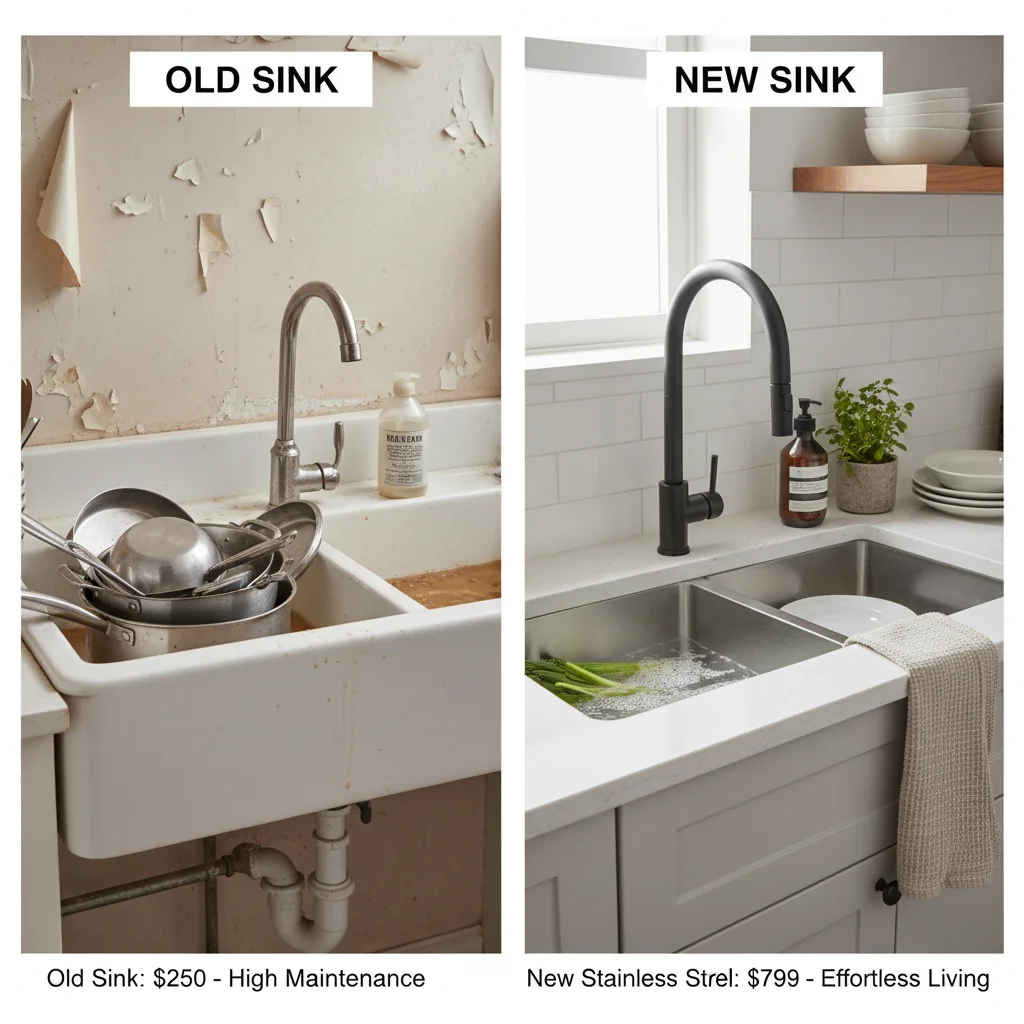
The Williams family, with two active children, embarked on a kitchen renovation aiming for both style and practicality. Their previous top-mount sink frequently accumulated grime around the rim and lacked sufficient space for their dynamic cooking needs. They opted for an undermount double sink stainless steel, specifically a 60/40 low-divide configuration in 16-gauge steel. The immediate impact was striking: the seamless integration with their new quartz countertop created an expansive, clean aesthetic. Practically, the larger bowl easily accommodated their oversized pots and pans, while the smaller bowl, equipped with a garbage disposal, was perfect for rinsing vegetables and managing food waste. The low divide proved revolutionary, allowing them to soak a roasting pan on one side while having ample space to wash dishes on the other, or even to wash a large stockpot that spanned both basins. Mrs. Williams noted, "Cleanup is a breeze now. There's no lip to scrub around, and the sound dampening means less clatter during homework time. It's transformed how we use our kitchen." The hygienic non-porous surface also offered peace of mind regarding food safety for their young children.
Case Study 2: The Urban Compact Kitchen Maximization
Mr. Lee, a passionate home cook living in a compact urban apartment, faced the challenge of maximizing every inch of his kitchen. His goal was to create a highly functional space without sacrificing aesthetic appeal. He selected a compact undermount double sink stainless steel with tight radius corners, prioritizing usable bowl volume. To further enhance utility, he integrated custom accessories: a roll-up drying rack that could be placed over one bowl for draining dishes or produce, and a bamboo cutting board that slid over the other bowl, effectively creating additional prep space directly above the sink. The undermount installation preserved the clean lines of his limited counter space, making the small kitchen feel larger and more organized. "In a small kitchen, every detail counts," Mr. Lee explained. "This sink system allows me to chop ingredients directly over the waste bowl, then rinse them without moving, and instantly create extra counter space for plating. It's an indispensable workstation." The durability of the stainless steel meant he didn't have to worry about scratching or staining from his intensive cooking sessions.
Case Study 3: The Professional Culinary Home Chef
Chef Anya, a culinary instructor and avid home entertainer, required a kitchen sink that could withstand rigorous use mirroring a professional environment. She chose a high-grade 316 stainless steel undermount double sink with extra-deep 10-inch bowls. Her primary requirement was extreme durability and ease of sanitation. The robust 16-gauge 316 stainless steel offered superior corrosion resistance, particularly important for handling acidic ingredients frequently. One bowl was designated for heavy-duty washing and scrubbing of large pots, while the other was dedicated to rinsing, blanching, and thawing ingredients, often using the integrated colander accessory. The precise slope and channel grooves ensured rapid drainage, crucial for maintaining a clean and efficient workspace during her elaborate meal preparations. Chef Anya emphasized, "For me, the sink is a primary workstation. The deep bowls mean I can hide dirty dishes during a party, and the impeccable drainage means no standing water. It's a professional-grade tool that blends seamlessly into my home, allowing me to focus on the art of cooking without compromise on hygiene or efficiency." These examples vividly demonstrate how an undermount double stainless steel sink is not merely a fixture, but a strategic asset, adaptable to a spectrum of needs and consistently delivering superior performance.
Elevating Your Home: The Enduring Value of an Undermount Double Sink Stainless Steel
The journey through the nuanced world of kitchen sinks ultimately leads to a clear understanding: an undermount double sink stainless steel is far more than a simple plumbing fixture. It represents a confluence of innovative design, meticulous engineering, and practical functionality that profoundly impacts the heart of any home. From its sleek, integrated aesthetic that liberates valuable counter space and streamlines cleanup, to its unwavering durability provided by high-grade stainless steel, this sink configuration consistently delivers on its promise of elevated performance and lasting value. The technical superiority, characterized by optimal gauge thickness, advanced sound dampening, and efficient drainage systems, ensures that it withstands the rigors of daily use while maintaining a serene kitchen environment. Data consistently supports the notion that such a significant kitchen upgrade not only enhances daily living through increased efficiency and hygiene but also serves as a potent investment, bolstering a home's resale value and appeal.
Furthermore, the extensive customization options, from varied bowl configurations like the highly popular low-divide to personalized finishes and integrated accessories, empower homeowners to craft a truly bespoke culinary workstation tailored to their unique needs and aesthetic vision. Real-world applications consistently demonstrate how these sinks transform kitchens of all sizes and styles, from family-centric hubs to compact urban culinary spaces and professional-grade home kitchens. The enduring appeal of stainless steel—its timeless look, hygienic properties, and inherent resistance to corrosion—combined with the ergonomic and aesthetic benefits of an undermount, double-bowl design, creates a synergy that few other options can match. Choosing an undermount double sink stainless steel is not just selecting a sink; it is making a conscious decision to invest in the efficiency, beauty, and longevity of your kitchen, ensuring that this vital space remains a source of joy, utility, and pride for many years to come.
Frequently Asked Questions about Undermount Double Sink Stainless Steel
Q1: What are the primary advantages of an undermount double sink stainless steel compared to a top-mount?
A1: Undermount sinks offer a seamless transition from countertop to sink, making cleanup easier as crumbs and liquids can be wiped directly into the basin. They also create a sleek, modern aesthetic and free up counter space. The double bowl enhances functionality for multitasking.
Q2: What gauge stainless steel is best for an undermount double sink?
A2: For optimal durability, dent resistance, and noise reduction, 16-gauge or 18-gauge stainless steel is highly recommended. Lower gauge numbers indicate thicker steel. While 20-gauge is acceptable for lighter use, it may be more prone to dents and noise.
Q3: How do I prevent water spots and scratches on my stainless steel sink?
A3: To prevent water spots, wipe your sink dry after each use. For scratches, stainless steel develops a patina over time, which often blends minor scratches. Avoid abrasive scrubbers or harsh chemical cleaners. Using a bottom grid can protect the sink surface from heavy pots and pans.
Q4: Can an undermount double sink be installed with any type of countertop?
A4: Undermount sinks are best suited for solid surface countertops like granite, quartz, marble, or solid-surface composites. They are generally not recommended for laminate countertops due to potential moisture damage to the exposed particleboard core.
Q5: What are the benefits of a low-divide undermount double sink?
A5: A low-divide sink offers the best of both worlds: it allows for the segregation of tasks (e.g., washing in one bowl, rinsing in another) while also accommodating larger items like baking sheets or large pots that might not fit in a traditional high-divide double bowl sink. This enhances versatility.
Q6: How difficult is the installation of an undermount double stainless steel sink?
A6: Undermount sink installation is generally more complex than top-mount due to the precise cut-out required in the countertop and the need for secure clips or adhesive to support the sink's weight. It's highly recommended to have a professional plumber or countertop installer handle the installation to ensure proper sealing and support.
Q7: What is the significance of 304-grade vs. 316-grade stainless steel for sinks?
A7: 304-grade (18/8 or 18/10 chromium/nickel) is the most common and excellent for general kitchen use, offering strong corrosion resistance. 316-grade, with added molybdenum, provides superior resistance to pitting and crevice corrosion, making it ideal for highly corrosive environments, such as coastal regions or heavy-duty commercial applications, though it is often more expensive.