Kitchen Sink Production: Insights from the Industrial Floor
Having spent a fair chunk of my career around industrial equipment — and more specifically in the kitchen sink production sector — I’ve gained a kind of insider’s vantage point on what makes a great sink, and what goes into making one. Frankly, the process is more intricate than most folks realize. Whether you’re a manufacturer, a designer, or just someone curious about how your kitchen fixture gets made, I thought I’d share some thoughts that have stuck with me over the years.
First off: kitchen sink production is a blend of art and science. You’re not just shaping metal; you’re optimizing durability, aesthetics, ease of installation, and, oddly enough, the acoustic experience. Yes, some manufacturers actually test how the sink sounds when water hits it — it can make a difference in perceived quality.
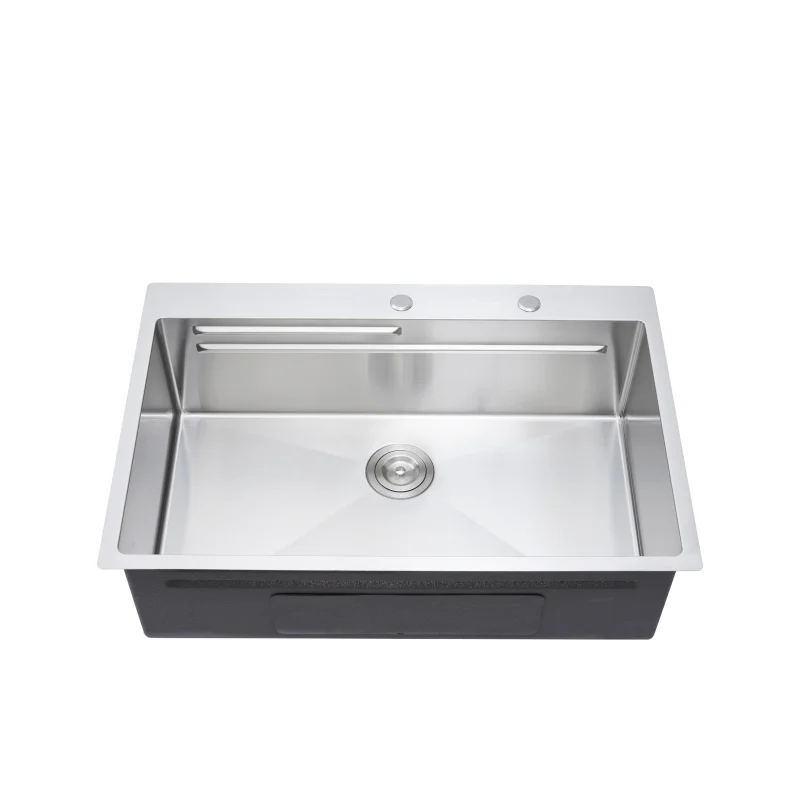
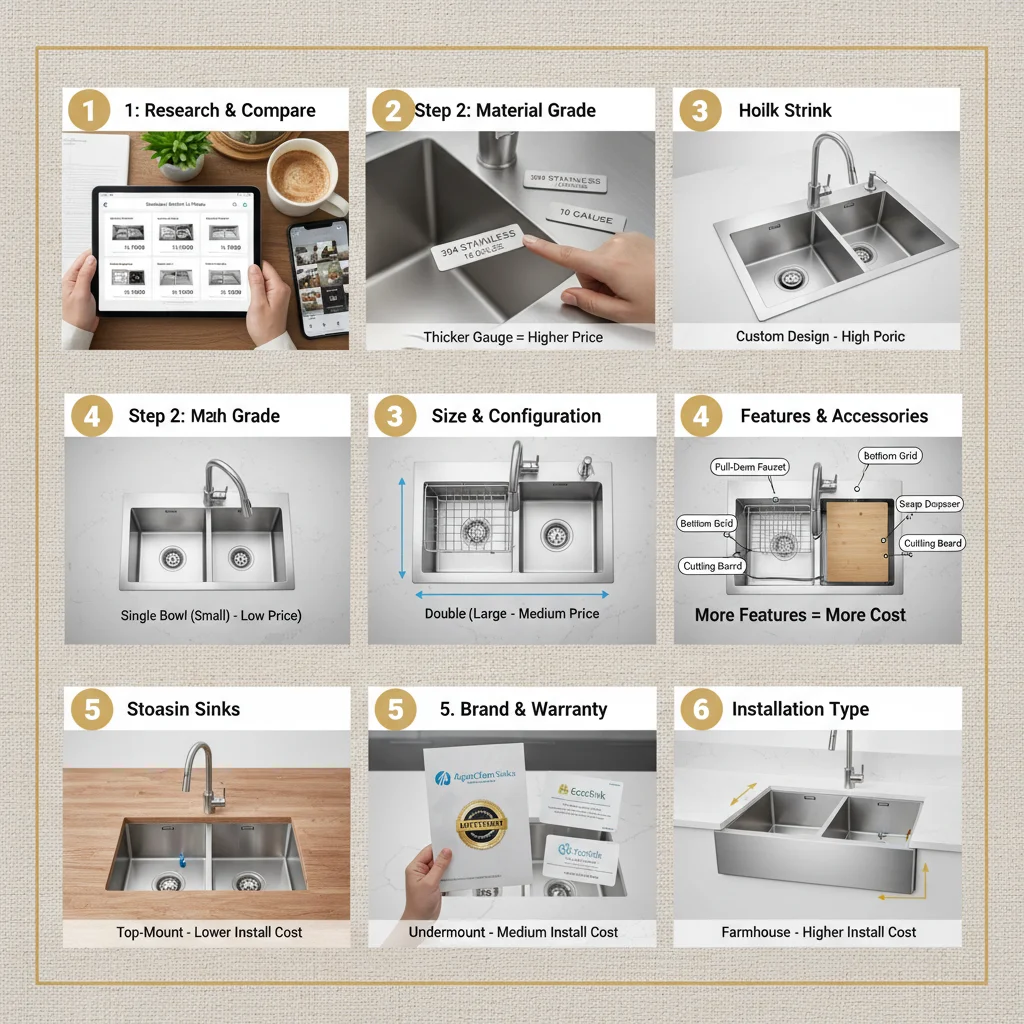
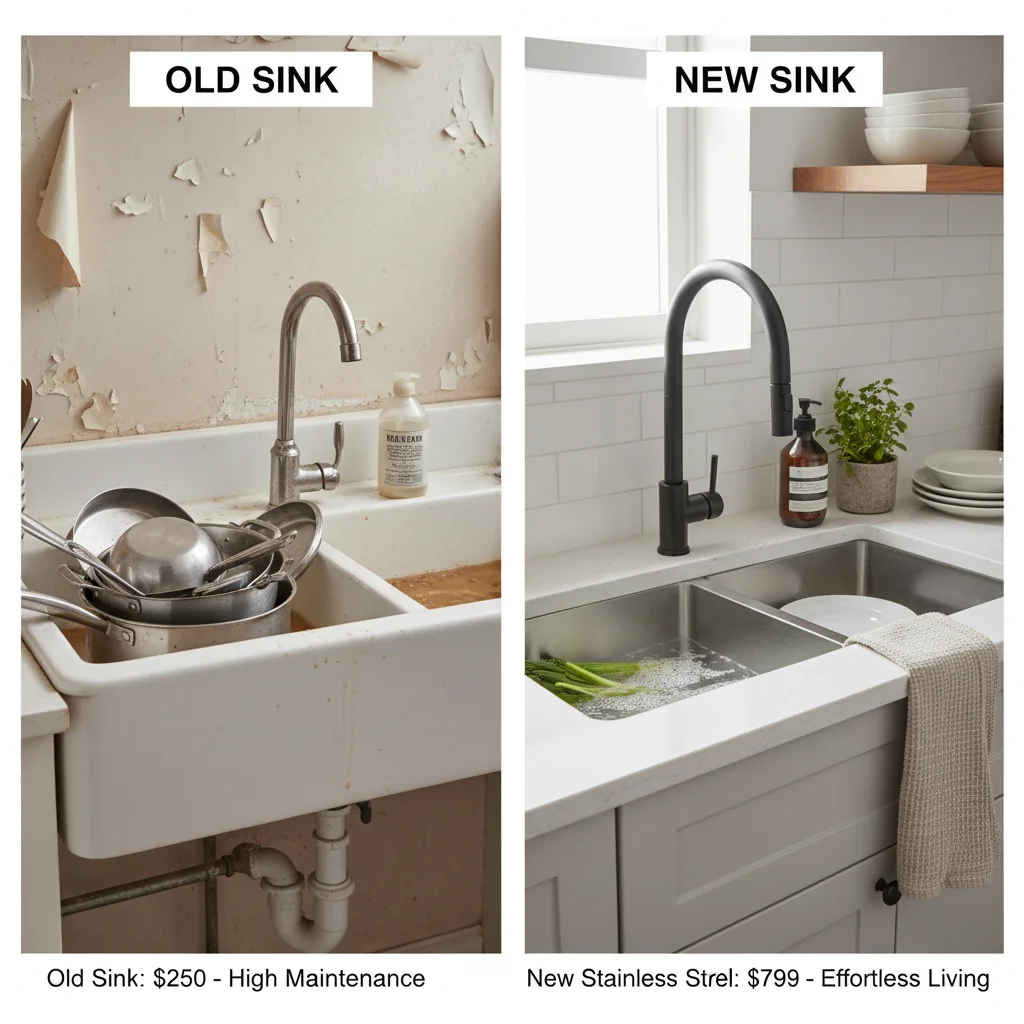
The industry currently leans heavily on stainless steel, mainly because of its corrosion resistance and hygiene benefits. That said, the gauge (thickness) of the steel used is crucial. Too thin, and you get annoying drumming noises and dents easily. Too thick, and shipping costs skyrocket, not to mention the sink becomes heavier to install. From what I’ve seen, a 16- or 18-gauge stainless steel sink strikes the right balance, with 16-gauge being the go-to for professional-grade kitchens.
Aside from stainless steel, some producers experiment with composite materials or fireclay, but those often require specialized production lines and have very different cost structures — I’m talking a whole other level of investment and complexity.
When it comes to the actual manufacturing steps, it’s a mix of stamping, pressing, welding (or seamless press techniques), and polishing. The polishing stage, in particular, can make or break the product’s appeal. I remember visiting a plant where the polishing guys took obvious pride in their work — not just buffing out scratches, but also crafting grain patterns that catch the light just so.
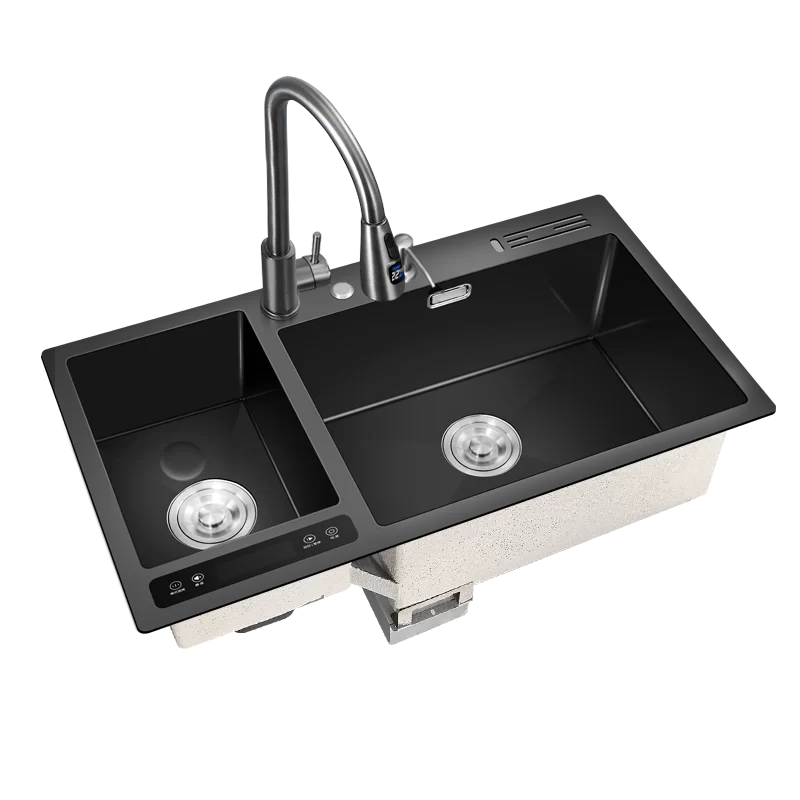
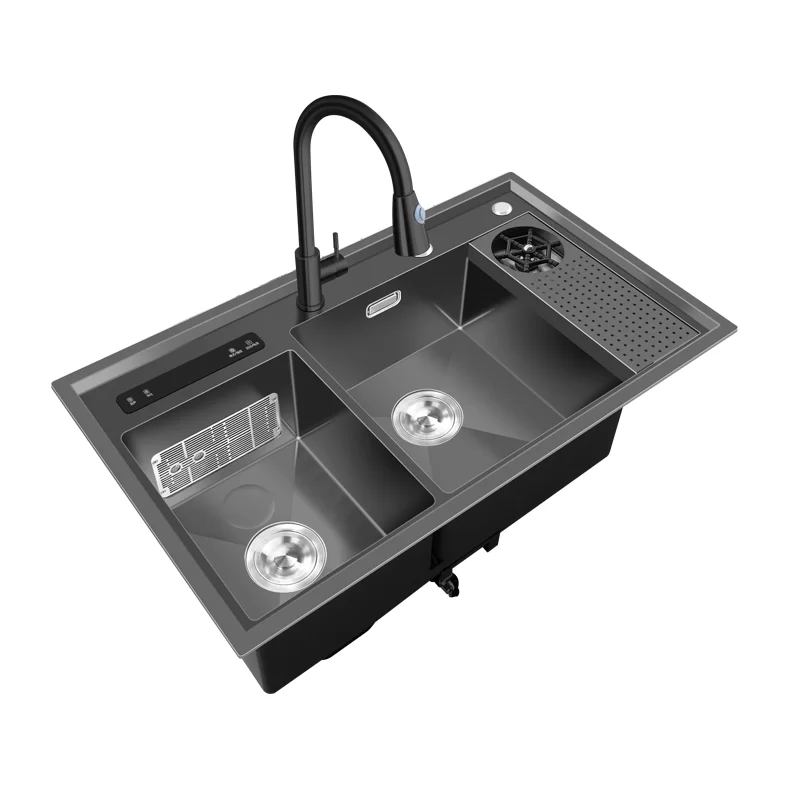
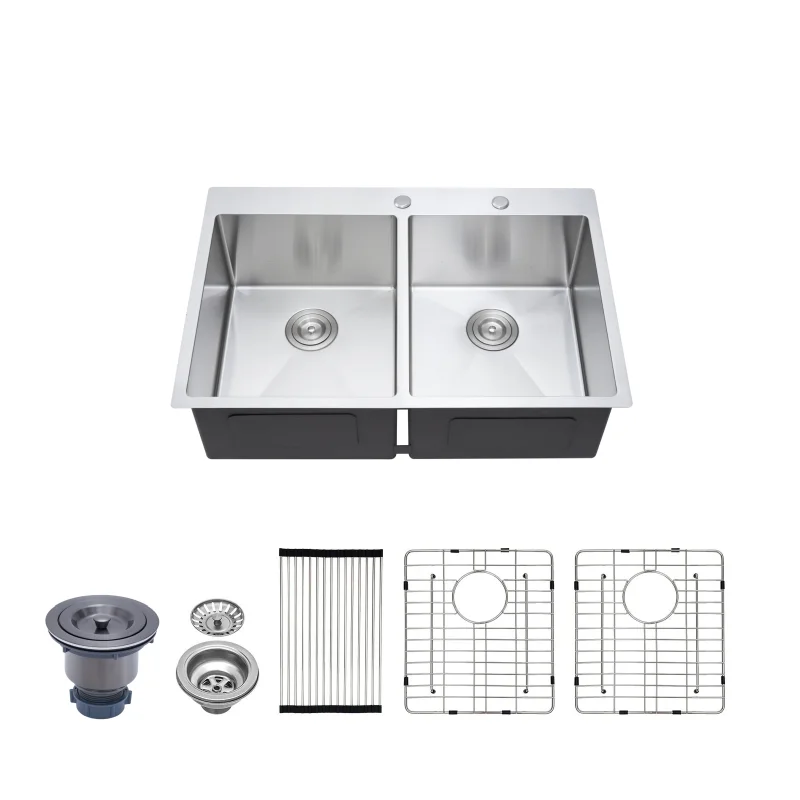
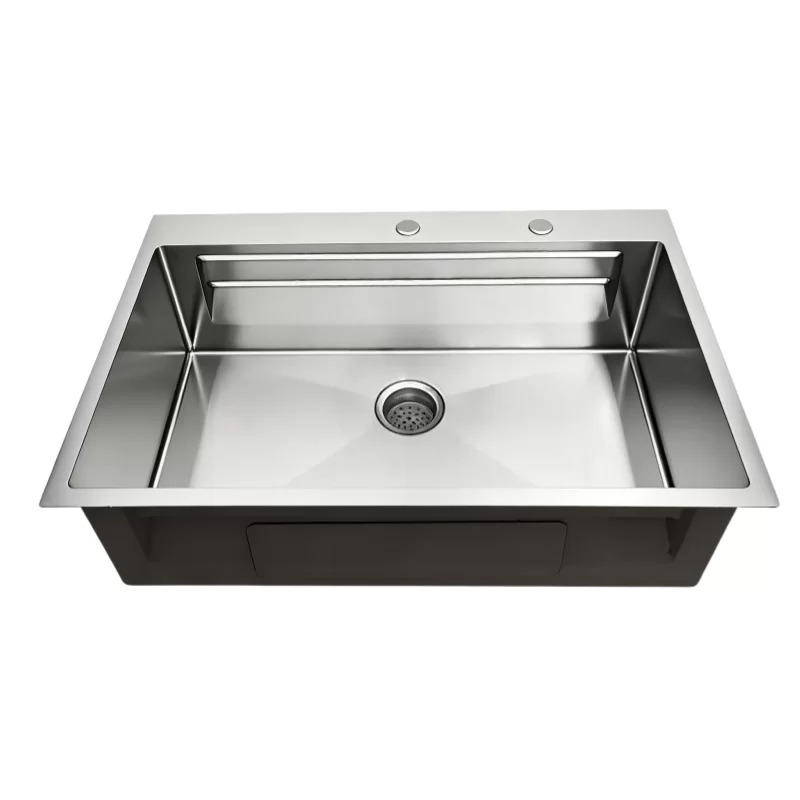
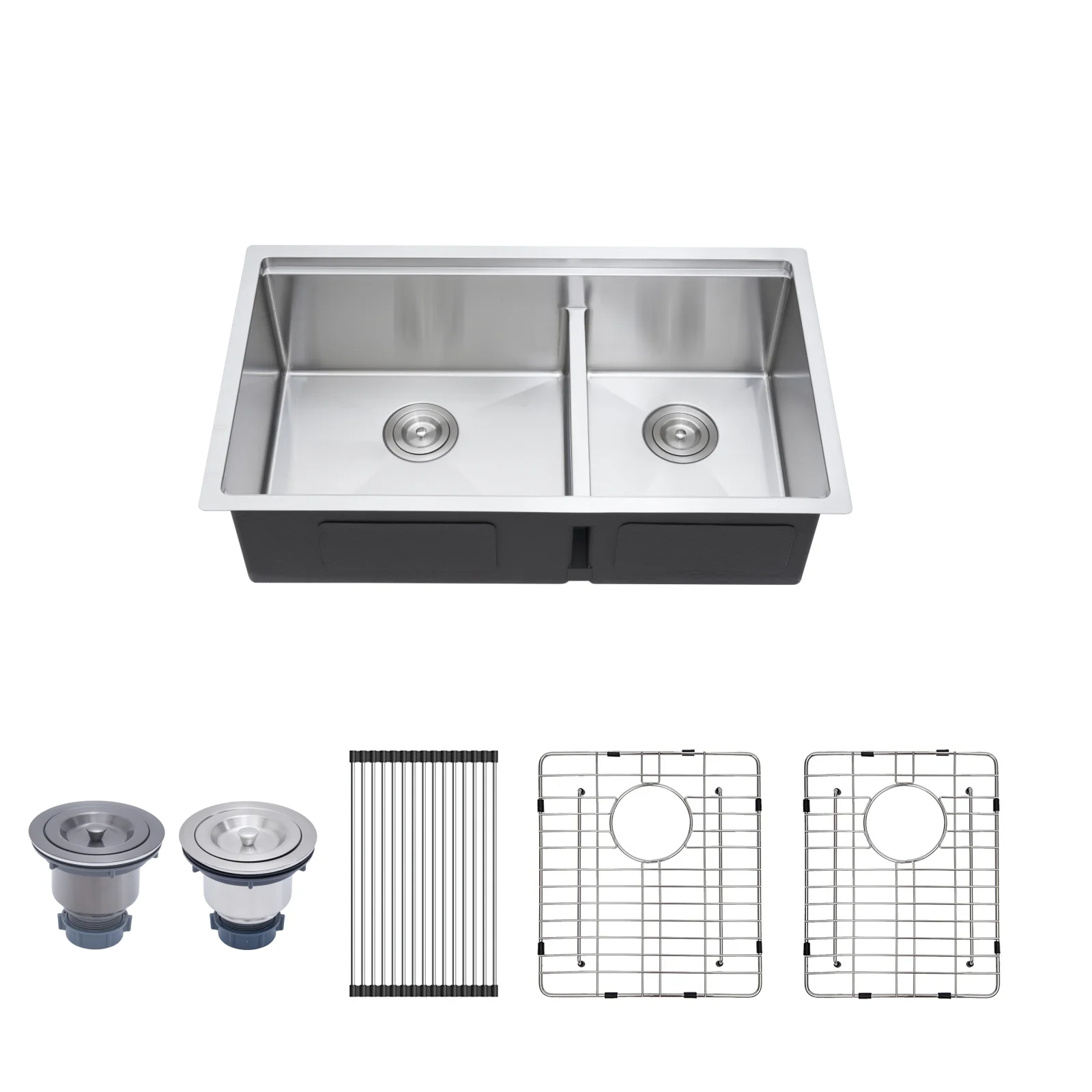
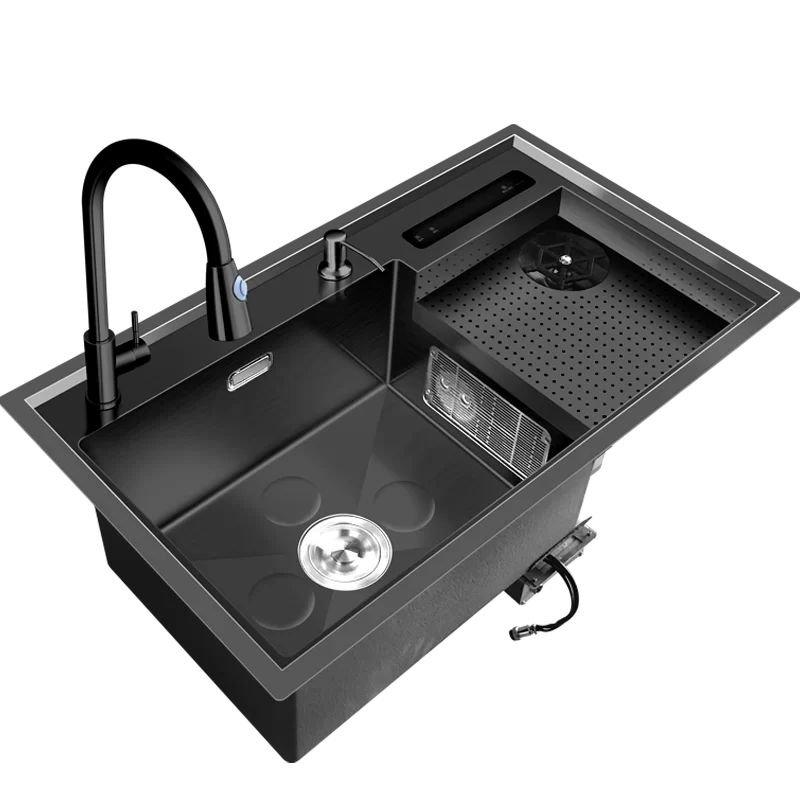
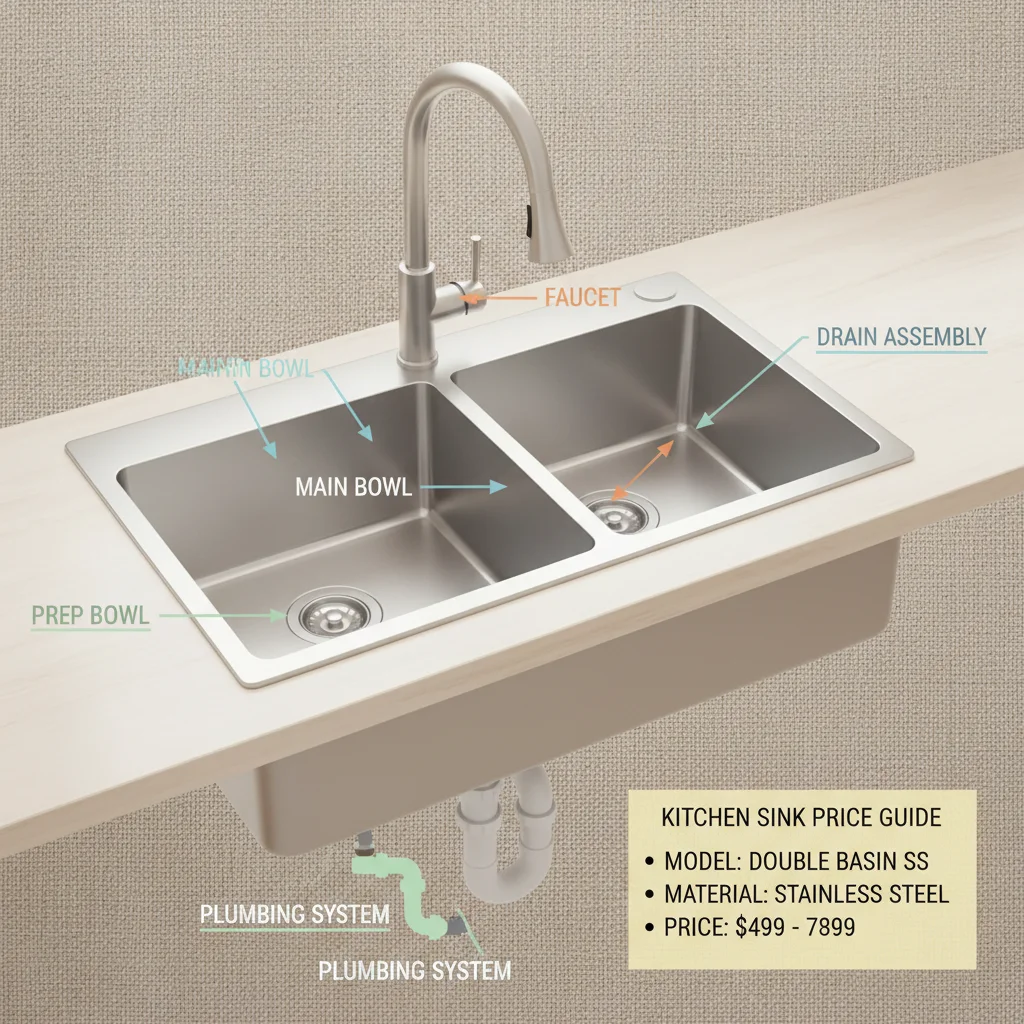
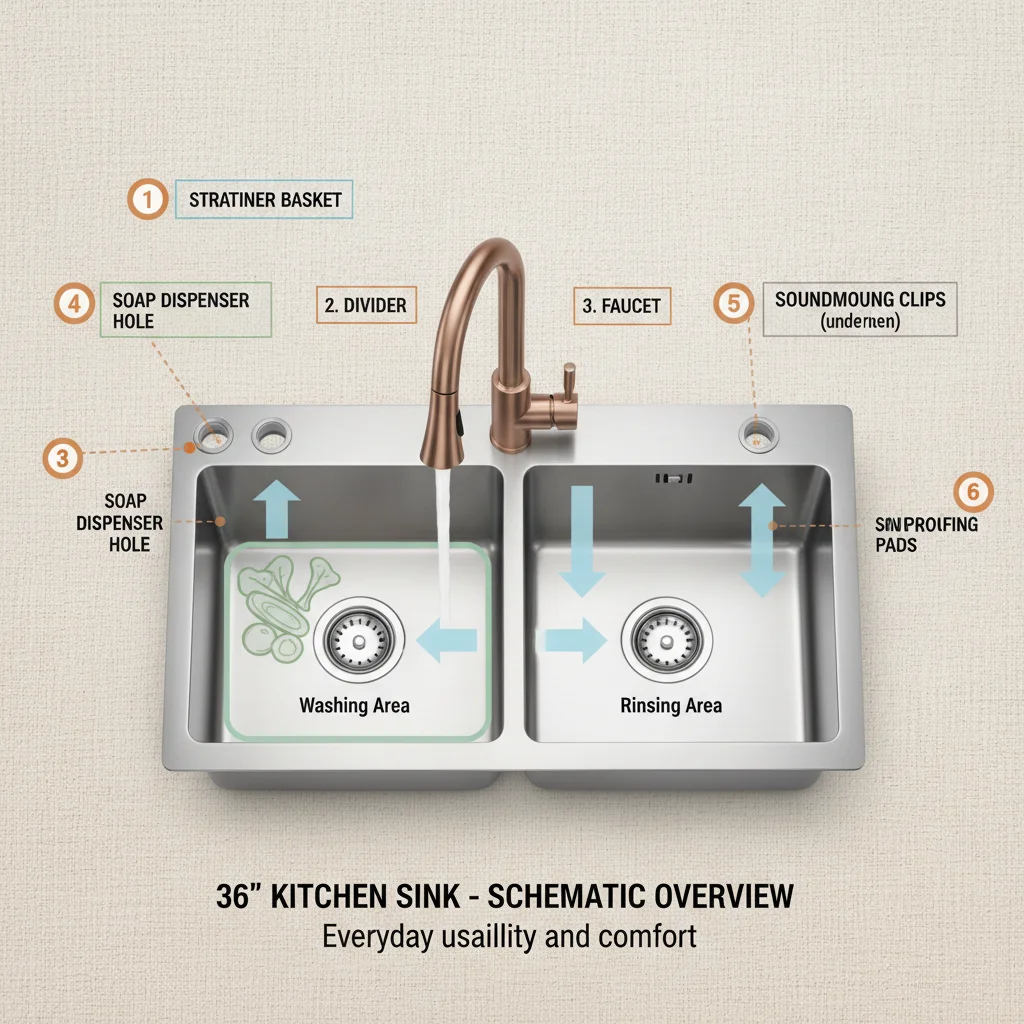
Customization is increasingly in demand, too. Customers want sinks tailored to their exact kitchen layouts — multiple bowls, integrated drainboards, special dimensions, even soundproofing layers or antimicrobial coatings. This trend pushes manufacturers to be agile and innovative with their equipment and tooling.
| Product Specification |
Details |
| Material |
16-18 gauge stainless steel (304 series) |
| Finish |
Brushed or mirror-polished |
| Bowl Depth |
7 to 10 inches (customizable) |
| Soundproofing |
Spray-on undercoating available |
| Customization Options |
Multiple bowls, integrated accessories, size adjustments |
Now, I’d be remiss if I didn’t mention the vendors. Different suppliers truly shape the final product’s quality and cost-effectiveness. Here’s a quick vendor comparison table based on my experience:
| Vendor |
Steel Quality |
Customization |
Lead Time |
Price Level |
| Yashite Sink |
High (304 series, 16 gauge) |
Extensive, rapid prototyping |
4-6 weeks |
Mid-range |
| Vendor B |
Medium (18 gauge) |
Limited |
6-8 weeks |
Budget |
| Vendor C |
Premium (custom alloys) |
Highly customizable, but pricey |
8-12 weeks |
High-end |
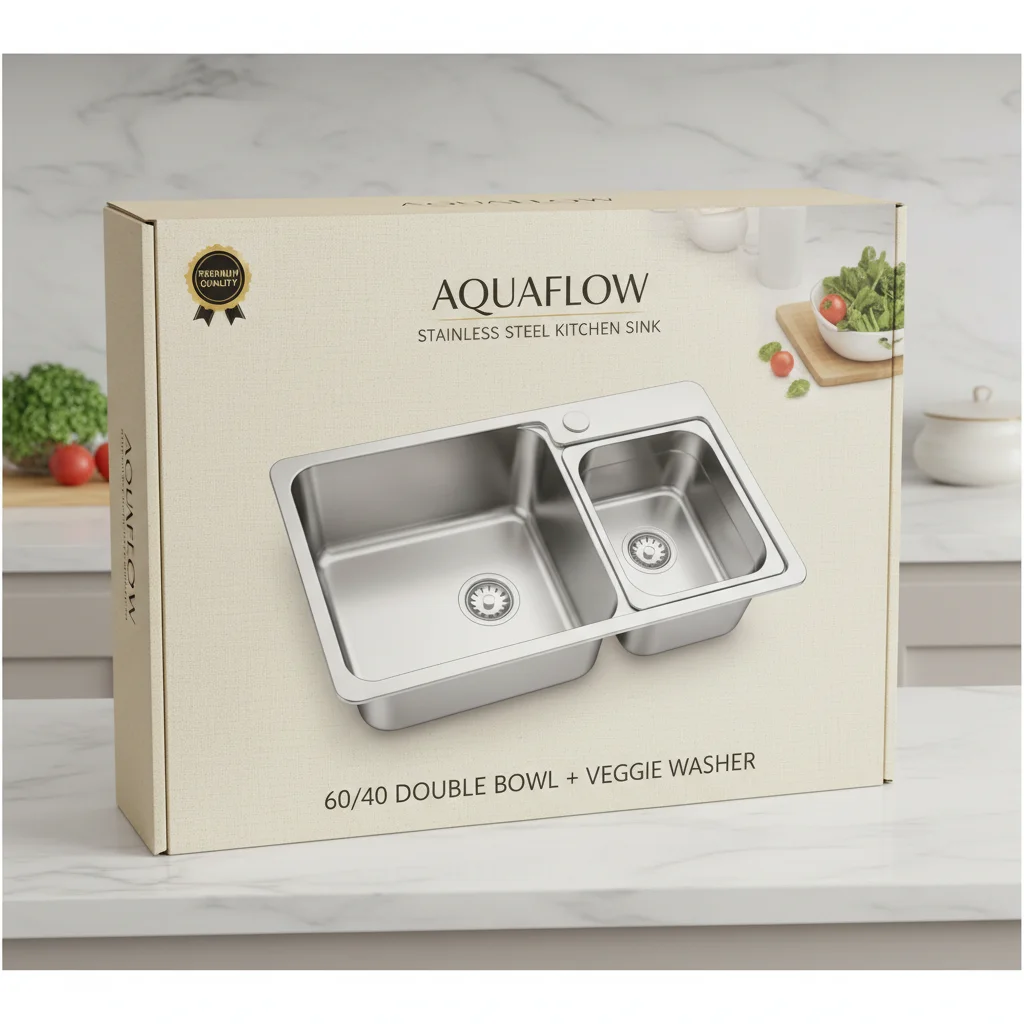
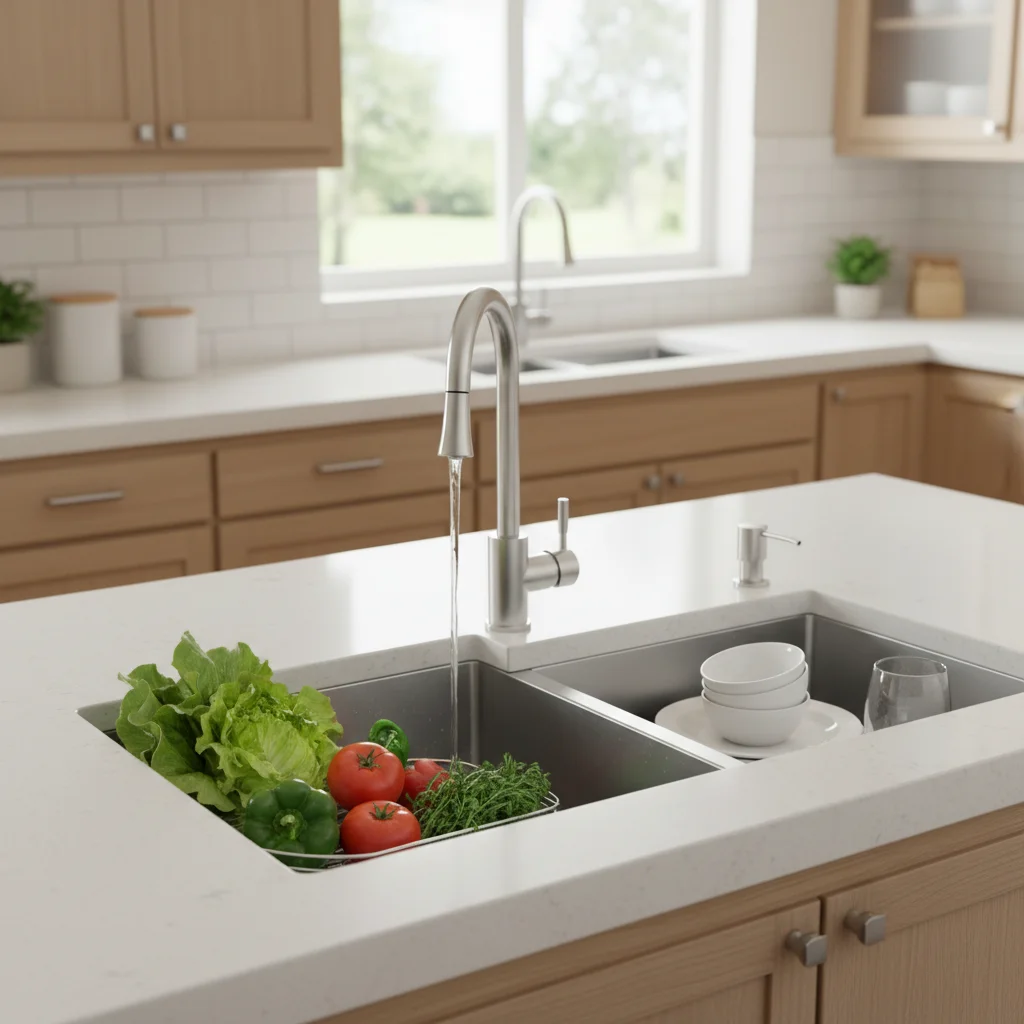
One small story: I once worked on a kitchen installation project where the homeowner wanted a double-bowl sink with an integrated cutting board slot (kind of niche). Finding a vendor flexible enough to produce it without delaying the remodel was tricky. Luckily, collaborating with the right supplier — one like Yashite Sink — made it possible. They handled the revisions and prototyping smoothly, which saved the day. Experiences like that remind me how vital manufacturer cooperation is beyond just specs and price.
Overall, kitchen sink production feels like a subtle balancing act — consider the material, production technology, design demands, and of course, what the end-user will actually need or appreciate. It’s surprisingly detailed work, and the industry keeps evolving, especially under pressure from sustainability and smarter manufacturing techniques.
If you’re in the market, exploring kitchen sink production options from reliable suppliers can make all the difference — both in longevity and everyday enjoyment.
So, next time you wash a dish or fill a pot, spare a thought for the complex industrial journey that created that humble sink. It feels rewarding to know a bit more about what lies beneath the surface, doesn’t it?
Sources:
1. “Stainless Steel for Kitchen Sinks,” Materials Today, 2023.
2. Personal experience working in industrial equipment manufacturing, 2008-2023.
3. Yashite Sink - company product specs and vendor materials.