Understanding the Types of Sinks: A Global Perspective
If you’ve ever remodeled a kitchen or worked in a commercial facility, you probably know the importance of choosing the right sink. But the concept of types of sinks goes far beyond just style and functionality inside your home. Globally, sinks play a vital role—not only as a daily convenience but also as critical infrastructure supporting health, hygiene, industry, and sustainability. From stainless steel bowls in bustling restaurants to water-efficient basin sinks in remote villages, understanding the different types of sinks helps industries, governments, and humanitarian organizations make smarter, more impactful decisions.
Why does this matter on a larger scale? According to the World Health Organization, proper sanitation facilities, including reliable sinks, reduce waterborne disease and improve quality of life for billions worldwide. Plus, with rising concerns around water conservation and sustainability, selecting the appropriate sink type can drive long-term ecological benefits. So, whether you’re an architect designing a factory or an NGO implementing health programs, knowing your sink options isn’t just practical—it’s essential.
Mini takeaway: The types of sinks you choose influence hygiene, sustainability, and efficiency worldwide, touching everything from daily routines to public health outcomes.
The Global Lens on Sinks
Globally, the market for sinks is huge and growing—expected to reach over $6 billion by 2027 according to industry analysis by Grand View Research. But it’s not just the revenue that’s noteworthy; it’s where and how these sinks are deployed. In industrialized countries, stainless steel and composite sinks dominate commercial kitchens; meanwhile, in developing regions, ceramic and plastic sinks are crucial for improving sanitation where plumbing infrastructure is limited.
Oddly enough, the UN’s Sustainable Development Goal 6 (Clean Water and Sanitation) directly connects to sink technology. Clean and accessible sinks are pivotal in healthcare centers, schools, and emergency shelters. The challenge? Providing affordable, durable, and easy-to-maintain sinks in diverse environments under resource constraints.
So, What Are Types of Sinks Exactly?
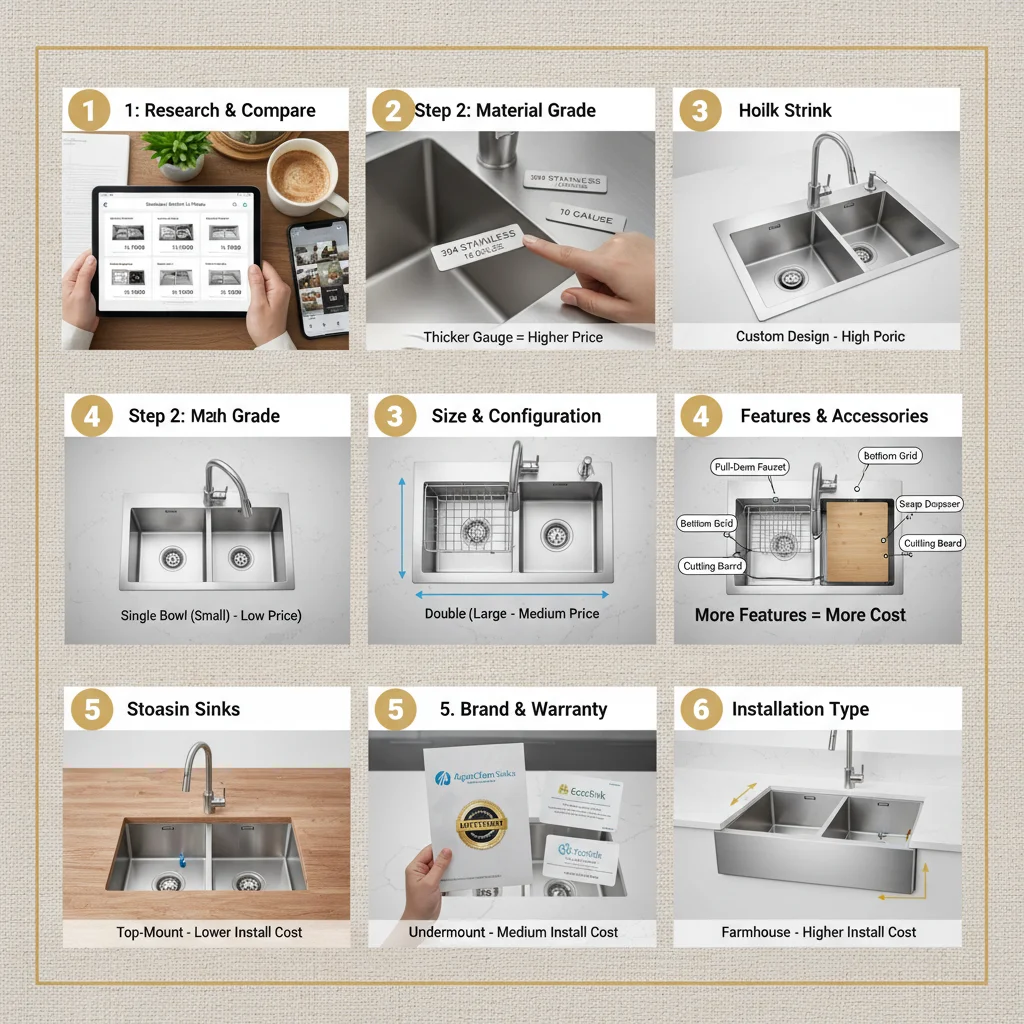
Simply put, types of sinks refer to the various designs, materials, and mounting styles through which sinks are categorized. These include:
- Material type: stainless steel, ceramic, composite, stone, plastic, etc.
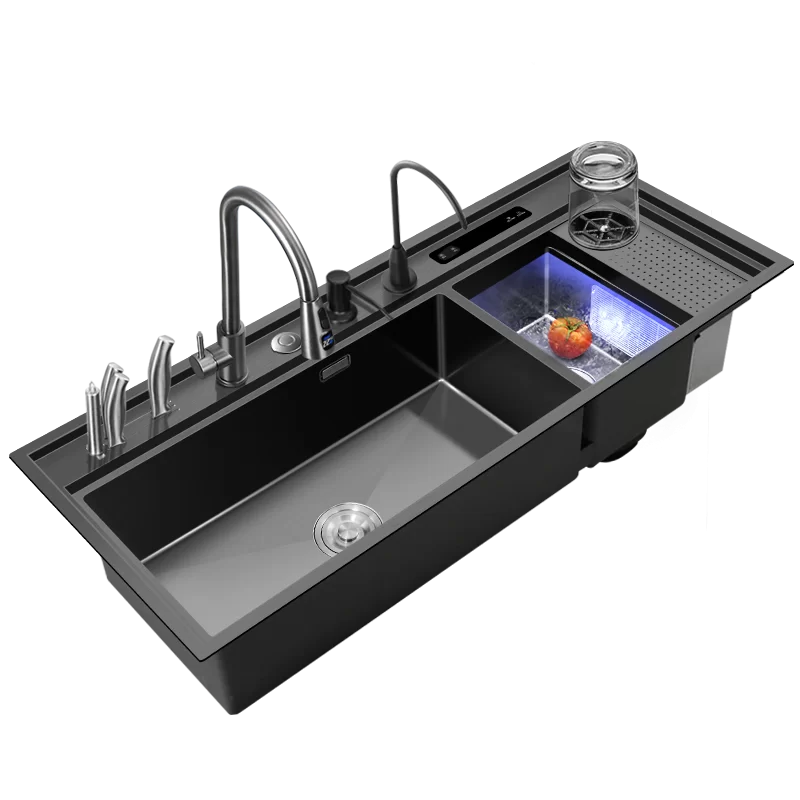
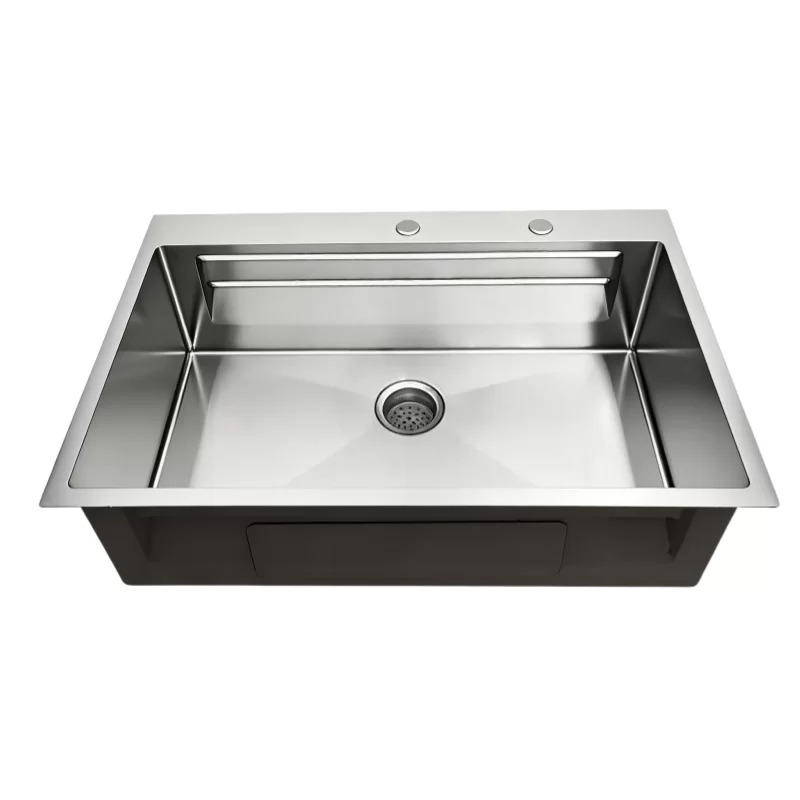
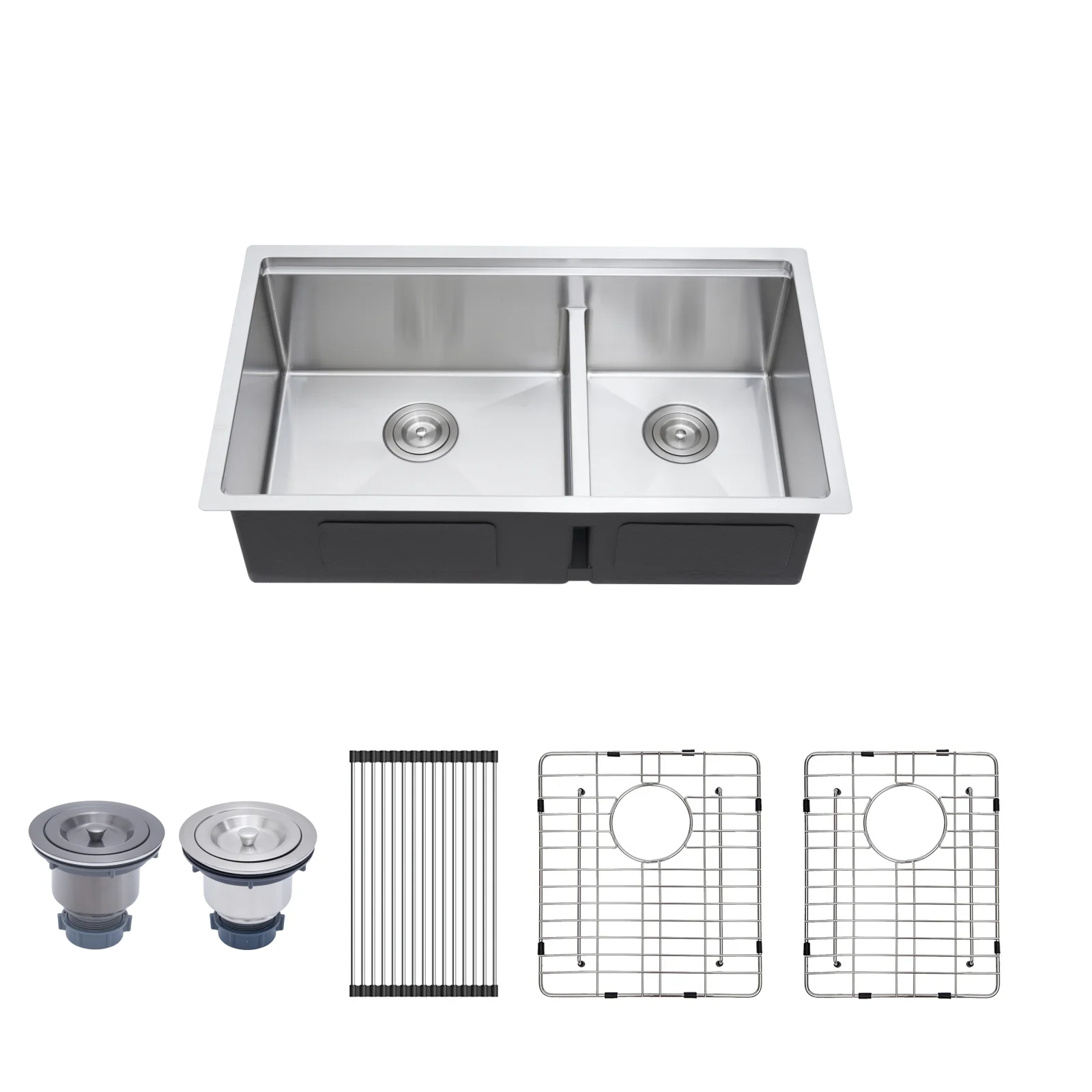
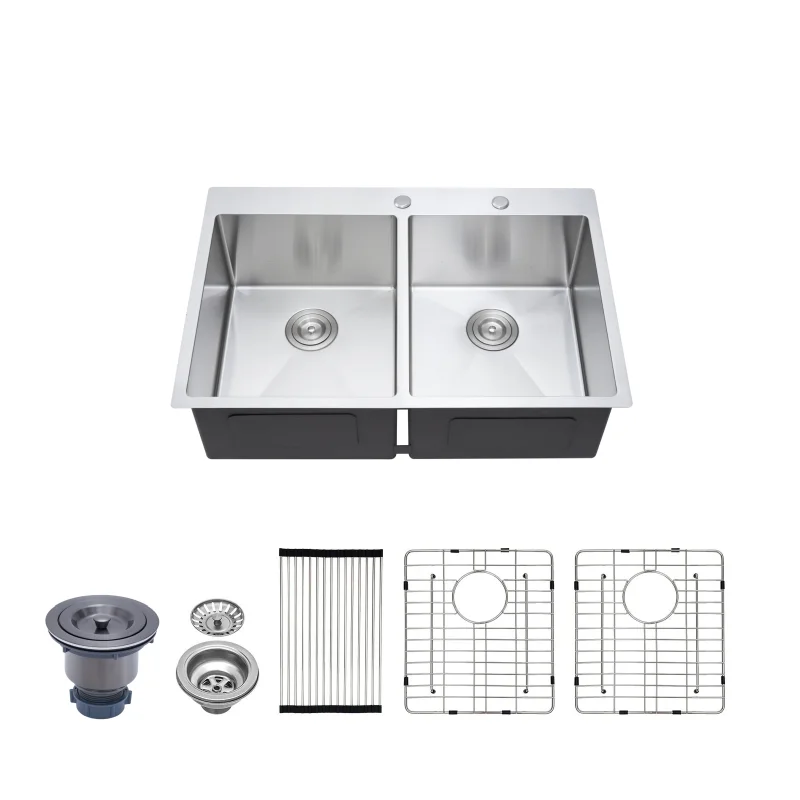
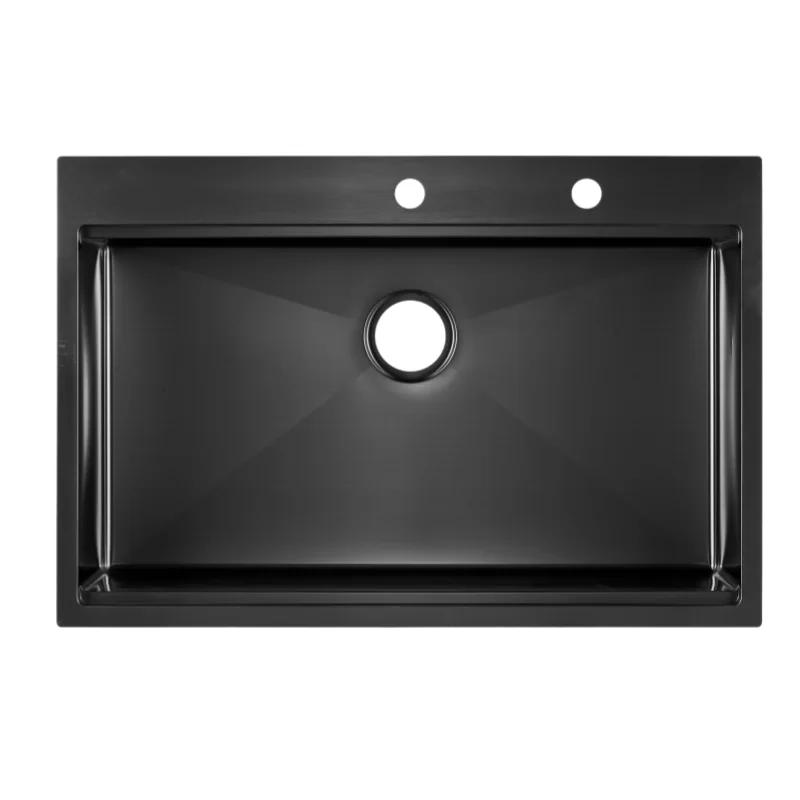
- Mounting style: under-mount, top-mount, farmhouse, pedestal, wall-mounted.
- Intended use: kitchen sinks, bathroom sinks, utility/industrial sinks.
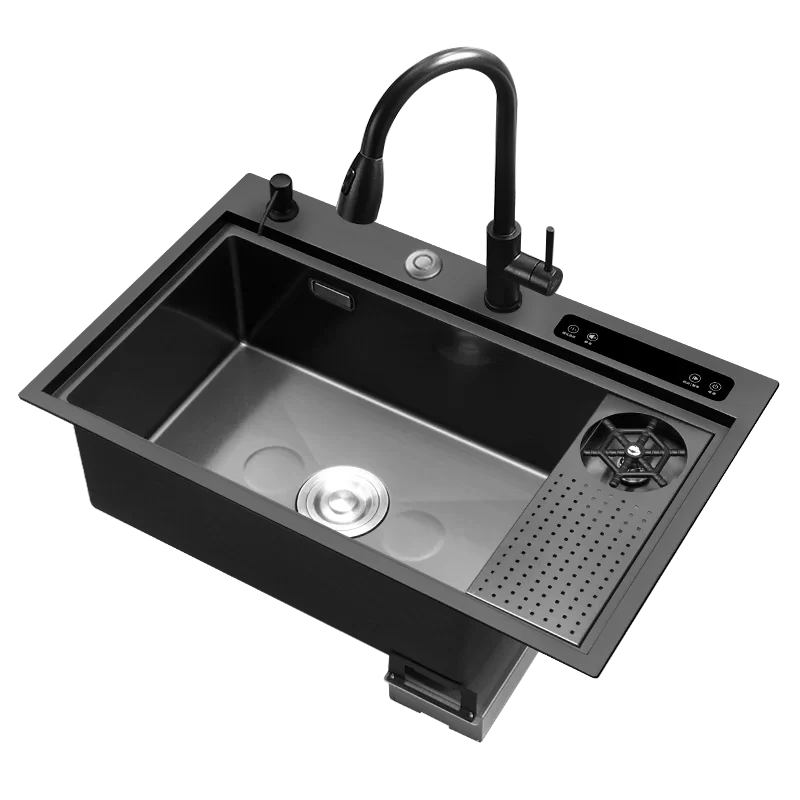
- Special features: water-saving models, self-cleaning, antimicrobial coatings.
Each type suits a particular context, balancing durability, cost, aesthetics, and hygiene. For humanitarian efforts or industrial zones, durability and maintenance often trump style; whereas in luxury kitchens, the look and feel might be prioritized.
Mini takeaway: “Types of sinks” encompass diverse designs and materials tailored for specific functional and environmental needs.
Core Components & Considerations When Choosing a Sink
1. Durability
In real terms, how long a sink lasts—especially in heavy-use environments like hospitals or factories—is crucial. Stainless steel sinks resist corrosion and impacts; ceramic offers strong resistance to scratches and stains, while composites can offer good all-around durability if made well.
2. Scalability
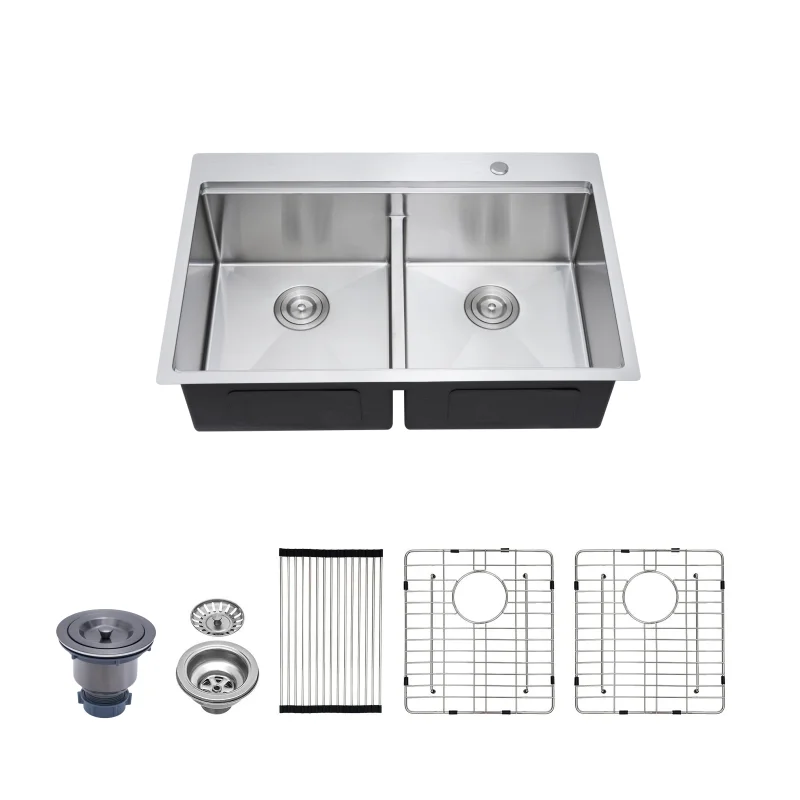
For large facilities or institutions, sink types need to accommodate scale. Modular or multi-basin stainless steel sinks are common choices in food processing plants. Scalability also means easy installation and integration into existing plumbing.
3. Cost Efficiency
From initial purchase price to maintenance costs, the type of sink affects budgets noticeably. Plastic sinks might be cheap upfront but wear out faster, causing replacement expenses. Meanwhile, high-end stone or specialty sinks bring a hefty price tag but last decades.
4. Hygiene and Sanitation
In healthcare and food industries, sinks with smooth surfaces and antimicrobial properties reduce contamination risks. Sink types like seamless stainless steel or glazed ceramics provide easier cleaning, which frankly can be a life-saver.
5. Water Efficiency
Eco-conscious designs now integrate low-flow faucets or self-stopping drainage to conserve water, especially critical in drought-prone or resource-limited regions. Sink types that support these innovations gain traction rapidly.
6. Aesthetic & Design
Sure, looks matter. In commercial hospitality or modern homes, the sink style sets the tone—be it a rustic farmhouse sink or sleek under-mount models. But remember, sometimes practicality beats aesthetics when decisions impact health and safety.
Mini takeaway: Durability, cost, hygiene, and water efficiency top the list when selecting the right sink type for any project.
Global Applications & Real-World Use Cases
In post-disaster relief operations, portable sinks made from lightweight plastic with simple drainage systems provide immediate sanitation facilities. For example, after the 2010 Haiti earthquake, NGOs deployed large numbers of utility sinks to reduce the spread of disease in refugee camps.
In contrast, remote industrial zones like mines or oilfields depend on robust stainless steel sinks that can withstand rough usage and chemical exposure. Meanwhile, public schools in Asia are increasingly installing water-efficient ceramic sinks with sensor-controlled faucets to promote handwashing and reduce water waste.
Hospitals worldwide lean toward under-mount stainless steel sinks with antimicrobial finishes to maintain sterile environments. Luxury hotels invest in custom stone or composite sinks that marry design with functionality.
| Sink Type |
Material |
Durability Rating |
Water Efficiency |
Typical Use |
| Stainless Steel |
Metal alloy |
High |
Moderate (depending on faucet) |
Commercial kitchens, industrial |
| Ceramic |
Porcelain |
Medium-High |
Moderate |
Bathrooms, schools |
| Composite |
Synthetic stone & resins |
Medium |
High (some models) |
Residential, light commercial |
| Plastic (PVC) |
Polyvinyl chloride |
Low-Medium |
High |
Temporary shelters, emergency use |
Advantages and Long-Term Value of Choosing the Right Sink
There’s a surprising emotional side to sinks, too. For a family or a patient in a hospital, a clean, functional sink means dignity and safety. When you opt for long-lasting, water-saving sink types, you contribute not just to your bottom line but to a safer environment and future.
Tangible benefits include:
- Cost savings: Durable sinks reduce replacement and maintenance costs.
- Sustainability: Water-efficient sinks curb wastage and preserve precious resources.
- Health impacts: Easy-to-clean materials cut infection risks.
- Social value: Access to proper sanitation supports education and community well-being.
Overall, these benefits make sense both emotionally and logically—something many commercial buyers and humanitarian planners consider deeply.
Future Trends & Innovations in Sink Technology
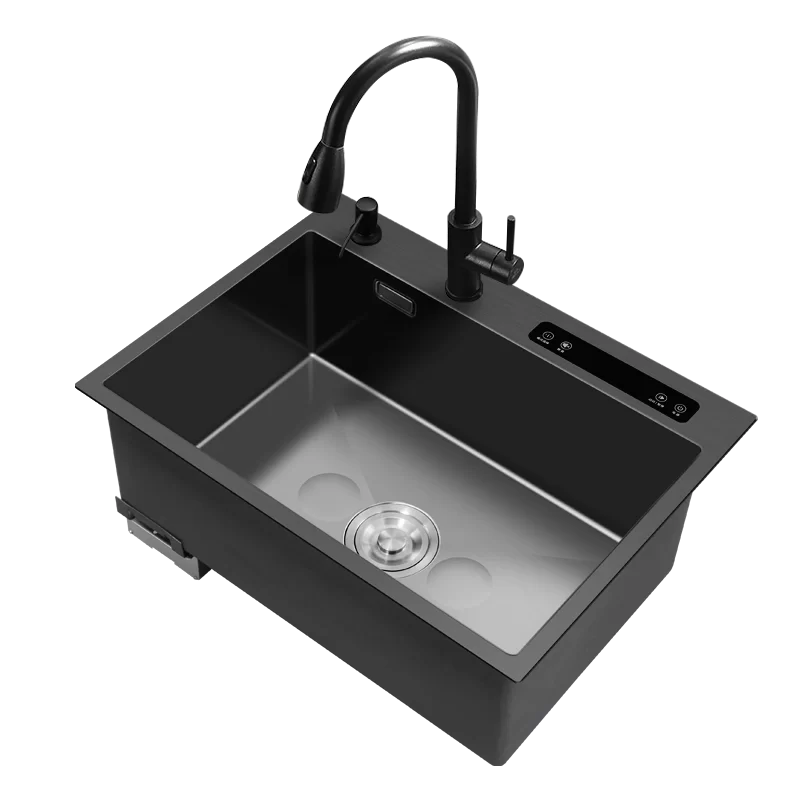
The future of sinks is moving toward smart functionality and enhanced sustainability. We’re seeing innovations like sensor-activated faucets to reduce touchpoints, built-in UV light for antimicrobial action, and recycled materials for eco-friendly production.
Green energy integration—for example, solar-powered water heating directly linked to sink units—is also gaining ground. Plus, digital controls that monitor water usage offer users transparency and help limit consumption.
Policy-wise, stricter international standards guided by ISO and WHO recommendations encourage manufacturers to prioritize water efficiency and hygiene in their sink designs, which is frankly heartening.
Challenges & Solutions
Despite progress, issues remain. In low-income or disaster-affected regions, sinks can still be too costly or hard to install. Maintenance knowledge gaps often limit longevity. But innovative solutions like modular sink kits, community training programs, and partnerships with local fabricators address these challenges effectively.
In many cases, combining traditional materials with modern design—say, ceramic sinks with foot-operated valves—bridges affordability with improved hygiene.
Frequently Asked Questions About Types of Sinks
- What sink type is best for commercial kitchens?
- Stainless steel sinks are generally preferred for commercial kitchens due to their durability, resistance to heat and stains, and ease of cleaning. Multi-basin setups improve workflow and hygiene.
- How do water-efficient sinks help reduce utility bills?
- Types of sinks equipped with low-flow faucets or automatic shut-off valves minimize water wastage, directly lowering consumption and therefore water bills, especially in high-use environments.
- Are plastic sinks a good option for emergency shelters?
- Yes, plastic or PVC sinks are lightweight, affordable, and easy to install, making them suitable for temporary or emergency setups where quick deployment is essential.
- Can sink materials affect hygiene in healthcare settings?
- Absolutely. Smooth, non-porous materials like glazed ceramic or stainless steel prevent microbial buildup, reducing infection risks. Some sinks also feature antimicrobial coatings for extra protection.
- Is installation complexity a major factor for sink selection?
- Yes, especially in remote or resource-limited areas. Wall-mounted or modular sinks that are easier to install and maintain are often favored over heavy, complex designs.
Conclusion
Understanding the different types of sinks is more than a design choice—it's a pivotal factor in health, sustainability, and economic efficiency globally. Whether you’re selecting sinks for a high-volume restaurant or a rural clinic, the right sink type can transform sanitation standards and environmental impact.
For those eager to explore quality options or learn more about how sink choices can benefit your facility or community, I highly recommend visiting our website for expert guidance and wide-ranging inventory.
| Vendor |
Specialty |
Price Range |
Eco-Friendliness |
Warranty |
| Yashite Sink Co. |
Commercial & modular stainless steel |
$$$ |
High (recycled steel & water-saving tech) |
5 years |
| GlobalSan Solutions |
Plastic, portable sinks for emergency use |
$ |
Medium |
2 years |
| EcoCeramica |
Sustainable ceramic and composite sinks |
$$ |
Very High (natural & recyclable materials) |
4 years |
Reflecting on this, it seems sinks might be one of those humble everyday fixtures with outsized global impact. As the world shifts towards sustainability and global health awareness, the evolution in sink types feels like a small but significant part of that bigger picture.
- World Health Organization: Sanitation
- UN Sustainable Development Goal 6 (Clean Water and Sanitation)
- Wikipedia: Sink (Plumbing)