Look, commercial stainless steel sinks… they’re not glamorous, right? But after years crawling around construction sites, smelling welding fumes, and trying to explain things to plumbers who just want to get the job done, I’ve learned a thing or two. To be honest, everyone's chasing bigger capacity, better gauge steel, and, lately, a lot of antimicrobial coatings. Seems like every other spec sheet mentions those now. It’s a reaction to everything, you know?
Have you noticed how much everyone's focused on hygiene these days? It's driving a lot of the innovation. But innovation doesn't always mean better. Sometimes it just means more expensive. And frankly, the guys on site? They care about durability and ease of installation, period. They don’t care about fancy coatings if it means another hour of wrestling with a sink.
It’s a surprisingly complex market. It's not just about slapping some stainless steel together. It's about understanding what's actually going to hold up in a busy kitchen, a crowded hospital, or a rough-and-tumble industrial shop. commercial stainless steel sink manufacturers are trying to keep up with all that.
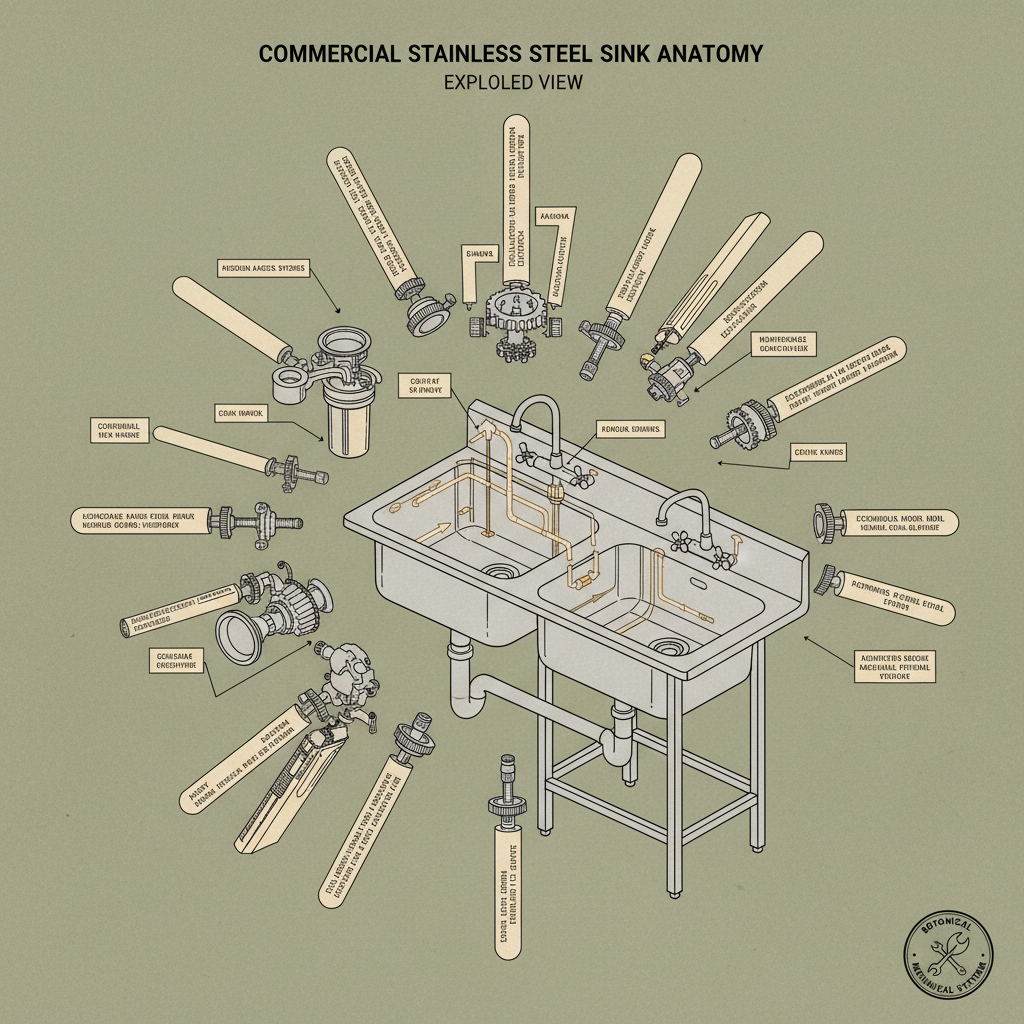
The Evolving Landscape of Commercial Stainless Steel Sinks
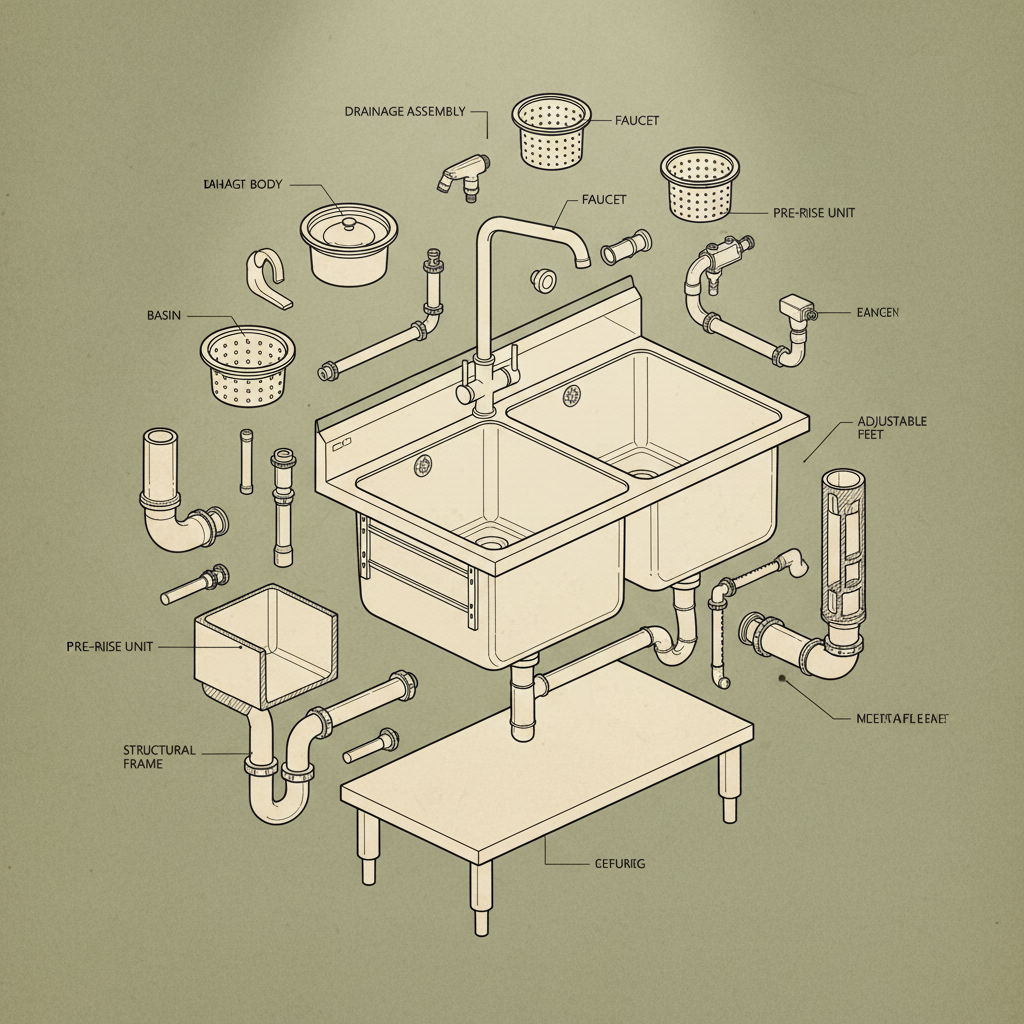
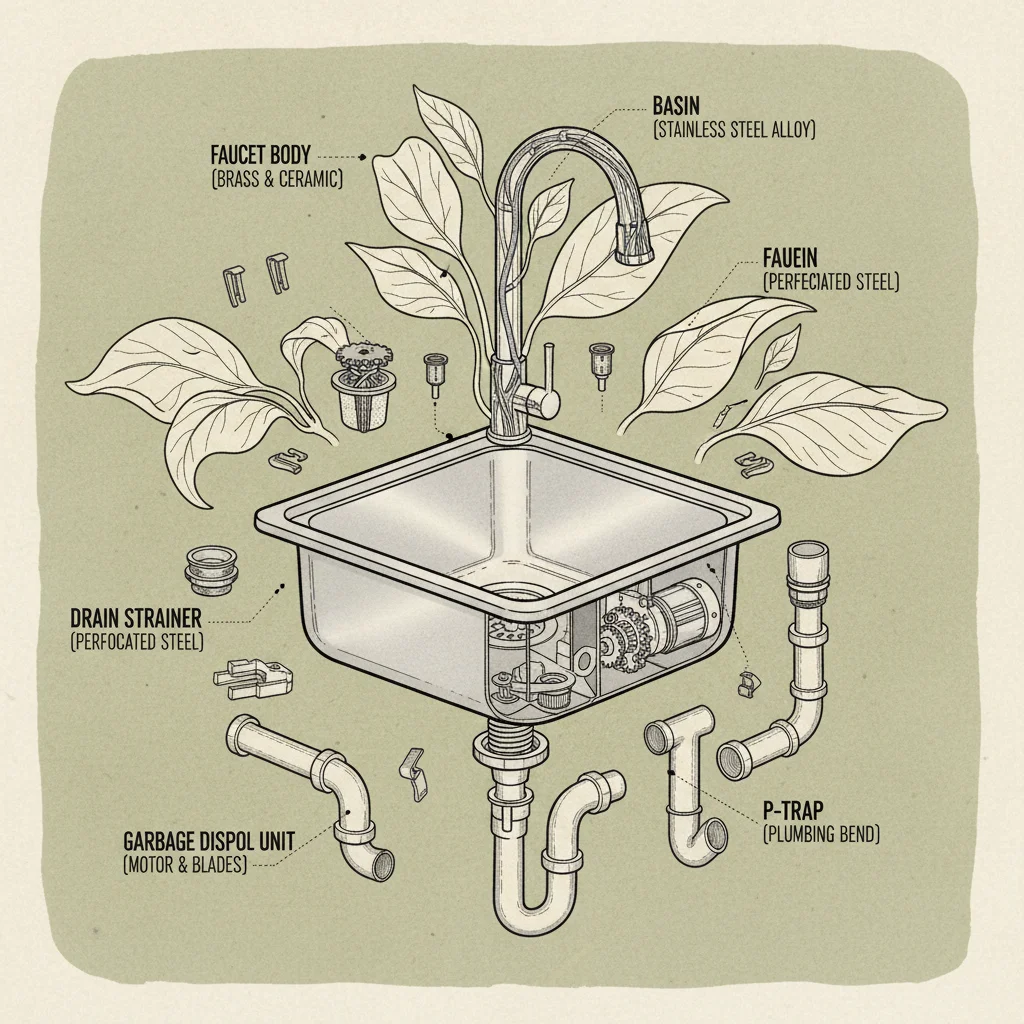
Strangely, the biggest change I’ve seen isn’t necessarily in the steel itself, but in the accessories. Faucets with built-in sensors, integrated soap dispensers, pre-rinse sprayers that could practically power-wash a car… it's a whole ecosystem now. And let me tell you, sourcing reliable components for those things is a headache.
We’re seeing a push towards more sustainable manufacturing, too. It's not always easy, especially when dealing with the volumes these commercial stainless steel sink manufacturers need to produce, but it's happening.
Design Pitfalls and Common Mistakes
One thing I encountered at a food processing plant last time was sinks with corners that were impossible to clean. Seriously. The design looked great on paper, all sleek and modern, but in reality, grime built up in those corners, and no amount of scrubbing would get it out. That’s a huge food safety issue. It's a classic case of form over function.
Another common mistake? Underestimating the weight. People don't realize how much a heavy-gauge stainless steel sink weighs when it's full of water and dishes. If the supporting structure isn't robust enough, you're going to have problems. You will.
And don't even get me started on drain placement. It seems simple, but get it wrong, and you're looking at drainage nightmares.
Material Matters: A Hands-On Perspective
304 stainless steel is the workhorse. That's what you'll see most of the time. It smells… well, like metal. Kind of a clean, cold smell. You can feel the grain of it. It's solid. 316 is better for corrosive environments – think saltwater, or places where strong chemicals are used. It’s a bit more expensive, feels smoother, and has a slightly different sheen.
The gauge is crucial. Anything less than 16 gauge is starting to feel a little flimsy, especially for heavy-duty applications. You can tell the difference immediately. It's not just about thickness; it’s about how the sink feels when you tap on it. A good, solid thunk is what you want. A flimsy ting? No good.
And don’t overlook the finish. A brushed finish hides scratches better than a polished one. Trust me, in a commercial setting, scratches are inevitable. It's just a matter of time.
Real-World Testing and Performance
Forget the lab tests, honestly. Those are useful for baseline stuff, but the real test is putting a sink in a busy kitchen and seeing what happens. We once tested a prototype at a diner that served over 500 meals a day. It was brutal.
We looked for dents, scratches, corrosion, and how well the drain handled grease and food scraps. We even had a plumber deliberately try to break it (within reason, of course). He couldn't. That was a good sign.
Commercial Stainless Steel Sink Durability Testing Results
How Sinks Are Actually Used
This is where things get interesting. You design a sink for dishes, right? But then you find out they’re using it to thaw frozen meat, wash car parts, or even as a makeshift ice bath. People are resourceful. And they don't always use it the way you intended.
I saw one hospital using a stainless steel sink as a temporary support for a piece of medical equipment. Not ideal, but it worked. That’s why you need something that can handle a lot of abuse.
The Good, the Bad, and the Customizable
The advantages are obvious: durability, hygiene, corrosion resistance. They're relatively easy to clean, and they can take a beating. The downsides? They can be noisy, especially when dishes are clattering around. And they can scratch, although a brushed finish helps minimize that.
Customization is where things get fun. Last month, that small boss in Shenzhen who makes smart home devices insisted on changing the interface to for the drain control. Why? He said it was “more modern.” It added a week to the lead time and cost him a fortune, but he was adamant. Anyway, I think he just wanted to be different.
We can do custom sizes, depths, drain configurations, even add integrated accessories like cutting boards or knife holders. Within reason, of course.
A Glimpse into Manufacturing and Quality Control
The welding is everything. You want a smooth, consistent weld that’s fully penetrated. No gaps, no porosity. That’s where failures start.
We do a lot of visual inspections, of course, but we also use dye penetrant testing to check for hidden cracks. And every sink gets a water test before it leaves the factory. It sounds simple, but it catches a surprising number of leaks.
commercial stainless steel sink manufacturers have really upped their game in recent years, investing in automation and better quality control processes.
Key Manufacturing Quality Control Parameters
| Weld Quality |
Surface Finish |
Dimensional Accuracy |
Leakage Test Result |
| Excellent - Consistent penetration |
Grade 1 - No visible scratches |
+/- 1mm |
Pass |
| Good - Minor porosity |
Grade 2 - Minimal scratches |
+/- 2mm |
Pass |
| Fair - Some gaps |
Grade 3 - Noticeable scratches |
+/- 3mm |
Fail |
| Poor - Significant porosity |
Grade 4 - Deep scratches |
+/- 5mm |
Fail |
| Excellent - Automated welding |
Grade 1 - Polished finish |
+/- 0.5mm |
Pass |
| Good - Robotic assistance |
Grade 2 - Brushed finish |
+/- 1.5mm |
Pass |
FAQS
For a commercial kitchen, you really want to aim for 16 gauge or lower. Anything higher risks denting and warping under heavy use. 14 gauge is ideal, but pricier. Lower numbers mean thicker steel, which translates to more durability and noise reduction. It's a trade-off between cost and longevity.
Honestly, the jury is still out. They can offer some benefit in reducing bacterial growth, but they're not a magic bullet. Proper cleaning and sanitation are still the most important factors. The cost is significantly higher, so you need to weigh the potential benefits against the expense.
Hugely important! A clogged drain in a commercial kitchen is a disaster. You need a drain that can handle a high volume of food waste and grease. Larger diameter drains (at least 3.5 inches) are recommended, and a strainer basket is essential. Consider a garbage disposal integration if appropriate.
Under-mount sinks look sleek, but they can be prone to issues. The adhesive can fail over time, especially with frequent vibration and temperature changes. Also, any water leaks can cause damage to the countertop. A properly installed and sealed under-mount sink is critical, but it requires skilled installation.
Absolutely! Most commercial stainless steel sink manufacturers offer custom fabrication services. You can specify the dimensions, depth, bowl configuration, and even add features like integrated cutting boards or shelves. Be prepared to pay a premium for customization, and lead times will be longer.
Lead times vary depending on the complexity of the design and the manufacturer's workload, but generally expect at least 4-6 weeks for a custom sink. Complex designs or high demand can push that out even further. It's always best to order well in advance to avoid delays.
Conclusion
So, what does it all boil down to? Commercial stainless steel sinks aren’t sexy, but they’re essential. They need to be durable, hygienic, easy to clean, and able to withstand a lot of abuse. Choosing the right sink isn't about picking the flashiest model; it's about understanding the specific needs of the application and selecting a product that's built to last. It's about the long game, not just the initial price tag.
Ultimately, whether this thing works or not, the worker will know the moment he tightens the screw. That’s when it’s real. That’s when you know if it's going to hold up. And if you're looking for a commercial stainless steel sink manufacturers you can trust, well, you know where to start.