Understanding Stainless Sink Price: A Comprehensive Guide
Choosing the right stainless steel sink for your kitchen or bathroom involves understanding the factors that influence its stainless sink price. From material grade and gauge to sink configuration and brand reputation, numerous elements contribute to the overall cost. This article provides an in-depth look at these factors, helping you make an informed decision and find the perfect sink within your budget. We’ll explore the range of prices available and what you can expect at different price points.
Factors Influencing Stainless Sink Price
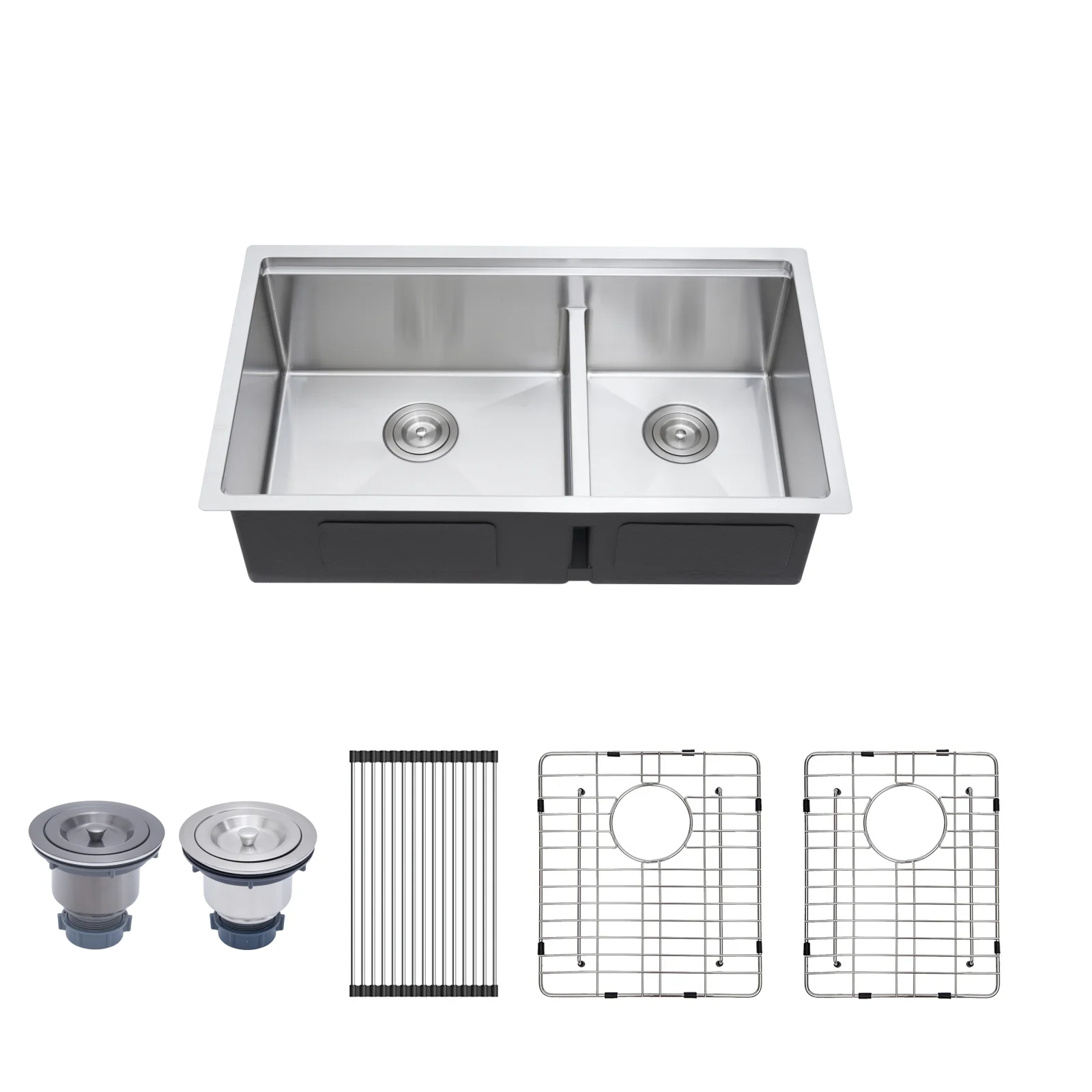
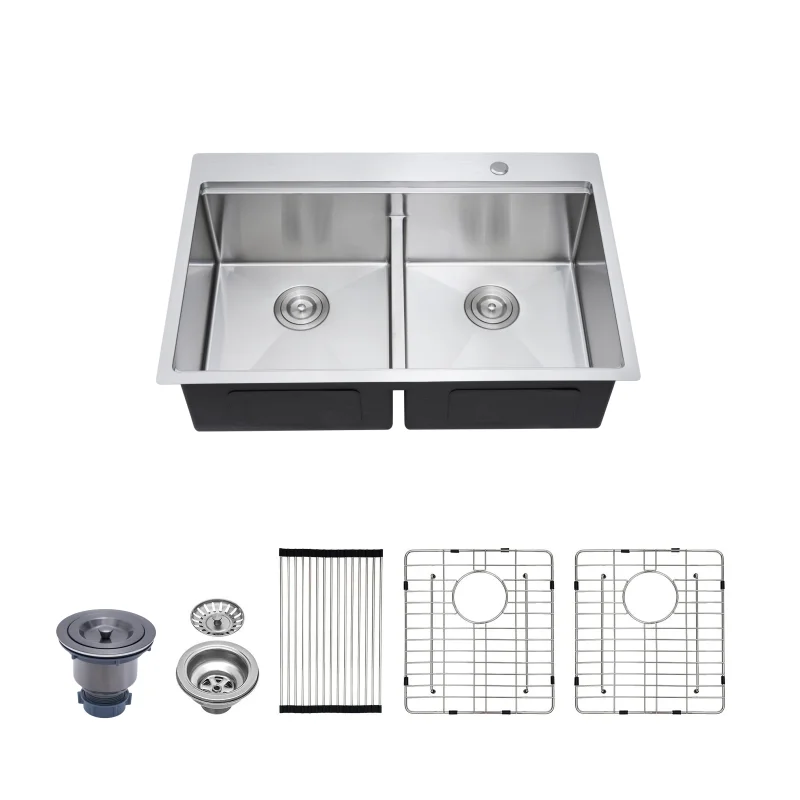
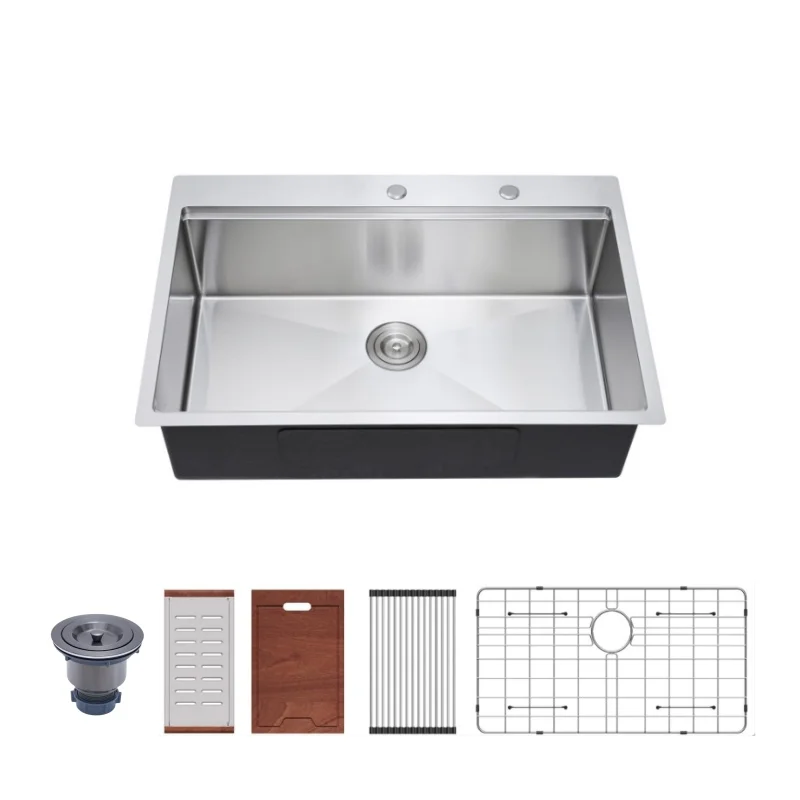
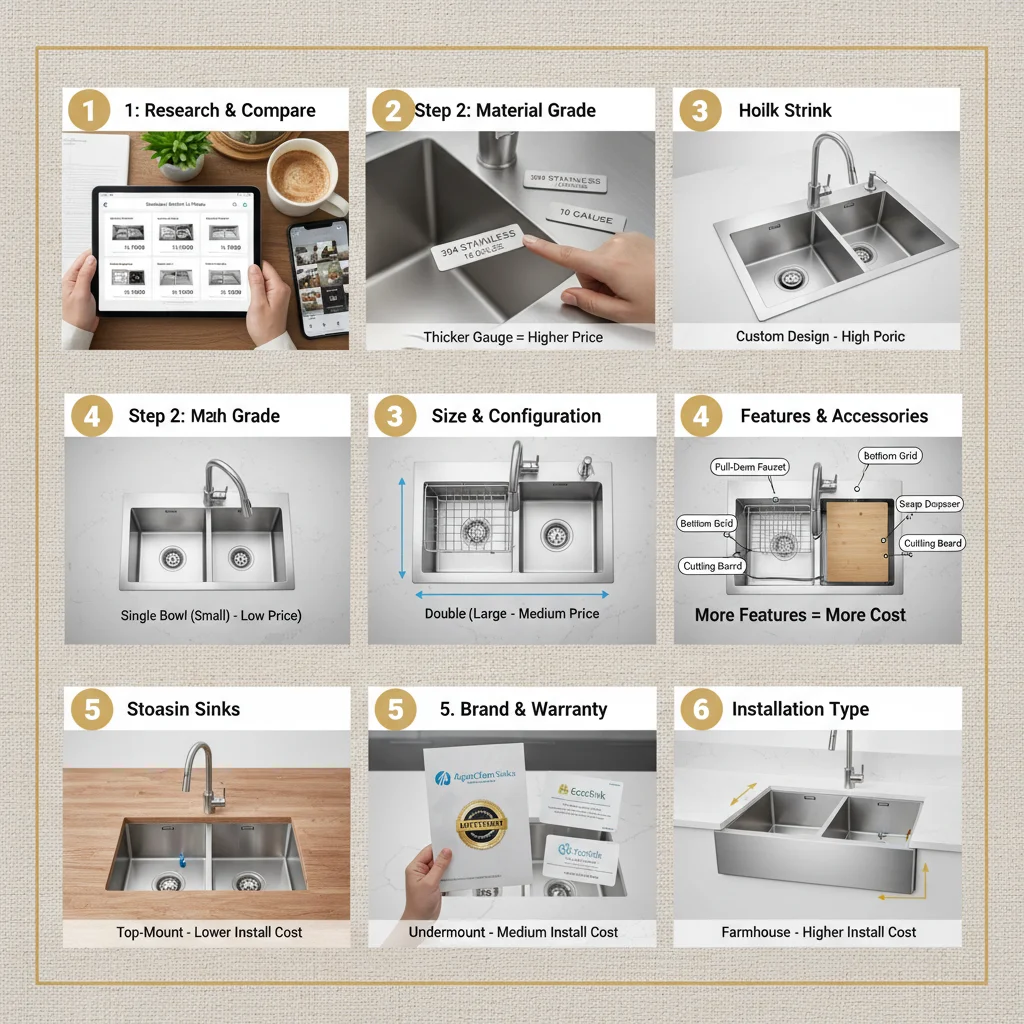
Several key factors determine the cost of a stainless steel sink. The grade of stainless steel is paramount. 304 stainless steel is the most common and offers excellent corrosion resistance, while 316 stainless steel includes molybdenum for even greater durability, commanding a higher price. The gauge of the steel—a measure of its thickness—is equally important. Lower gauge numbers indicate thicker steel, resulting in a more durable and soundproof sink, but also a higher price tag. Sink configuration, like single bowl, double bowl, or farmhouse style, also impacts the price. Finally, brand reputation and features like sound dampening pads and accessories contribute to the overall cost.
Key Highlights: Grade of stainless steel, gauge of steel, sink configuration, and brand reputation are major factors in pricing.
Stainless Steel Grades and Their Impact on Price
Understanding the different grades of stainless steel is crucial when considering stainless sink price. 304 stainless steel, containing 18% chromium and 8% nickel, is widely used due to its balance of cost and performance. It's resistant to rust and corrosion, making it ideal for kitchen sinks. 316 stainless steel, with the addition of molybdenum, is even more corrosion-resistant, particularly against chlorides, making it suitable for coastal environments or demanding applications. However, the added molybdenum increases the cost. Lower grades may be cheaper but are more susceptible to rust and wear, leading to a shorter lifespan. Choosing the right grade involves balancing your budget with your specific needs and environment.
Stainless Steel Grade Benefits:
• 304 Stainless Steel: Excellent corrosion resistance, cost-effective.
• 316 Stainless Steel: Superior corrosion resistance, ideal for harsh environments.
• Lower Grades: Cheaper initially, but less durable and prone to rust.
Gauge vs. Price: How Thickness Affects Cost
The gauge of stainless steel directly impacts both the sink’s durability and its stainless sink price. Lower gauge numbers indicate thicker steel. Common gauges range from 16 to 22. 16-gauge sinks are the thickest, most durable, and typically the most expensive. They offer superior sound dampening and resistance to dents and scratches. 18-gauge sinks strike a balance between cost and durability. 20 and 22-gauge sinks are thinner and more affordable, but they are more prone to noise and damage. While a lower initial cost may be attractive, investing in a thicker gauge sink can save you money in the long run by preventing the need for premature replacement.
| Gauge |
Thickness (approx.) |
Durability |
Price |
| 16-Gauge |
1.5mm |
Very High |
High |
| 18-Gauge |
1.0mm |
High |
Moderate |
| 20-Gauge |
0.8mm |
Moderate |
Low |
| 22-Gauge |
0.6mm |
Low |
Very Low |
Typical Stainless Sink Price Ranges
Here's a general breakdown of stainless sink price ranges, as of late 2023/early 2024. Note that prices can fluctuate based on retailer, promotions, and location.
Conclusion: Finding the Right Sink for Your Budget
Choosing the right stainless steel sink doesn’t have to be overwhelming. By understanding the factors that influence stainless sink price, you can confidently select a sink that meets your needs and fits your budget. Consider the grade and gauge of stainless steel, the sink configuration, and reputable brands like Yashite Sink for quality and durability.
Frequently Asked Questions (FAQs)
What is the best gauge stainless steel sink to buy?
For the best balance of durability, noise reduction, and price, 18-gauge stainless steel is generally considered the sweet spot. While 16-gauge sinks are more robust, the added cost may not be justified for all homeowners. 18-gauge offers excellent performance and longevity for everyday use. Consider your budget and how heavily the sink will be used when making your decision. If you anticipate frequent heavy use or have a large household, investing in a 16-gauge sink might be worthwhile.
Are undermount sinks more expensive than drop-in sinks?
Yes, undermount sinks typically cost more than drop-in sinks. This is primarily due to the more complex installation process required for undermount sinks. They require precise measurements and a solid countertop material (like granite or quartz) capable of supporting the sink's weight. Drop-in sinks are easier to install, as they simply rest on the countertop, making them a more affordable option. However, undermount sinks offer a cleaner, more streamlined look and make countertop cleaning easier.
What features can increase the price of a stainless sink?
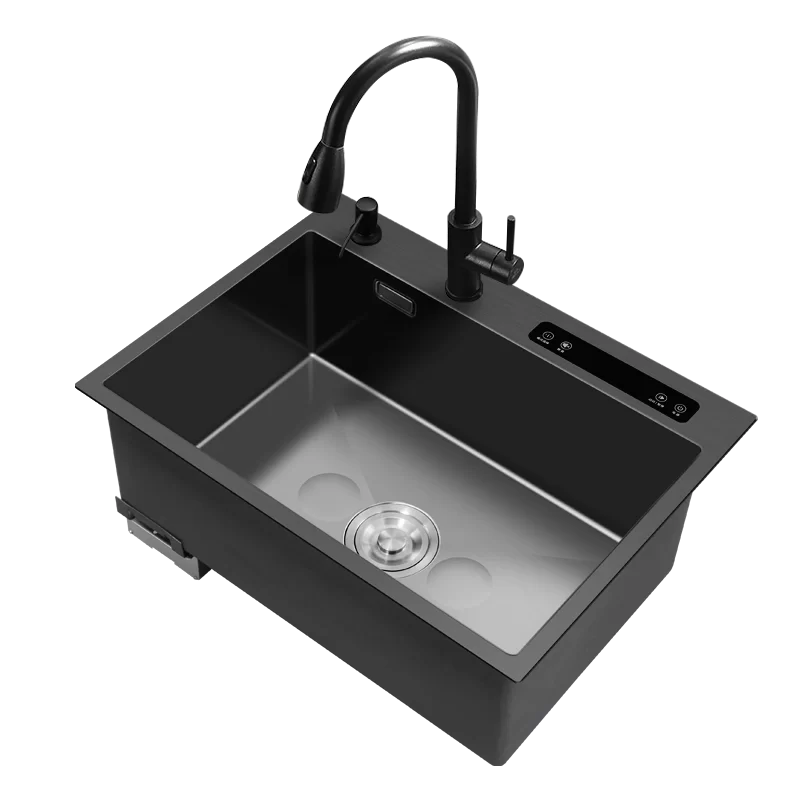
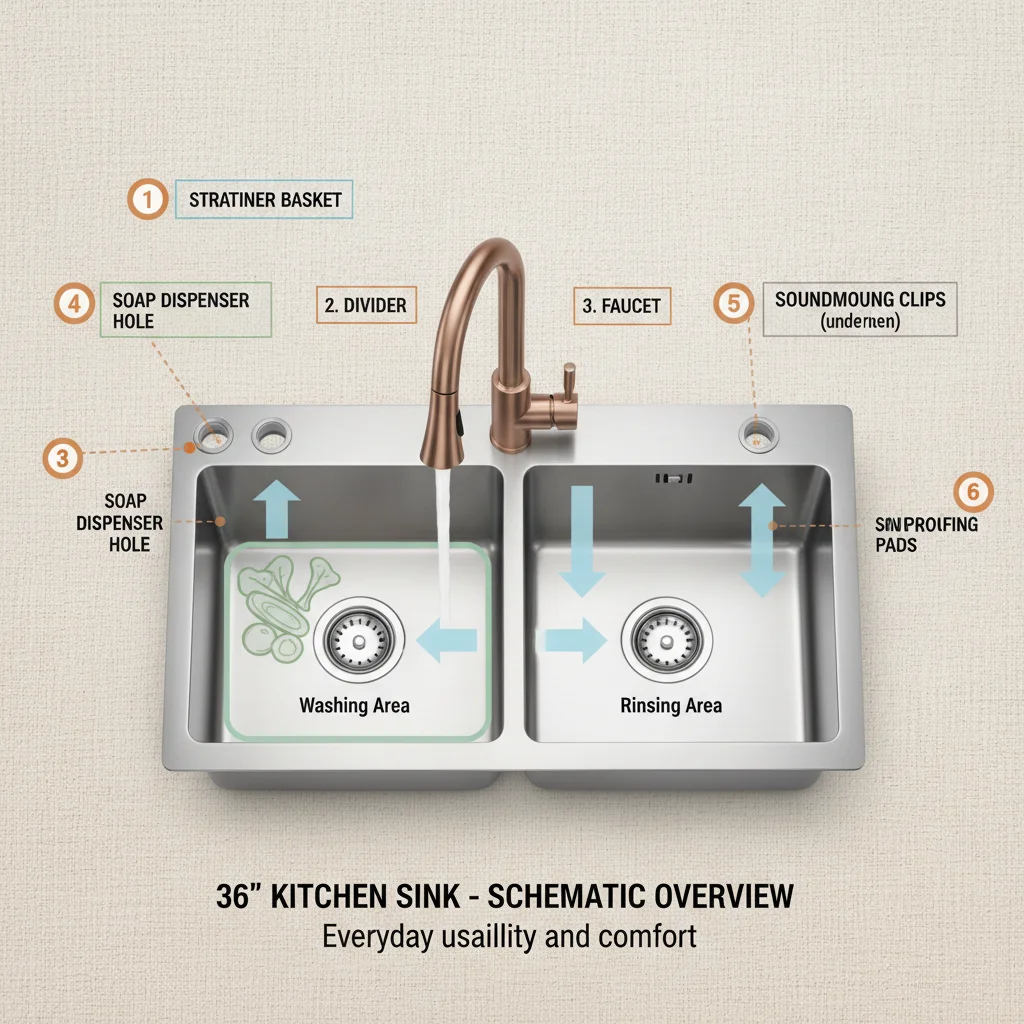
Several features can add to the stainless sink price. These include sound dampening pads, which reduce noise from water and dishes; integrated accessories like cutting boards or colanders; special finishes like satin or brushed nickel; and features like pull-down faucets or soap dispensers. Larger sink sizes and more complex configurations (like triple-bowl sinks) also generally cost more.
How can I find affordable stainless steel sinks?
Look for sales and promotions at major retailers. Consider 20 or 22-gauge sinks for a more budget-friendly option. Compare prices from different retailers. Explore online marketplaces for potential deals. Finally, consider purchasing a sink during off-peak seasons (e.g., not during major kitchen renovation times) when prices are often lower. You can find great deals and quality options on Yashite Sink.