Understanding the Undermount Kitchen Sink Price: A Comprehensive Guide
Choosing the right undermount kitchen sink can significantly enhance the look and functionality of your kitchen. However, understanding the factors that influence undermount kitchen sink price can be complex. This guide provides a detailed overview of pricing, materials, features, and considerations to help you make an informed decision. We'll explore the range of costs, what impacts those costs, and how to find the best sink for your budget and needs.
Factors Influencing Undermount Kitchen Sink Prices
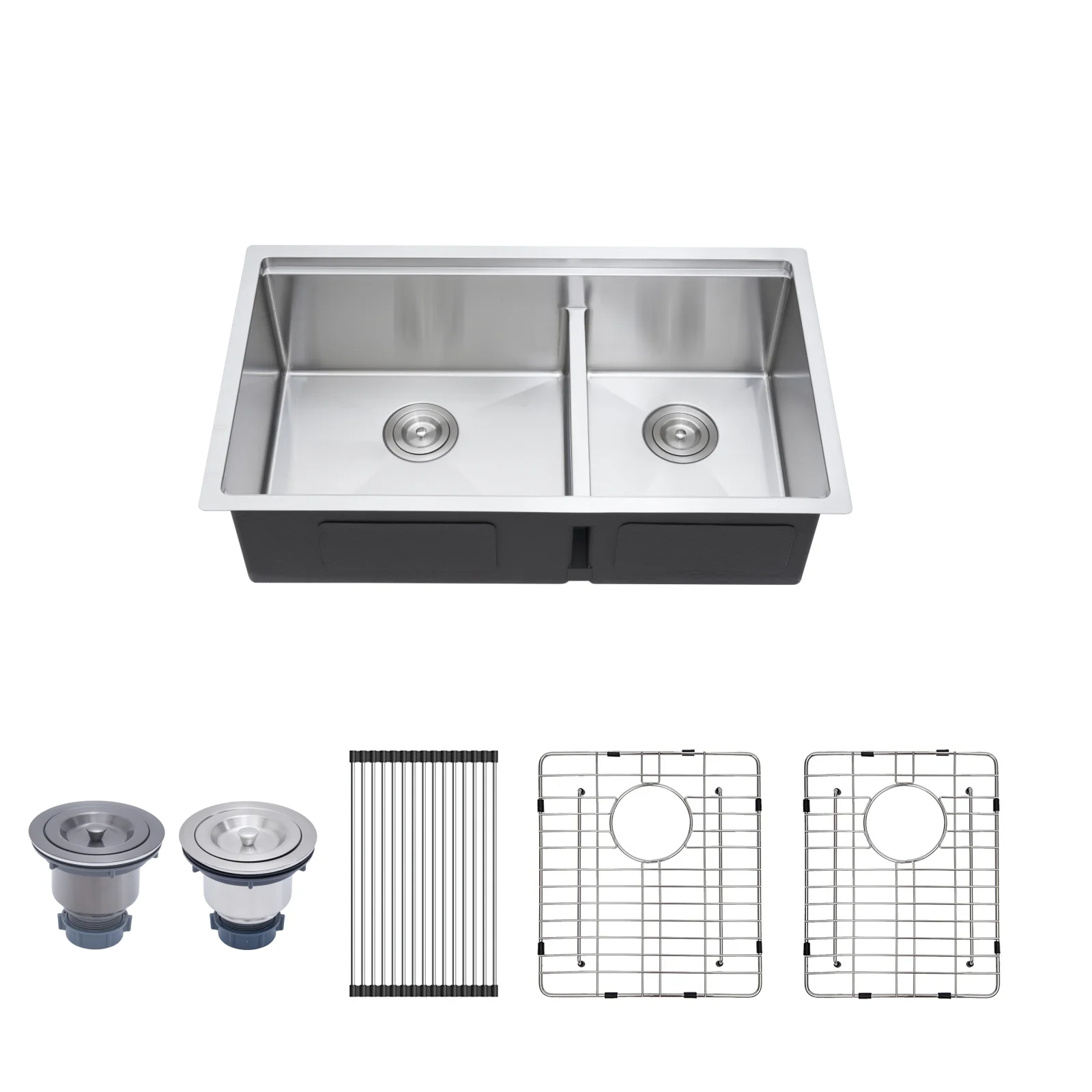
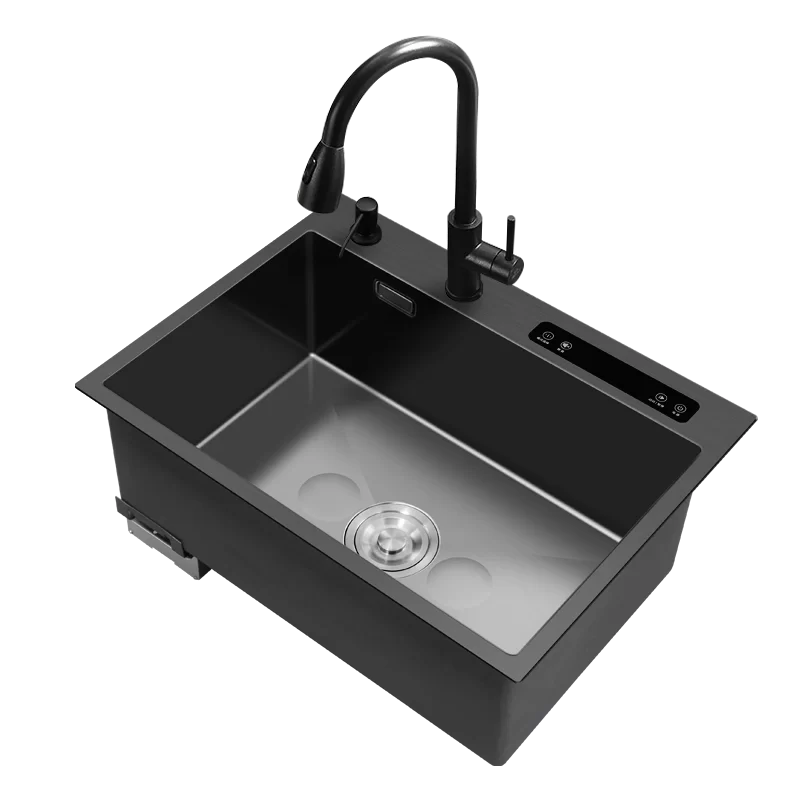
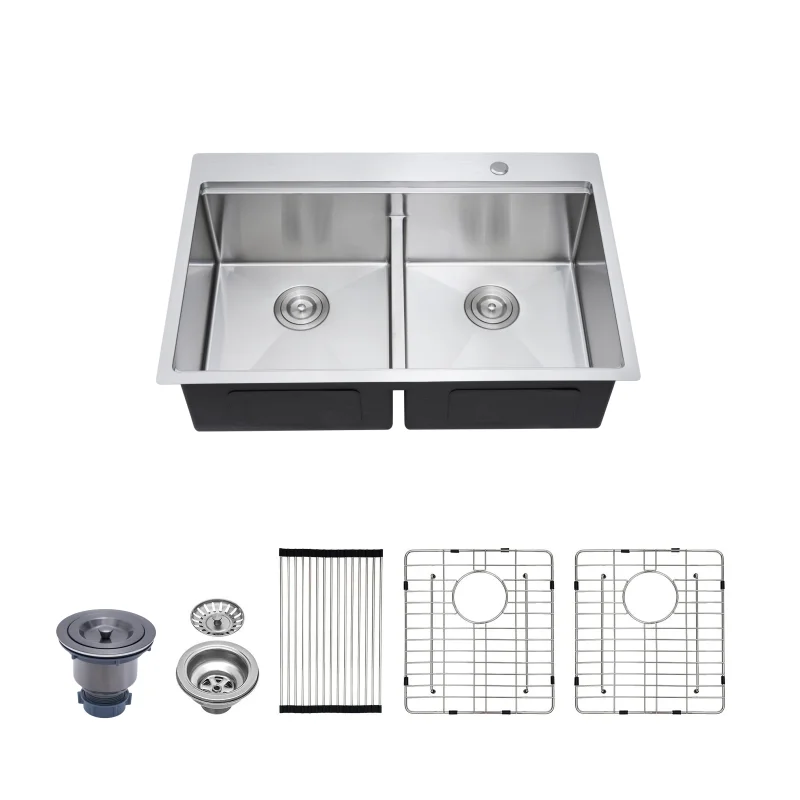
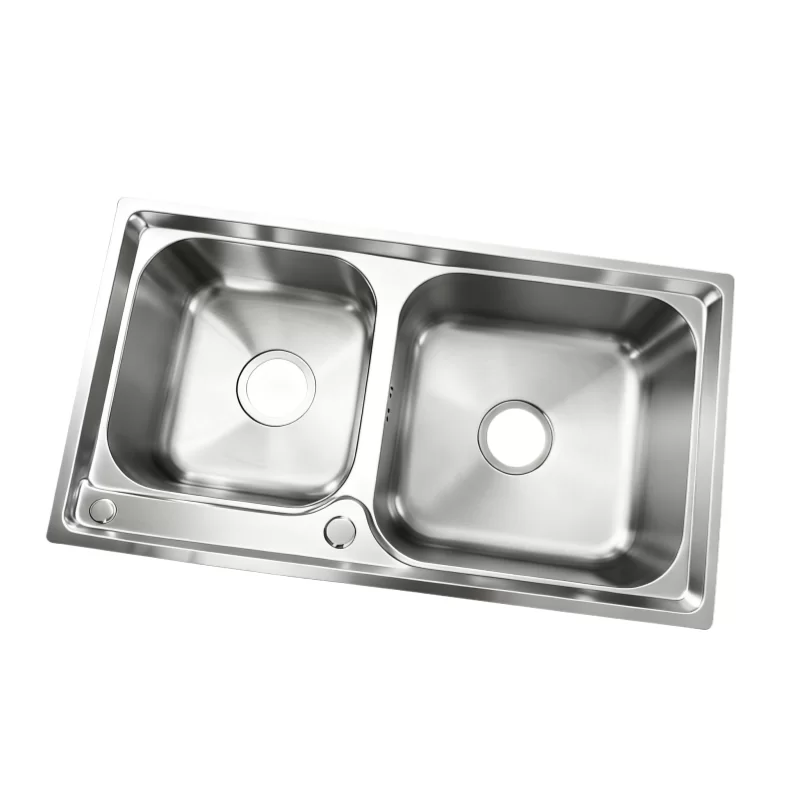
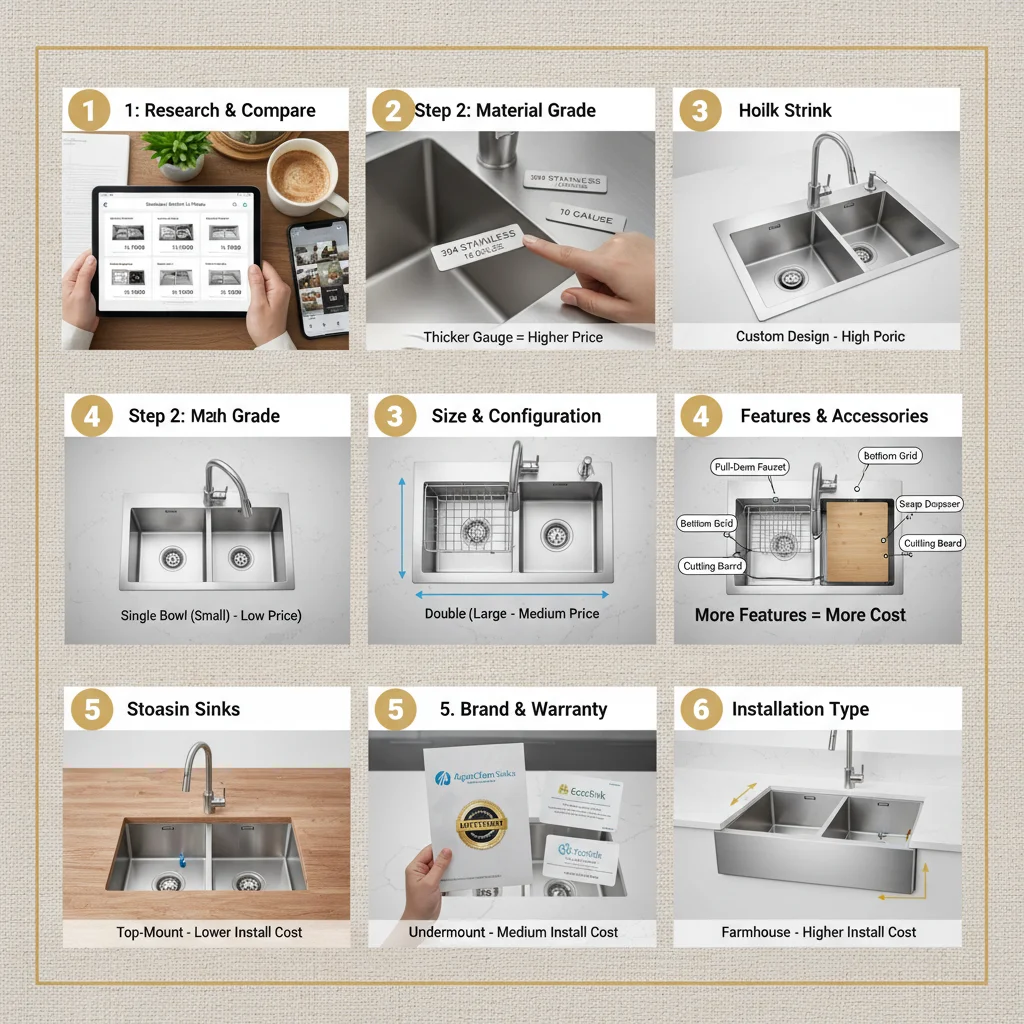
Several key elements contribute to the overall price of an undermount kitchen sink. The material is a primary factor, with stainless steel being the most common and generally affordable option. However, composite granite, fireclay, and copper sinks often come with a higher price tag due to their durability, aesthetics, and unique properties. Sink size (single bowl vs. double bowl, dimensions) also plays a role, as larger sinks require more material. Gauge (thickness of the steel) is crucial; lower gauge numbers signify thicker, more durable steel, but also a higher cost. Finally, features like sound dampening, accessories (grids, strainers), and the brand itself can influence the price point.
Key Takeaway: Material, size, gauge, and features all impact the final price of an undermount kitchen sink.
A Price Breakdown by Material
Let's break down the typical price ranges you can expect for different undermount kitchen sink materials. These are approximate figures and can vary based on brand, features, and retailer.
| Material |
Price Range (USD) |
Durability |
| Stainless Steel (20-gauge) |
$150 - $400 |
Good |
| Stainless Steel (16-gauge) |
$300 - $600 |
Excellent |
| Composite Granite |
$350 - $800 |
Excellent |
| Fireclay |
$400 - $1000+ |
Excellent |
Undermount Kitchen Sink Price: Brand Considerations
The brand name can also significantly impact the price. Well-known brands often command a premium due to their reputation for quality, design, and customer support. Yashite Sink, for instance, offers a variety of undermount sinks at competitive prices while maintaining high quality standards. Exploring different brands can help you find a balance between price and performance. Consider researching customer reviews and warranty information before making a purchase.
Installation Costs: An Additional Factor
Don't forget to factor in installation costs when budgeting for your new undermount kitchen sink. Undermount sinks require more precise installation than drop-in sinks, typically requiring a professional plumber or countertop installer. Installation costs can range from $150 to $500 or more, depending on your location and the complexity of the job. Ensure you get quotes from multiple installers before committing to one.
Tips for Finding the Best Deal on an Undermount Kitchen Sink
To secure the best possible price, consider these tips: Shop around and compare prices from different retailers (online and local). Look for sales, discounts, and promotions. Consider buying during off-peak seasons. Read customer reviews to assess the quality and value of the sink. Don’t hesitate to negotiate with retailers, especially at local stores. Finally, remember that a slightly higher upfront investment in a quality sink can save you money in the long run by avoiding costly repairs or replacements.
Conclusion: Making an Informed Decision
Understanding the undermount kitchen sink price requires considering multiple factors. By evaluating materials, features, brands, and installation costs, you can find the perfect sink to enhance your kitchen without breaking the bank. Don’t rush the process – careful research will ensure you make a smart and satisfying purchase.
Frequently Asked Questions (FAQs)
What is the typical lifespan of an undermount kitchen sink?
The lifespan of an undermount kitchen sink varies depending on the material and quality of construction. Stainless steel sinks can last 20 years or more with proper care. Composite granite and fireclay sinks are also very durable and can last for decades. Regular cleaning and avoiding harsh chemicals are essential for maximizing the lifespan of any sink. Signs of wear and tear, such as cracks, chips, or significant staining, may indicate it's time for a replacement.
Are undermount sinks more expensive to install than drop-in sinks?
Yes, undermount sinks typically have higher installation costs than drop-in sinks. This is because undermount sinks require more precise cutting and securing to the underside of the countertop. Drop-in sinks simply rest within a pre-cut hole, making installation simpler and less time-consuming. You'll likely need a professional plumber or countertop installer for an undermount sink installation, adding to the overall cost.
What gauge stainless steel is best for an undermount sink?
For undermount stainless steel sinks, a lower gauge number is generally better. 16-gauge stainless steel is considered the premium choice, as it's thicker and more durable than 18 or 20-gauge steel. Thicker steel is less prone to dents, scratches, and noise. While 16-gauge sinks are more expensive, they offer superior longevity and performance. 18-gauge is a good middle ground, offering a balance of durability and price.