Understanding the Versatility of a 2 Compartment Sink
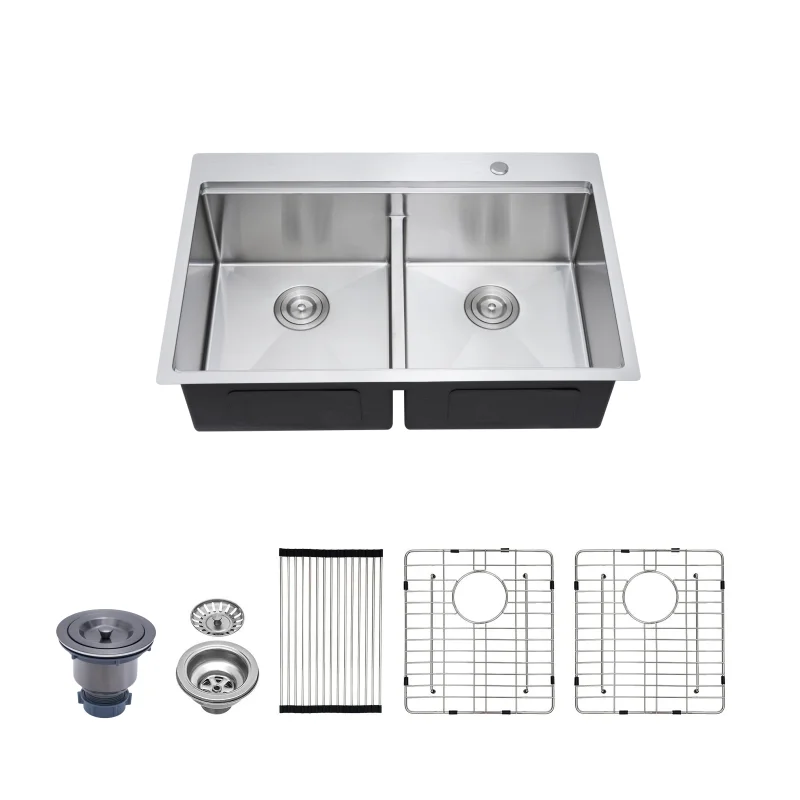
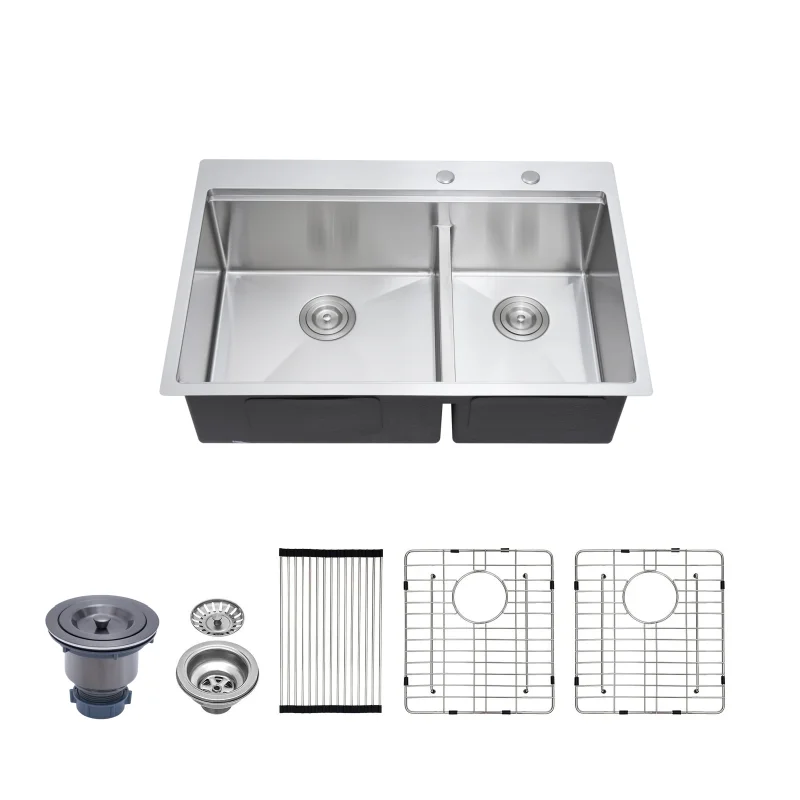
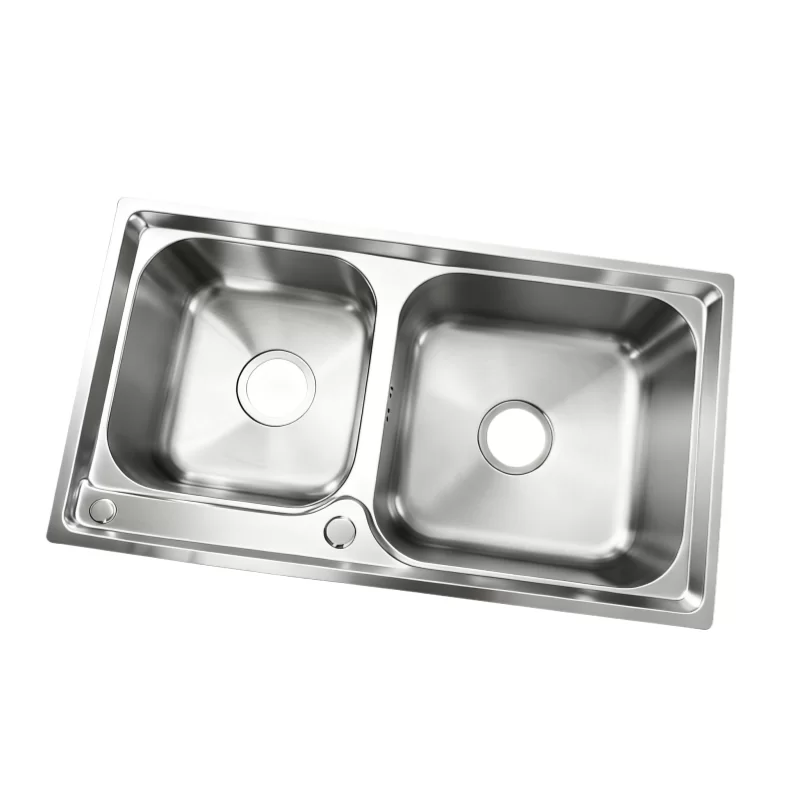
A 2 compartment sink is a cornerstone of efficiency in commercial kitchens, food processing facilities, and healthcare settings. Offering a divided workspace, these sinks streamline tasks from washing and sanitizing to prepping and thawing. This article explores the benefits, applications, materials, and essential considerations when choosing a 2 compartment sink for your business. A well-chosen sink not only improves hygiene and workflow but also contributes to long-term operational cost savings.
The Core Benefits of Using a 2 Compartment Sink
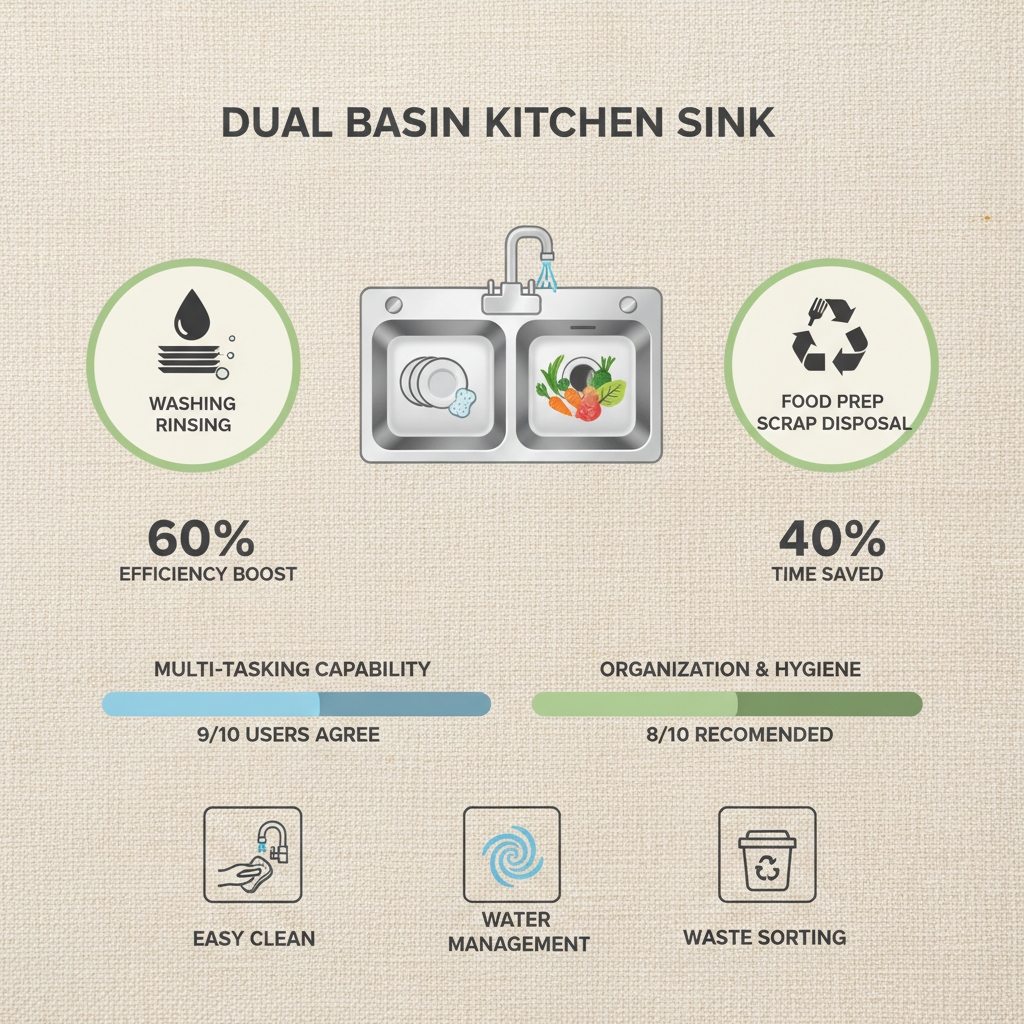
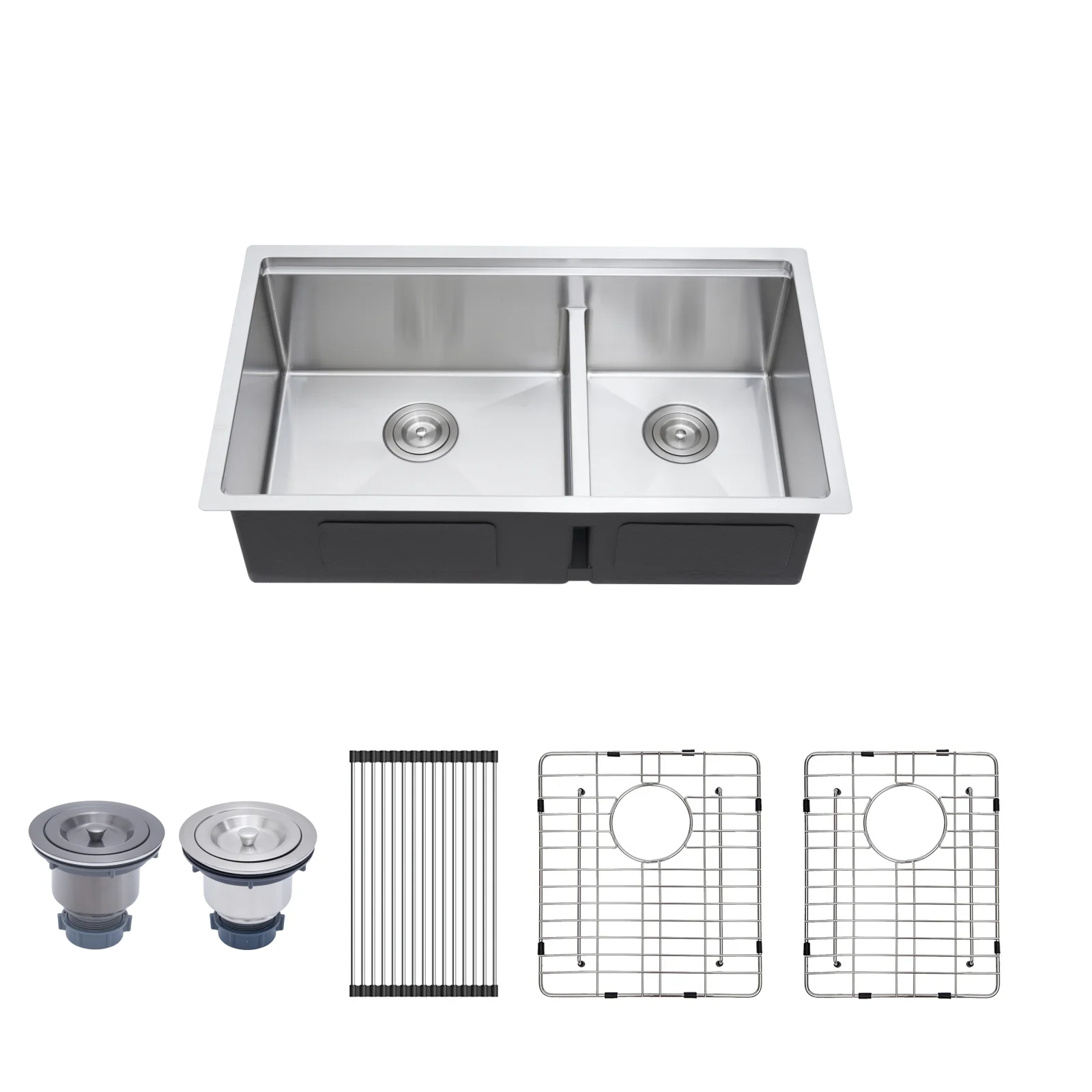
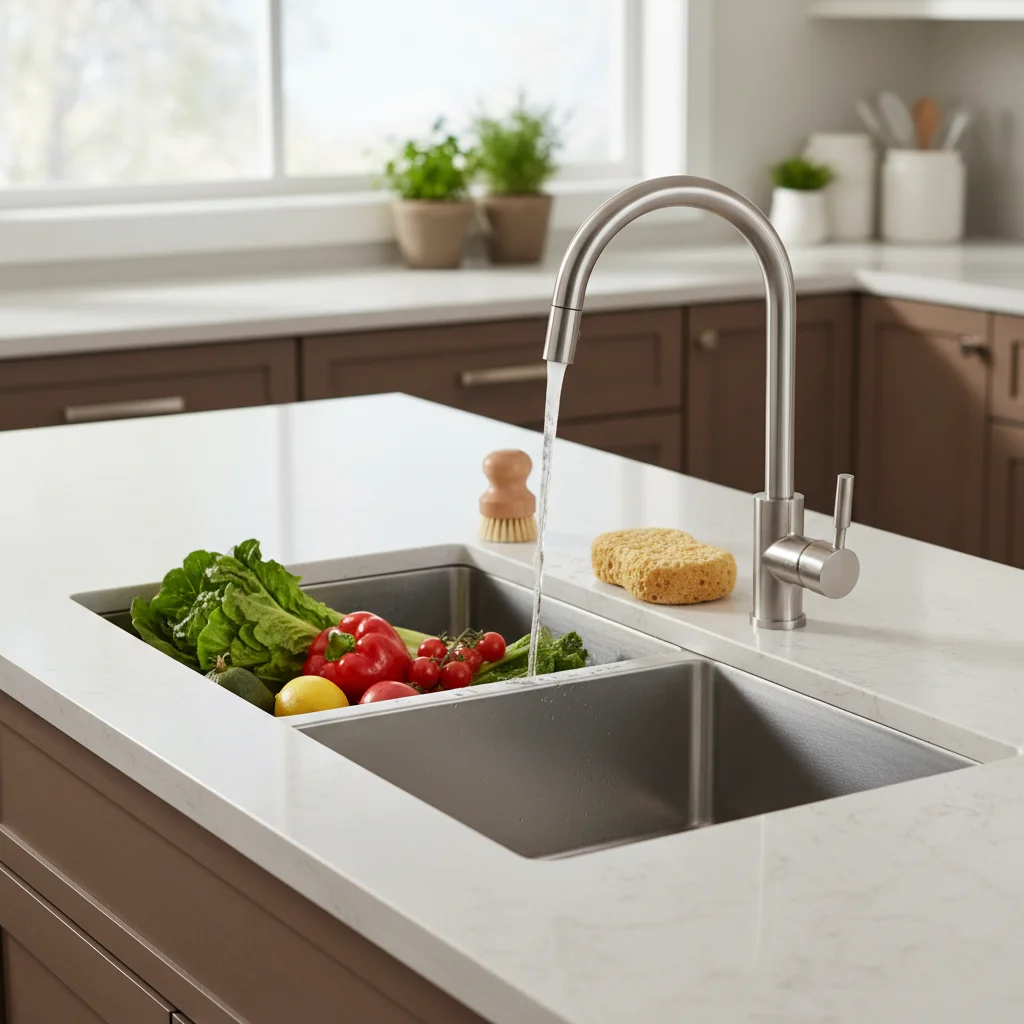
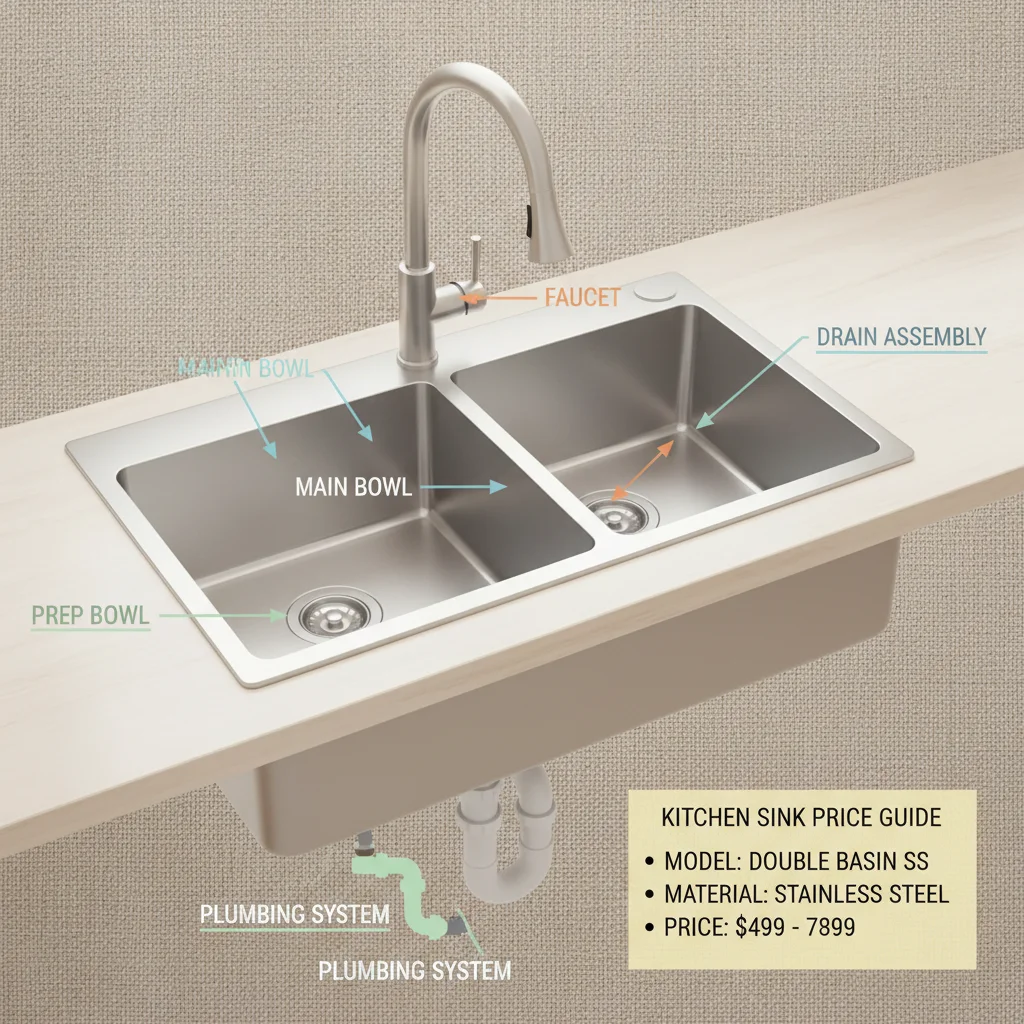
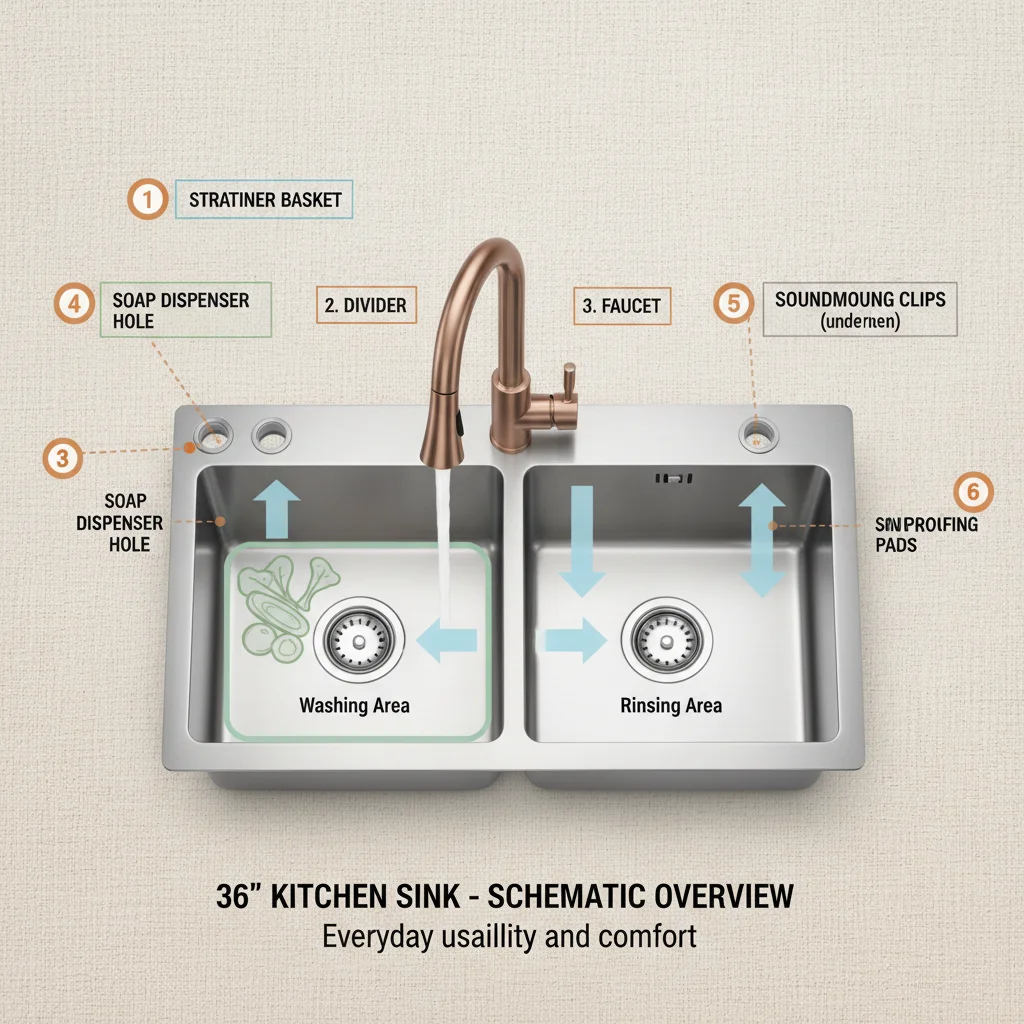
The key advantage of a 2 compartment sink is its ability to separate cleaning stages. Typically, one compartment is used for washing dishes or produce, while the second is dedicated to rinsing and sanitizing. This prevents cross-contamination, ensuring higher hygiene standards. Beyond hygiene, a 2 compartment sink improves workflow efficiency, allowing for continuous processing and reducing bottlenecks. They are also incredibly versatile, suitable for a wide range of applications beyond just dishwashing, including food preparation and lab work. Investing in a quality commercial 2 compartment sink is a strategic move for any business prioritizing cleanliness and efficiency.
Key Highlights: Improved hygiene through separation of cleaning stages, increased workflow efficiency, and versatile application in various industries.
Common Applications Across Industries
The applications of a 2 compartment sink are remarkably diverse. In restaurants and catering, they’re essential for washing dishes, pots, and pans. Food processing plants utilize them for cleaning produce and preparing ingredients. Healthcare facilities rely on them for sterilizing medical instruments. Even laboratories use 2 compartment sinks for cleaning glassware and equipment. The adaptability of these sinks makes them a valuable asset in countless professional settings. Furthermore, they often meet specific regulatory requirements for sanitation in these different industries, ensuring compliance.
Application Benefits:
• Restaurants & Catering: High-volume dishwashing and food prep.
• Food Processing: Produce cleaning and ingredient preparation.
• Healthcare: Sterilization of medical instruments.
• Laboratories: Cleaning of glassware and equipment.
Material Options: Choosing the Right 2 Compartment Sink
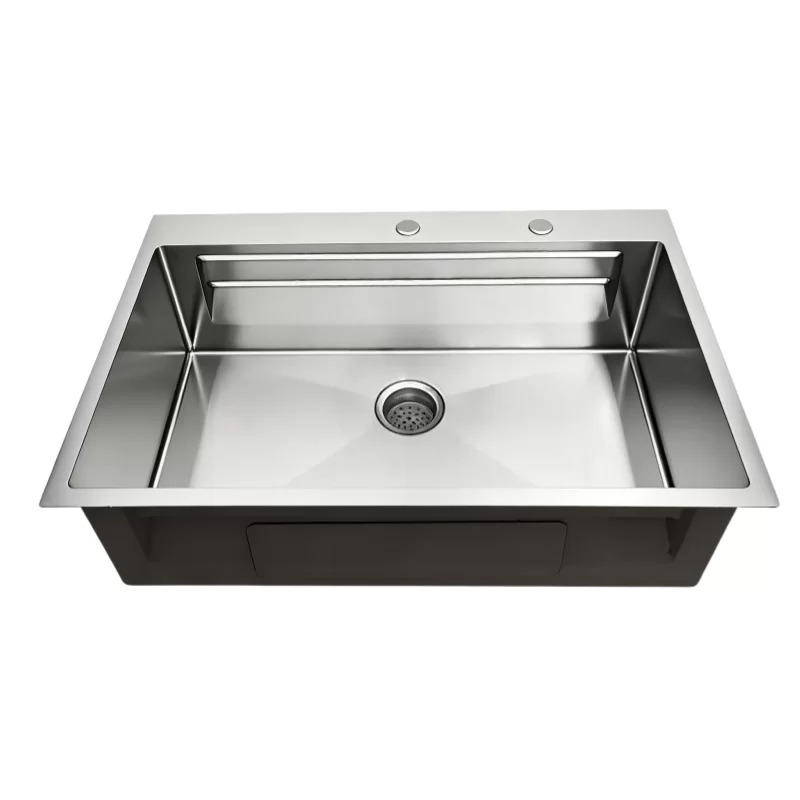
Several materials are commonly used in the construction of 2 compartment sinks, each with its own pros and cons. Stainless steel is the most popular choice due to its durability, corrosion resistance, and ease of cleaning. Porcelain-enameled steel offers a smooth, non-porous surface but is more susceptible to chipping. Composite materials, like granite composite, are increasingly popular for their aesthetic appeal and resistance to staining. The best material depends on your budget, usage intensity, and desired aesthetic. Yashite Sinks specializes in high-quality stainless steel options.
| Material |
Pros |
Cons |
| Stainless Steel |
Durable, Corrosion-Resistant, Easy to Clean |
Can be noisy, more expensive |
| Porcelain-Enameled Steel |
Smooth Surface, Non-Porous |
Prone to Chipping, Less Durable |
| Granite Composite |
Stain-Resistant, Aesthetically Pleasing |
Can be expensive, potential for cracking |
Key Considerations When Purchasing a 2 Compartment Sink
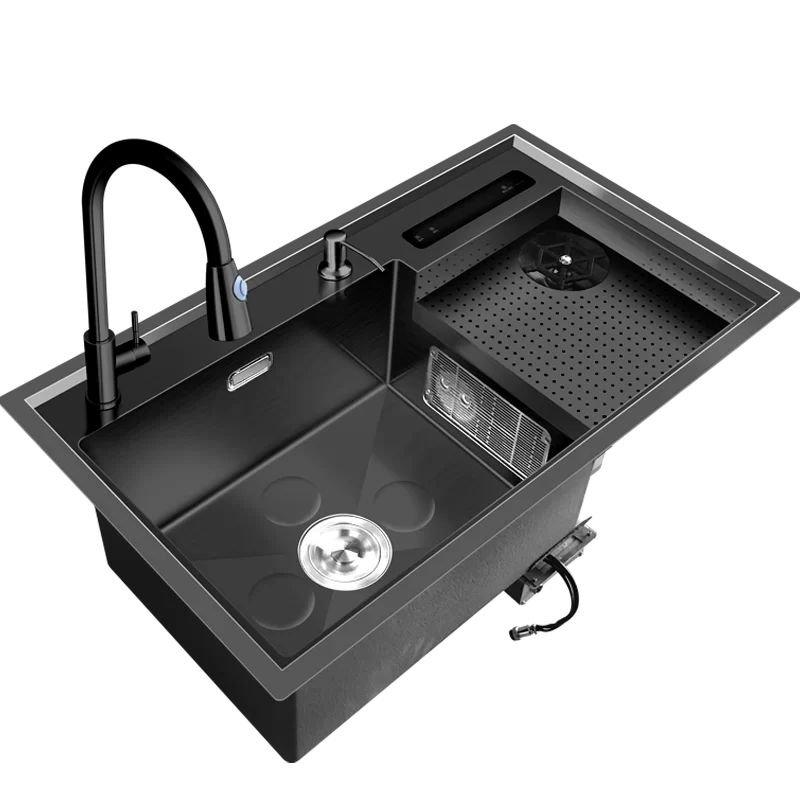
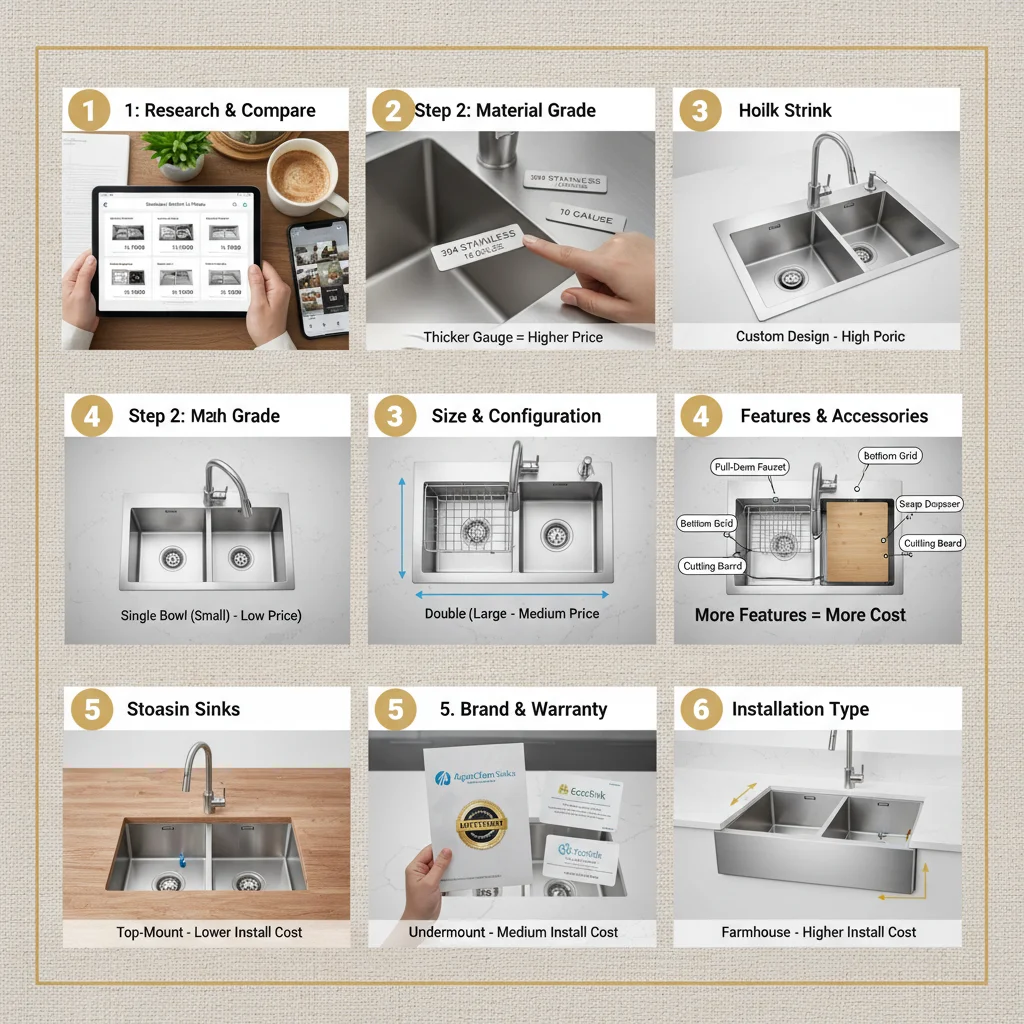
Before making a purchase, consider the size and depth of the sink compartments, the gauge (thickness) of the stainless steel, and whether you need features like a drainboard or pre-rinse sprayer. The sink’s dimensions should fit comfortably within your workspace and accommodate your typical workload. A heavier gauge stainless steel indicates greater durability. Also, factor in plumbing requirements and ensure compatibility with your existing infrastructure. Properly researching these aspects will ensure you select a sink that meets your specific needs and provides lasting value.
Ensuring Compliance and Proper Maintenance
Many industries have specific regulations regarding sink sanitation. Ensure your chosen sink meets these requirements. Regular cleaning with appropriate detergents is crucial to maintain hygiene and prevent buildup. Inspect the sink for damage, such as cracks or leaks, on a regular basis. Proper maintenance extends the lifespan of the sink and ensures continued compliance with safety standards. Contact Yashite Sinks for expert advice on maintenance and care.
Conclusion: Investing in a Quality 2 Compartment Sink
Investing in a high-quality 2 compartment sink from a reputable supplier like Yashite Sinks is a smart investment for any business. It offers improved hygiene, increased efficiency, and long-term durability. By carefully considering your needs and choosing the right materials and features, you can optimize your workflow and create a safer, more sanitary environment.
Frequently Asked Questions (FAQs)
What size 2 compartment sink do I need?
The ideal size depends on your volume of dishes and the size of your workspace. Consider the largest items you’ll be washing and ensure sufficient space for comfortable operation. For smaller kitchens, a 24” x 24” sink might suffice, while larger operations may require a 30” x 30” or even larger model. Carefully measure your available space and assess your workflow to determine the most appropriate dimensions.
What is the difference between a standard and a deep 2 compartment sink?
A deep 2 compartment sink (typically 18” deep or more) provides more space for soaking and washing large items, reducing splashing and making it easier to handle bulky cookware. Standard sinks (around 14” deep) are suitable for general dishwashing. If you frequently wash large pots, pans, or trays, a deep sink is recommended.
How do I properly clean and sanitize a 2 compartment sink?
After each use, wash the sink with hot soapy water to remove food debris. Rinse thoroughly with clean water. Then, sanitize the sink with a commercial sanitizing solution, following the manufacturer's instructions. Ensure proper ventilation during sanitization. Regular cleaning prevents buildup and maintains a hygienic environment.