Understanding the Versatility of a 36 Kitchen Sink
Choosing the right kitchen sink can significantly impact the functionality and aesthetic of your kitchen. A 36 kitchen sink offers a balance between spaciousness and practicality, making it a popular choice for many households. This article will explore the benefits, types, materials, and factors to consider when selecting a 36-inch kitchen sink. We’ll also highlight why Yashite Sink provides superior quality and design.
Why Choose a 36 Kitchen Sink?
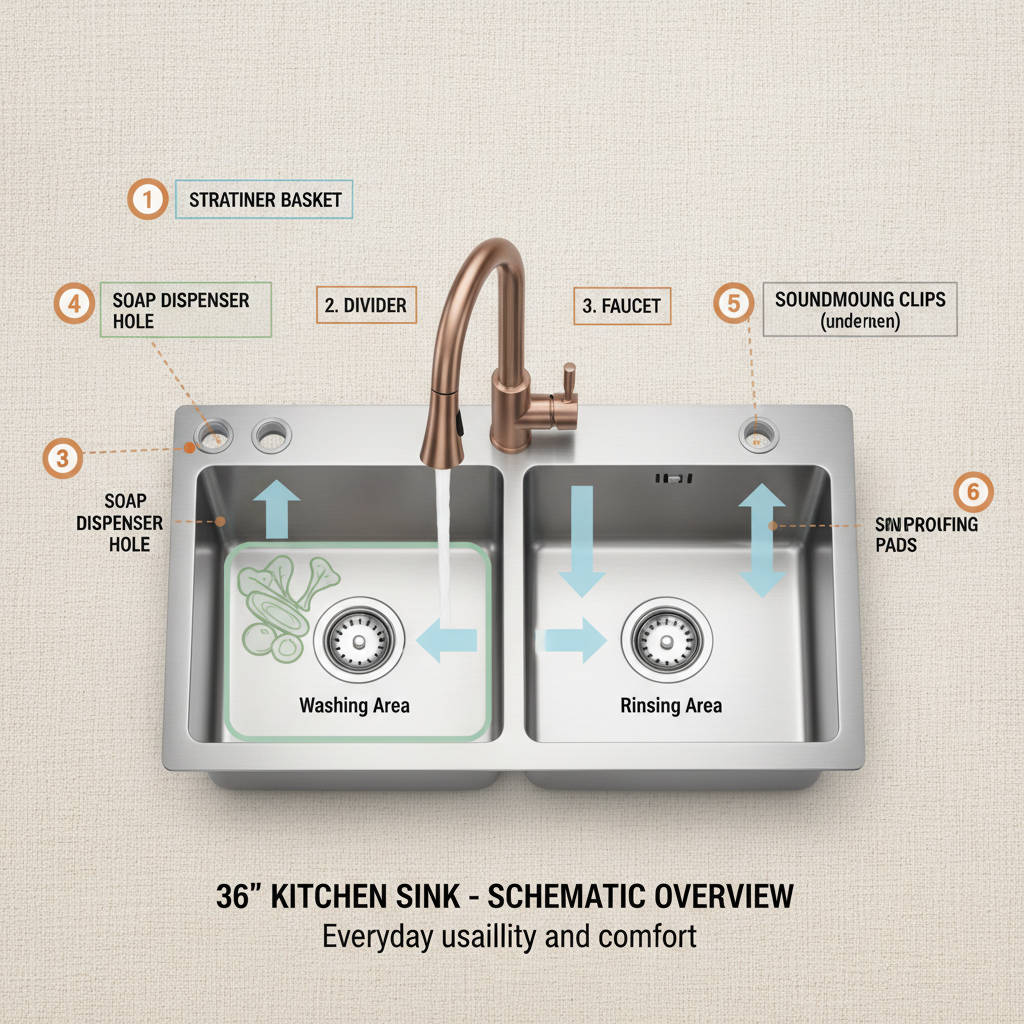
A 36-inch kitchen sink strikes an ideal balance for medium to large kitchens. It offers ample space for washing dishes, preparing food, and accommodating large pots and pans without overwhelming the countertop area. This size is particularly well-suited for families or those who frequently cook. Compared to smaller sinks, a 36-inch sink provides greater convenience and efficiency. It's also a versatile size that fits into standard cabinet configurations, making installation relatively straightforward. The versatility of a 36" sink is why Yashite Sink offers a wide range of models in this popular size.
Key Benefits: Offers ample space, fits standard cabinets, convenient for families, enhances kitchen efficiency.
Exploring Different Types of 36 Kitchen Sinks
36-inch kitchen sinks come in various configurations to suit different needs and kitchen layouts. The most common types include:
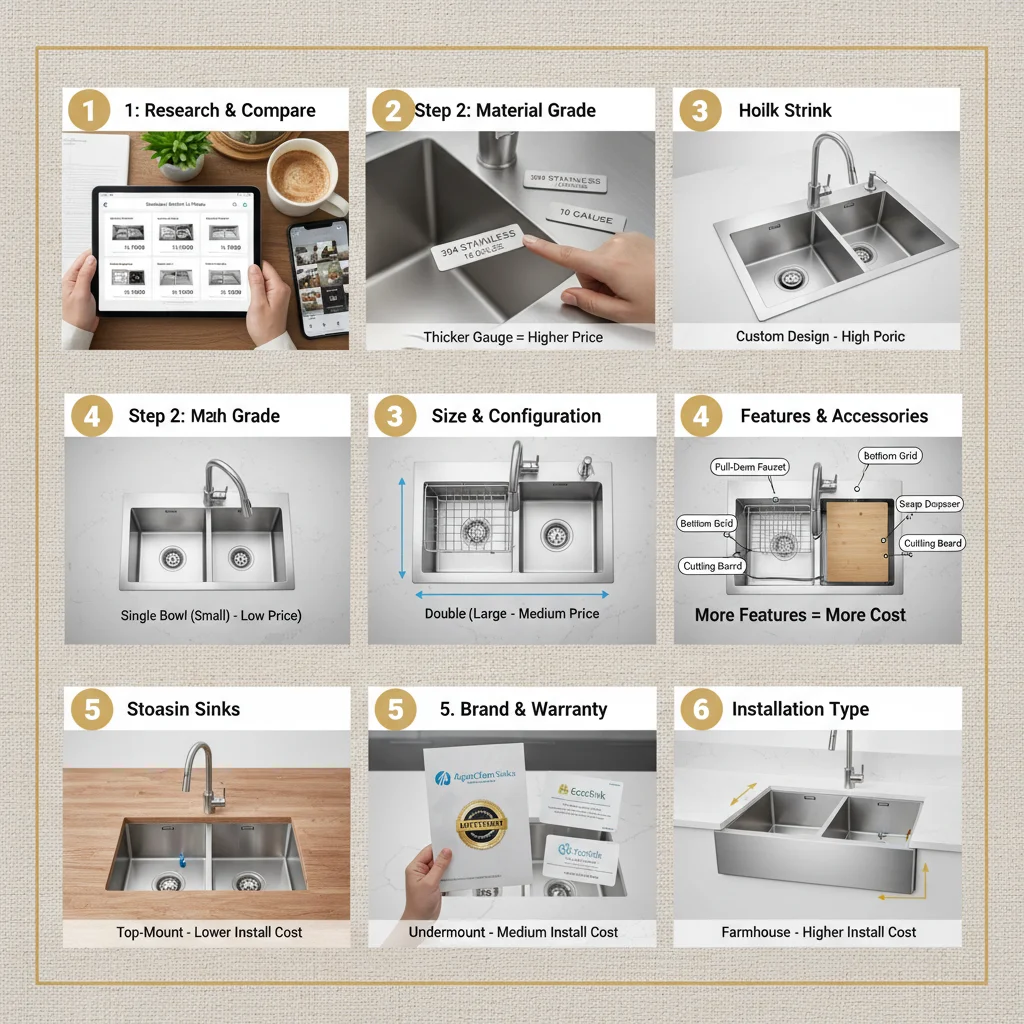
- Undermount Sinks: Installed beneath the countertop, creating a seamless look and easy cleaning.
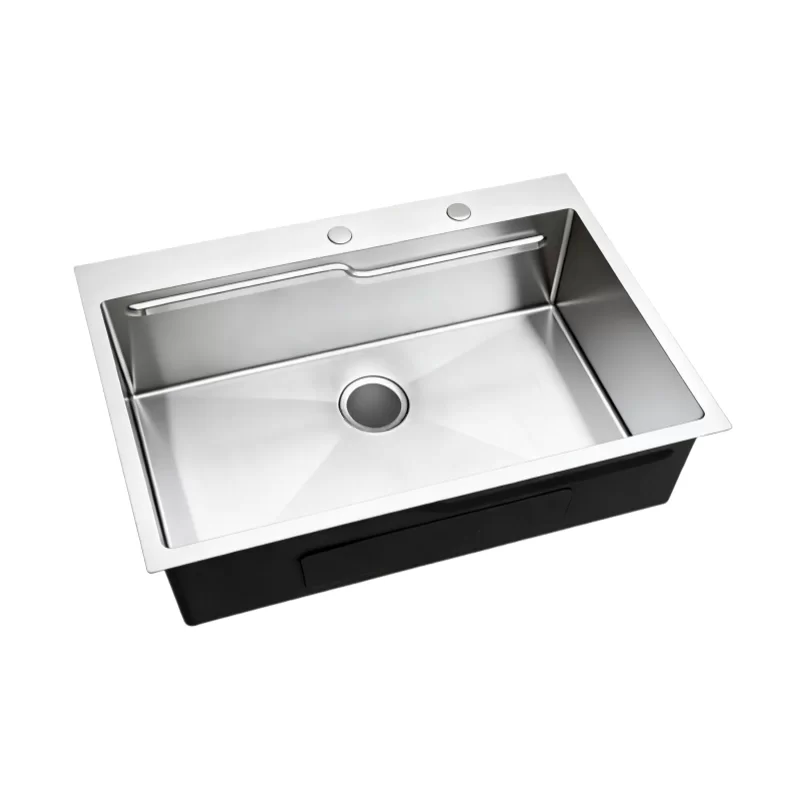
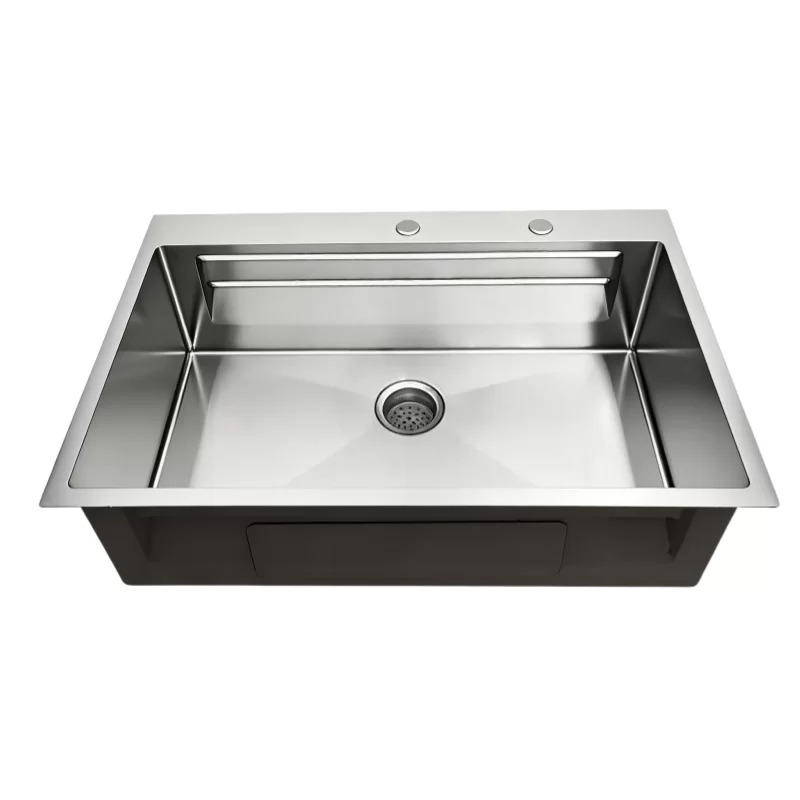
- Top-Mount (Drop-In) Sinks: Rest on top of the countertop, offering a simpler installation process.
- Farmhouse (Apron-Front) Sinks: Feature an exposed front, creating a classic and stylish aesthetic.
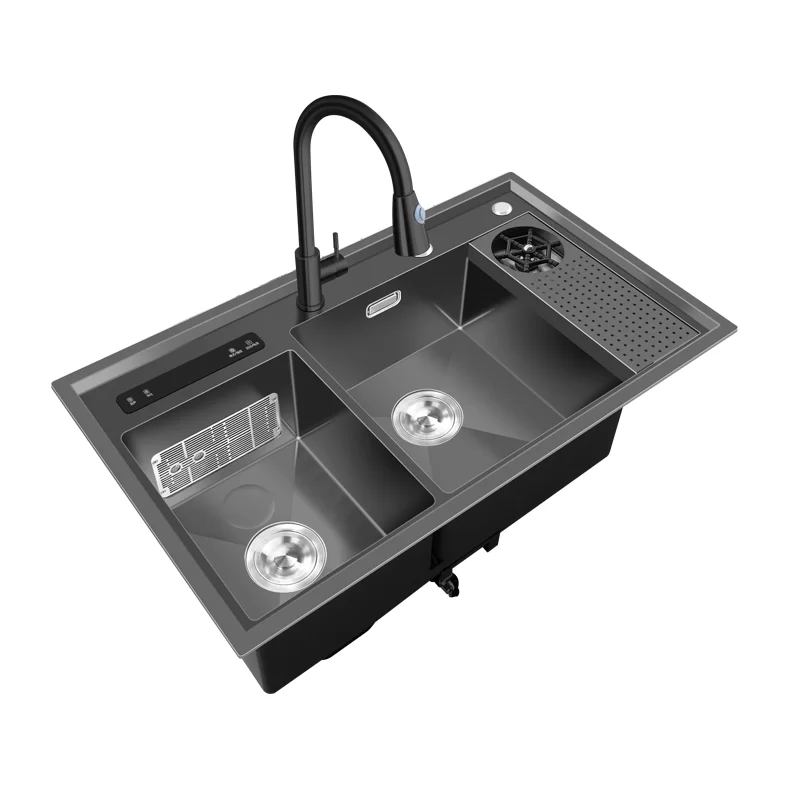
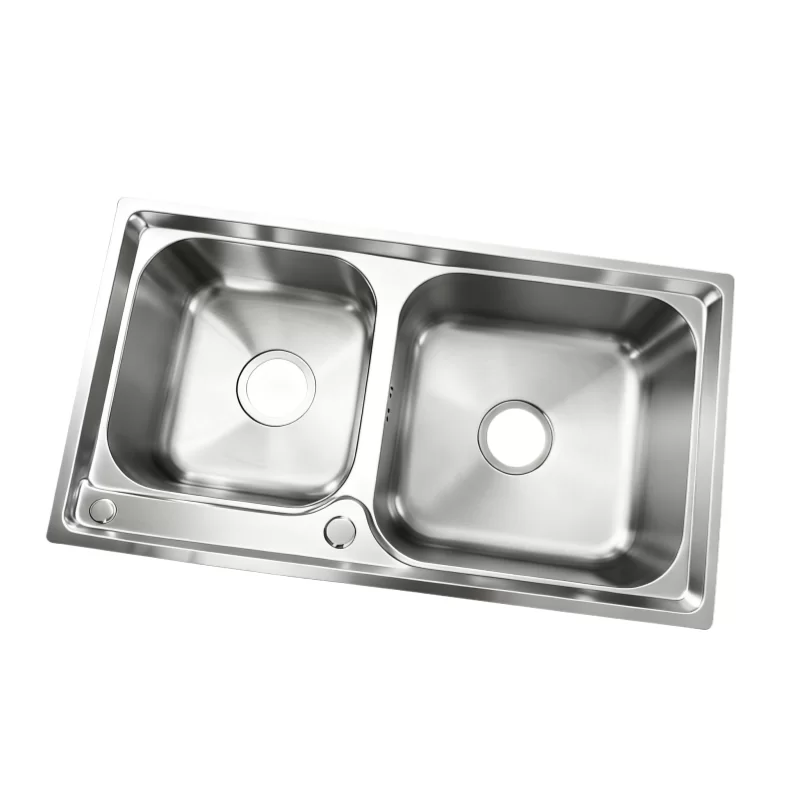
- Double-Bowl Sinks: Offer two separate basins, allowing for simultaneous tasks like washing and rinsing.
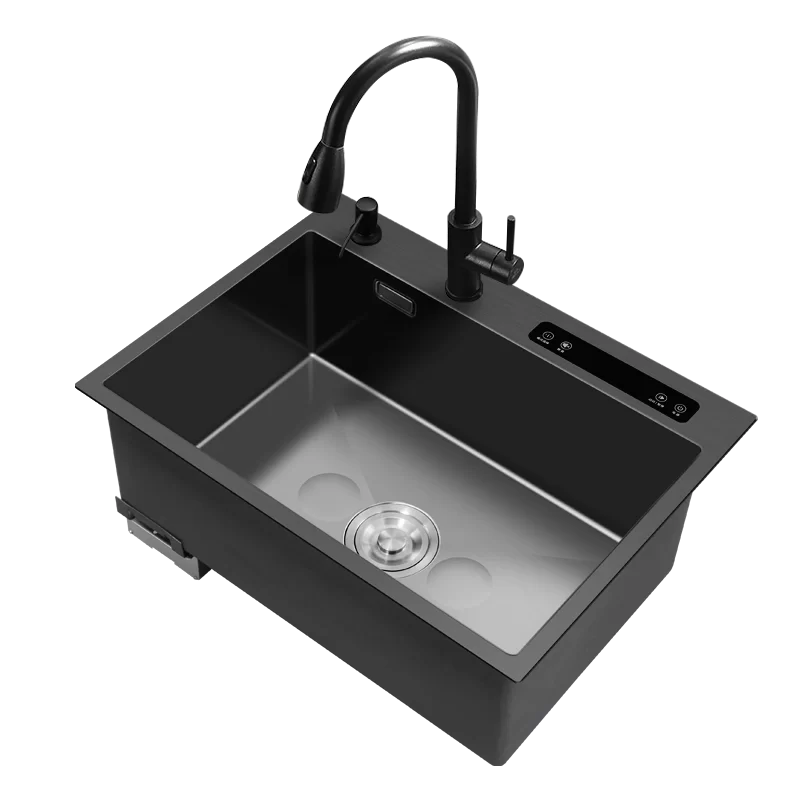
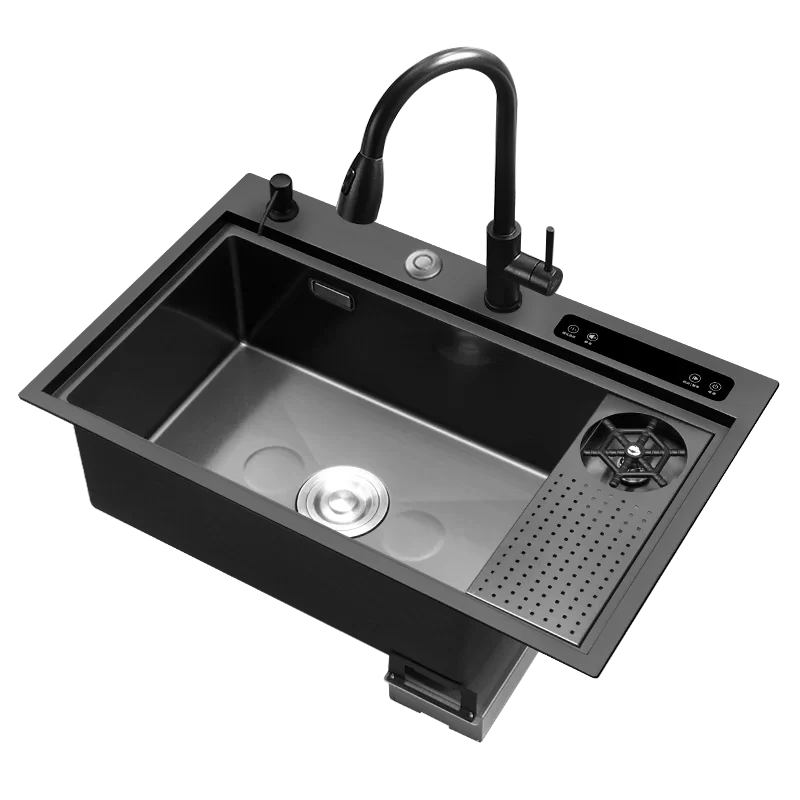
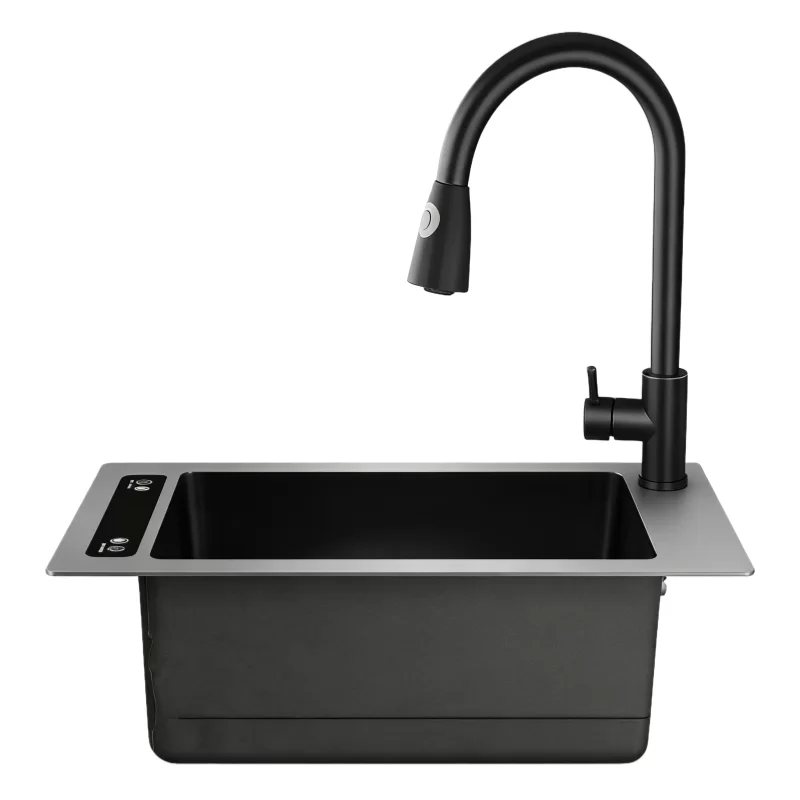
- Single-Bowl Sinks: Provide a large, uninterrupted space ideal for bulky items.
Understanding the differences between these types is crucial when selecting a sink that complements your kitchen's design and functionality.
Material Matters: Choosing the Right Material for Your 36 Kitchen Sink
The material of your 36 kitchen sink impacts its durability, aesthetics, and maintenance requirements. Popular materials include:
- Stainless Steel: Durable, affordable, and easy to clean.
- Granite Composite: Resistant to scratches, stains, and heat.
- Fireclay: Classic aesthetic, durable, but can be prone to chipping.
- Quartz Composite: Highly durable, non-porous, and available in various colors.
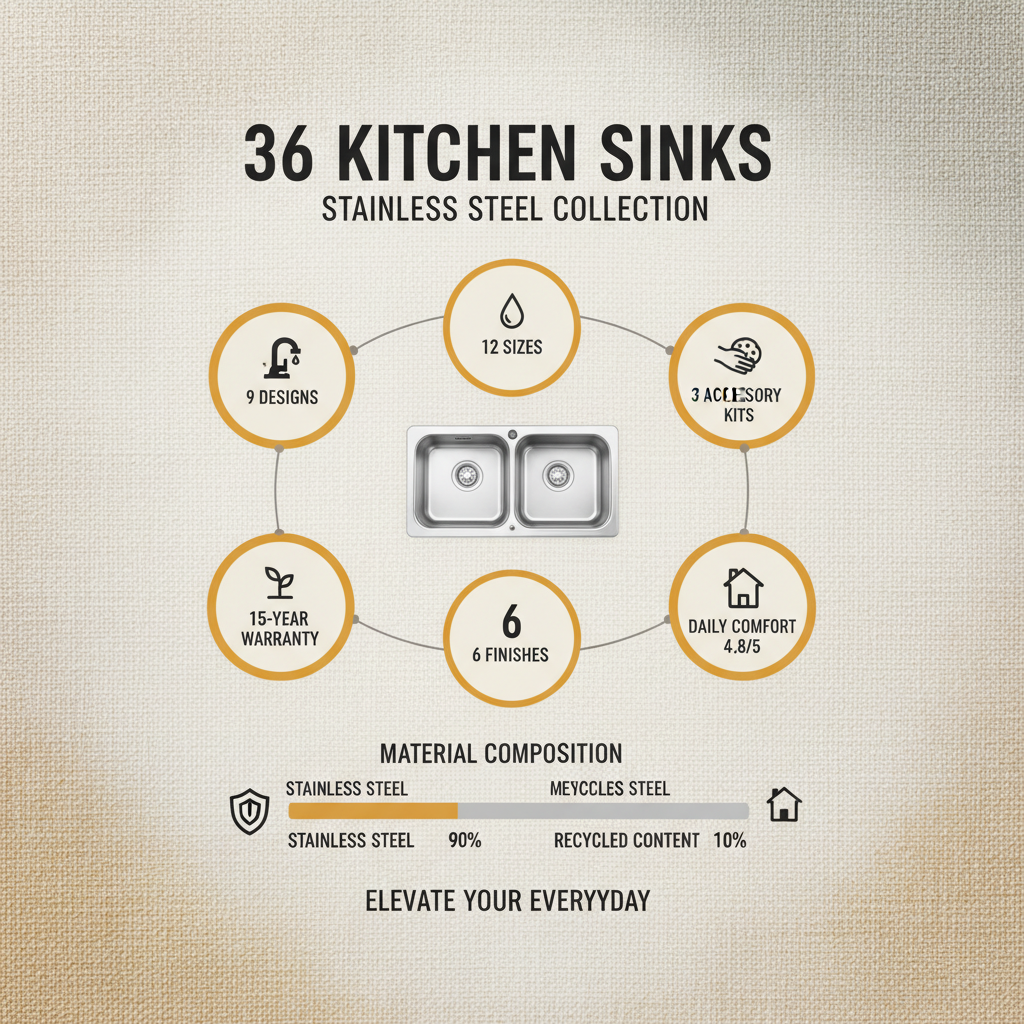
Yashite Sink specializes in high-quality stainless steel and granite composite sinks, offering a balance of style and performance.
Material Comparison:
• Stainless Steel: Budget-friendly, durable, requires regular cleaning.
• Granite Composite: Scratch-resistant, heat-resistant, available in colors.
• Fireclay: Classic look, durable, can chip.
• Quartz Composite: Extremely durable, non-porous, various color options.
36 Kitchen Sink: Stainless Steel vs. Granite Composite - A Detailed Comparison
Choosing between stainless steel and granite composite for your 36 kitchen sink depends on your priorities. Stainless steel is renowned for its affordability and sleek appearance, while granite composite offers superior durability and stain resistance. Here's a detailed comparison to help you decide:
| Feature |
Stainless Steel |
Granite Composite |
| Durability |
High, can dent with forceful impact |
Excellent, highly resistant to chipping and cracking |
| Stain Resistance |
Moderate, requires regular cleaning |
Excellent, non-porous surface resists stains |
| Noise Level |
Can be noisy with water flow |
Quieter, dampening properties reduce noise |
| Cost |
Generally more affordable |
Typically more expensive |
Factors to Consider When Choosing Your 36 Kitchen Sink
Before making a final decision, consider these key factors:
- Kitchen Style: Choose a sink that complements your kitchen’s overall aesthetic.
- Countertop Material: Ensure compatibility between the sink and your countertop.
- Plumbing Configuration: Check your existing plumbing to ensure a smooth installation.
- Budget: Determine how much you’re willing to spend on a sink.
- Usage: Consider your daily kitchen activities and choose a sink that can handle your needs.
At Yashite Sink, we offer expert guidance to help you select the perfect sink for your kitchen.
Conclusion: Invest in Quality for Long-Lasting Performance
Choosing the right 36 kitchen sink is an investment in your home's functionality and value.
With a wide range of options available, it's essential to consider your needs, style, and budget. Yashite Sink provides high-quality sinks that combine durability, aesthetics, and affordability. Explore our collection today and transform your kitchen!
Frequently Asked Questions (FAQs)
What is the standard depth for a 36 kitchen sink?
The standard depth for a 36 kitchen sink typically ranges between 8 and 10 inches. Deeper sinks offer more space for washing large items and prevent splashing, while shallower sinks provide easier access. The ideal depth depends on your personal preference and the types of tasks you typically perform in your kitchen. At Yashite Sink, we offer sinks in various depths to meet your specific needs.
Can a 36 kitchen sink be installed in a smaller cabinet?
Generally, a 36 kitchen sink requires a base cabinet that is at least 36 inches wide. However, the actual cabinet size needed may vary depending on the sink’s mounting style (undermount, top-mount, etc.). It's crucial to carefully measure your cabinet space and compare it to the sink’s specifications before making a purchase. Consulting with a professional installer is recommended to ensure proper fit and installation.
How do I clean a stainless steel 36 kitchen sink?
Stainless steel sinks are relatively easy to clean. Regular cleaning with mild soap and water is usually sufficient. For tougher stains or water spots, you can use a stainless steel cleaner or a paste of baking soda and water. Avoid using abrasive cleaners, as they can scratch the surface. Always rinse thoroughly after cleaning and dry with a soft cloth to prevent water spots. Yashite Sink provides detailed care instructions with each product.
Are undermount 36 kitchen sinks more difficult to install?
Yes, undermount sinks typically require more skill to install than top-mount sinks. They require precise measurements and secure mounting to the countertop. It's often recommended to hire a professional installer for undermount sinks to ensure a proper and watertight installation. However, the seamless look and ease of cleaning that undermount sinks offer make them a popular choice for many homeowners.