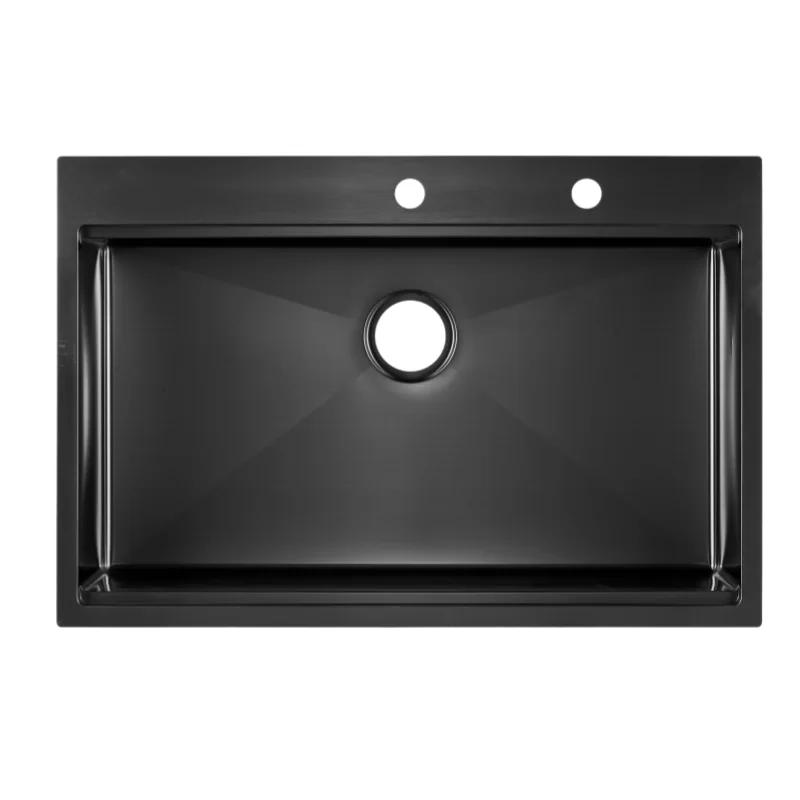
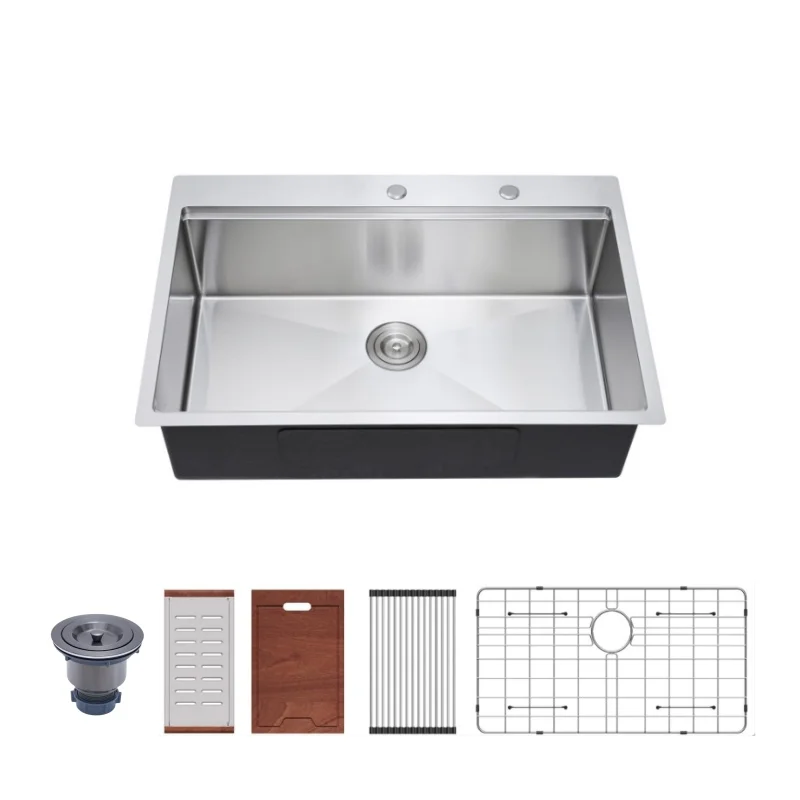
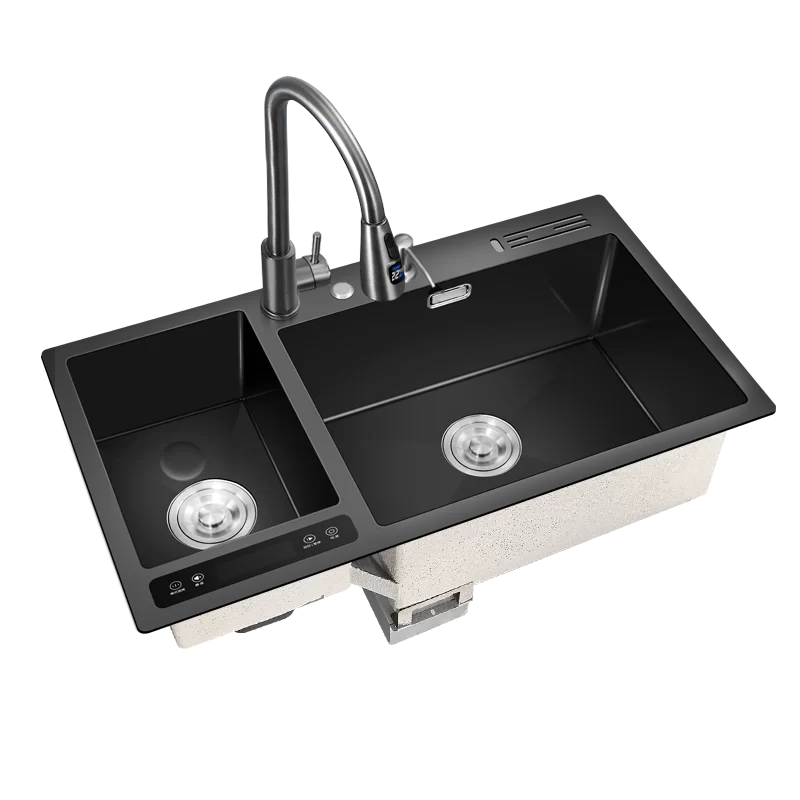
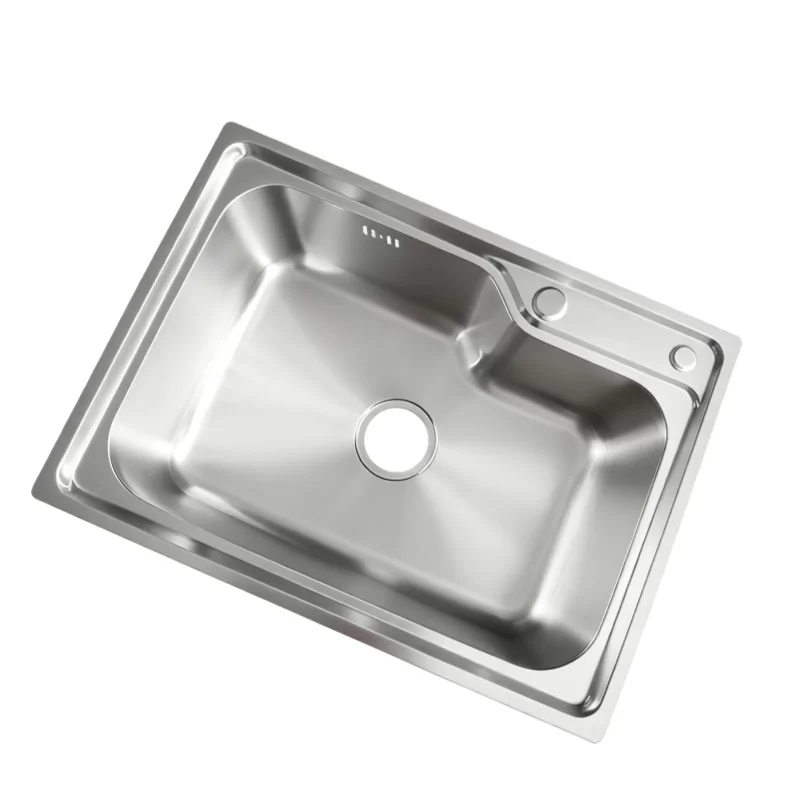
The Ultimate Guide to 16 Gauge Stainless Steel Sinks
Choosing the right kitchen or bathroom sink is a significant decision, impacting both functionality and aesthetics. Among the various materials and gauges available, 16 gauge stainless steel sinks stand out for their exceptional durability, sound dampening properties, and overall value. This comprehensive guide will explore the benefits of 16 gauge stainless steel, discuss its applications, and help you determine if it's the right choice for your needs. We’ll cover everything from understanding gauge to comparing it with other options.
Understanding Stainless Steel Gauge
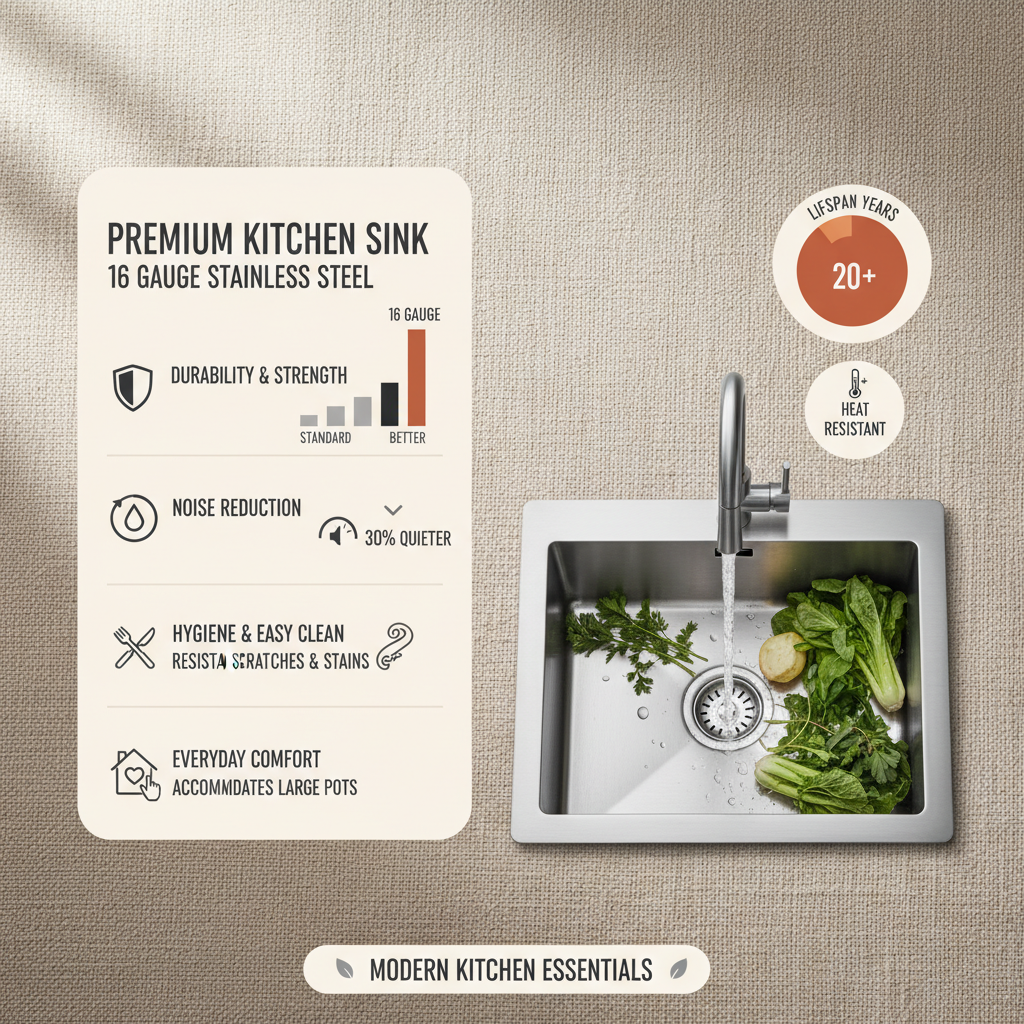
The gauge of stainless steel refers to its thickness. Lower gauge numbers indicate thicker steel. 16 gauge stainless steel is approximately 0.0625 inches thick, making it considerably more robust than higher gauge options like 18 or 20 gauge. This increased thickness translates directly to greater resistance to dents, scratches, and vibrations. For professional kitchens and high-use environments, a 16 gauge sink offers exceptional longevity and maintains its pristine appearance over time. A thicker sink also feels more substantial and luxurious. Consider a 16 gauge stainless steel sink for superior performance.
Key Takeaway: Lower gauge numbers mean thicker, more durable steel. 16 gauge represents an excellent balance of strength and affordability.
Why Choose a 16 Gauge Stainless Steel Sink?
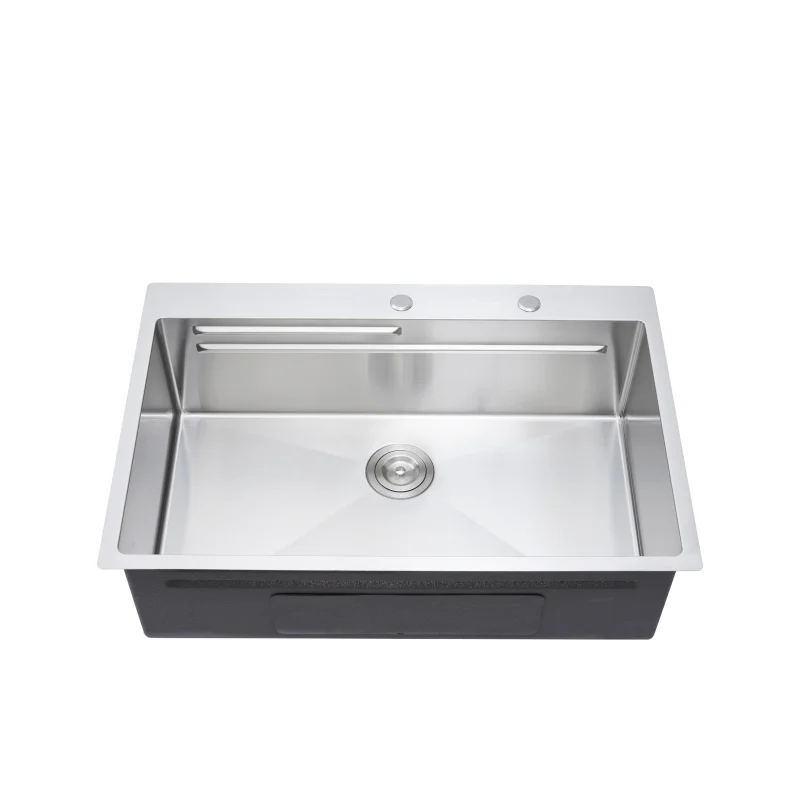
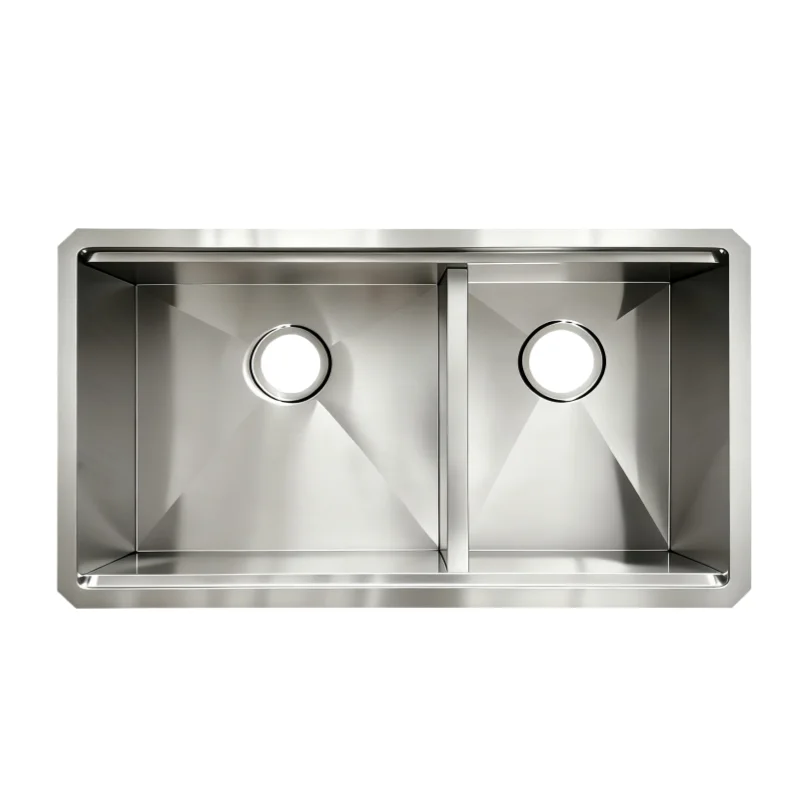
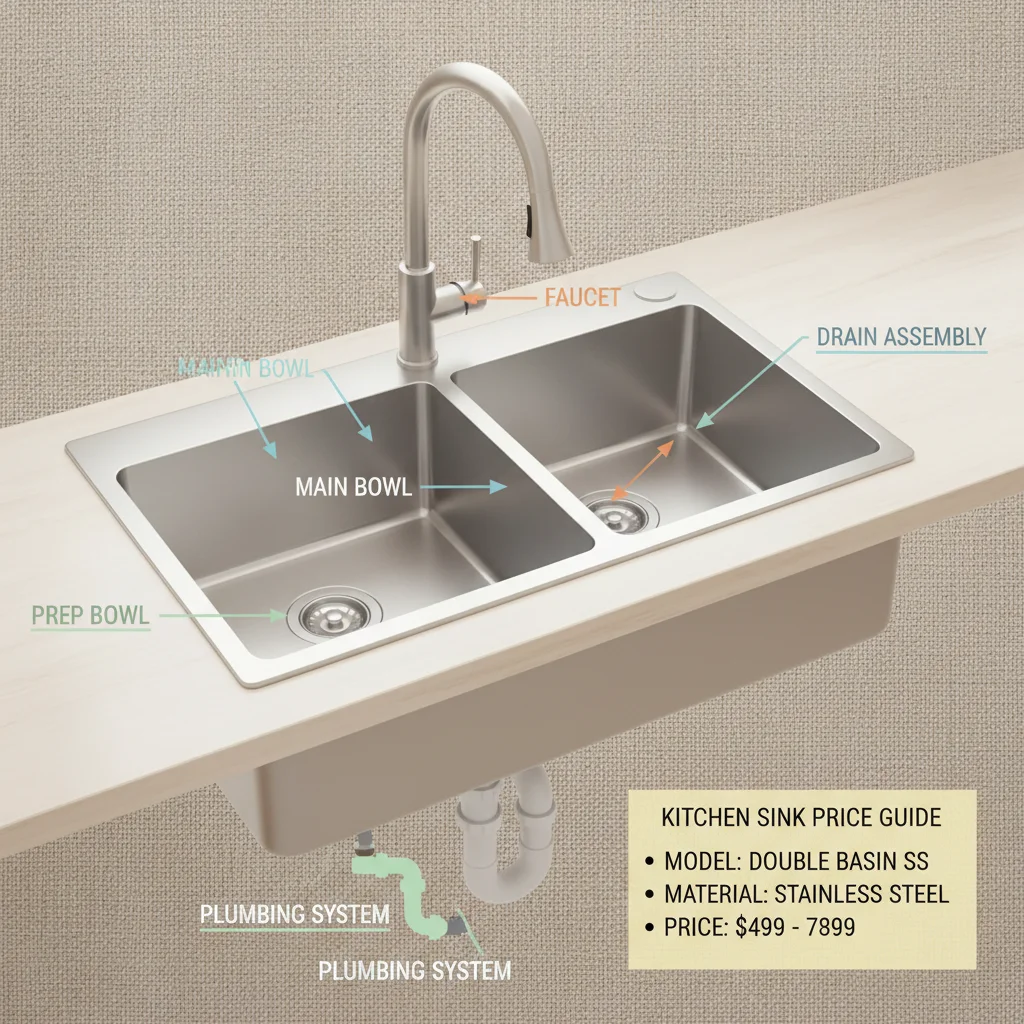
Beyond its thickness, a 16 gauge stainless steel sink offers several compelling benefits. Its robust construction minimizes noise from running water and clattering dishes – a significant advantage, especially in open-plan kitchens. The material is naturally hygienic, resisting bacteria and corrosion. Stainless steel is also remarkably easy to clean and maintain, requiring only mild soap and water. Moreover, 16 gauge sinks are available in a wide array of styles and configurations to suit any kitchen design, including single-bowl, double-bowl, farmhouse, and undermount options. Investing in a Yashite sink offers quality and lasting beauty.
Benefits at a Glance:
• Exceptional Durability
• Superior Noise Dampening
• Hygienic and Corrosion-Resistant
• Easy to Clean and Maintain
16 Gauge vs. Other Stainless Steel Gauges
While stainless steel is a popular sink material, understanding the difference between gauges is crucial. 18 gauge stainless steel (approximately 0.048 inches thick) is a common alternative, offering a more affordable price point. However, it's noticeably less durable and prone to denting and noise. 20 gauge (approximately 0.036 inches thick) is even thinner and less robust, suitable primarily for light-duty residential use. A comparison chart below illustrates the key differences.
| Gauge |
Thickness (inches) |
Durability |
Noise Level |
Price |
| 16 Gauge |
0.0625 |
Excellent |
Quiet |
Higher |
| 18 Gauge |
0.048 |
Good |
Moderate |
Moderate |
| 20 Gauge |
0.036 |
Fair |
Noisy |
Lower |
Applications for 16 Gauge Stainless Steel Sinks
The durability and functionality of 16 gauge stainless steel sinks make them ideal for various applications. They are a standard choice in professional kitchens, restaurants, and catering facilities where heavy use is common. However, they are equally well-suited for high-end residential kitchens and bathrooms where homeowners prioritize quality and longevity. From busy family kitchens to luxurious master bathrooms, a stainless steel sink provides lasting value.
Choosing the Right 16 Gauge Sink: Key Considerations
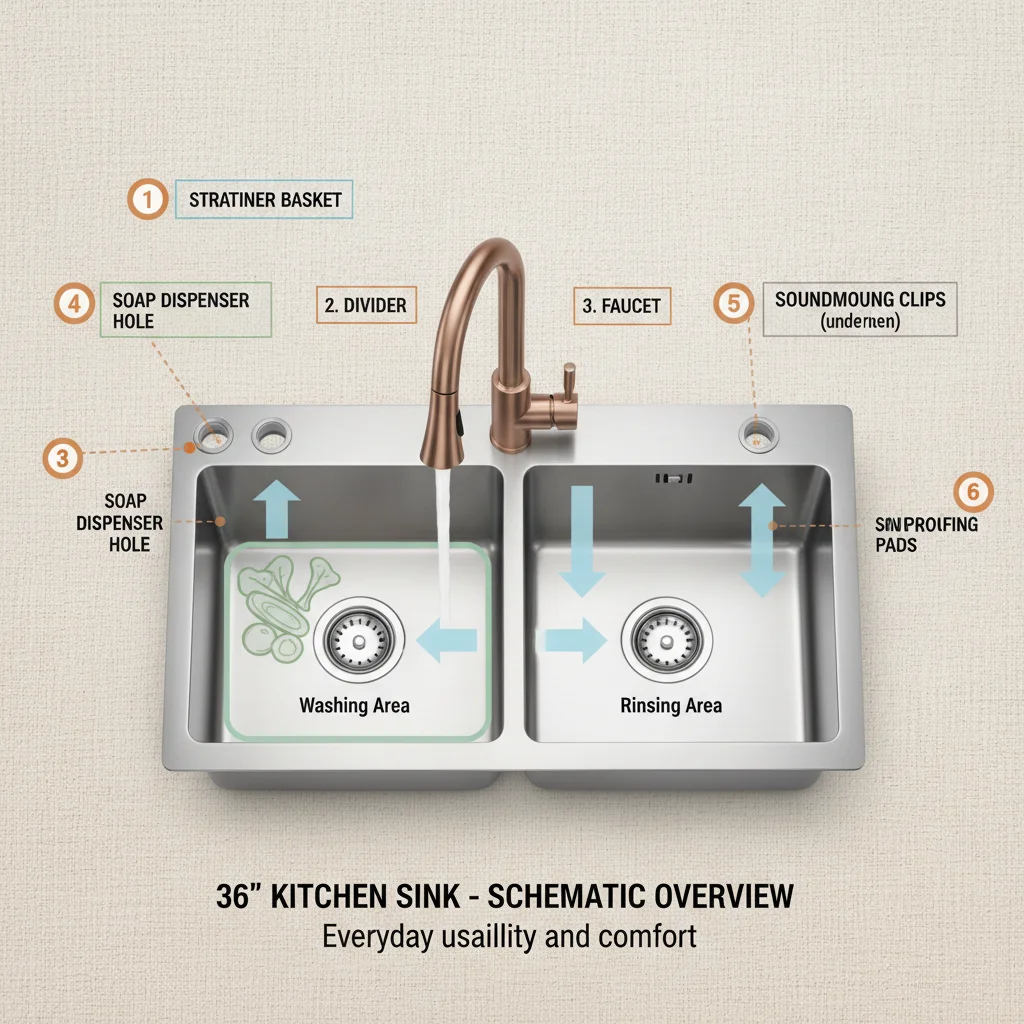
When selecting a 16 gauge stainless steel sink, consider the bowl configuration (single, double, or triple), mounting style (undermount, drop-in, or farmhouse), and finish (brushed, satin, or polished). Also, look for features like sound dampening pads and a protective undercoating to further reduce noise and prevent condensation. Finally, choose a reputable brand like Yashite to ensure quality and reliability.
Conclusion: Invest in Quality and Durability
The 16 gauge stainless steel sink is a superior choice for those seeking a durable, functional, and aesthetically pleasing addition to their kitchen or bathroom. Its robust construction, noise dampening properties, and easy maintenance make it a worthwhile investment that will provide years of reliable service. Choose quality, choose durability, choose Yashite.
Frequently Asked Questions (FAQs)
What is the typical lifespan of a 16 gauge stainless steel sink?
With proper care, a 16 gauge stainless steel sink can easily last 20-30 years, or even longer. Its exceptional durability resists dents, scratches, and corrosion. Regular cleaning with mild soap and water will maintain its appearance. Avoid abrasive cleaners or scouring pads, as these can damage the finish. Periodic polishing can help restore shine. A well-maintained 16 gauge sink represents a long-term investment.
Are 16 gauge stainless steel sinks resistant to rust?
Stainless steel is inherently corrosion-resistant, but it's not entirely immune to rust. The presence of chlorides, such as those found in saltwater, can cause pitting corrosion. However, 16 gauge stainless steel contains a higher percentage of chromium and nickel, which significantly enhances its resistance to rust. Regular cleaning and rinsing will help prevent the buildup of corrosive substances.
What is the best way to clean a 16 gauge stainless steel sink?
For daily cleaning, warm water and mild dish soap are sufficient. Rinse thoroughly and dry with a soft cloth to prevent water spots. For more stubborn stains, a stainless steel cleaner specifically formulated for sinks can be used. Avoid using abrasive cleaners, steel wool, or scouring pads, as these can scratch the surface. Always scrub in the direction of the grain to minimize visible scratches. A Yashite sink is easy to maintain.