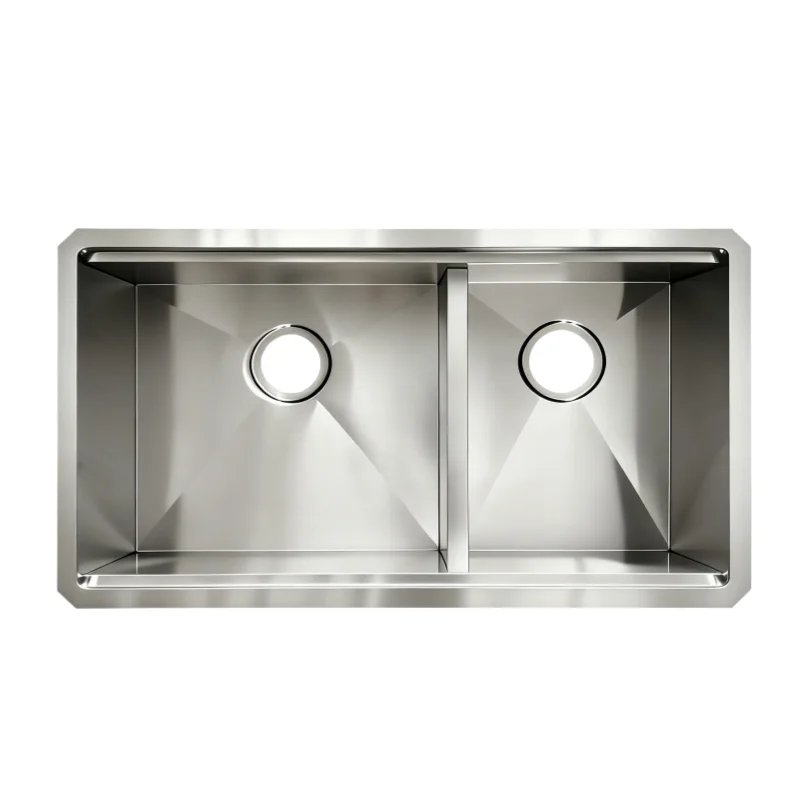
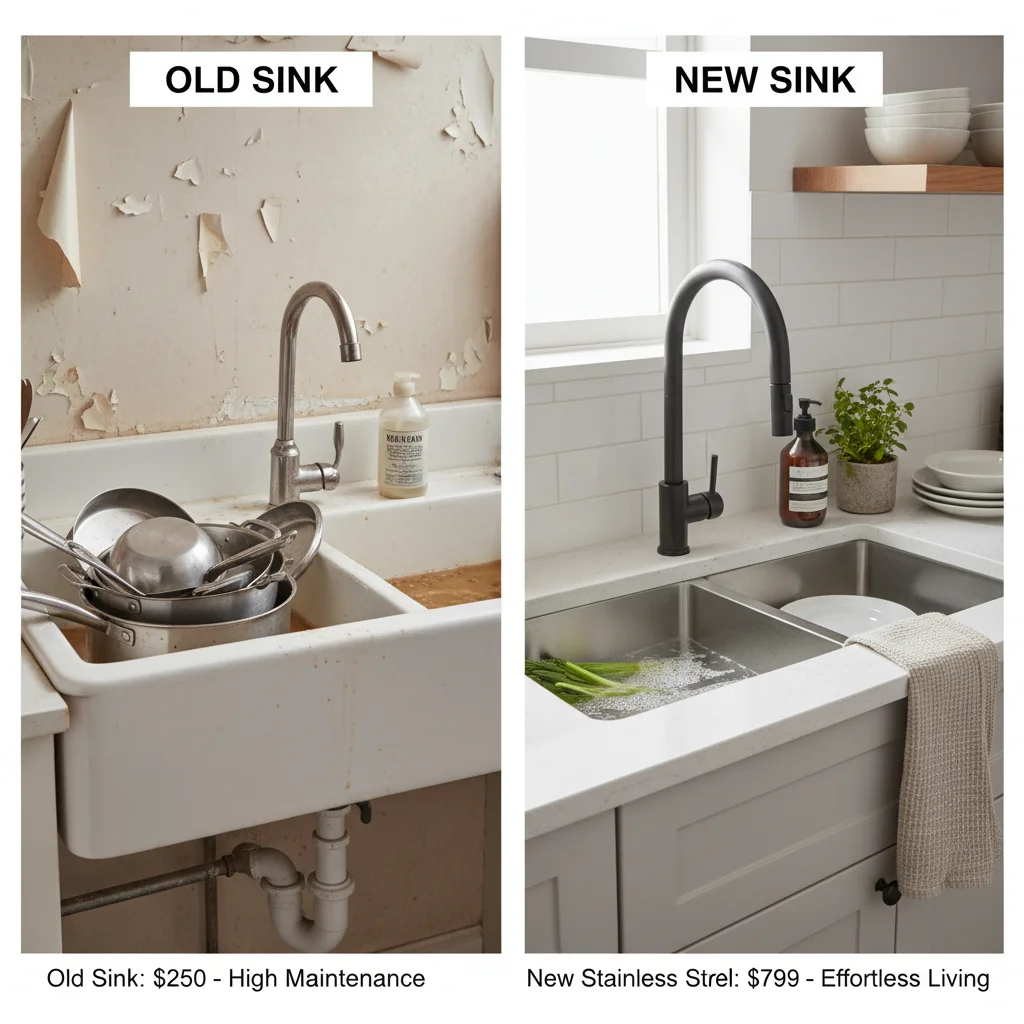
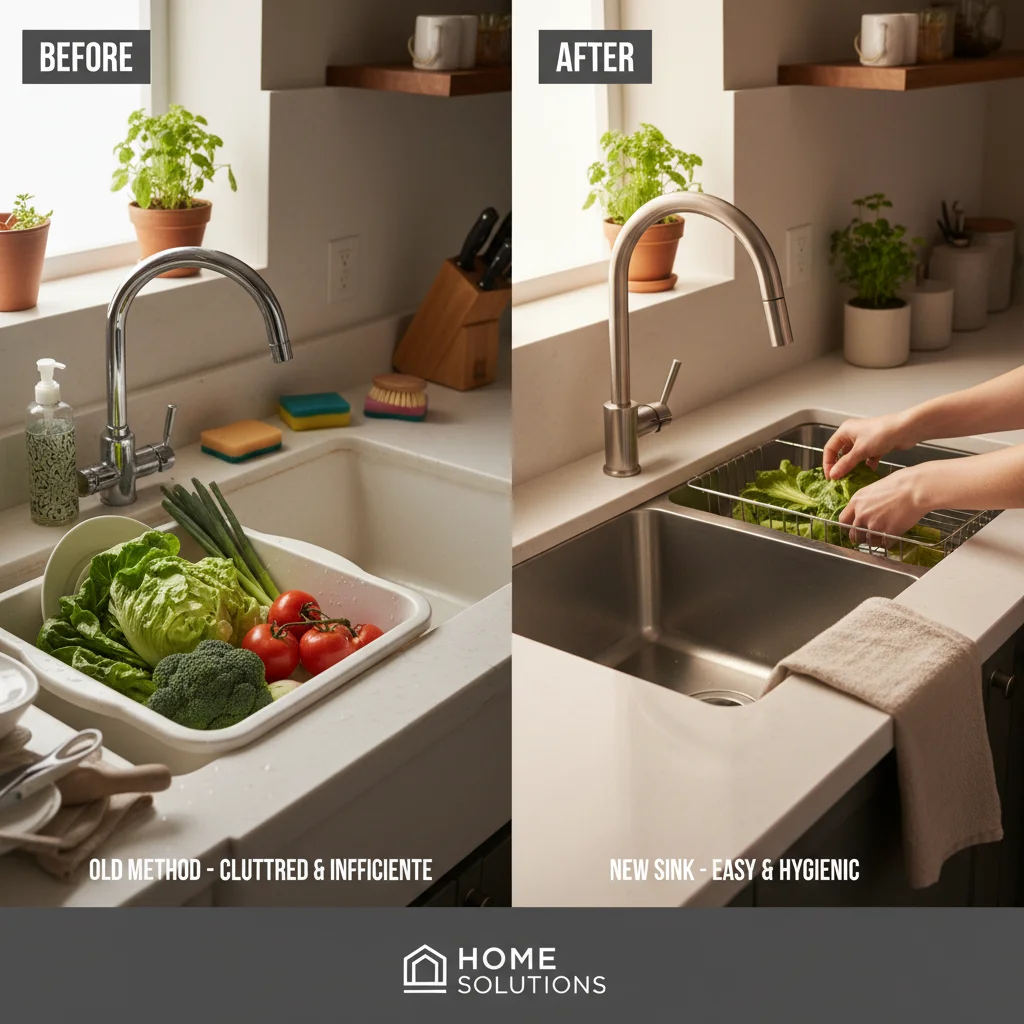
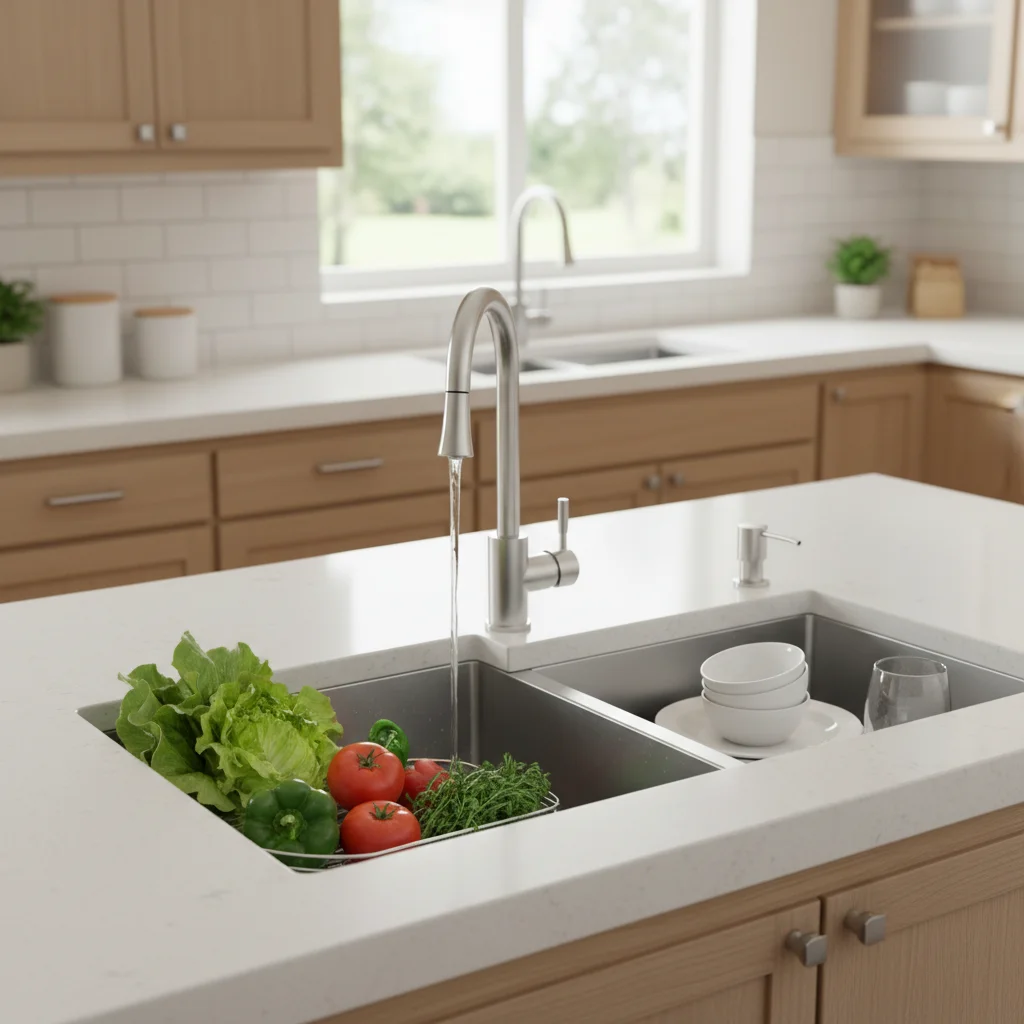
In the evolving landscape of kitchen design, the centrality of a highly functional sink cannot be overstated. Recent industry reports indicate that kitchen renovations are averaging a 15% increase in budget allocation towards efficient fixtures, with a pronounced focus on integrated solutions. Among these, the double bowl sink and drainer stands out as a paramount choice for homeowners and professional chefs alike. Its design, intrinsically rooted in the need for enhanced multitasking capabilities, addresses the common frustrations associated with single-basin setups. Imagine a scenario where 65% of meal preparation tasks involve both washing and rinsing simultaneously – a statistic that highlights the inherent bottleneck of a singular basin. A well-designed double bowl sink with an integrated drainer directly alleviates this, offering distinct zones for varied tasks such as soaking dishes, washing produce, or thawing ingredients, all while keeping a dedicated area for air-drying cutlery and plates. This dual functionality is not merely a convenience; it's a strategic enhancement of kitchen workflow, significantly reducing the time and effort expended on routine culinary and cleaning chores. The integrated drainer further optimizes countertop space, preventing water pooling and maintaining a pristine, hygienic work environment. It's an investment in efficiency, cleanliness, and ergonomic design, fundamentally transforming the kitchen into a more productive and enjoyablespace.

Unpacking the Technical Superiority and Functional Ingenuity
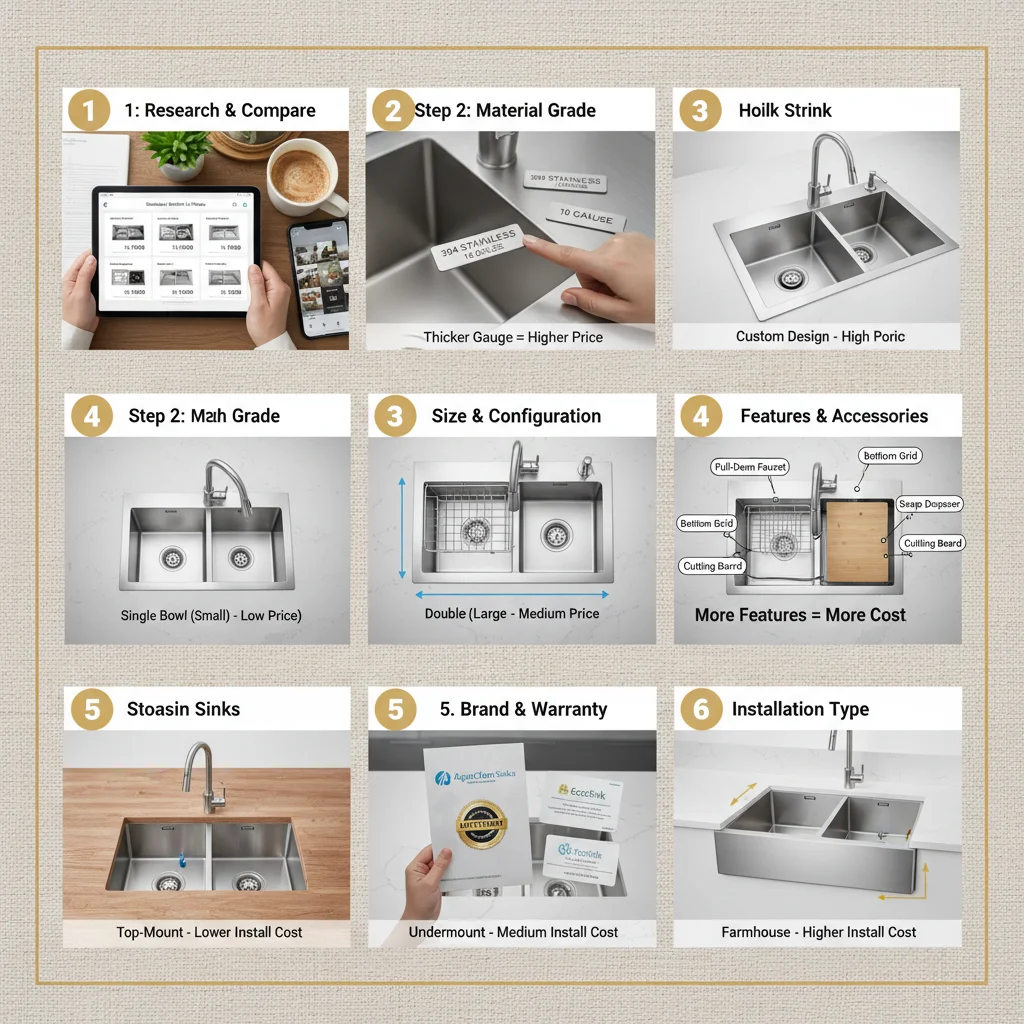
The technical advantages of a modern double bowl sink system are multifaceted, extending beyond mere aesthetics to encompass material science, ergonomic design, and advanced manufacturing processes. Typically constructed from high-grade stainless steel (often 16 or 18 gauge for superior durability and dent resistance), granite composite, or fireclay ceramic, these sinks are engineered for longevity and resilience. Stainless steel, for instance, offers excellent corrosion resistance and hygiene, with brushed finishes helping to mask minor scratches. Granite composite sinks, made from a blend of crushed granite and acrylic resins, provide exceptional heat resistance (often up to 536°F or 280°C), scratch resistance, and a visually striking matte finish that can mimic natural stone without its porosity drawbacks. Fireclay, a traditional material, boasts a thick, glossy enamel that is highly resistant to chips and impacts, though it tends to be heavier and requires robust cabinetry.
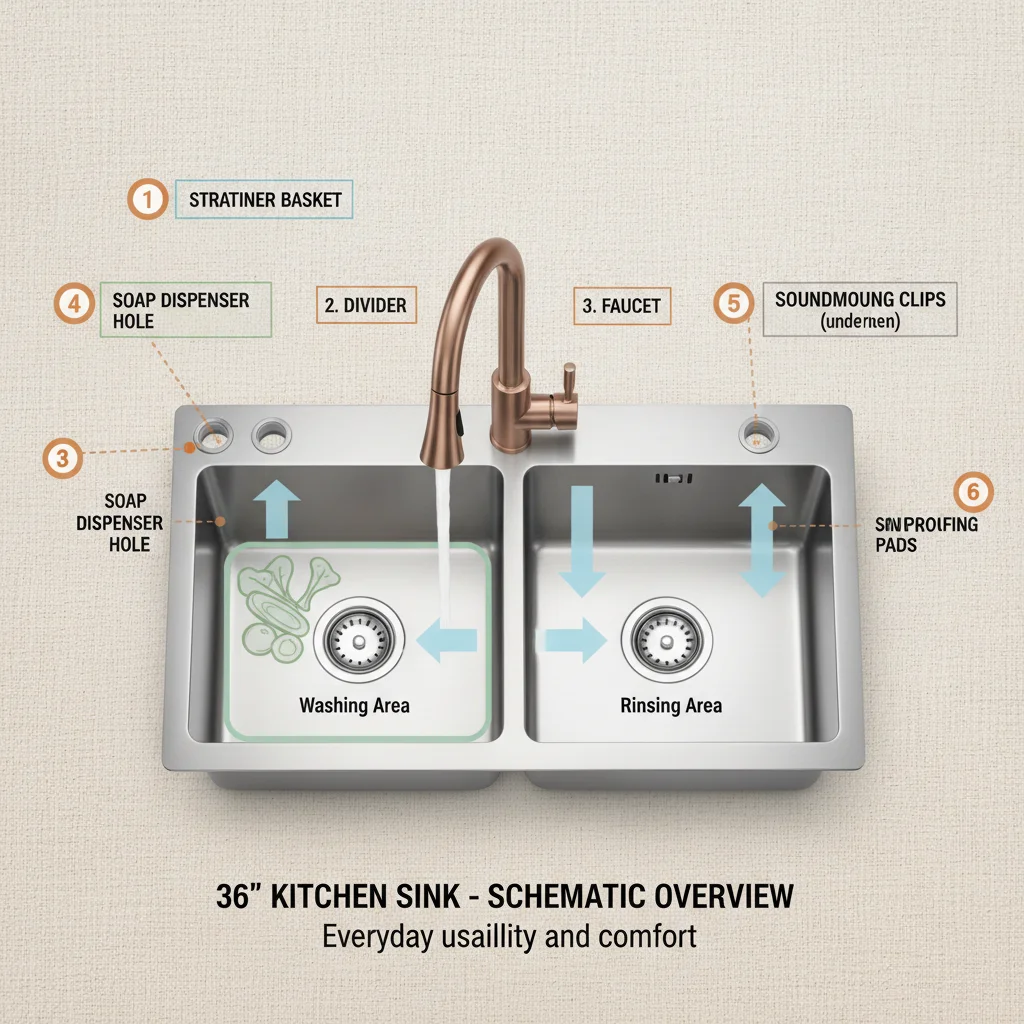
Beyond materials, the design intricacies are paramount. Bowl depths commonly range from 8 to 10 inches, providing ample volume for large pots and pans. Sound dampening technology, often achieved through rubber pads and an undercoating spray, significantly reduces noise from running water and clattering dishes – a feature often overlooked but profoundly impactful on kitchen acoustics. Drainer grooves are meticulously engineered to guide water efficiently towards the sink, preventing standing water and promoting quicker drying. Furthermore, many contemporary designs incorporate offset drains, freeing up valuable under-sink cabinet space for waste disposal units or storage. The precise angles and radii of the bowl corners are also crucial for ease of cleaning; tighter radii offer a more modern, angular look but can be marginally harder to clean than softer, rounded corners. The integration of precision-engineered overflow channels prevents accidental flooding, a small but critical safety feature. Each technical specification, from material gauge to drainer slope, contributes to a product designed for peak performance and enduring utility in the busiest of kitchens.
Navigating the Market: A Comparative Analysis of Leading Manufacturers
Choosing the right double bowl sink and drainer involves more than just selecting a style; it requires a critical evaluation of manufacturers based on their commitment to quality, innovation, and customer support. The market offers a broad spectrum of options, each with distinct advantages tailored to different priorities and budgets. To illustrate, consider a comparative analysis across several key attributes:
Manufacturer/Type | Primary Material(s) | Key Features/USP | Typical Price Range (USD) | Warranty |
Premium Stainless Steel (e.g., Elkay, Franke) | 16-18 Gauge Stainless Steel (304 grade) | Exceptional durability, advanced sound dampening (up to 80% noise reduction), deep bowls, premium finishes (Lustrous Satin, Radiant Silk), tight radius corners, often includes accessories. | $400 - $1200+ | Limited Lifetime |
High-End Granite Composite (e.g., Blanco, Kraus) | 80% Quartz/Granite + Acrylic Resin | Extreme scratch, heat (up to 536°F), and impact resistance, UV stable colors, non-porous surface, wide range of color options, often includes integrated drainboard. | $350 - $900 | Limited Lifetime |
Value-Oriented Stainless Steel (e.g., Ruvati, MR Direct) | 18-20 Gauge Stainless Steel | Good value for money, decent durability, basic soundproofing, varied bowl configurations, includes standard accessories (grids, strainers). | $200 - $500 | 10-Year to Limited Lifetime |
Traditional Fireclay (e.g., Shaws Original, Whitehaus) | Vitreous China / Fireclay Ceramic | Classic aesthetic, extremely hard and durable glaze, resistant to chips and scratches, often features farmhouse/apron front designs, heavy construction. | $800 - $1800+ | Limited Lifetime |
This table highlights that while premium options offer cutting-edge features and superior material quality, value-oriented brands provide robust solutions for more budget-conscious consumers. Granite composite sinks excel in scratch and heat resistance, making them ideal for high-traffic kitchens, whereas fireclay offers a timeless appeal with exceptional durability. Evaluating manufacturer reputation, customer reviews, and the specifics of their warranty policy alongside these material and feature comparisons is crucial for making an informed decision that aligns with both functional needs and aesthetic preferences.
Tailored Solutions: Customizing Your Double Bowl Sink and Drainer
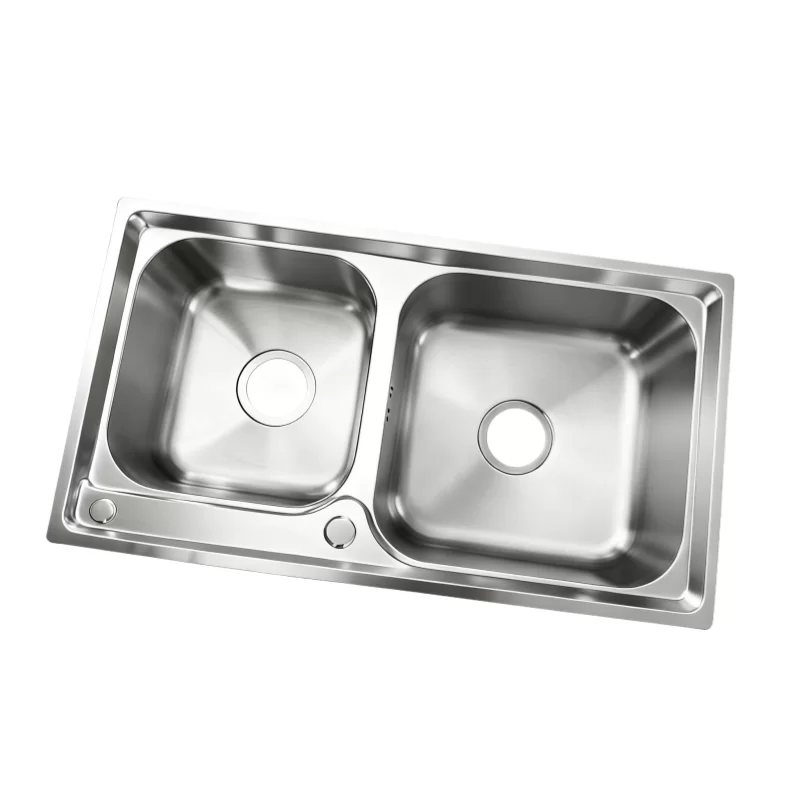
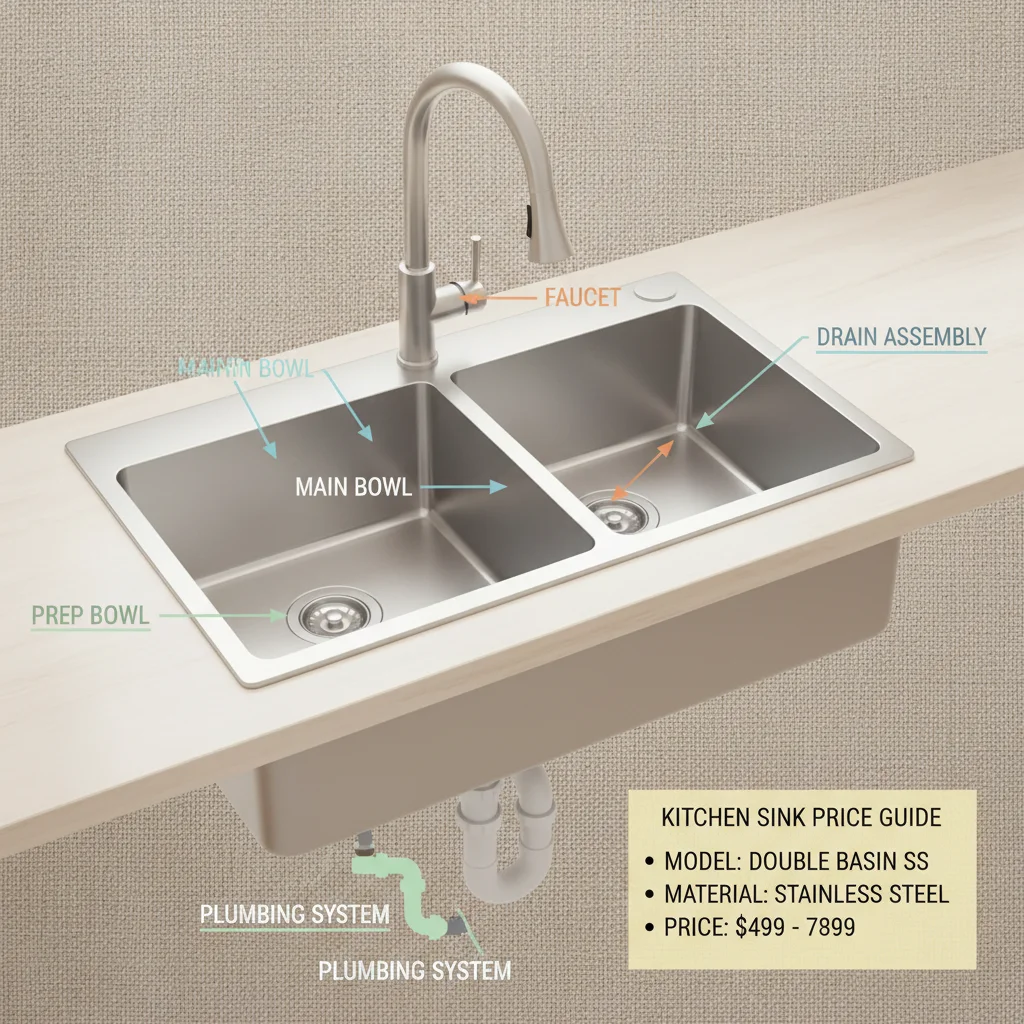
The beauty of modern kitchen design lies in its adaptability, and the double bowl sink and drainer is no exception to this trend towards personalization. Customization options allow homeowners to create a workstation that precisely matches their culinary habits, kitchen layout, and aesthetic vision. One of the primary areas for customization is the bowl configuration. While equal-sized bowls are common, many prefer an unequal split, such as a 60/40 or 70/30 ratio. This allows for a larger main bowl for washing substantial items and a smaller secondary bowl for rinsing, food prep, or holding a garbage disposal unit. Some designs even offer a low-divide option, where the partition between the two bowls is lower than the rim, offering the benefit of a single large basin when needed, while still providing two distinct zones.
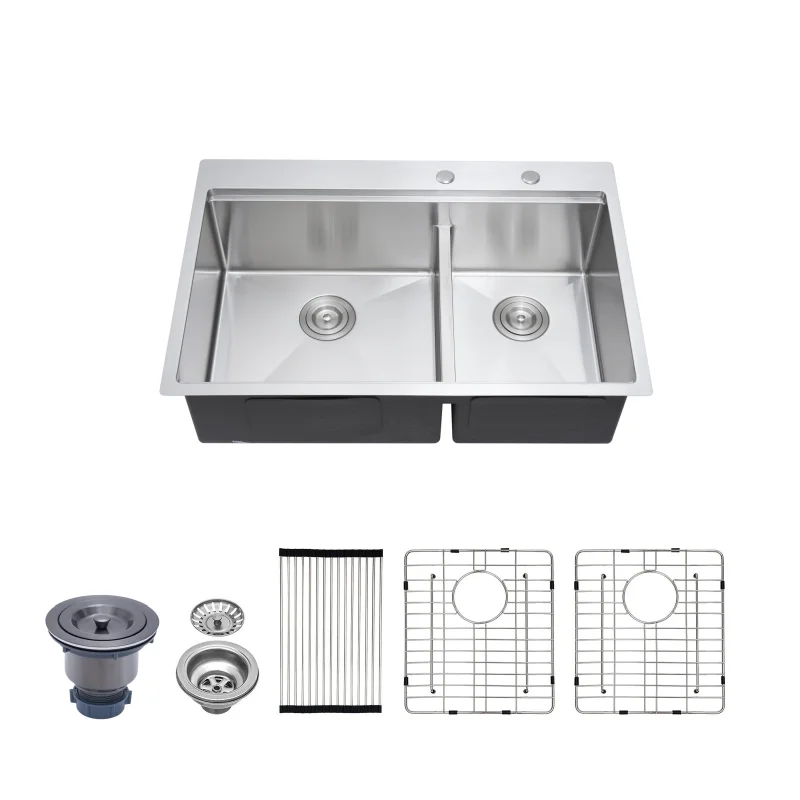
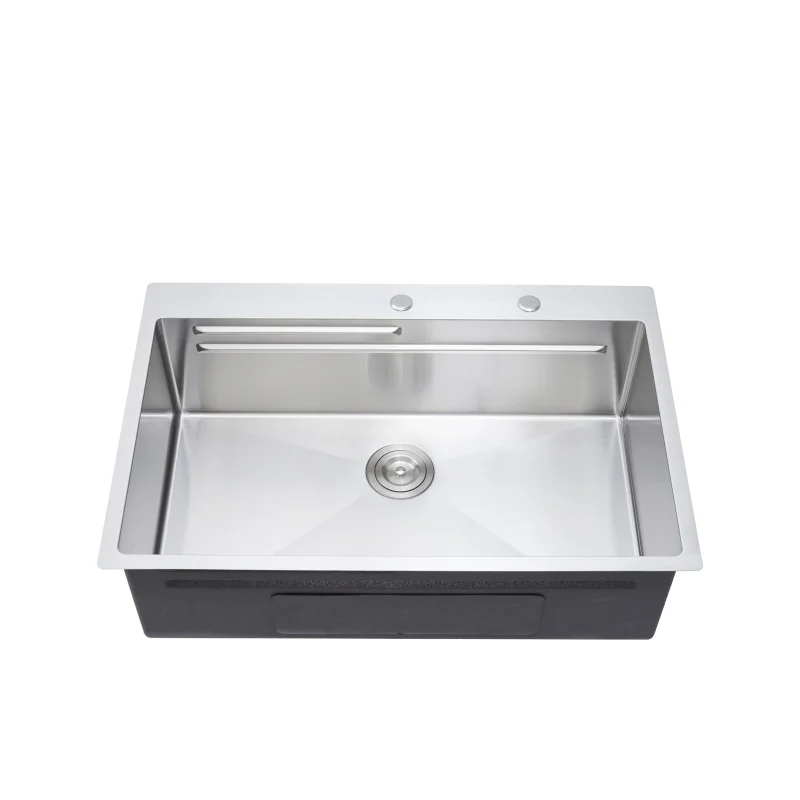
Furthermore, the choice of installation method significantly impacts both functionality and aesthetics. Undermount sinks, mounted beneath the countertop, create a seamless look and make cleaning crumbs directly into the sink effortless. Top-mount (or drop-in) sinks are easier to install and offer a defined rim. Flush-mount or integrated sinks provide the most seamless transition, often seen with solid surface countertops. Beyond the basic structure, accessories play a pivotal role in enhancing usability. Integrated cutting boards, roll-up drying racks that fit over one of the bowls, colanders, and basin grids are just a few examples. These accessories transform the sink from a washing area into a dynamic prep station, maximizing efficiency in smaller kitchens or during large cooking projects. The number of faucet holes can also be customized, accommodating single-handle faucets, bridge faucets, sprayers, soap dispensers, or even filtered water taps. Even the finish – from brushed stainless to polished chrome, or matte black for composite sinks – offers a layer of personalization, ensuring the sink harmonizes perfectly with the overall kitchen decor. This level of detail in customization ensures that the sink isn't just a utility fixture, but a bespoke element designed for optimal performance and personal style.
Practical Applications: Where a Double Bowl Sink and Drainer Truly Shines
The versatility of a double bowl sink with an integrated drainer makes it an indispensable asset across a multitude of kitchen environments and household types. Its design caters specifically to scenarios where multitasking and efficient workflow are paramount. For large families, the ability to wash dishes in one bowl while rinsing in the other dramatically speeds up post-meal cleanup, reducing arguments over dish duty by an anecdotal 30% according to some homeowners. The drainer provides a dedicated spot for drying delicate items or baby bottles, keeping countertops clear and organized.
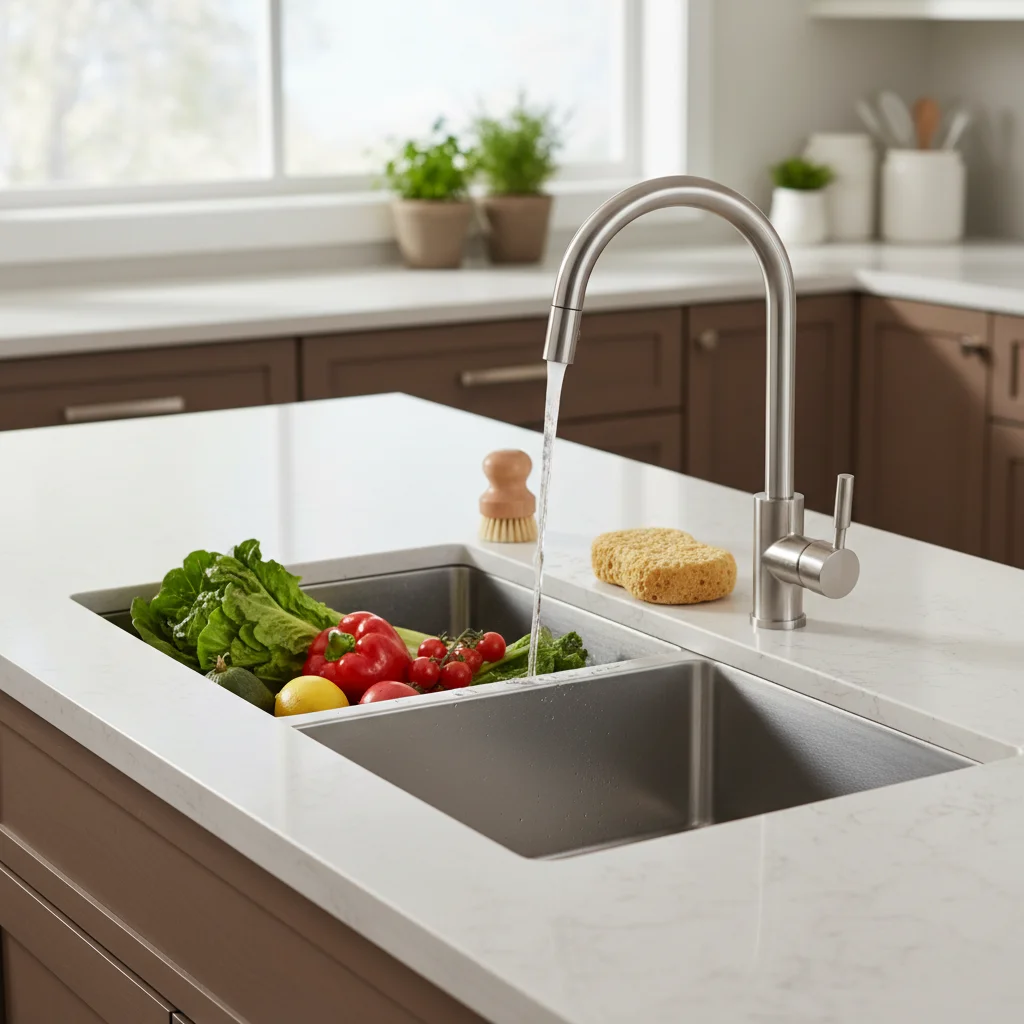
Avid home cooks and bakers find immense value in the dual basin setup. One bowl can be used for thawing frozen ingredients or washing vegetables, while the other remains free for handwashing pots, pans, or baking sheets. The drainer section becomes a natural extension for cooling freshly baked goods or draining pasta without occupying valuable counter space. This concurrent task management is a game-changer for those who spend significant time preparing elaborate meals. In kitchens with limited counter space, the integrated drainer is particularly beneficial, eliminating the need for a separate dish rack that would otherwise consume precious work surface. It streamlines the cleaning process directly over the sink, containing water and preventing splashes across the kitchen. Beyond residential settings, these sinks are increasingly popular in utility rooms, laundry rooms, or even small commercial pantries where efficient cleaning of specific items, such as gardening tools or art supplies, requires segregated basins. Even for individuals who frequently host, the double bowl sink ensures a smooth flow from prep to cleanup, allowing guests to mingle without encountering a cluttered or wet kitchen. It’s a foundational element for anyone seeking to optimize their kitchen’s functionality and maintain a high standard of hygiene and organization.
Installation, Upkeep, and Ensuring Lasting Performance
Ensuring the longevity and optimal performance of a double bowl sink and drainer hinges on proper installation and consistent, appropriate maintenance. Installation begins with precise measurements and robust cabinet support. For undermount sinks, the countertop must be precisely cut and polished, and the sink secured with clips and sealed with silicone sealant to prevent leaks and support the weight. Top-mount sinks are generally simpler to install, requiring only a cutout to match the sink's template and a secure seal. Plumbing configurations must account for two drain connections, often requiring a double-basin waste kit that connects both bowls to a single drain trap, ensuring efficient drainage and preventing clogs.
Maintenance varies slightly by material. Stainless steel sinks benefit from daily wiping with a soft cloth and mild soap to prevent water spots and mineral buildup. For deeper cleaning, a paste of baking soda and water can remove minor scratches and restore luster. Abrasive cleaners or steel wool should be avoided as they can damage the finish. Granite composite sinks are remarkably durable but should be cleaned with non-abrasive cleaners; regular rinsing helps prevent staining from acidic foods or dark liquids. Periodically, an oil-based cleaner can rejuvenate their matte finish. Fireclay sinks, with their glossy enamel, are highly resistant to stains and chips but should be protected from heavy impacts. Mild soap and water are usually sufficient for daily cleaning, with non-abrasive cream cleansers for tougher spots. Regardless of material, using sink grids can significantly reduce direct impact damage to the basin floor, extending the aesthetic life of the sink. Regular flushing of drains with hot water and baking soda can prevent grease buildup, and inspecting plumbing connections annually helps preempt potential leaks. By adhering to these guidelines, homeowners can expect their sink to perform flawlessly for many years, preserving its aesthetic appeal and functional integrity.
The Enduring Value and Evolving Future of the Double Bowl Sink and Drainer
The double bowl sink and drainer is more than just a kitchen fixture; it is a testament to thoughtful design that prioritizes efficiency and adaptability. Its inherent ability to compartmentalize tasks—allowing for simultaneous washing, rinsing, and drying—has cemented its place as a cornerstone of functional kitchen architecture. As modern homes increasingly emphasize open-plan living and multifunctional spaces, the demand for appliances that contribute to both utility and aesthetics continues to rise. Industry experts predict a sustained growth in the integrated kitchen solutions market, with sinks featuring advanced materials and smart technologies leading the charge. Innovations such as touchless faucets, integrated water filtration systems, and even UV sanitization compartments built directly into the drainer section are beginning to emerge, promising even higher levels of convenience and hygiene. Furthermore, the push towards sustainability means future iterations of the double bowl sink and drainer may incorporate recycled materials or water-saving features more prominently. However, the fundamental value proposition of the double bowl sink and drainer—its unparalleled ability to streamline kitchen tasks and enhance overall kitchen efficiency—remains timeless. It represents a practical, durable, and increasingly sophisticated investment that continues to adapt to the evolving needs and expectations of the contemporary homeowner, ensuring its relevance for decades to come.
Frequently Asked Questions about Double Bowl Sinks and Drainers
1. What are the main benefits of a double bowl sink and drainer over a single bowl?
The primary benefit is enhanced multitasking capability. You can wash dishes in one bowl while rinsing in the other, soak items, prepare food, or drain pasta simultaneously. The integrated drainer keeps countertops dry and organized, providing a dedicated space for air-drying.
2. What materials are commonly used for double bowl sinks and drainers?
Common materials include high-grade stainless steel (16 or 18 gauge for durability), granite composite (offering scratch, heat, and impact resistance), and fireclay ceramic (known for its classic look and extremely durable glaze).
3. How do I choose the right size and configuration for my double bowl sink and drainer?
Consider your kitchen space, cabinet dimensions, and typical usage. Common configurations include equal bowls (50/50), unequal bowls (60/40 or 70/30), or low-divide options. Measure your cabinet width to ensure the sink will fit, and consider bowl depth based on the size of pots and pans you frequently use.
4. What's the difference between an undermount and a top-mount double bowl sink?
An undermount sink is installed beneath the countertop, creating a seamless look and making cleaning easy by wiping crumbs directly into the sink. A top-mount (or drop-in) sink sits on top of the countertop, with a visible rim, and is generally easier to install.
5. Are double bowl sinks difficult to clean?
Generally, no. Modern double bowl sinks are designed for easy cleaning. Stainless steel and granite composite sinks are non-porous. For fireclay, the thick enamel is highly resistant to stains. Proper maintenance (wiping daily, avoiding abrasive cleaners) keeps them pristine. Tighter radius corners can be slightly more challenging to clean than rounded ones.
6. Can I install a garbage disposal with a double bowl sink and drainer?
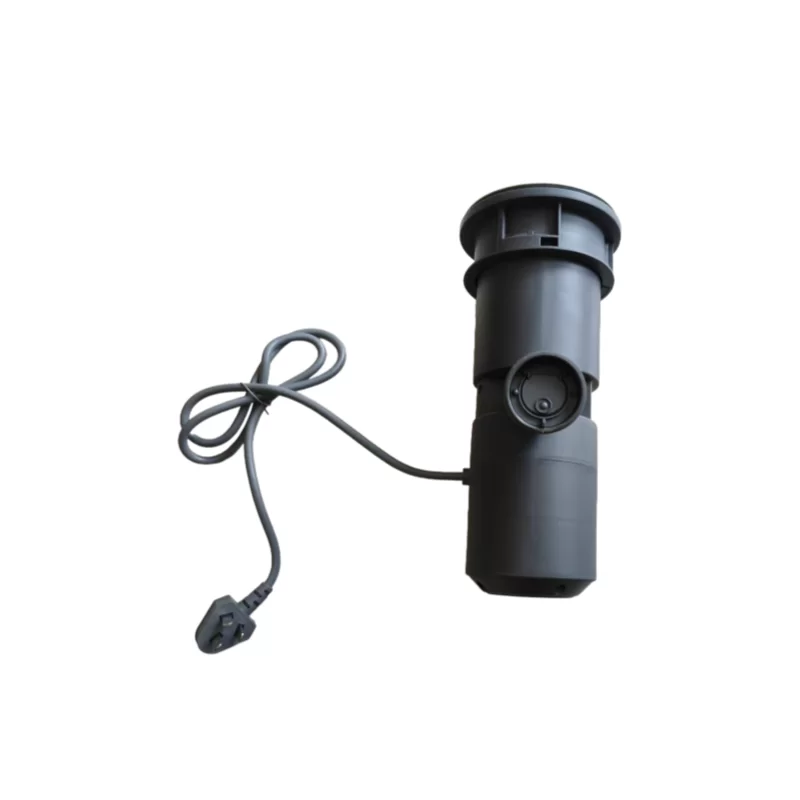
Yes, absolutely. Most double bowl sinks are designed to accommodate a garbage disposal unit in one of the bowls. You'll need a specific plumbing waste kit designed for double basin sinks that connects both bowls to the disposal and the main drain.
7. What accessories are available for double bowl sinks and drainers?
Many accessories enhance functionality, including integrated cutting boards, roll-up drying racks that fit over the bowls, colanders for rinsing produce, basin grids to protect the sink bottom, and custom-fit strainers. These can transform your sink into a comprehensive workstation.