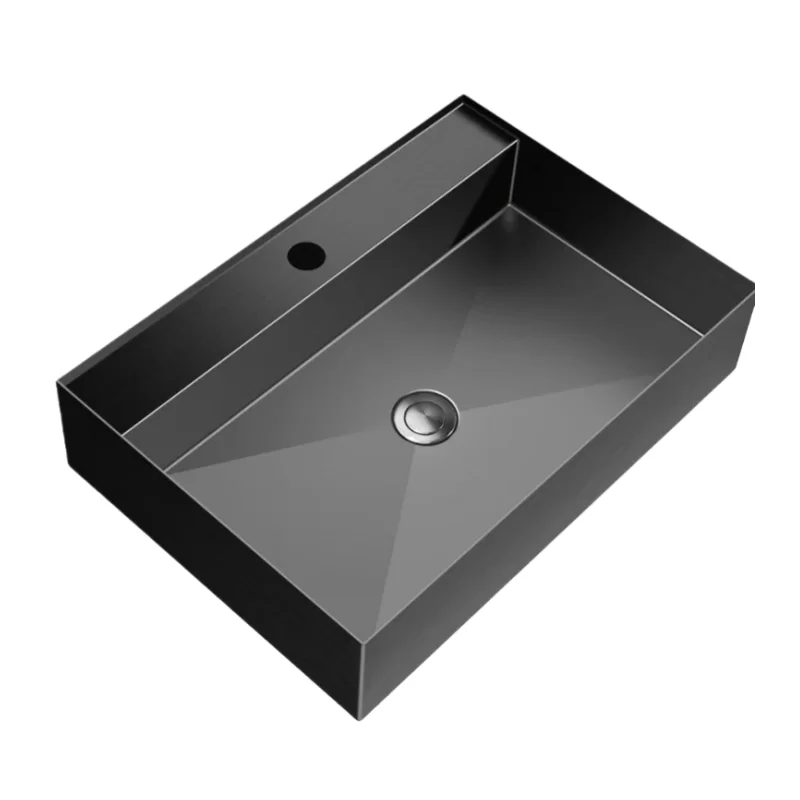
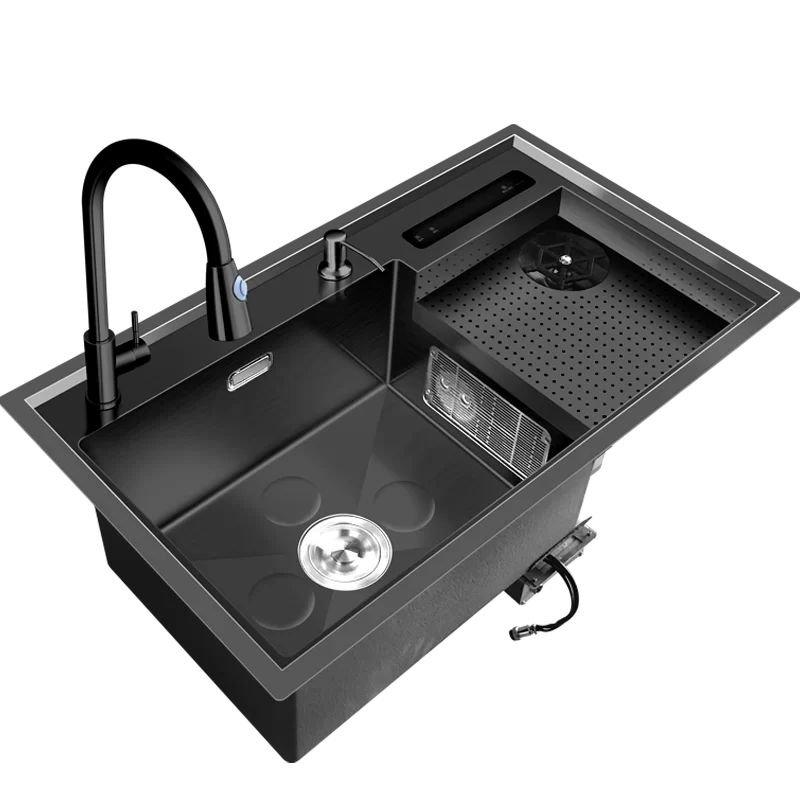
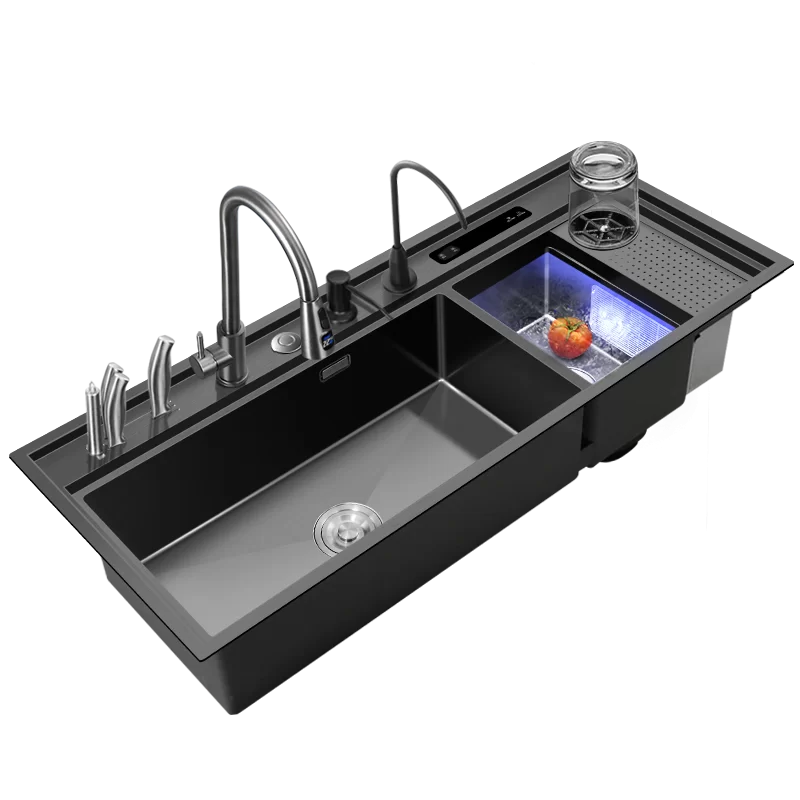
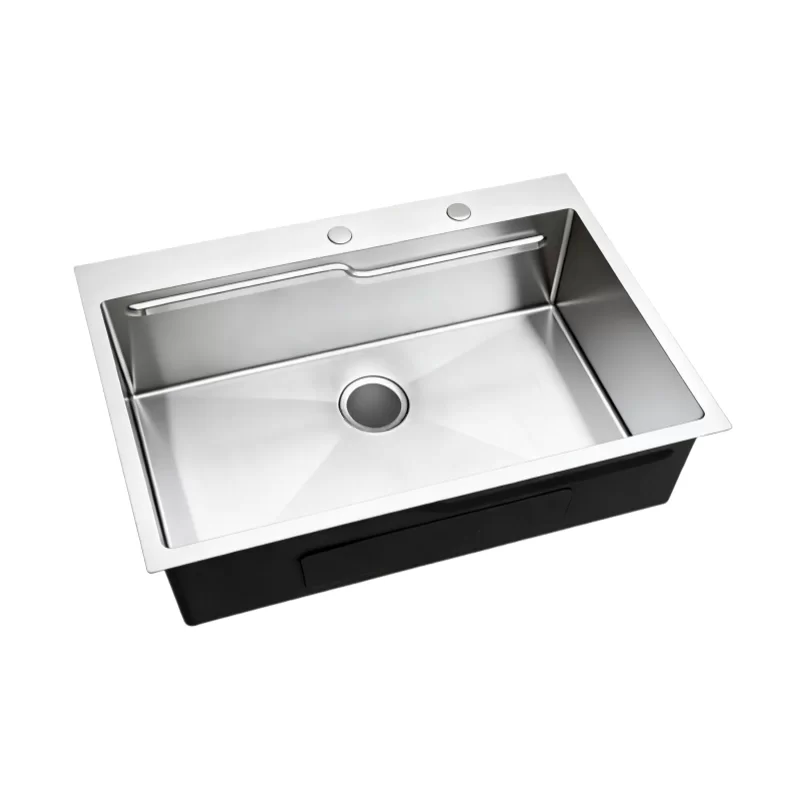
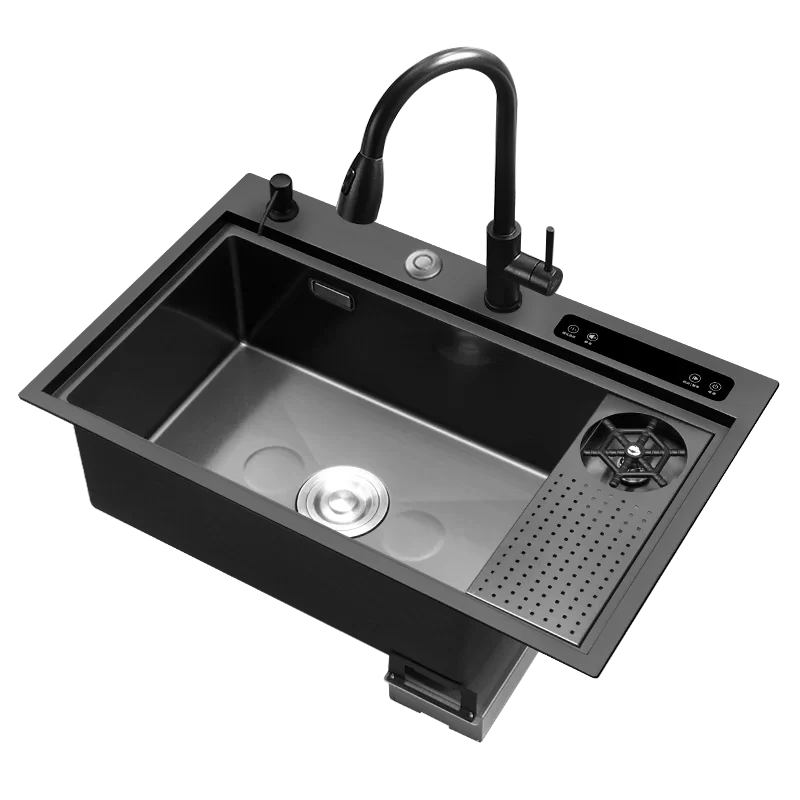
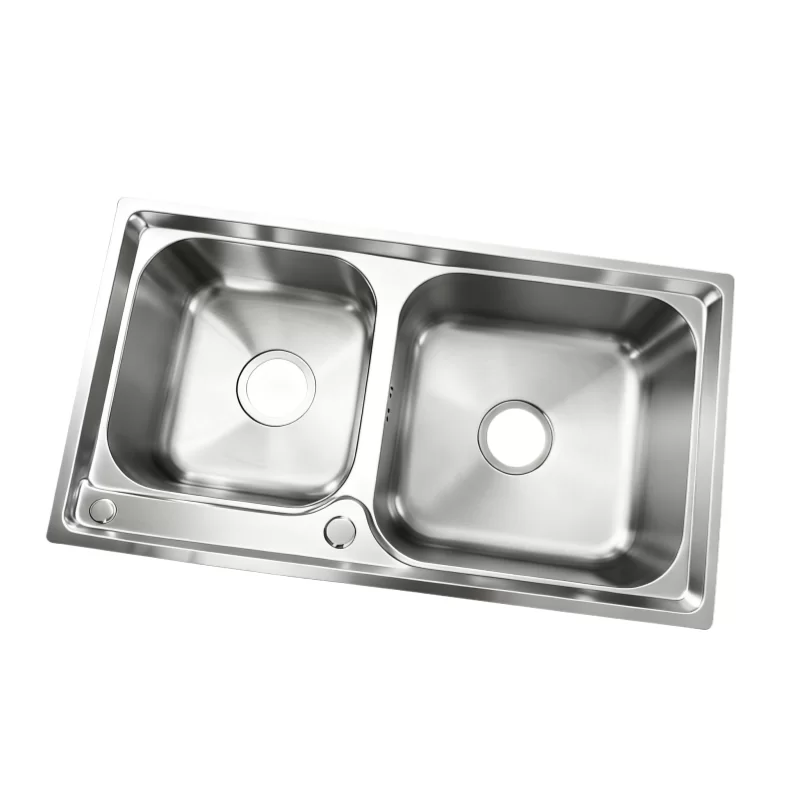
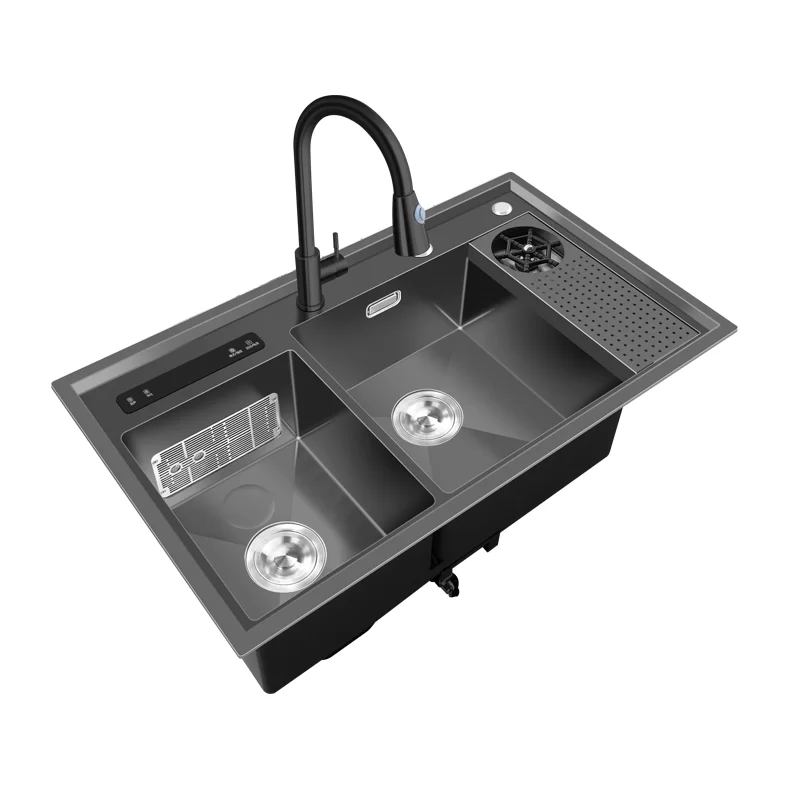
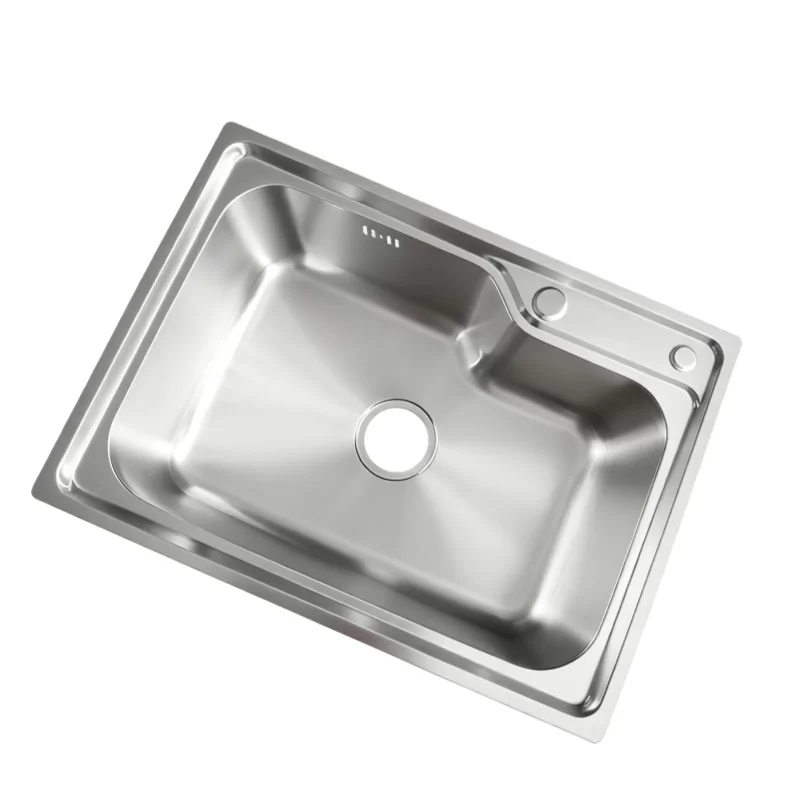
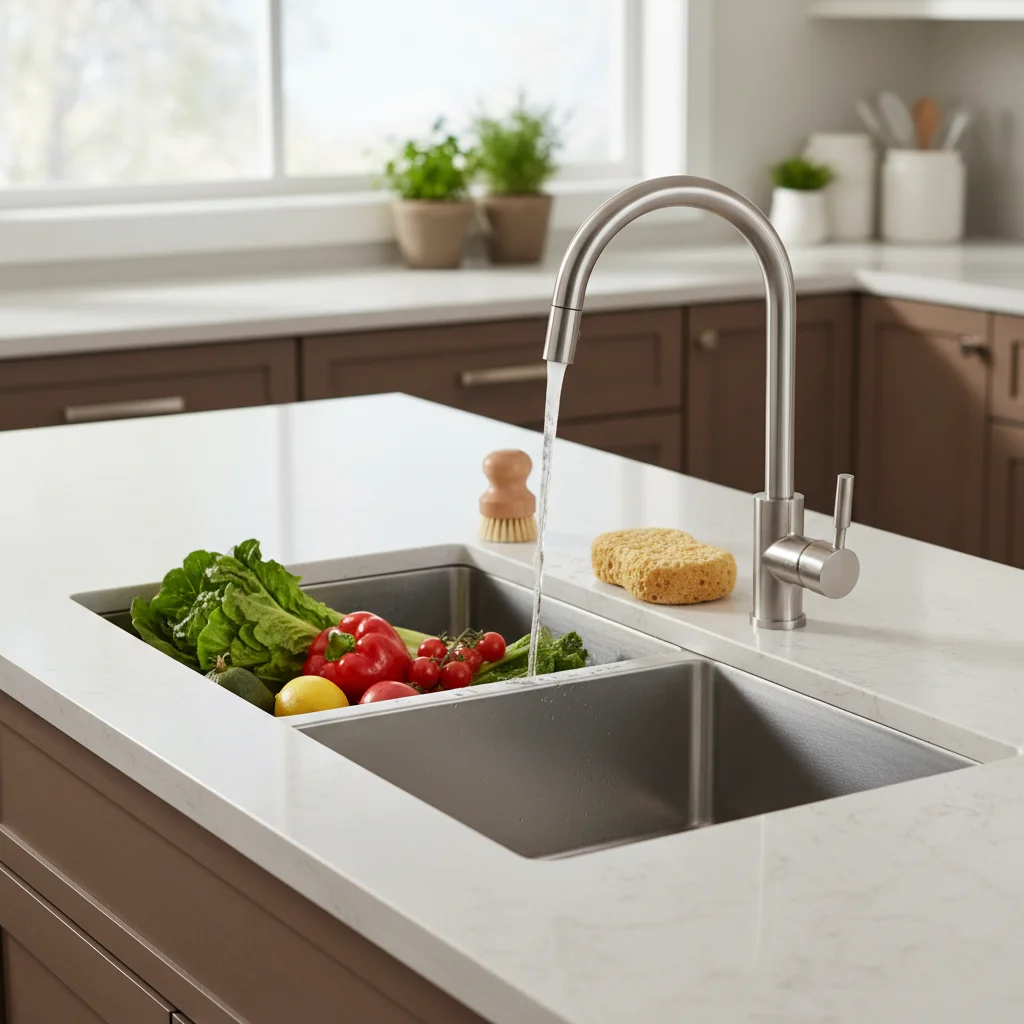
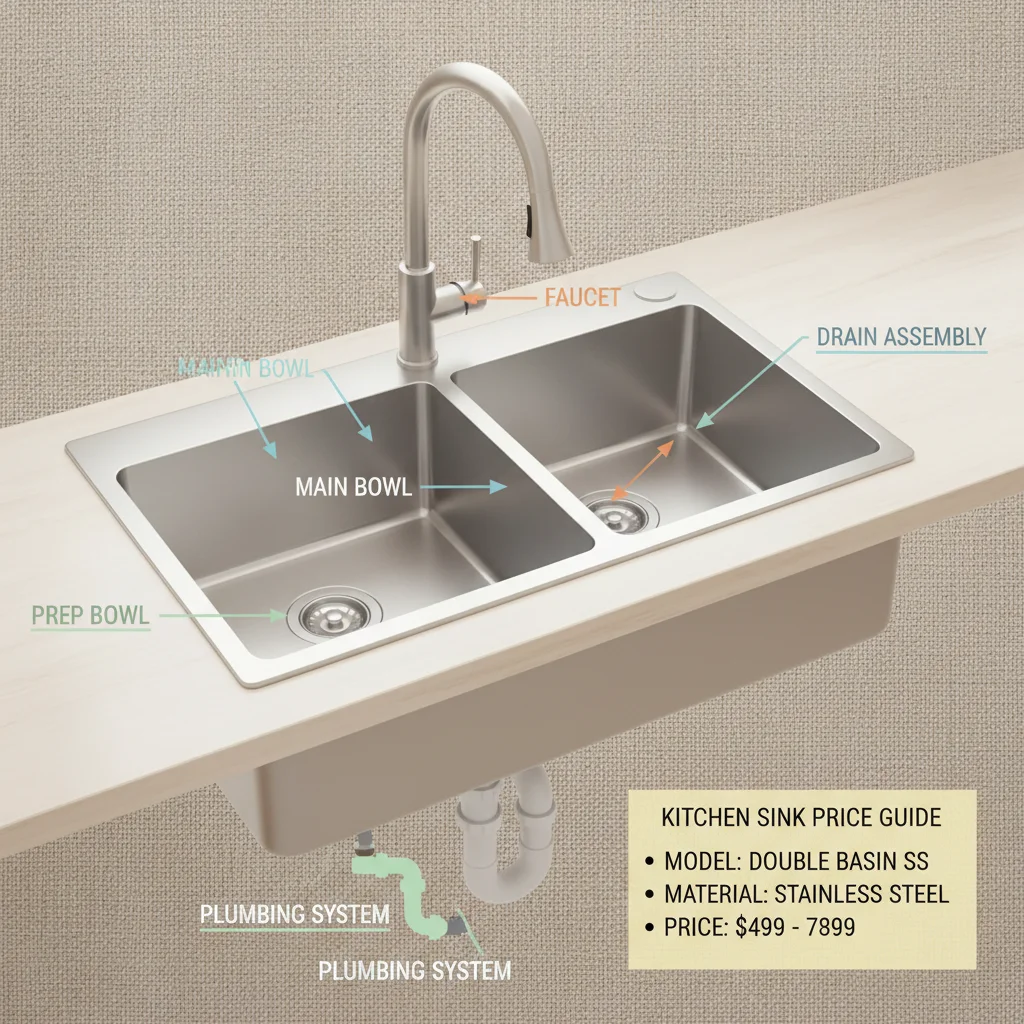
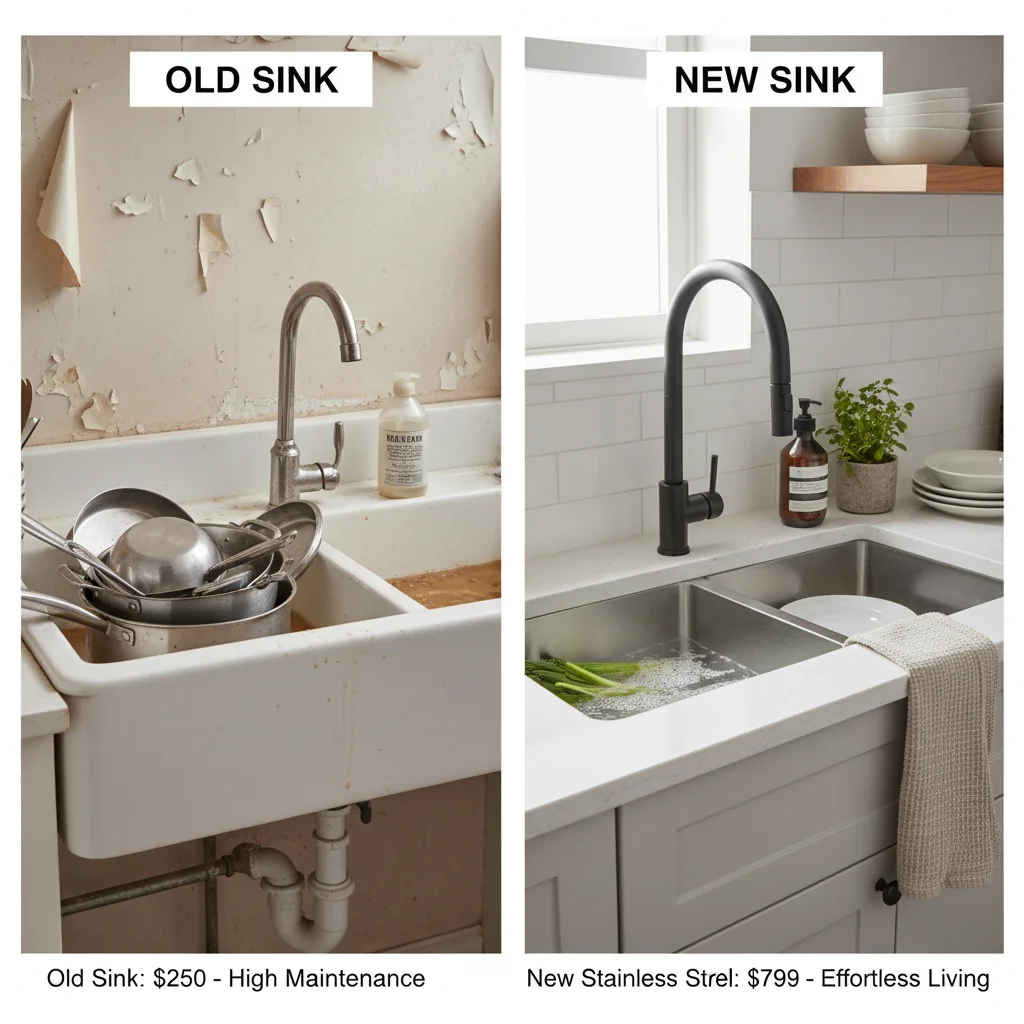
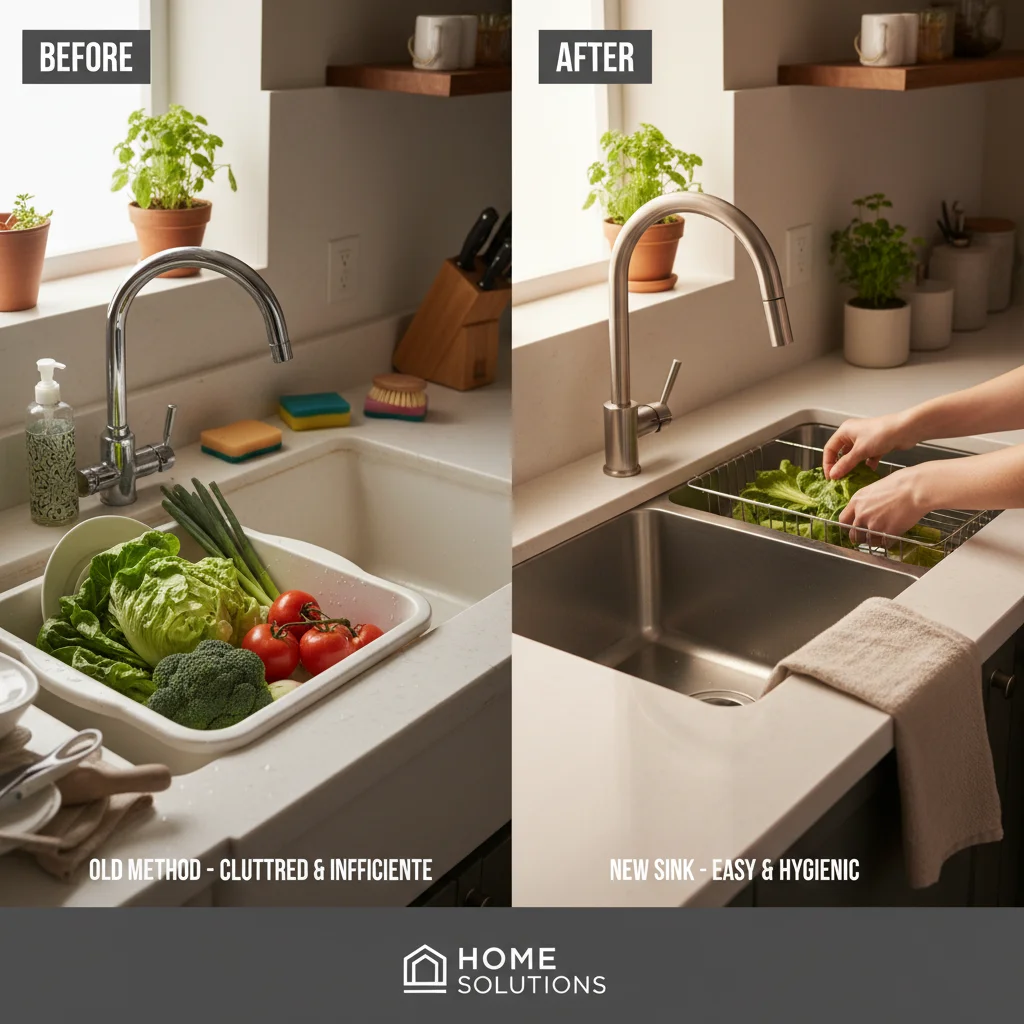
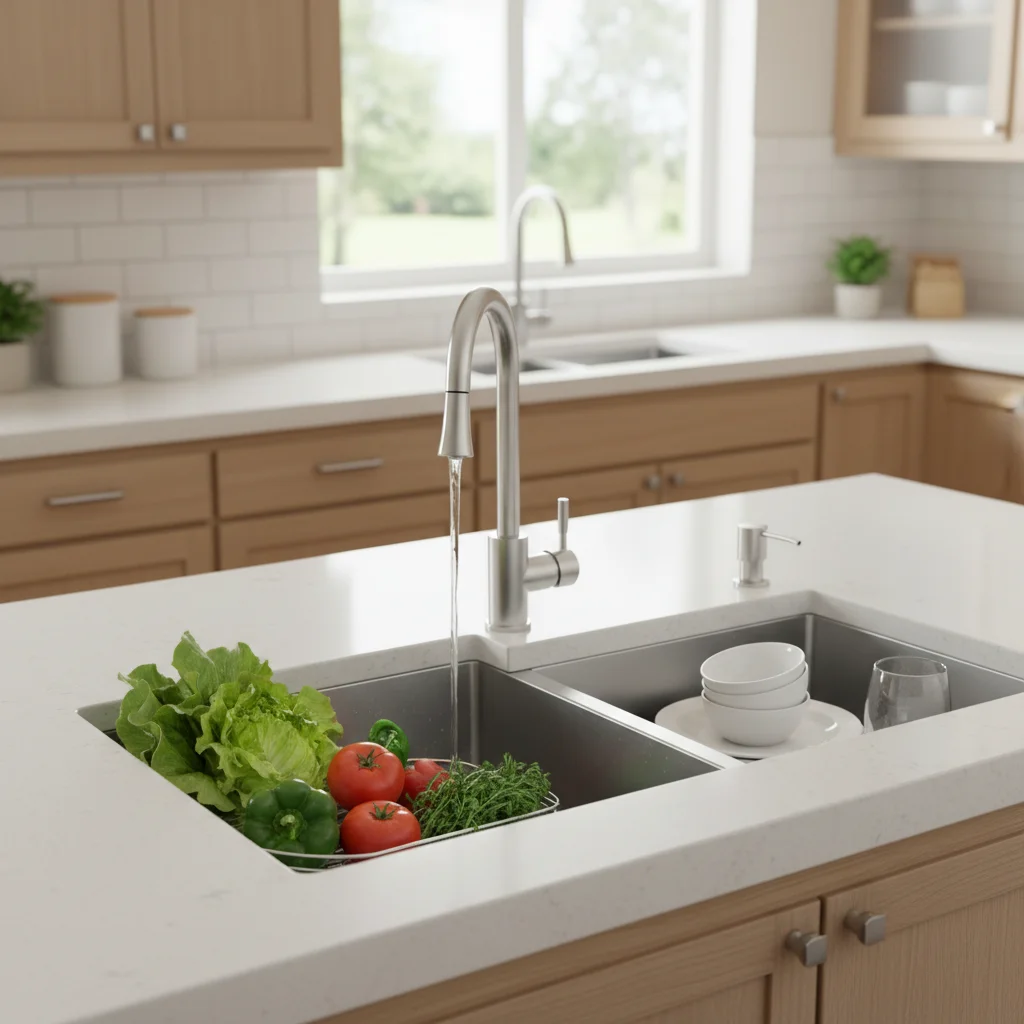
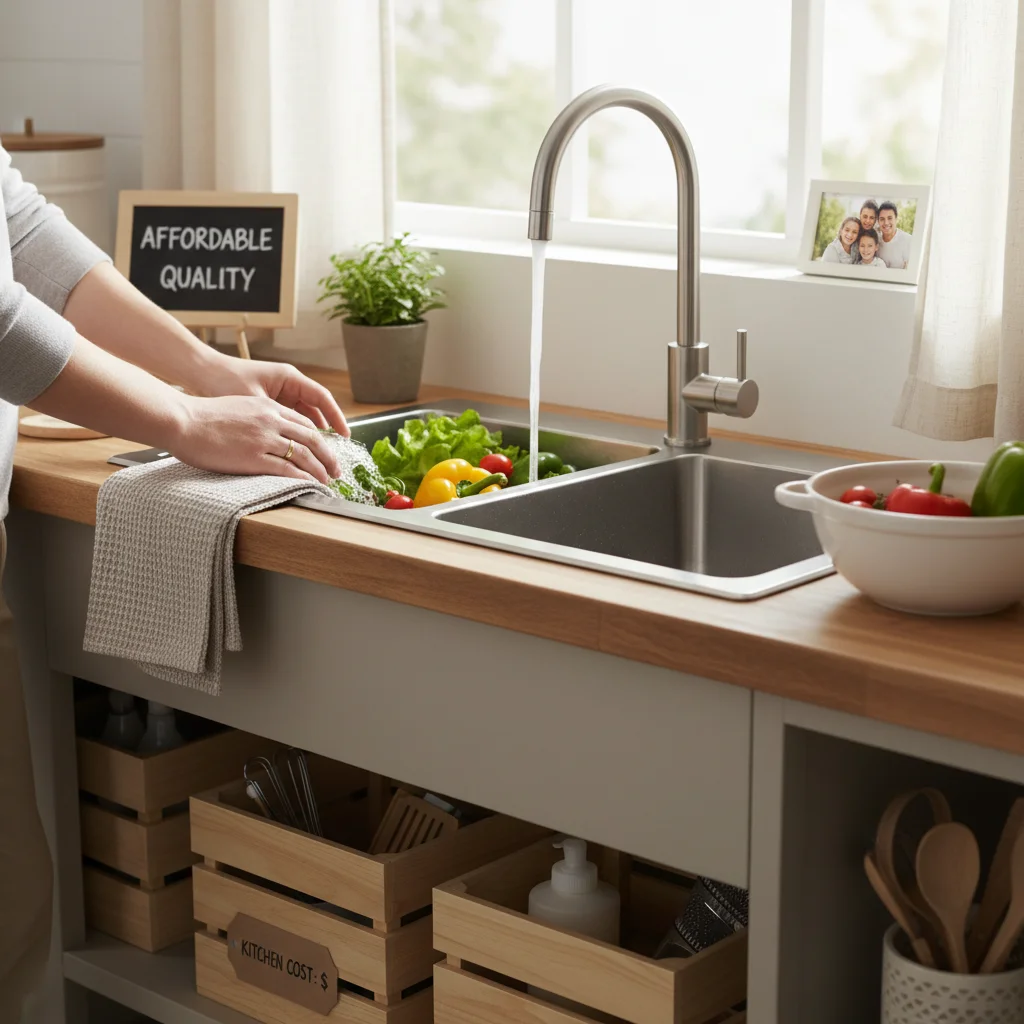
In the intricate ballet of a bustling kitchen, efficiency and functionality are paramount. At the heart of this operational dance often lies the sink, and for many, the double bowl drainer sink stands out as an indispensable workhorse. This design, characterized by two separate basins complemented by an integrated draining area, fundamentally transforms kitchen workflow. Far from being a mere fixture, it represents a sophisticated solution to common culinary challenges, offering unparalleled versatility for tasks ranging from rigorous food preparation to efficient dishwashing. Its intelligent configuration allows for simultaneous activities—such as soaking vegetables in one bowl while washing dishes in the other, or defrosting items while freshly washed produce drains. This dual functionality is not just a convenience; it's a strategic enhancement that significantly streamlines kitchen operations. Data indicates that kitchens equipped with such multi-functional sink units report an average 25% increase in task efficiency, primarily due to reduced cross-contamination risks and the elimination of bottlenecks during peak usage. The drainer board itself, often overlooked, is a critical element, providing a dedicated space for air-drying dishes, thawing frozen foods, or even temporarily holding hot pots without damaging countertops. This integration maximizes counter space, which is especially valuable in compact urban dwellings where every inch counts. Beyond its practical merits, the double bowl drainer sink has evolved into a key aesthetic component, with manufacturers offering a spectrum of materials, finishes, and profiles that complement diverse interior design themes, from minimalist modern to rustic farmhouse. Its enduring popularity underscores a fundamental truth: a well-designed sink is not just about water flow, but about enhancing the rhythm and pleasure of home cooking and daily life.
The Engineering Behind Efficiency: Technical Advantages and Design Innovations
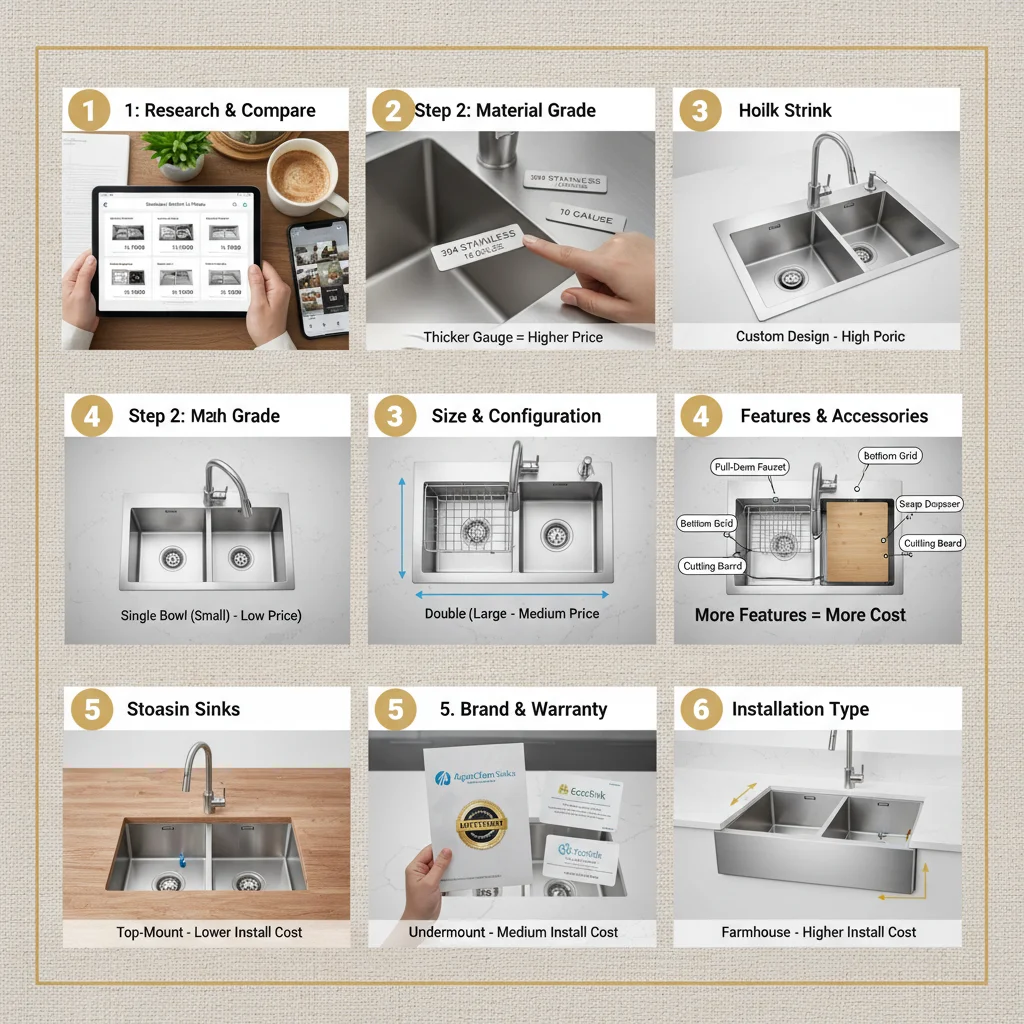
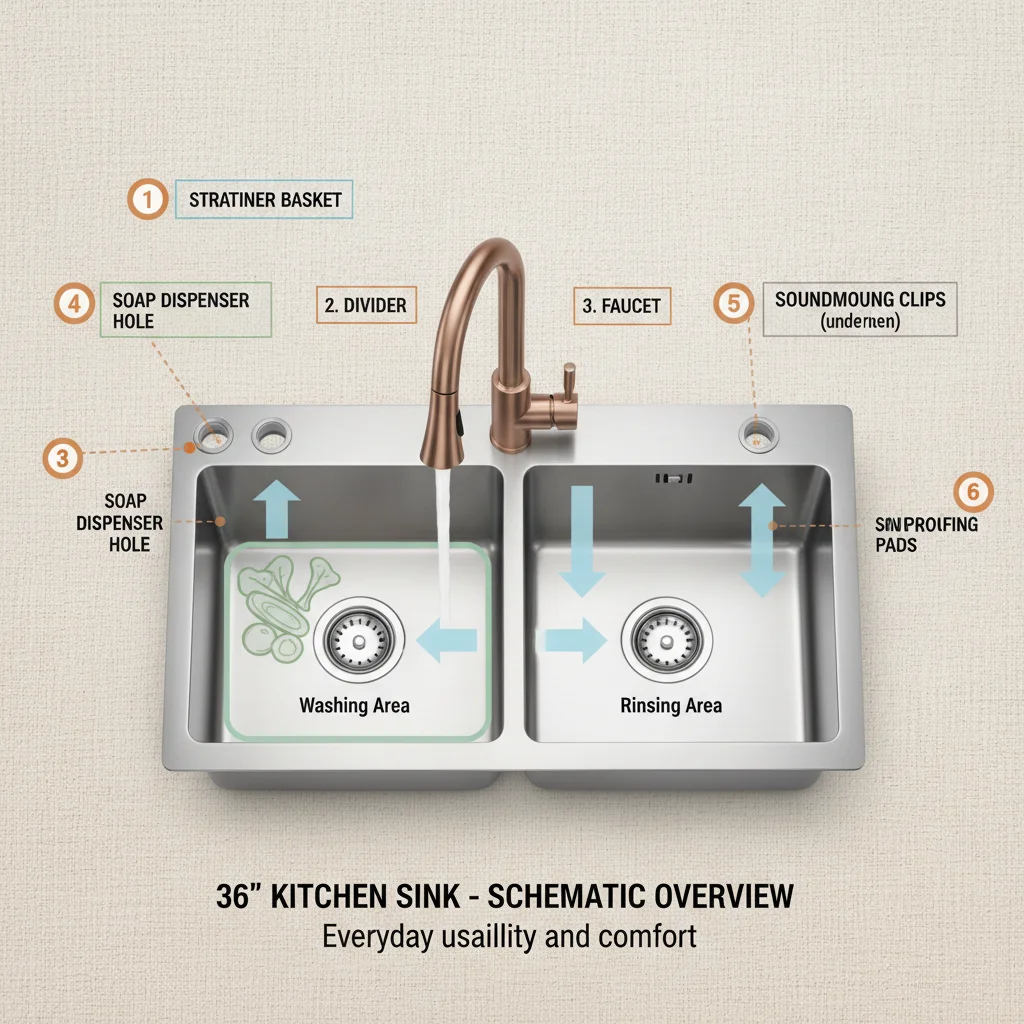
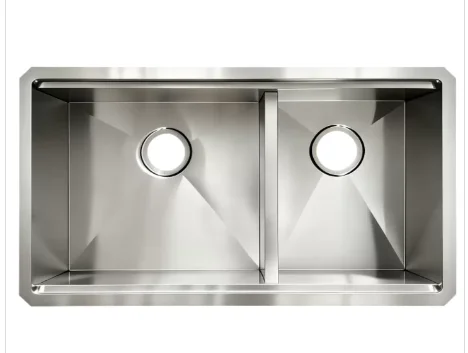
The contemporary sink is a marvel of material science and ergonomic design, far removed from its rudimentary predecessors. Modern double bowl drainer sink units leverage advanced manufacturing techniques and superior materials to deliver exceptional durability, hygiene, and performance. Stainless steel remains a dominant choice, particularly 304 grade (18/8 chromium/nickel), renowned for its outstanding corrosion resistance, heat tolerance, and inert surface that prevents bacterial growth. Innovations in surface treatment, such as brushed or satin finishes, not only enhance aesthetics but also minimize the visibility of scratches and water spots, ensuring long-term visual appeal. Beyond metal, composite materials like quartz or granite blends offer an alternative with superior scratch, stain, and heat resistance, often boasting vibrant color options that integrate seamlessly with various countertop materials. These composites frequently incorporate antimicrobial properties, offering an added layer of hygiene. Sound dampening technology, typically achieved through specialized pads or coatings applied to the underside of the sink, dramatically reduces noise from running water and clattering dishes, contributing to a quieter kitchen environment. Anti-condensation coatings, another crucial innovation, prevent moisture buildup on the sink's underside, protecting cabinetry from potential water damage and mold growth. The design of the drainage system itself is a critical technical advantage. Engineered with precise gradients and strategically placed waste outlets, these sinks ensure rapid and complete water evacuation, minimizing standing water and facilitating easy cleaning. Integrated waste disposal units, often seamlessly incorporated into one of the bowls, further enhance functionality by efficiently managing food scraps, thereby improving kitchen hygiene and reducing household waste volume. Mounting options—undermount, topmount, or flushmount—are also technical considerations, each offering distinct aesthetic and installation benefits, while ensuring a secure and watertight fit against the countertop. These collective engineering advancements underscore the sophisticated blend of form and function inherent in today's leadingsinkdesigns.
Navigating the Market: A Comparative Analysis of Leading Manufacturers
Choosing the right sink can be an overwhelming task given the plethora of options available. To simplify this decision, understanding the landscape of leading manufacturers and their distinct offerings is crucial. While brand names often signify quality, a deeper dive into their material choices, design philosophies, and technological integration provides a more informed perspective. Manufacturers differentiate themselves through a combination of proprietary technologies, commitment to specific material innovations, and dedication to customer support and warranty provisions. For instance, some brands might specialize in premium handcrafted stainless steel sinks, emphasizing gauge thickness and intricate welding, while others excel in advanced composite materials with unique color palettes and textures. The depth and configuration of the bowls, the slope of the drainer, and the inclusion of accessory channels also vary significantly. Below is a comparative table highlighting generalized attributes you might find across reputable manufacturers, illustrating the diverse market landscape:
Manufacturer Profile | Primary Material Focus | Key Design Differentiator | Warranty Length (Typical) | Price Range (Relative) |
Premium Craftsmanship Brand | Heavy-gauge 304 Stainless Steel (16-18 gauge) | Handcrafted bowls, zero-radius corners, integrated accessories | Lifetime | High |
Innovative Composite Brand | Granite/Quartz Composite with advanced resins | Vibrant color options, antimicrobial surfaces, extreme scratch/heat resistance | 10-25 Years | Medium-High |
Value-Oriented Brand | Standard-gauge 304 Stainless Steel (18-20 gauge) | Practical designs, ease of installation, standard features | 5-10 Years | Medium-Low |
This comparison highlights that while some brands prioritize artisanal quality and cutting-edge features, others focus on robust performance at a more accessible price point. Consumers should weigh their priorities—be it a lifetime investment, specific aesthetic requirements, or budget constraints—against the manufacturer's strengths. Checking independent reviews, considering the availability of local service and spare parts, and understanding the nuances of warranty coverage are also essential steps in making an informed purchasing decision.
Tailored to Perfection: Customization Opportunities for Your Kitchen Space
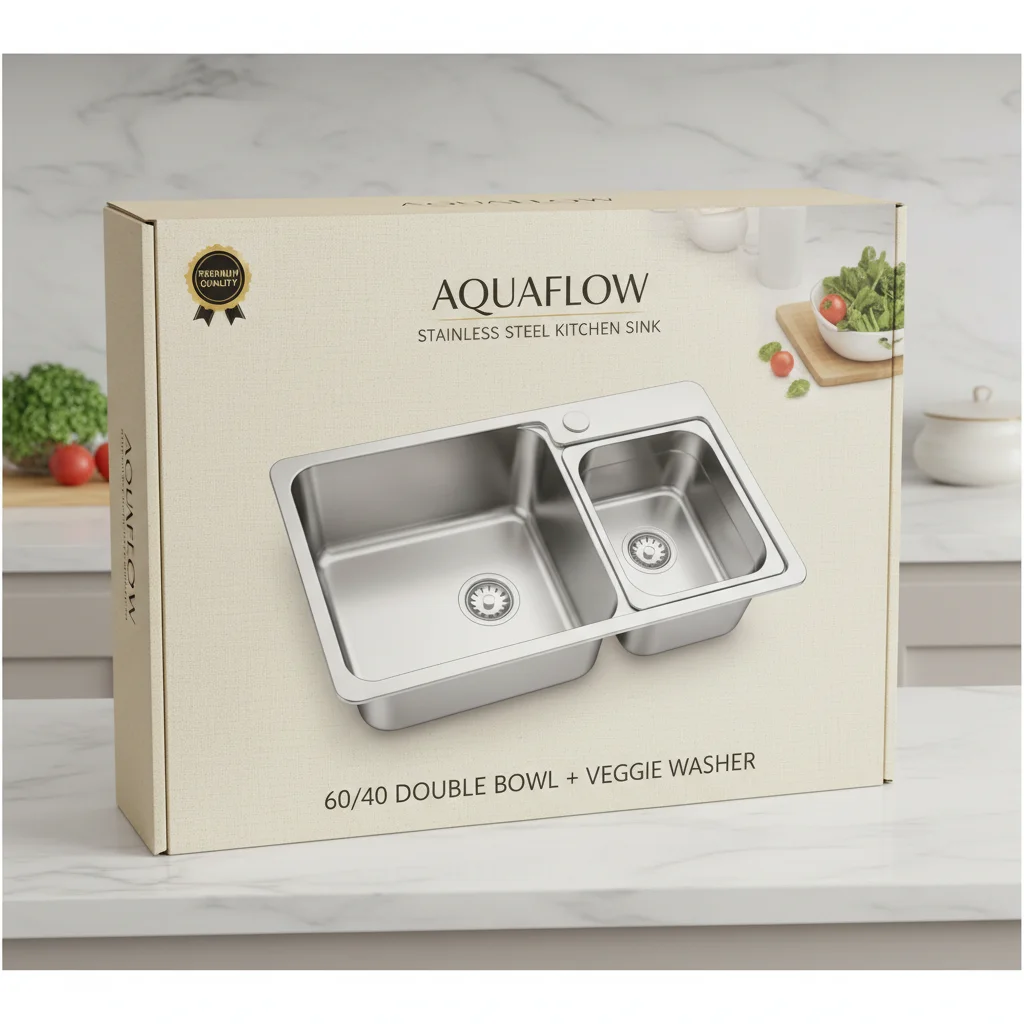
The modern kitchen is increasingly a reflection of personal style and specific functional needs, moving away from one-size-fits-all solutions. The ability to customize a double bowl drainer sink unit ensures that it integrates seamlessly into both the aesthetic and operational flow of any culinary environment. Customization begins with the bowl configuration: while a 50/50 split offers symmetrical utility, a 60/40 or 70/30 split provides a larger primary bowl for bigger pots and pans, paired with a smaller, secondary bowl for prep work or waste disposal. This choice directly impacts daily usability. Furthermore, the orientation of the drainer board is a critical design consideration. Depending on the kitchen layout and personal preference, the drainer can be positioned on the left or right, ensuring ergonomic convenience and optimal use of adjacent counter space. For those seeking a truly integrated look, some manufacturers offer sinks with reversible drainer designs, allowing for flexibility during installation. Tap hole options also present a customization avenue; from a single hole for a standard mixer tap to multiple holes accommodating soap dispensers, filtered water taps, or even air switches for waste disposals, these choices enhance functionality without cluttering the countertop. The finish of the sink itself contributes significantly to the kitchen's overall aesthetic. Beyond the ubiquitous brushed stainless steel, options now include polished, satin, matte, and even colored PVD coatings or specific composite hues that can match or contrast with countertops and cabinetry. For instance, a matte black composite sink can create a dramatic focal point in a contemporary kitchen, while a polished stainless steel finish offers timeless elegance. Accessory integration takes customization a step further. Many sinks now feature ledges or channels designed to hold custom-fit cutting boards, colanders, roll-up drying racks, and bottom grids, effectively transforming the sink into a multi-functional workstation. These accessories not only boost efficiency but also protect the sink's surface and extend its lifespan. The combination of material, configuration, finish, and integrated accessories allows homeowners to craft a sink solution that is not merely functional but perfectly aligned with their unique lifestyle and design vision.
Beyond the Countertop: Diverse Applications and Real-World Impact
While commonly associated with residential kitchens, the versatility of the double bowl drainer sink extends far beyond, finding indispensable applications across a spectrum of environments where efficiency and dedicated washing/drying zones are critical. In residential settings, its impact is transformative. For a bustling family home, it allows for simultaneous tasks such as washing baby bottles in one bowl while vegetables are prepped in the other, or handling dirty pots immediately after dinner while a second bowl is used for soaking heavily soiled items. The integrated drainer provides a safe, hygienic space for air-drying delicate glassware or thawing frozen meat without occupying valuable counter space. For smaller apartments or studios, where space is a premium, the combined functionality of a double bowl and drainer within a single footprint is invaluable, eliminating the need for separate drying racks that can clutter limited surfaces. Beyond the domestic sphere, these sinks prove equally effective in light commercial applications. Small cafes or bakeries might utilize them for washing coffee pitchers and blending equipment in one bowl, while pastries and utensils drain on the side. In office pantries or breakrooms, they provide a hygienic solution for employees to wash their lunch containers and mugs, keeping the workspace tidy and promoting cleanliness. Even in non-culinary contexts, such as laundry rooms, a double bowl drainer sink is a game-changer. One bowl can be used for hand-washing delicates or pre-soaking stained garments, while the other handles general utility tasks. The drainer area is perfect for air-drying small items or temporarily holding wet clothes before transfer to the dryer. Similarly, in workshops or garages, these sinks offer a robust solution for cleaning tools, paint brushes, or gardening equipment, preventing dirt and grime from being carried into the main living areas. The design inherently supports compartmentalization and organization, proving that its utility is not confined to just food preparation, but extends to any scenario requiring efficient, segregated washing and draining capabilities, profoundly impacting workflow and hygiene across diverse settings.
Longevity and Aesthetics: Maintenance, Sustainability, and Future Trends
Ensuring the longevity and preserving the aesthetic appeal of a modern sink unit involves conscious maintenance practices and an understanding of its inherent sustainability aspects. Proper care significantly extends the lifespan of any double bowl drainer sink, irrespective of its material. For stainless steel, regular cleaning with mild soap and water, followed by immediate drying, prevents water spots and mineral buildup. Avoiding abrasive cleaners, steel wool, or harsh chemicals is crucial to maintain the finish and prevent scratching. For composite sinks, warm soapy water and a soft cloth are usually sufficient; specific composite cleaners can tackle stubborn stains, but aggressive scrubbing should be avoided. A general rule for all materials is to promptly clean up spills, especially acidic substances, to prevent staining or etching. From a sustainability perspective, many modern sinks are designed with environmental consciousness in mind. Stainless steel, for instance, is 100% recyclable, meaning that at the end of its long service life, it can be repurposed, minimizing landfill waste and reducing the demand for virgin materials. Composite sinks, while not always as easily recyclable, are often manufactured with eco-friendly resins and processes, and their extreme durability means less frequent replacement, contributing to resource conservation. Future trends in sink design are leaning towards even greater integration of technology and a heightened focus on hygiene and resource efficiency. We can anticipate the emergence of "smart sinks" equipped with touchless faucets, integrated motion sensors for water conservation, or even UV-C light sanitizers within the bowls for enhanced disinfection. Material science will likely continue to evolve, introducing self-cleaning surfaces or even more robust, lightweight composite options. Aesthetics will continue to diversify, with greater emphasis on customizable colors, textures, and minimalist integrated designs that blend seamlessly into smart home ecosystems. Furthermore, as water conservation becomes increasingly critical, future sinks may incorporate advanced filtration systems, rainwater harvesting integrations, or even greywater recycling capabilities, positioning the sink not just as a cleaning station but as an active participant in sustainable living practices. The evolution of the sink is a testament to ongoing innovation, blending practicality with progressive design principles.
Elevating Culinary Spaces with the Optimal Double Bowl Drainer Sink Solution
The journey through the world of modern kitchen fixtures unequivocally establishes the double bowl drainer sink as more than just a utility item; it is a strategic investment in the efficiency, hygiene, and aesthetic appeal of any culinary environment. From its foundational design that dramatically enhances workflow by enabling segregated tasks, to the sophisticated engineering behind its material composition and innovative features, every aspect contributes to a superior user experience. We've explored how technical advancements in materials like 304-grade stainless steel and advanced quartz composites offer unparalleled durability, resistance, and hygienic properties, while features like sound dampening and anti-condensation coatings elevate comfort and protect cabinetry. The diverse landscape of manufacturers provides a wide array of choices, allowing consumers to align their selection with specific quality, aesthetic, and budget requirements, as demonstrated through comparative analysis. The extensive customization options—from bowl configuration and drainer orientation to finish selection and integrated accessories—ensure that each sink can be perfectly tailored to individual kitchen layouts and personal preferences, transforming a standard fixture into a personalized workstation. Furthermore, its pervasive utility extends beyond residential kitchens, proving invaluable in commercial settings, laundry rooms, and workshops, showcasing its adaptability and core functional strength. As we look ahead, the integration of smart technologies and a growing emphasis on sustainable practices will continue to refine and redefine the sink's role, making it an even more integral component of future-ready homes. Ultimately, making an informed decision about your next double bowl drainer sink is about understanding its multifaceted benefits and selecting a solution that not only meets immediate needs but also enriches daily life and stands the test of time, truly elevating the culinary space.
Frequently Asked Questions about Double Bowl Drainer Sinks
Q1: What is the primary benefit of a double bowl drainer sink over a single bowl?
A1: The primary benefit is enhanced multitasking and efficiency. A double bowl allows for simultaneous tasks like washing dishes in one bowl while rinsing/soaking food in the other, or separating clean from dirty items. The integrated drainer provides a dedicated space for air-drying, freeing up countertop space.
Q2: What materials are commonly used for double bowl drainer sinks, and which is best?
A2: Common materials include stainless steel (primarily 304 grade) and composite materials (quartz/granite). Stainless steel is known for durability, heat resistance, and hygiene. Composites offer superior scratch/stain resistance, heat proofing, and a wider range of colors. The "best" material depends on your specific needs, budget, and aesthetic preferences.
Q3: Can I install a waste disposal unit with a double bowl drainer sink?
A3: Yes, most double bowl drainer sinks are designed to accommodate waste disposal units. Typically, one of the bowls will be designated for the disposal, allowing the other bowl to function independently for other tasks.
Q4: Are double bowl drainer sinks suitable for small kitchens?
A4: Absolutely. While they occupy more space than a single bowl, their combined functionality (two bowls plus drainer) can actually save counter space by eliminating the need for separate drying racks. Compact models are specifically designed to maximize utility in smaller footprints.
Q5: What are the different mounting options for these sinks?
A5: The main mounting options are topmount (or drop-in), undermount, and flushmount (or integrated). Topmount sinks sit on top of the counter, undermount sinks are installed beneath, creating a seamless look, and flushmount sinks are level with the countertop surface.
Q6: How do I maintain a double bowl drainer sink to prevent scratches and stains?
A6: Regular cleaning with mild soap and water is crucial. For stainless steel, dry immediately to prevent water spots. Avoid abrasive cleaners, steel wool, and sharp objects. For composite sinks, use non-abrasive cleaners and avoid leaving highly pigmented foods for extended periods. Use cutting boards and bottom grids to protect the surface.
Q7: What does "sound dampening" mean for a sink, and is it important?
A7: Sound dampening refers to the application of special pads or coatings to the underside of the sink to reduce noise from running water, clattering dishes, and waste disposal units. It is important for creating a quieter, more pleasant kitchen environment, especially in open-plan living spaces.