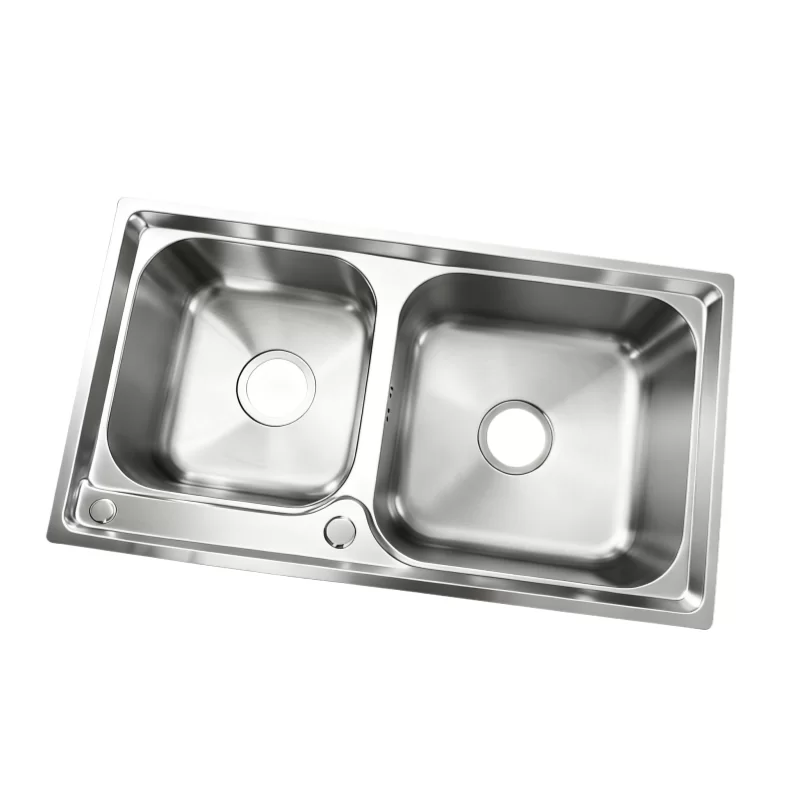
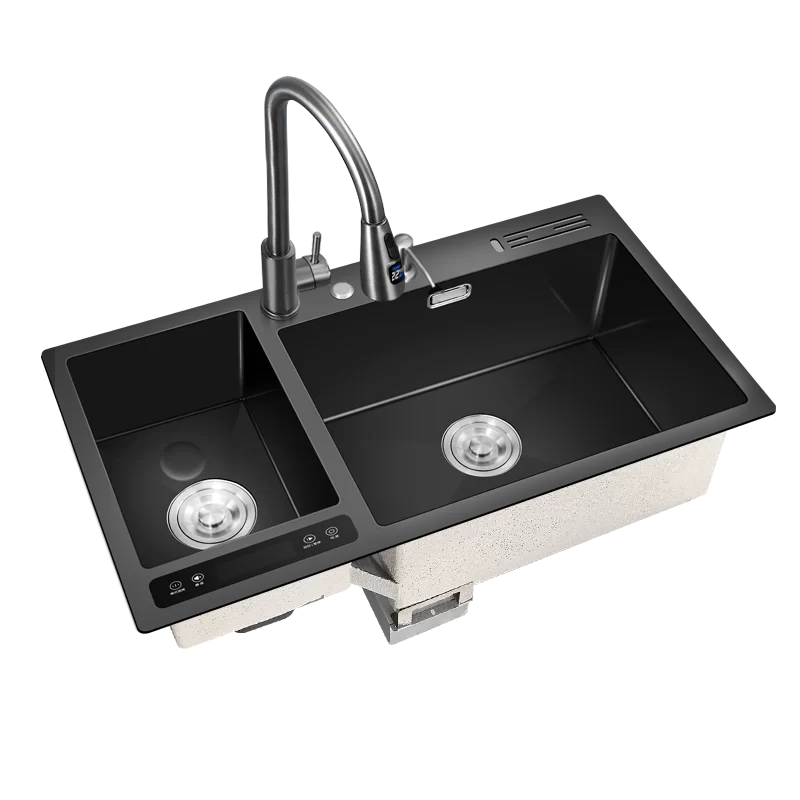
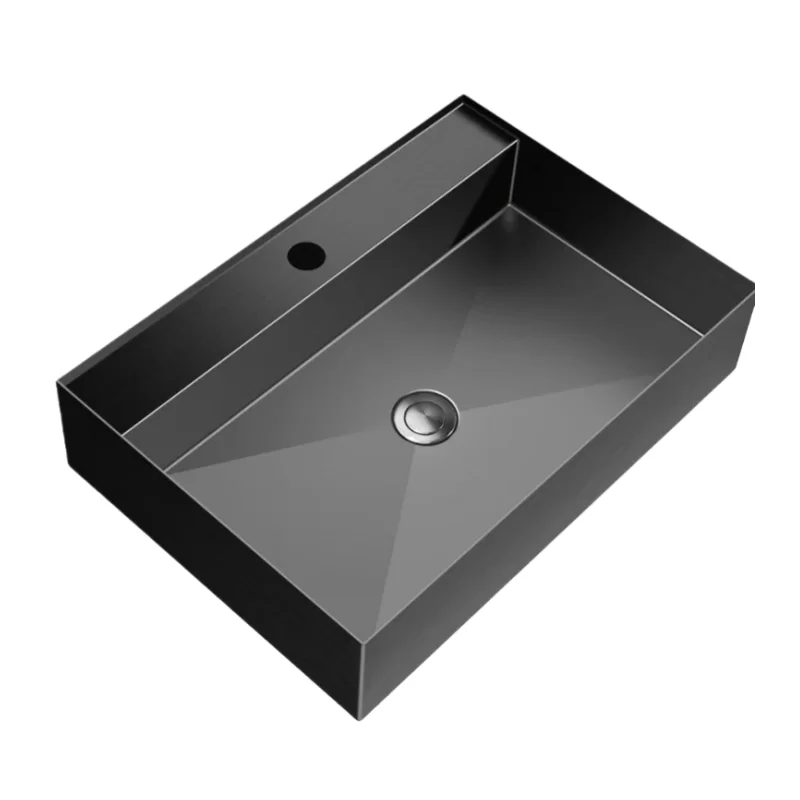
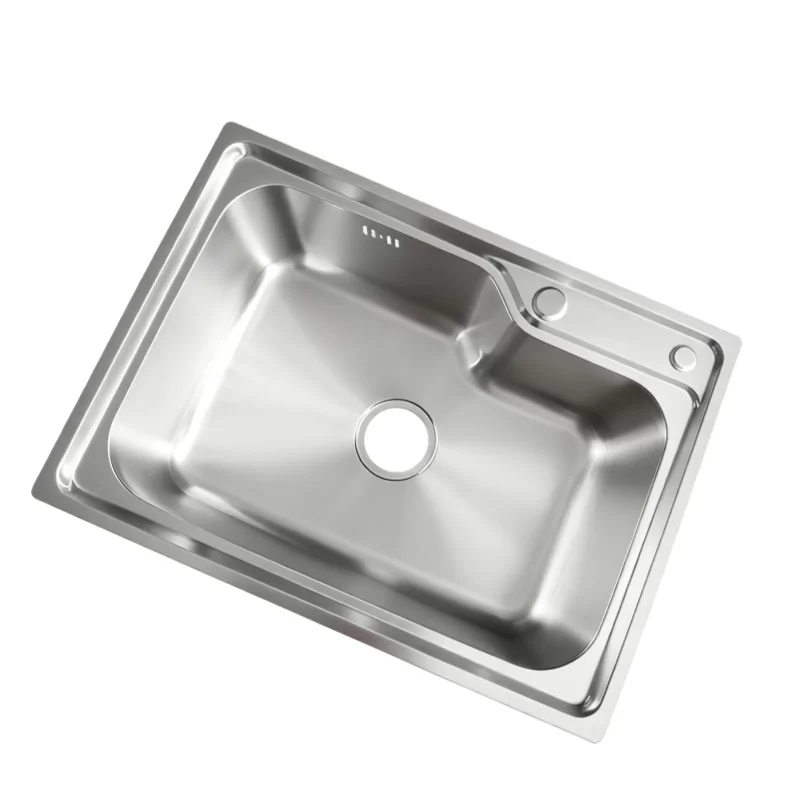
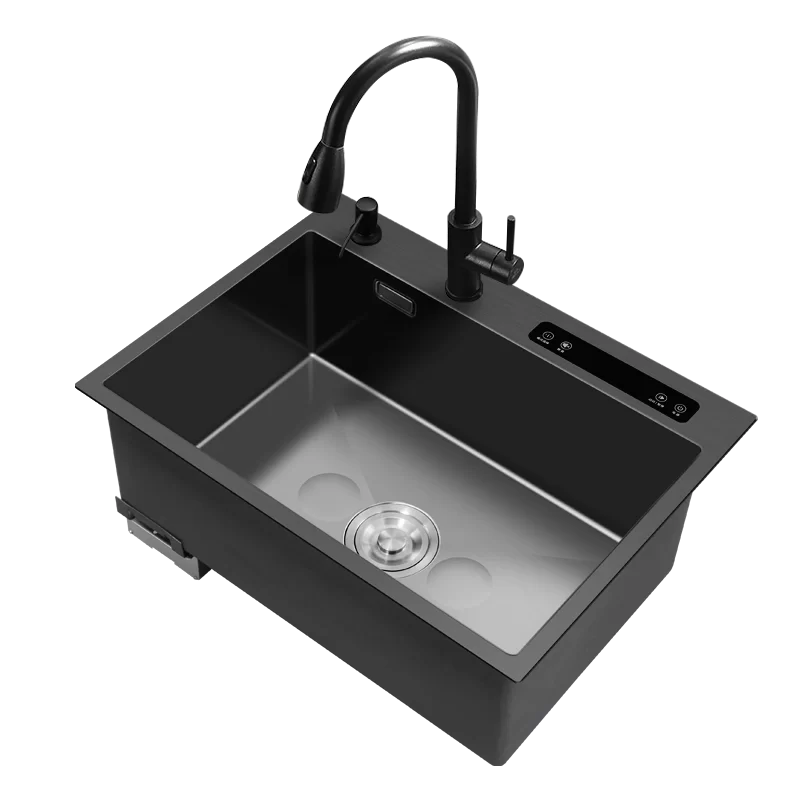
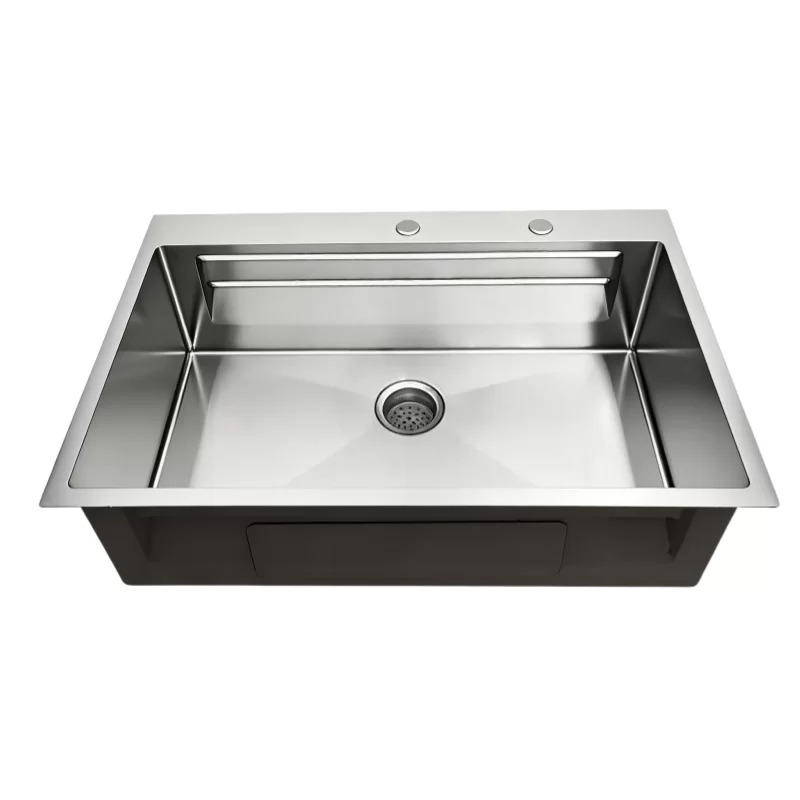
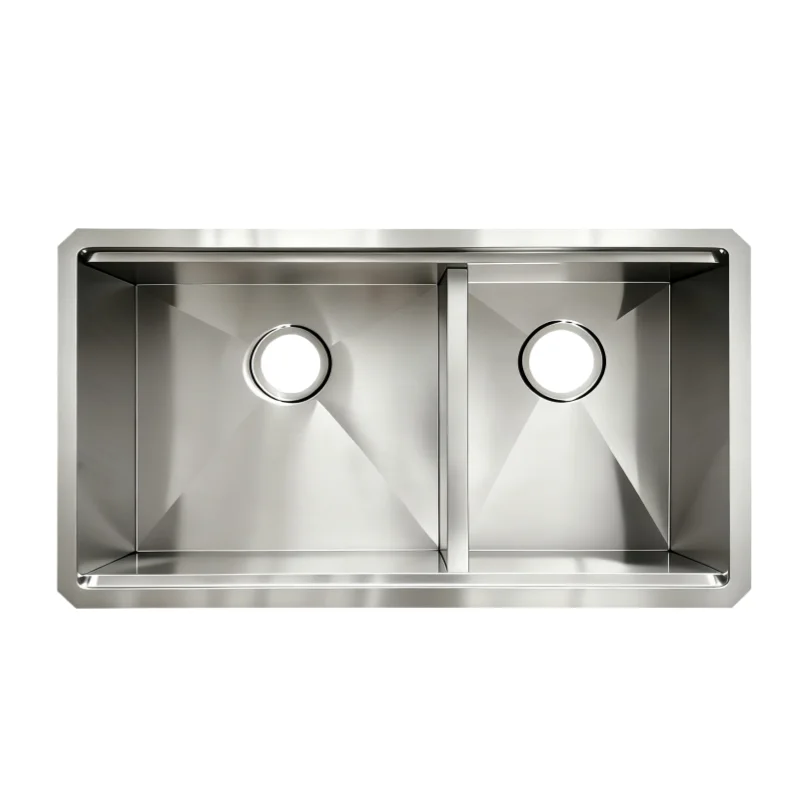
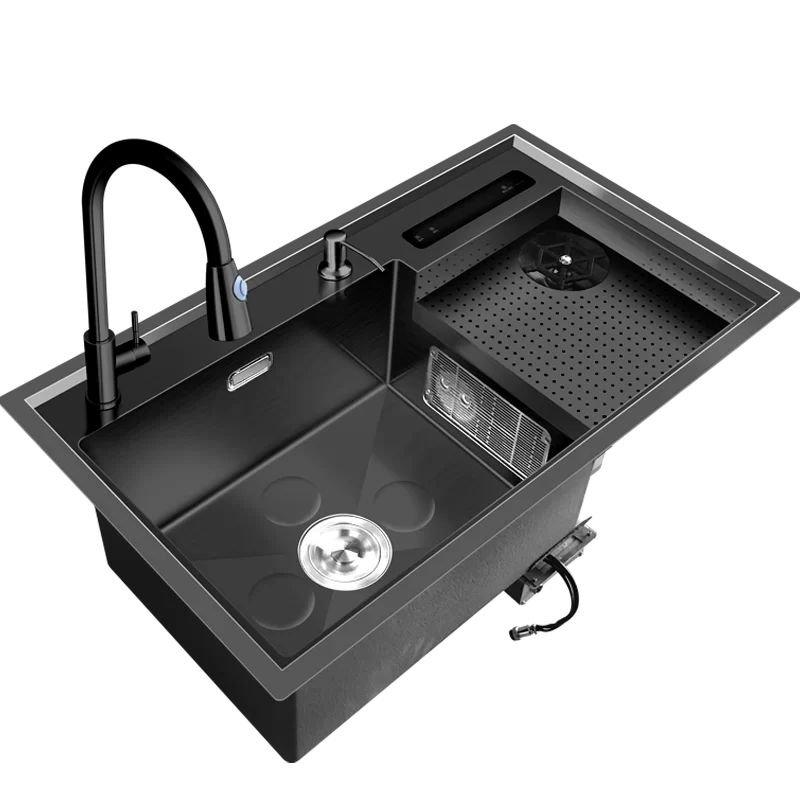
In the heart of every home, the kitchen sink stands as a testament to both functionality and design. Among the myriad options available, the top mount single bowl kitchen sink consistently emerges as a preferred choice for homeowners seeking a harmonious blend of practicality, ease of installation, and modern aesthetics. This particular configuration, often referred to as a "drop-in" sink, is characterized by its rim resting on top of the countertop, making it a versatile and forgiving option for various kitchen styles and renovation projects. Its singular, expansive basin provides unparalleled space for tackling larger kitchen tasks, from soaking oversized pots and pans to accommodating an entire stack of dinner plates. For many, the simplicity of a single basin streamlines dishwashing and food preparation, transforming what could be a cluttered chore into an efficient workflow. As we delve deeper, we'll explore why this staple fixture isn't just a utilitarian necessity but a pivotal design element capable of enhancing the efficiency and aesthetic appeal of your culinary domain. From the material science behind its resilience to the meticulous craftsmanship that defines its appeal, understanding the nuances of a premium top mount single bowl kitchen sink is key to making an informed decision that will serve your household for years to come. This comprehensive guide aims to shed light on every facet, ensuring you select a sink that truly elevates your kitchen experience.
The Unrivaled Practicality: Data-Driven Insights into Single Bowl Sink Adoption
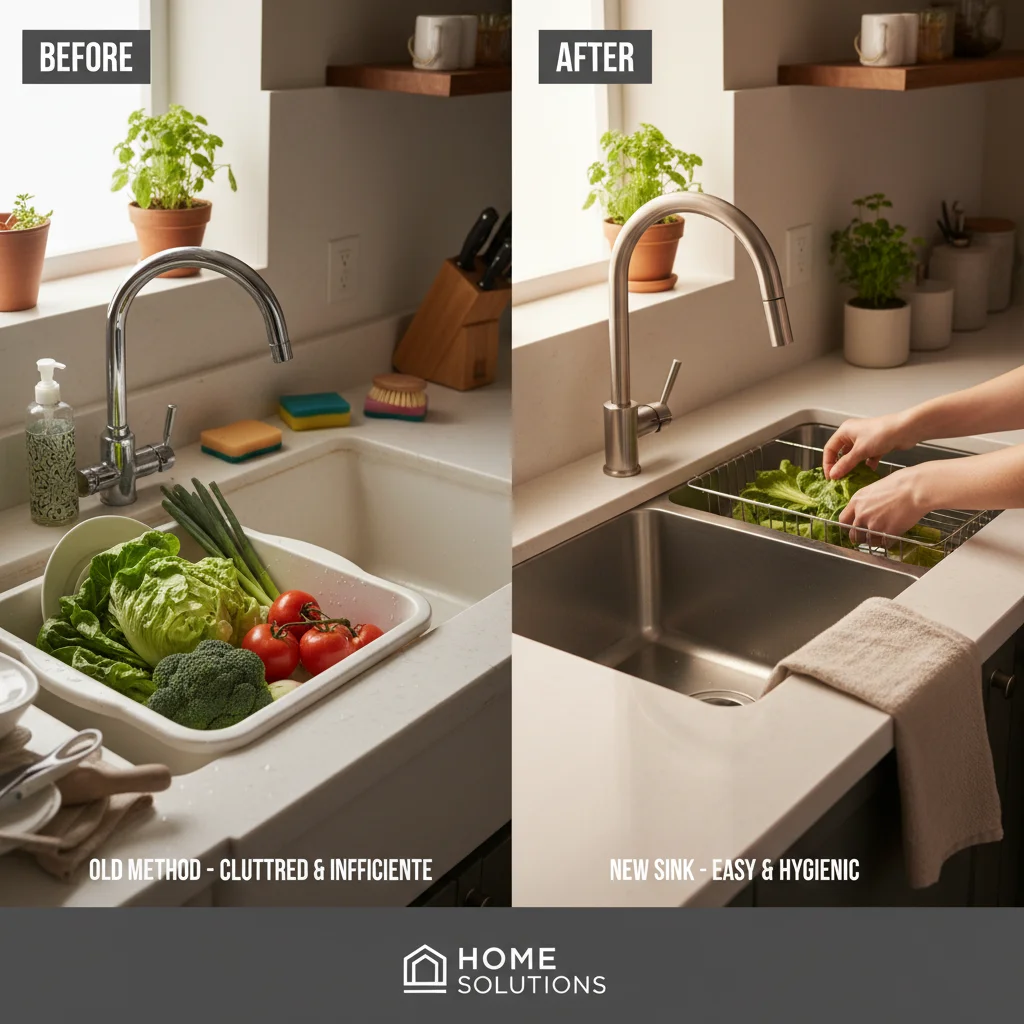
The ascendancy of the single bowl kitchen sink is not merely anecdotal; it's a trend supported by compelling data reflecting modern homeowner priorities. Recent industry analyses indicate that over 60% of new kitchen installations now feature a single basin configuration, a significant shift from the dual-bowl dominance of previous decades. This surge is primarily driven by an increasing demand for practical functionality and simplified maintenance. A large single bowl offers an unobstructed expanse, ideal for washing oversized baking sheets, woks, or even small pets – tasks often cumbersome or impossible in compartmentalized double sinks. User satisfaction surveys frequently highlight "ease of cleaning" as a paramount benefit, with approximately 75% of single bowl owners reporting less effort in keeping their sink spotless due to fewer seams and corners for grime to accumulate. Furthermore, in kitchens where space optimization is critical, a single bowl can appear less cluttered, contributing to a more expansive feel, particularly in smaller urban dwellings where every inch counts. Economically, while initial material costs can vary, the long-term operational savings related to efficient water usage (filling one large basin versus two smaller ones for soaking) and reduced cleaning time contribute to its overall value proposition. The sheer versatility it offers, transforming from a simple washing station into a food preparation hub when paired with accessories like cutting boards or drying racks, underscores its adaptability to diverse culinary routines. This data unequivocally illustrates that the preference for a single, generous basin is rooted in a pragmatic understanding of contemporary kitchen demands, prioritizing unhindered space and straightforward utility above all else.
Beyond Aesthetics: Decoding the Technical Advantages and Material Innovations
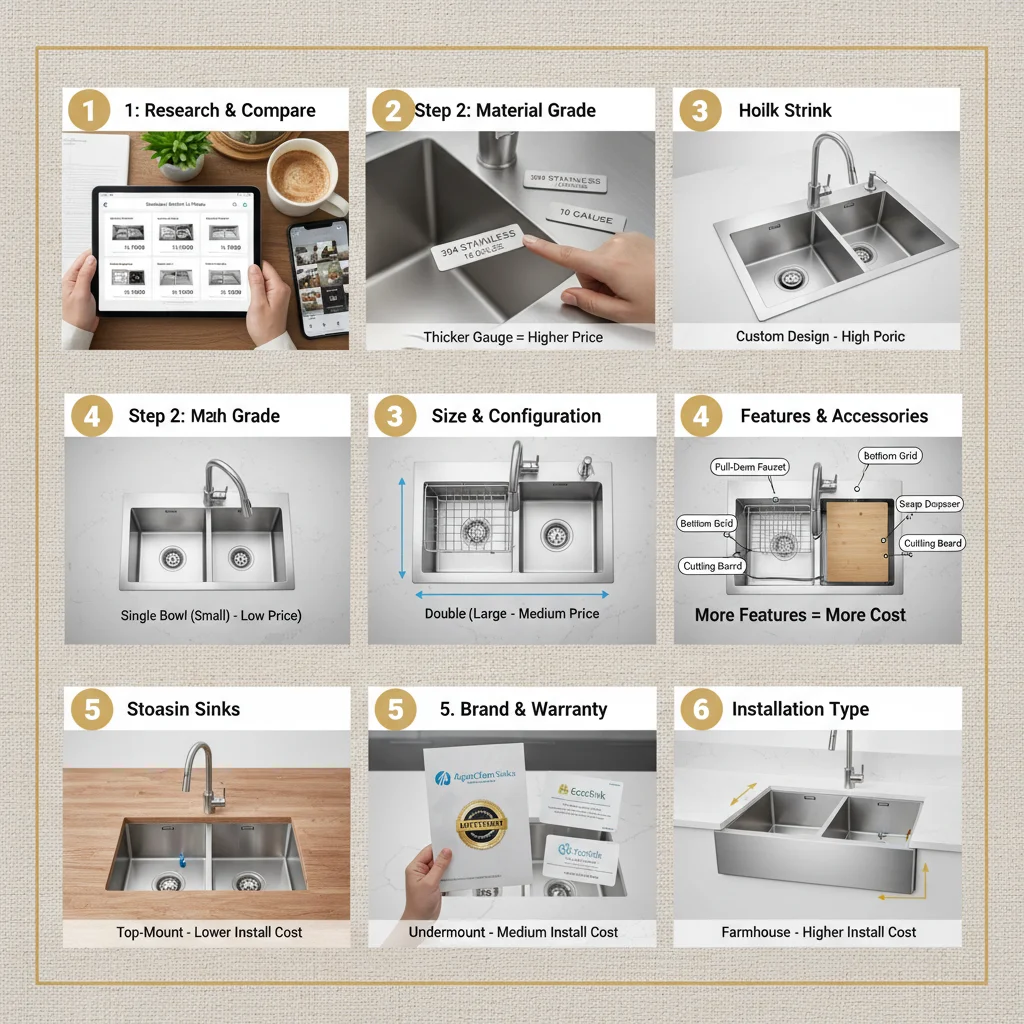
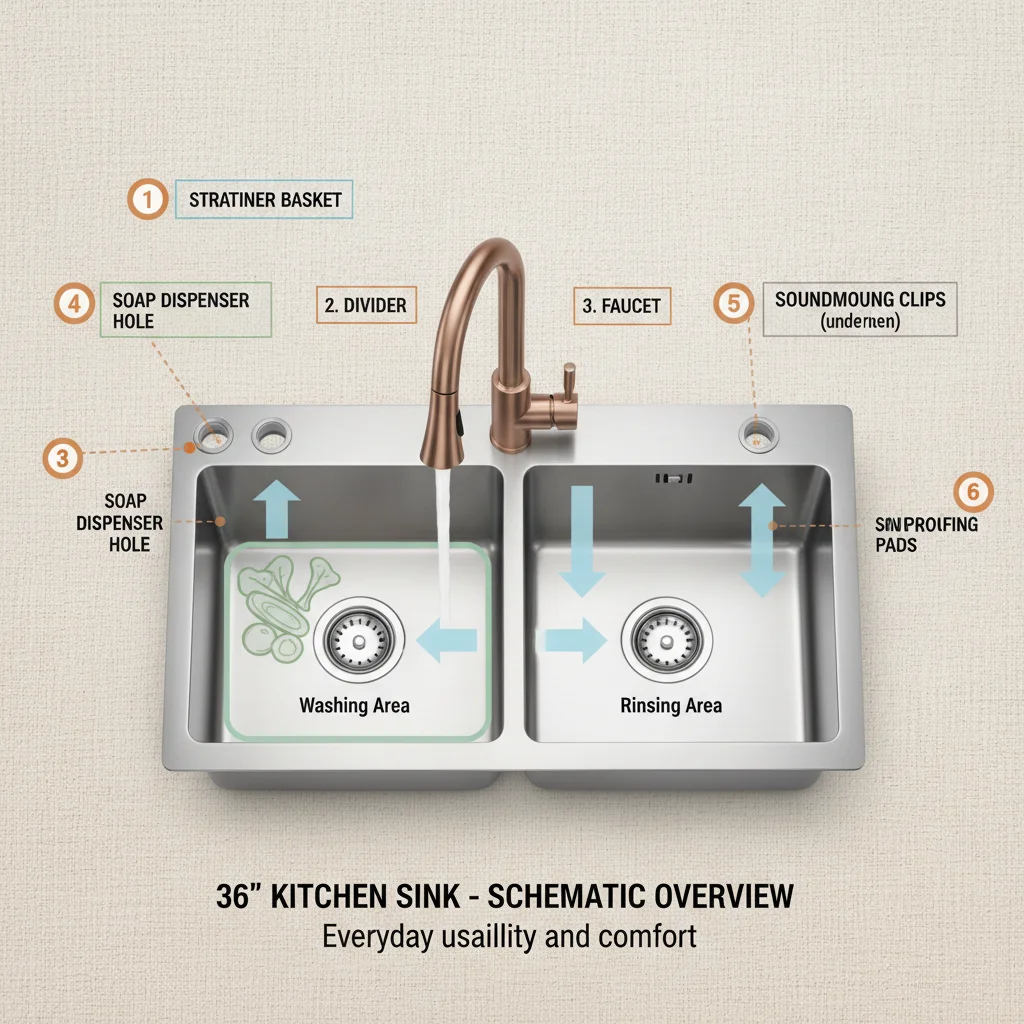
While visual appeal plays a role, the true value of a kitchen sink lies in its technical specifications and the advanced materials used in its construction. Modern single bowl sinks are engineered for longevity and performance. Stainless steel remains a powerhouse, with gauges ranging from 16 to 18 being industry standards for durability and resistance to denting; a lower gauge signifies thicker steel, offering superior resilience. Premium stainless steel, often T-304 grade, provides excellent corrosion resistance and maintains its luster for decades. Beyond stainless, granite composite sinks are gaining traction, boasting exceptional resistance to scratches, chips, and heat (often withstanding temperatures up to 536°F or 280°C), while offering a quieter dishwashing experience due to their dense composition. Fireclay sinks, known for their classic farmhouse aesthetic, are incredibly robust, created by firing ceramic clay at extremely high temperatures, resulting in a non-porous, highly durable surface resistant to acids, alkalis, and scratches. Technical design elements also contribute significantly. Sound dampening technology, typically achieved through strategically placed rubber pads and an undercoating spray, reduces noise from clattering dishes and water flow by up to 80%, transforming the kitchen environment. Optimized drain placement, often rear-set, maximizes usable basin space and improves drainage efficiency, preventing pooling. Furthermore, the radius of the corners — from very tight (zero-radius) for a sleek, modern look to slightly more rounded for easier cleaning — impacts both aesthetics and maintenance. The top-mount installation itself offers a distinct technical advantage: it’s more forgiving on countertop cuts, making DIY installation feasible for the experienced homeowner and reducing labor costs for professionals compared to undermount alternatives. These detailed technical considerations ensure that a quality single bowl sink is not just a fixture, but a high-performance appliance engineered for the rigors of daily kitchen life.
Crafting Your Culinary Command Center: Customization and Accessory Ecosystems
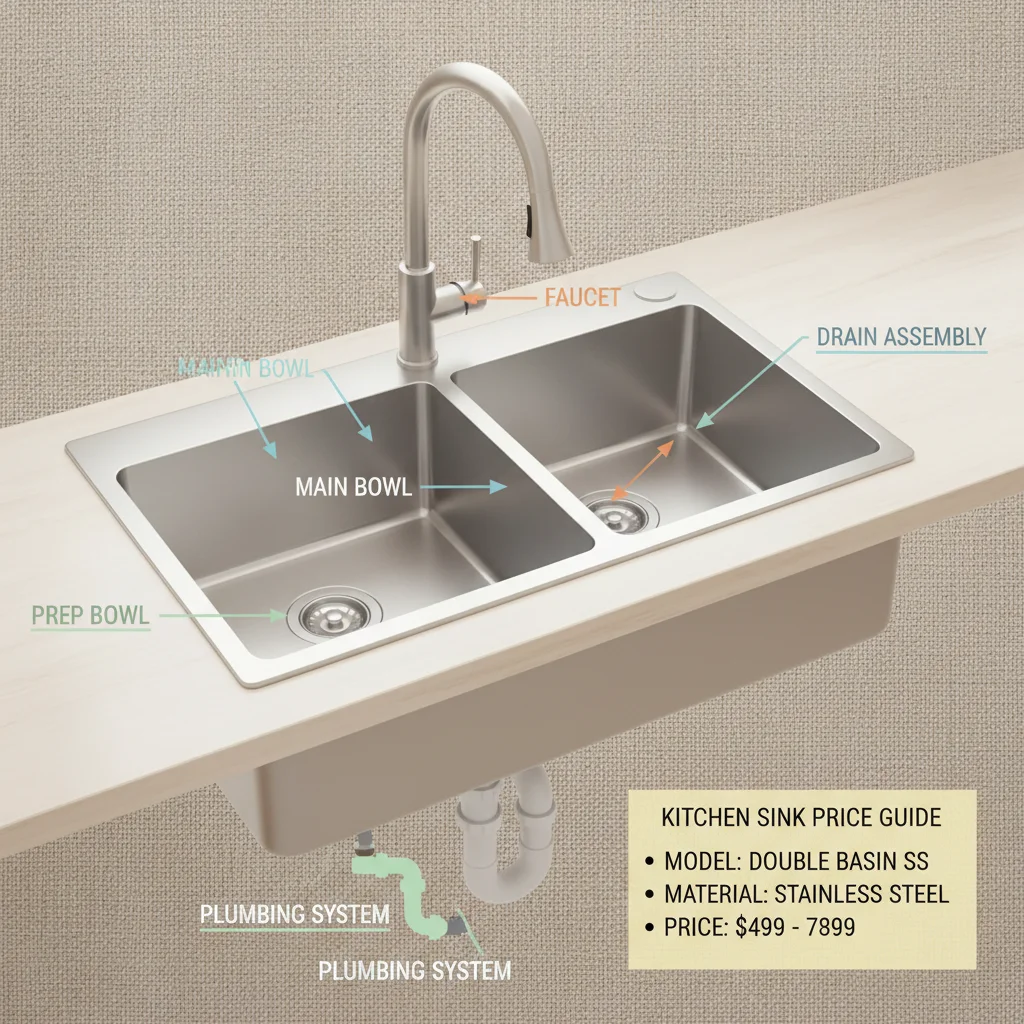
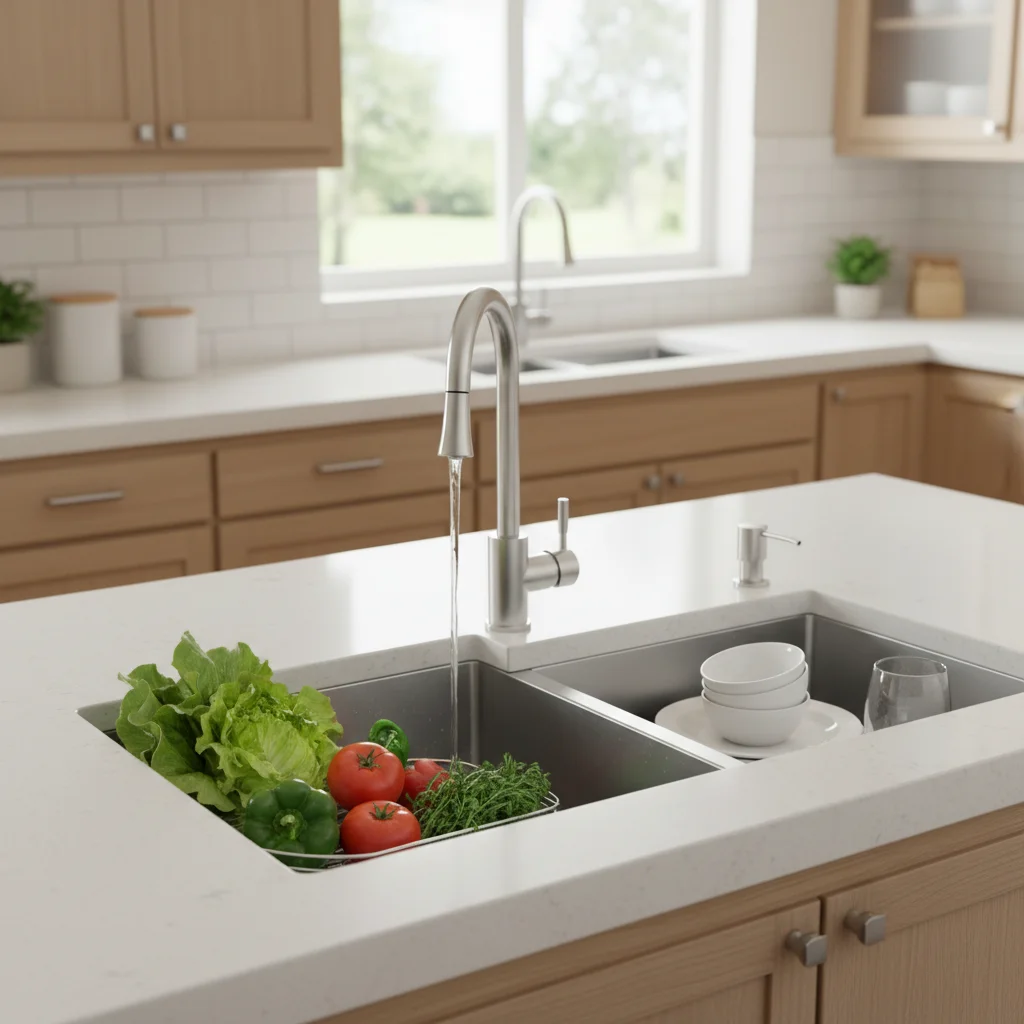
A single bowl kitchen sink is not just a basin; it's the foundation for a highly customizable and efficient culinary workspace. The beauty of a single large basin lies in its adaptability, allowing for a personalized setup that caters precisely to your cooking habits. Drain placement offers a subtle but significant customization: a rear-offset drain frees up under-cabinet space for larger waste disposals or storage, while a center drain is standard. The number of faucet holes (typically 1 to 5) dictates not only your faucet choice but also the integration of accessories like soap dispensers, air gaps for dishwashers, or hot water dispensers, effectively creating a multi-functional hub. Beyond the sink itself, a rich ecosystem of accessories transforms its utility. Custom-fit bottom grids protect the sink's surface from scratches and allow water to drain freely beneath dishes. Integrated cutting boards, often made of bamboo or composite, slide over the sink, instantly expanding countertop space and facilitating direct food prep into the basin for easy cleanup. Roll-up drying racks offer a convenient spot for delicate items or produce, neatly stowing away when not in use. Colanders designed to sit flush with the sink's rim make rinsing vegetables a breeze. Some advanced models even feature integrated workstation ledges, allowing accessories to slide along the sink's interior, creating dynamic layers for food preparation, washing, and drying within the sink itself. This level of customization ensures that whether you're a gourmet chef or a minimalist home cook, your single bowl sink can be precisely configured to enhance efficiency, reduce clutter, and reflect your personal culinary style, turning a simple utility into the ultimate command center.
Real-World Resilience: Application Cases and Transformative Installations
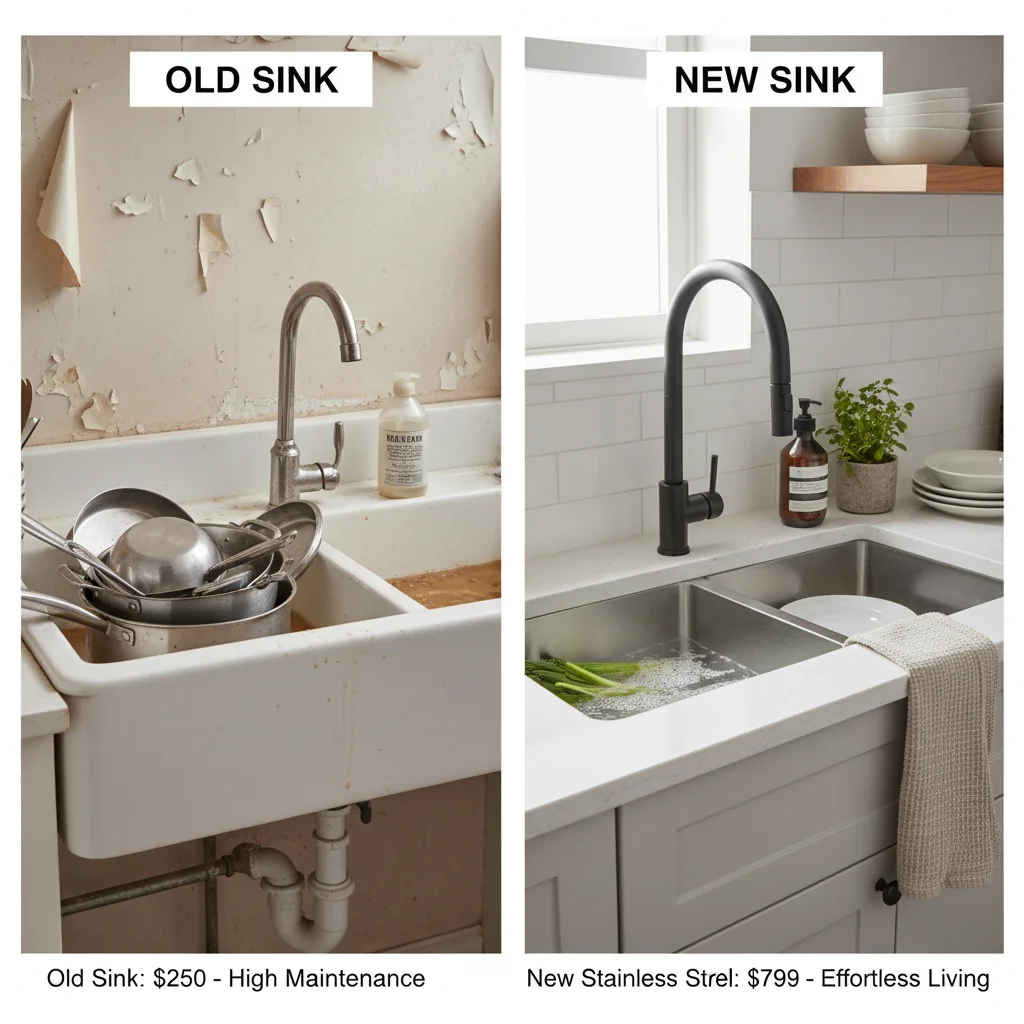
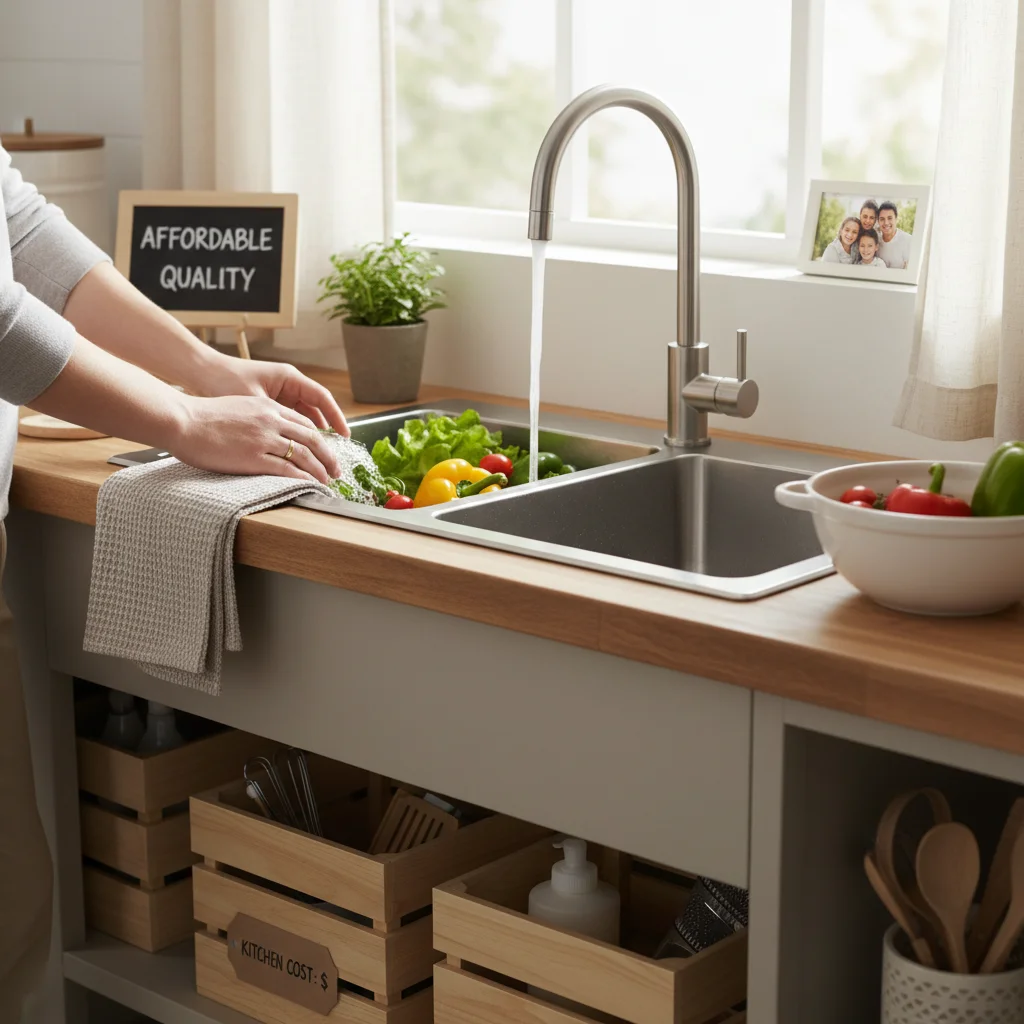
The versatility and enduring appeal of a single bowl sink are best illustrated through its diverse application in various real-world settings. In a compact urban apartment, a top mount single bowl kitchen sink maximizes limited counter space, providing ample room for daily washing without the spatial imposition of a double basin. Its streamlined presence contributes to an open, uncluttered aesthetic, crucial in smaller kitchens where every visual element impacts the perceived size of the room. For a bustling family home, the large capacity of a single bowl proves invaluable. Parents can easily wash large pots from family dinners, soak an entire load of baby bottles, or even bathe a small child without needing to awkwardly maneuver around a divider. The ability to handle voluminous items simplifies post-meal cleanup, making the kitchen a more functional and less stressful environment. Furthermore, single bowl sinks are increasingly chosen for utility rooms or laundry areas. Here, their deep basin is perfect for pre-soaking heavily soiled clothing, washing garden tools, or even grooming pets, tasks that would quickly overwhelm a standard bathroom or double kitchen sink. The top-mount installation method also makes it an ideal choice for quick renovations or replacements. For example, homeowners looking to upgrade an outdated laminate countertop can easily drop in a new top mount single bowl sink without needing precise, professional cuts often required for undermount installations. This accessibility, combined with their robust construction and varied material options, ensures that these sinks are not just functional fixtures but transformative elements that adapt to and enhance the specific demands of any household, proving their resilience and adaptability across a spectrum of applications from minimalist modern kitchens to hardworking utility spaces.
Making the Informed Choice: Securing Your Ideal Top Mount Single Bowl Kitchen Sink
The journey to selecting the perfect kitchen sink culminates in an informed decision that balances aesthetics, functionality, and budget. As we’ve explored, the top mount single bowl kitchen sink offers a compelling array of advantages, from its generous basin capacity to its straightforward installation. Understanding the nuances of material science—whether it's the robust durability of 16-gauge stainless steel, the quiet elegance of granite composite, or the classic charm of fireclay—is crucial for aligning your sink choice with your lifestyle and culinary habits. The technical features, such as advanced sound dampening and intelligently designed drainage, contribute significantly to the daily user experience, transforming mundane chores into more pleasant tasks. Moreover, the rich customization options and the expanding ecosystem of accessories allow you to tailor your sink into a highly efficient and personalized workstation, reflecting your unique needs. By considering reputable manufacturers and leveraging comparative data, you can confidently navigate the market. Ultimately, the right top mount single bowl kitchen sink is more than just a place to wash dishes; it's an investment in the efficiency, beauty, and lasting enjoyment of your home's most vital space, promising years of reliable service and effortless functionality. Choose wisely, and your kitchen will thank you.
Frequently Asked Questions about Top Mount Single Bowl Kitchen Sinks
Here are some common questions to help you understand top mount single bowl kitchen sinks better:
1. What are the main advantages of a top mount single bowl kitchen sink over a double bowl?
A single bowl sink offers a larger, uninterrupted basin space, ideal for washing oversized pots, pans, and baking sheets that often don't fit in divided sinks. It also generally simplifies cleaning due to fewer corners and seams, and can give a kitchen a more open and less cluttered appearance.
2. What materials are commonly used for top mount single bowl kitchen sinks, and which is best?
Common materials include stainless steel (popular for durability and affordability), granite composite (known for heat, scratch, and stain resistance, plus quiet operation), and fireclay (valued for its classic look and extreme durability). The "best" material depends on your priorities regarding budget, aesthetics, maintenance, and specific usage.
3. Is a top mount single bowl kitchen sink difficult to install?
No, top mount (or drop-in) sinks are generally considered easier to install than undermount sinks. Their rim rests on the countertop, providing a forgiving edge for imperfect countertop cuts. Many homeowners with basic DIY skills can perform the installation, reducing professional labor costs.
4. How do I maintain my stainless steel top mount single bowl kitchen sink to prevent scratches and water spots?
To maintain a stainless steel sink, regularly clean it with a mild soap and warm water, always wiping with the grain of the finish. Avoid abrasive scrubbers or harsh chemicals. For water spots, use a vinegar-water solution. A bottom grid can help prevent scratches from heavy pots and pans.
5. What is the ideal gauge for a stainless steel top mount single bowl kitchen sink?
For stainless steel, a lower gauge indicates thicker steel, which translates to greater durability, dent resistance, and sound dampening. 16-gauge is generally considered premium, offering excellent performance, while 18-gauge is a very good and common choice for residential use.
6. Can I replace my old double bowl sink with a new top mount single bowl kitchen sink?
Yes, often you can. You'll need to ensure the new single bowl sink's dimensions (especially the outer rim and basin size) are compatible with your existing countertop cutout. Measurements of your current sink's opening and the new sink's template are critical to ensure a proper fit.
7. Are there any specific accessories recommended for a top mount single bowl kitchen sink?
Absolutely! Recommended accessories include a custom-fit bottom grid to protect the sink surface, a roll-up drying rack to expand countertop space, an in-sink colander for food prep, and a matching soap dispenser for convenience and a cohesive look.