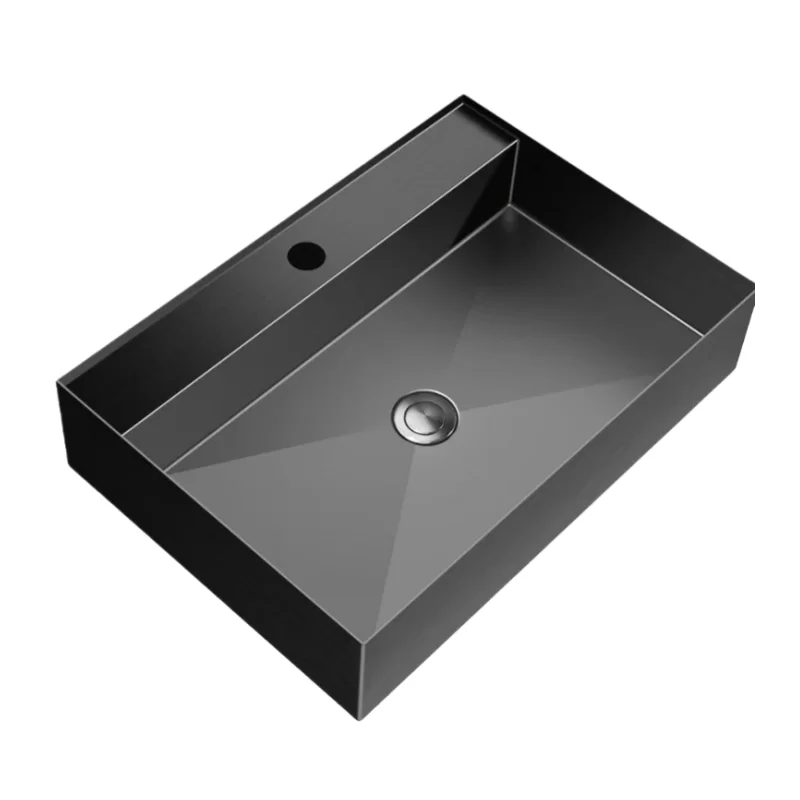
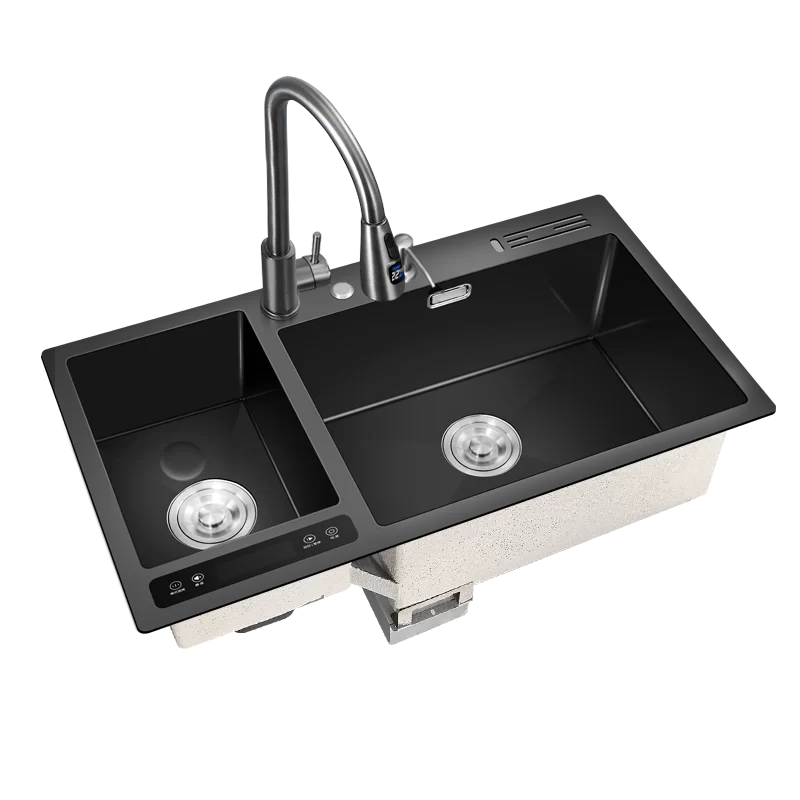
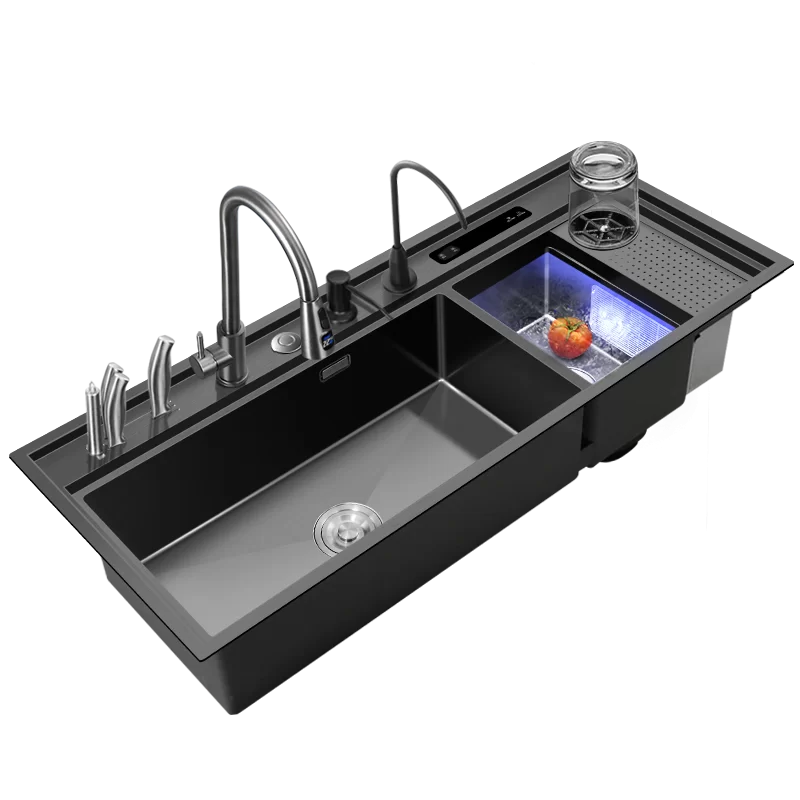
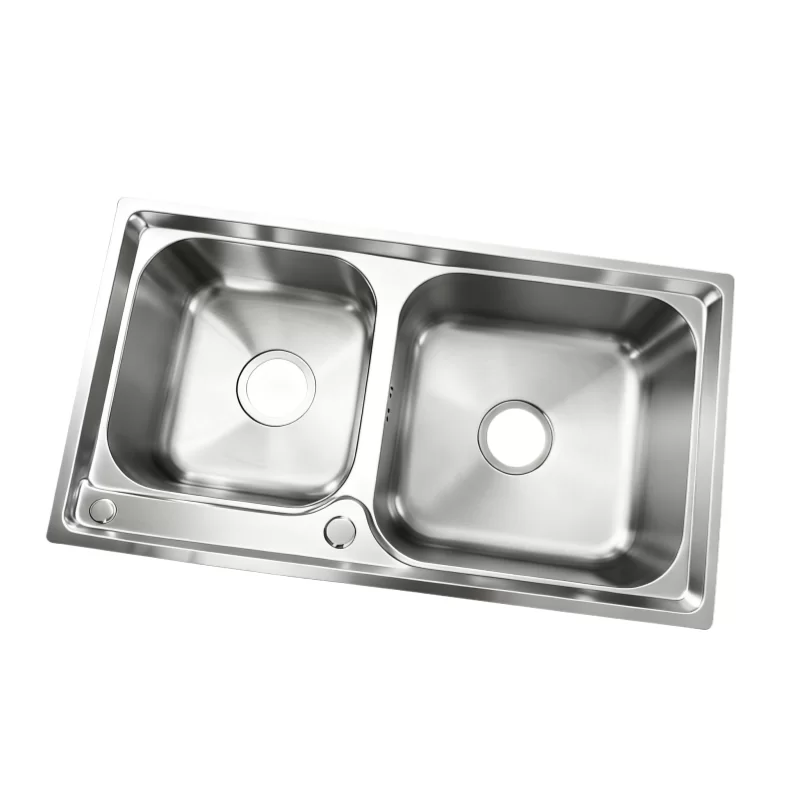
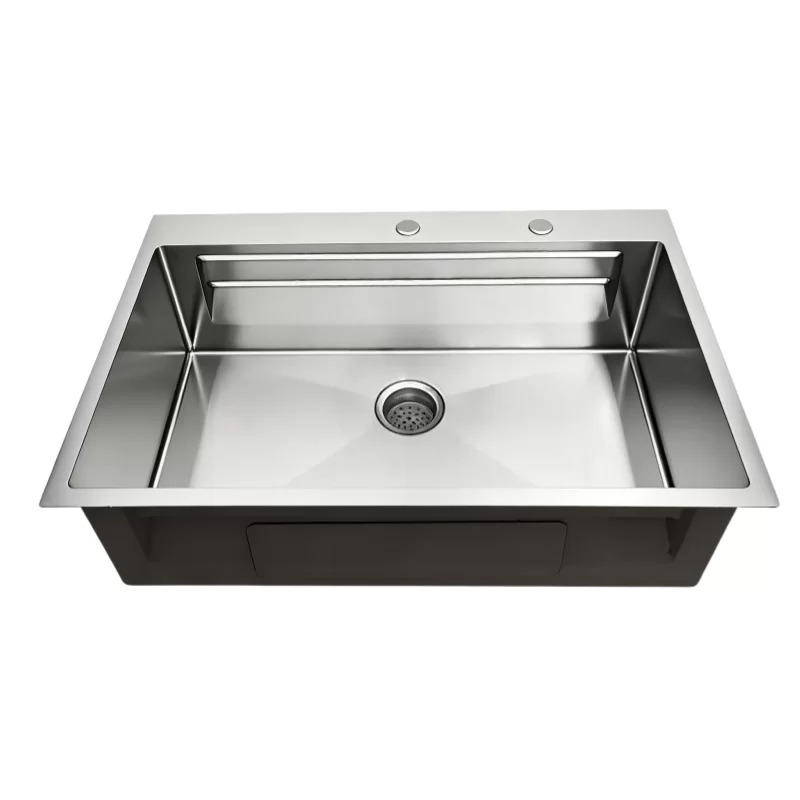
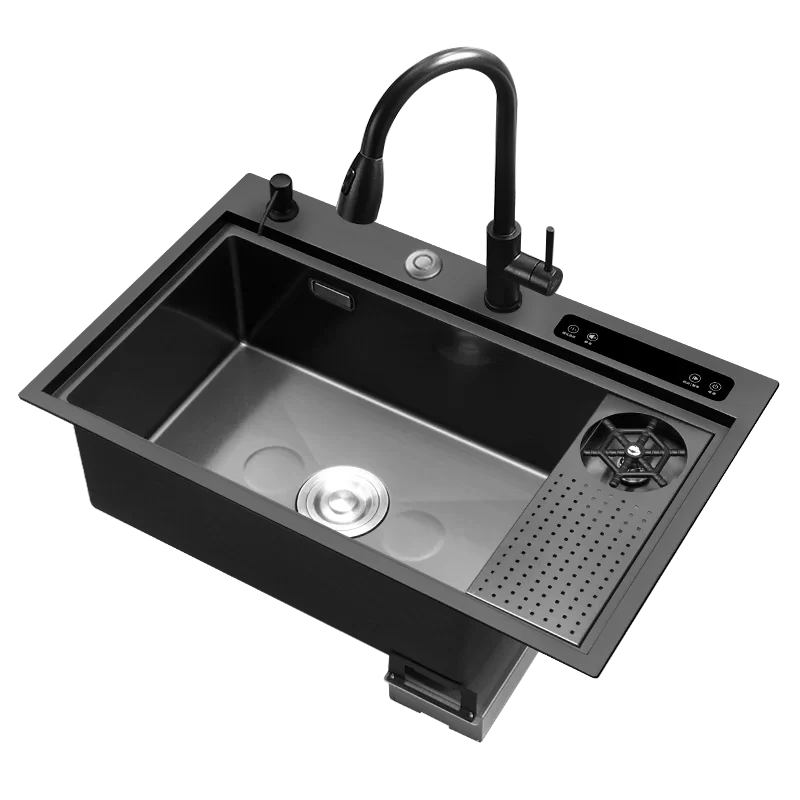
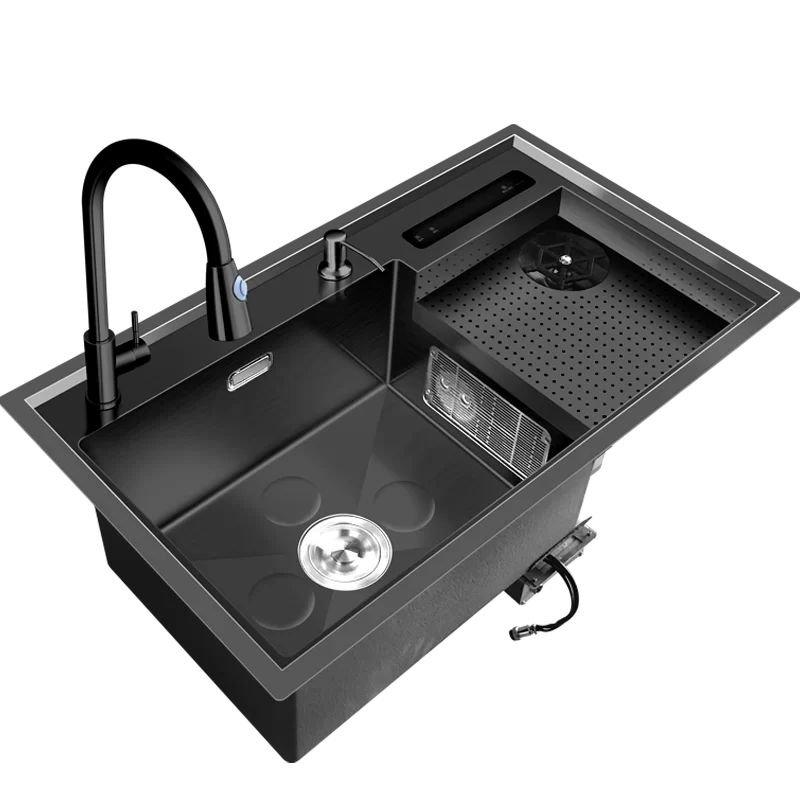
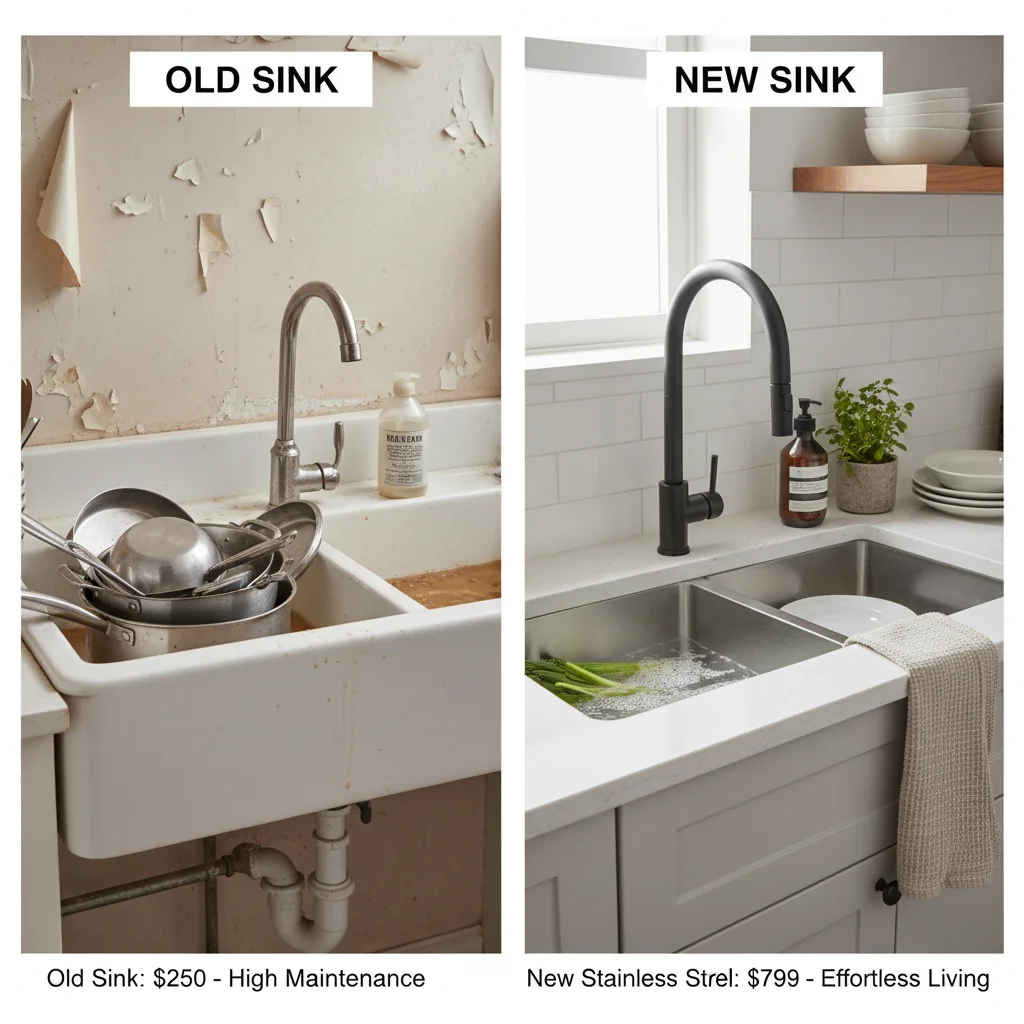
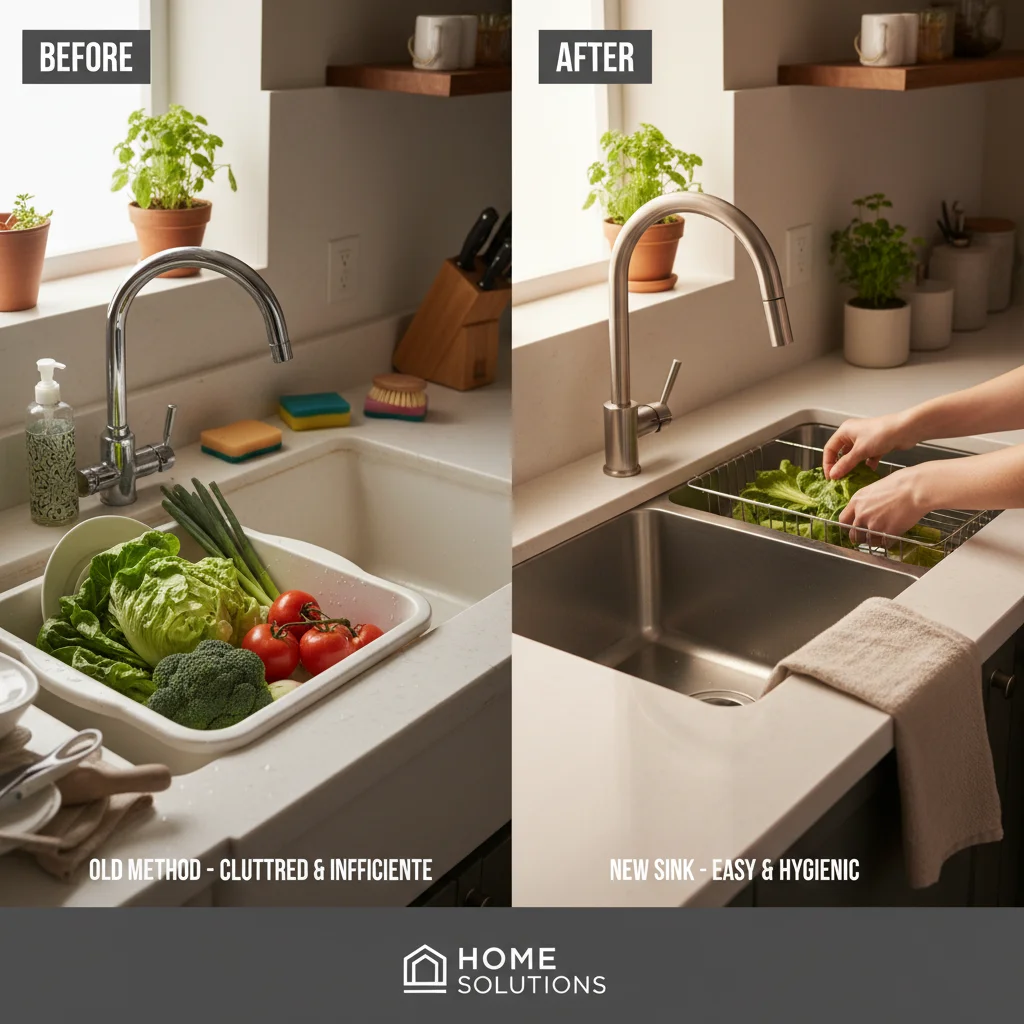
In the realm of modern kitchen design, few fixtures combine utilitarian functionality with sleek aesthetics as effectively as the stainless steel double bowl undermount sink. This essential kitchen component has transcended its basic purpose to become a cornerstone of contemporary culinary spaces, revered for its robust durability, hygienic properties, and seamless integration into various countertop materials. The escalating demand for these sinks is not merely a trend but a reflection of their proven performance and the evolving expectations of homeowners and professional designers alike. With kitchen renovations seeing an average investment increase of 15% annually over the past five years, discerning consumers are prioritizing fixtures that offer long-term value and enhance both the visual appeal and operational efficiency of their cooking areas.
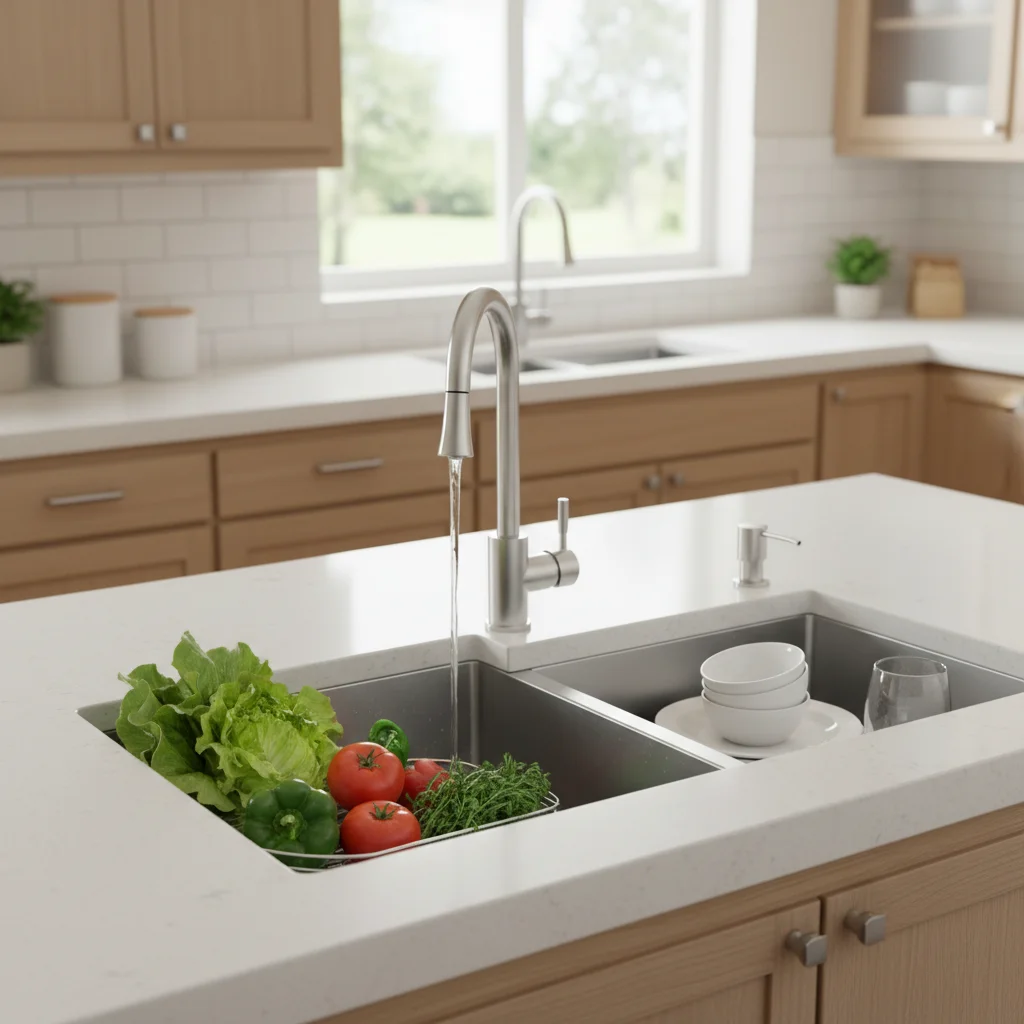
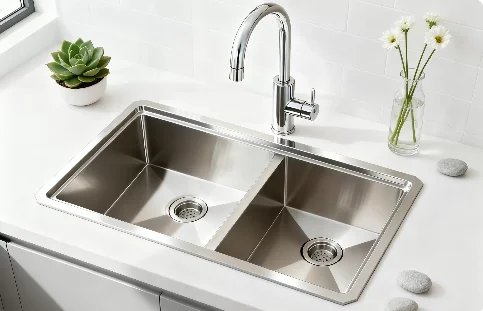
The choice of a double bowl configuration is particularly significant, providing unparalleled versatility for multitasking. Imagine the ease of defrosting produce in one basin while washing dishes in the other, or soaking a large pot simultaneously with routine handwashing. This inherent flexibility dramatically streamlines kitchen workflows, reducing preparation and cleanup times. Furthermore, the undermount installation, a signature feature, eradicates the rim that typically traps debris with top-mount sinks, facilitating effortless countertop cleaning and presenting an unbroken, elegant surface. This seamless transition from countertop to basin not only contributes to a minimalist aesthetic but also reinforces the commitment to hygiene in a food preparation environment. From bustling family kitchens to high-end gourmet culinary studios, the stainless steel double bowl undermount sink represents an intelligent synthesis of form and function, embodying an investment in both daily convenience and enduring style.
Unpacking the Technical Superiority and Durability of Premium Stainless Steel Sinks
The inherent strength and longevity of a stainless steel sink are largely dictated by its material composition and manufacturing precision. At the core of a premium sink lies 304 grade stainless steel, an alloy renowned for its exceptional resistance to corrosion, rust, and staining. This specific grade contains a minimum of 18% chromium and 8% nickel, providing a protective oxide layer that naturally repels corrosive agents commonly found in kitchen environments, such as acidic foods and cleaning chemicals. Lower grades, like 201 stainless steel, may offer a superficial resemblance but lack the crucial nickel content, rendering them significantly more susceptible to pitting and degradation over time. Industry data indicates that 304-grade stainless steel sinks demonstrate a 30% longer lifespan in high-use domestic settings compared to their 201-grade counterparts.
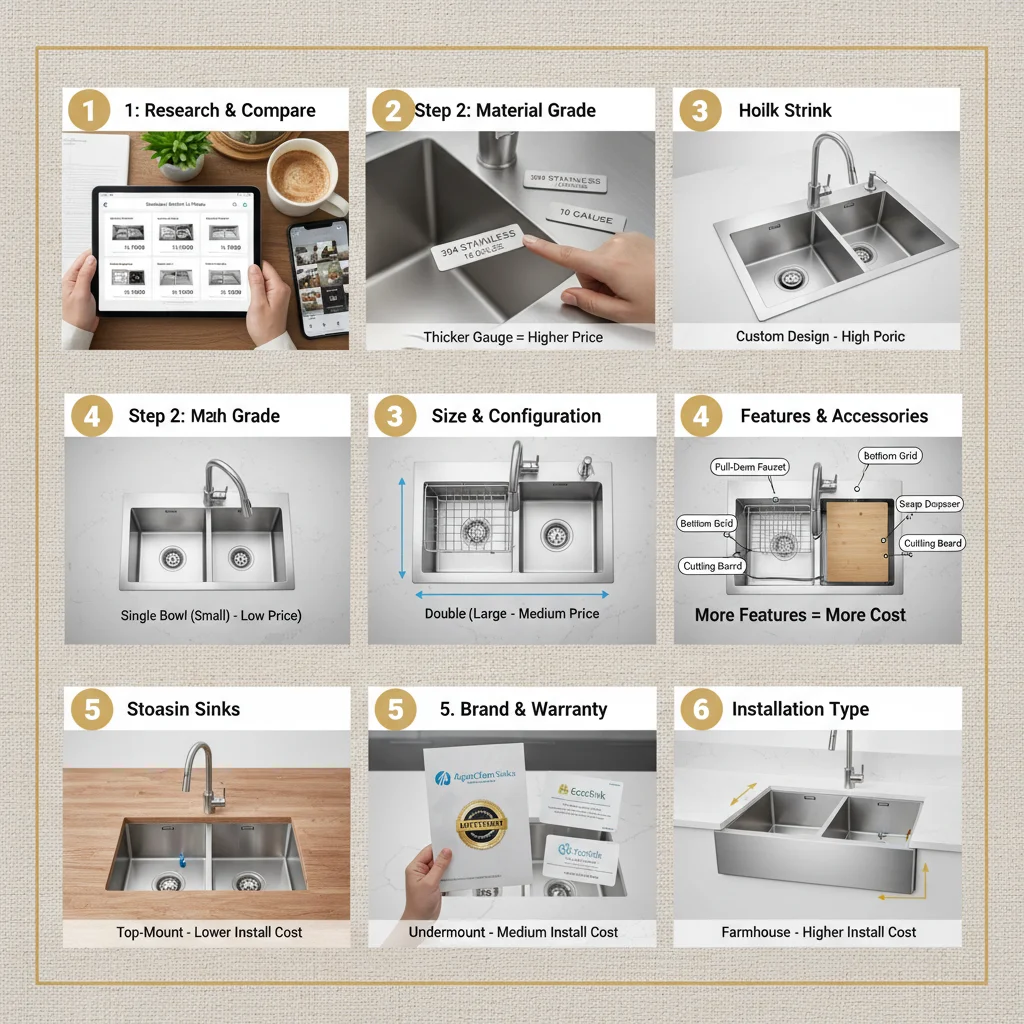
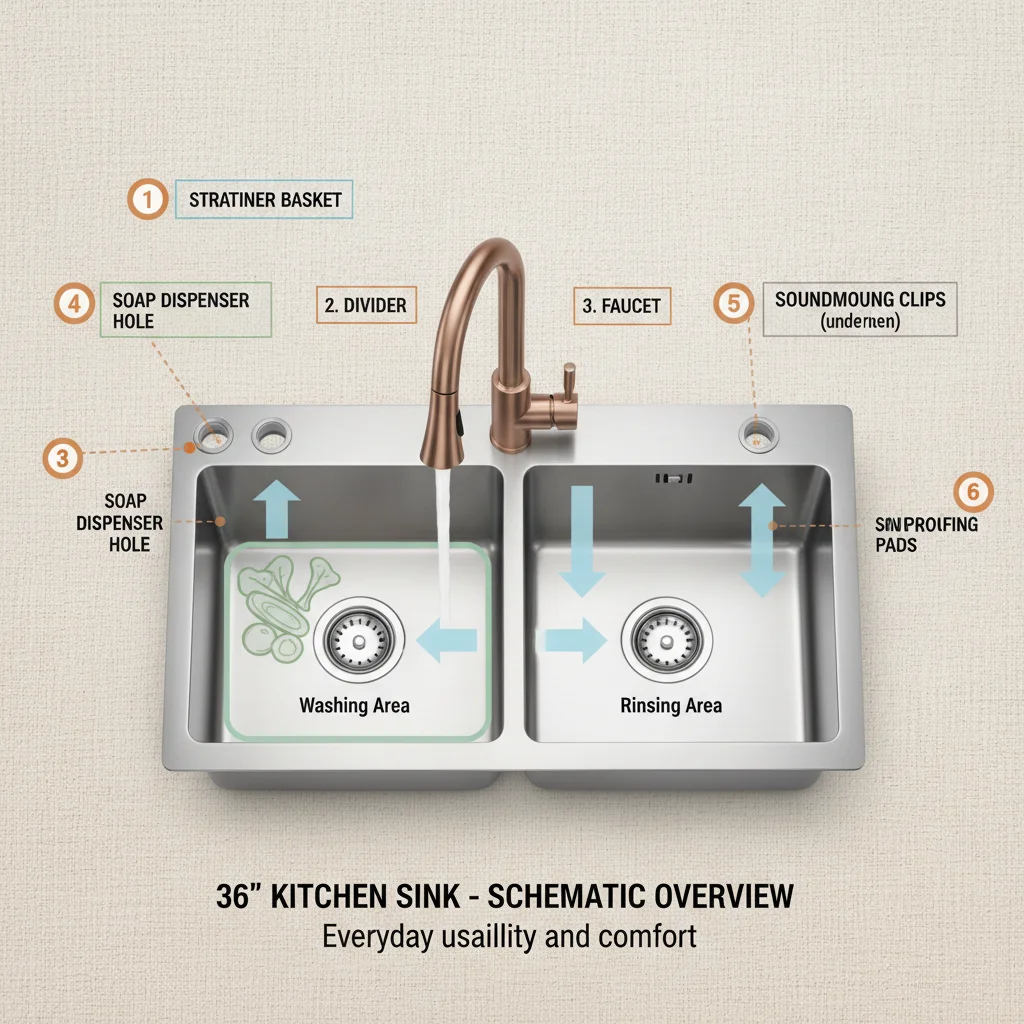
Beyond material, the gauge of the stainless steel is a critical indicator of durability. Gauge refers to the thickness of the steel, with lower numbers denoting thicker material. A 16-gauge sink (approximately 0.0625 inches thick) represents the pinnacle of residential quality, offering superior resistance to dents and warping under heavy use. While 18-gauge (0.05 inches) is also a robust choice, 20-gauge or thinner materials, though more economical, are prone to flexing, noise, and damage from dropped cookware. High-quality sinks also incorporate sophisticated sound dampening technology, typically comprising thick rubber pads adhered to the exterior of the bowls and an insulating undercoating. This significantly reduces the clang associated with washing dishes and the noise of running water, contributing to a quieter kitchen environment. Furthermore, features such as sloped bottoms for efficient drainage and gently curved corners for easier cleaning are hallmarks of superior engineering, ensuring both functionality and simplified maintenance.
Optimizing Workflow: Functional Design and Ergonomics for the Modern Kitchen
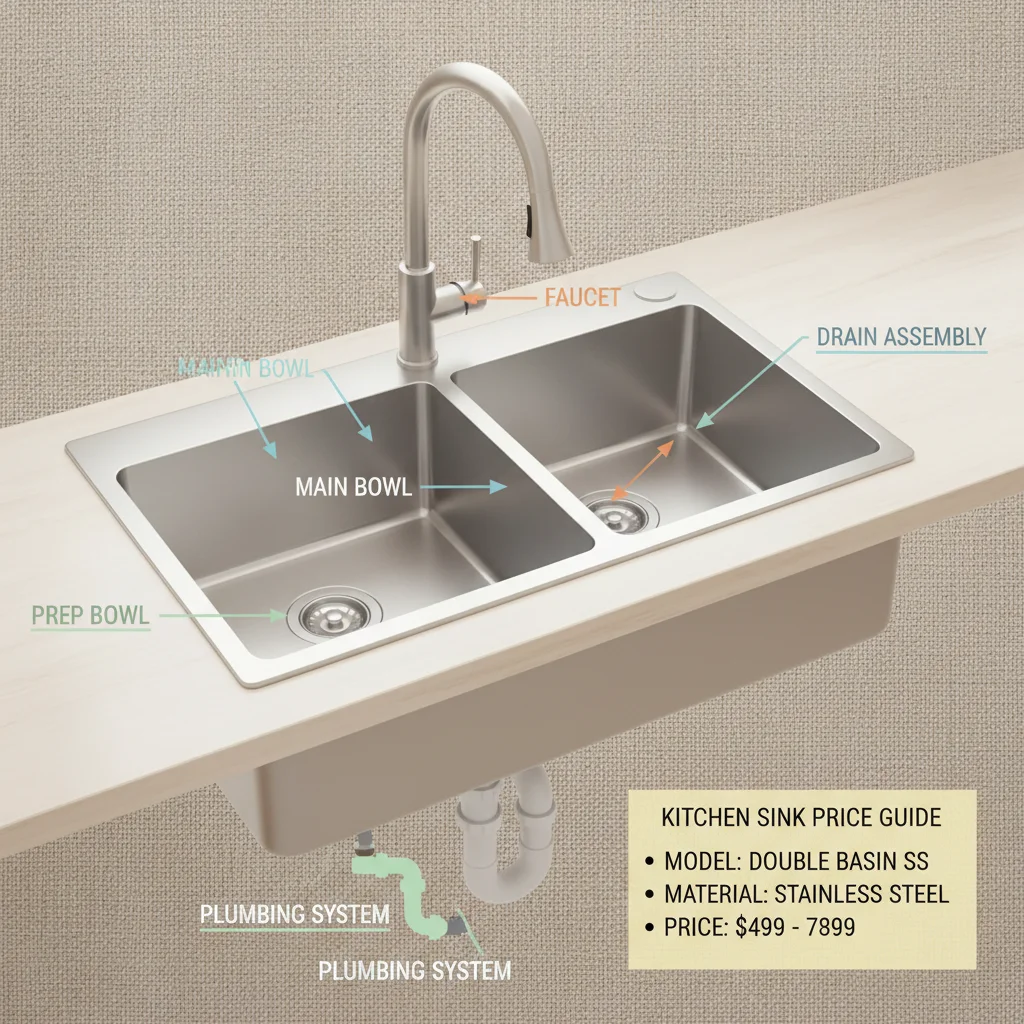
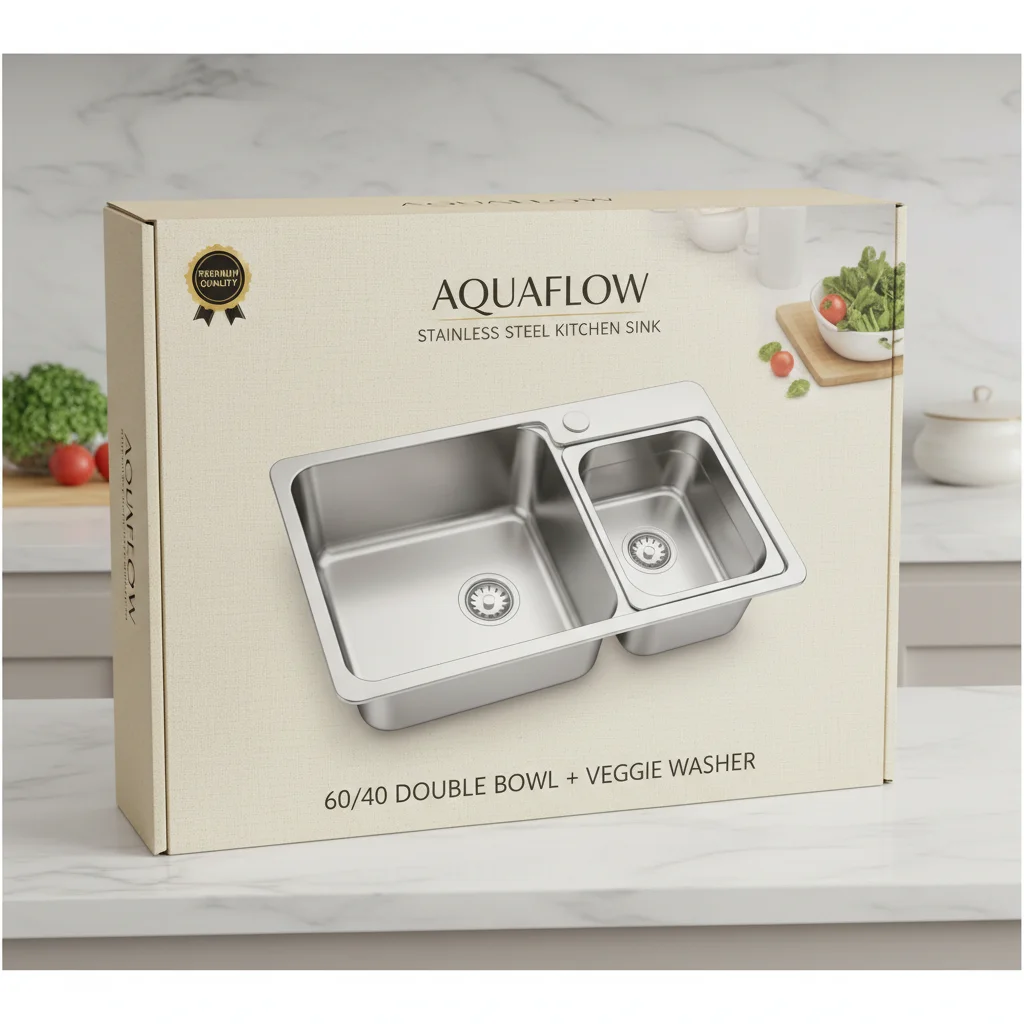
The design of a kitchen sink extends far beyond its material and installation type; it fundamentally influences daily kitchen ergonomics and workflow efficiency. A well-designed stainless steel double bowl undermount sink incorporates features that intuitively enhance user experience. Consider the dimensions and depth of the bowls. While standard depths range from 8 to 10 inches, deeper bowls (10+ inches) are increasingly popular for accommodating large pots, baking sheets, and even small pets, minimizing splashing onto countertops. The separation of two bowls, often a 50/50 split or a 60/40 offset, allows for simultaneous tasks without cross-contamination or interruption. For example, a 60/40 configuration allows a larger basin for dishwashing or pot cleaning and a smaller one for rinsing vegetables or waste disposal.
Beyond basic dimensions, thoughtful design elements like offset drains are crucial. Instead of being centered, an offset drain is typically positioned towards the rear or side of the bowl. This seemingly minor detail creates a larger usable flat surface at the bottom of the sink, allowing cookware to be placed without obstructing drainage and maximizing under-sink cabinet space for plumbing and storage. Tight radius corners, a hallmark of modern sink design, offer a crisp aesthetic while still being rounded enough to facilitate cleaning, preventing the accumulation of grime that can plague sharper, 90-degree corners. Furthermore, integrated accessories such as custom-fit cutting boards, roll-up drying racks, and protective bottom grids transform the sink into a versatile workstation, elevating it from a simple washing station to a multi-functional culinary hub. These elements collectively contribute to a kitchen where every motion is optimized and every task feels more natural and less cumbersome.
Strategic Manufacturer Selection and Market Comparison for Undermount Sinks
Navigating the diverse market for stainless steel undermount sinks requires a strategic approach, as quality and features can vary significantly between manufacturers. Selecting the right brand involves evaluating several critical criteria, including material gauge, finish quality, sound dampening effectiveness, warranty provisions, and overall value. A robust manufacturer not only delivers on these technical specifications but also provides excellent customer support and a history of reliable product performance. Below is a comparative analysis of hypothetical manufacturers, highlighting key differentiating factors:
Key Manufacturer Comparison: Choosing Your Ideal Stainless Steel Sink
Feature | Brand A (Premium) | Brand B (Mid-Range) | Brand C (Value) |
Material Gauge | 16-gauge 304 SS | 18-gauge 304 SS | 18-gauge 201 SS |
Finish Quality | Brushed Satin (commercial grade) | Brushed Satin (standard) | Polished (prone to scratches) |
Sound Dampening | Extensive rubber pads & full undercoating | Moderate rubber pads & partial undercoating | Minimal pads, no undercoating |
Warranty | Limited Lifetime | 10-Year Limited | 5-Year Limited |
Drainage System | Offset, sloped bottom, optimized channels | Center drain, sloped bottom | Center drain, minimal slope |
Included Accessories | Bottom grids, strainers, cutting board | Strainers, some offer bottom grids | Basic strainers only |
Price Point | $$$ (High) | $$ (Medium) | $ (Low) |
User Satisfaction (Avg. Rating) | 4.8/5.0 | 4.2/5.0 | 3.5/5.0 |
This comparison illustrates that while Brand C might offer an attractive initial price, the long-term cost in terms of durability, noise, and potential need for replacement could outweigh the initial savings. Brand A, representing the premium segment, consistently delivers superior performance and a comprehensive feature set, justifying its higher price point through extended lifespan and enhanced user satisfaction. Brand B offers a balanced approach, providing solid performance for most residential applications without reaching the top-tier investment. Ultimately, the best choice aligns with the specific budget, anticipated usage, and long-term expectations of the kitchen owner. Consumer reports from independent testing agencies frequently show that brands investing in advanced sound insulation and thicker gauge materials consistently outperform competitors in terms of reducing kitchen noise by up to 40%.
Tailored Kitchen Solutions: Customization Potential of Stainless Steel Sinks
The increasing desire for personalized living spaces has extended into the kitchen, with customization becoming a significant consideration for essential fixtures like the sink. While standard sizes and configurations abound, the flexibility of stainless steel allows for remarkable customization, enabling designers and homeowners to create truly bespoke solutions. This is particularly advantageous for unique kitchen layouts, specialized culinary needs, or when aiming for a distinct aesthetic that off-the-shelf options cannot fulfill. One primary area of customization involves dimensions: sinks can be fabricated to specific lengths, widths, and depths to perfectly integrate into unusual cabinet sizes or to maximize counter space in compact kitchens. For instance, a very wide single basin or a triple-bowl configuration can be custom-ordered to accommodate specific workflows, such as a dedicated rinsing station or a separate waste disposal area.
Beyond basic sizing, surface finishes offer another layer of personalization. While brushed satin is the most popular due to its ability to hide scratches and resist fingerprints, custom options include a finer, silkier satin, a more reflective polished finish (though less forgiving of marks), or even specific textured patterns that add visual interest and tactile variation. Manufacturers can also integrate specialized features during fabrication, such as pre-drilled holes for specific faucet styles, soap dispensers, hot water taps, or water filtration systems, ensuring that all chosen fixtures fit perfectly without aftermarket modifications. Additionally, for commercial or high-traffic residential applications, custom sound dampening solutions can be engineered, using specific densities of insulation or advanced polymer coatings to achieve ultra-quiet performance. These customization avenues transform the sink from a mere utility item into a finely tuned component of a meticulously designed kitchen ecosystem, ensuring that it meets precise functional requirements and aesthetic aspirations.
Real-World Applications and Installation Advantages in Diverse Kitchen Environments
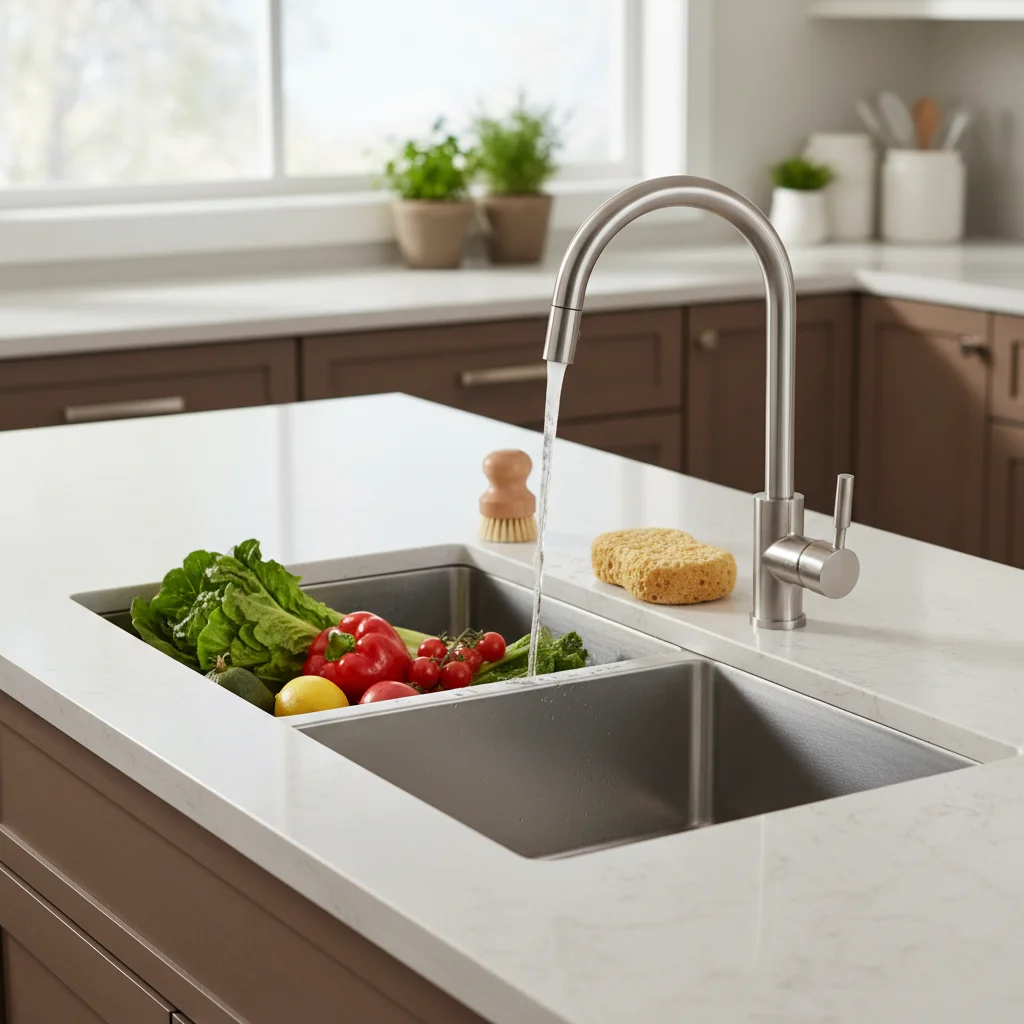
The versatility and inherent advantages of the stainless steel double bowl undermount sink make it a preferred choice across a spectrum of kitchen environments, from bustling family homes to sophisticated commercial spaces. In a residential setting, its seamless integration with solid surface countertops like granite, quartz, or marble creates an unbroken visual flow that enhances the perception of space and luxury. This undermount installation is particularly beneficial for hygiene; without an exposed rim, there are no crevices for food particles or grime to accumulate, making cleanup a simple wipe-down from countertop directly into the bowl. This ease of maintenance is a significant factor for families and those who value pristine kitchen conditions. Data from recent kitchen remodels indicates that homeowners who chose undermount sinks reported a 25% higher satisfaction rate with ease of cleaning compared to those with top-mount options.
For semi-professional or light commercial kitchens, such as those in boutique cafes, catering facilities, or culinary schools, the durability of 304-grade stainless steel and the efficiency of a double-bowl setup are invaluable. The material withstands rigorous use, heavy pots, and frequent exposure to various cleaning agents without corroding or deteriorating. The double bowls facilitate a "wash and rinse" system, crucial for maintaining health and safety standards. Furthermore, the robust nature of the material ensures compliance with many commercial sanitation guidelines. In design-centric projects, from minimalist urban lofts to expansive suburban estates, the sleek profile and timeless appeal of stainless steel seamlessly complement diverse interior aesthetics. Its neutral metallic tone allows it to harmonize with almost any color scheme or material palette, ensuring that the sink remains a classic focal point without overpowering other design elements. The longevity and adaptability of this sink type confirm its status as a foundational element in any well-conceived kitchen plan.
Making the Smart Choice: The Stainless Steel Double Bowl Undermount Sink as a Lasting Investment
Choosing a kitchen sink is not merely a functional decision; it is an investment in the long-term utility, aesthetics, and overall value of a home. The stainless steel double bowl undermount sink consistently emerges as a superior choice, delivering an unparalleled combination of durability, hygiene, and timeless design. Its construction from high-grade 304 stainless steel, typically at a resilient 16 or 18 gauge, ensures resistance against daily wear, impacts, and corrosion for decades. This robust foundation minimizes the need for frequent replacements, providing genuine cost savings over the lifespan of the kitchen. Coupled with advanced sound dampening technology and meticulously engineered drainage systems, these sinks promise a quiet and efficient workspace.
The benefits of the undermount installation are manifold: it creates a seamless transition with countertops, simplifying cleaning and eliminating grime traps, thereby promoting superior kitchen hygiene. The dual-bowl configuration enhances kitchen workflow efficiency, enabling simultaneous tasks and fostering a more organized culinary environment. From a design perspective, its sleek, understated elegance allows it to integrate flawlessly into any kitchen aesthetic, from ultra-modern to transitional. By considering material quality, technical specifications, and thoughtful design features, homeowners and designers can confidently select a sink that not only meets immediate needs but also enriches the home for years to come. Investing in a premium stainless steel double bowl undermount sink is, fundamentally, an investment in enduring quality, unparalleled functionality, and sophisticated style.
Frequently Asked Questions (FAQ) about Stainless Steel Double Bowl Undermount Sinks
1. What does "undermount" mean for a stainless steel double bowl sink?
An undermount sink is installed beneath the countertop, creating a seamless transition from the counter surface to the sink basin. This design eliminates the rim that typically sits on top of the counter, offering a sleek look and making countertop cleaning significantly easier as crumbs and liquids can be wiped directly into the sink.
2. What gauge stainless steel is best for a double bowl undermount sink?
For optimal durability and resistance to dents and noise, 16-gauge stainless steel is generally considered the best choice for residential sinks. 18-gauge is also a very good, robust option. Lower gauges (e.g., 20-gauge) are thinner and more prone to damage and noise.
3. Is 304-grade stainless steel important for a kitchen sink?
Yes, 304-grade stainless steel is highly recommended. It contains 18% chromium and 8% nickel, providing superior corrosion resistance, rust prevention, and durability compared to lower grades (like 201 stainless steel) which may be more susceptible to pitting and degradation over time.
4. How do I maintain and clean my stainless steel double bowl undermount sink?
Regular cleaning with mild soap and water is usually sufficient. For tougher stains or to restore shine, use a non-abrasive stainless steel cleaner or a mixture of baking soda and vinegar. Always wipe with the grain of the finish and rinse thoroughly to prevent water spots. Avoid abrasive scrubbers or harsh chemical cleaners.
5. What are the benefits of a double bowl configuration in an undermount sink?
A double bowl configuration offers enhanced functionality and workflow efficiency. It allows for multitasking, such as washing dishes in one basin while rinsing produce in the other, or separating clean and dirty items. This versatility significantly streamlines kitchen tasks and organization.
6. Can a stainless steel double bowl undermount sink be installed with any countertop material?
Undermount sinks are ideally suited for solid surface countertops such as granite, quartz, marble, or solid-surface composites. They are generally not recommended for laminate countertops due to potential moisture damage to the exposed wood core of the laminate. Always consult with your countertop fabricator for specific compatibility and installation requirements.
7. Do stainless steel undermount sinks scratch easily?
All stainless steel can scratch, but premium brushed satin finishes are designed to minimize the appearance of minor scratches, often blending them into the existing grain over time. Using bottom grids can help protect the sink's surface from heavy pots and utensils, extending its pristine appearance.