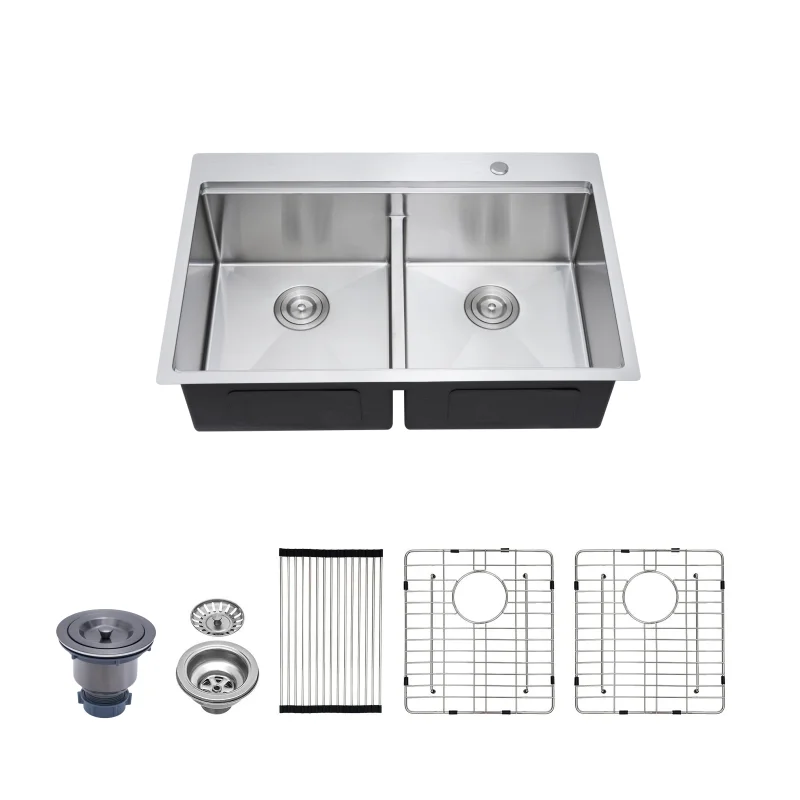
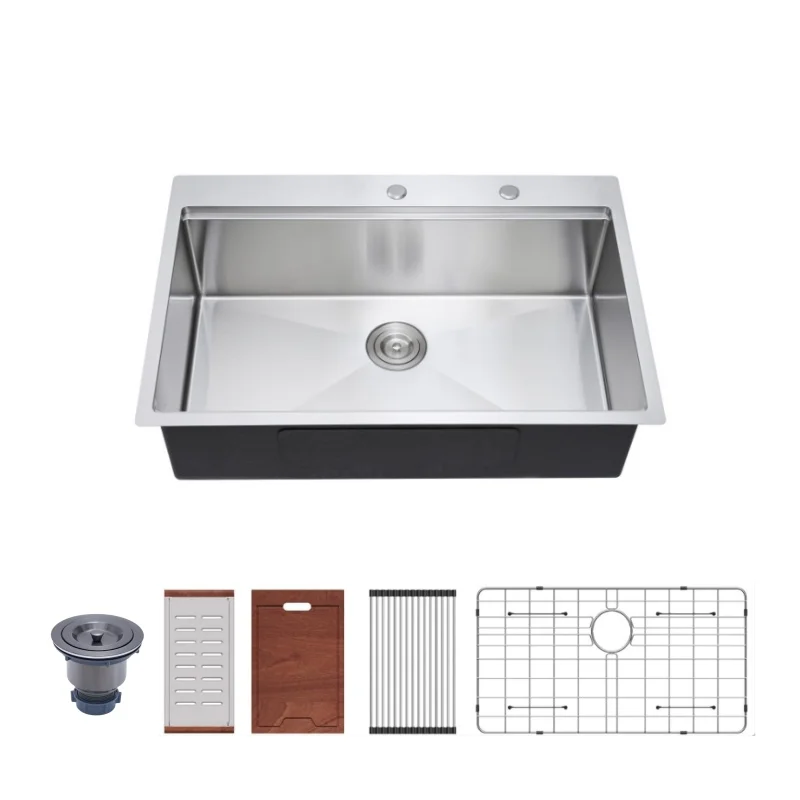
In the high-stakes environment of a commercial kitchen, every piece of equipment plays a critical role in maintaining operational efficiency, hygiene, and regulatory compliance. Among these, the commercial double sink stainless steel unit stands as an undisputed workhorse, a foundational element influencing everything from food preparation to warewashing. The decision to invest in a superior quality double sink isn't merely about functionality; it's a strategic move that impacts workflow, sanitation standards, and ultimately, a business's bottom line. Consider the sheer volume of activity: a busy restaurant might process hundreds of dishes, pots, and utensils daily. A robust double sink facilitates a seamless wash-rinse cycle, dramatically reducing cross-contamination risks and ensuring rapid turnover of essential items. Studies indicate that efficient kitchen layouts, heavily reliant on well-placed and functional sinks, can reduce staff movement by up to 30%, translating directly into increased productivity and reduced labor costs. Moreover, the inherent corrosion resistance and ease of cleaning of high-grade stainless steel are paramount. Data from the National Restaurant Association highlights that foodborne illness outbreaks can cost businesses tens of thousands in fines, lost revenue, and legal fees – making the preventive measure of a hygienic, easily sanitizable sink an investment with invaluable returns. This crucial piece of equipment isn't just where dishes get clean; it's where the standards of an entire operation are upheld, making its selection a decision that warrants careful consideration and deep understanding of its profound impact.
Beyond the Surface: The Unseen Impact of High-Grade Stainless Steel in Commercial Kitchens
While the aesthetic appeal and immediate utility of a commercial double sink are obvious, the true value of high-grade stainless steel extends far beyond its shiny exterior. We're talking about a material specifically engineered for the relentless demands of a commercial setting. Typically, 304-grade stainless steel is the industry benchmark, revered for its exceptional resistance to corrosion, rust, and bacterial growth. This isn't just a marketing claim; it's a metallurgical fact. The chromium content in 304-grade steel forms a passive layer that self-repairs, making it impervious to the acids, alkalis, and constant moisture exposure found in a kitchen. Lesser grades, while cheaper upfront, invariably lead to premature pitting, staining, and eventual structural failure, necessitating costly replacements and disruptions. The integrity of the steel directly influences sanitation. A smooth, non-porous surface, free from microscopic fissures or rough spots, offers no sanctuary for food particles or pathogens, simplifying cleaning protocols and significantly reducing the risk of contamination. Furthermore, the durability of high-grade stainless steel contributes to a longer lifespan, reducing the environmental footprint associated with manufacturing and disposal, and providing a superior return on investment over decades, not just years. This foundational strength ensures that the sink remains a reliable component of your kitchen infrastructure, day in and day out, handling thermal shock, heavy impact, and continuous chemical exposure without degradation, truly embodying a commitment to both operational excellence and long-term sustainability.
Engineered for Excellence: Unpacking the Technical Superiority of Modern Sink Design
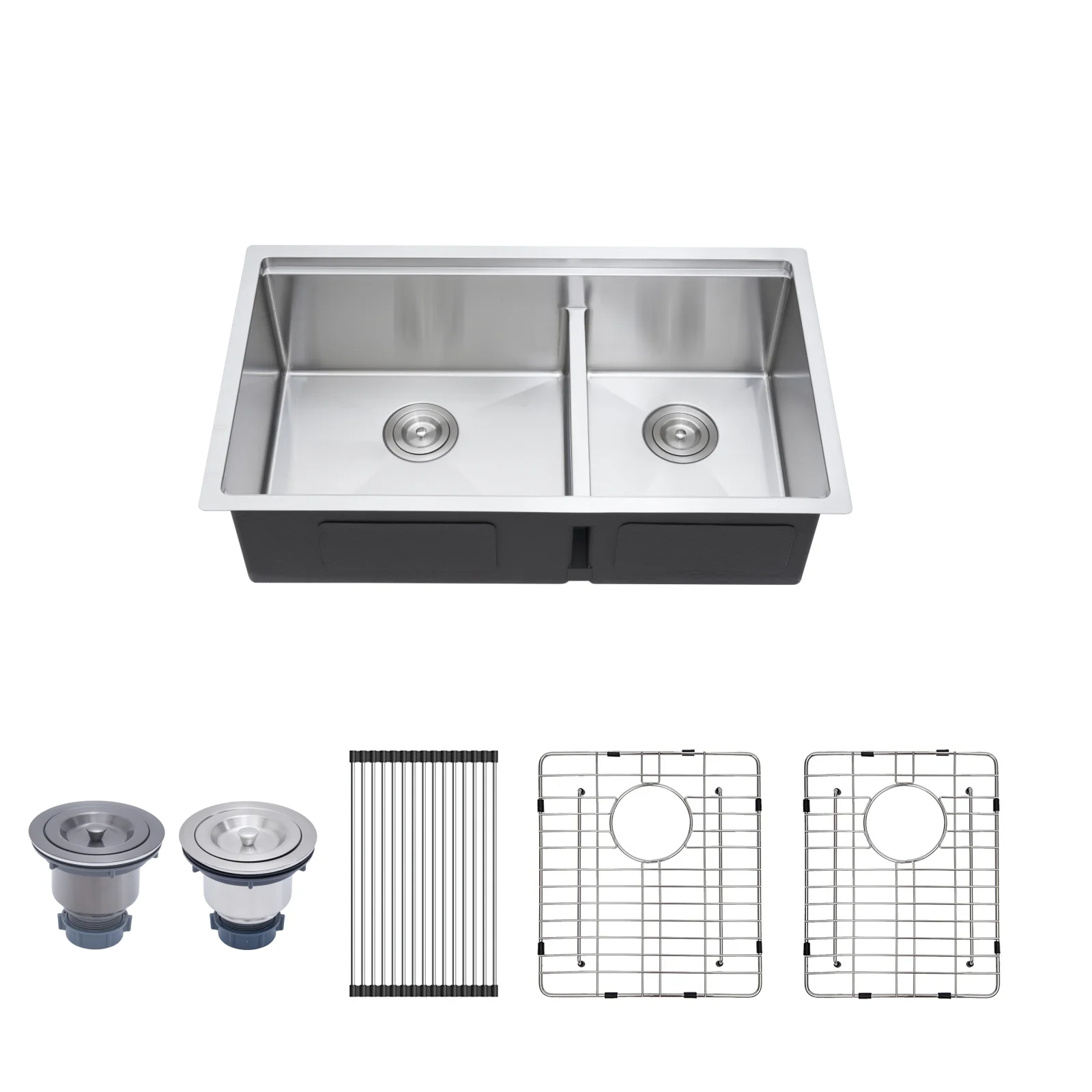
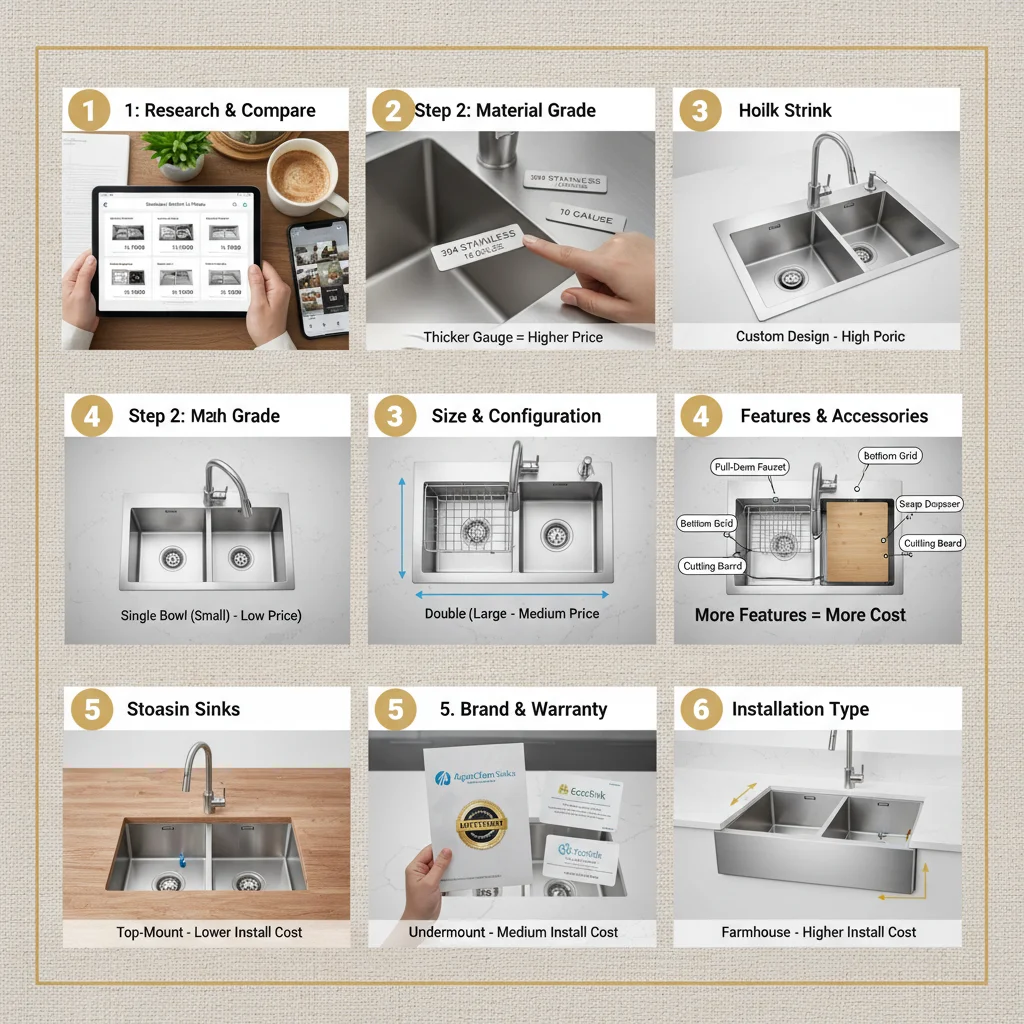
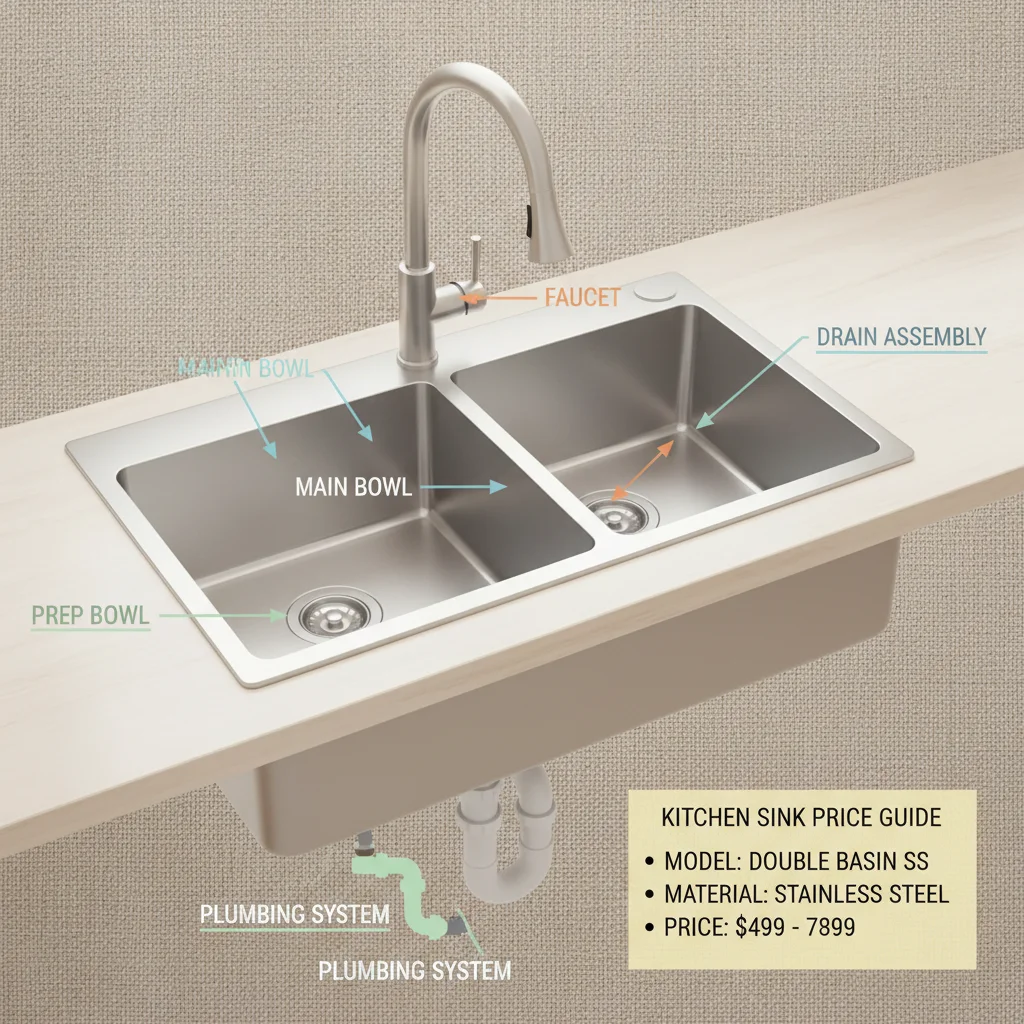
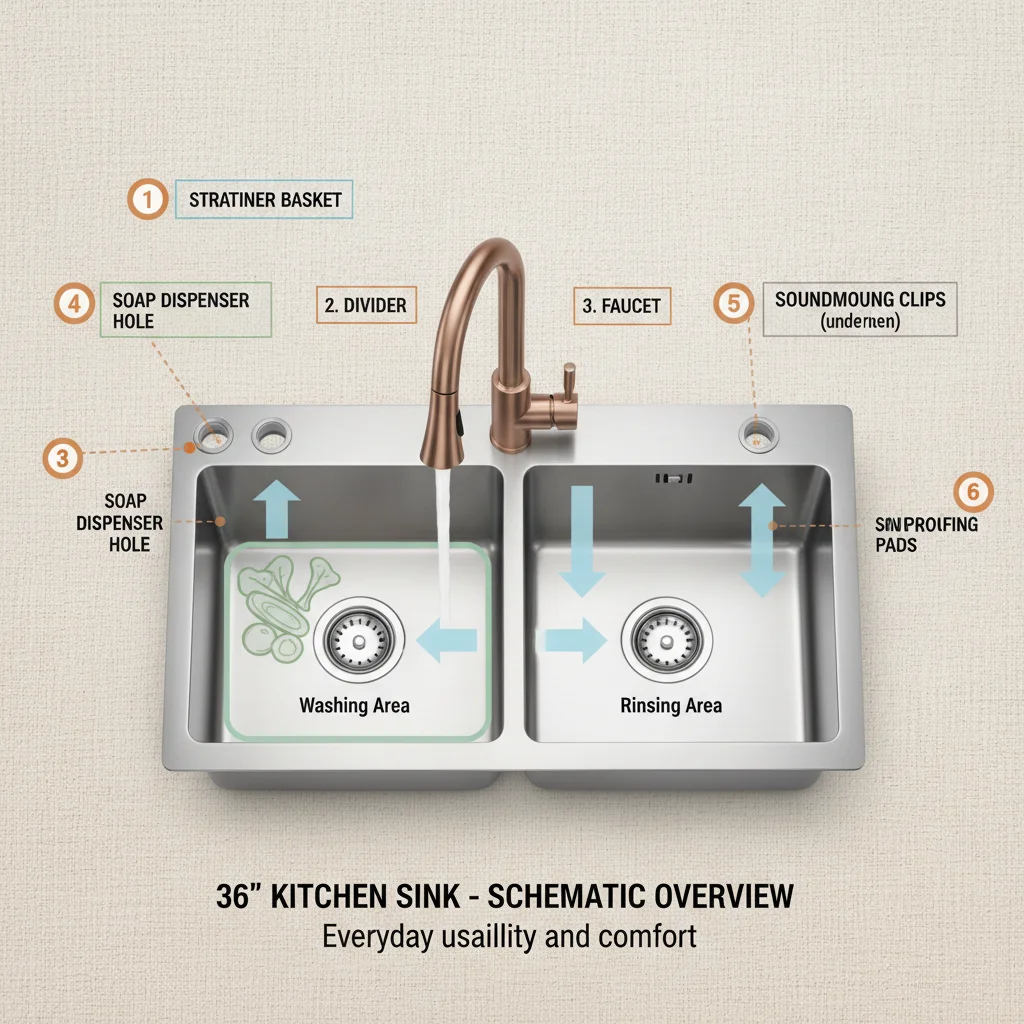
Modern commercial double sink stainless steel units are far more than simple basins; they are sophisticated pieces of engineering designed to optimize functionality, safety, and longevity. Key technical advantages set premium models apart. Firstly, the gauge of the stainless steel is paramount. Thicker gauges, typically 14 or 16-gauge, offer superior strength, rigidity, and resistance to denting, ensuring the sink can withstand the daily abuse of heavy pots and pans without deforming. In contrast, thinner gauges (e.g., 18 or 20-gauge) are prone to flexing and noise. Secondly, welding techniques are critical. Fully welded and polished seams, especially those employing TIG (Tungsten Inert Gas) welding, eliminate crevices where bacteria can accumulate, providing a seamless, hygienic surface that is also structurally sound and visually appealing. Advanced sound-dampening technology, often utilizing spray-on coatings or rubber pads on the underside, significantly reduces the clang and clatter common in busy kitchens, contributing to a quieter, more pleasant working environment. Ergonomics are also central to modern design, with features like appropriate basin depths (typically 12-14 inches to minimize splashing), sloped drain boards to direct water flow, and rounded corners for easy cleaning. Many high-end sinks also integrate features such as pre-drilled faucet holes customized for specific fixture types, integrated overflow drains, and even marine edges to prevent spills from dripping onto the floor, showcasing a meticulous attention to detail that elevates the commercial sink from a basic utility to a precision-engineered workstation.
Strategic Selection: A Comparative Analysis of Leading Commercial Sink Manufacturers
Navigating the market for a commercial double sink stainless steel unit requires a discerning eye, as quality and features can vary significantly between manufacturers. While specific brand names are often tied to regional availability and evolving product lines, a robust comparison framework focuses on core attributes that define value and performance. Factors such as the grade and gauge of stainless steel, the quality of construction (welds, finishes), compliance with NSF international standards for food safety, warranty periods, and available customization options are critical differentiators. Manufacturers often specialize, with some excelling in heavy-duty industrial designs, others in modular systems, and some in highly ergonomic or aesthetically refined units. Examining customer reviews and testimonials, alongside the manufacturer's reputation for after-sales support and parts availability, provides invaluable insight into long-term satisfaction. Here's a generalized comparison demonstrating how key attributes can vary across hypothetical manufacturers:
Feature/Criterion | Manufacturer A (Premium) | Manufacturer B (Mid-Range) | Manufacturer C (Value-Oriented) |
Stainless Steel Gauge | 14-Gauge (Heavy Duty) | 16-Gauge (Standard Commercial) | 18-Gauge (Light Commercial) |
Steel Grade | 304-L (Low Carbon, Superior Corrosion Resistance) | 304 (Standard Commercial) | 430 (Magnetic, Moderate Corrosion Resistance) |
Welding/Finish | Fully TIG Welded, Polished Seamless Finish | Spot Welded, Brushed Finish | Spot Welded, Basic Mill Finish |
NSF Certification | Yes, Fully Certified | Yes, Select Models | No, or Limited Certification |
Sound Dampening | Advanced Undercoating + Rubber Pads | Rubber Pads Only | Minimal or None |
Warranty | Limited Lifetime | 5-Year Limited | 1-Year Limited |
Customization Options | Extensive (Size, Depth, Drain Boards, Accessories) | Moderate (Pre-defined configurations) | Limited (Standard sizes only) |
Typical Lead Time (Custom) | 4-6 Weeks | 6-8 Weeks | N/A (No Customization) |
This comparison underscores the importance of aligning product specifications with your operational needs and budget. A higher initial investment in a premium unit often translates into significantly lower long-term maintenance costs and superior performance.
Tailored for Tomorrow: Crafting Your Perfect Kitchen Workflow Through Customization
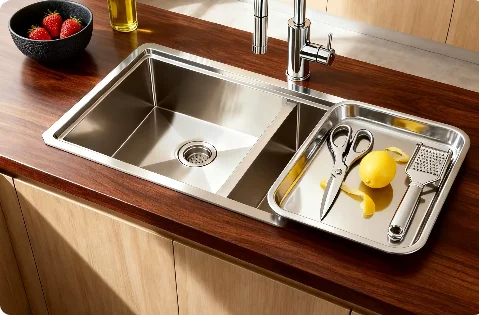
Standardized commercial sinks, while functional, often fall short of optimizing the unique operational nuances of diverse commercial kitchens. This is where customization becomes a transformative advantage, allowing businesses to tailor their commercial double sink stainless steel units to their precise workflow and spatial constraints. Customization can involve myriad elements: bespoke dimensions to fit awkward spaces, varying basin depths to accommodate specific types of warewashing (e.g., deeper for pot washing, shallower for delicate items), or integrated drain boards on one or both sides to facilitate air-drying or staging. Furthermore, specifying the number and placement of faucet holes can optimize water access and utility. Many manufacturers offer options for integrated shelving beneath the sink for chemical storage or drying racks, maximizing vertical space. Beyond basic dimensions, customization extends to specialized features like recessed drain channels, backsplashes of specific heights (e.g., 10-inch to meet local health codes), or even built-in garbage disposal units. For high-volume operations, a custom design might incorporate dedicated pre-rinse stations, scrap chutes, or integrated sanitizing compartments, creating a truly optimized workflow from start to finish. Collaborating with a manufacturer who offers comprehensive customization ensures that your investment not only meets current demands but also provides the flexibility to adapt to future operational needs, proving an invaluable asset in a constantly evolving commercial landscape.
Real-World Resilience: Case Studies in Diverse Commercial Environments
The adaptability and resilience of a well-chosen commercial double sink stainless steel unit are best illustrated through its application across various demanding sectors. In a bustling fine-dining restaurant, a custom-fabricated double sink with extra-deep basins and an integrated pre-rinse sprayer significantly cut down on dishwashing time by 25%, allowing for faster table turnovers and enhanced customer experience during peak hours. The robust 14-gauge stainless steel construction also withstood daily abuse from heavy cast-iron pans, preventing dents and maintaining its pristine appearance over years of continuous use. A large hospital cafeteria, facing stringent hygiene regulations and high volume, opted for a double sink with seamlessly welded corners and a higher backsplash, specifically designed to minimize splash contamination and simplify rigorous sanitation protocols, contributing to a 15% reduction in cleaning time and ensuring compliance with healthcare standards. For a university chemistry lab, where corrosive chemicals were routinely handled, a specialized 316-grade stainless steel double sink was installed. This particular grade offers superior resistance to chlorides and aggressive agents, preventing degradation that would compromise safety and require premature replacement. The custom unit included built-in chemical-resistant drainage and specific faucet configurations for deionized water, showcasing how tailored design meets highly specialized operational and safety requirements. These diverse scenarios highlight that a meticulously specified commercial double sink isn't just a piece of equipment; it's a strategic investment that fundamentally improves operational efficiency, enhances safety, and ensures long-term cost-effectiveness across a spectrum of professional settings.
Securing Your Investment: The Lasting Value of Commercial Double Sink Stainless Steel
Ultimately, the selection of a commercial double sink stainless steel unit transcends a simple purchase; it is a critical investment in the long-term operational integrity and financial health of any commercial establishment. The initial cost, while potentially higher for premium models, is offset by decades of reliable service, minimal maintenance requirements, and the avoidance of costly replacements or downtime. The unwavering commitment to hygiene, the ergonomic benefits for staff, and the sheer resilience against corrosive agents and heavy impact all contribute to an unparalleled return on investment. Regular maintenance, primarily involving routine cleaning with appropriate non-abrasive agents, is straightforward and preserves both the appearance and the structural integrity of the stainless steel. When considering the cumulative benefits – enhanced productivity, reduced health risks, compliance with stringent regulations, and an extended operational lifespan – the value proposition of a high-quality stainless steel double sink becomes overwhelmingly clear. It’s an infrastructure cornerstone that quietly underpins efficient operations, supports stringent sanitation standards, and provides a durable foundation for the demanding pace of commercial kitchens, ensuring that your business not only meets today’s challenges but is also well-prepared for tomorrow’s successes.
Frequently Asked Questions About Commercial Double Sink Stainless Steel
1. What is the best gauge of stainless steel for a commercial double sink?
For most commercial applications, 14-gauge or 16-gauge stainless steel is recommended. 14-gauge offers superior durability and resistance to denting, ideal for heavy-duty use, while 16-gauge is a robust standard option suitable for many busy kitchens. Thinner gauges (e.g., 18 or 20-gauge) are generally not recommended for high-volume commercial use due to reduced durability.
2. Why is 304 stainless steel preferred for commercial sinks?
304-grade stainless steel is preferred due to its excellent corrosion resistance, especially against acids, alkalis, and rust, which are commonly found in commercial kitchen environments. It also has a non-porous surface, making it highly hygienic and easy to clean, critical for preventing bacterial growth and meeting sanitation standards like NSF.
3. Are there different types of commercial double sinks for specific industries?
Yes, while the core material is often stainless steel, designs can vary significantly. For example, hospitals and labs may require specific grades (e.g., 316 for enhanced chemical resistance) and integrated features like chemical-resistant drainage. Restaurants often opt for deeper basins and integrated pre-rinse stations. Customization is key to matching industry-specific needs.
4. How important is NSF certification for a commercial stainless steel sink?
NSF International certification is extremely important. It signifies that the sink meets strict public health and safety standards for material safety, design, and performance, ensuring it is hygienic, easy to clean, and suitable for food contact environments. Many health codes require NSF-certified equipment.
5. What features should I look for to ensure ease of cleaning and hygiene?
Look for sinks with seamless, fully TIG-welded and polished corners (especially cove or rounded corners) to prevent food particle buildup. A smooth, non-porous finish, proper drainage slopes, and an adequate backsplash height (typically 10-inch) also contribute significantly to ease of cleaning and maintaining hygiene.
6. Can commercial double sinks be customized? What customization options are available?
Yes, many manufacturers offer extensive customization. Options include specific dimensions (length, width, depth), varying basin depths, integrated drain boards on one or both sides, custom faucet hole configurations, undershelves, scrap chutes, pre-rinse stations, and specialized backsplashes. Customization allows for optimal workflow and space utilization.
7. How do I maintain a commercial stainless steel double sink to ensure its longevity?
Regular maintenance involves daily cleaning with mild soap and water, followed by rinsing and drying to prevent water spots and mineral buildup. Avoid abrasive cleaners, steel wool, or harsh chemicals (like bleach in concentrated form) that can damage the passive layer. For stubborn stains, use specialized stainless steel cleaners, always following the grain of the steel.