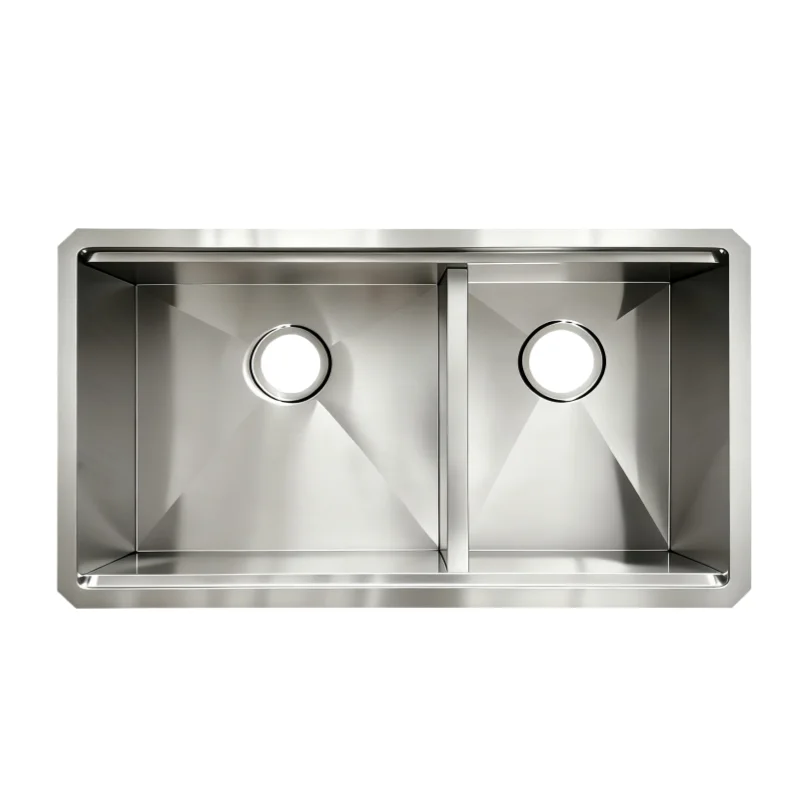
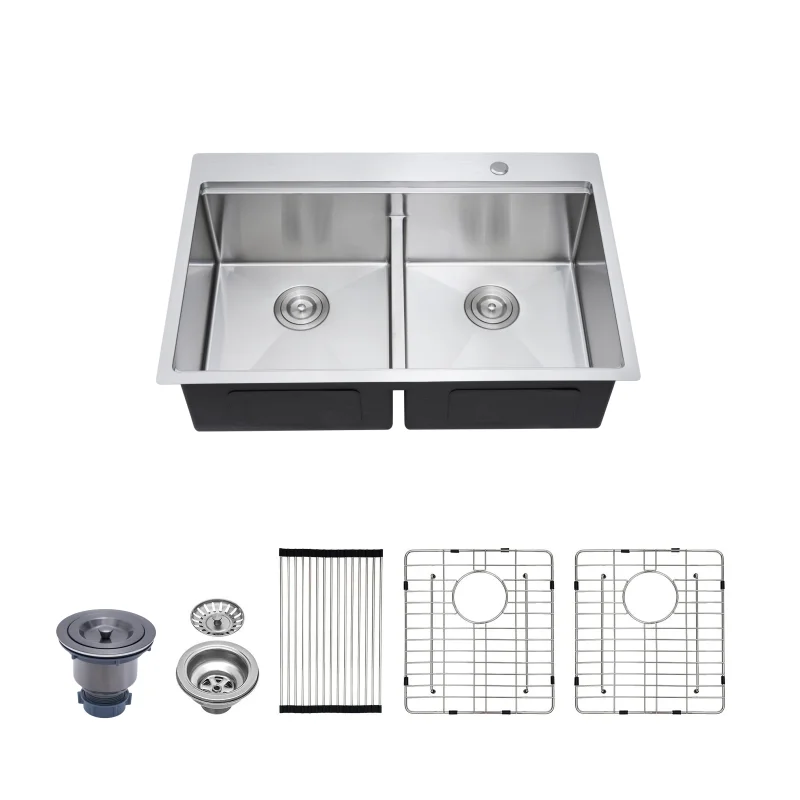
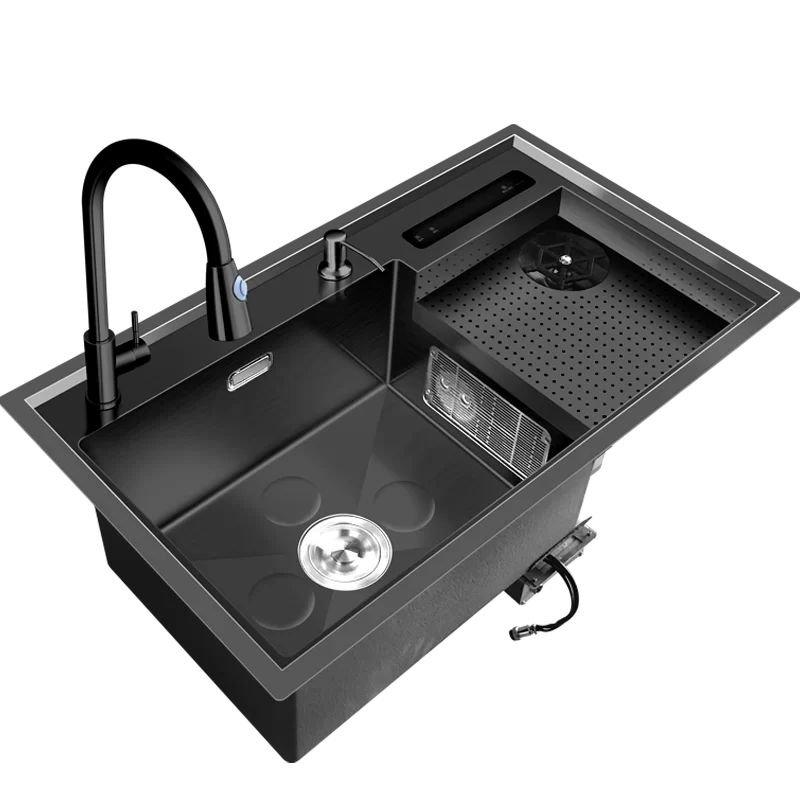
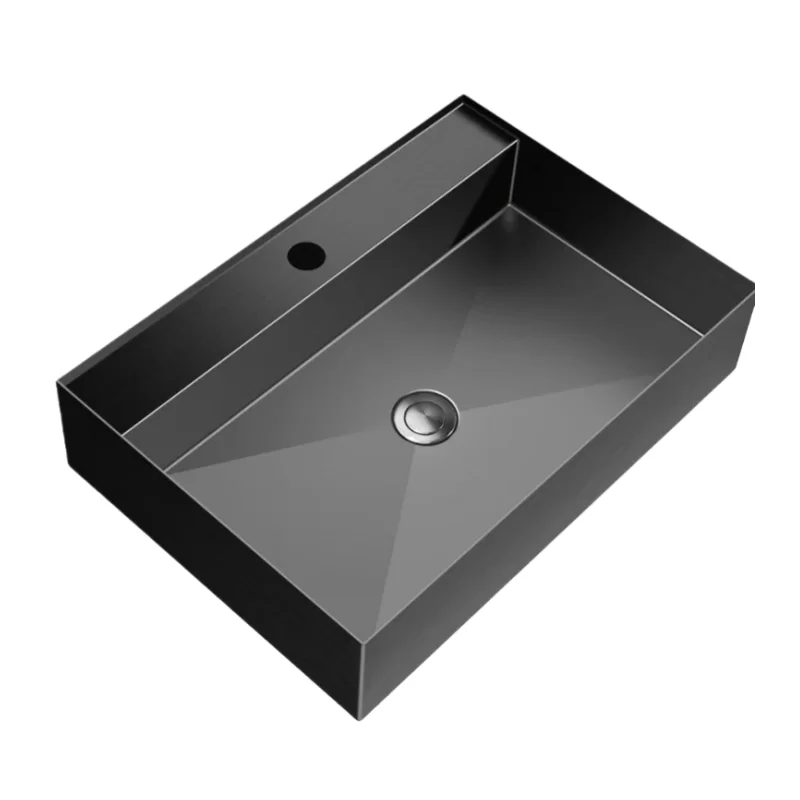
In the vast and competitive landscape of modern infrastructure and design, the choice of a fundamental element like a sink might seem trivial at first glance. However, for businesses, developers, and designers, the decision carries significant weight. A sink is not merely a basin for water; it's a critical component dictating hygiene, efficiency, and aesthetic coherence in countless environments, from bustling commercial kitchens and sterile medical facilities to high-end residential spaces. Among the myriad materials available, stainless steel stands peerless due to its unparalleled durability, corrosion resistance, hygienic properties, and timeless appeal. The true determinant of quality and value, therefore, lies squarely with the expertise and capabilities of the stainless steel sink manufacturers behind these products. This comprehensive guide delves into the intricate world of these manufacturers, exploring the critical factors that distinguish industry leaders, the technological advancements shaping their offerings, and how strategic selection can lead to enduring success and optimal functionality for any project. Understanding the nuances of their processes, material sourcing, and commitment to innovation is paramount to making an informed decision that transcends mere acquisition, evolving into a long-term partnership built on reliability and performance.
Market Dynamics and the Surge in Demand for Superior Stainless Steel Sinks
The global market for stainless steel sinks is experiencing robust growth, driven by an escalating demand across diverse sectors. Recent market analyses project a compound annual growth rate (CAGR) of approximately 6.5% for the period between 2023 and 2030, with market valuation expected to surpass $5.5 billion by the end of this decade. This surge is primarily fueled by rapid urbanization, expanding commercial infrastructure – particularly in hospitality and healthcare – and a growing consumer preference for durable, low-maintenance, and aesthetically pleasing kitchen solutions. In the commercial sphere, stringent health and safety regulations, coupled with the relentless pace of operations, necessitate sinks that can withstand heavy usage, harsh cleaning agents, and provide superior sanitation. For instance, a major restaurant chain upgrading its facilities can see up to a 25% reduction in cross-contamination incidents when switching from older, porous sink materials to high-grade stainless steel options, according to an internal audit by a leading food service provider. Furthermore, the residential market is witnessing a renaissance in kitchen design, with stainless steel sinks often serving as a cornerstone of modern, minimalist, or industrial aesthetics. Homeowners are increasingly willing to invest in premium products that offer longevity and enhance resale value, contributing significantly to the upward trend in demand for high-quality manufactured sinks. This dynamic market underscores the increasing importance of selecting manufacturers who not only meet current demands but also anticipate future trends and regulatory requirements.
Beyond Basics: Technical Innovations and Material Superiority in Sink Manufacturing
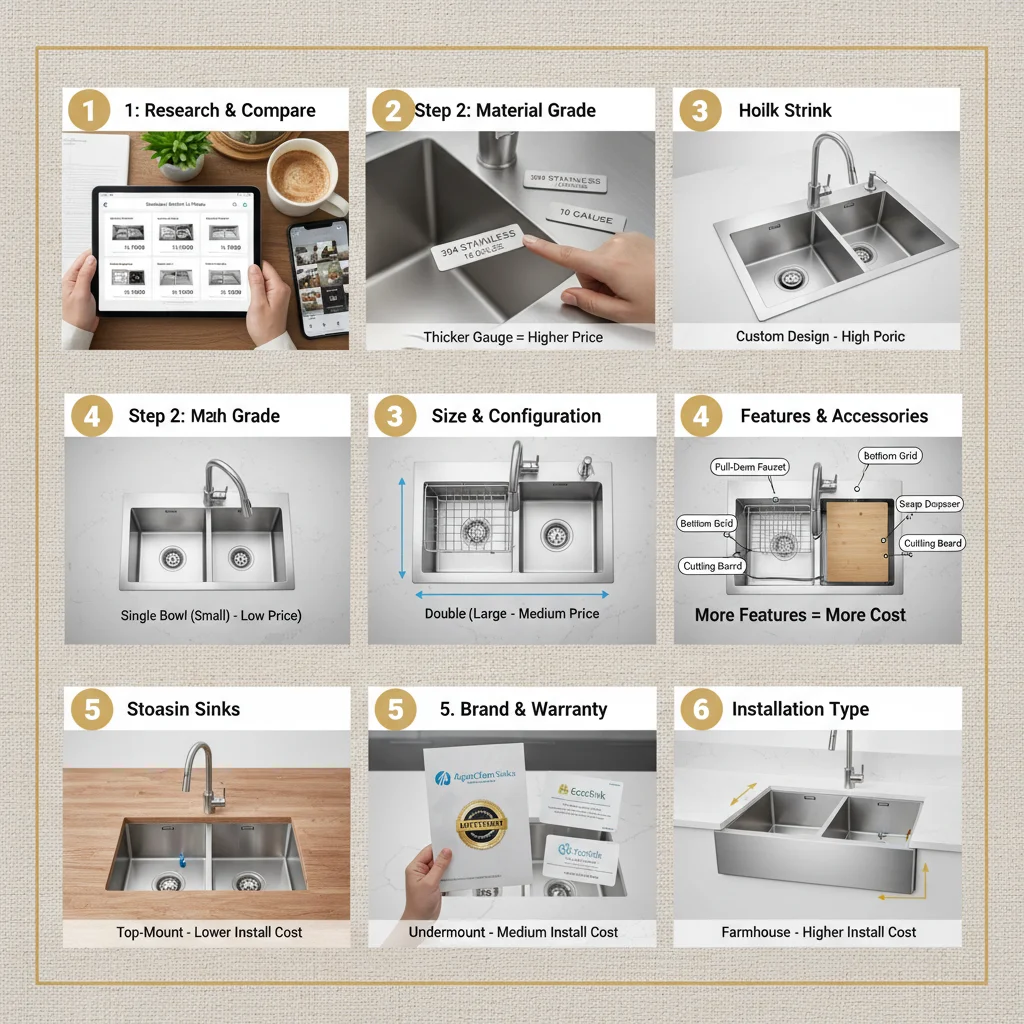
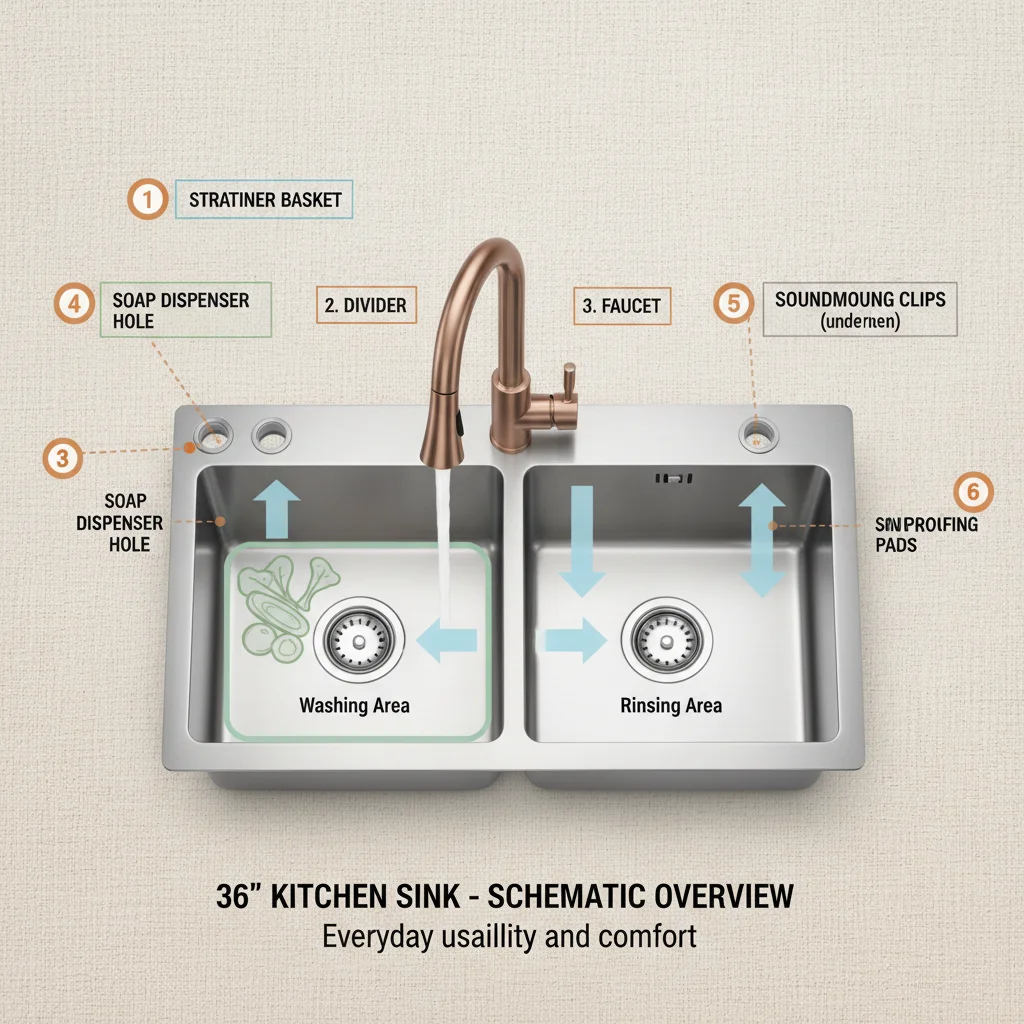
The perceived simplicity of a stainless steel sink belies the sophisticated engineering and material science that go into its production, particularly by industry-leading manufacturers. The cornerstone of a superior sink begins with the grade of stainless steel. While 304 stainless steel remains the industry standard, offering an excellent balance of corrosion resistance and affordability, discerning projects might opt for 316L stainless steel. This marine-grade alloy, with added molybdenum, provides enhanced resistance to chlorides and acidic environments, making it ideal for coastal areas, laboratories, or certain industrial applications where corrosive agents are prevalent. Beyond material selection, manufacturing techniques have evolved dramatically. Hydroforming, a process that uses high-pressure fluid to shape metal, allows for deeper draws, sharper corners, and more complex designs without compromising material integrity, often reducing welding points by up to 30% compared to traditional stamping. Furthermore, advanced welding techniques, such as TIG (Tungsten Inert Gas) welding, ensure seamless joints that are not only aesthetically pleasing but also eliminate crevices where bacteria could harbor, a critical factor for hygienic applications. Surface finishes, too, have seen innovation. Brushed finishes, while popular, are now complemented by options like satin, polished, or even PVD (Physical Vapor Deposition) coatings that offer enhanced scratch resistance and unique colorations, extending the aesthetic versatility and functional lifespan of the product. Sound dampening technology, often involving rubber pads and undercoating, significantly reduces noise from running water and dish clatter, improving the user experience by up to 40% in noise reduction compared to undamped sinks.
Tailored to Perfection: Customization, Branding, and Bespoke Solutions
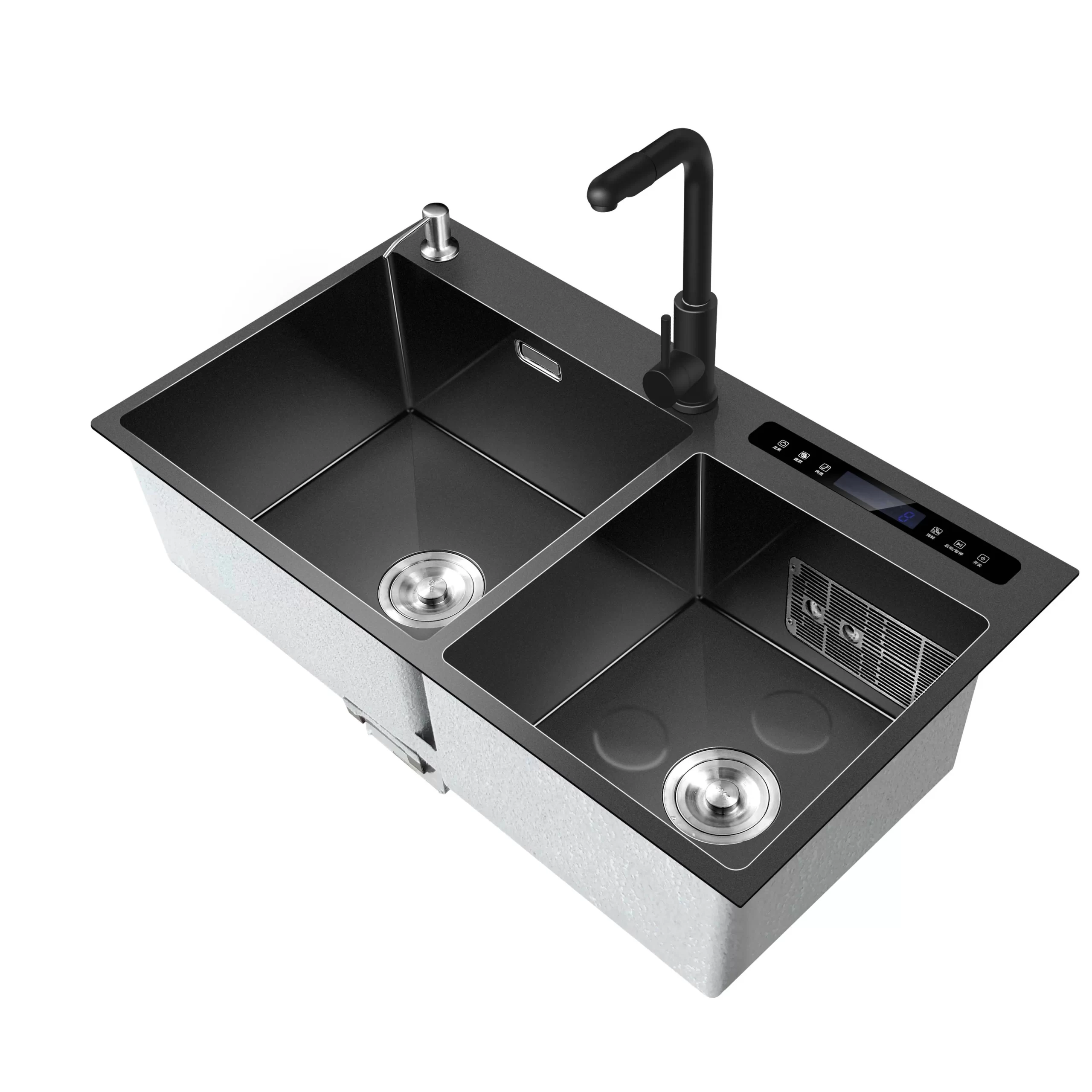
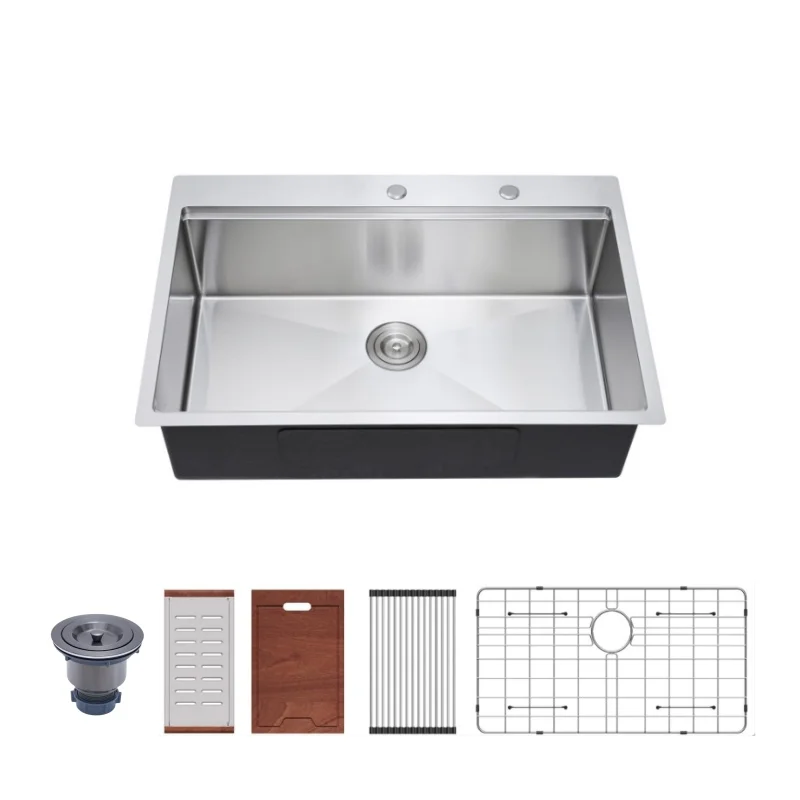
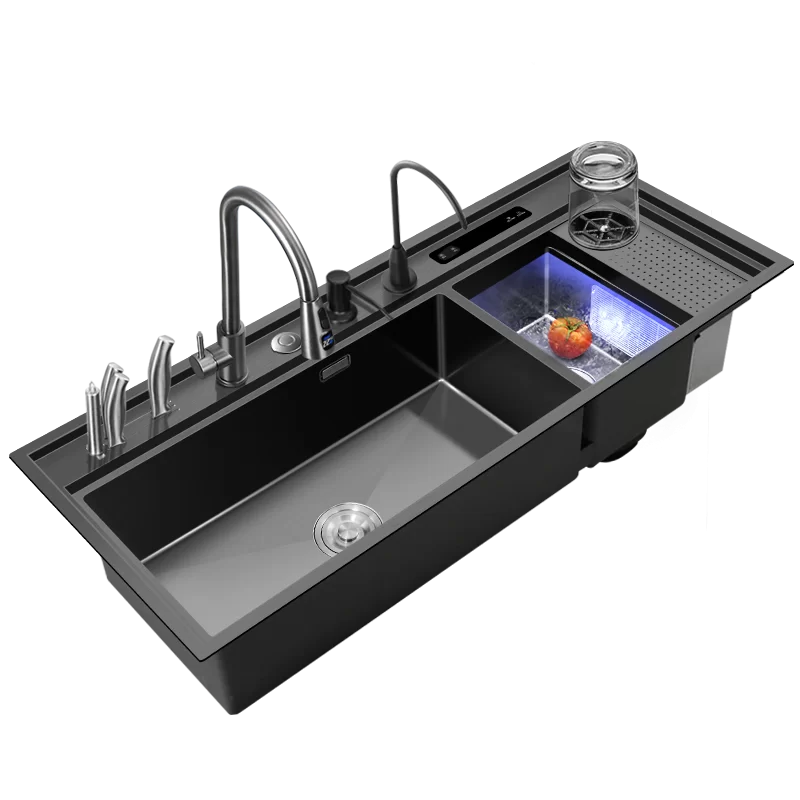
One of the most compelling advantages offered by leading stainless steel sink manufacturers is their capacity for customization. Beyond standard models, many manufacturers excel at producing bespoke solutions that perfectly integrate with unique design specifications and functional demands. This customization can span a wide range of attributes: precise dimensions to fit unusual countertop spaces, specific bowl depths for specialized tasks (e.g., deep prep sinks for commercial kitchens or shallow medical sinks), integrated draining boards, specific faucet hole configurations, or even unique surface finishes like anti-fingerprint coatings. For commercial clients, customization often extends to complex multi-bowl setups, integrated waste disposal systems, or under-counter mounting brackets designed for specific cabinetry. Branding opportunities are also significant; manufacturers can incorporate client logos or specific serial numbering for inventory and warranty tracking. Imagine a bespoke surgical scrub sink designed with specific angles to minimize splash, or an industrial prep sink tailored to integrate seamlessly with a conveyor belt system – these are the hallmarks of a manufacturer truly invested in solving client challenges. The ability to prototype quickly, provide detailed CAD drawings, and adapt production lines for small-batch custom orders distinguishes innovators from mere mass producers, offering immense value to architects, interior designers, and specialized contractors seeking unique, high-performance solutions.
Real-World Resilience: Diverse Applications and Successful Implementations
The versatility and robustness of stainless steel sinks, especially those produced by reputable manufacturers, enable their deployment across an astonishing array of environments. In the bustling heart of a five-star hotel kitchen, custom-fabricated, extra-deep sinks handle hundreds of covers daily, resisting corrosion from food acids and harsh detergents with ease. Hospitals and clinics rely on sterile-grade stainless steel scrub sinks and utility sinks for their non-porous surfaces and ability to withstand aggressive sanitization protocols, directly contributing to infection control. For instance, a major metropolitan hospital recently reported a 15% improvement in sanitation audit scores after upgrading its surgical suites with advanced 316L stainless steel sinks, demonstrating the direct impact of material choice on operational excellence. In industrial settings, such as chemical laboratories or food processing plants, heavy-gauge stainless steel sinks endure extreme temperatures and abrasive substances, often integrated with specialized filtration or waste management systems. Residential applications, while less demanding structurally, benefit immensely from the aesthetic durability; a premium 16-gauge sink can maintain its pristine appearance for decades, proving a wise long-term investment. Beyond the conventional, architects are increasingly specifying stainless steel sinks for outdoor kitchens due to their weather resistance, or for art studios where durability against various mediums is critical. Each application underscores the adaptability and inherent value of well-engineered stainless steel sinks, a testament to the manufacturing prowess behind them.
Forging Future Partnerships: Selecting Your Ideal Stainless Steel Sink Manufacturers
The decision of who to partner with among the many stainless steel sink manufacturers is more than a procurement task; it's a strategic investment in the longevity, functionality, and aesthetic integrity of your project. As we've explored, the market offers a spectrum of expertise, from high-volume generalists to specialized custom fabricators, each with unique strengths. Key considerations must extend beyond initial cost to encompass material quality (e.g., 304 vs. 316L stainless steel), manufacturing precision (hydroforming, advanced welding), customization capabilities, adherence to industry certifications (NSF, IAPMO, ASTM), and the manufacturer's commitment to sustainability and post-sales support. A manufacturer's ability to provide detailed technical drawings, responsive customer service, and robust warranty policies speaks volumes about their confidence in their product and their dedication to client satisfaction. Ultimately, the right manufacturer is one that not only supplies a superior product but also acts as a reliable partner, understanding your specific challenges and delivering solutions that align with your project's vision and operational demands. By meticulously evaluating these factors, businesses and individuals can forge lasting relationships with manufacturers who consistently deliver excellence, ensuring that the stainless steel sinks chosen today continue to perform flawlessly for years to come, truly becoming an enduring asset.
Frequently Asked Questions about Stainless Steel Sink Manufacturers
Q1: What are the key differences between 304 and 316L stainless steel for sinks?
A1: 304 stainless steel is the most common grade, offering excellent corrosion resistance for general use. 316L stainless steel contains molybdenum, providing superior resistance to chlorides and acidic environments, making it ideal for marine, laboratory, or medical applications where harsh chemicals are present.
Q2: How does sink gauge (e.g., 18 gauge vs. 16 gauge) affect quality and durability?
A2: Gauge refers to the thickness of the stainless steel. A lower gauge number indicates a thicker material. 16-gauge sinks are thicker and generally more durable, quieter, and resistant to dents than 18-gauge sinks, which are still considered good quality for many residential uses.
Q3: What certifications should I look for when selecting stainless steel sink manufacturers?
A3: For residential use, look for UPC/cUPC and IAPMO certifications. For commercial and healthcare applications, NSF (National Sanitation Foundation) certification is critical, ensuring compliance with public health standards. ASTM standards relate to material properties and testing.
Q4: Can stainless steel sink manufacturers provide custom-sized or designed sinks?
A4: Yes, many leading stainless steel sink manufacturers specialize in custom fabrication. They can produce sinks with specific dimensions, bowl configurations, integrated features, and unique finishes to meet bespoke project requirements for commercial or high-end residential applications.
Q5: What are the advantages of hydroformed stainless steel sinks?
A5: Hydroforming uses high-pressure water to shape the steel, allowing for deeper, more intricate designs with tighter radius corners and fewer welds. This process results in stronger, more aesthetically pleasing sinks with increased bowl capacity and enhanced durability compared to traditional stamping.
Q6: How do manufacturers ensure sound dampening in stainless steel sinks?
A6: Manufacturers typically apply sound-dampening pads (rubber or polymer) to the exterior sides and bottom of the sink bowl. These are often combined with a spray-on undercoating that further absorbs vibrations and reduces noise from water and dishes, improving overall acoustics.
Q7: What is the typical lead time for custom stainless steel sinks?
A7: Lead times for custom stainless steel sinks can vary significantly based on complexity, manufacturer's capacity, and material availability. Typically, it ranges from 8 to 16 weeks from design approval to delivery, though simpler modifications might be quicker and highly complex projects could take longer.