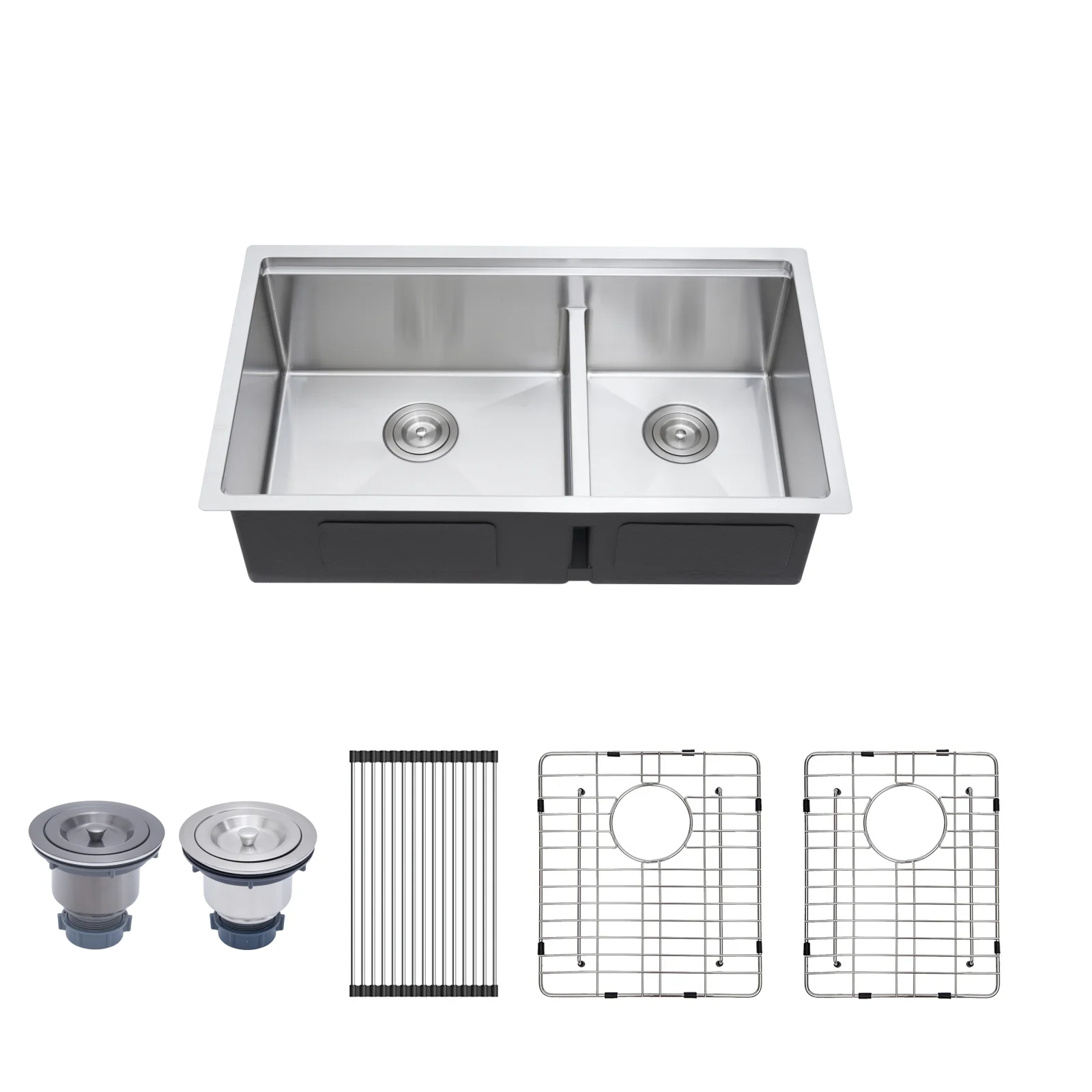
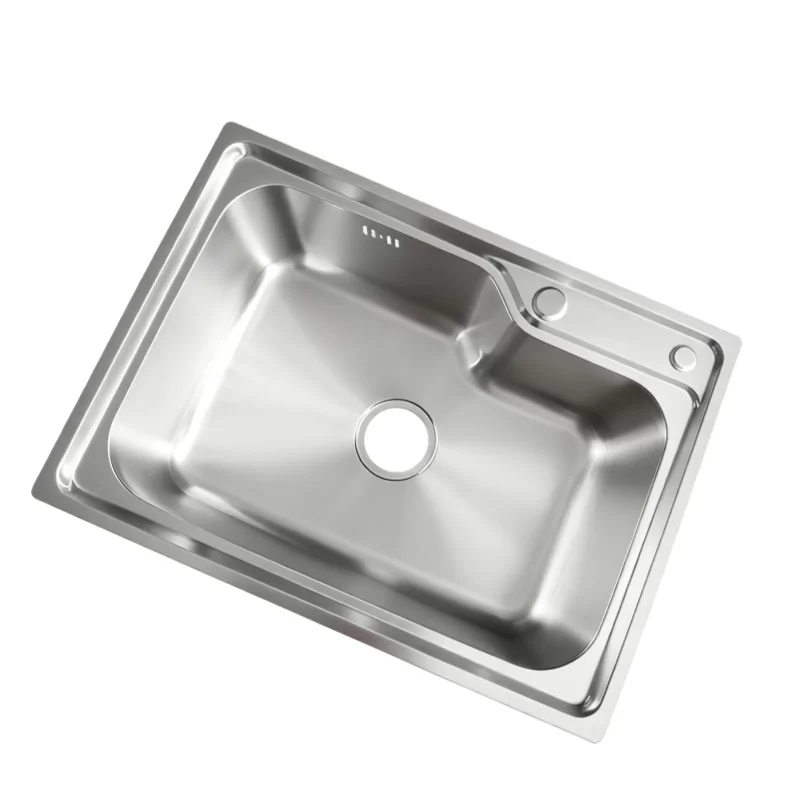
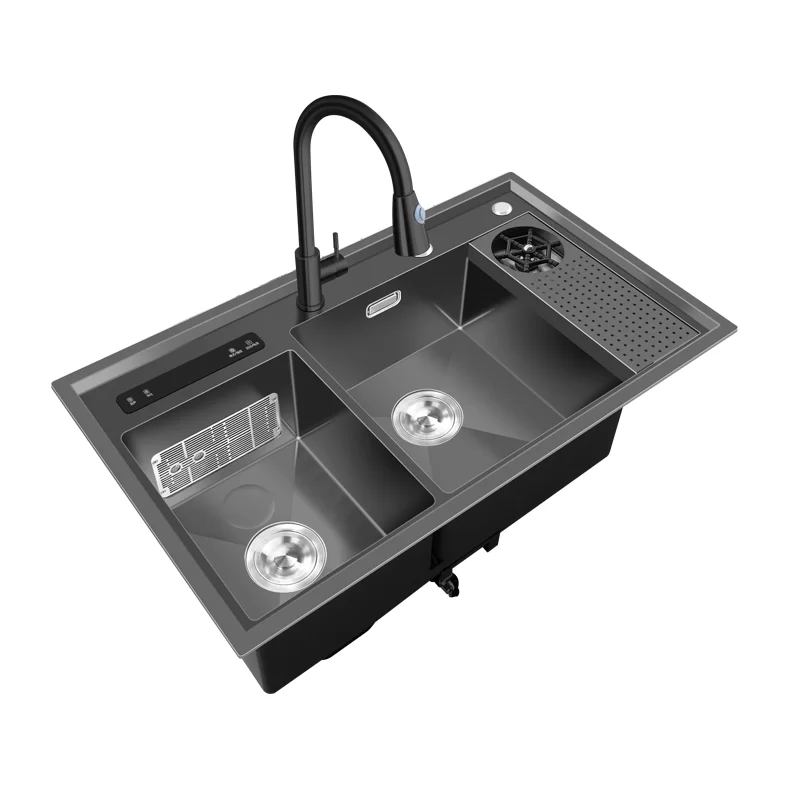
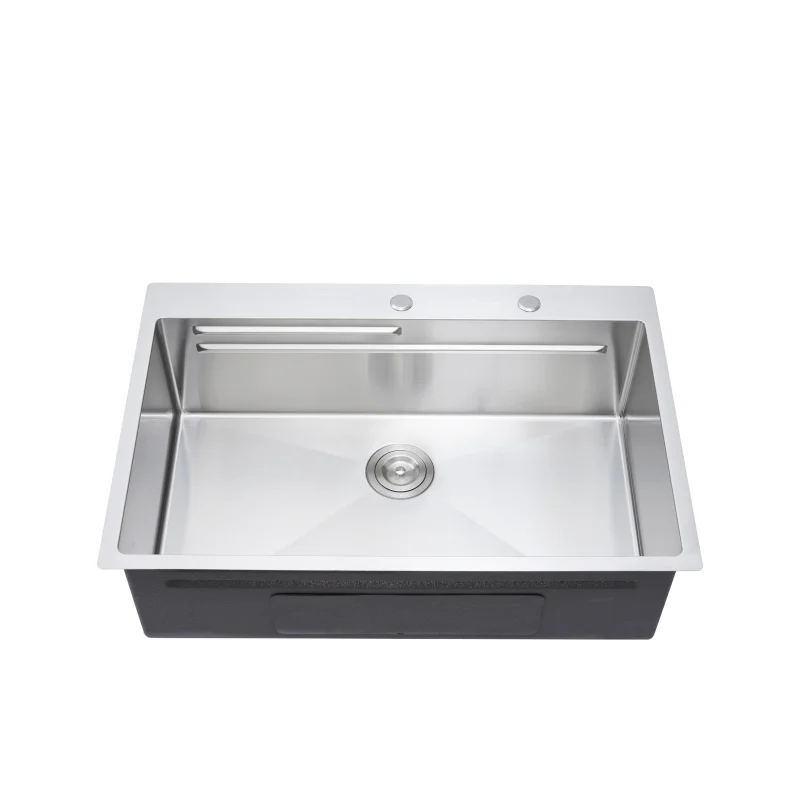
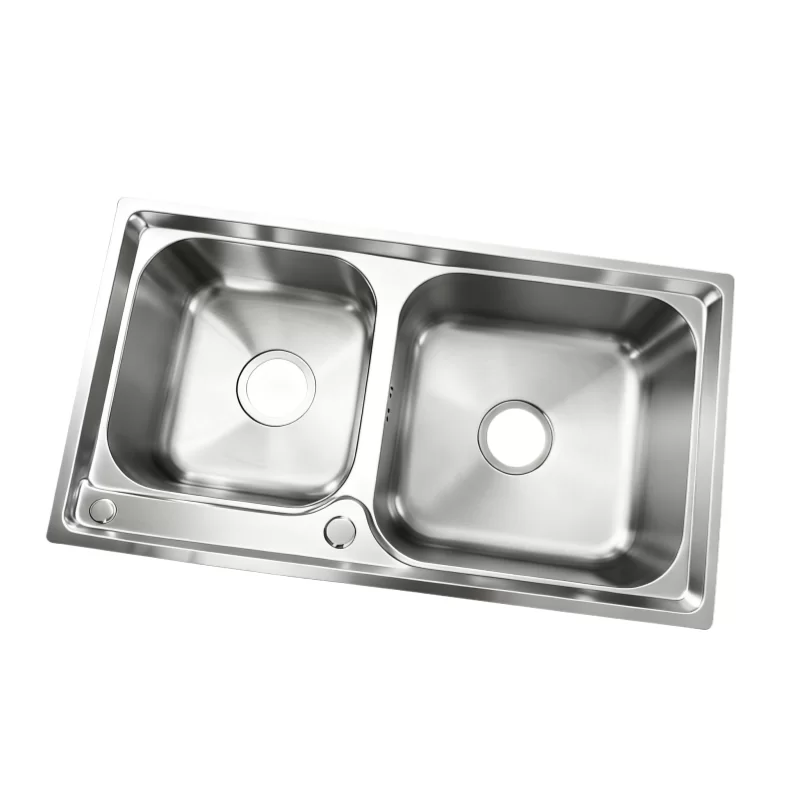
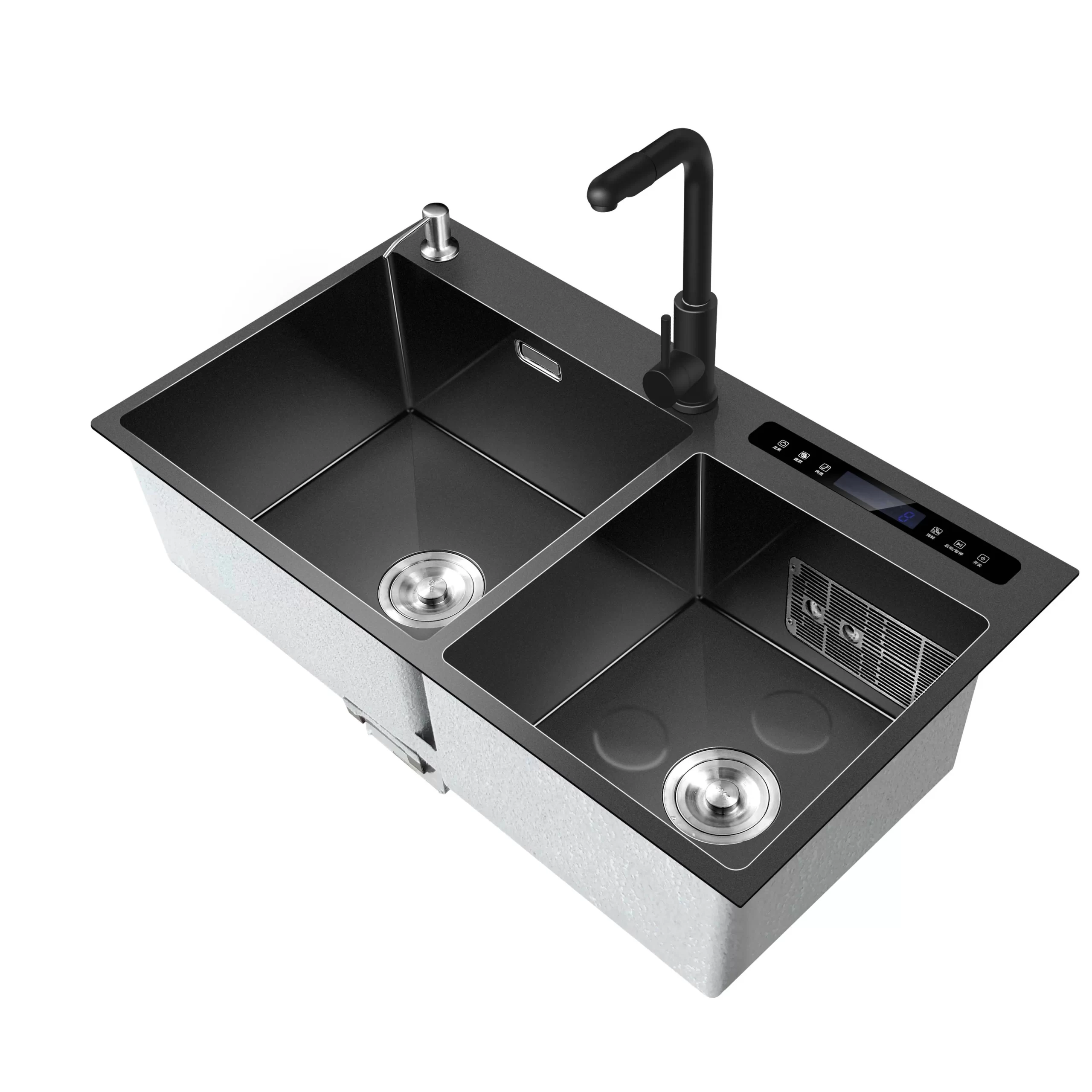
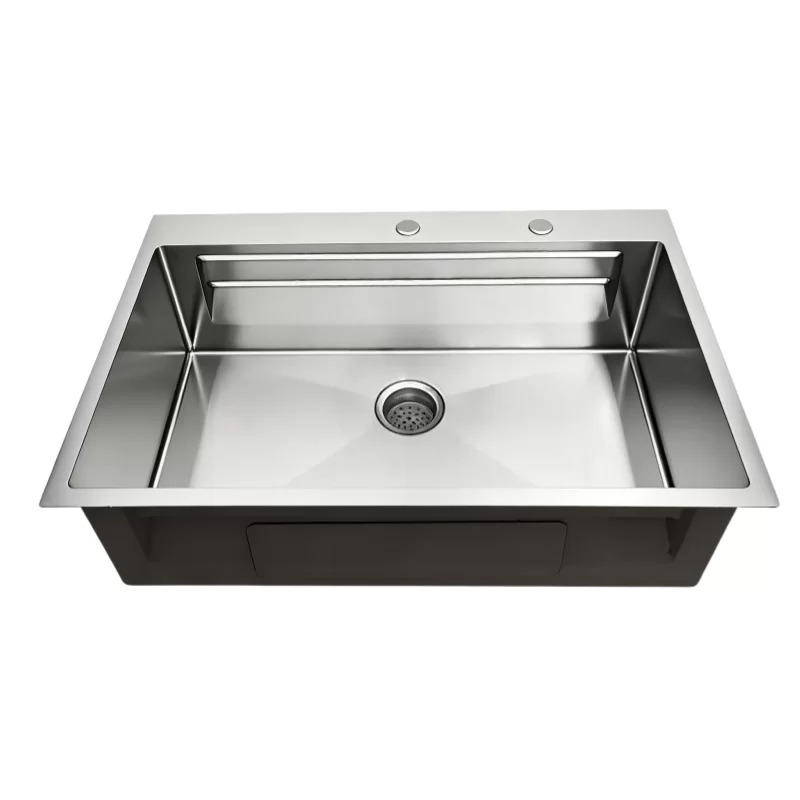
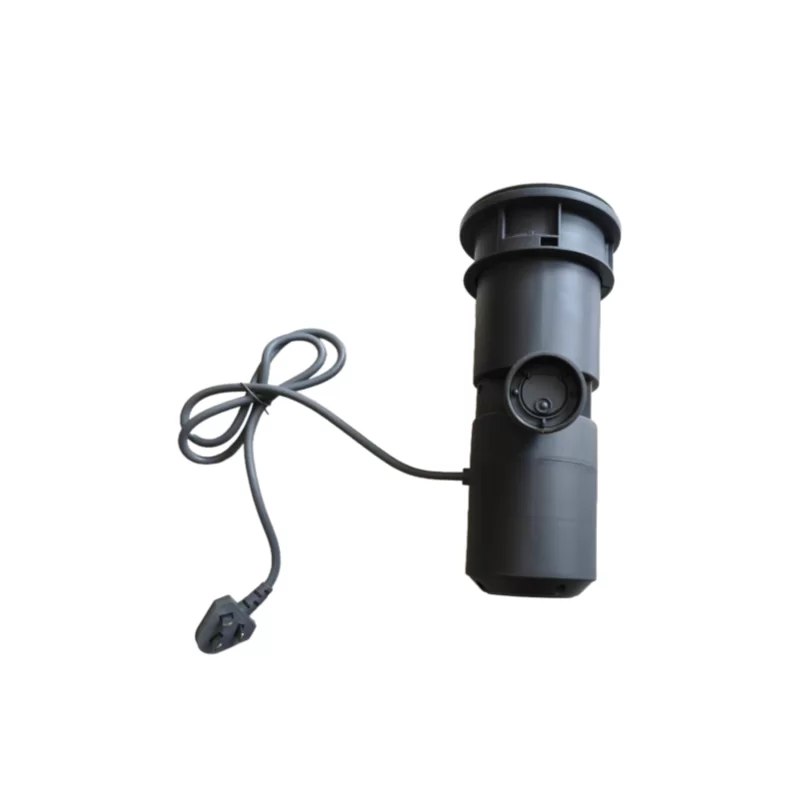
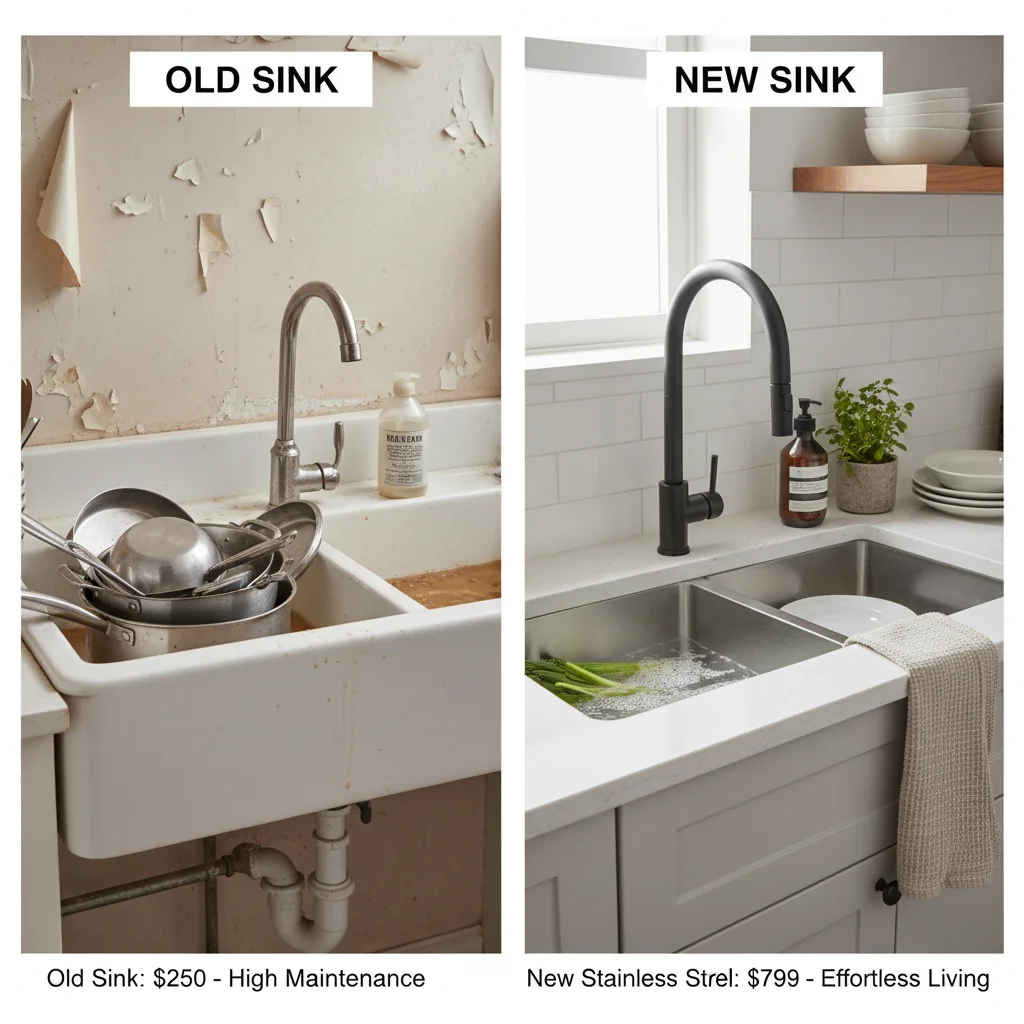
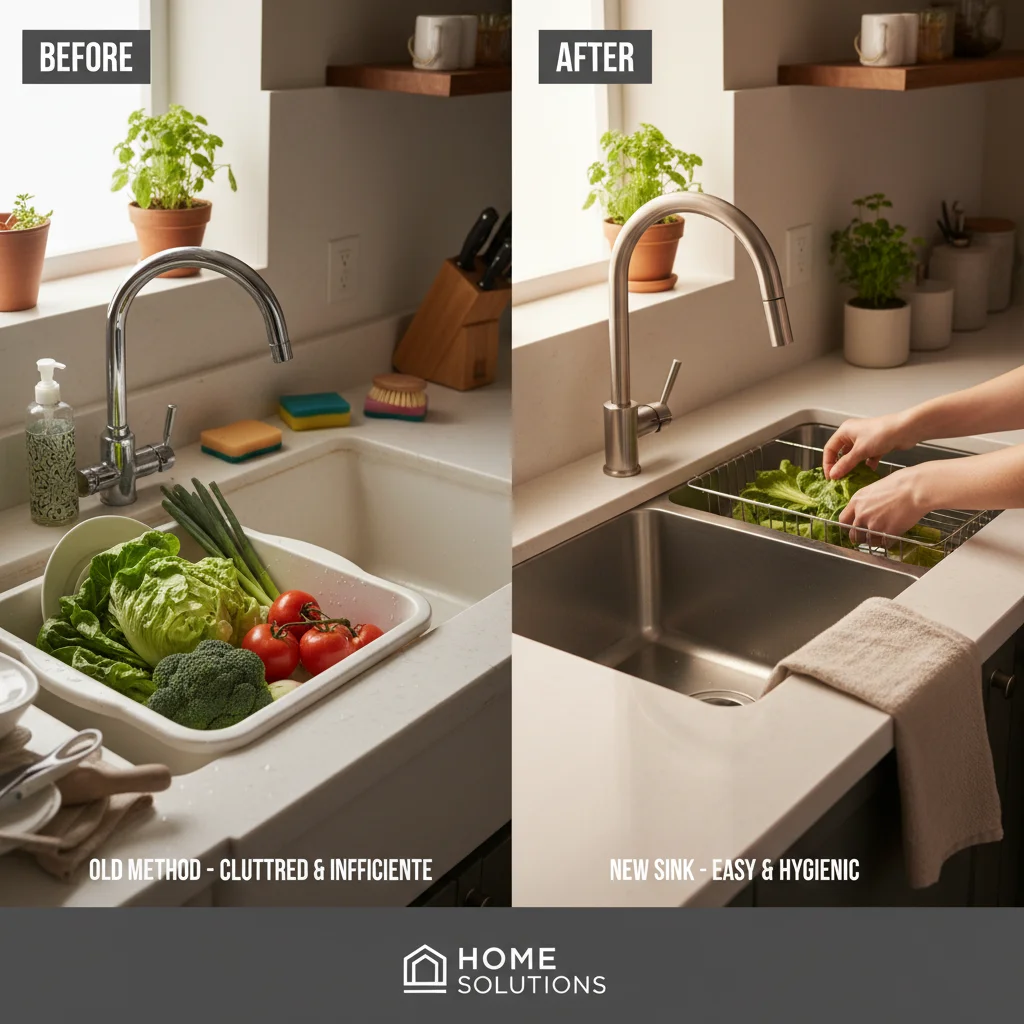
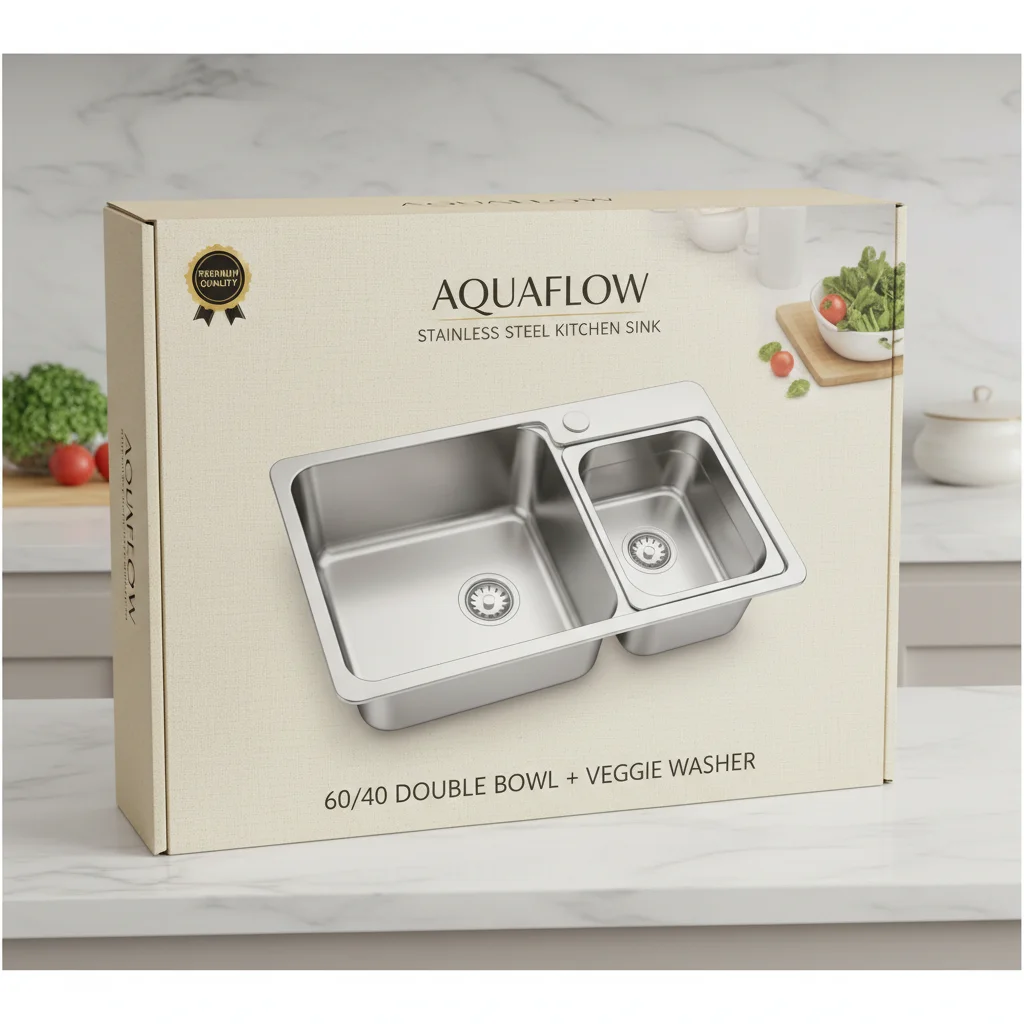
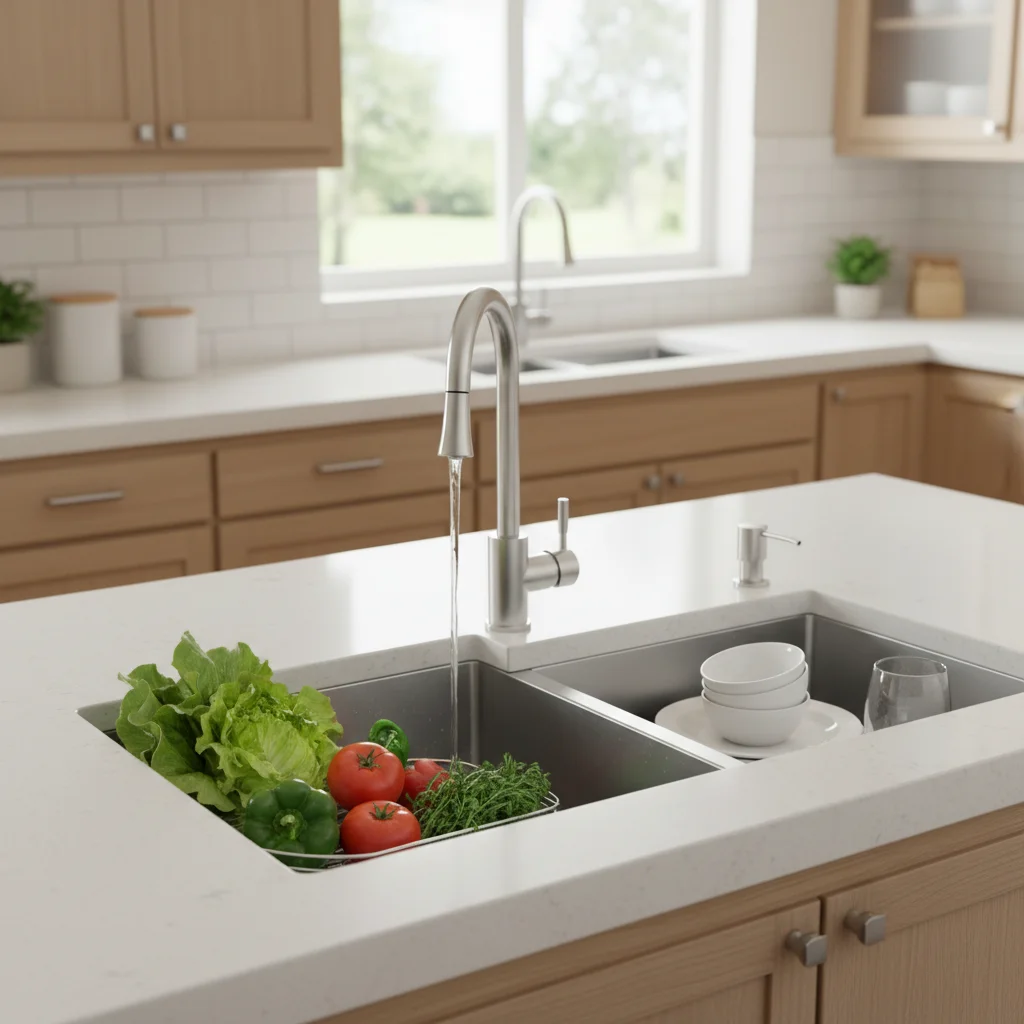
In the symphony of a bustling home, the kitchen often plays the lead, and at its heart lies the sink—a workstation, a cleaning hub, and surprisingly, a significant design element. For discerning homeowners and culinary enthusiasts alike, the choice of a sink transcends mere utility, becoming a statement of style, efficiency, and longevity. Among the myriad options available, the stainless double sink undermount stands out as a preeminent selection, embodying a perfect confluence of durability, hygienic properties, and seamless aesthetic integration. This particular configuration, with its two distinct basins and its installation beneath the countertop's surface, offers an unparalleled blend of functional versatility and sophisticated appeal. Its inherent resistance to corrosion, coupled with a timeless visual presence, ensures it not only withstands the rigors of daily use but also elevates the entire kitchen environment. We delve into the multifaceted advantages that make this sink a cornerstone of modern kitchen design, exploring its robust construction, innovative features, and the undeniable value it brings to any household.
Data-Driven Performance: Unpacking the Efficiency and Value
The decision to invest in a premium kitchen fixture like a stainless undermount sink is increasingly supported by compelling data that underscores its efficiency and long-term value. Market research indicates a consistent upward trend in consumer preference for undermount installations, with recent reports showing an annual growth rate exceeding 6% for the undermount sink segment, significantly outpacing traditional drop-in models. This surge is not merely a fleeting trend but a reflection of tangible benefits. For instance, user satisfaction surveys frequently report ratings upwards of 90% for stainless steel undermount sinks, primarily citing ease of cleaning, durability, and aesthetic integration as key factors. From a return on investment (ROI) perspective, upgrading to a high-quality stainless double undermount can contribute to an estimated 3-5% increase in a home's overall perceived value, a substantial gain for homeowners considering resale.
Beyond financial metrics, operational efficiency is paramount. Modern stainless undermount sinks, particularly those constructed with heavier 16-gauge steel, exhibit superior noise reduction capabilities. Laboratory tests demonstrate that sinks equipped with adequate sound-dampening pads and undercoating can reduce operational noise—from running water or clanking dishes—by up to 20 decibels compared to thinner, uninsulated counterparts, transforming the kitchen into a quieter, more pleasant workspace. Furthermore, advanced drainage designs, often featuring precisely angled bottom slopes (typically 2-3 degrees) and strategically offset drain openings, ensure rapid and complete water evacuation, minimizing standing water and the potential for bacterial growth. This thoughtful engineering not only enhances hygiene but also contributes to reduced water consumption by facilitating quicker rinsing cycles. The combination of these data-backed performance indicators solidifies the stainless double undermount sink as a wise and highly efficient choice for any contemporary kitchen.
Engineering Excellence: Technical Advantages of Modern Stainless Undermount Sinks
The formidable reputation of modern stainless steel undermount sinks is rooted in a foundation of meticulous engineering and superior material science. At the core of its resilience is the choice of stainless steel, predominantly Type 304, known for its exceptional chromium-nickel composition (typically 18% chromium and 8% nickel). This alloy delivers unparalleled resistance to corrosion, rust, and oxidation, making it ideally suited for the constantly moist and chemically varied environment of a kitchen sink. While 304 is the industry standard, some premium models may utilize 316 stainless steel, which incorporates molybdenum, offering even greater resistance to harsh chlorides—a critical advantage in specific commercial or coastal applications, though less common for residential sinks.
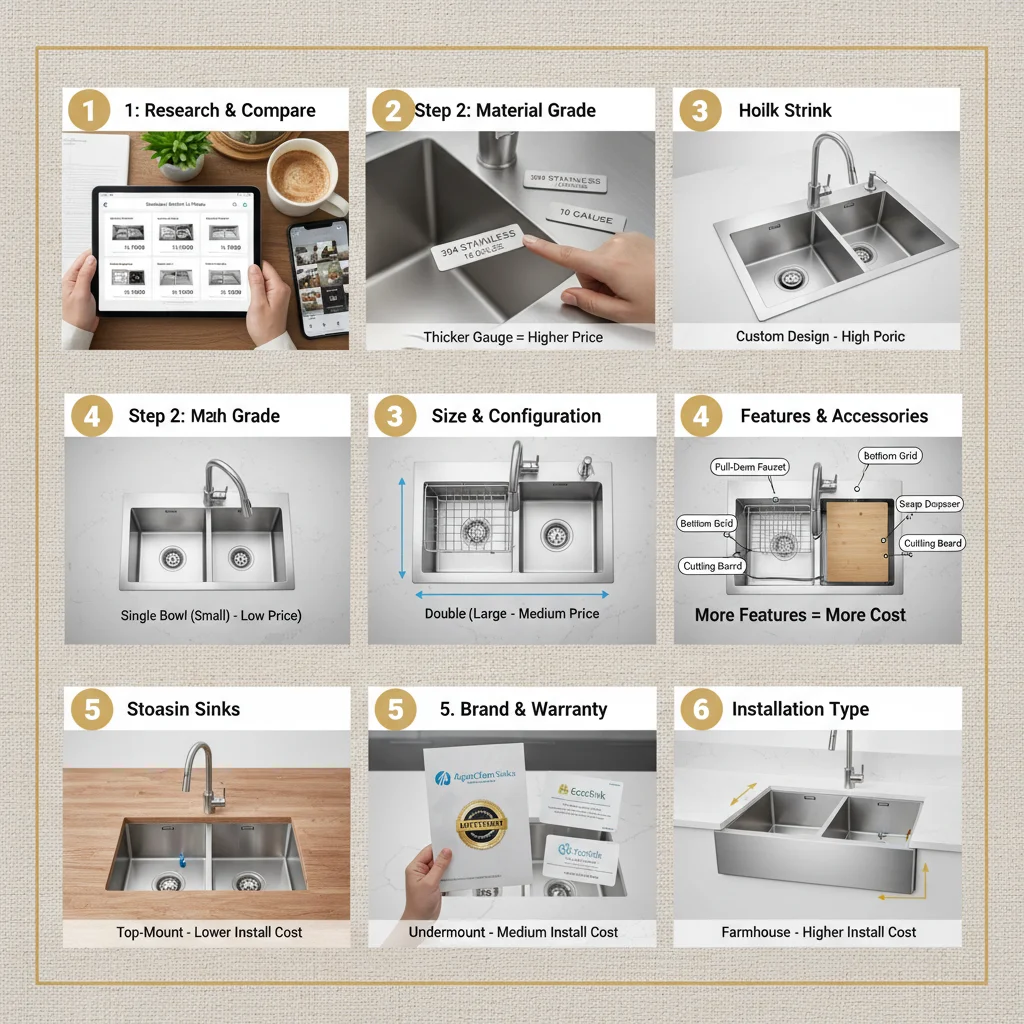
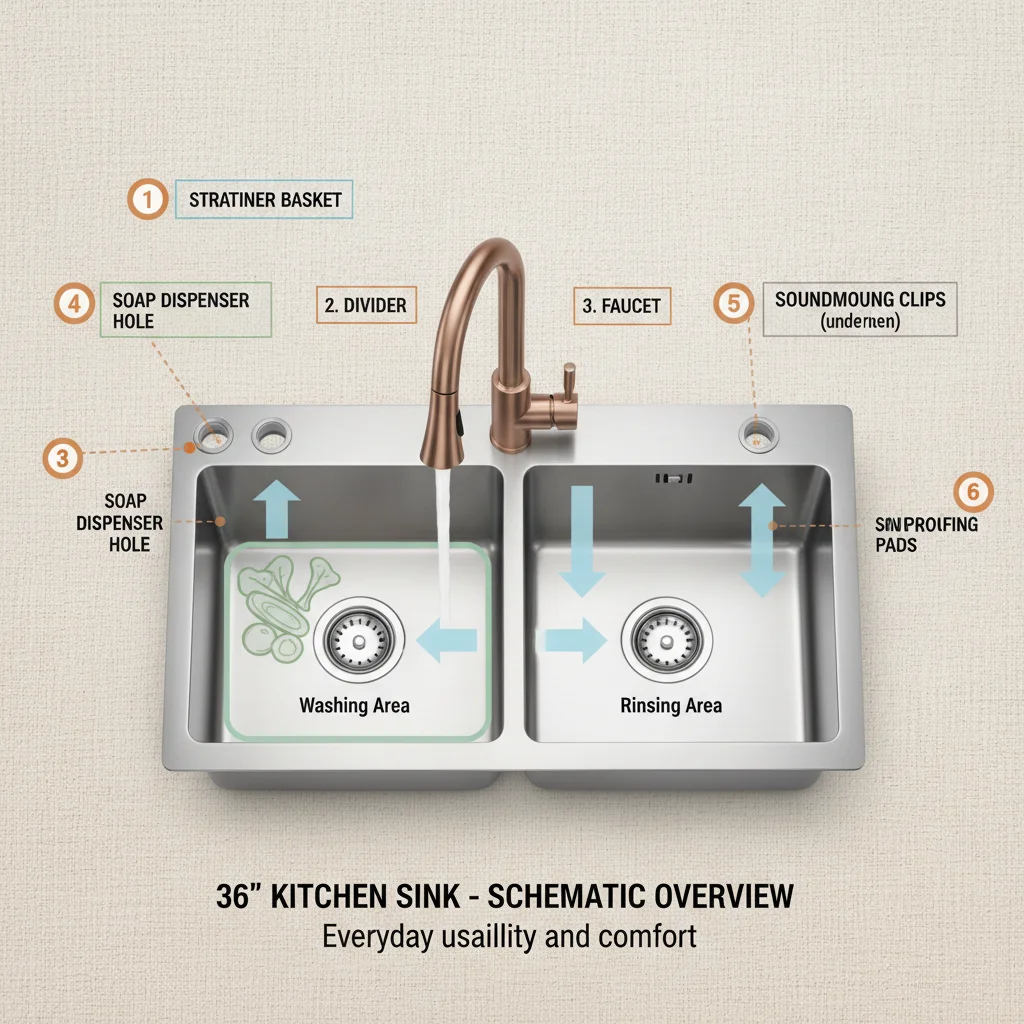
Gauge thickness is another critical technical specification. Professional-grade sinks typically feature 16-gauge stainless steel, which is demonstrably thicker and more robust than the more common 18-gauge or 20-gauge alternatives. This increased thickness contributes significantly to the sink's longevity, its resistance to dents and dings from heavy pots and pans, and its overall structural integrity. The thicker material also acts as a natural sound buffer, further enhanced by advanced sound-dampening technologies. These often include strategically placed, high-density rubber pads on the sink’s exterior bottom and sides, along with a protective, anti-condensation undercoating. This insulation not only mutes the clang of dishes and the roar of a garbage disposal but also helps maintain water temperature in the basin and prevents cabinet moisture buildup.
Beyond material composition, the design of the sink itself incorporates sophisticated features. Radius corners, ranging from tight R10 to R15, maximize basin volume while facilitating easier cleaning compared to sharp 90-degree corners. The aforementioned sloped bottoms and offset drains are crucial for efficient water runoff, preventing pooling and ensuring a hygienic surface. Furthermore, the inherent non-porous nature of stainless steel inhibits bacterial adhesion, making it remarkably easy to sanitize and maintain. The undermount installation itself contributes significantly to cleanliness, eliminating the rim that often traps crumbs and grime around drop-in sinks, allowing for effortless wiping directly from the countertop into the basin. These combined technical advantages underscore why a well-engineered stainless undermount sink represents a peak in kitchen functionality and hygiene.
Navigating the Market: A Comparative Analysis of Leading Manufacturers
Choosing the right stainless undermount sink requires a careful consideration of various manufacturers, each offering distinct features, quality levels, and price points. The market is populated by both established brands renowned for their heritage and newer entrants pushing innovative designs. A comparative analysis helps demystify these choices, enabling consumers to align their investment with their specific needs and budget. Below, we present a generalized comparison of hypothetical leading manufacturers, focusing on key attributes that differentiate their offerings. This table aims to provide a framework for evaluating options, understanding that actual product specifications and prices will vary.
Feature | Manufacturer A (Premium) | Manufacturer B (Mid-Range) | Manufacturer C (Value) |
Stainless Steel Grade | Premium 304 (sometimes 316 options) | High-Quality 304 | Standard 304 |
Gauge Thickness | 16-Gauge Standard | 18-Gauge Standard (some 16G options) | 18-20 Gauge |
Sound Dampening | Extensive pads & full undercoating | Pads on sides & bottom, partial undercoating | Pads on bottom only, minimal coating |
Finish Options | Brushed Satin, Polished, PVD options | Brushed Satin, occasionally Polished | Brushed Satin |
Corner Radius | Tight R10-R15 for maximum volume | R15-R25 | Larger R25-R30 |
Included Accessories | Grids, strainers, cutting board, colander | Grids, strainers (sometimes) | Strainers (basic) |
Warranty | Limited Lifetime | Limited Lifetime (less comprehensive) | 5-10 Year Limited |
Typical Price Range | $400 - $1000+ | $250 - $600 | $150 - $350 |
Manufacturer A often caters to the luxury segment, emphasizing cutting-edge design, superior materials, and an extensive suite of integrated accessories. Their focus is on delivering an uncompromising user experience and maximizing the sink's role as a sophisticated kitchen centerpiece. Manufacturer B represents a solid middle ground, providing excellent value by balancing quality construction with more accessible pricing. They often offer a good range of standard features and reliable performance. Manufacturer C, on the other hand, targets budget-conscious consumers, offering functional and durable sinks that meet basic requirements without extensive frills. While their gauge may be thinner and sound dampening less robust, they still utilize decent quality stainless steel to ensure longevity.
When comparing, it’s crucial to look beyond the initial price tag. Factors like the depth of the bowls, the specific dimensions to fit your cabinetry, the ease of installation, and the availability of matching accessories like grids and strainers should all play a role in your final decision. A higher initial investment in a reputable brand often translates to better long-term durability, fewer maintenance issues, and a more satisfying overall kitchen experience.
Tailoring Your Culinary Space: Customization and Configuration Options
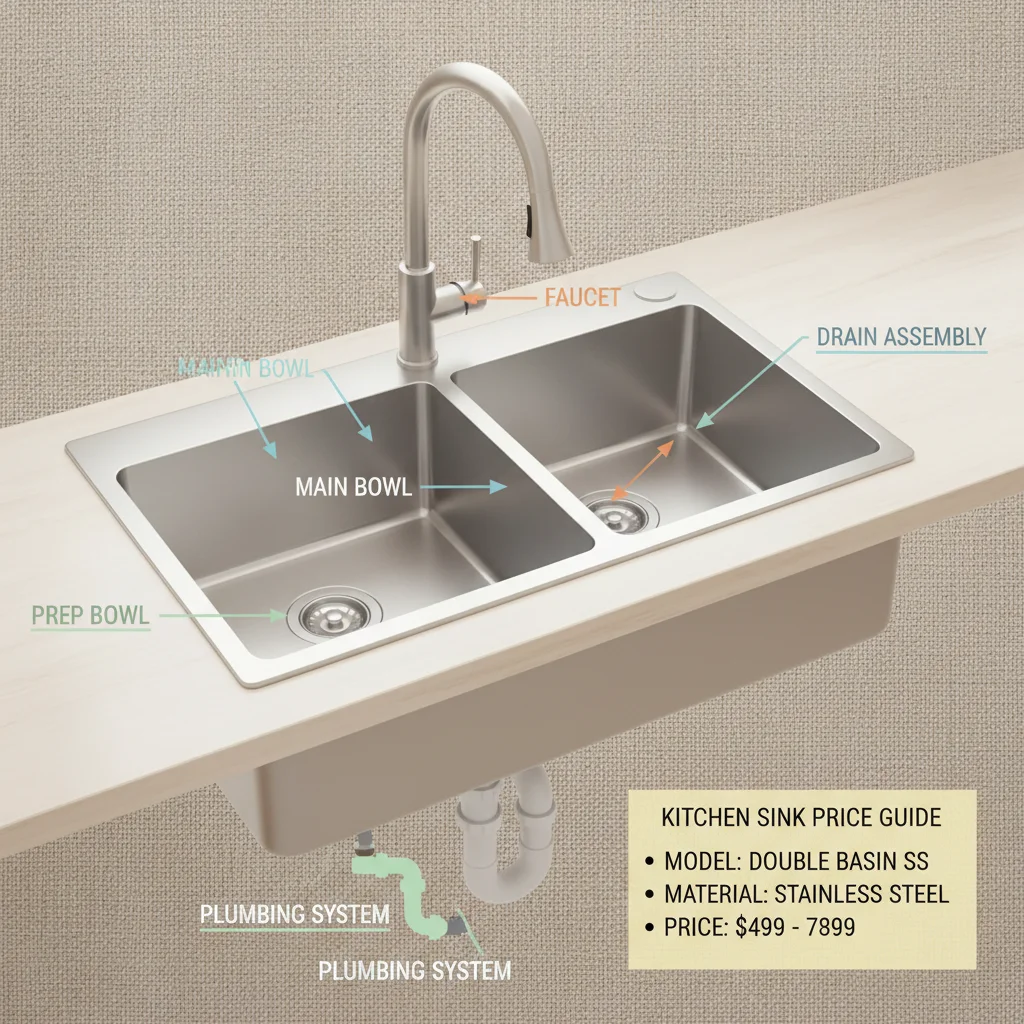
The versatility of the stainless undermount sink extends significantly into its customization and configuration options, allowing homeowners to perfectly tailor their culinary workspace to individual needs and aesthetic preferences. This adaptability is particularly evident in the double-bowl format, which offers various divisions to enhance functionality.
The most common configurations include:
· 50/50 Split: Ideal for symmetrical tasks, allowing simultaneous washing in one bowl and rinsing or drying in the other. This classic division is preferred by those who value balanced utility.
· 60/40 Split (or 40/60): Offers one larger bowl for accommodating oversized pots, pans, and baking sheets, while the smaller bowl serves for prep work, disposing of food scraps, or draining dishes. This asymmetrical layout is highly practical for many contemporary kitchens, providing flexibility without sacrificing capacity.
· 70/30 Split (or 30/70): Further emphasizes the primary working bowl, making it excellent for households that frequently use large cookware. The smaller basin is perfectly suited for a garbage disposal or quick rinses.
Beyond bowl divisions, dimensions play a crucial role. Sinks are available in a vast array of lengths, widths, and depths, ranging from compact models suited for smaller kitchens to expansive designs for larger island installations. Depths typically vary from 8 to 10 inches, with deeper bowls minimizing splash and accommodating more dishes. It's imperative to measure existing cabinet base dimensions carefully to ensure a proper fit and allow for necessary plumbing clearances.
The aesthetic appeal can also be customized through various finish options. While brushed satin is the most popular due to its ability to hide water spots and minor scratches, polished finishes offer a more reflective, contemporary look. Some manufacturers also offer advanced PVD (Physical Vapor Deposition) coatings that impart unique colors like graphite or black stainless, providing a distinctive visual statement while enhancing durability. Accessory integration is another key aspect of customization. Many modern stainless undermount sinks are designed to be "workstations," coming with ledges that support custom-fit accessories such as rolling drying racks, cutting boards, colanders, and bottom grids. These accessories not only protect the sink surface but also expand the functional prep area, transforming the sink into a multi-purpose zone. Finally, consider faucet compatibility and the specific drilling requirements for faucet holes, soap dispensers, or hot water dispensers, ensuring all elements integrate harmoniously into your personalized kitchen setup.
Real-World Integration: Diverse Application Cases and Design Pairings
The adaptability and timeless aesthetic of the stainless undermount sink allow it to seamlessly integrate into a vast spectrum of kitchen designs and real-world applications. Far from being confined to a single style, its clean lines and metallic sheen offer a versatile foundation upon which diverse culinary spaces can be built, from minimalist modern sanctuaries to rustic farmhouses with a contemporary twist.
In a Modern Minimalist Kitchen, a sleek, rectangular stainless undermount sink with tight radius corners becomes an understated focal point. Paired with crisp white quartz countertops and handleless cabinetry, its seamless integration emphasizes clean lines and an uncluttered aesthetic. The undermount installation itself reinforces this minimalist ethos by removing the visual break of a rim, allowing the countertop material to flow uninterrupted.
For a Contemporary Industrial Loft, the robust nature of stainless steel perfectly complements exposed brick, concrete, and black metal accents. A deep, 16-gauge double undermount sink with a matte or brushed finish harmonizes with the raw, functional beauty of such an environment, becoming both a practical workhorse and a stylish element that grounds the industrial aesthetic.
Even in a more Traditional or Transitional Kitchen, the stainless undermount can be thoughtfully incorporated. When paired with rich granite or marble countertops and classic shaker-style cabinets, its metallic gleam provides a subtle modern counterpoint, preventing the space from feeling overly dated. The double bowl configuration, in particular, appeals to traditionalists who value distinct zones for washing and rinsing, echoing the functionality of older, larger farmhouse sinks but with a modern, hygienic twist.
Beyond aesthetics, practical applications abound. In a Busy Family Home, the durability and ease of cleaning are paramount. A 60/40 split 16-gauge double undermount can easily handle stacks of dishes in the larger basin while the smaller one holds a garbage disposal or is used for quick hand washes, standing up to daily wear and tear from active children and frequent meal preparations. In Smaller Urban Apartments, a compact double undermount sink maximizes limited counter space by providing dual functionality without consuming valuable surface area. Its ability to tuck beneath the counter optically expands the workspace, a critical advantage where every inch counts.
For outdoor kitchenettes or light commercial settings, the exceptional corrosion resistance of 304 stainless steel ensures longevity and hygiene in more exposed or demanding environments. Whether it’s paired with a sleek solid surface, a durable engineered stone, or even a classic butcher block, the stainless undermount sink consistently proves its worth, adapting to various design narratives while delivering uncompromising performance. Its inherent versatility makes it a cornerstone element for diverse architectural styles and lifestyle needs, confirming its status as a truly universal and high-performing kitchen fixture.
The Lasting Investment: Why a Stainless Double Sink Undermount is the Smart Choice for Your Home
As we conclude our exploration, the manifold advantages of the stainless double sink undermount coalesce into a clear narrative: it represents a profoundly smart and lasting investment for any home. From its foundational engineering in high-grade stainless steel to its thoughtful design features like sound dampening and efficient drainage, every aspect is crafted for endurance and superior performance. The data unequivocally supports its value proposition, highlighting not just the immediate benefits of enhanced functionality and hygiene, but also its significant contribution to long-term property appeal and resale value. The comparative analysis of manufacturers reveals a diverse market, yet consistent thread of quality and innovation, ensuring that a premium solution exists for every budget and preference. Furthermore, the extensive customization options, ranging from bowl configurations to accessory integration, empower homeowners to create a truly bespoke and highly efficient culinary workspace tailored to their unique lifestyle. Its proven adaptability across myriad design aesthetics—from the stark minimalism of contemporary kitchens to the rich textures of traditional settings—cements its status as a versatile and timeless fixture. Choosing a stainless double sink undermount is not merely selecting a utility item; it is an deliberate decision to enhance the heart of your home with a fixture that delivers on every promise of durability, hygiene, aesthetic excellence, and enduring value. It is an investment that will continue to pay dividends in convenience, beauty, and peace of mind for decades to come, truly making it the quintessential choice for the modern kitchen.
Frequently Asked Questions about Stainless Double Sink Undermounts
Q1: What is the ideal gauge for a stainless double sink undermount?
A1: For optimal durability, sound dampening, and resistance to dents, 16-gauge stainless steel is generally considered the ideal choice for a double sink undermount. While 18-gauge is also a good, more affordable option, 16-gauge offers superior longevity and robustness.
Q2: How do I choose between a 50/50 and a 60/40 split for my double sink?
A2: A 50/50 split is great for balanced tasks like simultaneous washing and rinsing. A 60/40 split (or 70/30) is often preferred for homes that frequently use large pots and pans, as the larger bowl provides ample space, while the smaller one is perfect for prep or disposal.
Q3: Are stainless steel undermount sinks prone to scratches or water spots?
A3: While stainless steel is highly durable, it can show scratches, especially on polished finishes. Brushed satin finishes are more forgiving. Water spots are common with hard water, but regular drying after use and occasional cleaning with a stainless steel cleaner can minimize their appearance.
Q4: How do undermount sinks impact countertop space and cleaning?
A4: Undermount sinks create a seamless transition with the countertop, visually expanding the workspace and making cleaning incredibly easy. You can simply wipe crumbs and liquids directly into the sink without encountering a rim, contributing to a more hygienic kitchen.
Q5: What's the best way to maintain a stainless double sink undermount?
A5: Regular cleaning with mild dish soap and a soft cloth is sufficient for daily maintenance. For deeper cleaning and to remove stains, use a non-abrasive stainless steel cleaner in the direction of the grain. Avoid abrasive scrubbers, steel wool, and bleach.
Q6: Can I install a garbage disposal with a stainless double sink undermount?
A6: Yes, most stainless double sink undermounts are fully compatible with garbage disposals. Ensure that the specific model you choose has the standard drain opening size (typically 3.5 inches) for proper disposal installation in one of the bowls.
Q7: What advantages does stainless steel have over other sink materials like granite composite or cast iron?
A7: Stainless steel offers superior heat resistance, is non-porous (excellent for hygiene), and is generally more affordable than many composite options. It's also lighter and easier to install than cast iron. While granite composite offers color variety, stainless steel's timeless appeal and durability make it a highly practical choice.