Understanding Kitchen Sink Manufacturing: A Global Perspective
If you pause to think about it, the humble kitchen sink is a fixture in literally billions of homes and commercial spaces worldwide. Kitchen sink manufacturing sounds mundane at first, but it’s actually a fascinating industrial niche with far-reaching effects. From improving hygiene standards to driving sustainable material use, this sector touches lives everywhere — and yet it’s often overlooked. Tackling its complexities offers global benefits, especially in public health, water management, and economic development.
Introduction: Why Kitchen Sink Manufacturing Matters Worldwide
Globally, it’s estimated that over 1.7 billion people lack access to safe drinking water and sanitation facilities (UN-Water). Reliable kitchen sinks, especially those made with thoughtful design and durable materials, are a small but crucial part of this puzzle. They facilitate hygiene at home and in healthcare or food processing settings by providing a controlled water access point.
However, the kitchen sink manufacturing industry also grapples with environmental and economic challenges: sourcing materials sustainably, keeping prices affordable for emerging markets, and innovating for better durability.
According to recent ISO data, demand for stainless steel and composite kitchen sinks is increasing due to their blend of strength and style — but the industry must balance this against carbon footprints and waste. So, it's not just about producing more sinks; it's about producing smarter, more sustainable sinks.
What Is Kitchen Sink Manufacturing?
In simple terms, kitchen sink manufacturing means the process of designing, fabricating, and assembling sinks typically used in kitchens — but it’s more than just stamping metal or molding composites. It involves selecting materials, precision engineering for drainage and usability, surface finishing, and ensuring compliance with health standards. It’s a sector bridging industrial manufacturing with everyday humanitarian needs: clean water access, hygiene promotion, and even water conservation.
Key Components of Kitchen Sink Manufacturing
1. Durability
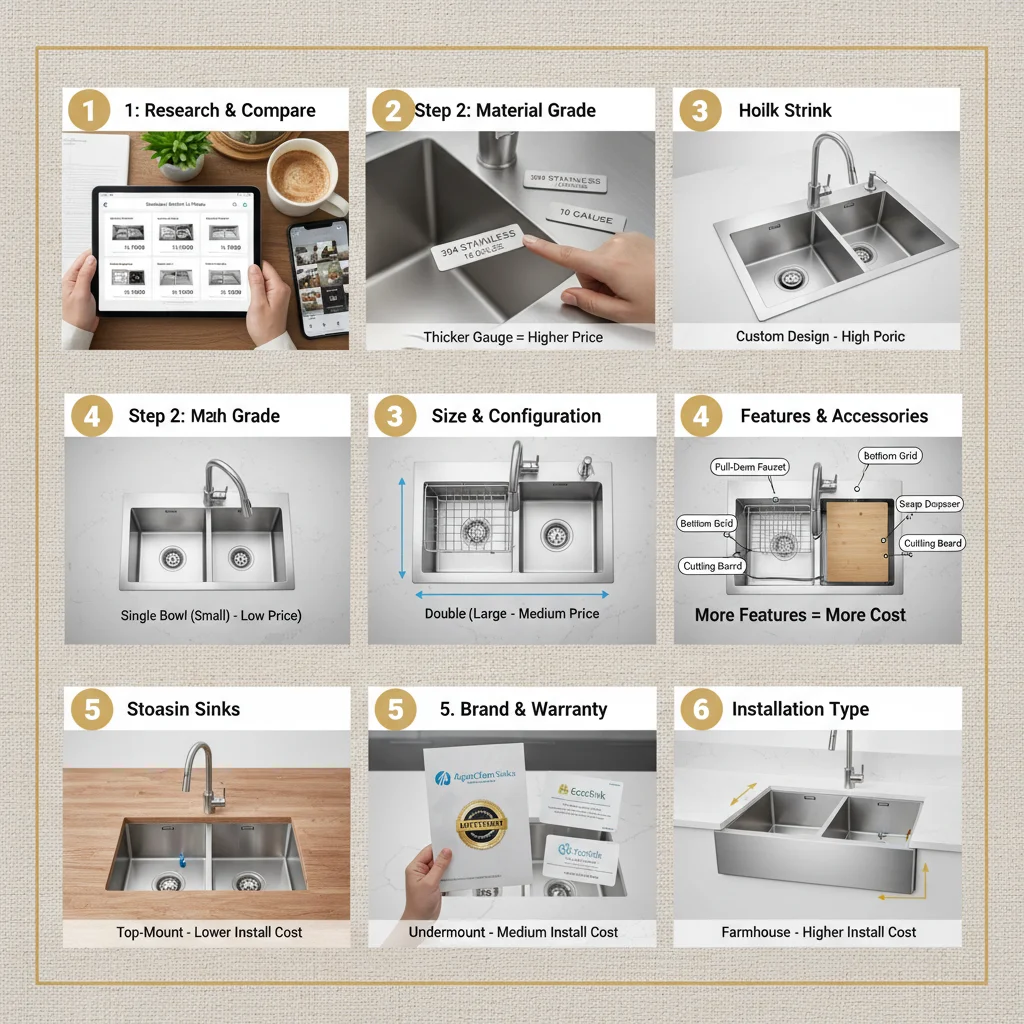
Durability, frankly, is king. Kitchen sinks must withstand constant exposure to water, detergents, and impacts without corroding or cracking. Stainless steel alloys, fireclay, and composite materials are leading choices because they balance toughness with aesthetics.
2. Scalability
Producing kitchen sinks at scale requires streamlined assembly lines and supplier networks for raw materials. Scalability ensures manufacturers can meet volumes demanded by large housing projects or commercial contracts without compromising quality.
3. Cost Efficiency
Keeping production costs manageable is essential, especially for sinks destined for developing markets. Manufacturers employ lean manufacturing techniques, automation, and material optimization to keep prices competitive.
4. Sustainability
The sector is slowly embracing sustainability by incorporating recycled metals, reducing water and energy use during manufacturing, and designing sinks for easy recyclability after use. This shift caters to environmentally conscious buyers.
5. Customization & Design
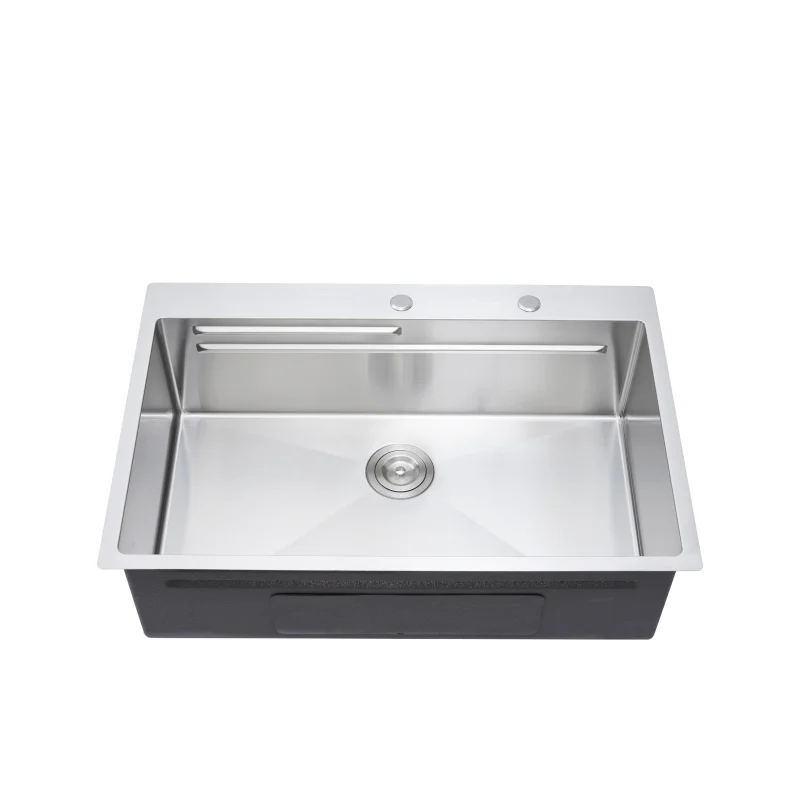
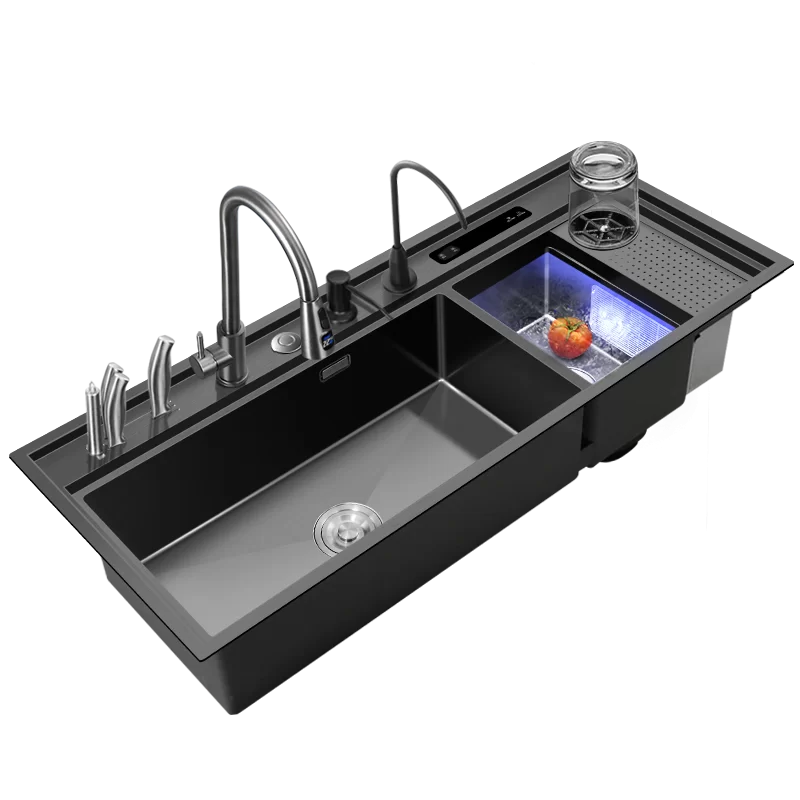
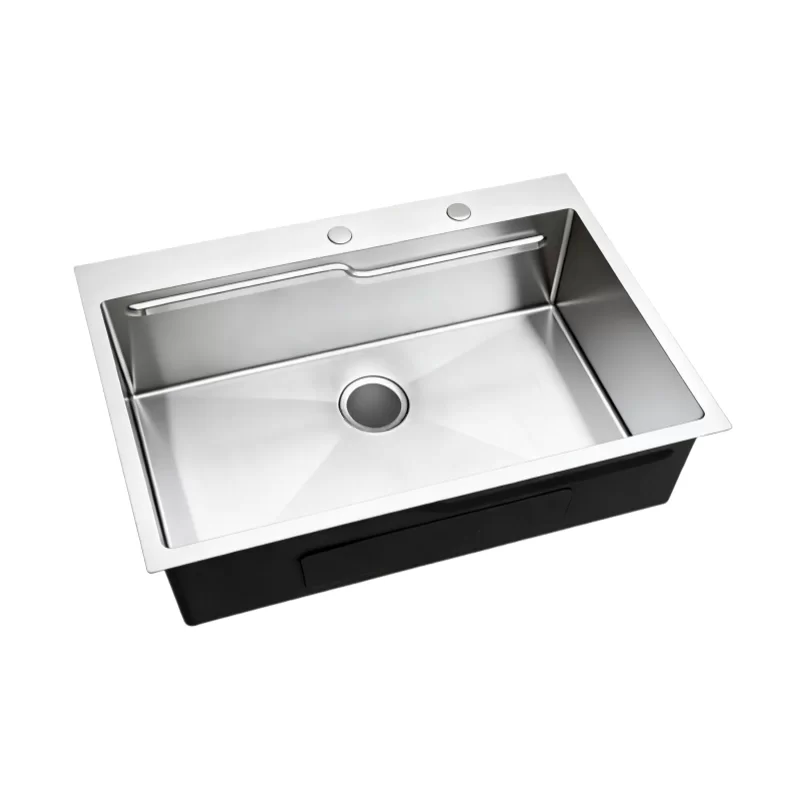
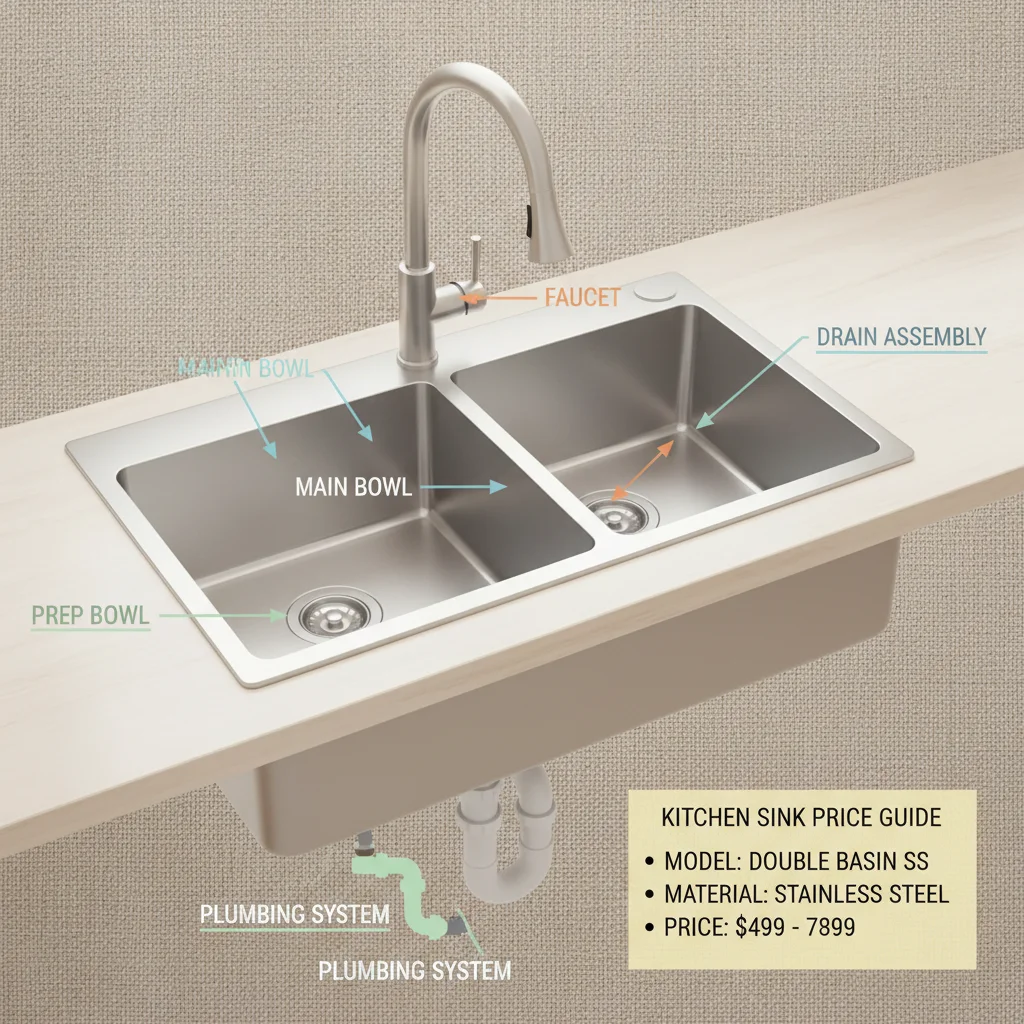
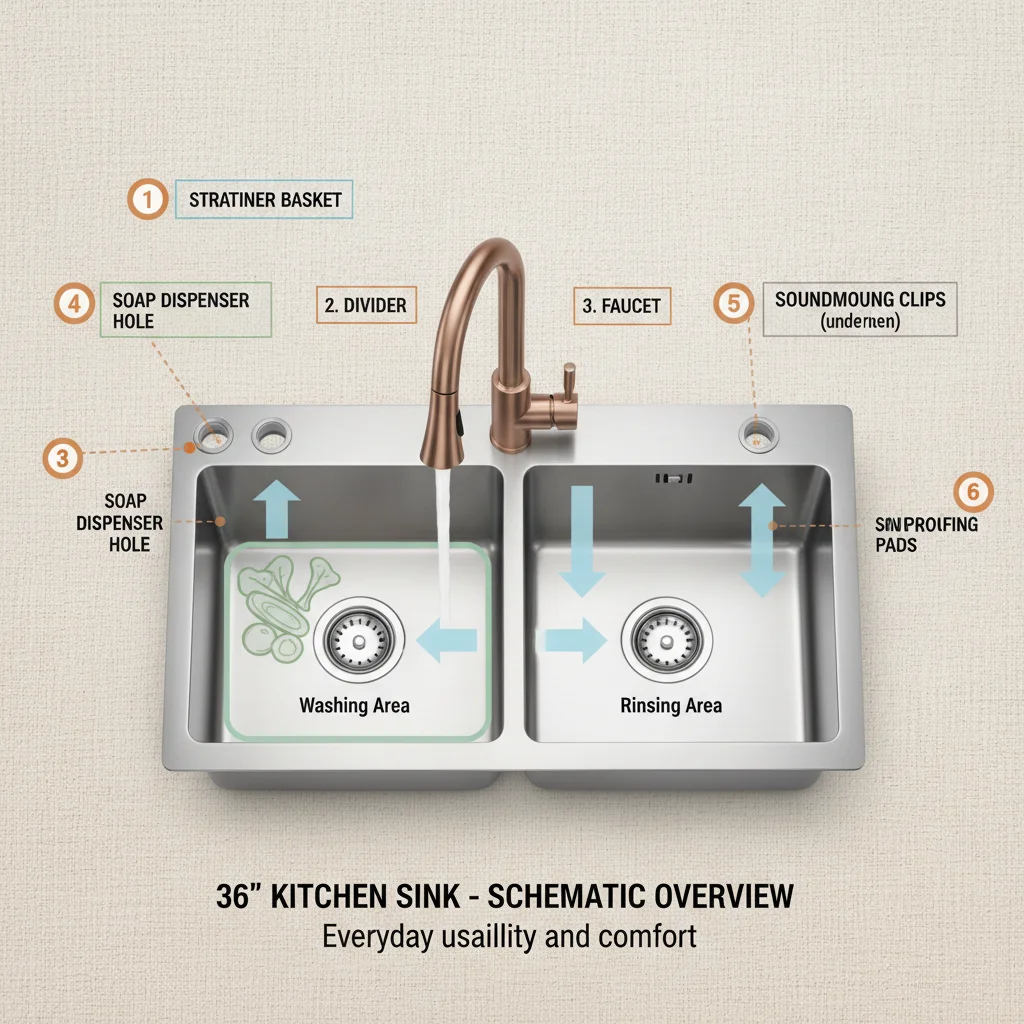
Modern consumers want sinks that fit their unique spaces and styles. Manufacturers offer modular designs, multiple basin options, and integrated features like cutting boards or draining racks to add value.
Product Specifications at a Glance
| Feature |
Material Types |
Typical Dimensions (inches) |
Finish Options |
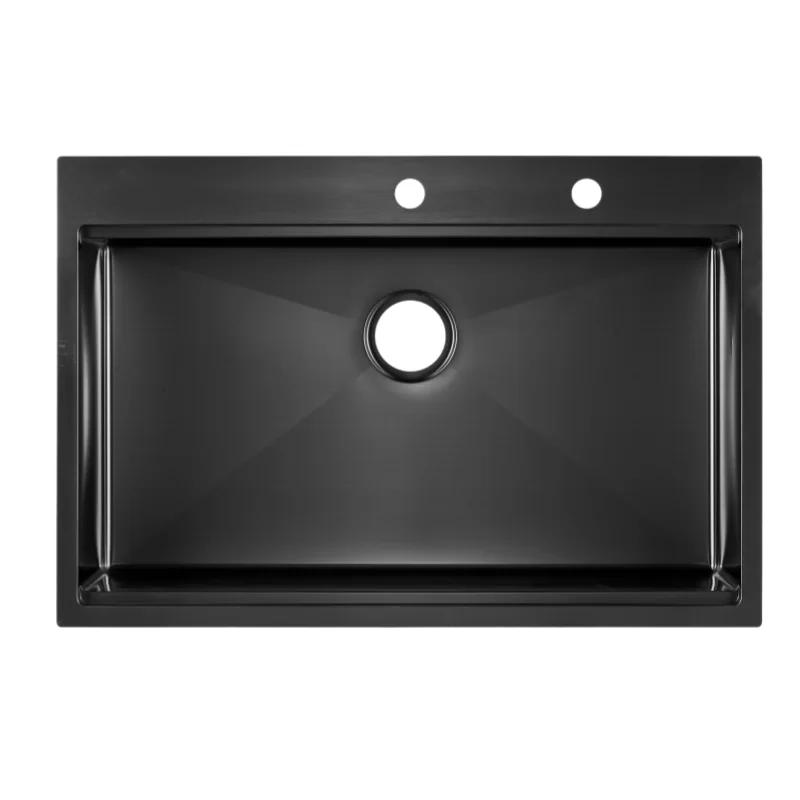
| Single Basin |
Stainless Steel, Composite Granite |
22 x 24 x 10 |
Brushed, Polished, Matte |
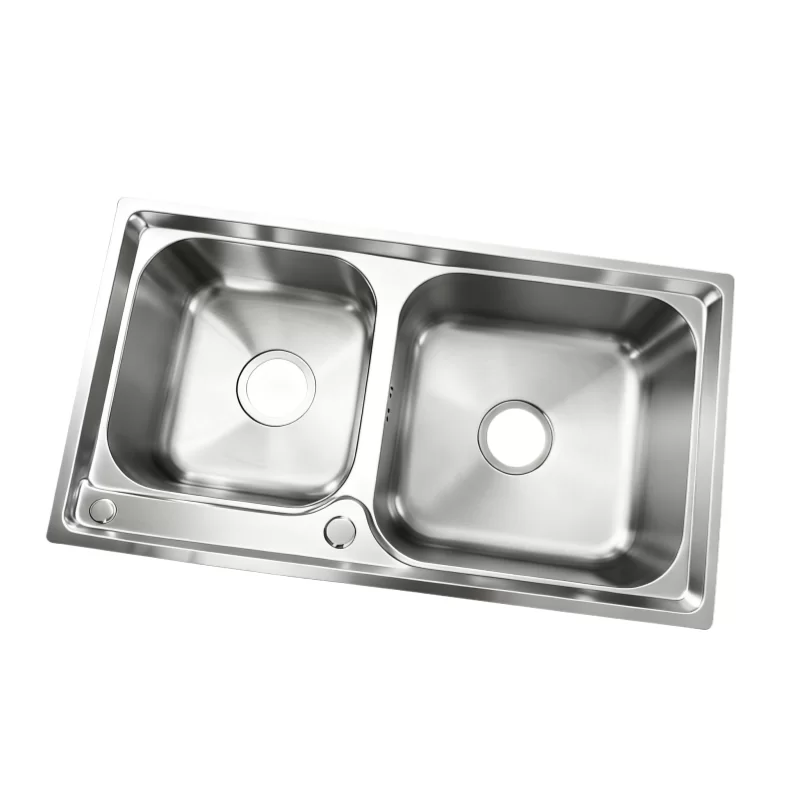
| Double Basin |
Stainless Steel, Fireclay |
33 x 22 x 10 |
Silk, Glossy |
| Undermount/Topmount |
Stainless Steel, Composite |
Varies by model |
Custom finishes available |
Global Applications & Real-World Use Cases
Kitchen sinks, despite their simplicity, are vital in a range of contexts. In urban Asia and Europe, modular kitchen sinks fit efficiently into compact apartments — reflecting scalable manufacturing that satisfies modern living constraints.
In post-disaster relief, mobile kitchen units with easy-to-install sinks help preserve hygiene when infrastructure is damaged — a lifesaver in refugee camps or after earthquakes. Nonprofits and agencies appreciate sinks that are sturdy but lightweight, easy to ship and install.
In remote industrial zones like mining camps or offshore platforms, sinks manufactured with corrosion-resistant coatings ensure safety despite tough environmental conditions.
Across these scenarios, manufacturers often collaborate with water management organizations to integrate water-saving faucets and filtration systems. This helps tackle global water scarcity while offering practical solutions in real terms.
Vendor Comparison
| Manufacturer |
Main Materials |
Price Range (USD) |
Sustainability Efforts |
Customization Options |
| Yashite Sink Co. |
Stainless Steel, Composite Granite |
$100 - $300 |
Recycled materials, water-efficient processes |
High – modular designs & finishes |
| Global Aqua Fixtures |
Fireclay & Ceramic |
$150 - $450 |
Limited recycled content |
Moderate – standard styles only |
| EcoSink Industries |
Recycled Stainless Steel |
$120 - $280 |
High – eco-certified production |
Limited custom colors |
Advantages & Long-Term Value of Kitchen Sink Manufacturing
- Cost-effectiveness: Efficient mass production reduces cost while maintaining quality.
- Sustainability: Using recycled and sustainable materials reduces environmental impact.
- Durability: A well-made sink lasts decades, reducing replacement frequency and waste.
- Hygiene & Safety: Reliable sinks promote health by encouraging handwashing and food cleaning.
- Social Impact: In low-income regions, proper kitchen facilities improve community well-being and dignity.
All told, investing in quality kitchen sinks is investing in public health, trust, and innovation. The global market reflects this growing awareness — pushing manufacturers to refine their technologies and practices.
Emerging Trends & Innovations
The future, oddly enough, looks bright and smart. Advances in digital manufacturing allow for precise, flexible customization, literally printing sinks tailored to unique layouts.
Materials science brings composites combining durability with lightweight designs. Green energy use in production plants is rising, reducing carbon footprints.
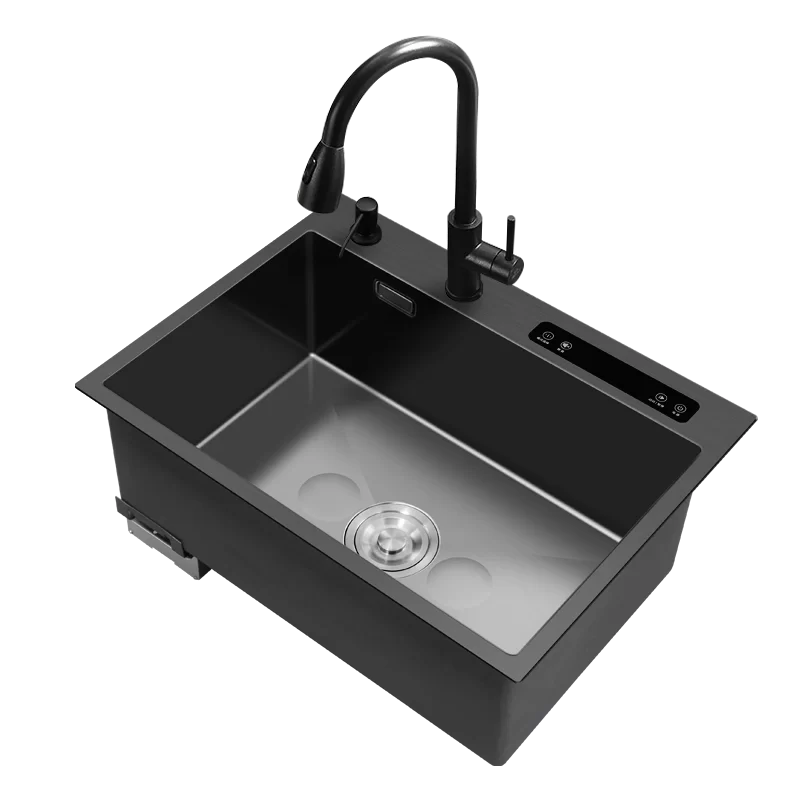
Additionally, smart sinks equipped with sensors for water usage monitoring or automatic cleaning functionalities hint at a connected, sustainable kitchen future. Truly, kitchen sink manufacturing is evolving beyond just steel and clay.
Challenges & Expert Solutions
No sector is without hurdles. Raw material costs fluctuate, supply chains can be vulnerable, and recycling facilities for used sinks are limited in many regions.
Moreover, balancing aesthetic appeal with functional durability challenges many manufacturers.
Innovations like modular manufacturing, local sourcing of materials, and end-of-life recycling programs are some solutions experts champion. Also, partnerships with NGOs to distribute affordable, hygienic sinks in underserved areas amplify both social impact and market reach.
FAQ: Frequently Asked Questions About Kitchen Sink Manufacturing
- What materials are best for long-lasting kitchen sinks?
- Stainless steel ranks highly for corrosion resistance and durability, especially 304-grade. Composite granite offers durability with a modern look, while fireclay is great for scratch resistance but heavier and more brittle.
- How important is sustainability in choosing kitchen sink manufacturers?
- Very important. Sustainable practices reduce environmental impact and increasingly influence buyer decisions. Look for certifications and recycled content claims as indicators.
- Can kitchen sinks be customized for unique kitchen layouts?
- Yes! Many manufacturers now offer modular designs and custom finishes to fit diverse kitchens. Digital modeling helps create tailored solutions quickly.
- How do kitchen sinks address water conservation?
- Sinks paired with efficient faucets and drainage systems can reduce water use. Some smart sinks even monitor consumption to encourage conservation.
- Are kitchen sinks an important factor in global hygiene initiatives?
- Absolutely. Access to sinks facilitates handwashing and food safety, which are critical for reducing disease transmission worldwide.
Conclusion: Why Kitchen Sink Manufacturing Matters Now More Than Ever
Kitchen sink manufacturing, while seemingly simple, plays a surprisingly vital global role—bridging hygiene, sustainability, and innovation. It’s about producing high-quality, durable sinks that make everyday life safer and healthier across continents. For manufacturers and consumers alike, embracing smart materials, sustainable practices, and customization is key.
If you’re curious to explore the best in kitchen sink manufacturing, including cutting-edge designs and eco-conscious options, do check out reliable industry leaders who blend tradition with innovation.
Oddly enough, a kitchen sink is more than a fixture — it’s a foundation for better living.
Mini takeaway: Investing in modern, sustainable sinks benefits public health, local economies, and environmental stewardship—something that resonates on every continent.
References:
1. UN-Water, Water Facts
2. ISO, ISO 9001 Quality Management Systems
3. Wikipedia, Kitchen Sink