Understanding Stainless Steel Kitchen Sink Suppliers: A Global Perspective
Stainless steel kitchen sinks are everywhere — in homes, restaurants, hospitals, and industrial kitchens worldwide. But behind every shiny, durable sink is a network of stainless steel kitchen sink suppliers that make this essential kitchen feature possible. Why does this matter? Well, sinks are more than a surface to wash dishes; they’re about hygiene, sustainability, and design innovation that impacts millions globally.
From bustling cities in the US to remote areas in Asia, sinks built from stainless steel are prized for resisting corrosion and lasting for decades. Understanding where these sinks come from, who supplies them, and what makes one supplier different from another provides manufacturers, architects, and buyers with crucial insight. Plus, it reveals fascinating trends about global manufacturing, sustainability, and market demands.
Global Industry Context: Why Stainless Steel Kitchen Sink Suppliers Matter
In 2022, the global demand for kitchen sinks was valued at over USD 2.3 billion and growing steadily, according to market analysts. The International Organization for Standardization (ISO) has set specific standards for stainless steel products, which directly influence supplier practices globally. This means suppliers must comply with quality benchmarks, environmental controls, and manufacturing efficiency to stay competitive.
But one notable challenge remains: as more countries urbanize and environmental regulations tighten, suppliers must balance cost-efficiency with sustainability. For example, many suppliers in fast-developing economies struggle to meet global stainless steel quality without raising prices or cutting corners. So, sourcing from reputable stainless steel kitchen sink suppliers becomes both a quality and ethical decision.
What Exactly Are Stainless Steel Kitchen Sink Suppliers?
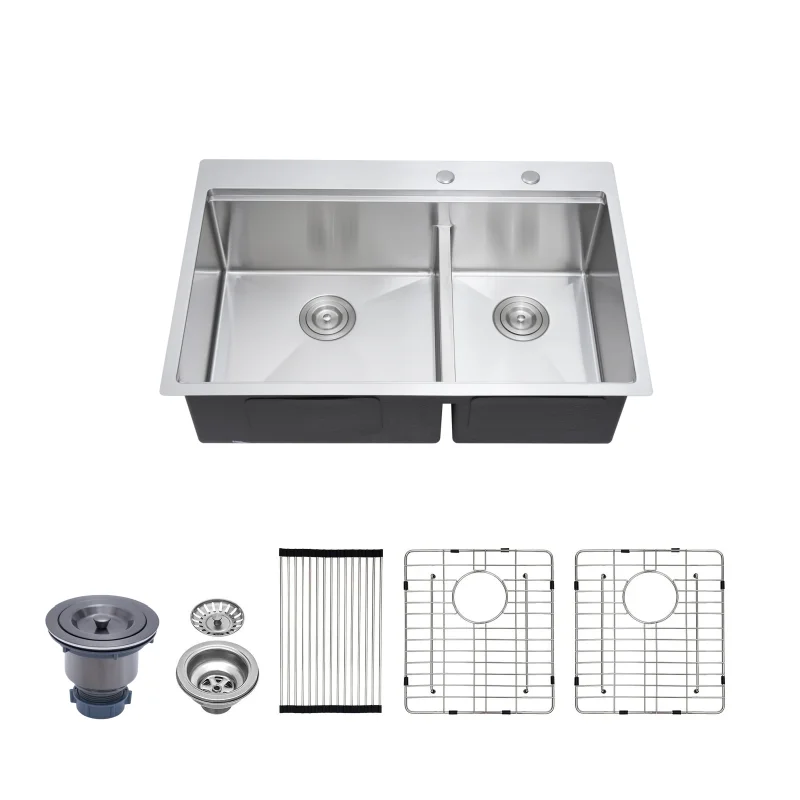
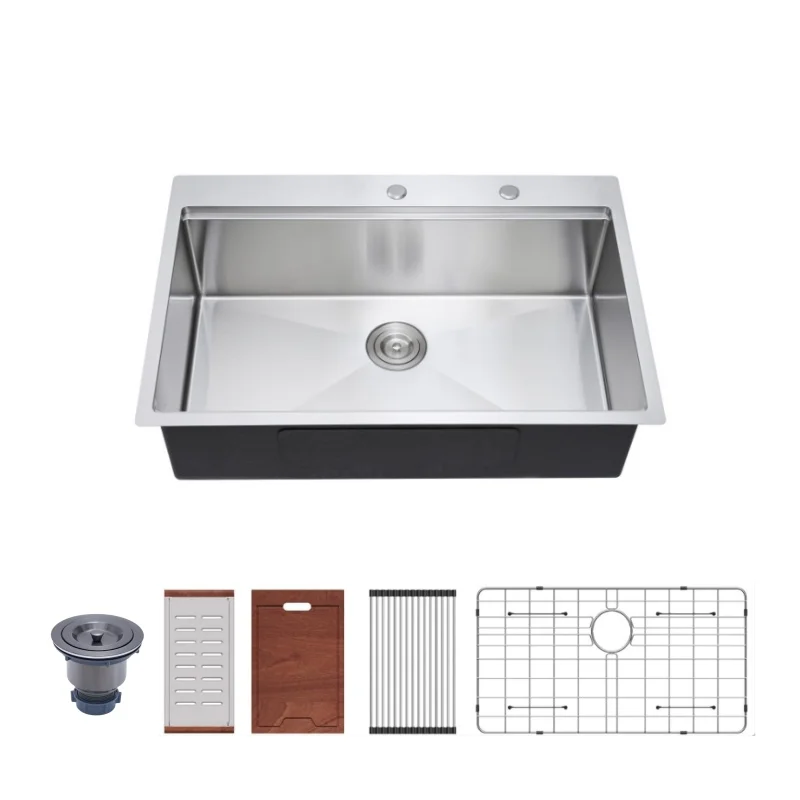
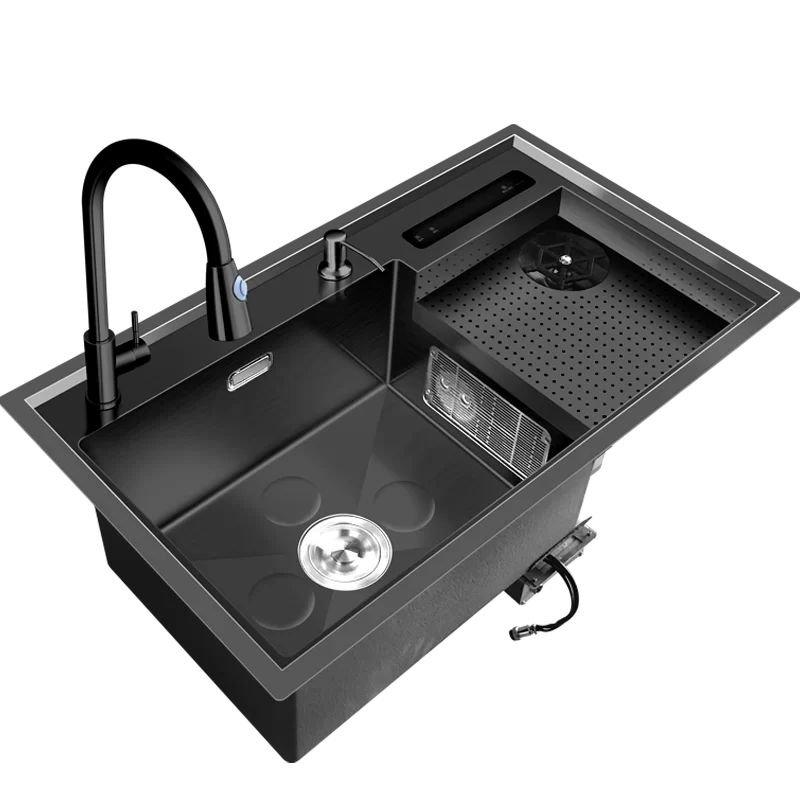
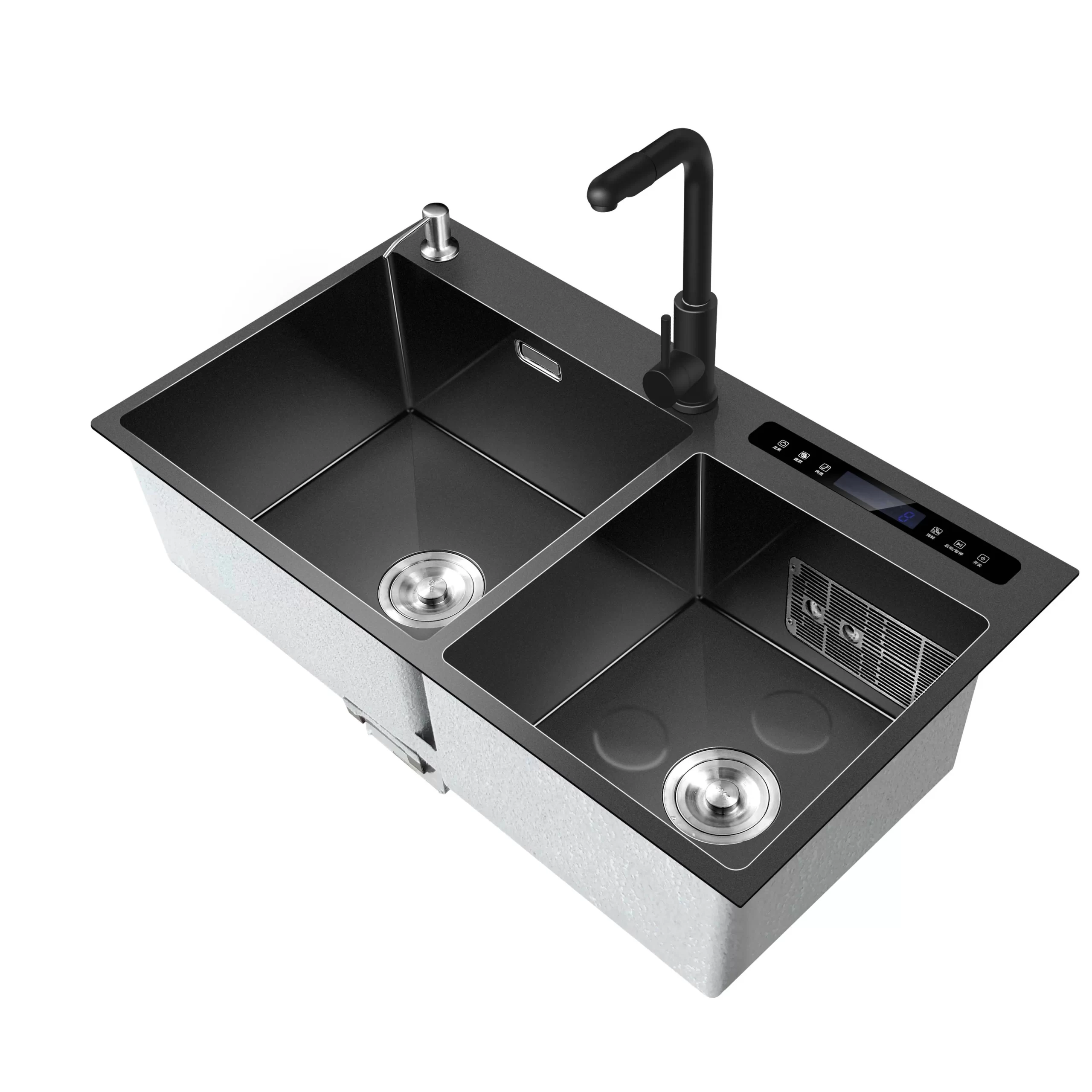
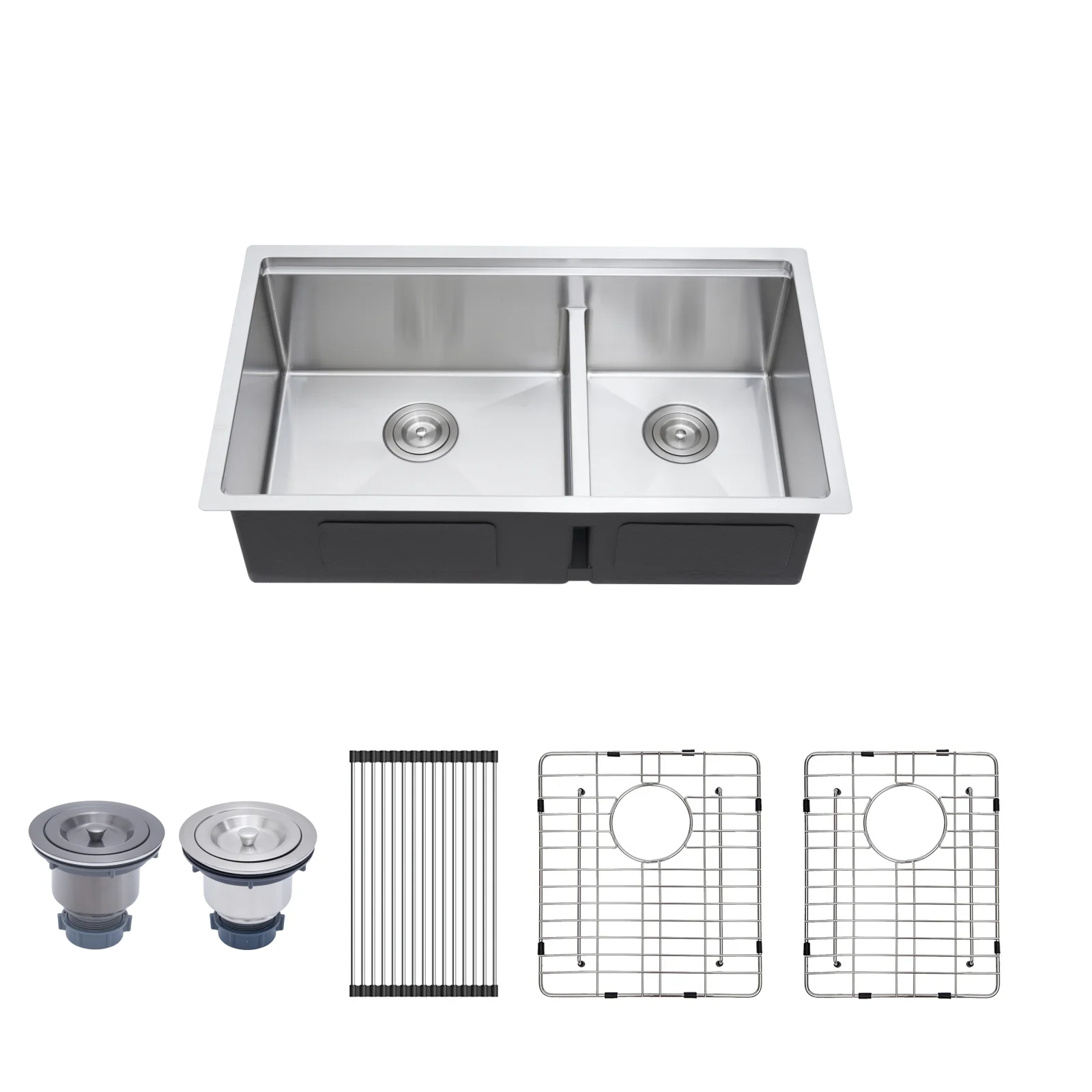
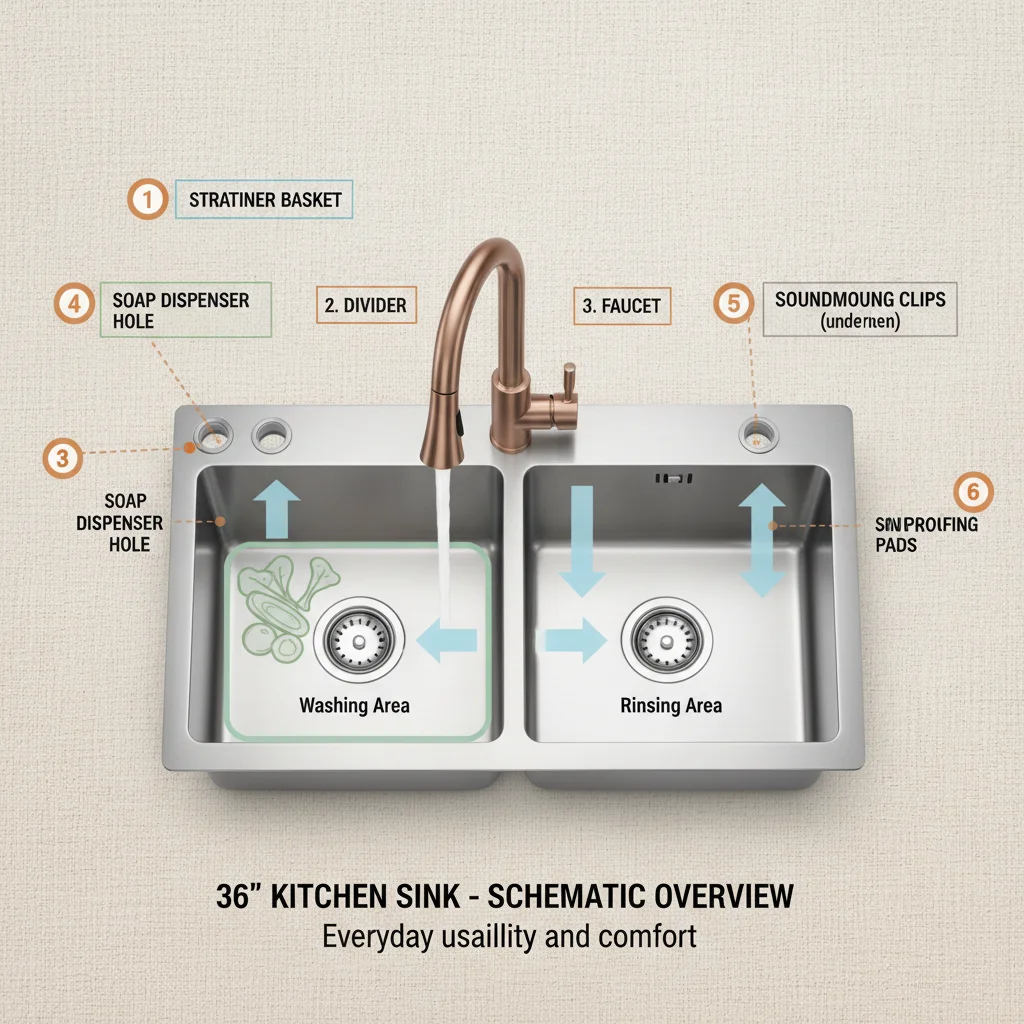
Simply put, these suppliers are manufacturers and distributors specializing in stainless steel sinks for kitchens — from basic single bowls to multi-compartment luxury models. They may also offer custom designs, installation hardware, and complementary accessories. But more than selling products, these suppliers often manage raw material sourcing, like high-grade steel, corrosion-resistant coatings, and testing procedures to ensure durability and longevity.
In modern terms, many suppliers also adhere to sustainability frameworks, ensuring reduced chemical waste, recycling scrap metal, and minimizing the carbon footprint of production. So, their role intersects with global industrial modernization and environmental stewardship — topics increasingly relevant in manufacturing today.
Key Factors Defining Top Stainless Steel Kitchen Sink Suppliers
1. Durability & Material Quality
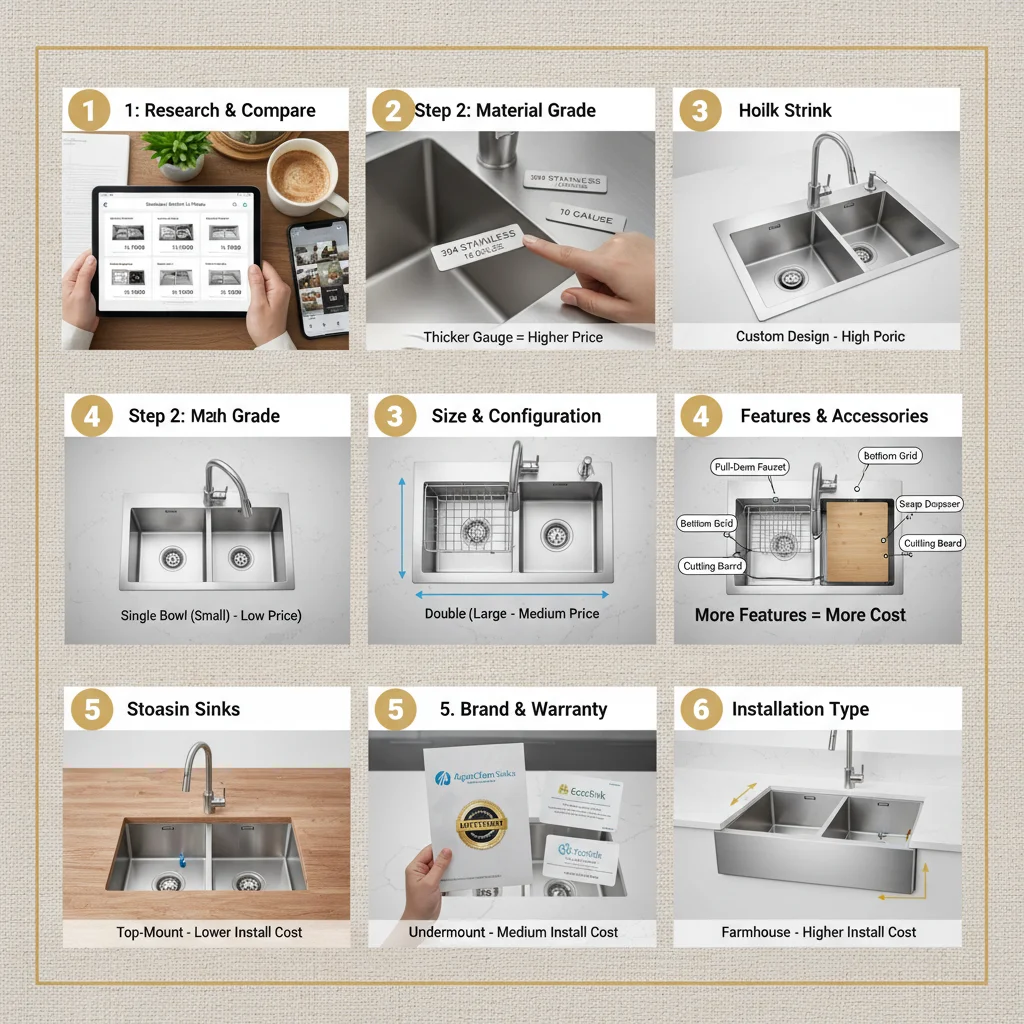
The heart of a good stainless steel sink lies in the grade of steel used—typically 304 or 316 stainless steel. The higher the grade, the more resistant the sink is to rust and scratches. Top suppliers pride themselves on sourcing material that meets or exceeds ISO 15510 standards. This ensures longevity, even under heavy kitchen use.
2. Design & Customization Options
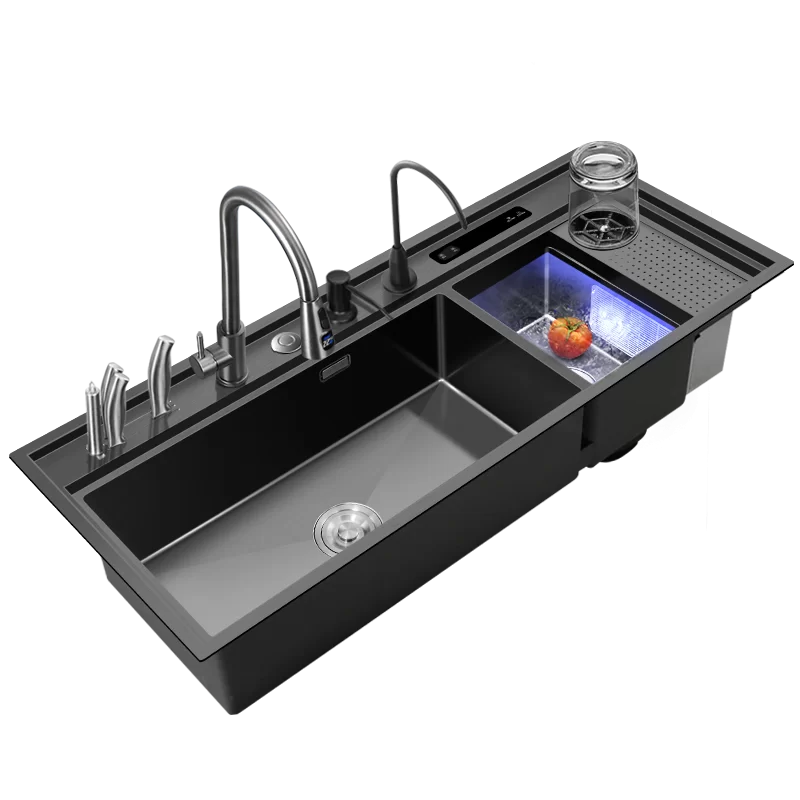
Not all sinks are alike. Some suppliers specialize in minimalist, modern designs with integrated drainer boards, while others focus on industrial-grade sinks for restaurants. The ability to customize size, shape, bowl depth, and finishing allows suppliers to meet diverse client needs.
3. Scalability & Production Capacity
Big projects demand suppliers who can scale quickly without compromising quality. Some suppliers operate large factories with automated processes, enabling them to fulfill large orders promptly – which is critical for hotel chains and commercial kitchens.
4. Cost Efficiency
Price matters, obviously. But the best suppliers balance affordability with quality — sometimes offering tiered product lines that range from budget-friendly to premium quality.
5. Sustainability Practices
With climate concerns on the rise, many suppliers are incorporating green manufacturing methods — from reducing water use to recycling steel scraps — helping kitchens worldwide lower environmental impact.
Oddly enough, stainless steel kitchen sinks supply chains stretch across almost every country with developed or developing infrastructure. For example:
In North America: Commercial kitchens rely heavily on premium stainless steel suppliers to ensure food safety compliance.
In Europe: Homeowners look for stylish and durable sinks paired with sustainability certifications.
In emerging Asian markets: Local manufacturers supply lower-cost, yet reliable sinks that are rapidly gaining acceptance in new housing projects.
Post-disaster relief efforts: NGOs procure stainless steel sinks for portable kitchens because they balance hygiene with durability under tough conditions.
For a quick visual comparison of popular vendors, here’s an overview:
Vendor
Material Grade
Customization
Sustainability
Lead Time
YashiteSink
304 & 316 SS
Full Custom
ISO 14001 Certified
2–3 weeks
GlobalSteel Inc.
304 SS
Limited
None
4–6 weeks
EcoSteel Solutions
316 SS
Moderate
LEED Certified
3–4 weeks
Advantages & Long-Term Value of Quality Sink Suppliers
Choosing the right stainless steel kitchen sink supplier feels like investing in peace of mind. A sink that resists rust and stains lets kitchens run hygienically and efficiently for years. There’s also cost savings because top suppliers use manufacturing practices that prolong sink life, meaning fewer replacements, less waste, and better water management.
On a social level, stainless steel sinks can support safety and dignity for users — whether in family homes or mass catering facilities in schools and hospitals. That reliability fosters trust between manufacturers, suppliers, and purchasers. And frankly, when suppliers innovate with sustainable methods, it feels like everyone wins: from planet to plate.
Looking Ahead: Future Trends in Stainless Steel Kitchen Sink Supply
It’s no secret that advances in materials science and automation are reshaping manufacturing. We can expect suppliers to offer more eco-friendly alloys, introduce “smart” sinks with integrated sensors, and embrace digital ordering platforms to speed delivery and customization.
Green certifications and circular economy commitments will likely become the norm, pushing more suppliers to innovate in waste reduction and energy efficiency. Plus, digital manufacturing technologies like 3D printing for sink prototypes hint at faster product development in coming years.
That said, there are hurdles — supply chain disruptions caused by geopolitical tensions, fluctuating steel prices, and compliance with diverse international standards. Suppliers often need to invest in quality control, staff training, and sustainable certifications to stay ahead.
Experts often recommend supplier diversification, closer collaboration between buyers and manufacturers, and agile production systems to navigate these challenges successfully.
FAQ: Stainless Steel Kitchen Sink Suppliers
What steel grade should I choose for a durable kitchen sink?
Most suppliers recommend 304 stainless steel for home use because of its corrosion resistance and cost-effectiveness. For highly corrosive environments, like marine or industrial kitchens, 316 stainless steel offers superior protection.
How long does a typical stainless steel sink last?
With proper care, a stainless steel sink from a reputable supplier can last 15 to 30 years or more. Warranty periods usually reflect this, with premium brands offering up to 10 years.
Are stainless steel sinks eco-friendly?
Yes, especially when sourced from suppliers who prioritize recycling scrap metal and energy-efficient manufacturing. Stainless steel is fully recyclable, reducing environmental impact compared to other materials.
Can I customize my sink size and design?
Many suppliers, including stainless steel kitchen sink suppliers, offer tailored options to fit specific kitchen layouts or stylistic preferences, including custom bowl configurations and finishes.
How do international buyers import stainless steel sinks?
Most established suppliers handle export logistics, customs clearance, and shipping. It’s important to clarify certification and warranty terms upfront to ensure smooth delivery.
Conclusion
Choosing the right stainless steel kitchen sink suppliers matters more than you might think. It’s about assuring product quality, cost-efficiency, sustainability, and ultimately the long-term satisfaction of end-users globally. If you’re looking to explore reliable suppliers who balance innovation with tangible value, consider visiting our website to learn more.