Stainless Steel Sink Suppliers: Essential Partners in Modern Sanitation and Design
At first glance, stainless steel sink suppliers might sound niche, but their impact is profound and global. Think about every kitchen, laboratory, hospital, or food processing plant you’ve seen — stainless steel sinks are everywhere. Supplies that keep these facilities functional, hygienic, and durable are critical. Beyond aesthetics, understanding the role of these suppliers reveals a complex interplay of material science, industry needs, sustainability concerns, and economic development worldwide.
Introduction: A Global Perspective on Stainless Steel Sink Suppliers
The global stainless steel market was valued at over 120 million metric tons in 2023 according to the International Stainless Steel Forum, and sinks made of stainless steel compose a significant slice of this demand. Stainless steel sink suppliers operate at the intersection of construction, food safety, and sanitation — sectors prioritized by the United Nations in their Sustainable Development Goals (SDG 6: Clean Water and Sanitation particularly).
Why does this matter? Imagine regions where water contamination is a daily risk. Durable, corrosion-resistant sinks enable safer hygiene practices, preventing disease spread. However, suppliers face challenges like fluctuating raw material prices, supply chain disruptions, and growing demand for eco-friendly products. Globally, demand surges both from developing economies working on infrastructure and from developed markets chasing sustainability and durability.
What Exactly Are Stainless Steel Sink Suppliers?
Simply put, stainless steel sink suppliers are companies or distributors that manufacture or source stainless steel sinks and related components, delivering them to builders, retailers, or end clients. Their job includes quality assurance, customization, and adherence to regulatory standards. These suppliers play a pivotal role in ensuring that kitchens and sanitation facilities are not only functional but also safe and long-lasting.
In modern industry, these sinks aren’t just kitchen essentials but vital tools in sectors ranging from healthcare (where sterile environments are non-negotiable) to education and hospitality. Humanitarian organizations also rely on them in disaster relief, where rapid deployment of sanitary infrastructure is crucial.
Key Factors Defining Stainless Steel Sink Suppliers
1. Durability and Corrosion Resistance
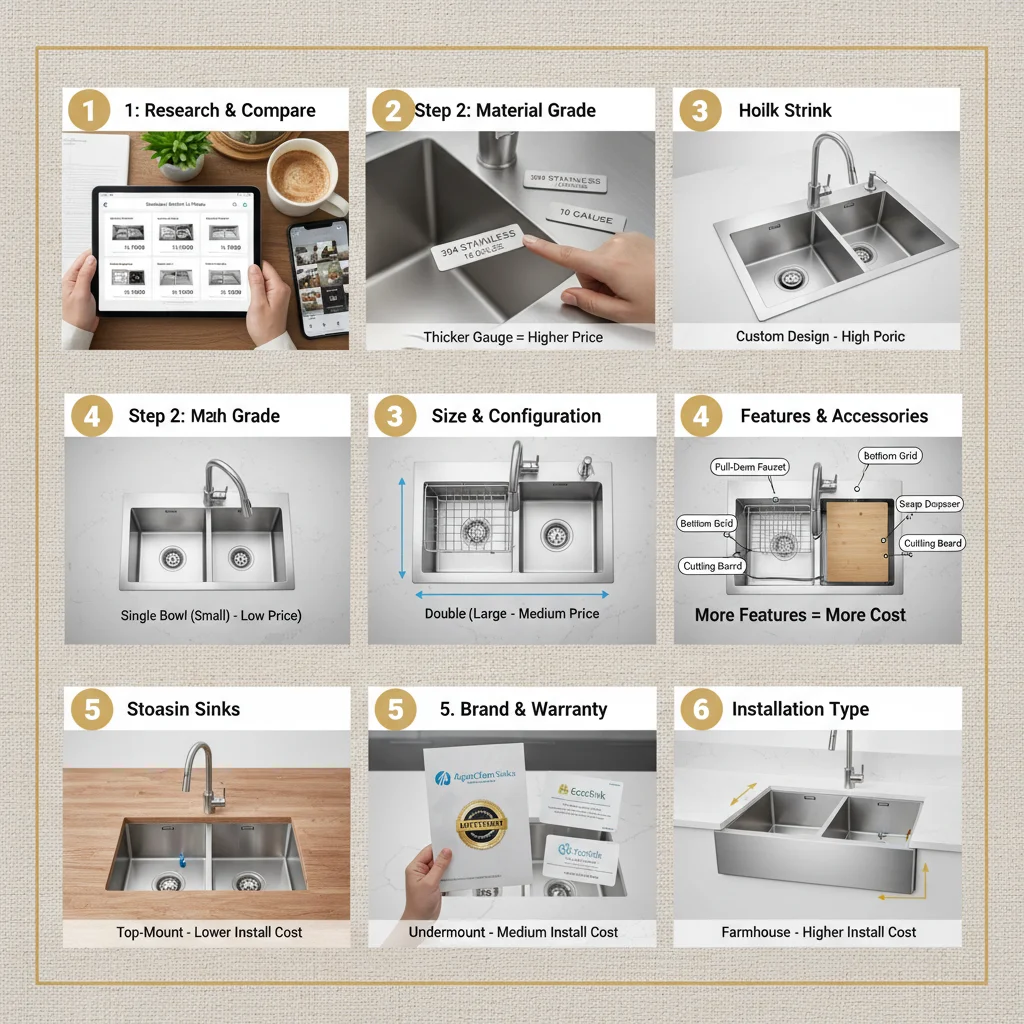
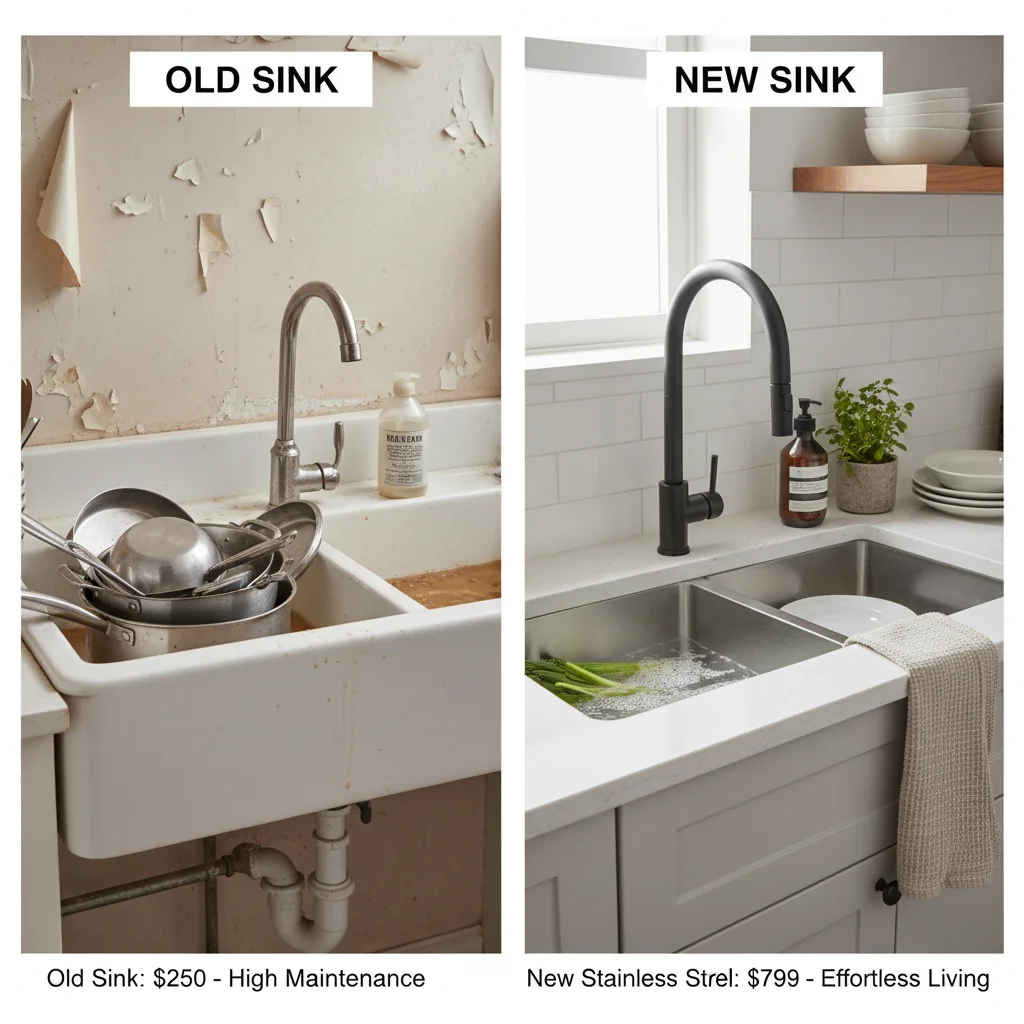
Stainless steel’s composition (primarily iron alloyed with chromium) provides natural resistance against rust and stains. For sink suppliers, offering products with high-grade stainless steel (304 or 316 grades) ensures longevity. Many engineers I've spoken with swear by 316-grade sinks in marine or industrial environments due to their enhanced corrosion resistance.
2. Scalability and Supply Chain Efficiency
Whether supplying handfuls for boutique hotels or thousands for hospital expansions, these suppliers must have flexible production and distribution capabilities. With global supply chains strained recently, those who can maintain steady delivery stand out.
3. Cost Efficiency and Value Engineering
Balancing quality and affordability is essential. Good suppliers optimize manufacturing without compromising on hygiene standards, often by using advanced fabrication methods like laser cutting or robotic welding.
4. Customization and Design Innovation
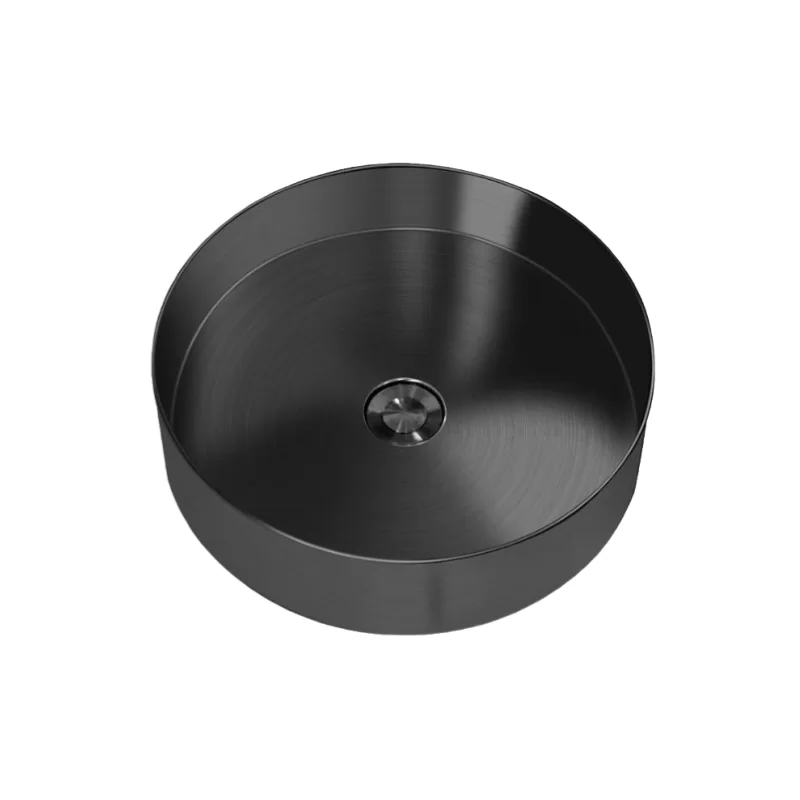
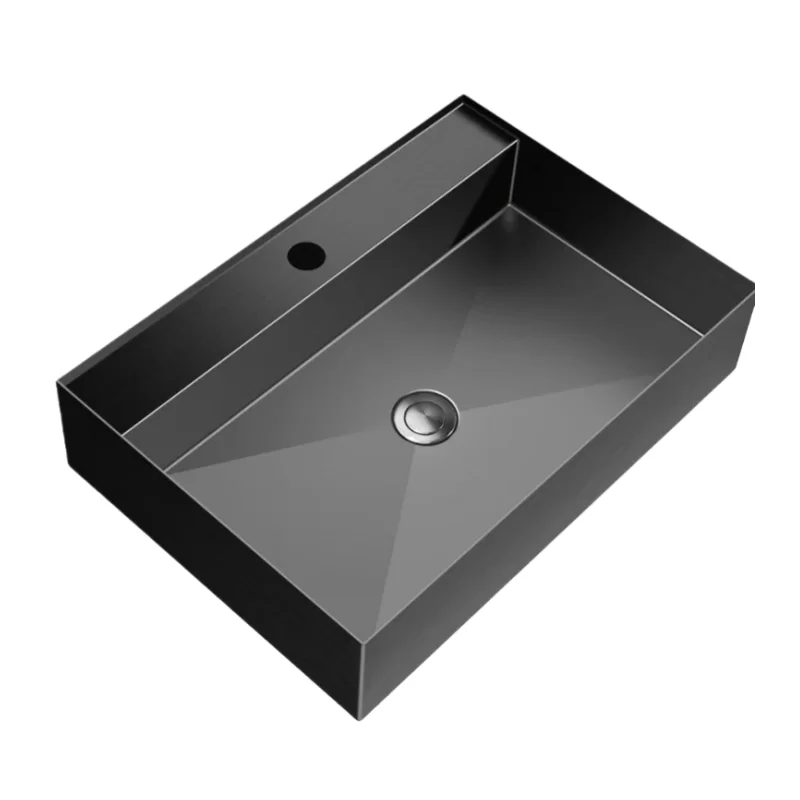
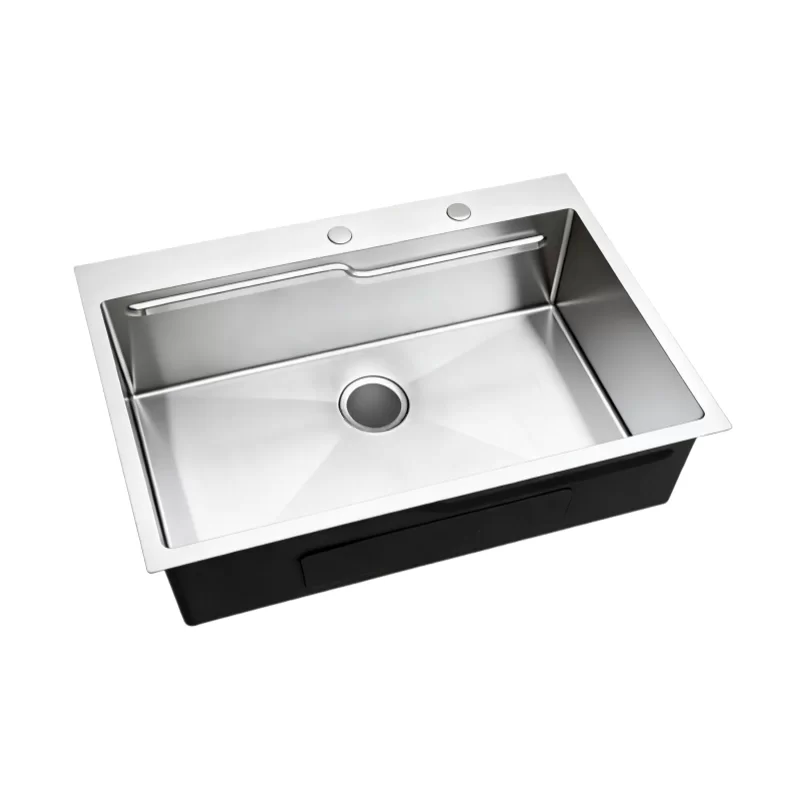
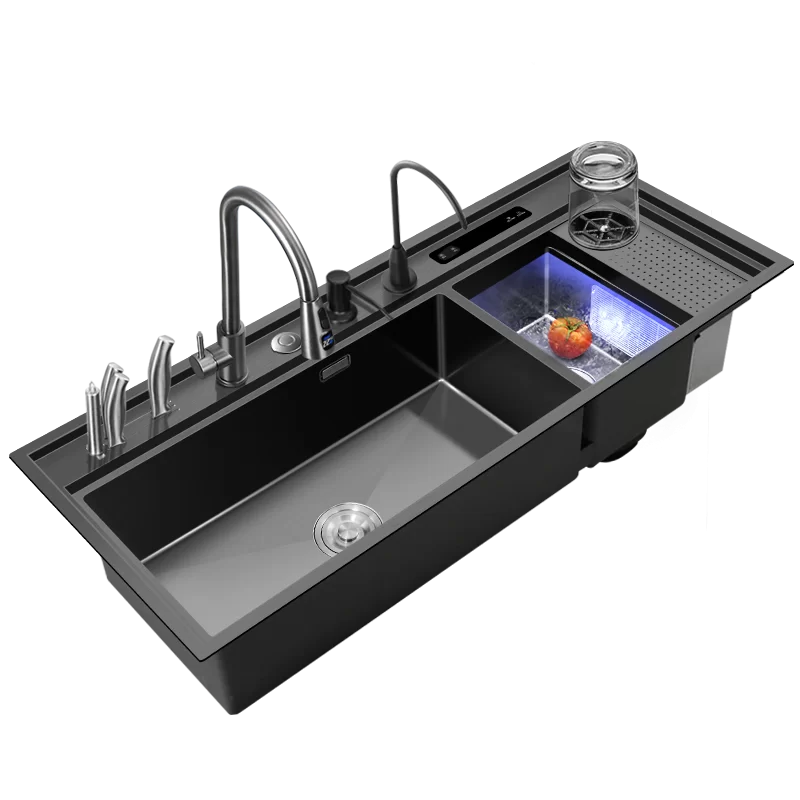
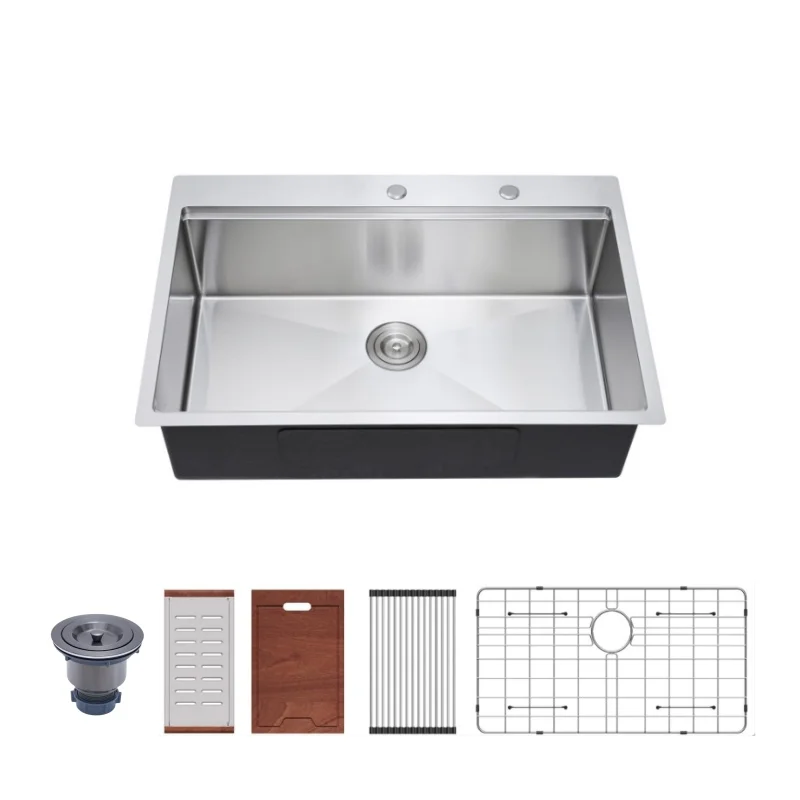
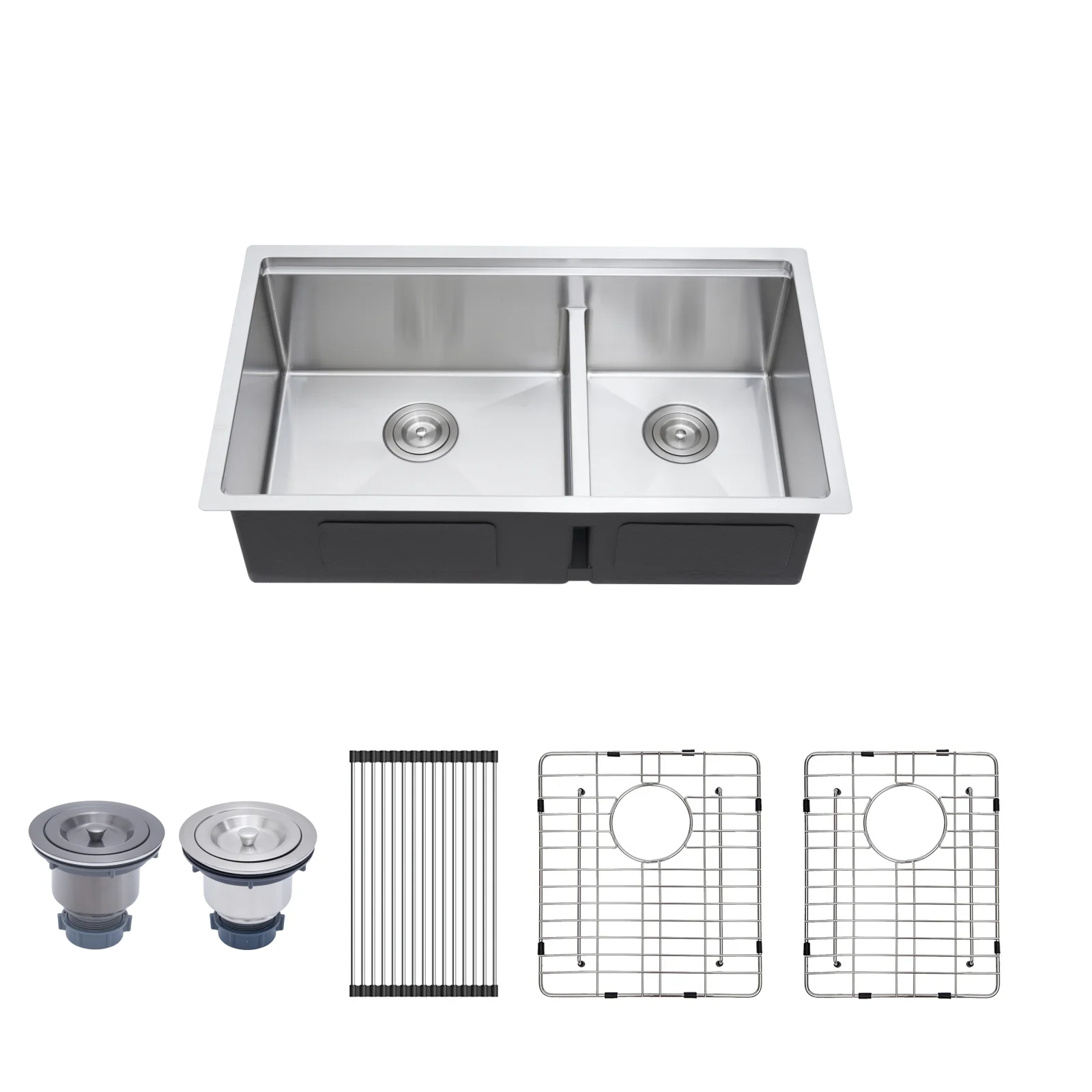
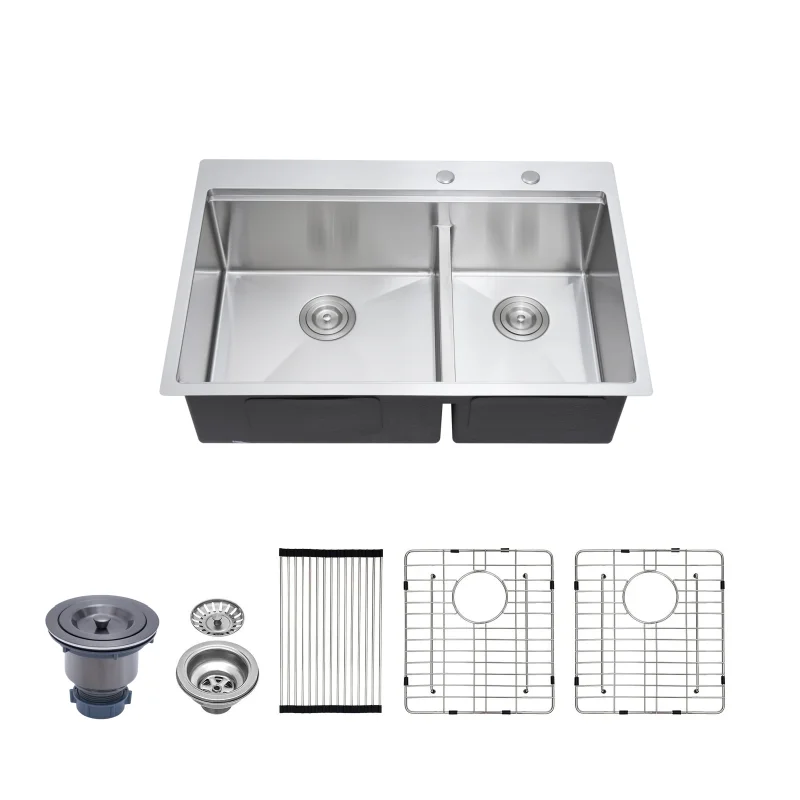
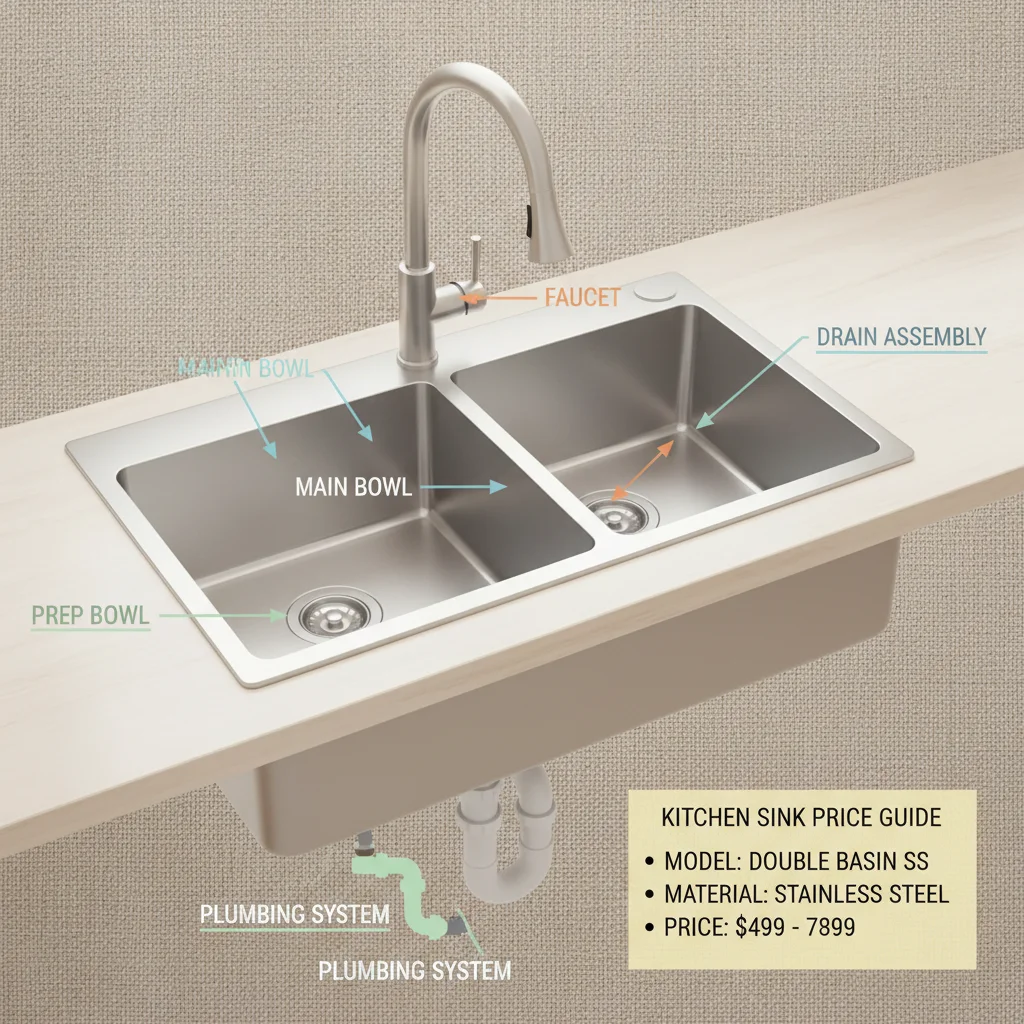
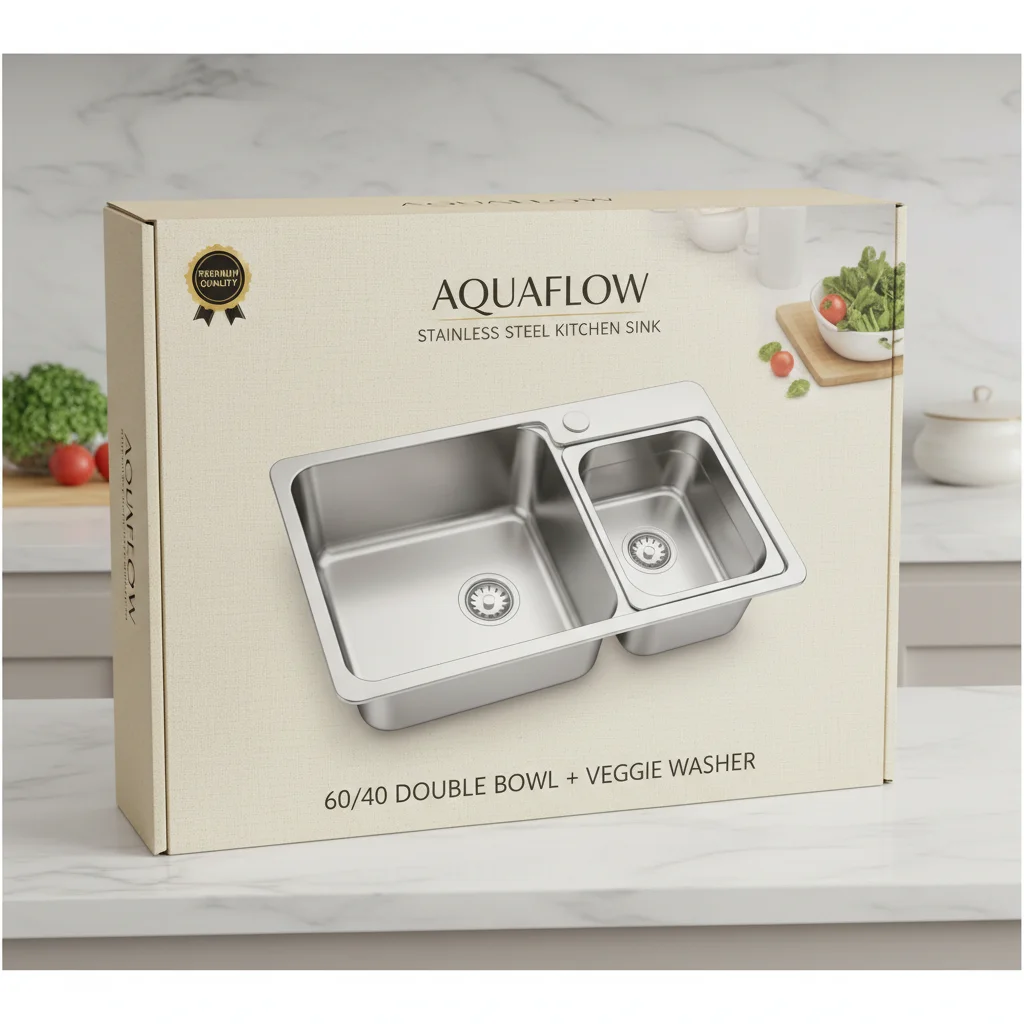
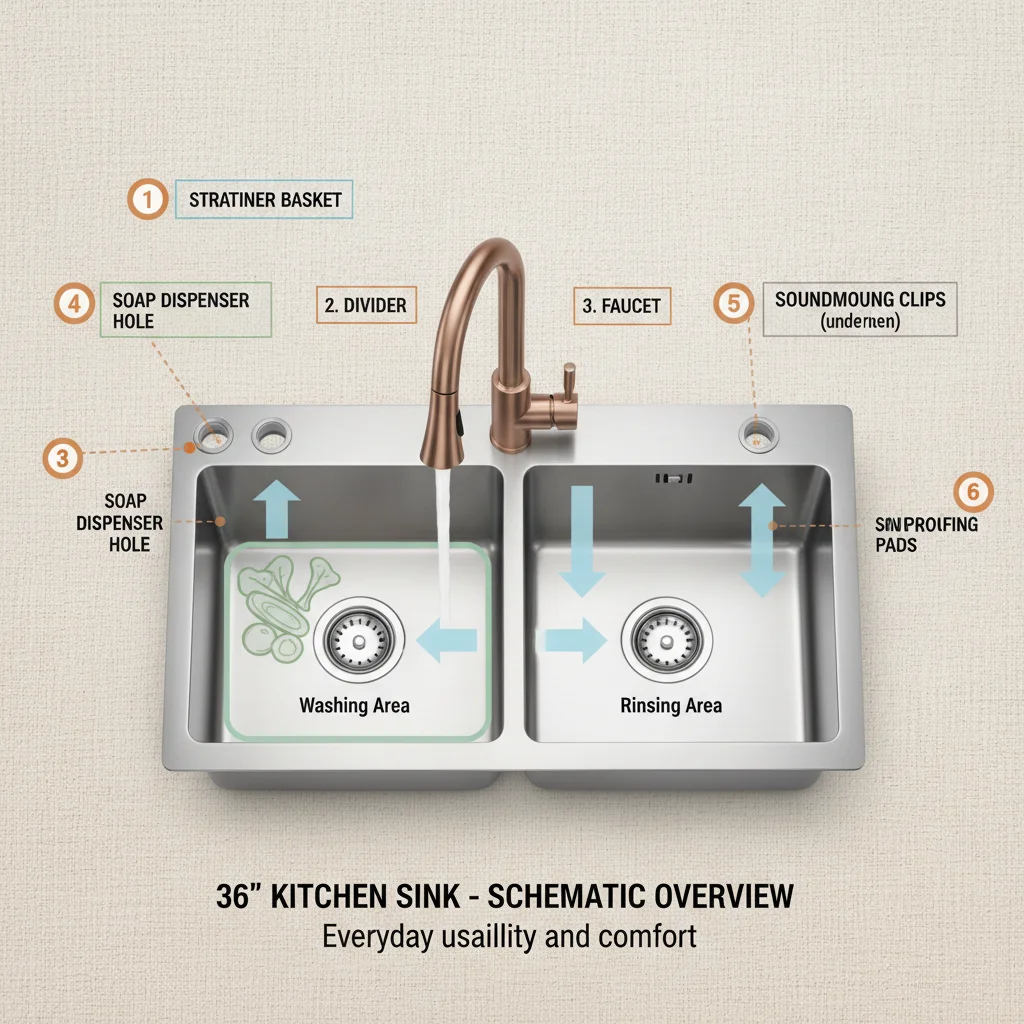
Clients demand sinks tailored to their layouts or aesthetic preferences, including integrated draining boards or multi-compartment basins. Suppliers with in-house design capabilities or partnerships with design firms offer competitive advantages.
5. Sustainability and Environmental Responsibility
Steel is recyclable, but how suppliers manage waste and source materials increasingly impacts buyer choices. A growing number of stainless steel sink suppliers publish sustainability reports to highlight their efforts.
Product Specifications Snapshot
| Specification |
Typical Range |
Notes |
| Material Grade |
304, 316 Stainless Steel |
316 preferred for harsh environments |
| Thickness |
0.8mm - 2.0mm |
Thicker sinks resist denting |
| Finish |
Brushed, Mirror, Matte |
Affects cleaning & aesthetics |
| Installation Type |
Top-mount, Under-mount, Integrated |
Varies by application |
| Dimensions |
Various; standard 22"x33" to custom |
Made-to-order options common |
Global Use Cases & Industry Applications
Globally, stainless steel sink suppliers empower diverse sectors:
- Healthcare: Hospitals require sinks that meet strict hygiene rules. Stainless steel is easily sanitized, resisting microbial growth.
- Hospitality and Food Service: Commercial kitchens demand durability and large-scale reliability.
- Laboratories and Research Facilities: Chemical resistance and precision fitting are paramount.
- Disaster Relief & Humanitarian Projects: Portable stainless steel sinks help maintain hygiene in field hospitals or refugee camps.
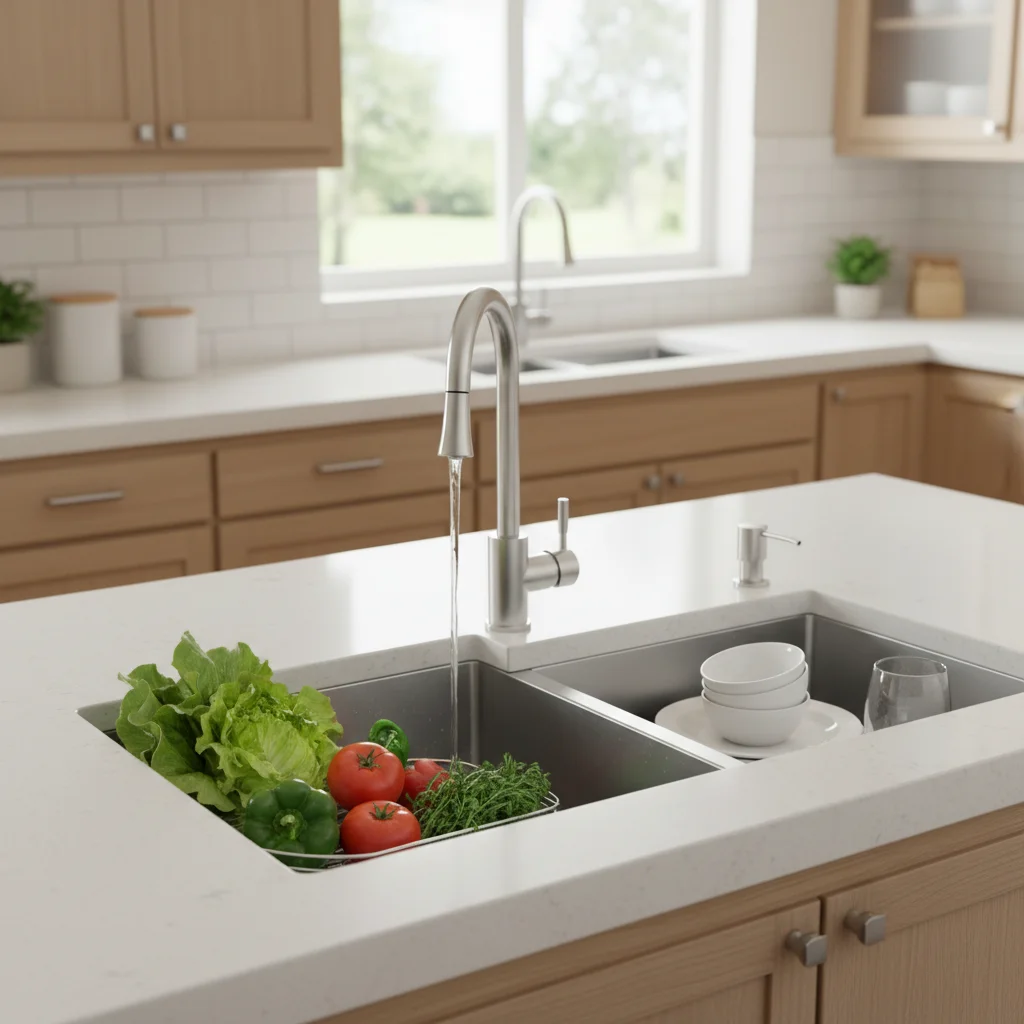
- Residential Construction: Modern homes increasingly favor stainless steel due to style and functionality.
Countries like Germany and Japan lead with innovation, while India and Brazil experience surging demand due to urbanization and infrastructure growth.
stainless steel sink suppliers worldwide often collaborate closely with designers and builders to meet unique regulatory and environmental standards tailored to their regional needs.
Advantages and Long-Term Value
Investing in quality stainless steel sinks from reputable suppliers yields tangible benefits:
- Longevity: These sinks resist corrosion and physical wear far better than alternatives, cutting replacement costs.
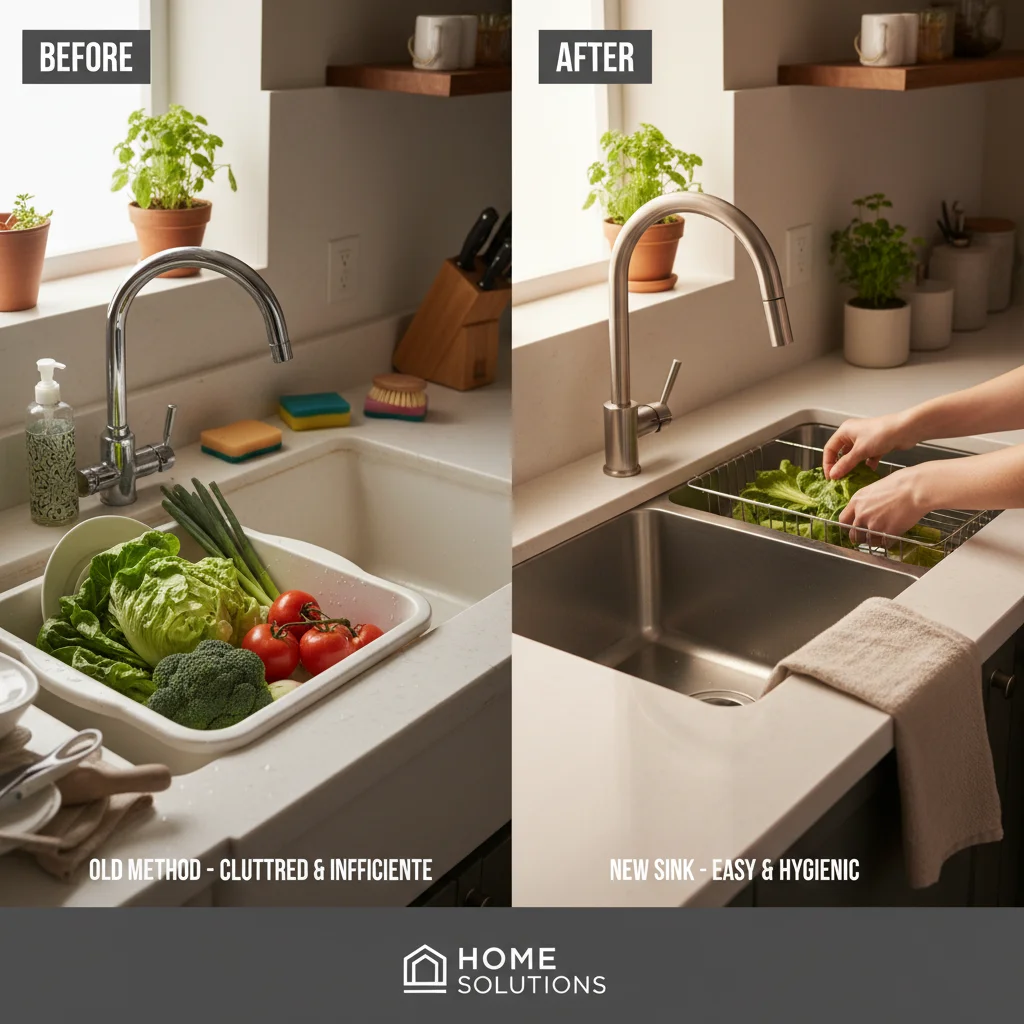
- Hygiene: Non-porous surfaces reduce bacterial buildup, a crucial advantage in medical or food prep contexts.
- Sustainability: Recyclability aligns with global green initiatives and corporate responsibility goals.
- Emotional & Social Impact: Clean facilities instill trust and dignity — something I noticed when interviewing healthcare workers in remote clinics.
Future Trends and Innovations
What’s next for stainless steel sink suppliers? Several currents shape the future landscape:
- Smart sinks: Integration with IoT sensors for water usage optimization and hygiene monitoring.
- Eco-friendly manufacturing: Reduced carbon footprint in steel production via electric arc furnaces.
- Automation: Increasing use of AI and robotics to boost precision and lower labor costs.
- New alloys: Experimentation with ultra-thin, stronger stainless steel grades to reduce material use.
These developments speak to how suppliers will maintain relevance amid changing regulations and consumer expectations.
Challenges and How Suppliers Are Overcoming Them
Challenges exist, of course. Raw material price volatility, disruptions from global trade tensions, and increasing demand for faster lead times test suppliers continually. Composite sink materials also compete by offering lower upfront costs.
Yet, many stainless steel sink suppliers are investing in supply chain diversification, lean manufacturing, and sustainability certifications to bolster resilience and client trust. I spoke with some quality managers who emphasize their commitment to ISO 9001 and ISO 14001 standards as a foundation.
Practical FAQ: Stainless Steel Sink Suppliers
| Question |
Answer |
| How do stainless steel sink suppliers ensure product hygiene? |
They adhere to sanitary design principles, using smooth, non-porous surfaces and high-quality steel grades that resist bacterial growth and are easy to clean. |
| Are stainless steel sinks environmentally sustainable? |
Yes, steel is one of the most recycled materials worldwide. Many suppliers also use eco-friendly manufacturing and promote recycling programs. |
| What customization options do suppliers provide? |
Suppliers offer varied basin sizes, shapes, installation types, finishes, and even integrated accessories to fit specific project or client needs. |
| How do I choose among different stainless steel sink suppliers? |
Consider factors like product quality certifications, delivery speed, customization capabilities, sustainability commitments, and after-sales support. |
Vendor Comparison: Leading Stainless Steel Sink Suppliers (Sample)
| Supplier |
Product Range |
Customization |
Lead Time |
Sustainability Efforts |
| Yashite Sink Co. |
Extensive (Kitchen, Industrial, Medical) |
High (Made to Order) |
2-3 weeks |
ISO 14001 Certified; Use recycled steel |
| GlobalSteel Sinks |
Medium (Residential & Commercial) |
Moderate |
4-5 weeks |
Ongoing sustainability improvements |
| EcoSink Ltd. |
Specialized (Eco-Friendly Designs) |
Limited |
3-4 weeks |
100% recycled materials; Carbon neutral factory |
Conclusion: Durable Solutions with Lasting Impact
Stainless steel sink suppliers hold a unique and vital place in today's world — quietly powering hygienic standards across homes, hospitals, and industries. Their products, when thoughtfully supplied and customized, offer lasting durability, environmental advantages, and social benefits that often go unnoticed. As the world leans further into sustainability and smart infrastructure, these suppliers’ roles will only grow.
For anyone involved in facility management, construction, or humanitarian projects, connecting with reputable stainless steel sink suppliers such as Yashite Sink Co. can be a game-changer.
Oddly enough, it feels like stainless steel sinks are unsung heroes: always there when you need them, sturdy and clean, supporting modern life quietly but indispensably.
References:
- International Stainless Steel Forum (ISSF)
- United Nations Sustainable Development Goal 6: Clean Water and Sanitation
- ISO 9001 Quality Management & ISO 14001 Environmental Management