Choosing the Right commercial sink suppliers: Insights from the industrial trenches
Having spent more than a decade elbow-deep in the industrial equipment sector, I can say the hunt for reliable commercial sink suppliers isn’t just about finding a shiny product. It's about understanding the nuances of material choices, manufacturing precision, and supplier reliability. Frankly, odd as it might sound, the sink you pick can save (or cost) you hours in setup, maintenance, and even compliance later on.
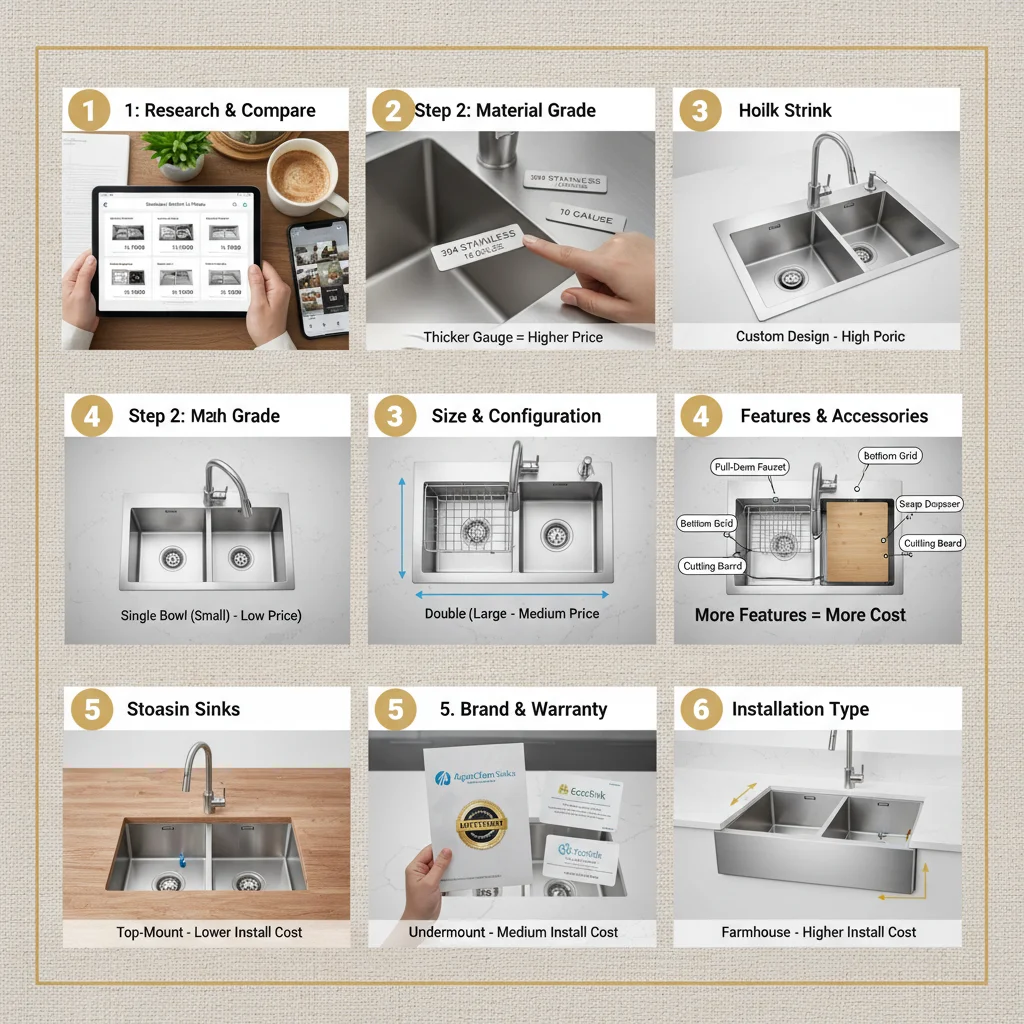
In my experience, stainless steel sinks are the reigning champions for most commercial kitchens, laboratories, and workshops — offering durability, easy maintenance, and resistance to corrosion. Of course, the grade of steel matters a lot. I’ve often noticed 304 stainless with its chromium-nickel makeup tends to outperform its 201 counterpart, especially when it’s about resisting rust in humid environments. You don’t want tiny pits forming after just months of use — trust me.
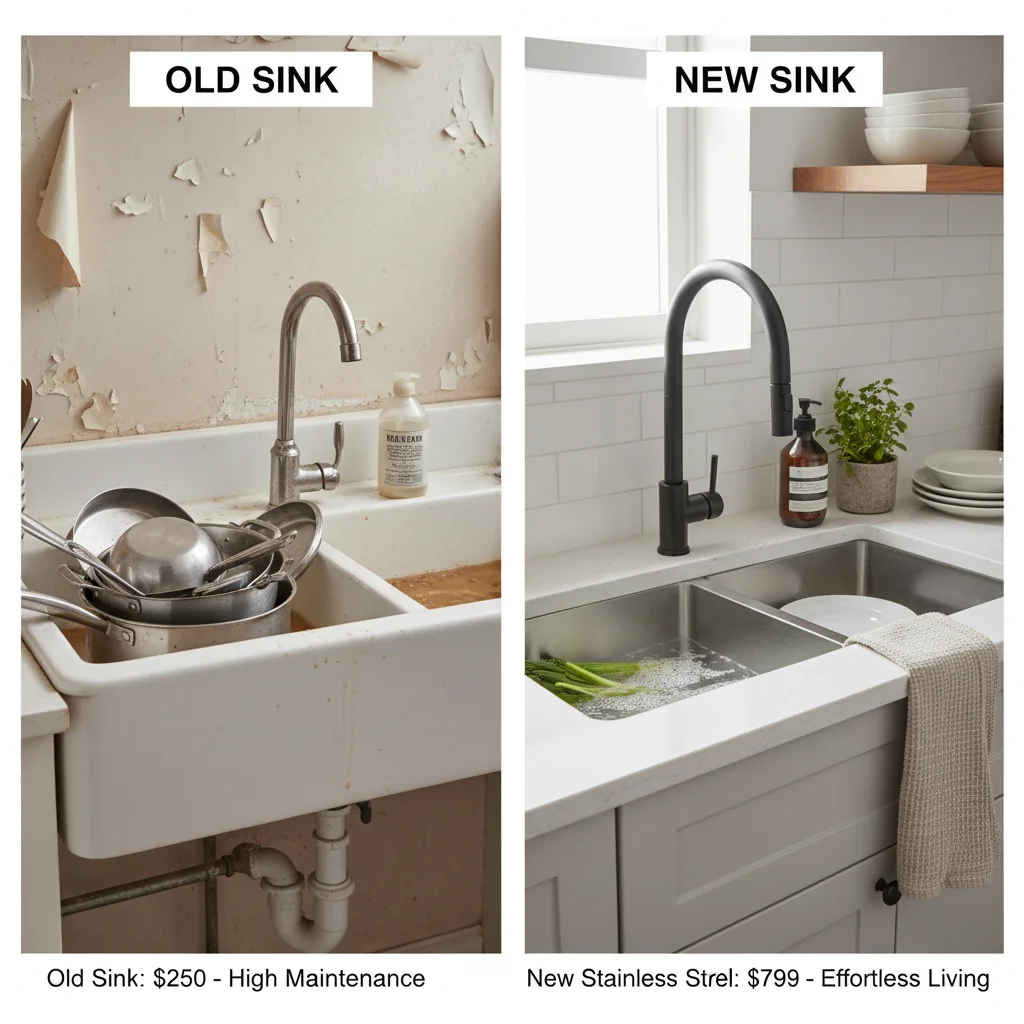
I remember one client—a bustling seafood processing plant—experienced constant corrosion issues with cheaper sinks. Once they switched to a top-tier supplier who offered certified 304 grade sinks, the difference was night and day. Maintenance costs dropped sharply, and their downtime practically vanished. It’s the kind of outcome that underscores why picking the right supplier is more than price-tag shopping.
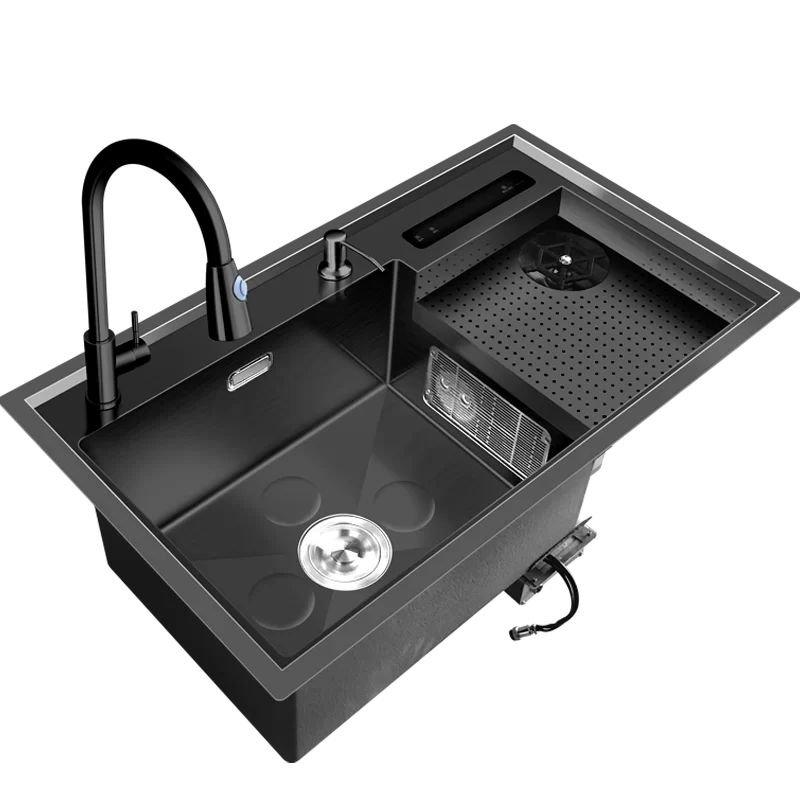
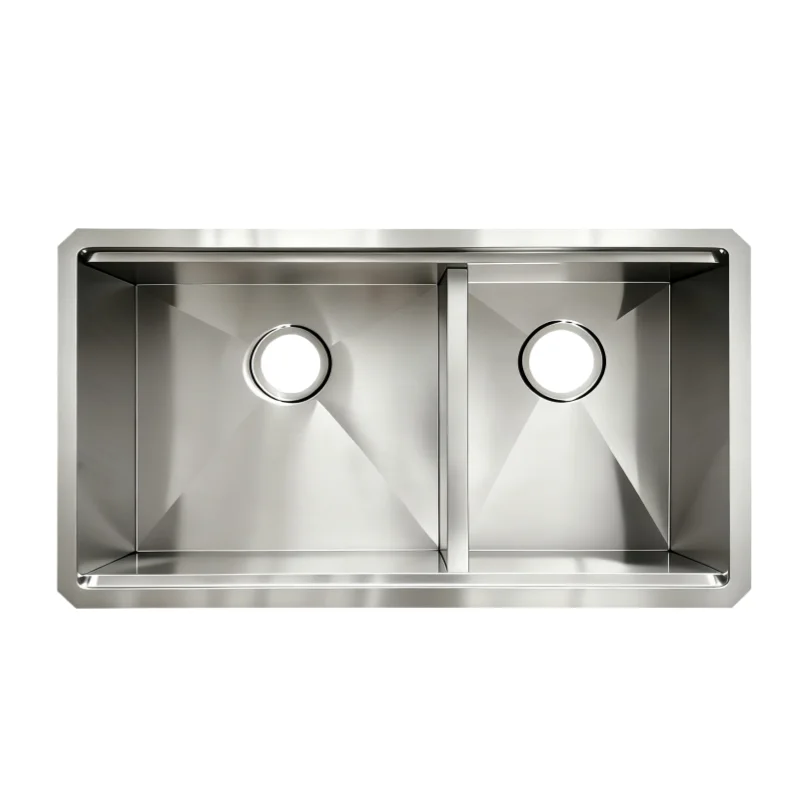
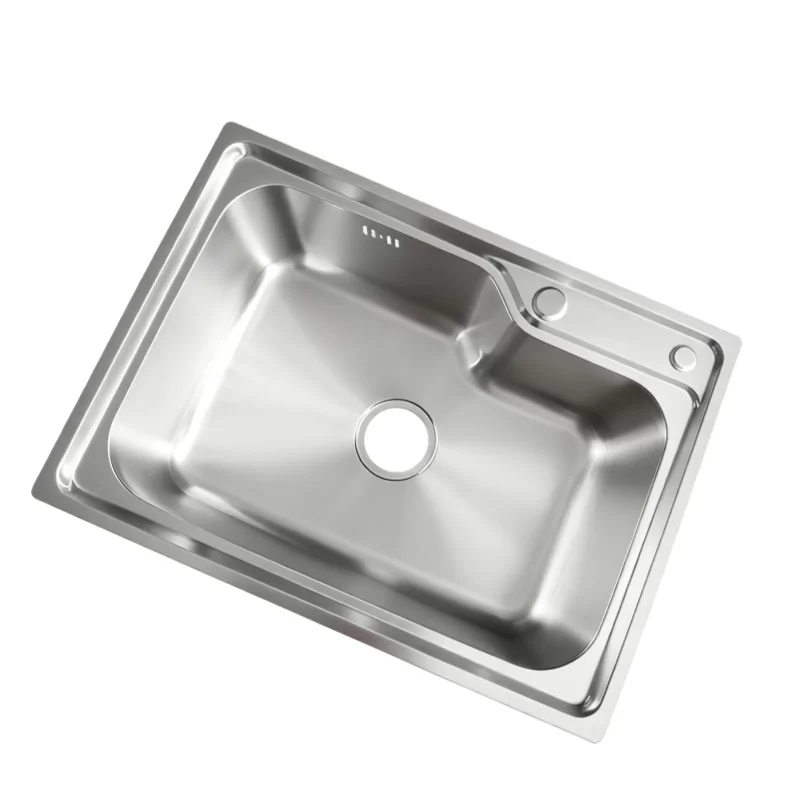
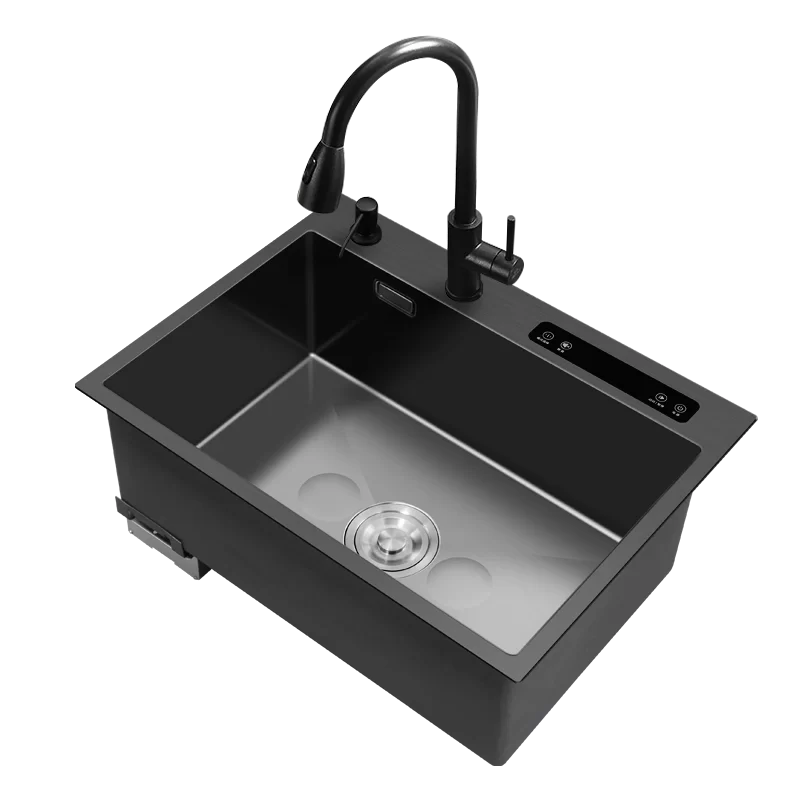
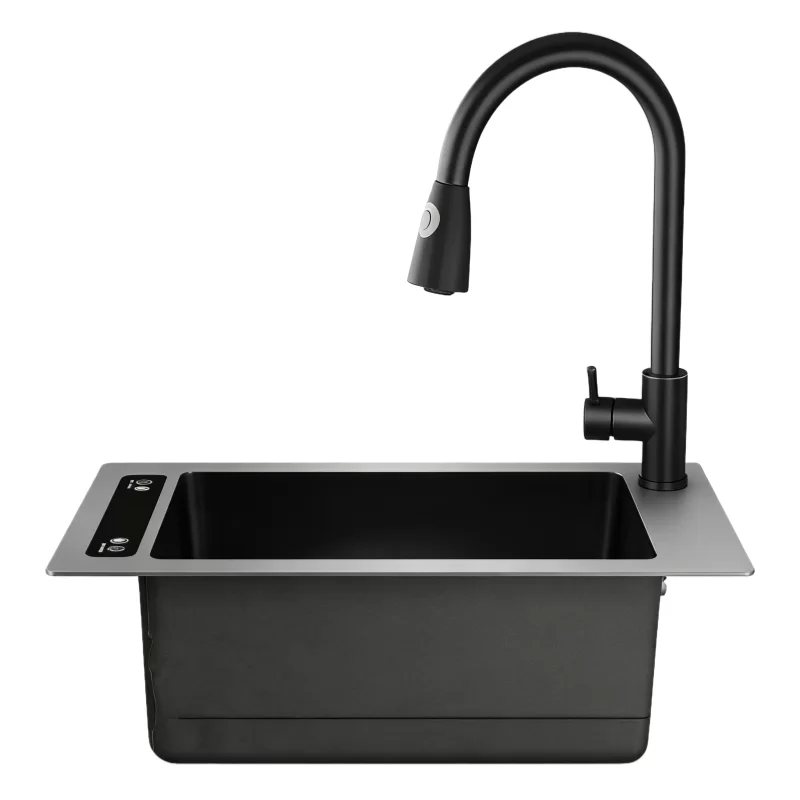
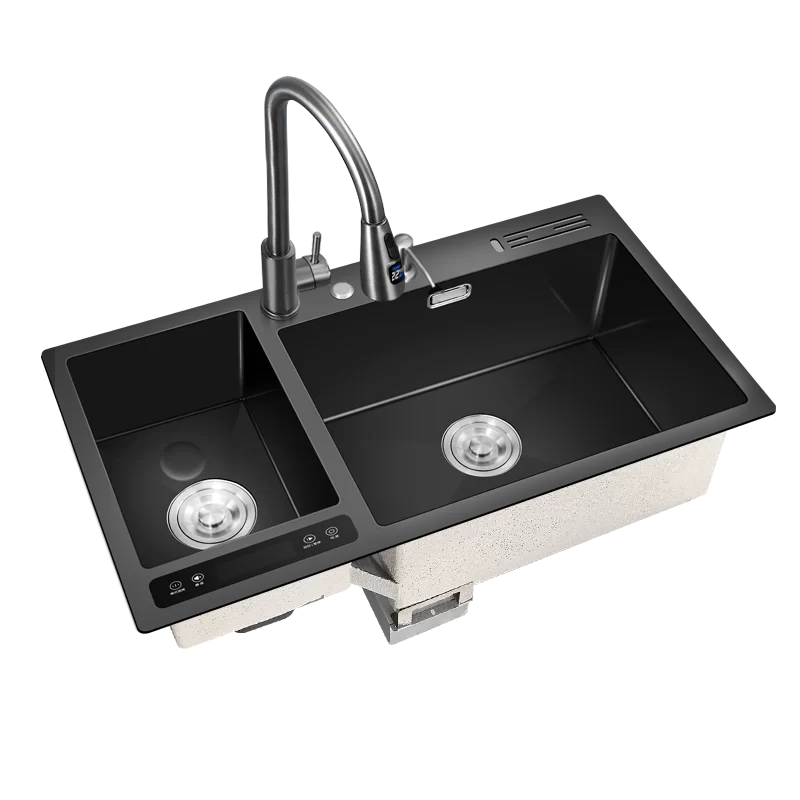
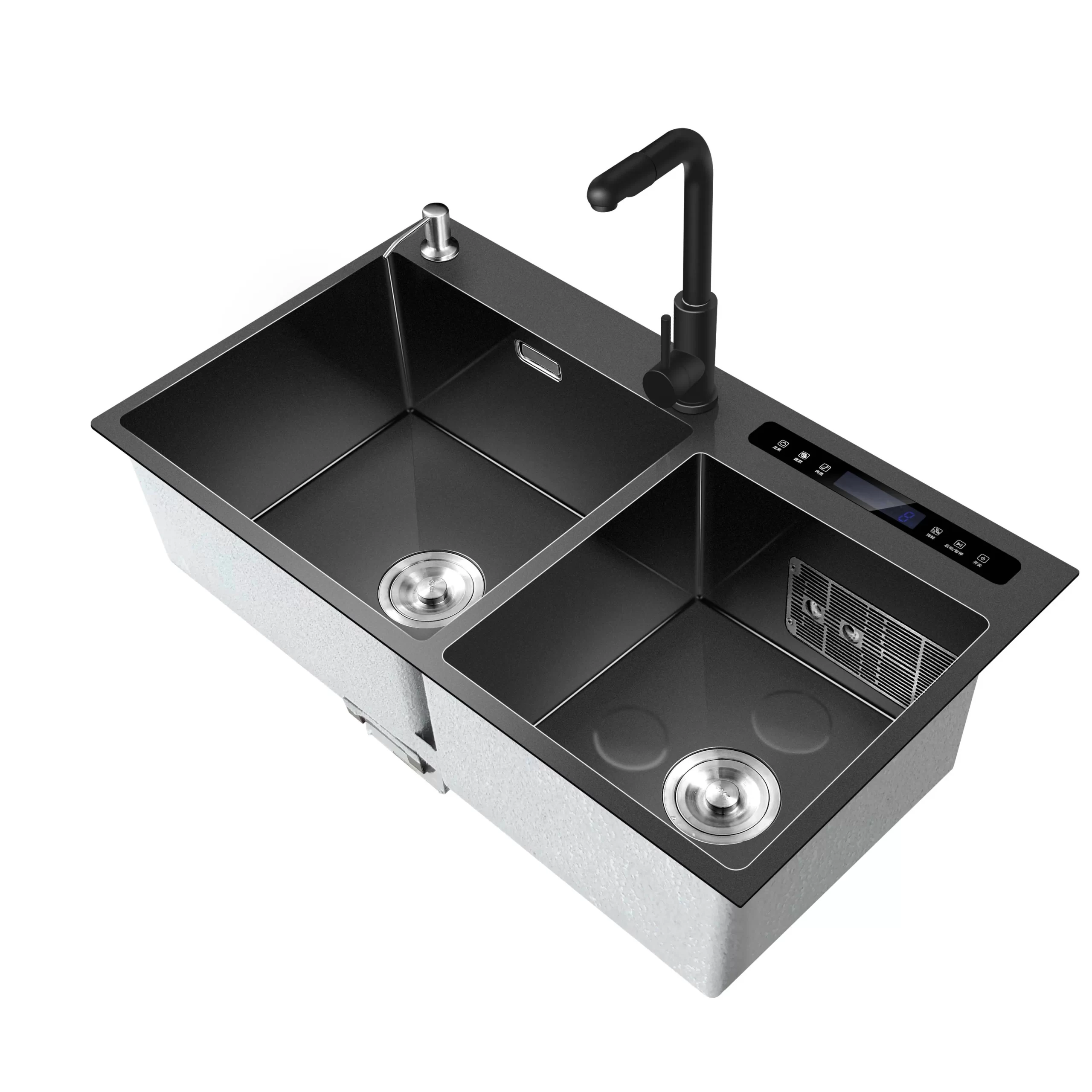
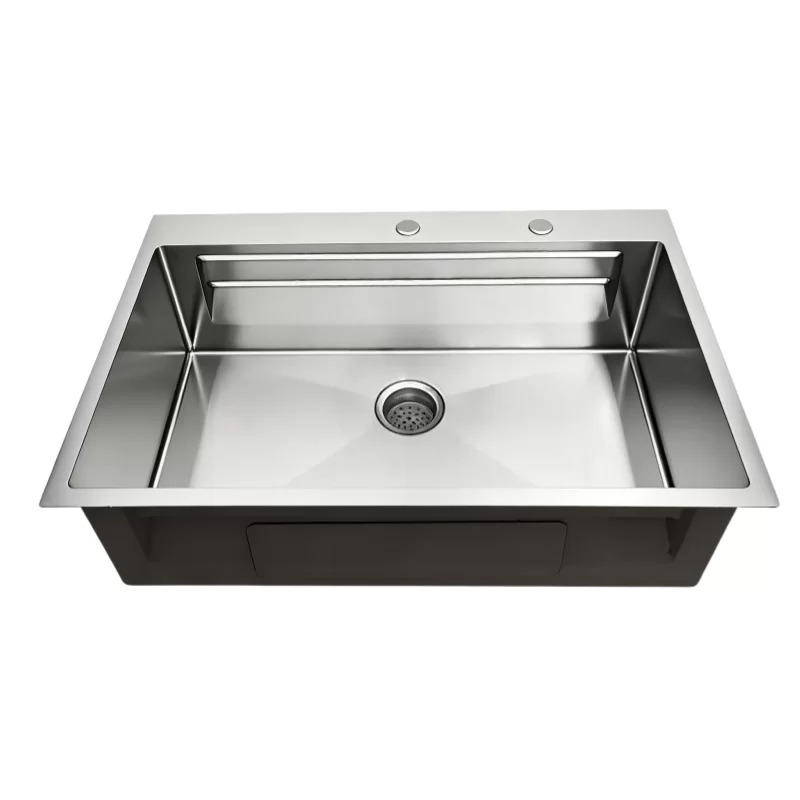
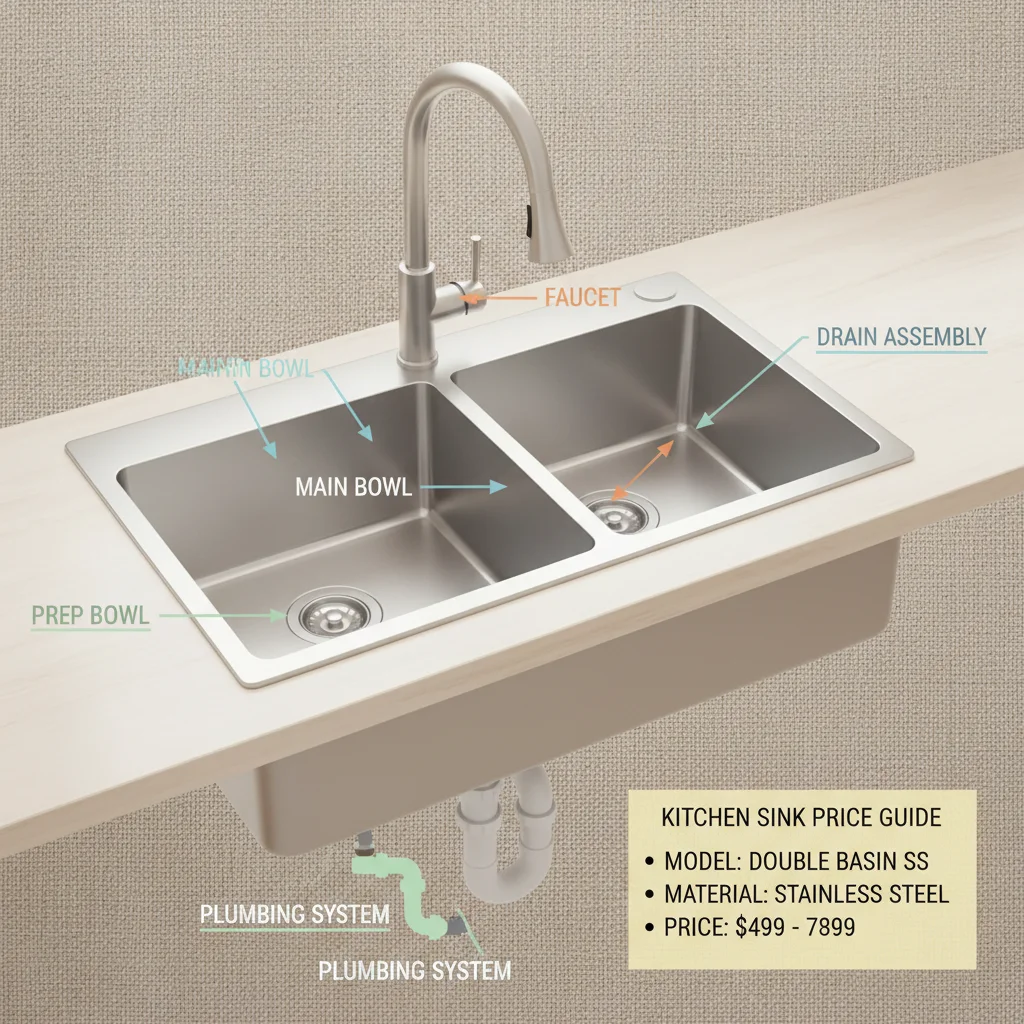
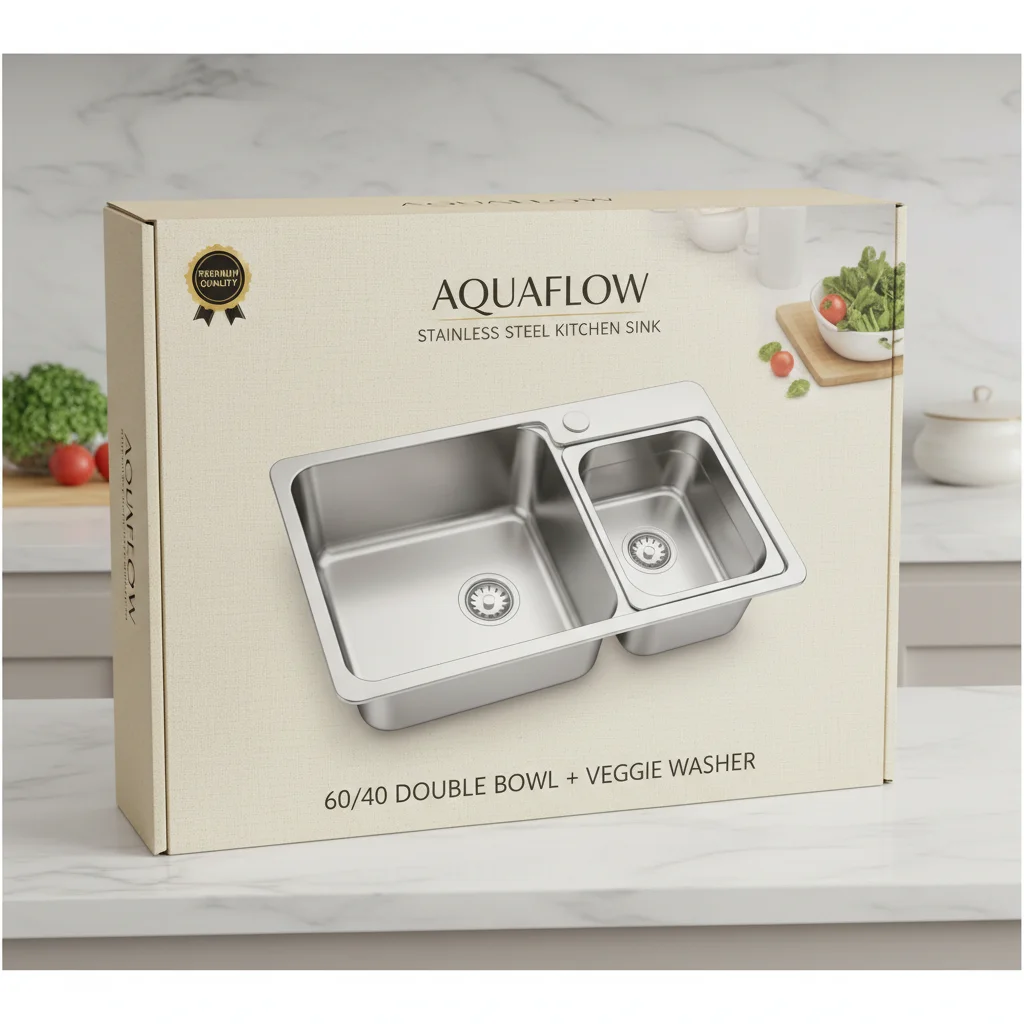
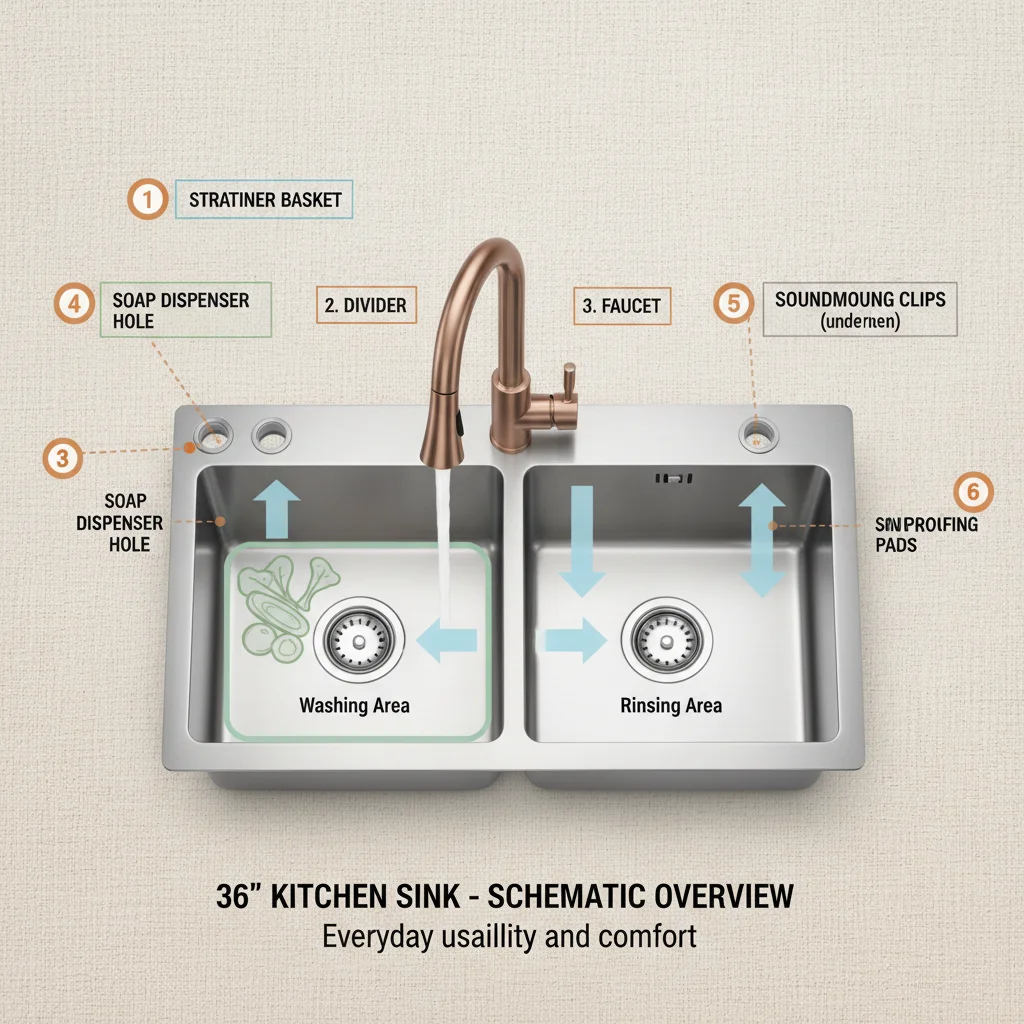
Beyond materials, design is crucial. Double or triple bowls, drainboard options, mounting type (top mount vs. undermount), and custom sizing all come into play depending on the workflow. Many engineers and kitchen planners I’ve worked with emphasize customization — a common “nice-to-have” turns into a “must-have” in demanding environments. One size rarely fits all.
Naturally, testing and certifications reassure you about quality. Look for suppliers who provide compliance with NSF or UL standards, plus warranty coverage and documentation. Even with my years of experience, I never skip a supplier’s test reports: it’s a tangible sign they stand behind their products.
Here’s an at-a-glance sample spec sheet of typical commercial sinks you might encounter. It’s a quick reference, but remember: subtle supplier-to-supplier changes can mean a lot in performance and reliability.
| Feature |
Specification |
| Material Grade |
304 Stainless Steel (18/8) |
| Bowl Count |
Single, Double, or Triple Bowl Options |
| Thickness |
16-18 Gauge (1.2 - 1.5 mm) |
| Mounting Type |
Top-mount, Undermount Available |
| Finish |
Brushed or Polished Satin |
| Dimensions |
Customizable, typically 24”x18” bowls |
| Certifications |
NSF / UL / ISO documented |
When it comes to suppliers, well, the market has a solid mix. Some push volume and lower costs, others emphasize craftsmanship and customization. Based on industry chatter and what I’ve directly observed, here’s a quick vendor snapshot. This might save you some legwork before you commit.
| Supplier |
Quality |
Customization |
Pricing |
Lead Time |
| Yashite Sink |
High (304 SS, NSF Certified) |
Extensive (Custom sizes & designs) |
Competitive |
2-3 weeks |
| Generic Industrial Supplies |
Medium (varied grades) |
Limited |
Low |
1-2 weeks |
| Premium Stainless Co. |
Very High (316L in some cases) |
Moderate |
Higher-end |
3-5 weeks |
You might wonder why I give commercial sink suppliers like Yashite the nod. Honestly, it’s because they strike a solid balance. You get quality construction with verified materials alongside customizable options, without the premium price tag that too often drives projects off the rails. Plus, their lead times are realistic, which is invaluable when you’re on a strict project deadline.
To wrap things up, don’t judge commercial sinks by their cover... or price alone. Dive a bit deeper, ask for certifications, get samples if you can, and consider the after-sale support. In real terms, the right sink is a small investment that pays off in reliability and peace of mind. After all, once it’s installed, you mostly want to forget it’s even there — except to enjoy how smoothly your workflow hums along.
So next time you’re vetting suppliers, remember this little secret from the trenches: it’s about trust, proven quality, and a dash of flexibility.
References:
1. NSF International Standards for Food Equipment
2. Stainless Steel Grades Explained, Industrial Metal Insights, 2022
3. “Corrosion Resistance in Commercial Kitchens,” Journal of Industrial Coatings, 2023