Understanding the Role of a Stainless Steel Kitchen Sink Supplier
When we think about kitchens, the humble sink doesn’t usually get the spotlight. Yet, if you pause and consider the sheer utility and constant use it endures, the importance of a reliable stainless steel kitchen sink supplier becomes crystal clear. Globally, stainless steel kitchen sinks are a staple not only in residential spaces but also in commercial kitchens, healthcare, and food industries. Knowing where these sinks come from, how they’re made, and why stainless steel is the material of choice isn’t just trivia—it influences everything from hygiene standards to sustainability goals worldwide.
Introduction: Why Stainless Steel Kitchen Sinks Matter Globally
Did you know the global stainless steel market was valued at over $115 billion in 2023, with kitchen products accounting for a significant chunk? According to the International Stainless Steel Forum (ISSF), stainless steel demand is surging due to its corrosion resistance, recyclability, and broad industrial use. A stainless steel kitchen sink supplier sits right at the intersection of this supply chain, ensuring that quality sinks reach millions of kitchens worldwide.
But there’s a challenge: increasing consumer demand for durability, hygiene, and sustainability puts pressure on suppliers to continuously innovate and meet stricter standards. This is why knowing who supplies and how they operate matters — beyond just the showroom or catalogue specs.
What Exactly Is a Stainless Steel Kitchen Sink Supplier?
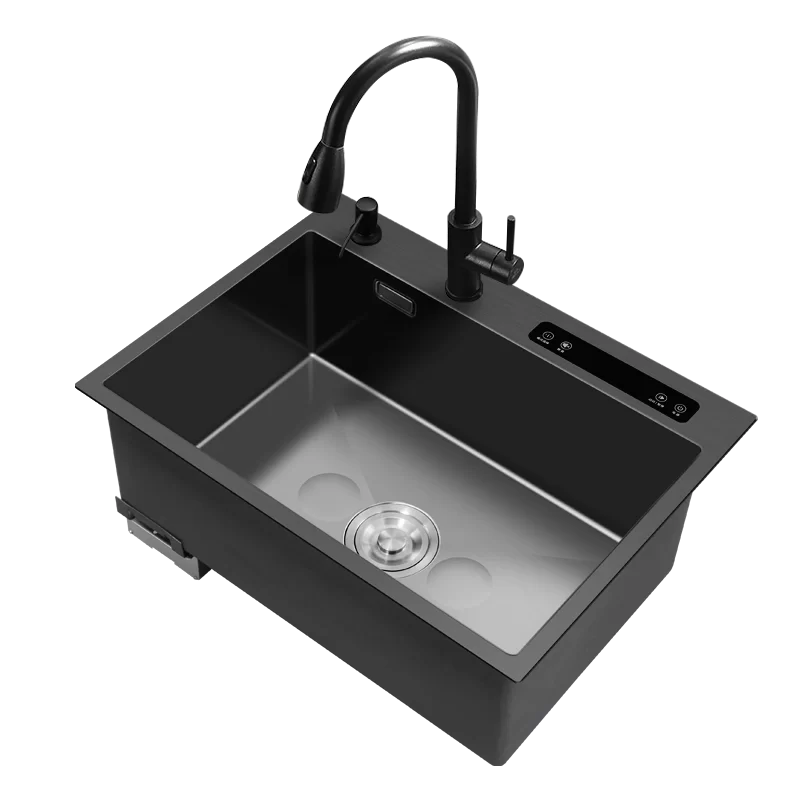
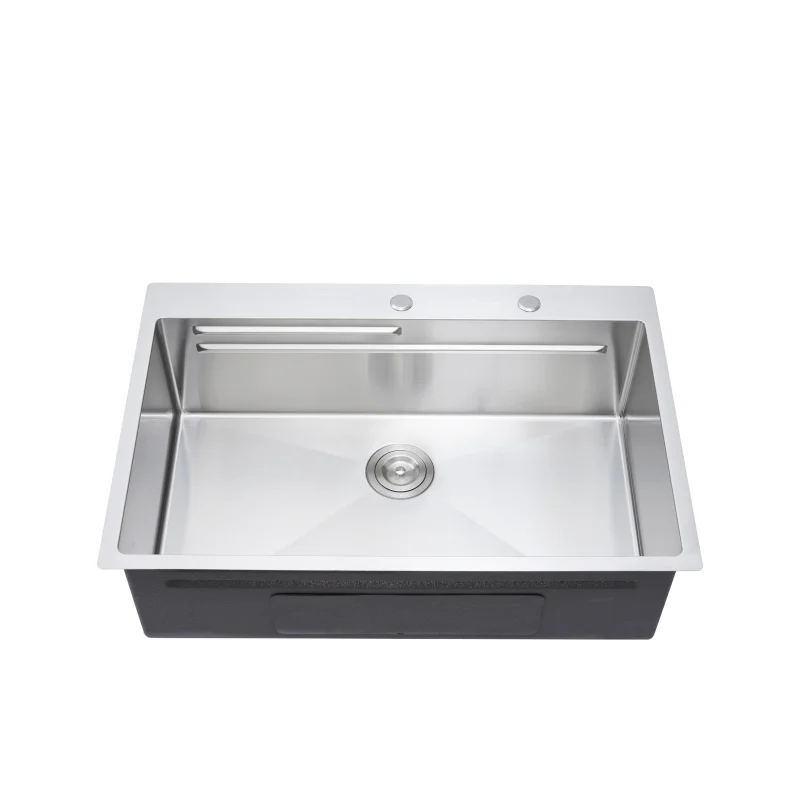
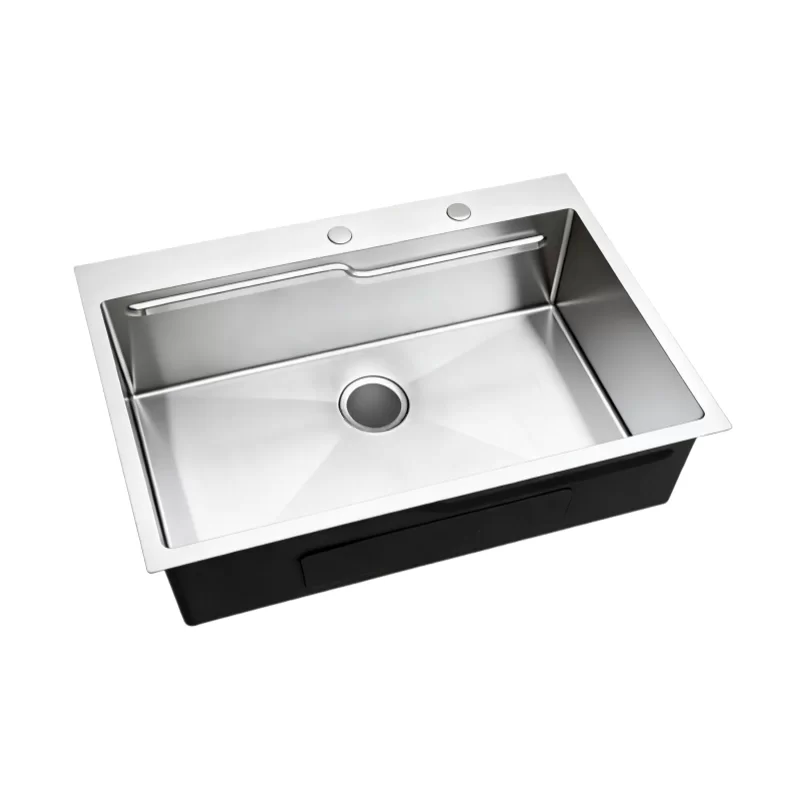
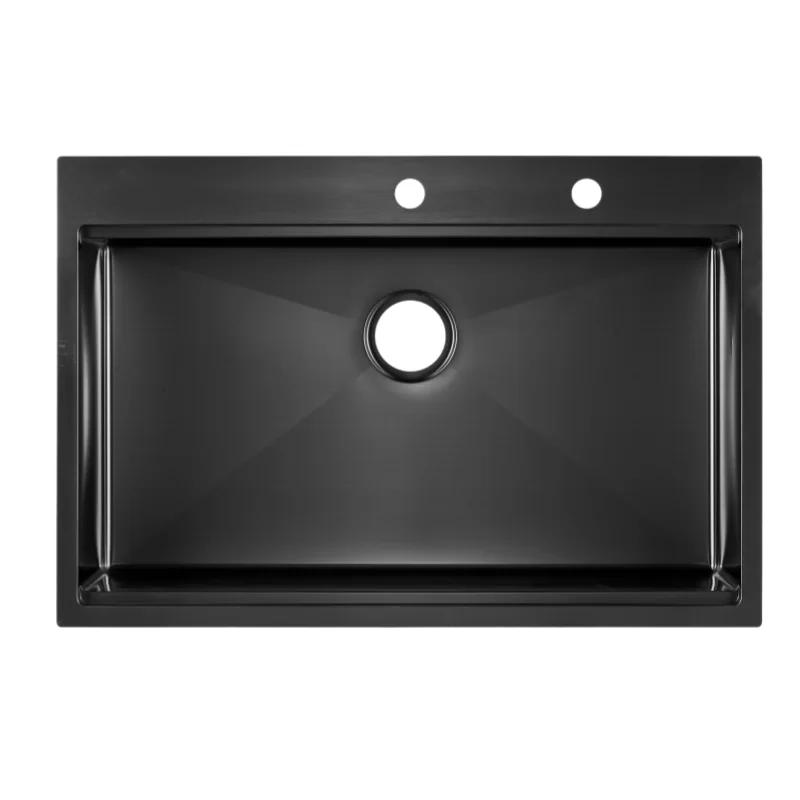
Put simply, a stainless steel kitchen sink supplier is a company or entity that sources, manufactures, or distributes kitchen sinks made primarily of stainless steel. These suppliers often provide everything from basic single-bowl sinks to complex multi-compartment models with enhanced finishing details.
The supplier’s role goes beyond just pushing products; they ensure compliance with food safety standards, understand material grades (like 304 vs. 316 stainless steel), and manage logistics that help keep kitchen workflows seamless. This connection between industrial manufacturing and end-user satisfaction is crucial, particularly for modern kitchens in hospitals, restaurants, and even humanitarian settings where hygiene is paramount.
Core Components to Consider from a Stainless Steel Kitchen Sink Supplier
1. Durability
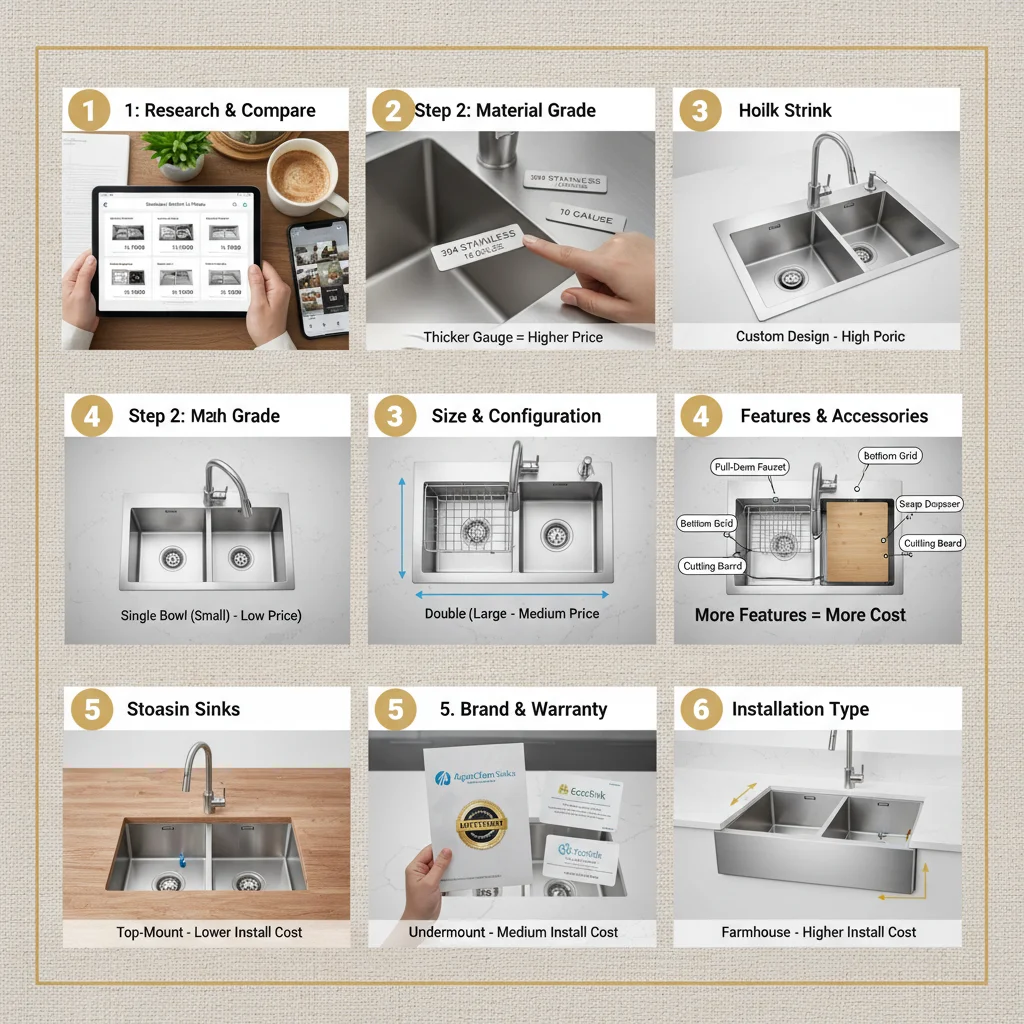
One of the first reasons stainless steel is chosen is for its robustness. A supplier who guarantees sinks with a minimum 16 gauge thickness often means the product will resist dents, scratches, and corrosive kitchen gases much better than cheaper alternatives.
2. Design Variety
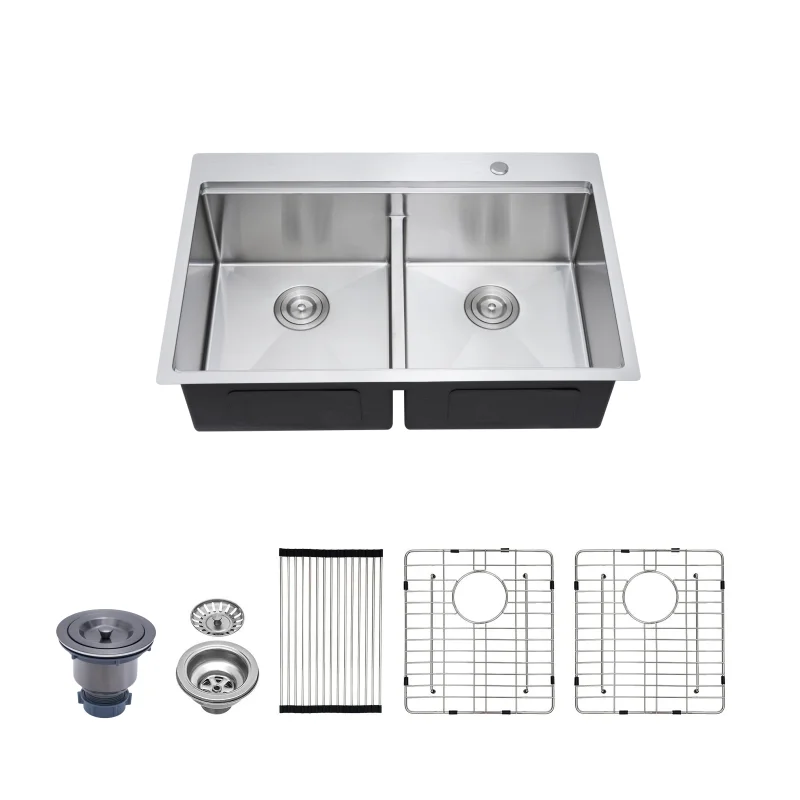
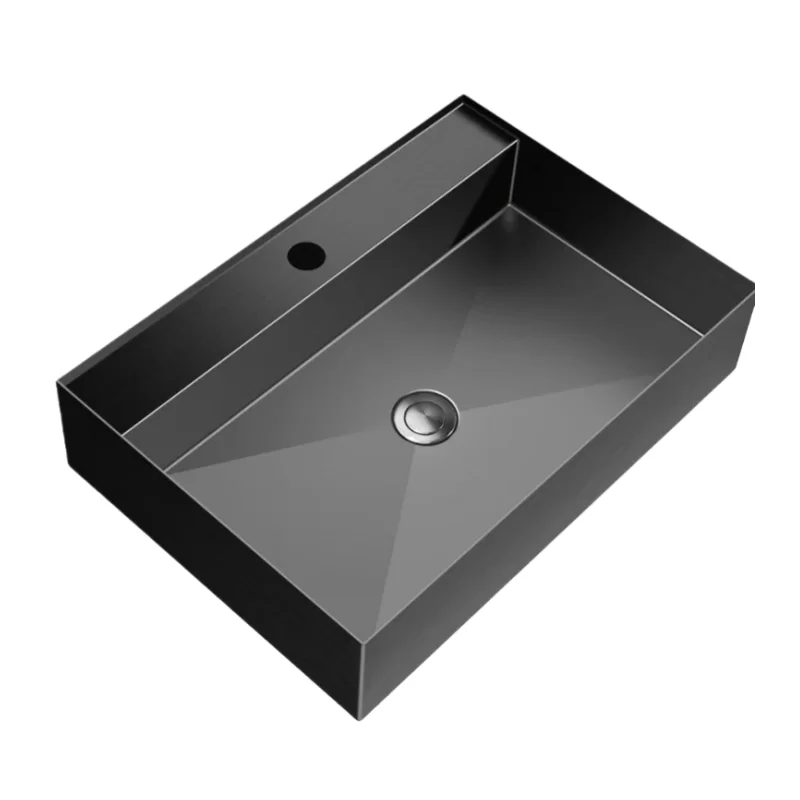
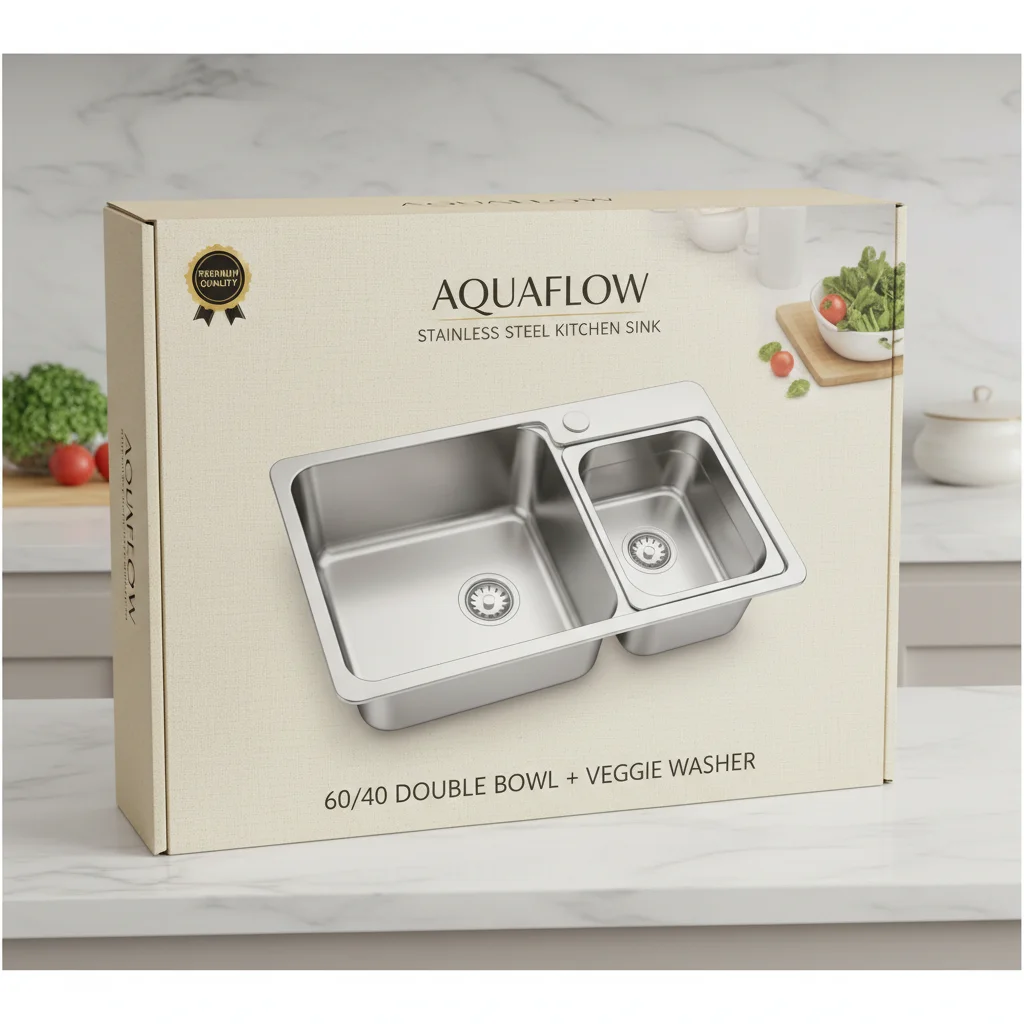
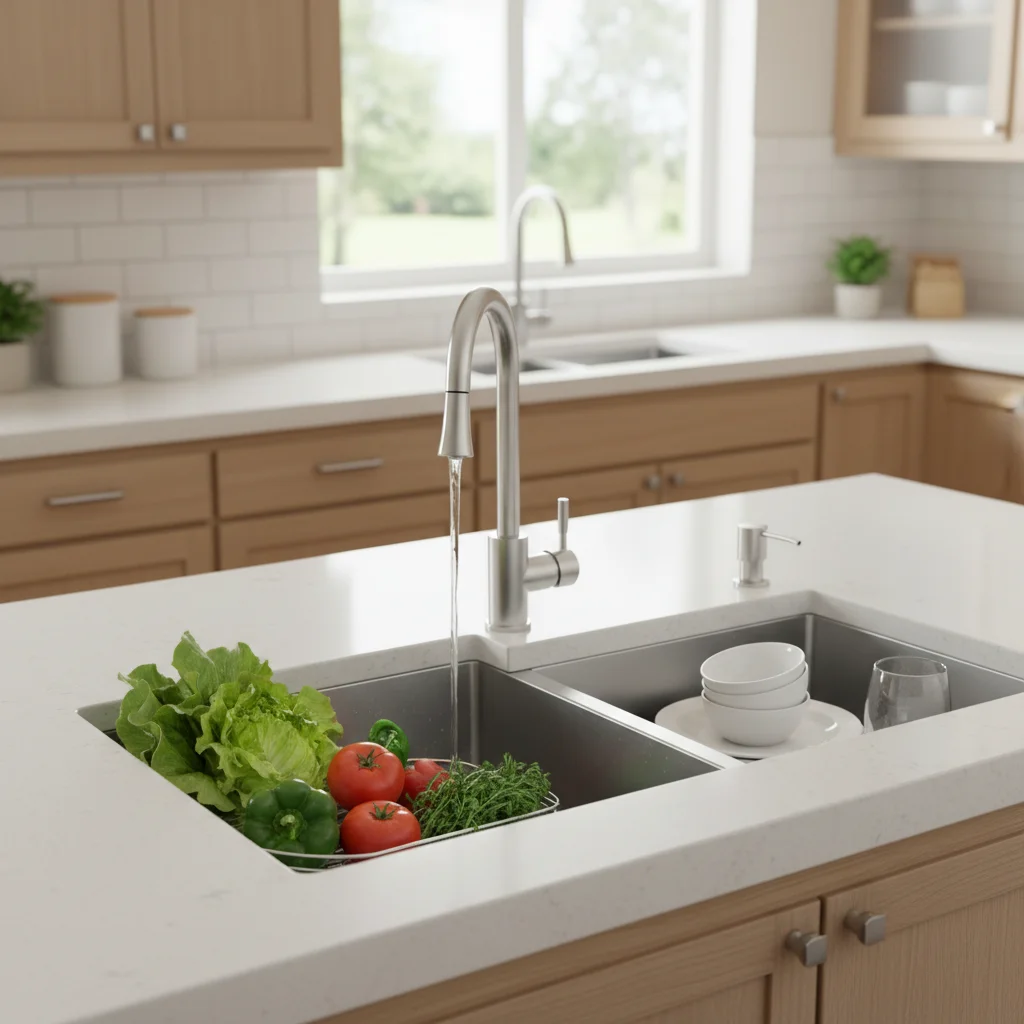
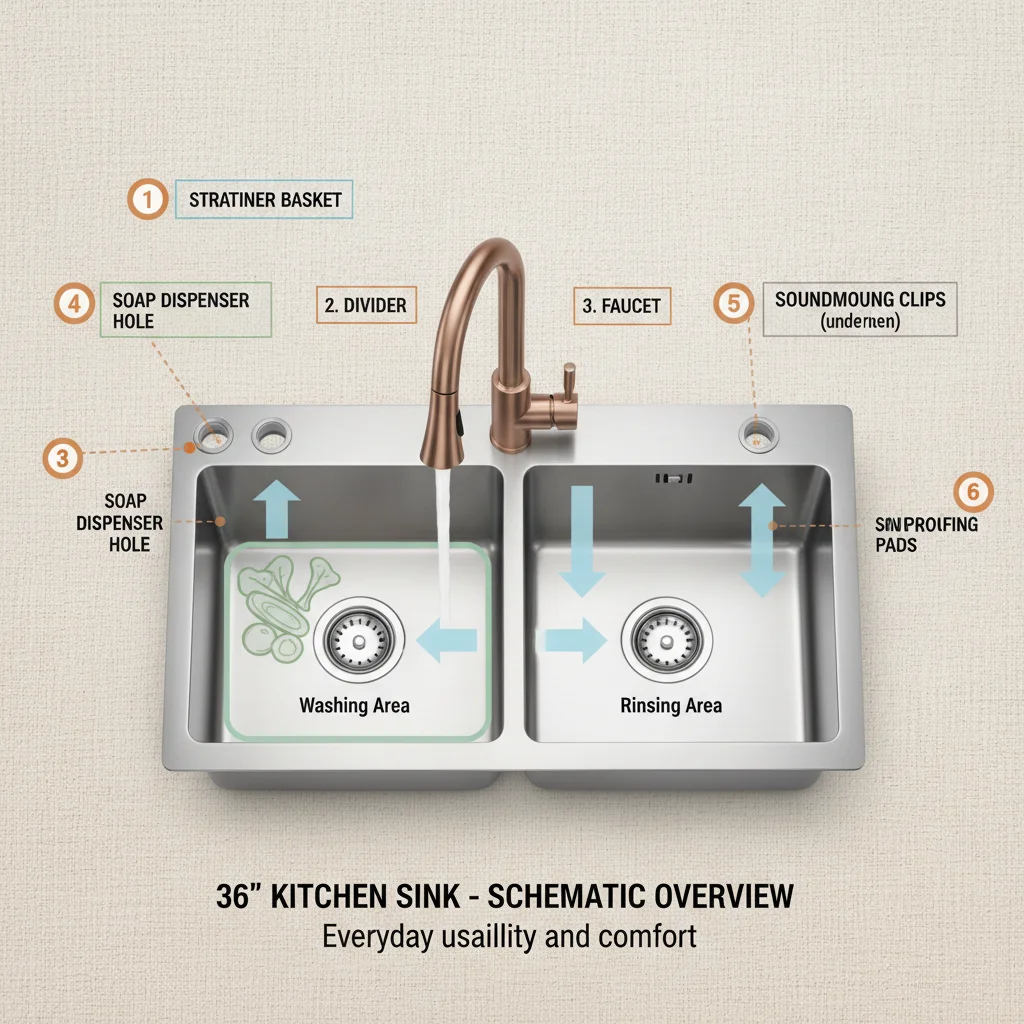
Whether it’s undermount, farmhouse, or integrated drainer styles, suppliers today must cater to various kitchen layouts. Not to mention customization options in size and bowl configuration make a big difference.
3. Quality Certifications
ISO 9001 quality management certification or NSF (National Sanitation Foundation) approvals are signs of trusted suppliers. These accreditations ensure sinks meet rigorous standards – a big deal in commercial kitchens and healthcare.
4. Sustainability
Recyclability of stainless steel and the use of eco-friendly manufacturing processes are becoming core factors. Top-tier suppliers often publicize their commitment to green production, significantly reducing environmental impacts.
5. Cost Efficiency
While upfront costs might seem higher for stainless steel sinks, suppliers who leverage economies of scale and local production hubs can cut prices without compromising quality.
Typical Specifications for a Stainless Steel Kitchen Sink
| Specification |
Details |
| Material Grade |
304 Stainless Steel (Common), 316 Stainless Steel (Premium) |
| Gauge / Thickness |
16 - 18 Gauge (1.2mm to 1.5mm thick) |
| Finish |
Brushed, Mirror, or Matte |
| Bowl Configuration |
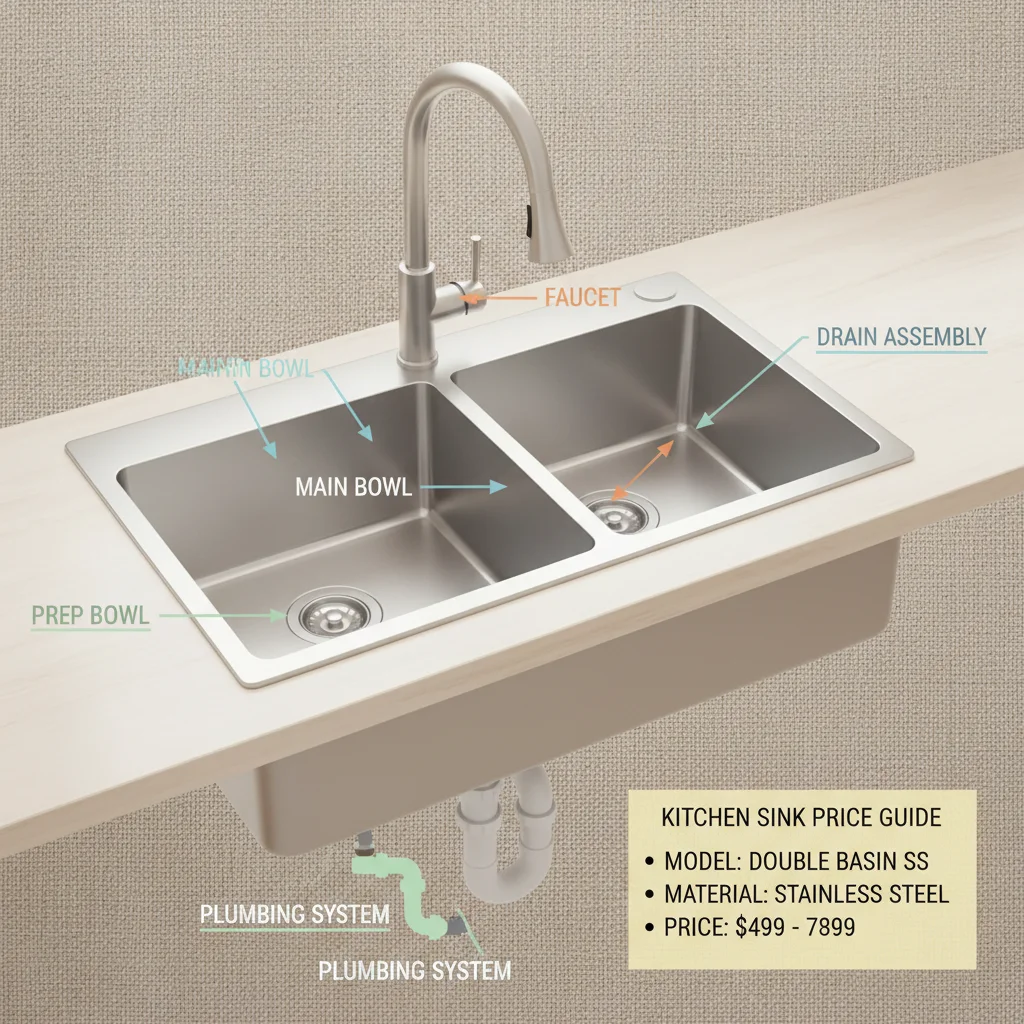
Single, Double, Triple Bowls |
| Installation |
Undermount, Drop-in, Farmhouse |
Global Applications: Where Stainless Steel Kitchen Sink Suppliers Make an Impact
From bustling urban apartments in Europe to remote mining compounds in Australia, stainless steel kitchen sinks are everywhere. In healthcare facilities, they’re essential in maintaining infection control — stainless steel’s non-porous surface helps prevent bacterial growth.
In the hospitality sector, suppliers cater to restaurants demanding sinks that are easy to clean yet handle heavy-duty use. In fact, during disaster relief or refugee camp setups, organizations often partner with reliable suppliers to ensure kitchens can be set up quickly with hygienic facilities.
If you flip through case studies, you’ll see suppliers playing a critical part in supporting these diverse needs by adapting products for climate resilience or easy installation — which frankly, is quite impressive.
Vendor Comparison: Top Stainless Steel Kitchen Sink Suppliers
Comparison of Leading Stainless Steel Kitchen Sink Suppliers
| Feature |
Supplier A |
Supplier B |
Supplier C |
| Material Grade |
304, 316 SS |
304 SS |
304 SS with eco-finish |
| Customization |
High |
Medium |
High |
| Sustainability Initiatives |
Certified Green Manufacturing |
Standard Practices |
Recycled Steel Use |
| Price Range |
$$$ |
$$ |
$$$ |
| Warranty |
10 years |
5 years |
8 years |
Advantages and Long-Term Value of Trusted Stainless Steel Sink Suppliers
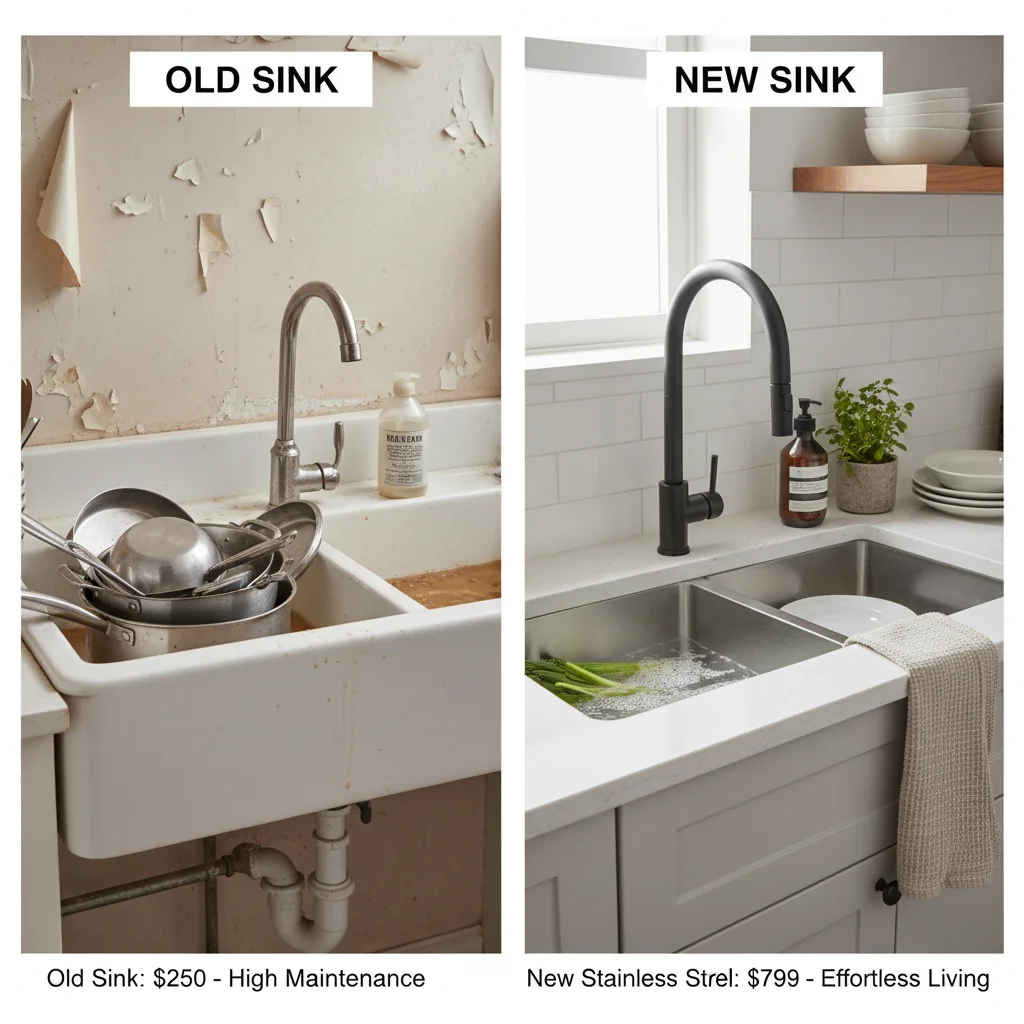
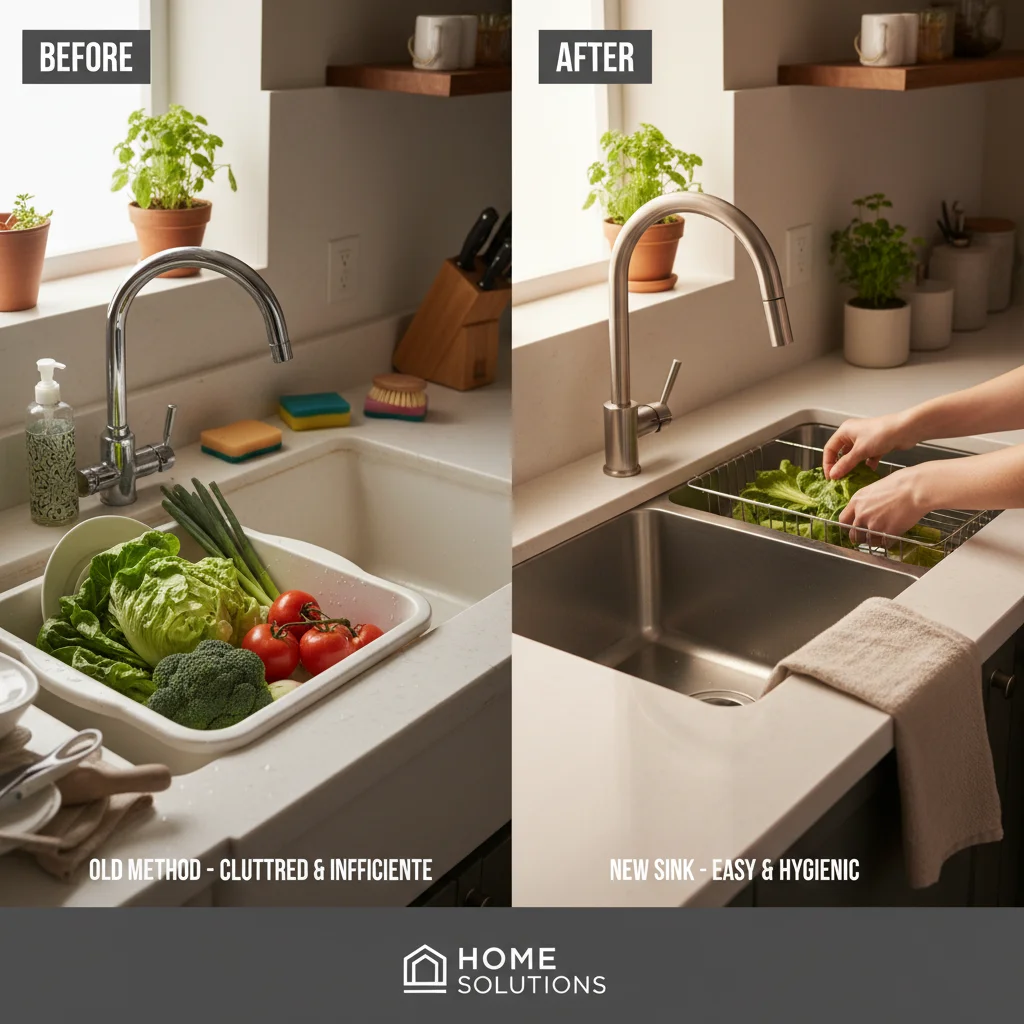
Why go for stainless steel? Because it marries durability with hygiene and style. Suppliers that consistently supply high-quality stainless steel sinks provide kitchens with a foundation of reliability.
In real terms, that means fewer replacements, less downtime, and a consistent appearance that holds up against years of use. Plus, the emotional reassurance for chefs or families knowing their sink won’t harbor germs or deteriorate is invaluable. You know that sense of trust? It’s subtle, but it really counts.
Future Trends & Innovations to Watch
Interestingly, the future looks shiny—quite literally. Next-gen suppliers are focusing on:
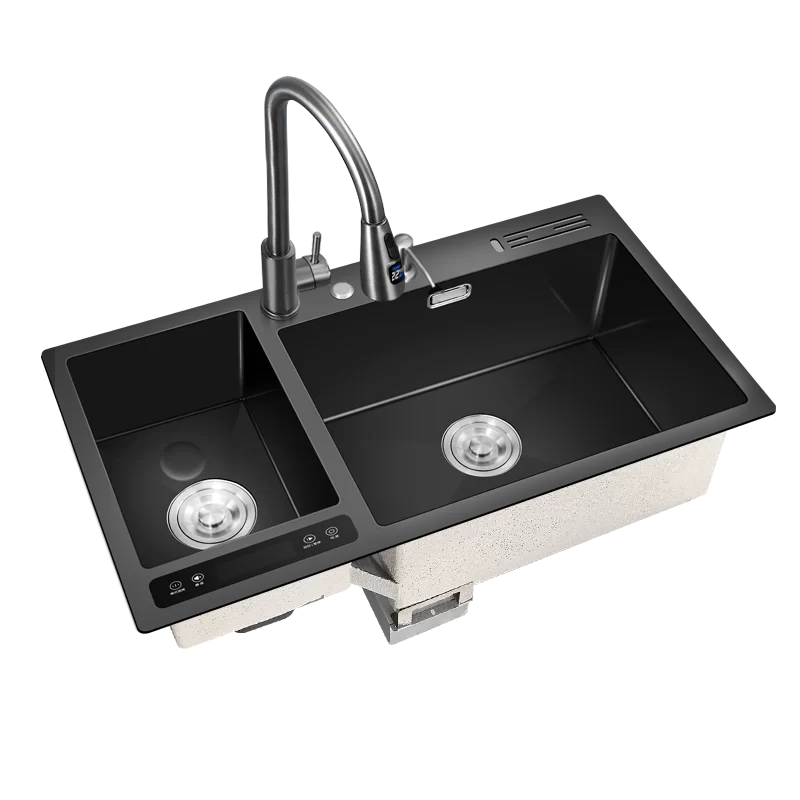
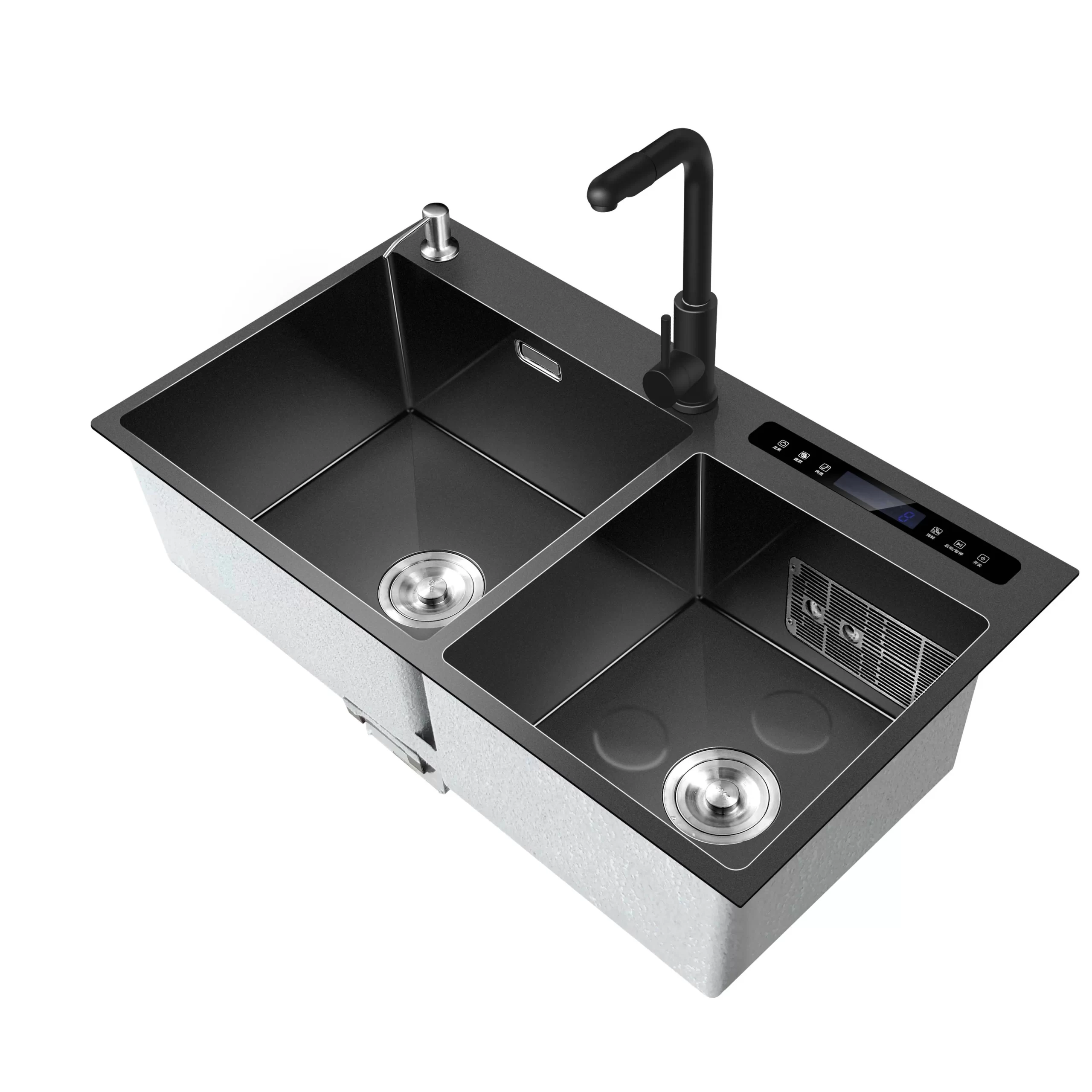
- Smart sinks: Integrating touchless controls and sensors for water efficiency.
- Eco-friendly coatings: Reducing fingerprints and bacteria on surfaces.
- Advanced alloys: Blending stainless steel with other metals for enhanced strength and lighter weight.
- Digital supply chains: Allowing suppliers and customers to track product origin and sustainability data transparently.
Challenges & Innovative Solutions
Like any manufacturing ecosystem, stainless steel kitchen suppliers face hurdles, especially supply chain disruptions and fluctuating raw material costs. Some suppliers mitigate this by regionalizing production or adopting lean manufacturing to reduce waste and increase flexibility.
Additionally, customer education remains a challenge — many users underestimate the importance of sink gauge or finish type until problems arise. Innovative suppliers now offer virtual consultations or sample kits to help buyers make informed choices.
FAQ: Common Questions About Stainless Steel Kitchen Sink Suppliers
-
Q: What is the best stainless steel grade for kitchen sinks?
A: Grade 304 stainless steel is the industry standard due to its corrosion resistance and durability, while 316 is preferred for more corrosive environments like coastal areas.
-
Q: How does the choice of supplier affect the sink quality?
A: Suppliers with robust quality control and certification ensure sinks meet standards, resulting in longer-lasting and safer products.
-
Q: Are stainless steel sinks environmentally friendly?
A: Yes, since stainless steel is 100% recyclable and often made with recycled content. Suppliers with green manufacturing processes further reduce environmental impact.
-
Q: Can I get customized kitchen sinks from suppliers?
A: Many suppliers offer customization options, including size, bowl number, and finishes to suit your kitchen needs.
-
Q: How can I find a reliable stainless steel kitchen sink supplier?
A: Look for certifications like ISO 9001, NSF, check customer reviews, transparency about material grades, and a clear warranty policy.
Conclusion: Why Partnering with the Right Stainless Steel Kitchen Sink Supplier Matters
In essence, a stainless steel kitchen sink supplier is more than just a vendor; they’re a partner in building kitchens that last, serve, and sustain. Across industries and continents, these suppliers help shape environments that maintain hygiene, promote sustainability, and enable everyday routines that so many of us take for granted.
Ready to explore high-quality stainless steel sinks tailored for your needs? Discover reliable products and expert service at stainless steel kitchen sink supplier.
Mini takeaway: Choosing the right stainless steel kitchen sink supplier ensures you get durability, hygiene, and sustainability—essentials for modern kitchens globally.
References
- International Stainless Steel Forum (ISSF)
- ISO 9001 Quality Management
- Wikipedia: Stainless Steel