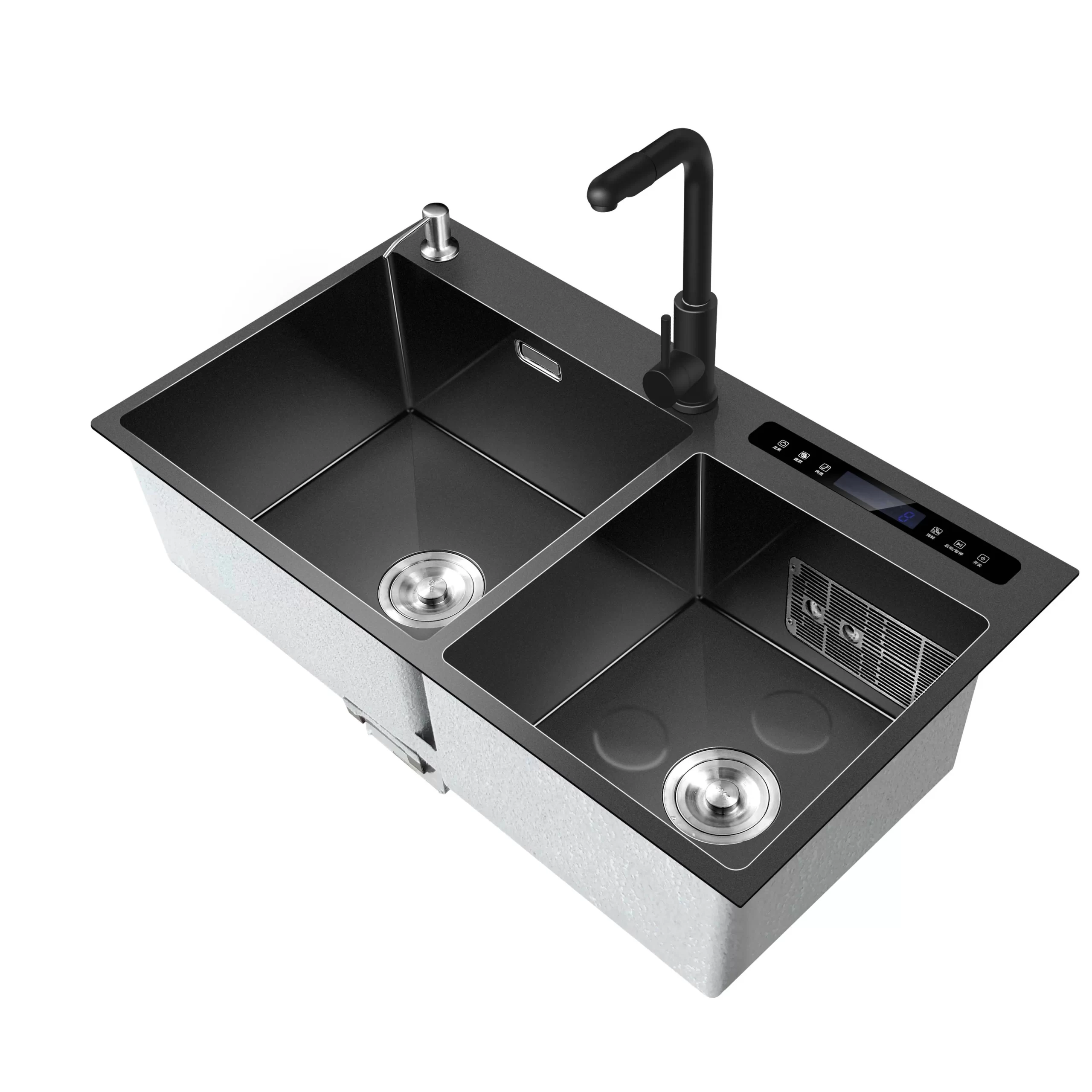
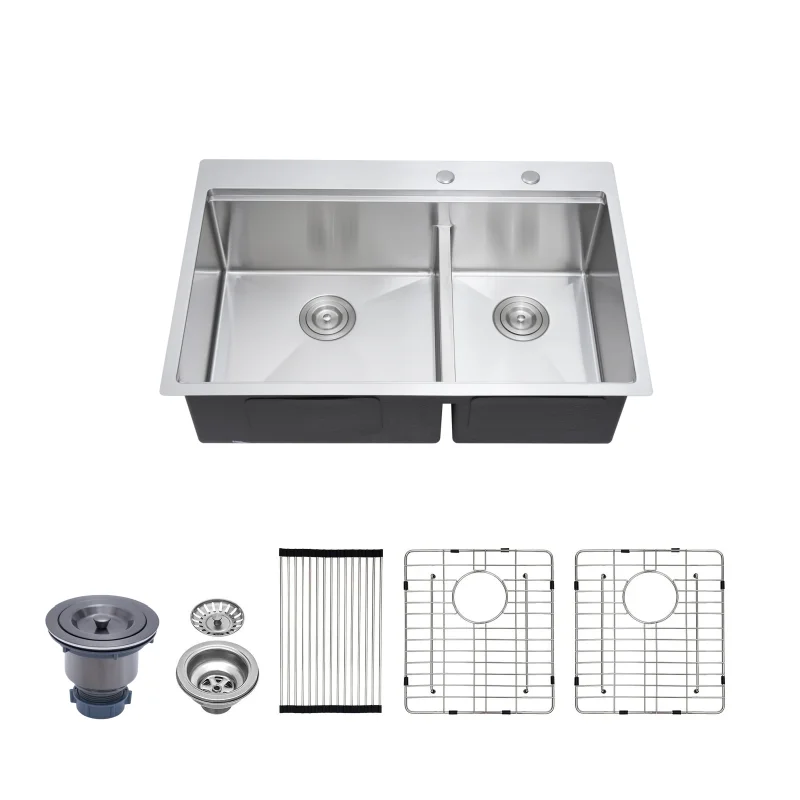
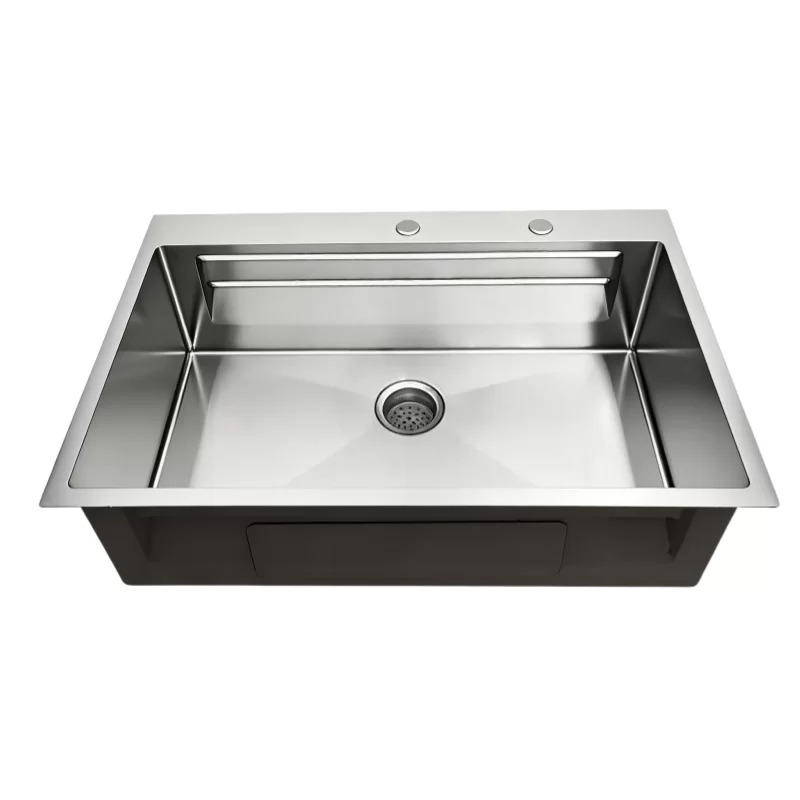
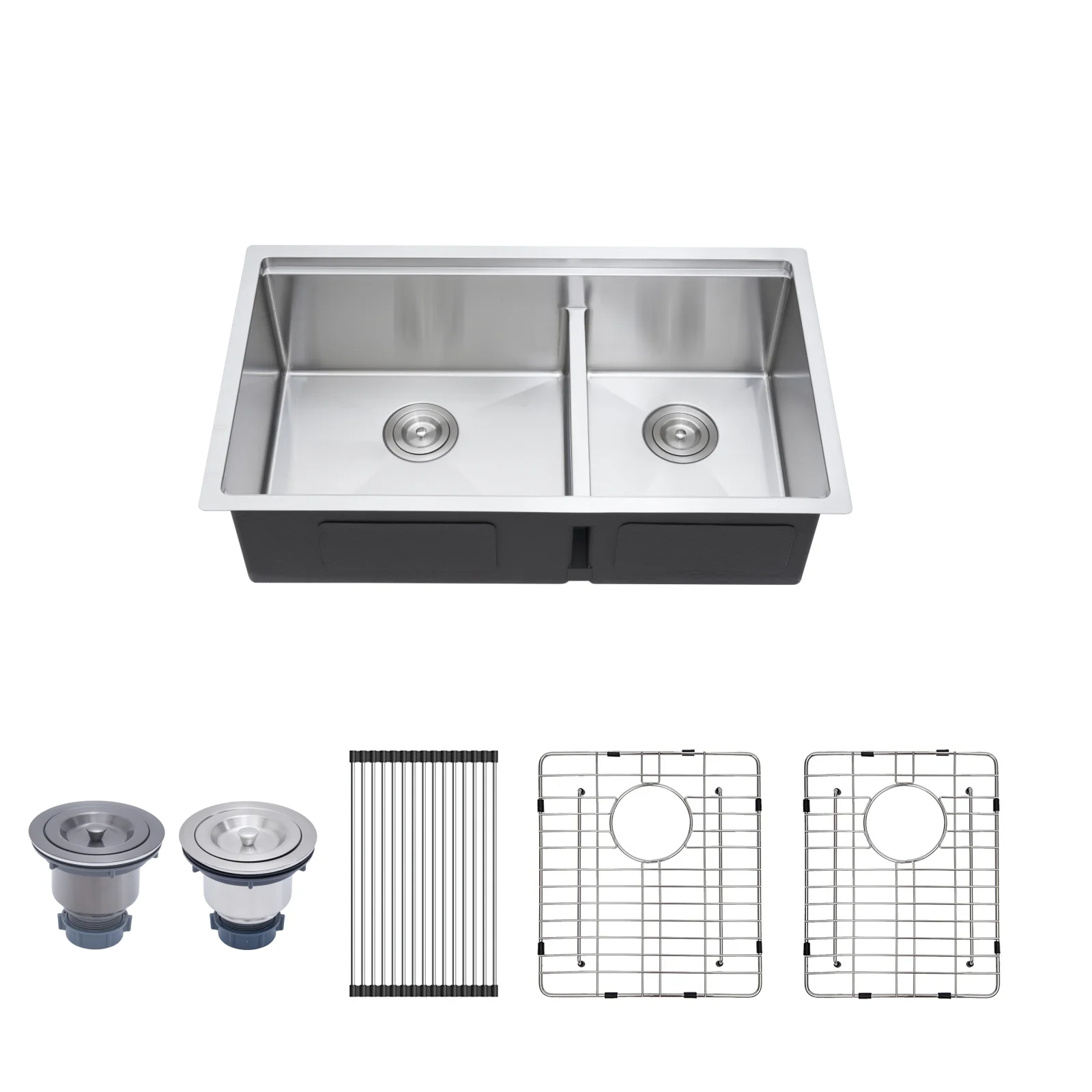
Why Choosing a Stainless Steel Kitchen Sink Manufacturer Really Matters
Working in the industrial equipment sector for over a decade, I've seen more than my fair share of kitchen sinks – especially stainless steel ones. They’re deceptively simple at first glance, but frankly, there’s a lot going on behind the scenes. When you’re in the market looking for a stainless steel kitchen sink manufacturer, it’s not just about shiny surfaces or price tags. It’s about material grade, manufacturing precision, and durability — things that can make or break a kitchen setup years down the line.
Honestly, I’ve always been partial to stainless steel sinks because of their balance between resilience and hygiene. You can bang pots, splash boiling water, and still have a sink that looks polished the next day. But it’s not just the material; the manufacturer's expertise in fabricating these sinks – from the steel gauge to weld quality and finishing – determines if you get something that lasts or something that fatigues quicker than you'd expect.
What Makes a Stainless Steel Sink Good?
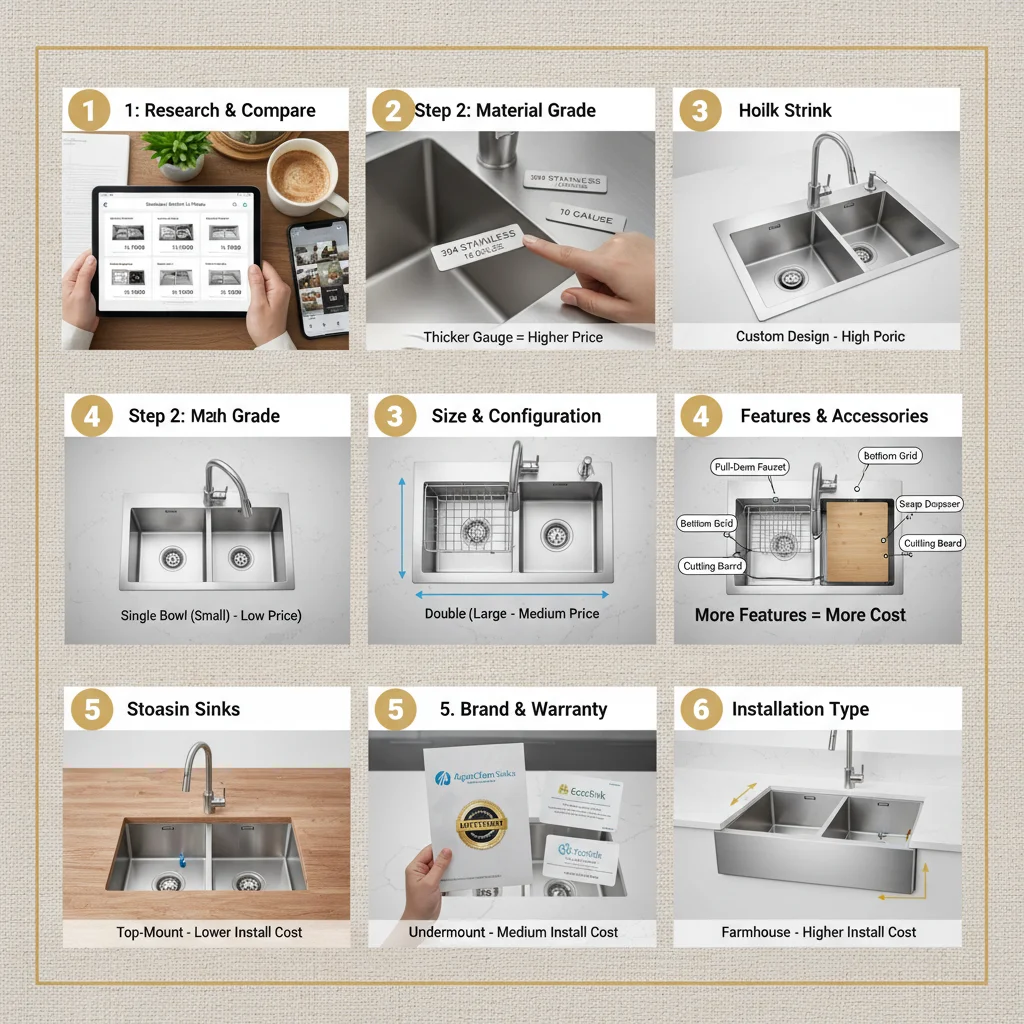
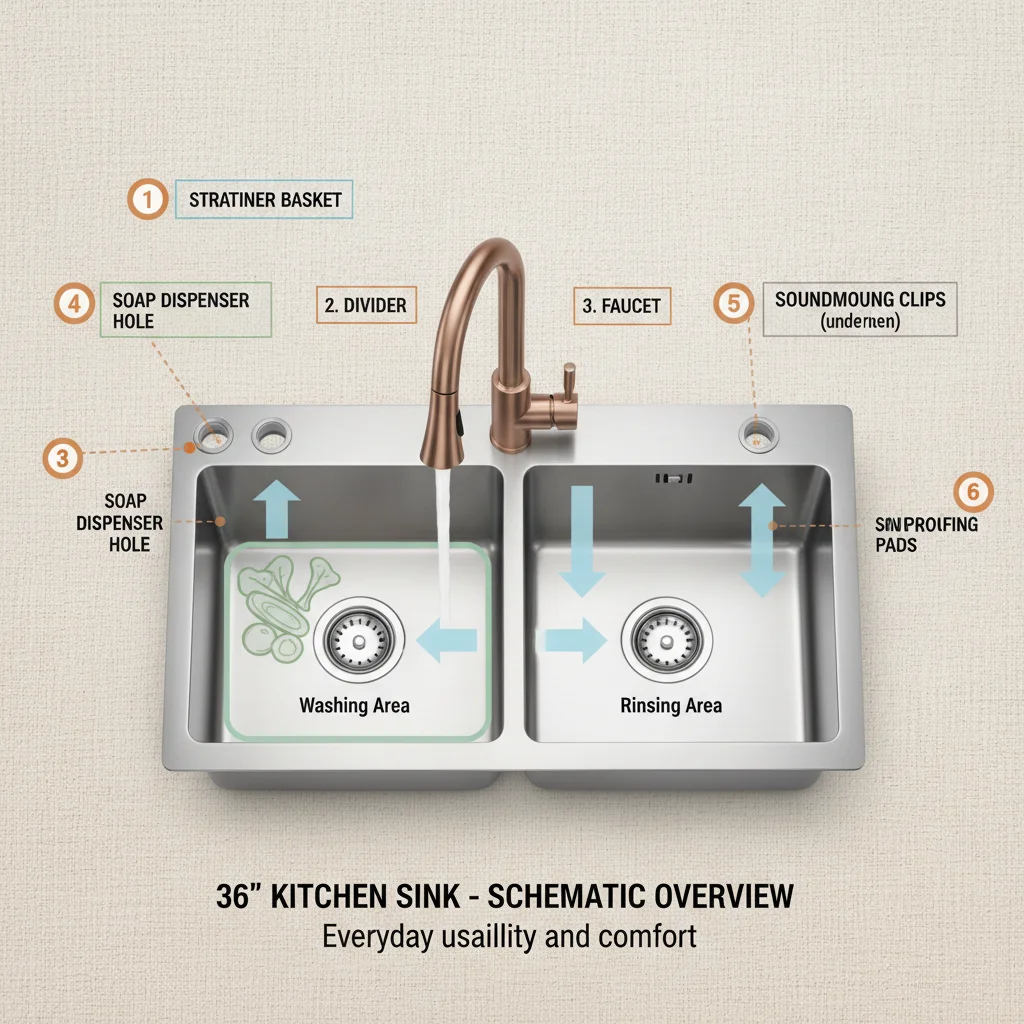
To keep things straightforward: the industry standard usually involves 304-grade stainless steel, often 18 or 16 gauge. I noticed over time that 16 gauge is thicker and tends to reduce noise and denting better, especially in heavy-use settings like commercial kitchens. Meanwhile, 18 gauge, though thinner, is lighter and sometimes more cost-effective. It’s a tradeoff, you see.
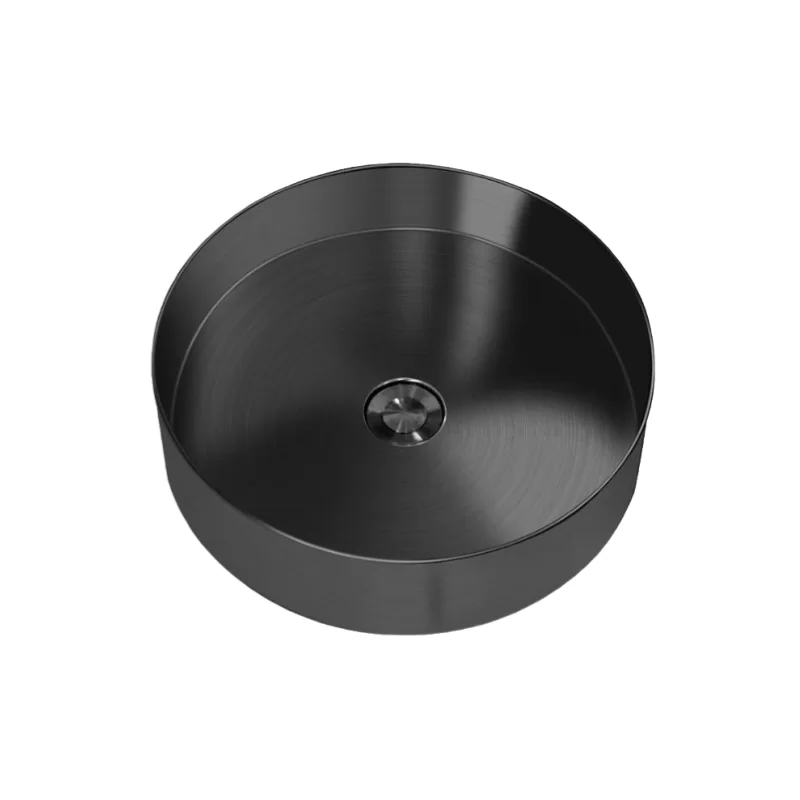
Beyond steel grade, finishing touches like brushed or satin finishes affect both aesthetics and scratch visibility—and, trust me, everyone wants a sink that hides everyday wear well. Manufacturers invest heavily in testing their sinks under thermal and stress conditions — things most customers never hear about but which affect long-term durability.
Key Specifications of Stainless Steel Kitchen Sinks
| Feature |
Typical Value |
Industry Notes |
| Material Grade |
304 Stainless Steel |
Resistant to corrosion and rust |
| Steel Gauge |
16 or 18 Gauge |
16 gauge is thicker and more durable |
| Finish |
Brushed Satin |
Hides scratches and fingerprints |
| Installation Type |
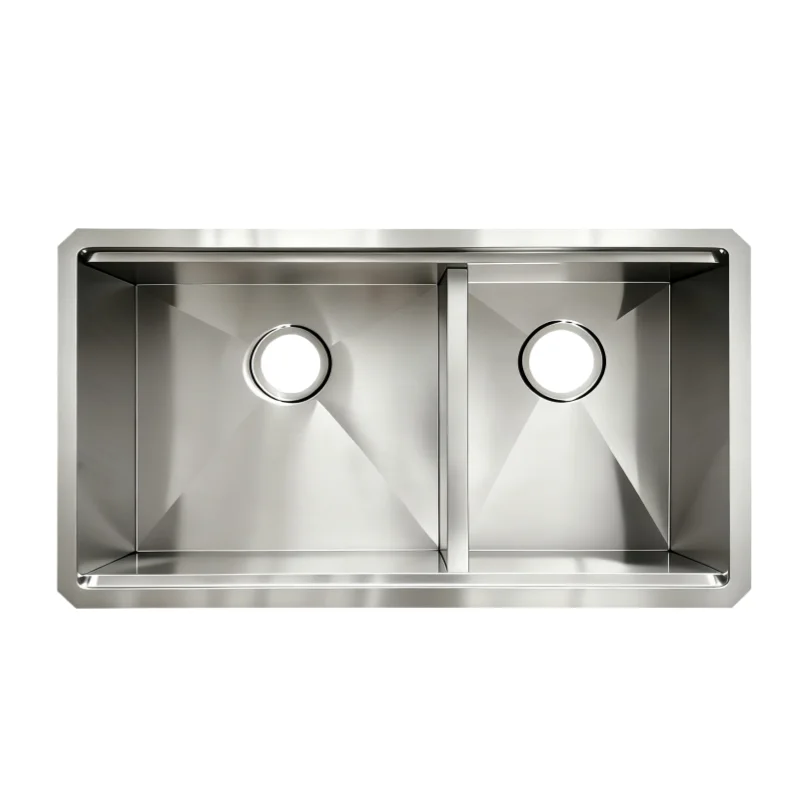
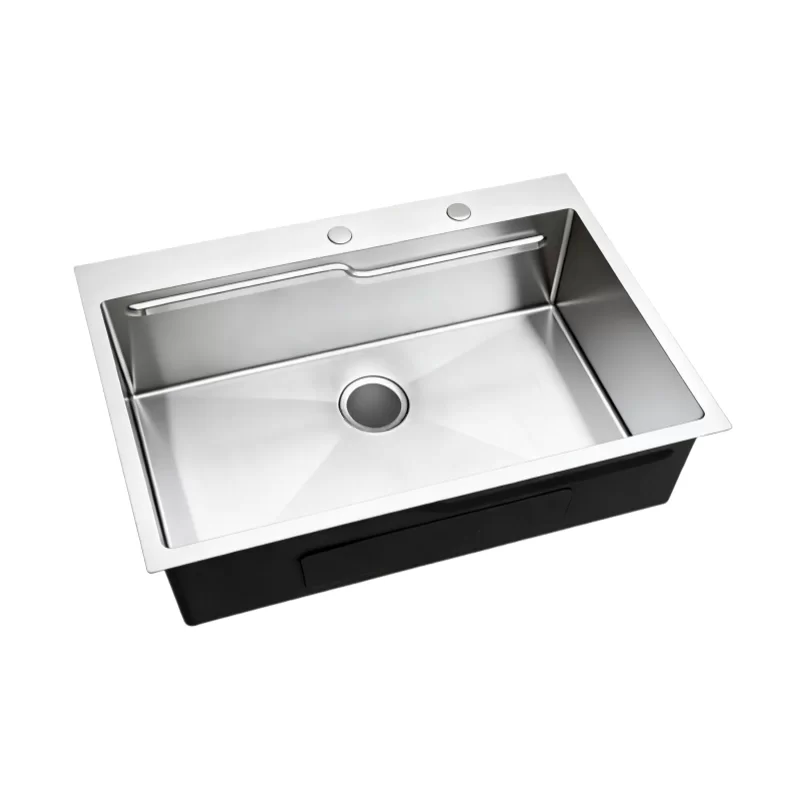
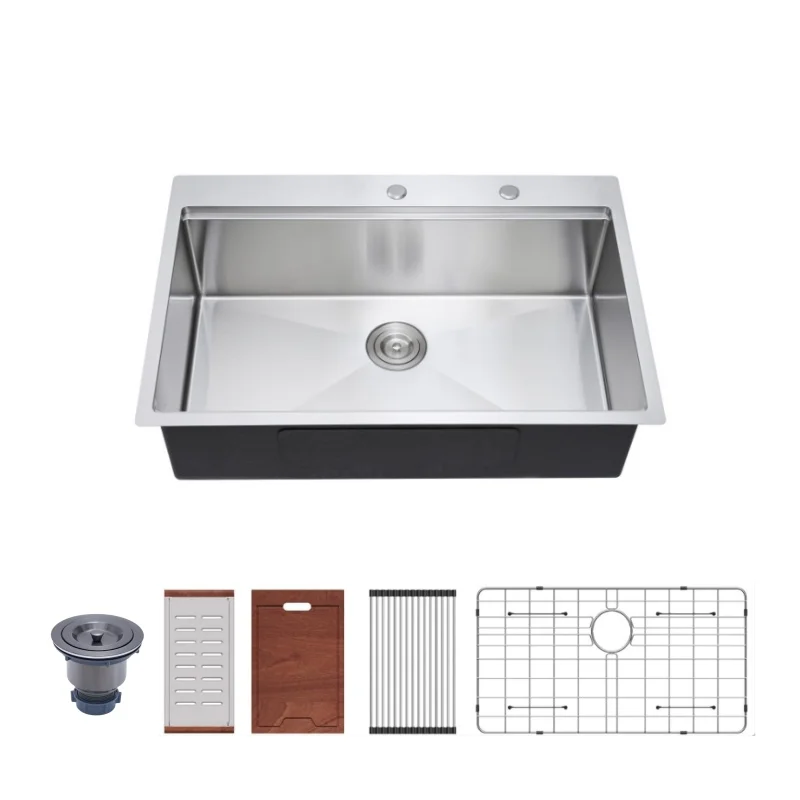
Undermount / Drop-in |
Depends on kitchen design |
| Sound Dampening |
Yes, with pads or undercoating |
Reduces noise from running water |
Comparing Stainless Steel Kitchen Sink Vendors
If you ask me, choosing a manufacturer often comes down to three big factors: quality control, customization options, and delivery reliability. Some vendors are flying their flags high with low prices, but in my experience, that often comes with compromises in thickness or finishing. That can end up costing more in replacements.
Vendor Comparison Snapshot
| Vendor |
Steel Gauge |
Customization Options |
Lead Time |
Warranty |
| Yashite Sink |
16-18 gauge |
Bowl sizes, finishes, mounting |
3-4 weeks |
5 years |
| Competitor A |
18 gauge |
Limited bowl sizes |
4-6 weeks |
3 years |
| Competitor B |
16 gauge |
Custom sizes & accessories |
6+ weeks |
2 years |
A Quick Customer Story
I remember a mid-sized restaurant project that decided last-minute to switch their sink supplier. They opted for a sink manufacturer who claimed lower prices but ended up with sinks that dented and showed wear within months. The project manager called me, pretty frustrated — but it was a useful lesson in why investing upfront in trusted manufacturers pays off. The replacement order went through Yashite Sink and even on a tight timeline, they delivered quality product and support. That kind of reliability sticks with you.
In real terms, the best stainless steel kitchen sink manufacturers aren’t those with the flashiest ads, but the ones who focus on consistent quality, customization, and honest timelines. It’s odd, but sometimes that quiet reliability is exactly what your kitchen needs.
So, the next time you’re considering suppliers, remember: it’s not just steel and shape — it’s the whole story behind the sink that makes the difference.
References:
1. Industry reports on stainless steel use in kitchen fixtures
2. Trade journals: manufacturing and materials
3. Direct conversations with manufacturing experts and users